Hoi An in 2026: Can Vietnam's Ancient Town Preserve Its Living Heritage?
Updated: November 2026
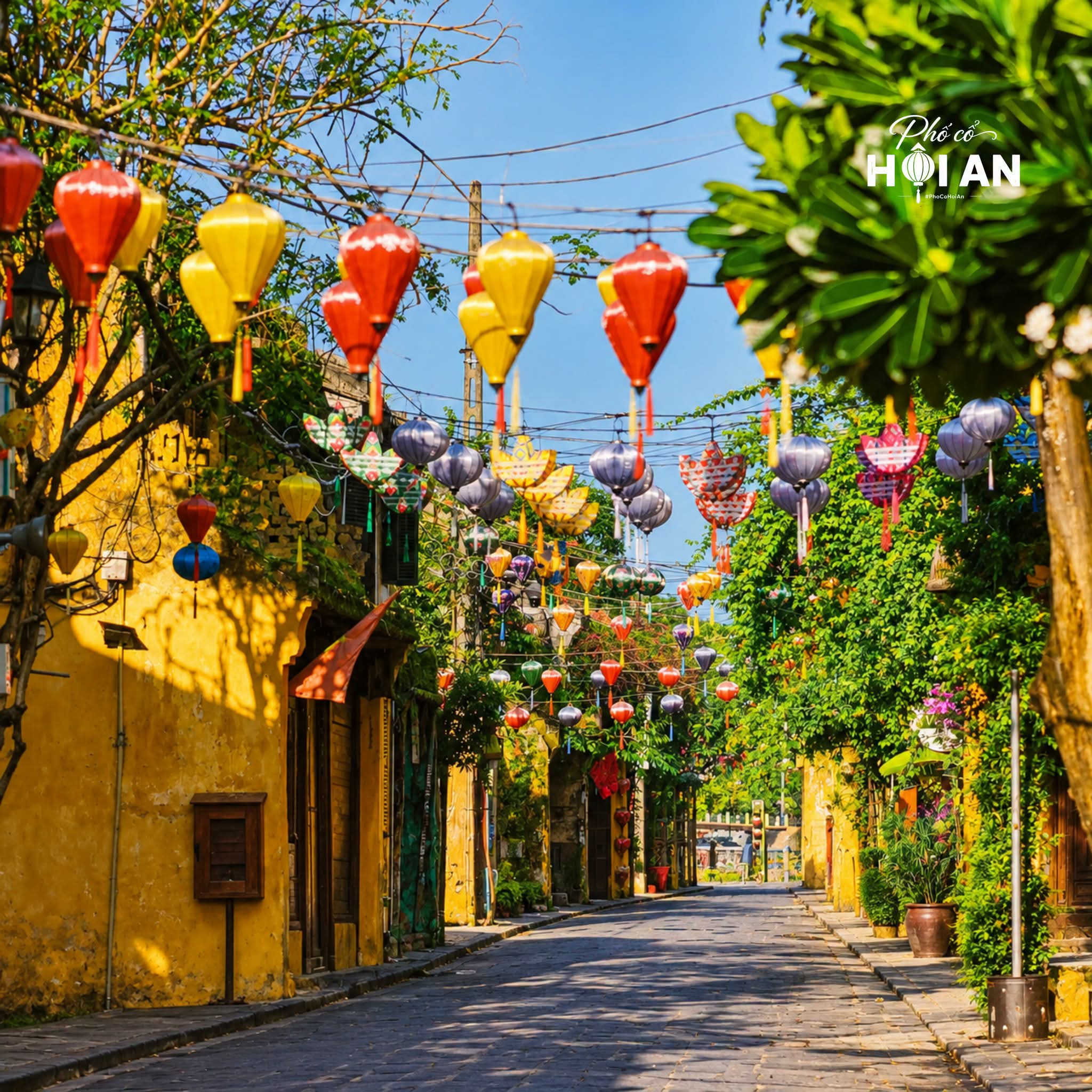
Hoi An has long been one of Vietnam's most enchanting destinations. Its mustard-yellow houses, lantern-lit streets, historic wooden buildings, and riverside atmosphere attract visitors from around the world. Recognized as a UNESCO World Heritage Site in 1999, Hoi An Ancient Town represents an exceptionally well-preserved Southeast Asian trading port shaped by centuries of cultural exchange.
Yet behind its picturesque appearance, Hoi An is experiencing significant changes.
Since July 2025, the former city of Hoi An has become part of the newly expanded Da Nang City. Meanwhile, tourism businesses have reported fewer visitors during the autumn of 2026, and growing numbers of longtime residents have moved away from the historic center.
These developments raise an important question: Can Hoi An remain a living heritage town, or will its historic streets gradually become a commercial destination designed primarily for tourists?
Understanding Hoi An in 2026 requires looking beyond its famous lanterns to examine its changing administration, tourism economy, local communities, and cultural identity.
1. Hoi An Is Now Part of Da Nang: What Has Changed?

One of the most important administrative developments in central Vietnam occurred on July 1, 2025, when Quang Nam Province and Da Nang City were merged into a new, expanded Da Nang City.
As a result, Hoi An is no longer a separate city-level administrative unit within Quang Nam Province.
The former Hoi An area was reorganized into four administrative units: Hoi An Ward, Hoi An Dong Ward, Hoi An Tay Ward, and Tan Hiep Commune.
Hoi An Ward includes the historic town center, while the surrounding areas encompass coastal communities, traditional craft villages, agricultural landscapes, and the Cham Islands.
What does the merger mean for travelers?
For international visitors, Hoi An's cultural identity and famous attractions remain unchanged.
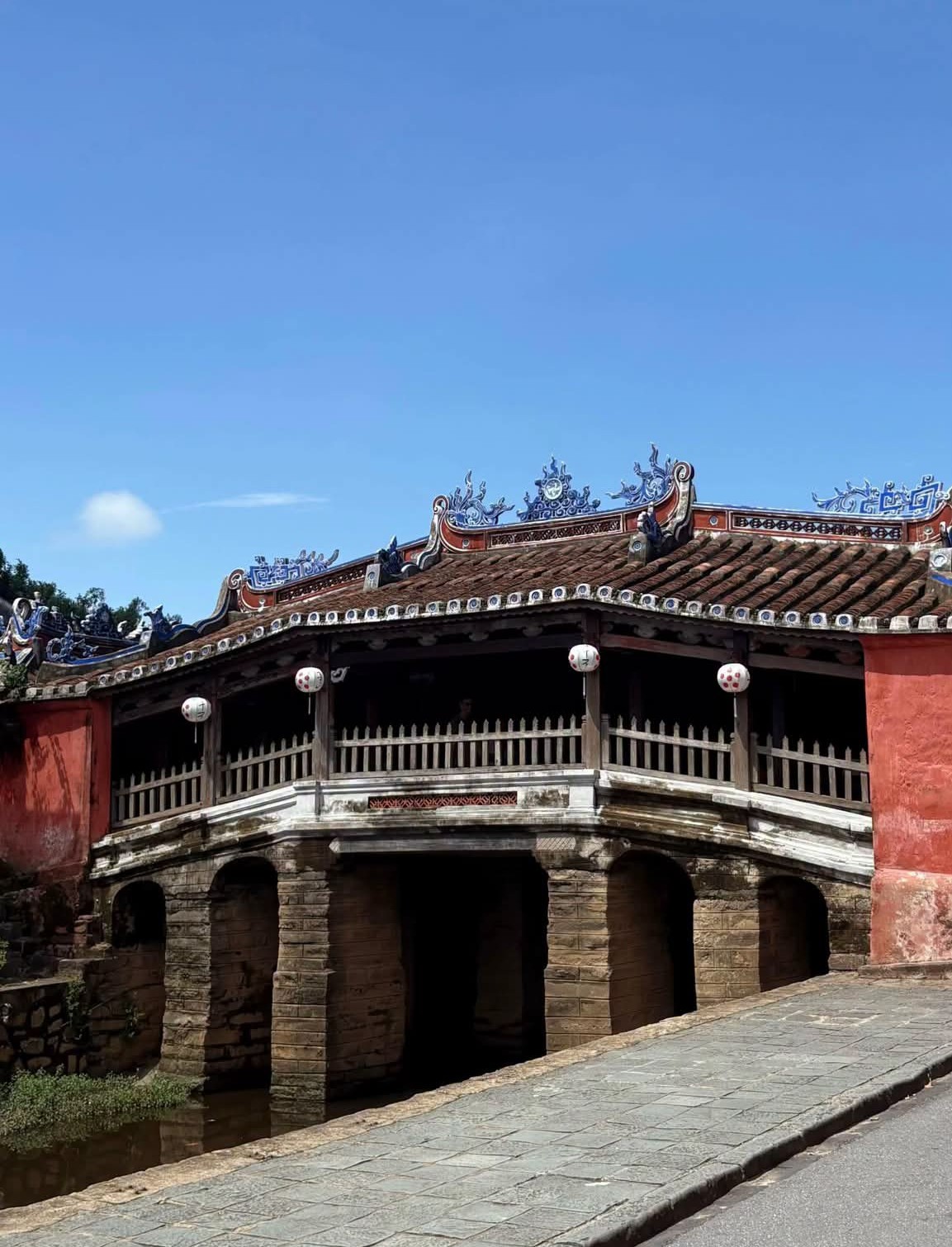
The Japanese Covered Bridge, historic merchant houses, traditional assembly halls, Hoai River, and lantern-filled streets are still part of the Hoi An experience.
The town remains a UNESCO World Heritage destination, regardless of its new administrative boundaries.
However, the merger may influence how tourism infrastructure, heritage conservation, transportation, and destination promotion are managed.
Being part of a larger Da Nang administration could provide opportunities for coordinated regional tourism development, improved infrastructure, and stronger international promotion.
At the same time, managing Hoi An's heritage across several local administrative units requires careful cooperation.
Protecting the ancient town must remain a shared priority rather than becoming only one component of a much larger urban development agenda.
2. Why Did Hoi An Experience Fewer Tourists in October 2026?

Hoi An's tourism slowdown became a widely discussed issue in October 2026.
According to information reported by Tuoi Tre on October 26, sightseeing ticket sales in Hoi An Ancient Town fell by approximately 20% during the first 20 days of October compared with the same period in 2025.
Some hotels, restaurants, and tourism operators reported more substantial declines in their individual businesses.
However, these figures should not be interpreted as evidence that all tourism across Hoi An declined by the same percentage.
Rainy season and flooding concerns
October and November are traditionally among the wettest months in central Vietnam.
Heavy rainfall, tropical storms, and possible flooding can affect sightseeing, river activities, and transportation.
Hoi An is particularly vulnerable because its historic center lies near the Thu Bon and Hoai rivers.
Images of severe flooding in 2025 may also have influenced travel decisions made months in advance for the 2026 season.
Some travel companies reportedly reduced or removed Hoi An from their central Vietnam itineraries because of concerns about weather-related disruptions.
These decisions illustrate how the perception of destination safety can influence bookings even when local conditions vary from one period to another.
International travel uncertainty
Broader international developments may also affect tourism demand.
Economic uncertainty, geopolitical tensions, travel costs, and changing holiday preferences can influence long-haul visitors, particularly those traveling from Europe.
However, no single factor has been conclusively established as the main explanation for Hoi An's October slowdown.
Is Hoi An losing its appeal?
A quieter October does not necessarily mean that Hoi An is experiencing a permanent tourism decline.
Local tourism businesses interviewed in late October reported stronger bookings for November and December, suggesting that some travelers were postponing rather than abandoning their visits.
Because November 2026 is still underway, complete monthly visitor figures are not yet available.
Nevertheless, the slowdown provides an opportunity to reconsider the town's tourism strategy.
Rather than focusing exclusively on visitor numbers, Hoi An should examine how to improve visitor satisfaction, encourage longer stays, and develop experiences that remain attractive beyond the busiest travel seasons.
3. The Disappearing Residents of Hoi An Ancient Town
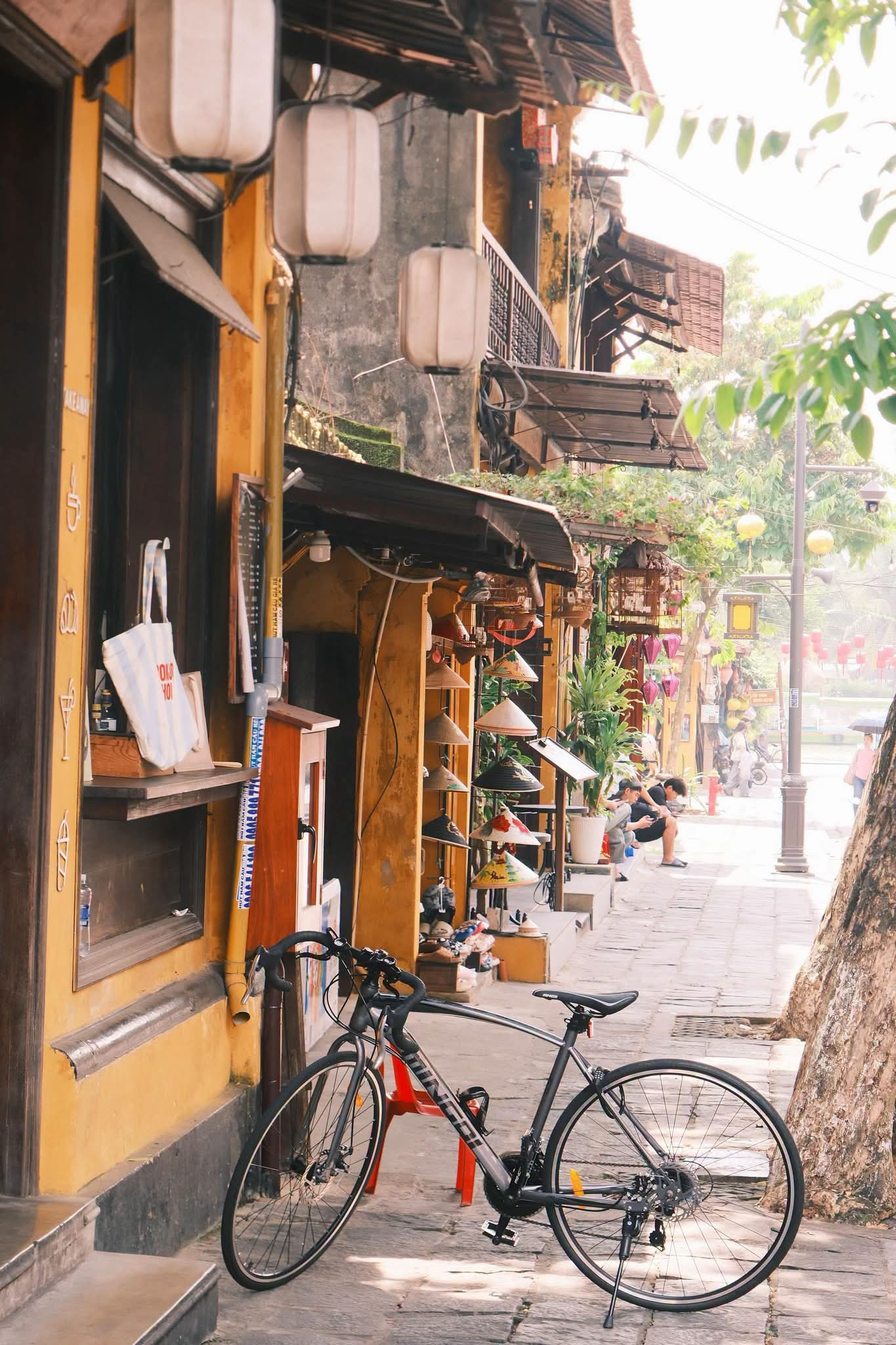
Perhaps the most significant challenge facing Hoi An is not seasonal tourism demand but the gradual departure of its original residents.
For generations, Hoi An's traditional houses served several purposes simultaneously.
They were family homes, places of ancestral worship, small businesses, and gathering spaces for local communities.
These overlapping functions helped create the distinctive character of a living heritage town.
Today, many historic houses have been converted into souvenir shops, cafés, restaurants, tailoring businesses, and accommodation establishments.
How many residents have left?
Figures discussed at a heritage workshop in October 2026 suggest that Hoi An Ancient Town had just over 3,000 residents in 2023.
Approximately 40% of original homeowners were reported to have moved elsewhere.
By 2024, only around 20–30% of heritage properties reportedly continued to accommodate residents.
These figures reflect specific heritage-management assessments and should not be interpreted as a complete population census for the wider Hoi An area.
Nevertheless, they highlight a substantial change in the residential character of the historic center.
Why are local families moving away?
The reasons are understandable.
Historic wooden houses require expensive maintenance, while conservation regulations can limit renovations and modern improvements.
Many buildings offer limited living space, inadequate facilities, and little privacy.
Meanwhile, the commercial value of properties in popular tourist streets has increased considerably.
Renting a historic house to a business may generate more income than operating a traditional family shop.
Some residents therefore choose to move into modern homes outside the ancient town while retaining ownership of their historic properties.
This can improve their living conditions and financial security.
The challenge is not that residents are making the wrong decisions. It is that the combined effect of these decisions may gradually change the cultural character of Hoi An.
4. From Living Heritage to Commercial Tourism: What Is at Risk?
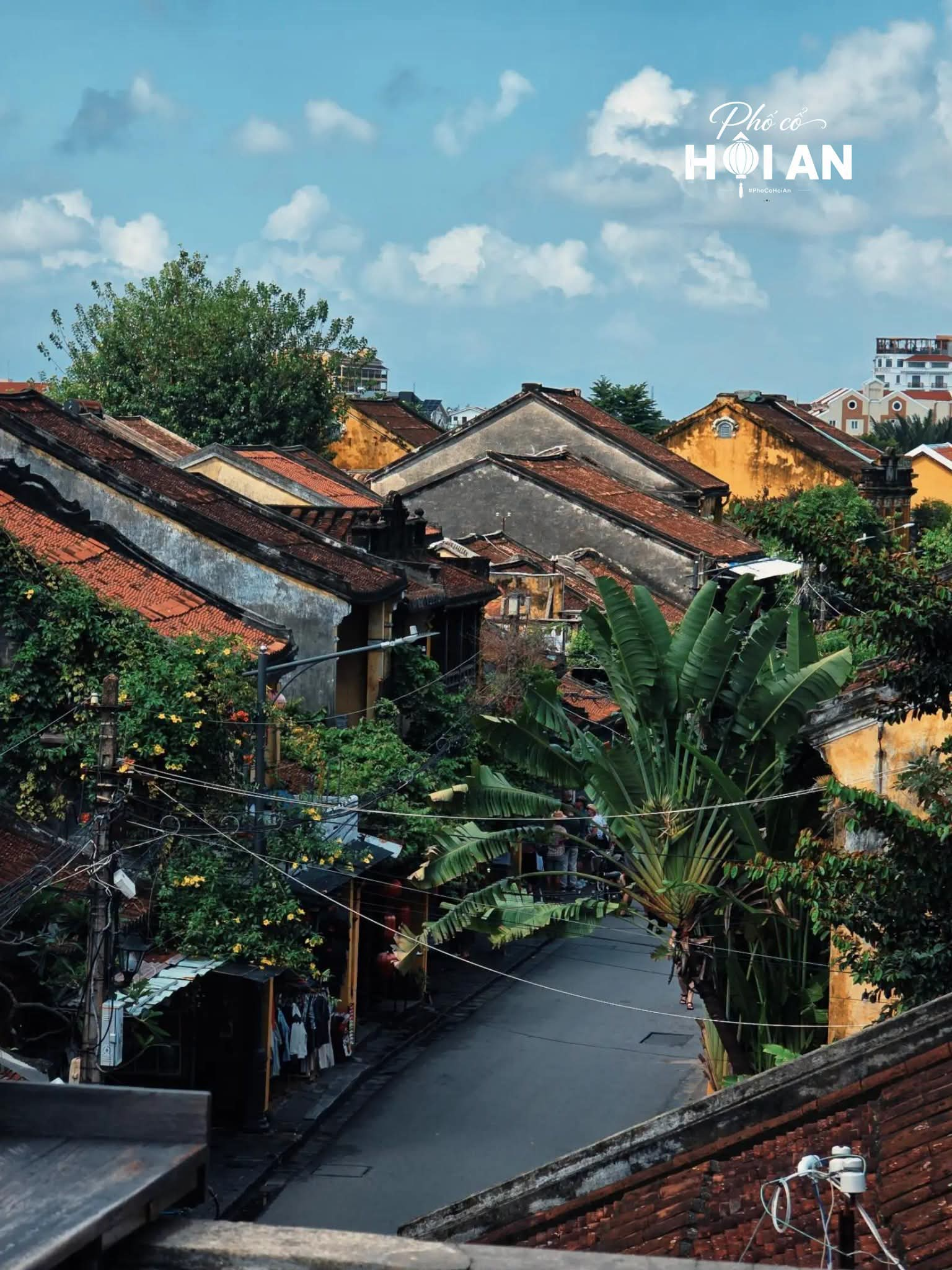
Hoi An's UNESCO significance extends beyond its architecture.
The town represents a remarkable fusion of Vietnamese, Chinese, Japanese, and other cultural influences developed through centuries of international trade.
Its heritage includes traditional houses, religious buildings, family customs, crafts, festivals, markets, and everyday community life.
When historic buildings become primarily commercial properties, some of these intangible cultural elements may become less visible.
Losing everyday cultural experiences
Visitors often remember small, authentic moments as much as famous attractions.
Watching local families prepare traditional meals, observing residents making offerings at ancestral altars, or discovering neighborhood customs can create meaningful connections with a destination.
If fewer families live in the ancient town, opportunities for these encounters may decline.
Hoi An could remain visually beautiful while becoming less representative of the community that shaped its identity.
Too many similar shops
Commercial tourism also creates pressure for businesses to sell products with broad visitor appeal.
As a result, different streets may begin to offer similar souvenirs, clothing, lanterns, cafés, and photography services.
These businesses contribute to the local economy, but excessive uniformity can reduce the diversity of visitor experiences.
Travelers who have already visited Hoi An may find fewer reasons to return if the destination offers little beyond familiar scenery and shopping.
Heritage without local communities
A historic town is different from an open-air museum.
Its value comes partly from the relationship between buildings and the people who continue to use them.
Preserving façades without maintaining community life risks separating the physical heritage from the traditions that give it meaning.
Hoi An's challenge is therefore to protect both its architecture and its living culture.
5. How Can Hoi An Preserve Its Living Heritage?
Maintaining Hoi An's international appeal requires a long-term strategy that balances tourism development, conservation, and residents' needs.
Encourage residents to remain in historic houses
Local authorities could consider financial assistance for heritage-house repairs, improved residential facilities, and conservation incentives for families who continue living in the ancient town.
Such policies should respect private property rights and individual choices.
Residents should not be expected to accept uncomfortable living conditions merely to provide cultural experiences for tourists.
Instead, conservation programs should make living in historic buildings safer, more practical, and economically sustainable.
Support traditional businesses and crafts
Hoi An should encourage businesses that reflect its cultural history.
Traditional tailoring, lantern making, woodcarving, local cuisine, handicrafts, and family-run enterprises can provide more distinctive experiences than standardized souvenir retail.
Financial incentives, training programs, and appropriate commercial zoning could help traditional businesses remain competitive.
Develop community-based tourism
Local residents should have opportunities to participate directly in tourism and benefit from its revenue.
Small-group heritage walks, craft workshops, traditional cooking experiences, and cultural storytelling programs can help visitors understand the town beyond its architecture.
These activities should be voluntary, fairly compensated, and designed to respect residents' privacy.
Manage visitor pressure and commercial activity
Tourism management should address overcrowding, noise, aggressive selling, inappropriate commercial alterations, and waste management.
The objective should not simply be to attract more visitors but to improve the quality of tourism.
A better balance between residents, businesses, and visitors would help protect the historic environment.
6. Beyond the Ancient Town: A More Sustainable Tourism Model
Hoi An's wider surroundings offer opportunities to diversify tourism while reducing pressure on the UNESCO-listed center.
Visitors can explore Tra Que Vegetable Village, Thanh Ha Pottery Village, Cam Thanh's coconut waterways, Cam Kim's rural landscapes, and the beaches near An Bang and Cua Dai.
The Cham Islands also provide opportunities to discover marine environments and island communities, subject to weather and conservation requirements.
Encouraging longer stays
Instead of promoting Hoi An primarily as a short excursion from Da Nang, tourism businesses could develop itineraries lasting three to five nights.
Travelers might combine heritage sightseeing with cycling, local cooking, countryside exploration, craft workshops, and beach relaxation.
This approach could distribute tourism spending across more communities.
It may also appeal to travelers interested in slower, more meaningful experiences.
Improving rainy-season tourism
Hoi An should also strengthen its approach to the October–November rainy season.
Accurate weather information, flexible booking policies, indoor cultural activities, and clear communication about localized flooding could help visitors make informed decisions.
Tourism businesses should avoid promising uninterrupted outdoor activities during periods of severe weather.
Reliable information is essential to maintaining international confidence.
7. What Should International Travelers Expect from Hoi An in 2026?
Despite these challenges, Hoi An remains one of Vietnam's most distinctive cultural destinations.
Its architectural heritage, traditional cuisine, riverside setting, and surrounding countryside continue to offer memorable experiences.
Visitors interested in the town's cultural character should consider exploring beyond the busiest shopping streets.
Early morning walks, visits to traditional houses, local markets, and community-run workshops can reveal aspects of Hoi An that are less visible during crowded evening hours.
Travelers should also support businesses that preserve local craftsmanship and cultural traditions.
Choosing responsible experiences can help tourism contribute positively to heritage conservation.
Conclusion: Can Hoi An Remain a Living Heritage Town?
Hoi An's future depends on more than maintaining beautiful buildings and attracting large numbers of tourists.
The administrative merger with Da Nang offers opportunities for stronger regional coordination, while the tourism slowdown in October 2026 highlights the importance of market resilience and seasonal planning.
Yet the gradual departure of longtime residents presents a deeper challenge.
Without its communities, Hoi An risks becoming a historic setting dominated by commercial activity rather than a living town shaped by generations of cultural traditions.
The solution is not to reject tourism or prevent economic development.
Instead, Hoi An needs policies that make heritage conservation compatible with modern living, support traditional businesses, and ensure local communities benefit from tourism.
For international visitors, the town's greatest attraction should remain its authentic cultural identity.
Hoi An's long-term success will depend not only on how well it preserves its ancient houses, but also on how successfully it keeps the traditions, memories, and community life within them alive.
At Vietnamtravels.com, we follow Vietnam's changing destinations, tourism developments, and heritage conservation challenges to help international travelers discover the country beyond its most familiar attractions.
Sources and References
-
UNESCO World Heritage Centre – Hoi An Ancient Town. Official description of the property's Outstanding Universal Value, architectural heritage, authenticity, and conservation requirements.
https://whc.unesco.org/en/list/948
-
Hoi An Ward People's Committee – General Introduction (October 2025). Official information on Hoi An's administrative reorganization and integration into Da Nang City.
https://hoian.danang.gov.vn/gioi-thieu-chung.html
-
Hoi An Heritage Conservation Authority – UNESCO's Approach to World Heritage and Hoi An's New Administrative Context. Discussion of the town's administrative restructuring and implications for heritage management.
https://hoianheritage.danang.gov.vn/vi/trao-doi-chuyen-nganh/chuyen-de-nghien-cuu-trao-doi/cach-tiep-can-cua-unesco-ve-ddi-san-van-hoa-the-gioi-va-khuyen-nghi-lien-quan-doi-voi-do-thi-co-hoi-an-trong-boi-canh-moi-1321.html
-
Tuoi Tre News – Vietnam's Hoi An Sees 20% Drop in Visitors, Bookings Surge from November (October 26, 2026). Reporting on October ticket sales, seasonal tourism challenges, and expectations for year-end bookings.
https://news.tuoitre.vn/vietnams-hoi-an-sees-20-drop-in-visitors-bookings-surge-from-november-103261026153453007.htm
-
Tuoi Tre News – Why Do Only One-Third of Hoi An Ancient Town Visitors Buy Admission Tickets? (October 2026). Reporting on heritage financing, resident departures, and recommendations discussed at a conservation workshop.
https://news.tuoitre.vn/why-do-only-one-third-of-hoi-an-ancient-town-visitors-buy-admission-tickets-103261017221535031.htm
-
VnExpress International – Hoi An Faces Cultural Decline as Locals Flee Rapid Commercialization (October 28, 2026). Reporting on residential displacement, commercial property pressures, and threats to living heritage.
https://e.vnexpress.net/news/news/hoi-an-faces-cultural-decline-as-locals-flee-rapid-commercialization-5137863.html
-
Vietnam News – Foreign Tour Groups Cancel Da Nang Trips as Storm-Season Image Deters Visitors (October 2026). Analysis of seasonal weather concerns, visitor perceptions, and tourism conditions in the Da Nang–Hoi An area.
https://vietnamnews.vn/life-style/1802736/foreign-tour-groups-cancel-da-nang-trips-as-storm-season-image-deters-visitors.html
Editorial Note: This article reflects information available as of November 3, 2026. Visitor statistics, business conditions, and heritage management policies may change. Interpretations concerning Hoi An's future tourism development are editorial analysis rather than official forecasts.