Sapa Travel Guide: Plan Your First Visit to Vietnam’s Northern Highlands
November 12, 202616 min read
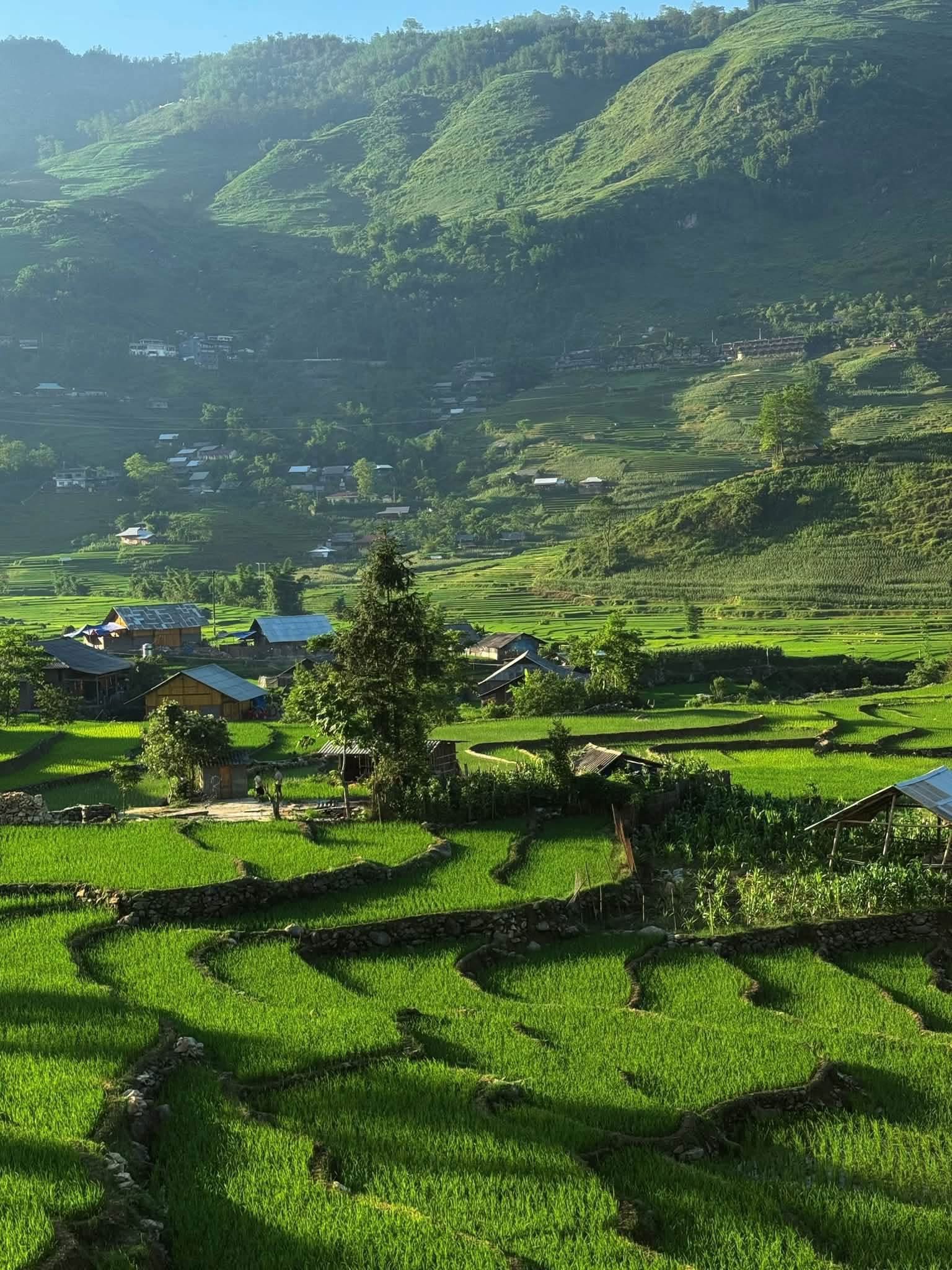
Featured image: Muong Hoa Valley, Sapa. (Source: Collected)
Planning a first visit to Sapa involves more than choosing a hotel with a mountain view. You need to balance the journey from Hanoi, changeable weather, the walking you want to do and the time available. This Sapa travel guide helps you make those decisions, with practical advice on trekking, Fansipan, village stays and realistic two-to-four-day itineraries.
For an introduction, aim for three usable days in the area and account for travel separately. Stay in the centre if restaurants and straightforward pickups matter most, or choose a village base if you want more time in the surrounding countryside. Keep the order of outdoor activities flexible rather than building the whole trip around one clear-sky photograph.
Understanding Sapa and Planning Your First Visit
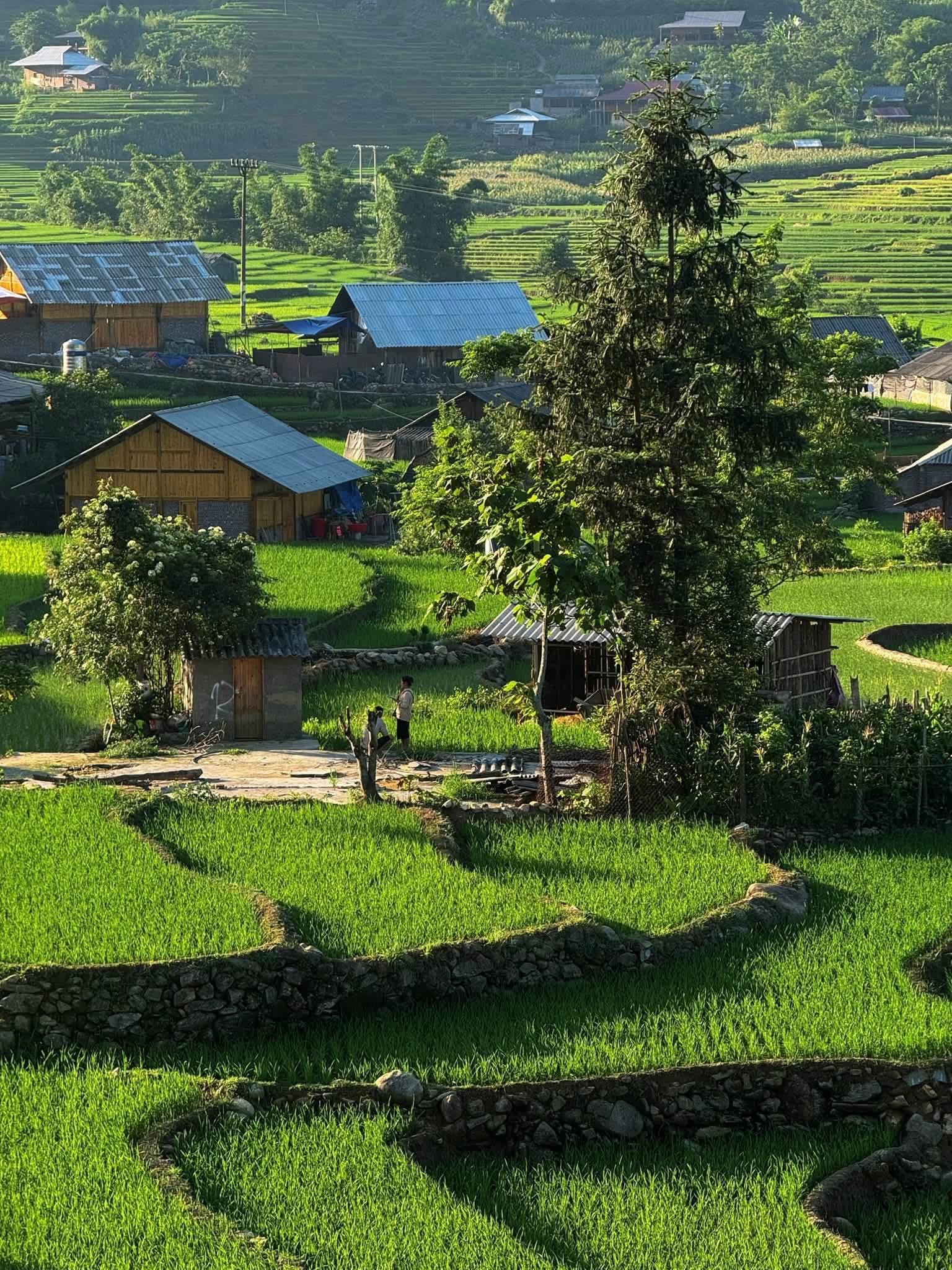
Village houses and rice fields in the Muong Hoa valley illustrate Sapa’s countryside setting. (Source: Collected)
What kind of destination is Sapa?
Sapa, also written Sa Pa, is a highland destination in Lao Cai Province in northern Vietnam. Its familiar visitor centre overlooks valleys within the Hoang Lien Son mountain region, where rice terraces, villages and mountain slopes shape the landscape. The town and the countryside offer noticeably different experiences.
The centre is a developed tourism hub, with hotels, restaurants and places to arrange excursions. Beyond it, your day might involve walking between settlements, sharing a meal at a homestay or stopping to understand farming and local crafts. Choose a programme that gives the surrounding communities time rather than treating every village as a brief photo stop.
Destination names and older addresses can appear differently across booking platforms. Our explanation of Vietnam’s new administrative map provides context, but your hotel’s exact map location remains the most useful detail for arranging a pickup. Confirm whether the quoted transfer reaches the property or ends at a road junction.
Is Sapa right for your trip?
Consider Sapa if you enjoy walking, cultural learning and time in the mountains. Couples can combine a comfortable hotel with guided outings; active travellers can arrange longer treks; families can choose shorter walks with transport available. You do not need to complete a demanding hike to appreciate the region.
Think carefully about the pace if you dislike long journeys or find steep streets difficult. A scenic room does not remove the challenge of accessing restaurants, and a cable-car excursion can still involve steps and walking. Tell your organiser about mobility needs before selecting activities or accommodation.
Sapa at a glance
Planning question
Practical starting point
How long should you stay?
Three usable days for a balanced introduction; add time for slower travel or overnight trekking
How do you arrive?
By road from Hanoi, or by train to Lao Cai followed by a road transfer
Where should you sleep?
The centre for convenience; a valley or village property for a countryside-focused stay
Which experiences deserve priority?
A suitable village walk, regional food and Fansipan if it matches your interests and conditions
Do you need a guide?
Particularly useful for unfamiliar rural routes, interpretation and adjusting the walk
What should remain flexible?
Mountain visits, longer walks and journeys affected by severe weather
Best Time to Visit Sapa and See the Rice Terraces
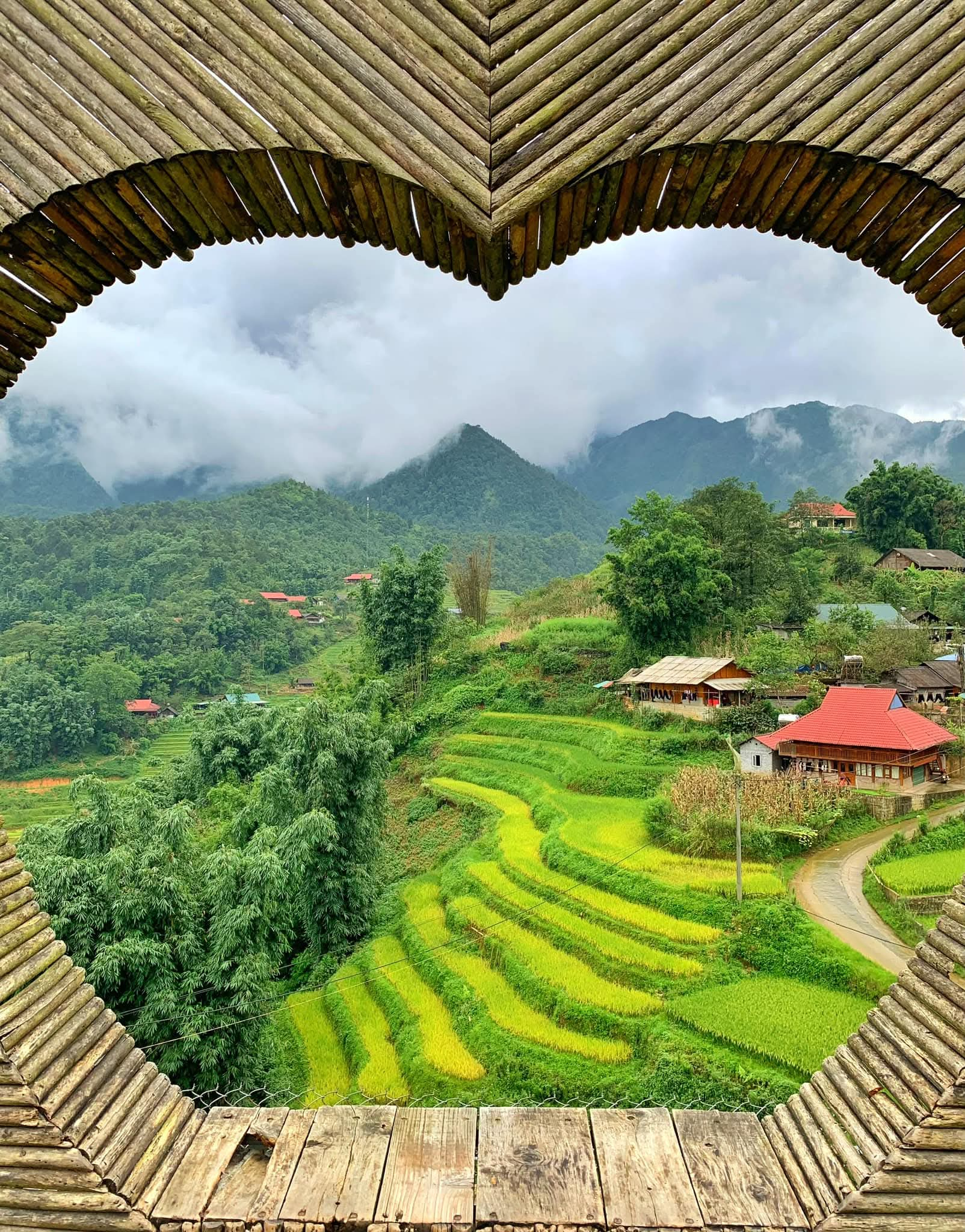
Mist and terraced slopes show why Sapa outings benefit from flexible weather planning. (Source: Collected)
Choose a season around your main interest
There is no single month that guarantees green rice fields, dry paths and uninterrupted mountain views. Spring and autumn are useful starting points for a mixed sightseeing-and-walking trip, while summer brings greener landscapes alongside a greater chance of wet conditions. Winter requires more attention to warmth and hotel comfort.
The national tourism website’s Vietnam weather and climate guide outlines Sapa’s cooler winters and wetter summer period. Use seasonal guidance to select dates, then check local forecasts and conditions before individual outings.
Period
What to consider
How to plan
December–February
Cold spells, mist and damp conditions can affect comfort and views
Confirm heating and allow alternatives to exposed outings
March–May
A useful period to consider for walking, with changing conditions and agricultural activity
Bring layers and ask about the actual state of the fields
June–August
Green landscapes, rain and potentially slippery paths
Start with adaptable routes and allow for disruption
September–November
Autumn walking and possible harvest scenery earlier in the period
Check harvesting locally; do not expect golden fields throughout autumn
These are broad planning patterns. Weather on Fansipan can differ considerably from conditions at your hotel, and a clear morning does not establish what the afternoon will bring.
When are the rice terraces green or golden?
Rice scenery follows the agricultural cycle: water preparation and planting, growing crops, ripening and harvesting. The timing varies with altitude, locality and the year. September is a useful period to investigate for harvest scenery, but no travel calendar can guarantee a particular slope will still have standing rice on your chosen day.
If photography is the main reason for visiting, ask for recent information from the exact valley or village you intend to explore. Do this before committing to a non-refundable stay. Broad descriptions such as “autumn rice season” cover a longer period than the most photogenic stage of an individual field.
After harvesting, the terraces remain part of a working landscape. Build interest in village life and mountain scenery into the trip so its value does not depend entirely on the colour of the crop. Avoid walking onto cultivated terraces for photographs without permission.
How to Get to Sapa and Move Around
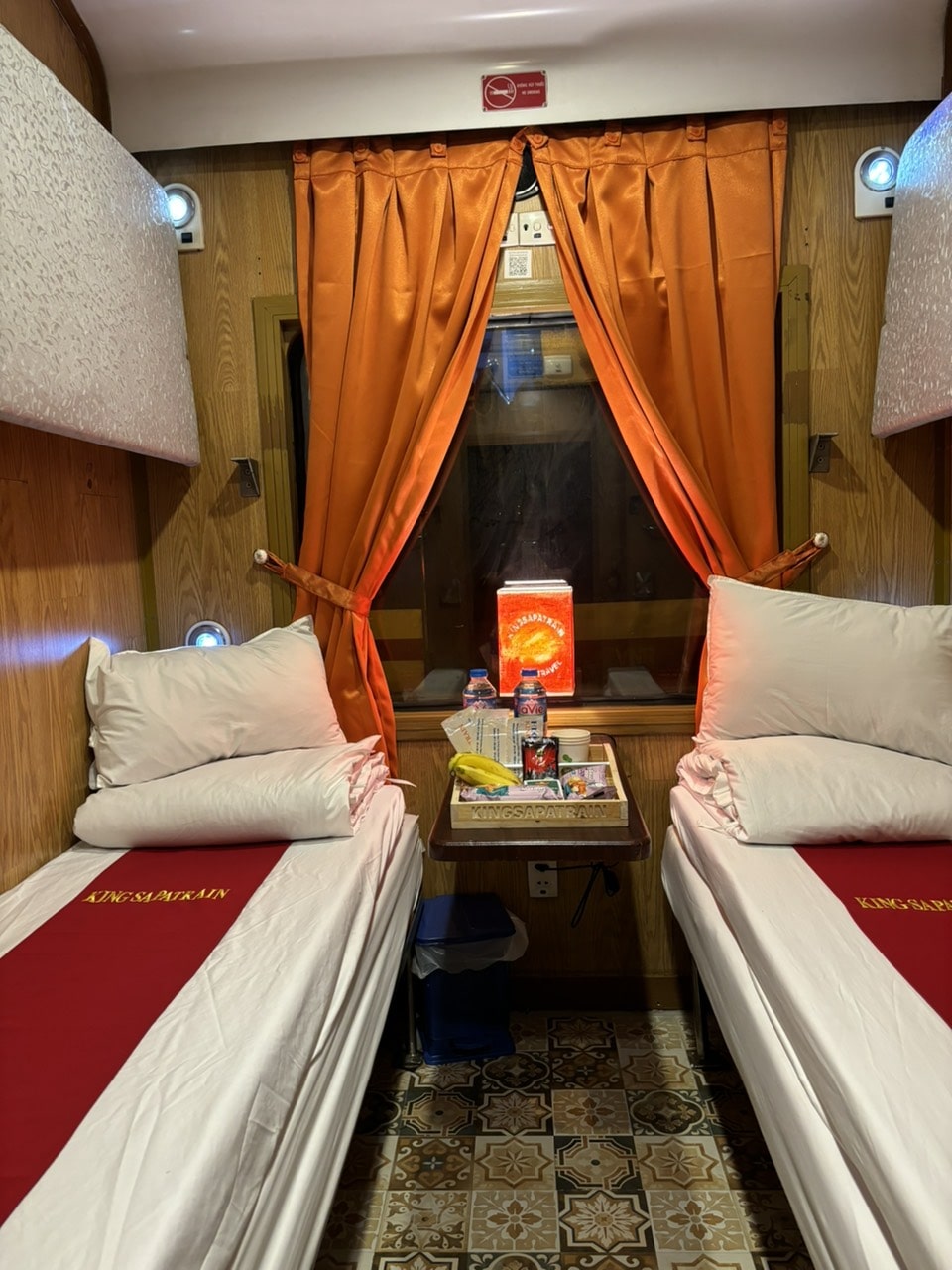
A King Sapa sleeper cabin illustrates one rail accommodation option; confirm the actual cabin booked. (Source: Collected)
Travelling from Hanoi by road
If you are arriving in the capital by air, our Hanoi airport guide can help you plan the first connection. Road services include scheduled coaches, sleeper buses, smaller shared vehicles and private cars. Allow roughly six to seven hours as an initial planning estimate for many Hanoi–Sapa journeys, with additional time possible for pickups, traffic, stops or difficult conditions. Confirm the operator’s actual schedule and route.
A daytime journey can suit travellers who prefer to arrive ready for dinner and a normal night’s sleep. An overnight bus may save a hotel night, but comfort varies and an early arrival does not guarantee immediate room access. Check the berth length, luggage arrangements and arrival location before choosing by price alone.
Private transport offers control over departure time and stops. It can be useful for families or groups, although the drive still takes a substantial part of the day. Confirm vehicle size, seat belts, luggage capacity, child-seat availability when needed and whether the quotation includes delivery to your specific accommodation.
Taking the train to Lao Cai
The railway journey ends at Lao Cai, not in central Sapa. You then need an onward road transfer up to your accommodation. Compare the complete journey, including station transfers and waiting time, rather than comparing only the advertised train and bus durations.
Check current services and ticket availability through Vietnam Railways. Where an operator sells a branded sleeper carriage, confirm the underlying train, cabin arrangement and what the ticket includes. Ask whether a shared cabin can be occupied by other passengers and whether the Lao Cai transfer is booked separately.
Train travel can appeal to visitors who enjoy the railway experience, but it does not guarantee uninterrupted sleep. Keep the first morning gentle if you arrive overnight, especially before a long walk or mountain excursion.
Getting around after arrival
Walk within manageable parts of the centre, then arrange transport for more distant attractions and village accommodation. Sapa’s slopes can make a short map distance feel demanding. Check walking routes as well as distance when choosing a restaurant or hotel.
For rural outings, agree the pickup point, waiting arrangement and return time. Navigation apps may show paths that are unsuitable in current conditions. If you are unfamiliar with mountain roads, use an experienced local driver rather than assuming scooter rental will simplify every journey.
Where to Stay: Town Hotels, Homestays and Mountain Resorts
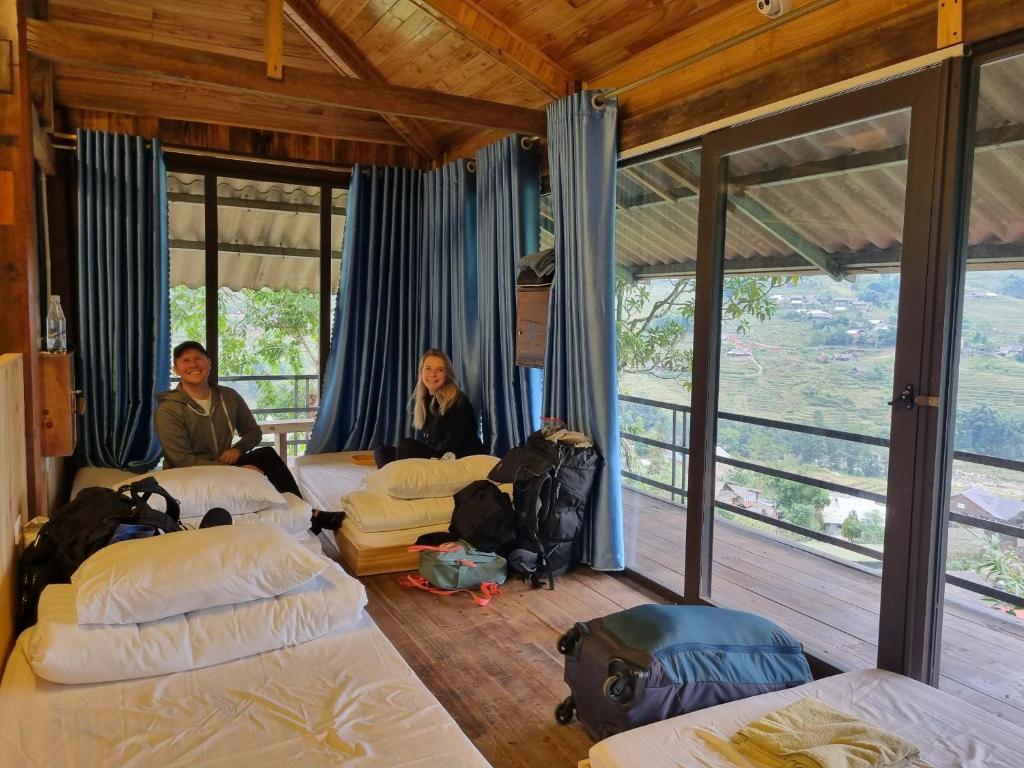
A Ta Van homestay room illustrates the importance of checking facilities and sleeping arrangements. (Source: Collected)
Stay in the centre for convenience
A central hotel suits a short first visit, particularly if you want restaurants nearby and simple excursion pickups. It is also useful when you prefer to decide your meals independently rather than eat mostly at your accommodation.
The trade-off can be traffic, busy streets and noise. Ask about construction beside the building and the room’s position. “Mountain view” may mean a partial view between other structures, so inspect photographs of the exact room category. A room facing away from the street may be a better choice for light sleepers.
Choose a valley or village stay for more countryside time
Accommodation around the Muong Hoa valley and villages such as Ta Van offers a different rhythm from the centre. It can work well when walking, meals at the property and time in the surrounding landscape are central to the trip. However, assess each property individually rather than assuming every village stay is quiet or family-run.
“Homestay” may describe a shared household, a small guesthouse or accommodation operating much like a hotel. Ask who hosts guests, which meals are available, whether bathrooms are private and how much interaction is actually part of the stay. Local ownership and employment are useful questions when choosing where your spending goes.
Confirm road access, any final walk with luggage and the availability of evening transport. A low room rate may become less convenient if repeated trips to town are necessary. For a short countryside stay, pack a smaller bag and check whether your main luggage can be stored securely elsewhere.
Consider a resort when you will use the setting
A mountain resort can suit couples or families wanting comfortable downtime between activities. Compare the actual facilities and accessibility, not only the view. A distant property makes less sense if every day starts early and ends late on an excursion.
Base
Strongest reason to choose it
Check before booking
Central hotel
Dining choices and straightforward pickups
Noise, construction, steep access and room orientation
Hotel outside the busiest streets
More space or a valley outlook
Transfers, walking routes and nearby food options
Village homestay or guesthouse
Countryside time and possible host interaction
Hosting style, bathroom, meals and road access
Mountain resort
Facilities and time at the property
Total meal and transport cost, internal steps and heating
In cooler months, ask specifically about heating, hot water and bedding. A room can feel damp even when the forecast does not look especially cold. Families should confirm bed arrangements and child charges; travellers with mobility needs should check the full route from vehicle to bedroom.
Things to Do: Trekking, Fansipan, Culture and Food
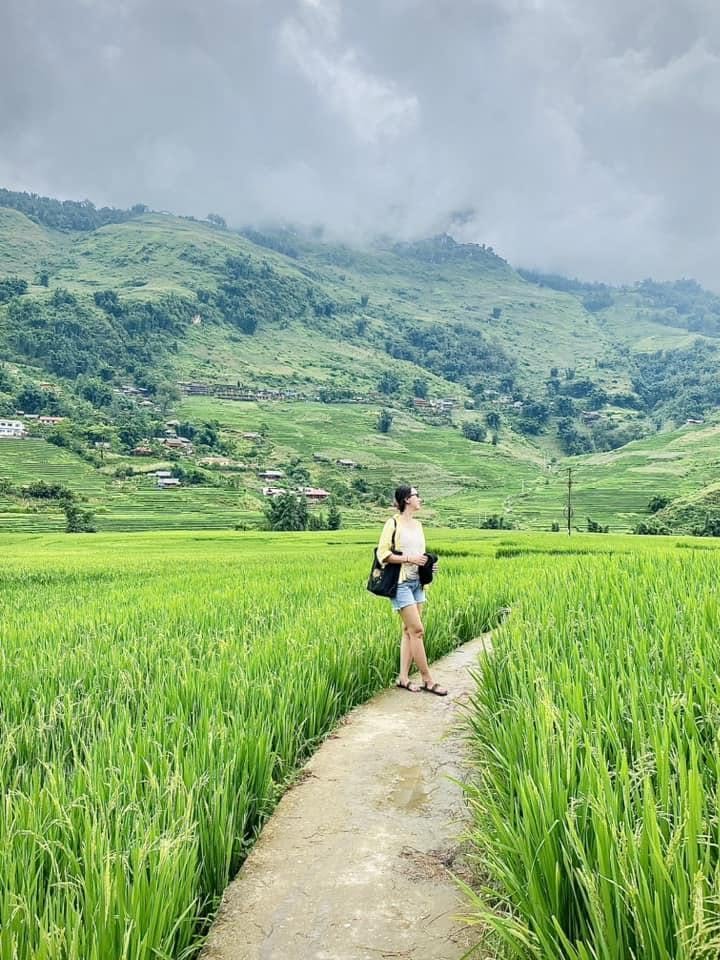
A path through rice fields illustrates one type of countryside walk; terrain varies between routes. (Source: Collected)
Choose a walk that matches your ability
Village walks are one of the strongest reasons to visit Sapa. Routes can combine lanes, slopes, steps and agricultural paths, with conditions changing after rain. Start by describing how long you comfortably walk at home and how you manage uneven ground or sustained descents.
Ask for the route’s duration, terrain, elevation changes and transport options if you need to stop. A short distance on a muddy hillside may be more demanding than a longer walk on a surfaced road. Avoid selecting a trek only because it is labelled “easy”.
For another perspective on the destination, explore our first-time guide to Sapa in Vietnam. A knowledgeable local guide can help interpret farming, architecture and community life while adjusting the route to conditions. Confirm guide language, group size, included meals and fees, and whether visits involve any sales stops. Agree expectations before paying rather than assuming every “local experience” includes the same activities.
For overnight trekking, clarify sleeping arrangements and what you carry yourself. Keep village trekking separate from a Fansipan summit trek: the latter is a different undertaking requiring specialist arrangements and current access checks.
Plan Fansipan as a substantial outing
Fansipan is the region’s major mountain excursion, with cable-car access providing an alternative to trekking. The visit can include several transport stages, queues and walking within the mountain complex. It should not be treated as a brief ride that fits automatically into a spare hour.
Consult Sun World Fansipan for current operating notices, ticket choices and inclusions. Check whether transport connections, additional mountain railway stages or meals are included in the product you select. Weather and maintenance can affect operations, so recheck shortly before departure.
Allow for colder, windier conditions than in town, and do not expect every visit to deliver a clear panorama. Steps and the high-altitude setting also deserve consideration. Anyone concerned about suitability should discuss the planned excursion with an appropriate health professional before committing.
Give cultural experiences time
Ask permission before photographing people, entering homes or observing work at close range. A village is a living community, and different households may have different preferences. Follow your host’s guidance about private spaces, clothing and local customs.
Choose craft demonstrations, meals or other activities where the provider and payment are clear. Buying directly from makers can be meaningful when you understand what is being sold. Avoid giving sweets or money to children in exchange for photographs.
The national tourism website’s Sapa recommendations for sustainable travellers introduces community-oriented experiences, village stays and regional traditions. Use these as possibilities to investigate, then verify availability with the actual provider.
Enjoy food without overcomplicating the day
Try regional dishes through a host meal, a restaurant specialising in northern highland cooking or a guided market visit. Ask what is seasonal and how dishes are prepared rather than relying on a long checklist of unfamiliar names. A shared meal can offer useful context for the landscape you have walked through.
Confirm ingredients if you have allergies or dietary requirements, including sauces and broths. Establish prices before ordering seafood, meat or other items sold by weight. Keep time for an ordinary breakfast and a warm drink between outings; the trip does not need a scheduled experience at every meal.
Sapa Itineraries, Budget and Practical Questions
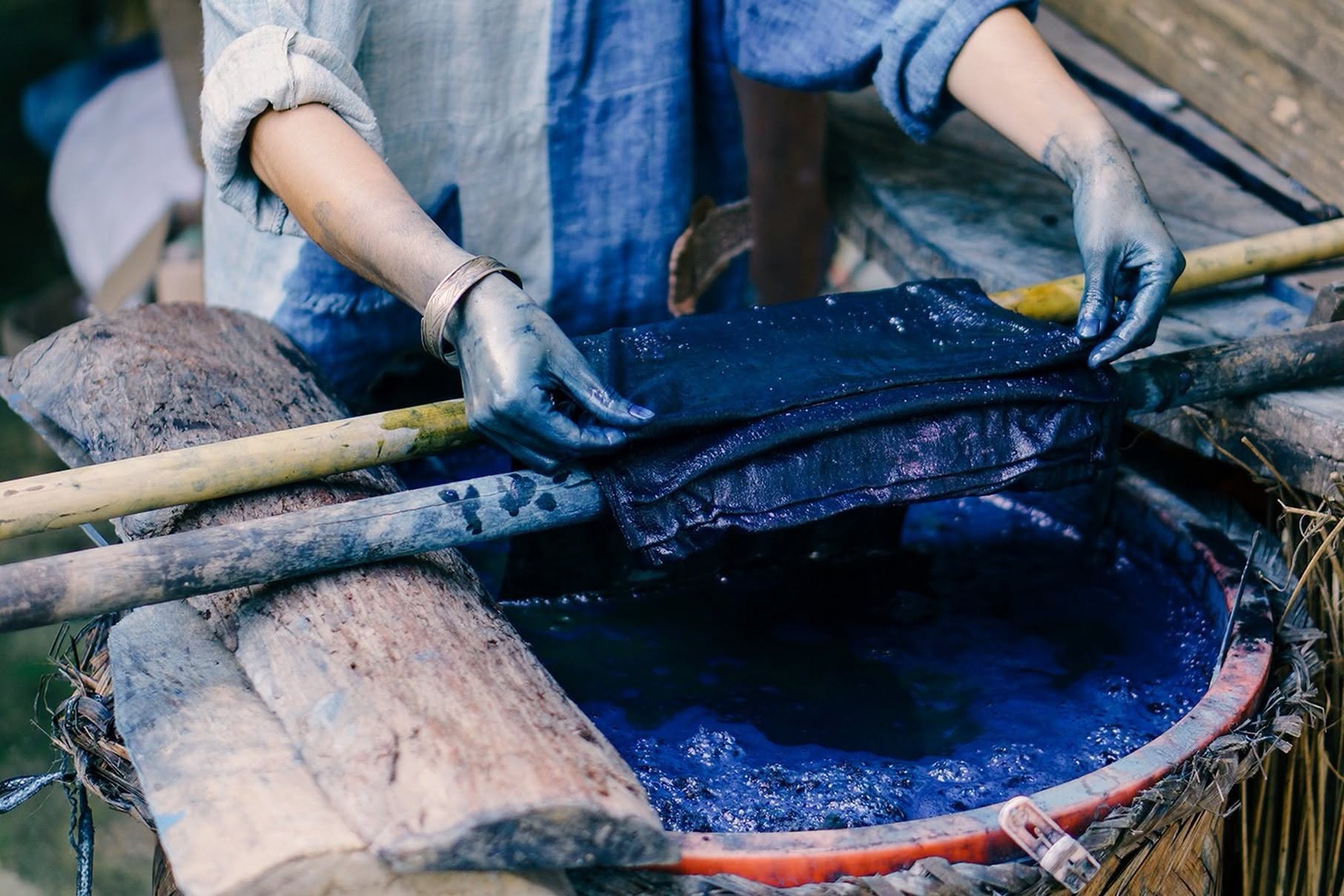
Indigo dyeing offers a cultural activity to consider when arranging a slower Sapa itinerary. (Source: Collected)
Two, three or four days in Sapa
The schedules below count usable days in the Sapa area, not a package’s advertised duration. If the journey from Hanoi occupies most of day one, remove activities rather than trying to recover the time with a rushed evening. After overnight transport, leave room to rest.
Time available
Suggested outline
Main compromise
Two usable days
One suitable village walk; one Fansipan outing or second countryside experience
Limited flexibility if weather affects the priority activity
Three usable days
Gentle introduction; guided walking day; Fansipan or another cultural outing
Requires travel days to be accounted for separately
Four usable days
Three-day outline plus an overnight village stay or slower second walking day
Choose one coherent extension rather than distant unrelated stops
For a balanced three-day visit, use the first day for settling in, an orientation walk and local food. Make day two the main guided countryside outing. Keep day three adaptable for Fansipan or another experience, and swap these days when the forecast and operating conditions suggest doing so.
In persistent rain, consider a locally available craft activity, a host meal or time at your accommodation. An indoor alternative should be confirmed rather than assumed. Do not let a prepaid schedule override a closure or advice to avoid a trail.
What should you budget?
The following figures are editorial planning allowances, not checked live prices or quotations. Daily totals assume two adults sharing a room and splitting its cost. They exclude Hanoi–Sapa transport, Fansipan tickets, private guiding, substantial excursions, visas and insurance.
Travel style
Allowance per person per day
Assumptions
Budget-conscious
VND 700,000–1,200,000
Simple shared room, local meals and limited local transport
Comfortable mid-range
VND 1,300,000–2,300,000
Comfortable shared hotel, varied meals and some vehicle use
Upscale
VND 3,000,000–5,500,000 or more
Higher-category accommodation, more expensive dining and additional comfort
Price the exclusions separately before using a daily average. A private car or guide costs more per person for one traveller than for a group, while holiday dates and room category can change accommodation costs substantially.
Budget item
What the quotation should clarify
Accommodation
Room occupancy, breakfast, taxes and child supplements
Meals
Included meals, drinks and dietary arrangements
Local transport
Pickup point, waiting time and return journey
Guided walk
Guide, transfers, meals and any route or village fees
Fansipan
Exact ticket components and cancellation conditions
Hanoi connection
Road or rail ticket, station transfers and onward Lao Cai connection
What should you pack?
Bring shoes with grip, a waterproof layer, clothing you can add or remove, sun protection and a small daypack. Keep a dry change of clothes available after a wet walk. Ask your accommodation about laundry and drying facilities if you plan several active days.
Carry some cash for small businesses and keep booking details accessible offline. Confirm your return transfer before the final evening, and leave a sensible buffer before onward flights or cruises. A delay on a mountain road can have consequences beyond the Sapa part of the trip.
Is Sapa worth visiting if you do not trek?
Yes, if mountain surroundings, food and cultural outings interest you. Choose accommodation carefully and arrange short, manageable visits. Be realistic that some viewpoints and attractions still involve slopes or steps.
Do you need to stay in a village?
No. A central hotel combined with a guided day walk can introduce the countryside. Choose a village overnight when you want extra time there and understand the property’s facilities and hosting style.
Can you guarantee clear views from Fansipan?
No. Visibility varies, and coastal or lowland weather elsewhere says little about conditions on the mountain. Choose the excursion for the overall experience and check current operations before travelling.
How should you combine Sapa with the rest of northern Vietnam?
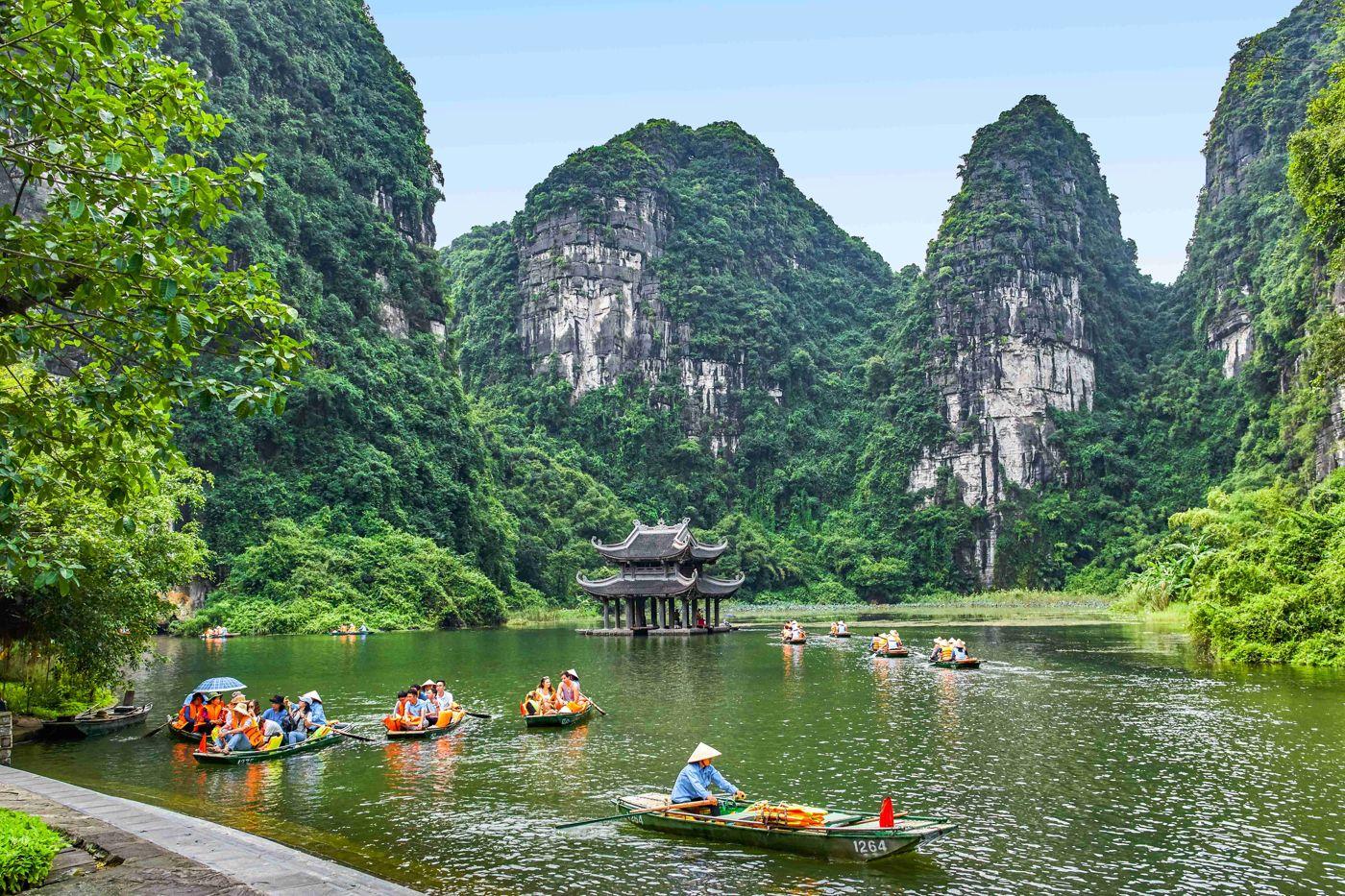
Group journeys geographically and allow recovery time between long transfers. Compare our Northern Vietnam tours when deciding how Sapa fits alongside Hanoi, Ninh Binh or a bay cruise. Avoid assuming a direct transfer between distant destinations will be short simply because they appear in the same itinerary.
For a personalised route, send your dates, group size, preferred accommodation and comfortable walking level through our custom Vietnam tour enquiry. Include whether you would like a village overnight and whether Fansipan is a priority, so the journey can be planned around your interests and usable time.
Sun World Fansipan, current attraction information and operating notices.
Research checked on 12 November 2026. Journey durations and budgets are planning estimates; confirm services, access, weather and prices for your dates.