Hoa Lu Ancient Capital: Royal Temples and a Balanced Ninh Binh Day
November 22, 20266 min read
Hoa Lu ancient capital offers a different kind of Ninh Binh experience: a chance to understand the rulers, beliefs and defensive landscape behind the region’s famous scenery. The visit works best when you arrive with a little historical context and enough time to look beyond the entrance gates. This guide explains what survives, how to approach the temples and how to combine them with one contrasting countryside experience.
Understand the Capital Behind the Limestone Landscape
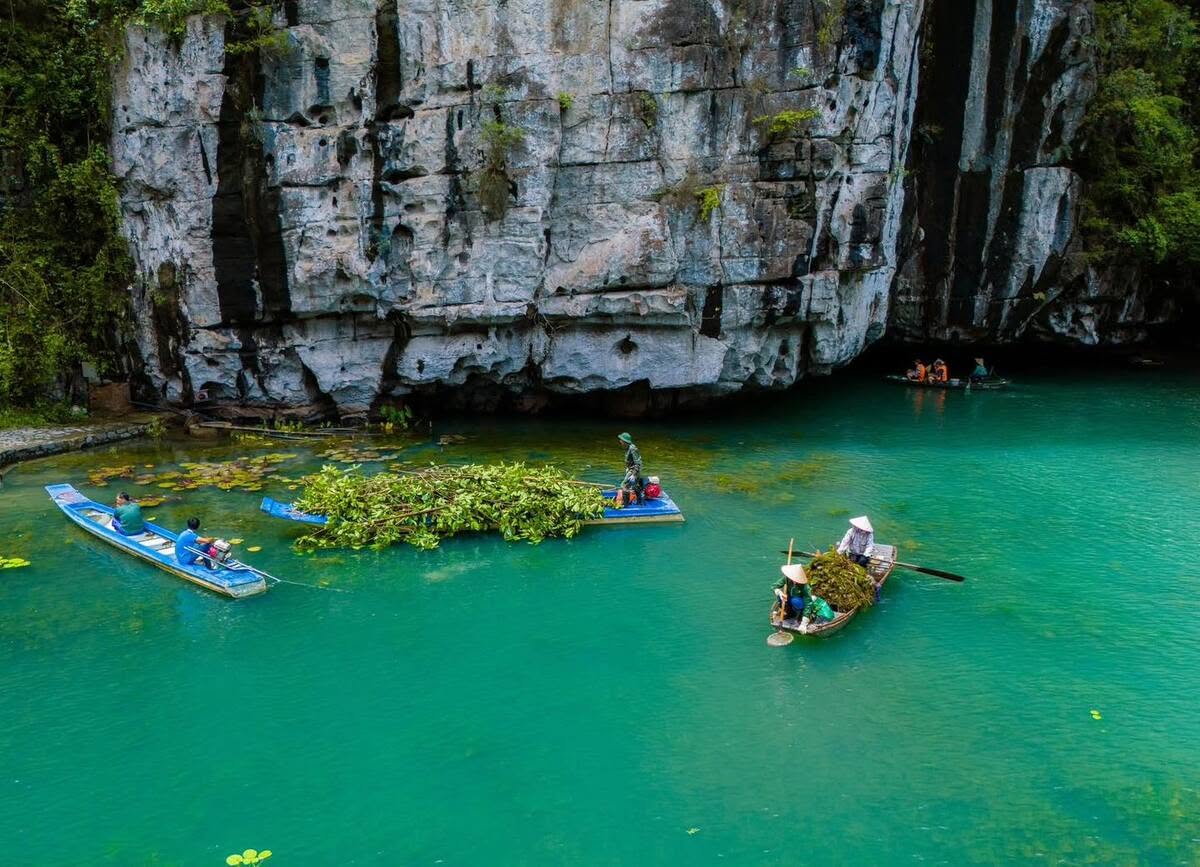
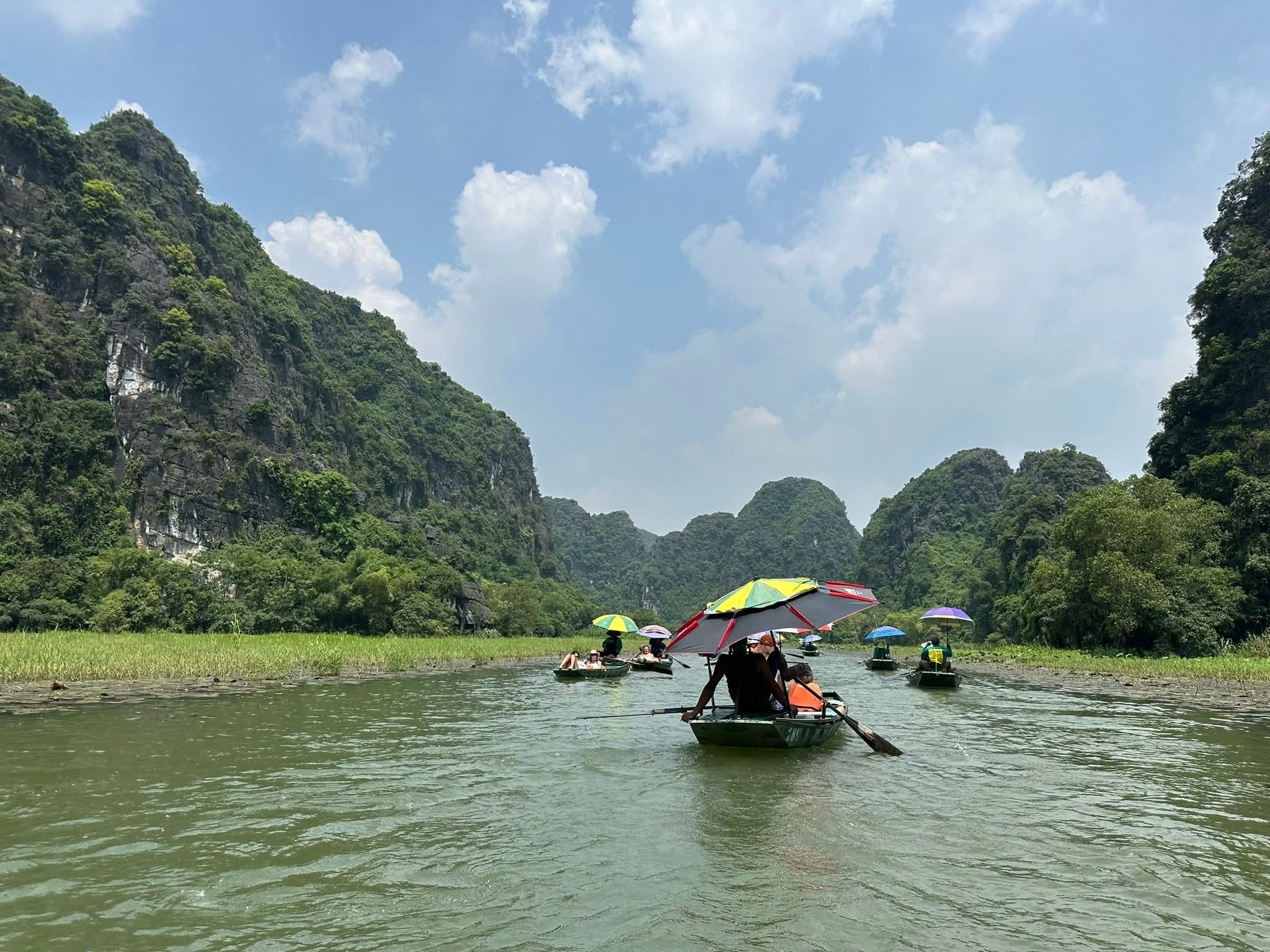
Small boats glide beneath limestone cliffs on Tam Coc’s turquoise water, revealing another side of Ninh Binh’s countryside. Source: Collected.
Hoa Lu served as the capital of Dai Co Viet from 968 until the court moved to Thang Long, present-day Hanoi, in 1010. Its story connects the Dinh dynasty, the Early Le dynasty and the beginning of the Ly dynasty. These names become easier to follow when you associate each ruler with a particular decision: unification, consolidation or the relocation of the capital.
The surrounding limestone mountains were part of the capital’s defensive setting. Rather than imagining a royal city isolated from nature, look at how the valleys and steep hills shaped its location. Understanding that relationship makes the approach through the countryside part of the visit, rather than simply the road between attractions.
The site belongs within the wider Trang An Landscape Complex, whose significance combines cultural history, archaeology and karst scenery. That connection does not mean a temple ticket includes a boat ride. Treat the ancient capital and the boat departure points as separate visits with their own arrangements.
Do not expect an intact tenth-century palace complex. The temples and other surviving or restored monuments commemorate a much older capital. Their architectural details and religious use deserve attention in their own right, while the original political centre requires some historical explanation.
Give the Dinh and Le Temples an Unhurried Visit
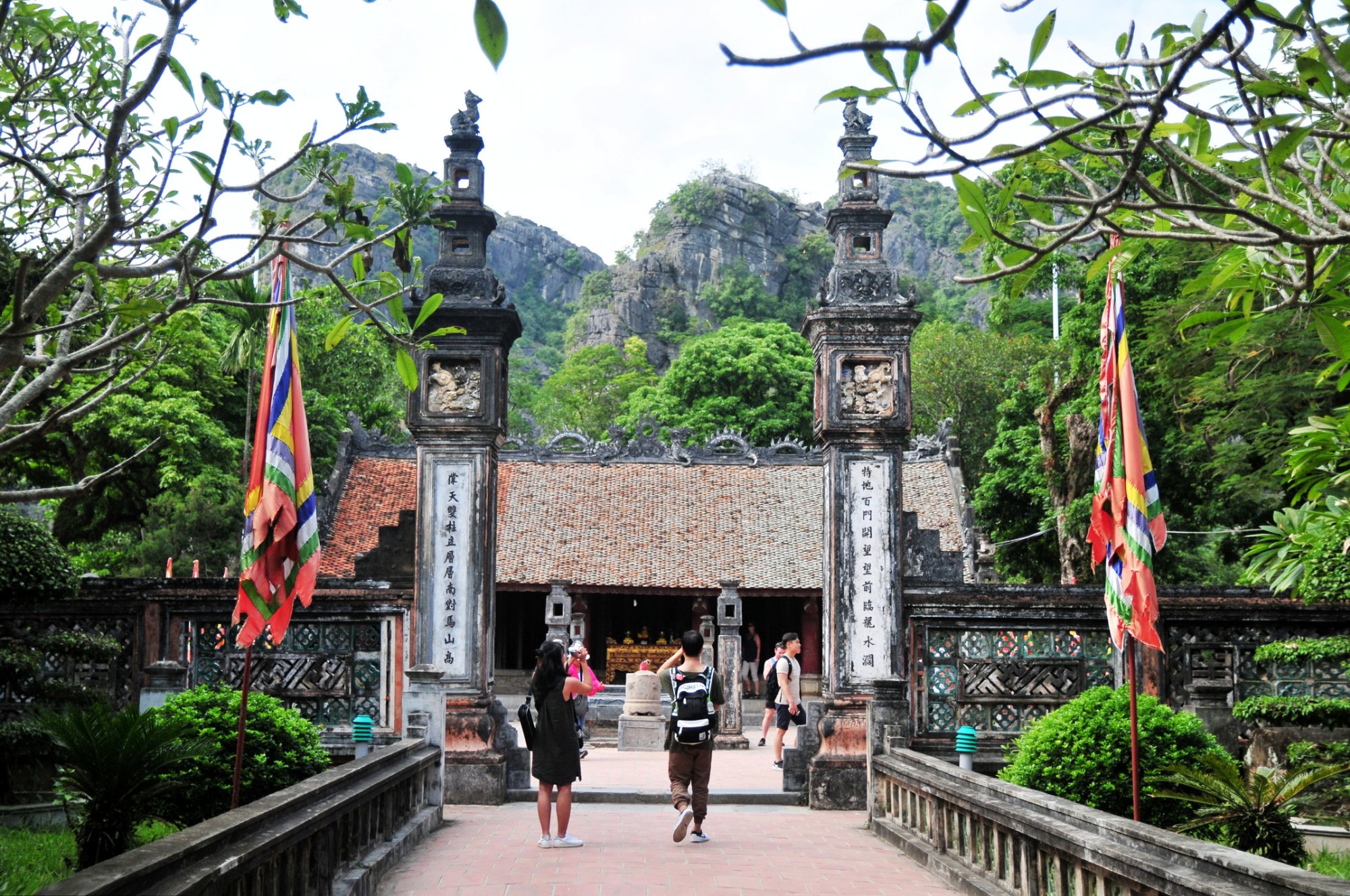
The principal visitor focus is the pair of temples honouring Emperor Dinh Tien Hoang and Emperor Le Dai Hanh. Start by learning who each ruler was before moving between courtyards. Otherwise, the names, gateways and ceremonial spaces can become a sequence of attractive buildings without a clear story.
A knowledgeable guide can help distinguish the original capital’s history from the later structures you see today. Ask what a particular building commemorates, which details are later additions and how people continue to use the space. This is more useful than trying to remember every date or treating each decorative feature as equally ancient.
Move slowly through the entrance areas and pause where you can see the relationship between gates, courtyards and hills. Observe worshippers without interrupting them. Follow posted photography instructions and ask before photographing religious activity or entering a space that appears reserved for worship.
As an editorial planning allowance, reserve around ninety minutes to two hours for the main temple visit, including walking and explanation. This is not an official visit duration. A history enthusiast may want longer, while a large group needs extra time simply to gather and move between stops.
Wear clothing suitable for a place of worship and shoes with grip. Check thresholds, steps and uneven paving before assuming the route will suit everyone. Travellers with mobility needs should ask about the actual access route, distance from vehicle drop-off and availability of places to rest.
Choose One Contrasting Experience for the Rest of the Day
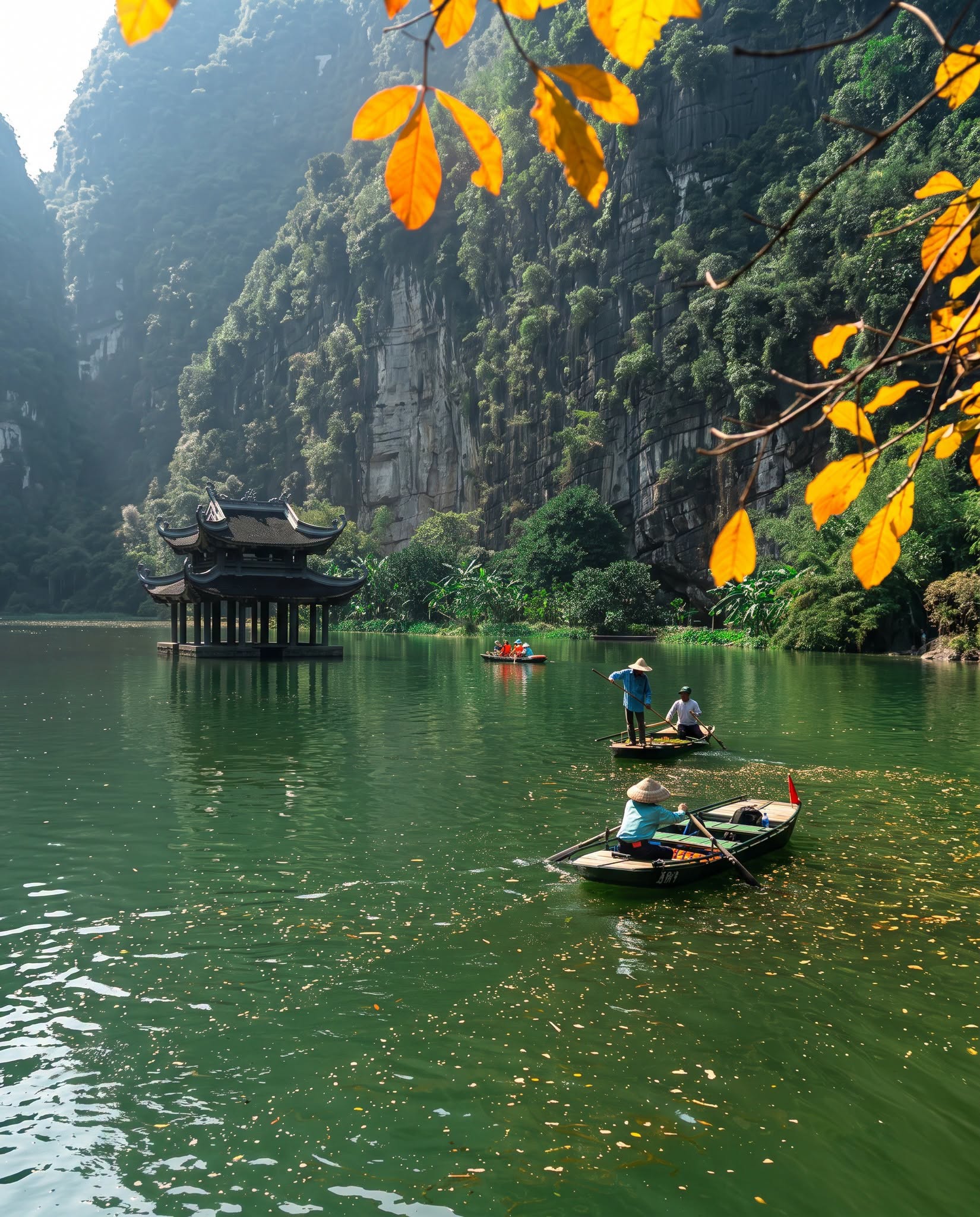
Trang An offers a contrasting water-based experience, arranged separately from a visit to Hoa Lu. Source: Collected.
Hoa Lu is particularly rewarding when paired with an activity that changes the pace. A boat trip adds a water-level view of the limestone landscape; a viewpoint adds a climb; a countryside ride creates space between major sights. Choose according to your interests and energy, rather than including all three automatically.
If waterways are your priority, compare Trang An and Tam Coc before arranging transport. They are separate experiences, and the choice affects the day’s route. Confirm the operating route and boarding arrangements for your date instead of relying on a photograph or a programme copied from another traveller.
A workable sequence is Hoa Lu in the morning, lunch and one boat experience in the afternoon. Reverse it if your booked activity, weather or accommodation location makes that more practical. Leave space for waiting, comfort breaks and the transfer between visits. A short distance on a map does not represent the full activity time.
Hang Mua is another possibility, but its staircase changes the physical demands of the day. Choose it because you want the climb and view, not because it is commonly bundled into tours. If heat, rain or tired legs make it unsuitable, a quieter afternoon is a reasonable alternative.
The view from Hang Mua comes with a staircase climb; choose this separate outing according to your energy and conditions. Source: Collected.
For a broader stay, our Ninh Binh travel guide explains how accommodation location and available nights affect your choices. Sleeping locally can separate the cultural visit from a boat excursion and reduce the pressure to finish everything before returning to Hanoi.
Plan Transport, Comfort and a Flexible Finish
A countryside ride can complement a cultural visit when the route and conditions suit your group. Source: Collected.
When booking a transfer, specify Hoa Lu ancient capital and the Dinh and Le temple area. Share a map pin and the full sightseeing sequence. A place name alone is less useful than a precise meeting point, especially when accommodation, restaurants and attractions use similar destination names.
For a day from Hanoi, count both journeys before allocating sightseeing time. Confirm pickup location, expected return window and what happens if traffic delays the start. Avoid a tightly timed onward connection immediately after a full excursion. An overnight stay offers more flexibility, but still requires clear luggage and checkout arrangements.
Check current entrance arrangements, opening hours and any closures close to departure. Ask whether your quotation includes admission, guiding, parking and waiting time. No live ticket price is quoted here because the relevant conditions should be confirmed for your visit. Keep boat services and optional activities itemised separately.
Carry drinking water, sun protection and a light rain layer. In wet weather, reassess exposed walking, cycling and climbing. A temple visit is not an automatic substitute during severe weather: access roads and the site itself must also be suitable. Follow local instructions rather than insisting on completing a prepaid schedule.
If you want help combining history with scenery, compare our Northern Vietnam tours or send your dates and preferred pace through the custom tour enquiry. Explain whether your main interest is history, boating or relaxed countryside time, so the day has a clear focus.
Research checked on 22 November 2026. Suggested visit lengths and sequences are editorial planning guidance; confirm current access and operating arrangements before travelling.