Best Places to Visit in Vietnam: Choose Your First-Trip Priorities
November 21, 20266 min read
The best places to visit in Vietnam depend on what you want to remember: limestone scenery, historic streets, mountain walks or conversations over a shared meal. A useful first-trip shortlist connects those interests with the time you actually have. Adding every famous destination usually creates more packing and transfers than meaningful exploration.
Start with one northern, central or southern cluster. Then decide whether a longer journey justifies combining regions. The suggestions below are planning choices rather than a ranking, with room to leave out places that deserve a separate holiday.
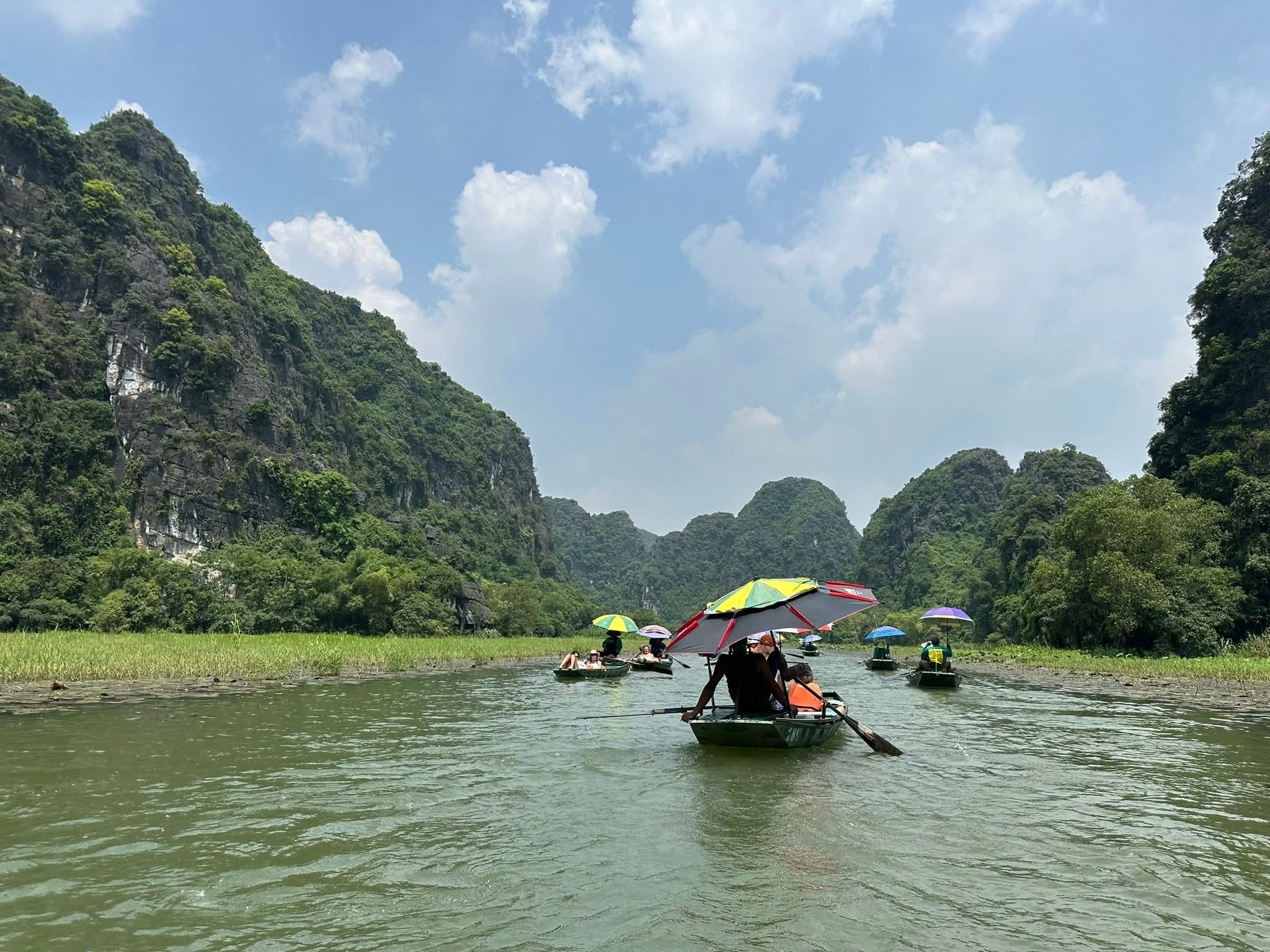
Featured image: Rowboats pass between green limestone hills in Ninh Binh. (Source: Collected)
Hanoi, Ninh Binh and Ha Long Bay for Northern Landscapes
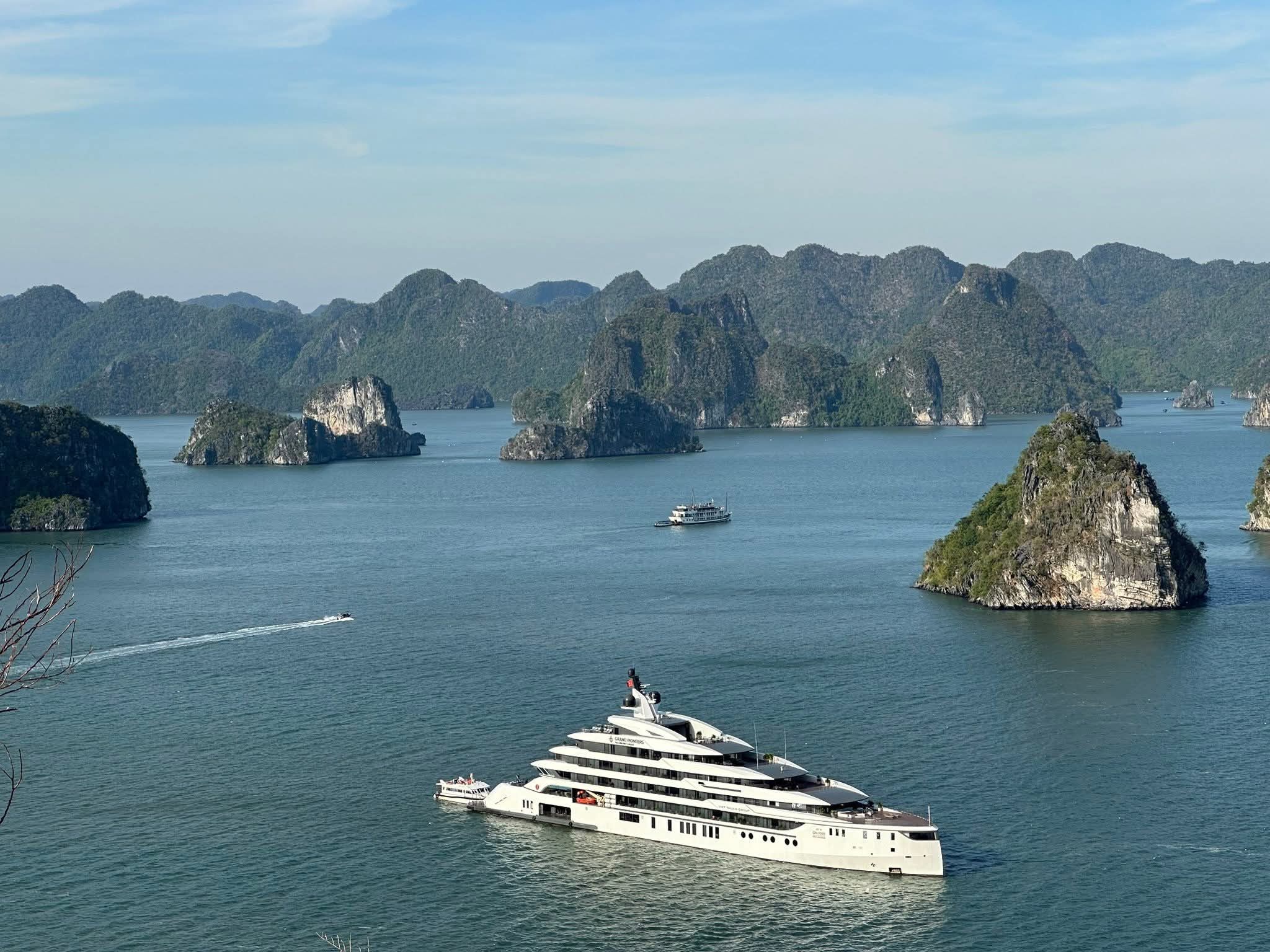
Cruise vessels travel among the limestone islands of Ha Long Bay. (Source: Collected)
Hanoi makes a rewarding introduction to Vietnam through its lakeside walks, old trading streets, museums and food. Give yourself time to understand a neighbourhood before leaving for the countryside. A relaxed first morning also helps after an international flight, especially when you are unfamiliar with local traffic and the heat.
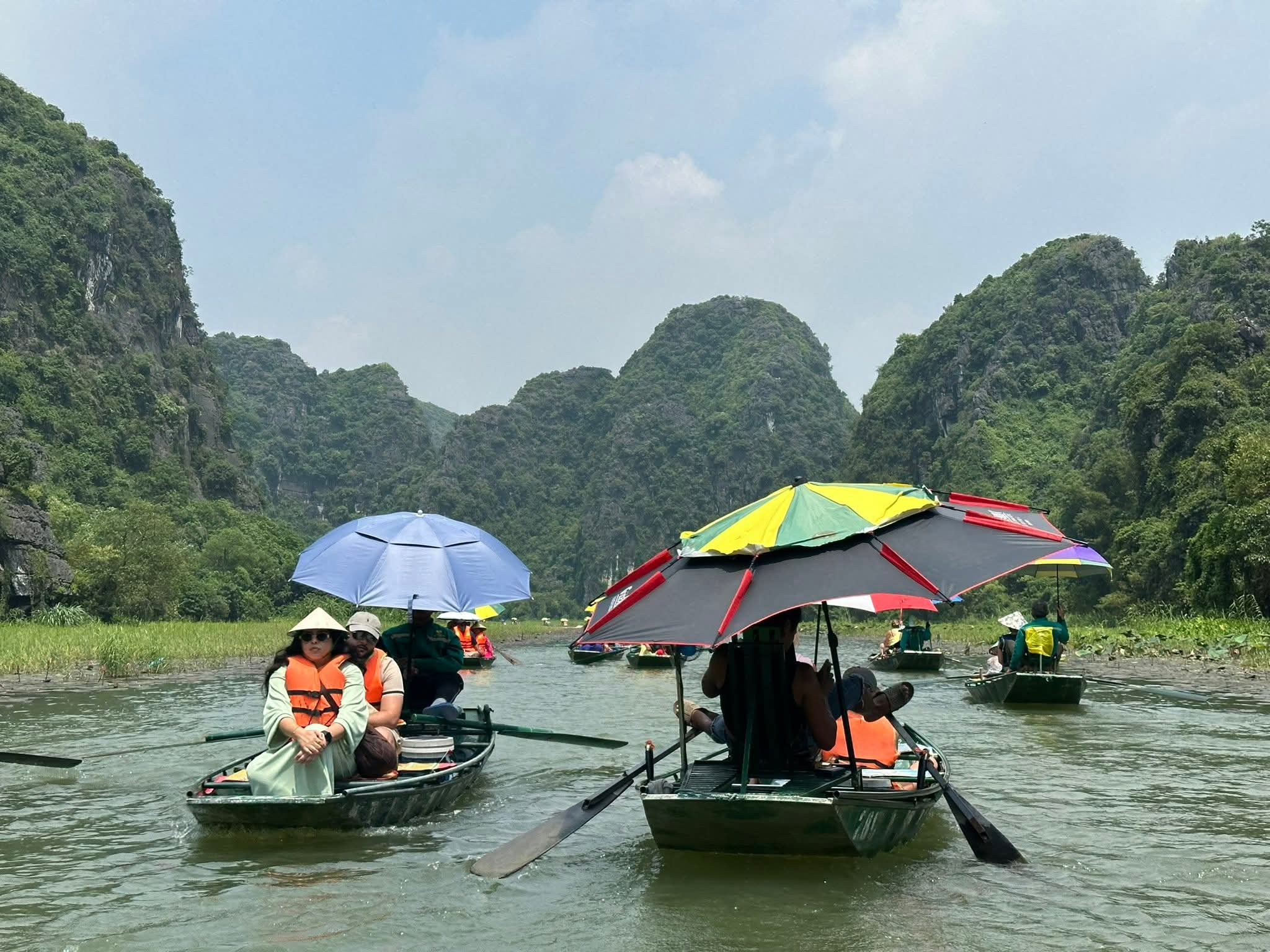
Ninh Binh adds limestone hills, waterways and historic sites. A boat excursion at Trang An or Tam Coc pairs naturally with a temple visit or a countryside walk. Choose the actual route and activity level carefully: a shaded boat journey and a steep viewpoint climb ask very different things of your legs. Our Ninh Binh travel guide helps narrow those choices.
Ha Long Bay offers a different perspective on limestone scenery, with islands rising from coastal water. Decide whether you want a day excursion or time aboard an overnight cruise before selecting a boat. Check the departure port, transfer arrangements and included activities; a beautiful cabin photograph tells you little about the practical journey.
For a short northern holiday, choose Ninh Binh or the bay as your main landscape escape. Include both only when their transfers leave enough time for Hanoi itself. Avoid placing a cruise return immediately before an essential flight, since weather and transport disruptions can alter plans.
Hue and Hoi An for Heritage and Slower Evenings
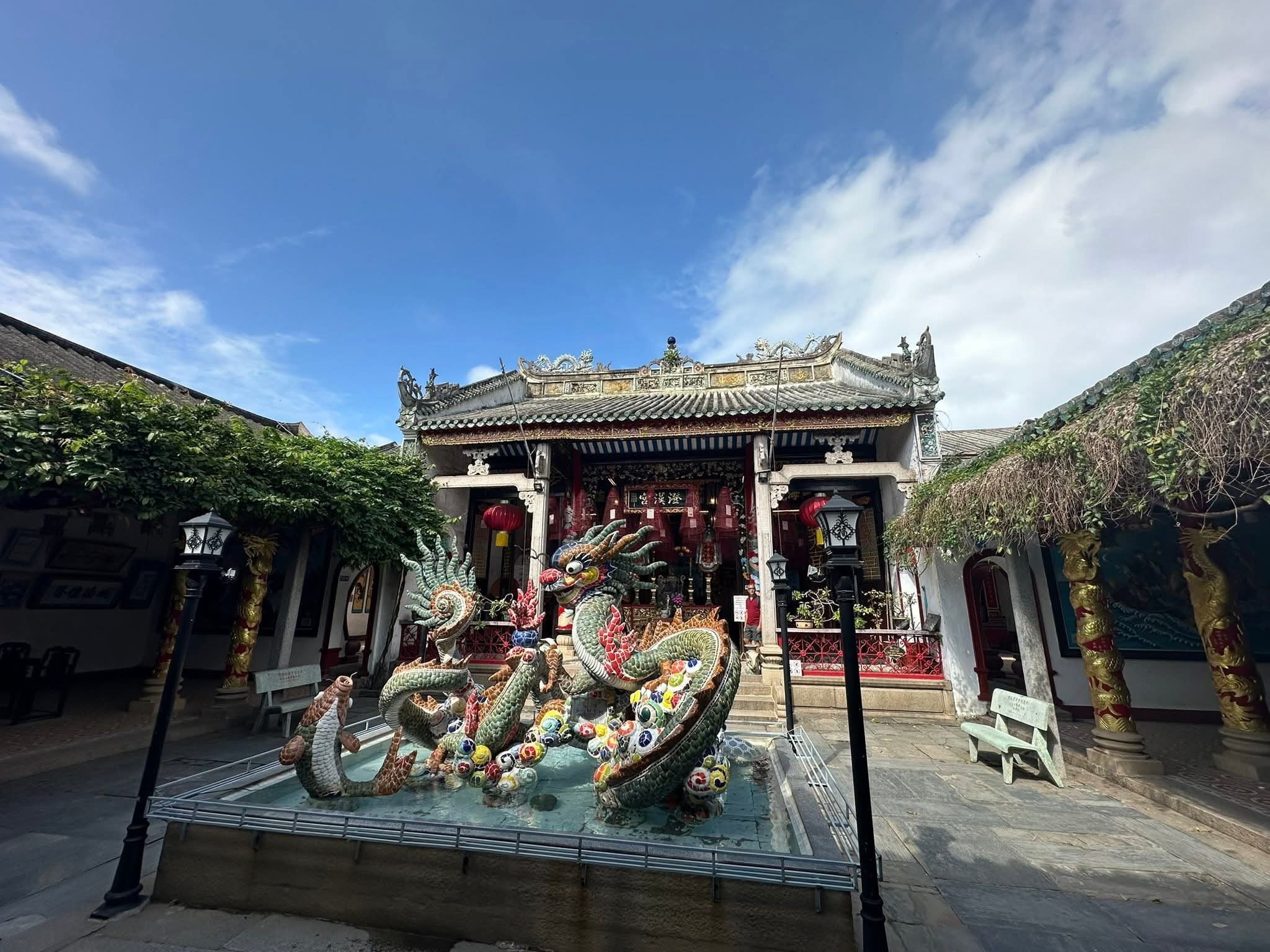
Decorative dragons and traditional architecture frame a heritage courtyard in Hoi An. (Source: Collected)
Hue suits travelers who enjoy understanding history through places. Its Imperial City, royal tombs and pagodas offer distinct visits, so select a few that interest you instead of treating them as interchangeable stops. A guide can help connect architecture with the people and events behind it. Build in rests between exposed courtyards and outdoor walks.
Hoi An brings a more compact setting for old streets, assembly halls and riverside wandering. Its appeal extends beyond lantern photographs: a morning walk, a craft activity or a cooking experience can give the stay a different rhythm. Consult our Hoi An travel guide when deciding how to divide heritage visits, countryside activities and beach time.
These destinations work well as a central Vietnam pairing, with the journey between them treated as part of the itinerary. Check your actual transport arrangements before adding sightseeing along the way. A transfer day with several stops may leave little energy for an evening activity.
Choose this cluster when cultural detail matters more than covering the whole country. Keep one evening uncommitted, and confirm weather conditions before relying on a beach day. Central Vietnam has its own rainfall pattern, which may differ considerably from the north and south.
Ho Chi Minh City and the Mekong Delta for Contrasting Daily Life
Bright signs and outdoor dining bring Bui Vien Street to life after dark in Ho Chi Minh City. (Source: Collected)
Ho Chi Minh City rewards visitors who enjoy the energy of a large city. Combine central landmarks such as the Post Office and Opera House with a museum, a neighbourhood market or a guided food experience. Choose a manageable area each day rather than repeatedly crossing the city for individual photographs.
Nightlife is one possible experience, especially around busy Bui Vien, but it need not define your stay. Travelers who prefer quieter evenings can focus on an early dinner and a comfortable base away from late-night venues. Match the neighbourhood to your sleeping habits as carefully as your sightseeing interests.
The Mekong Delta changes the scale of the journey. Waterways, orchards and local settlements create opportunities for boat trips and conversations beyond the metropolis. A day excursion suits limited time; an overnight stay can make room for an earlier start and a less compressed programme. The Mekong Delta travel guide explains how destinations and experiences differ.
Ask what a proposed outing actually includes. A market visit, household stop and boat ride are not automatically intimate experiences simply because they appear in a brochure. Confirm the route, time spent traveling and any seasonal limitations before choosing between programmes.
Add One Mountain, Cave or Beach Extension
Travelers wearing helmets and flotation equipment explore a cave pool in the Phong Nha area; access depends on the specific programme. (Source: Collected)
An extension should answer a clear interest. Sa Pa or Ha Giang can suit a journey focused on mountain scenery and local communities, but neither belongs on a rushed checklist. Walking routes, weather, road travel and your comfort with long journeys all affect whether the addition feels worthwhile.
Phong Nha is a stronger choice when caves are a central motivation. Distinguish accessible visitor caves from guided adventure programmes involving swimming, uneven ground or overnight travel. Ask the operator about the exact route, equipment, fitness requirements and weather restrictions. Activities shown in photographs may require a specific tour and suitable conditions.
For beach time, choose a coastal or island stay that fits your existing route. Hoi An's coast, Nha Trang, Phu Quoc and Con Dao each need their own assessment of access, accommodation and seasonal conditions. Do not assume that every Vietnamese beach shares the same dry season.
Choose one extension first. If it forces you to remove all the breathing space from your main destinations, save it for another visit. A destination becomes a good choice when the experience justifies the journey required to reach it.
Turn Your Shortlist into a Realistic First Trip
A boat outing in Ninh Binh leaves time to appreciate the surrounding limestone landscape. (Source: Collected)
For roughly a week, concentrating on one region usually gives more room for exploration. Around two weeks can support a selective journey through two or three regions, provided you limit accommodation changes. With three weeks, add depth or an extension rather than automatically doubling the number of stops. These are planning suggestions, not fixed rules.
Count usable days after arrival and before departure. Then mark transfer days, which can absorb much more than the advertised flight or train time once check-in, station access and hotel travel are included. Our two-week Vietnam itinerary provides a starting framework you can adapt to your priorities.
Finally, give each traveler one essential experience and protect time for it. Check current weather, transport availability and activity conditions before booking. Leave at least one flexible half-day for rest or an unexpected discovery. The strongest itinerary is one you can enjoy at your own pace, with enough space to notice the places you came to see.