Hue Tourist Attractions: Choose a Heritage Route That Suits You
November 17, 20266 min read
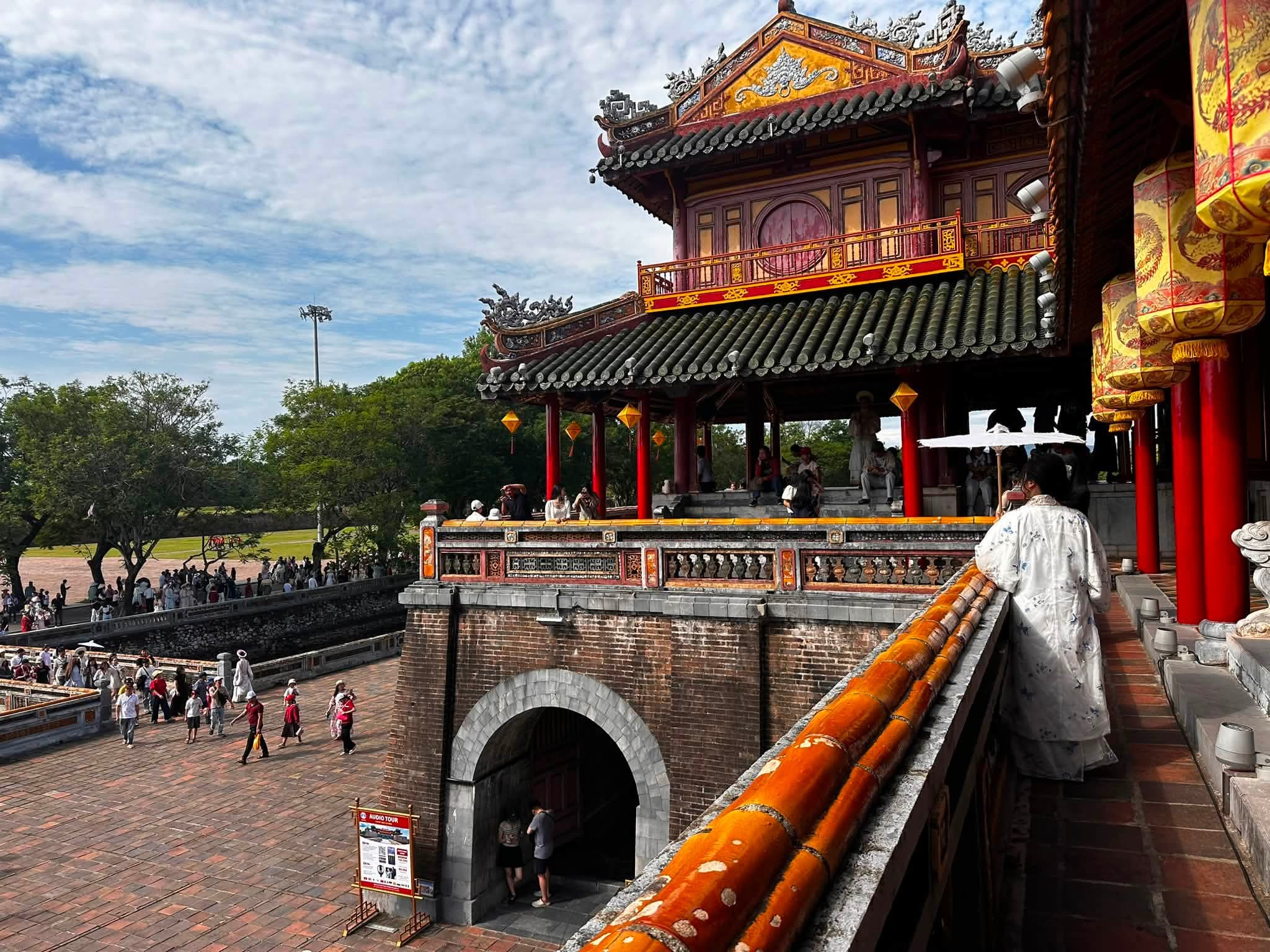
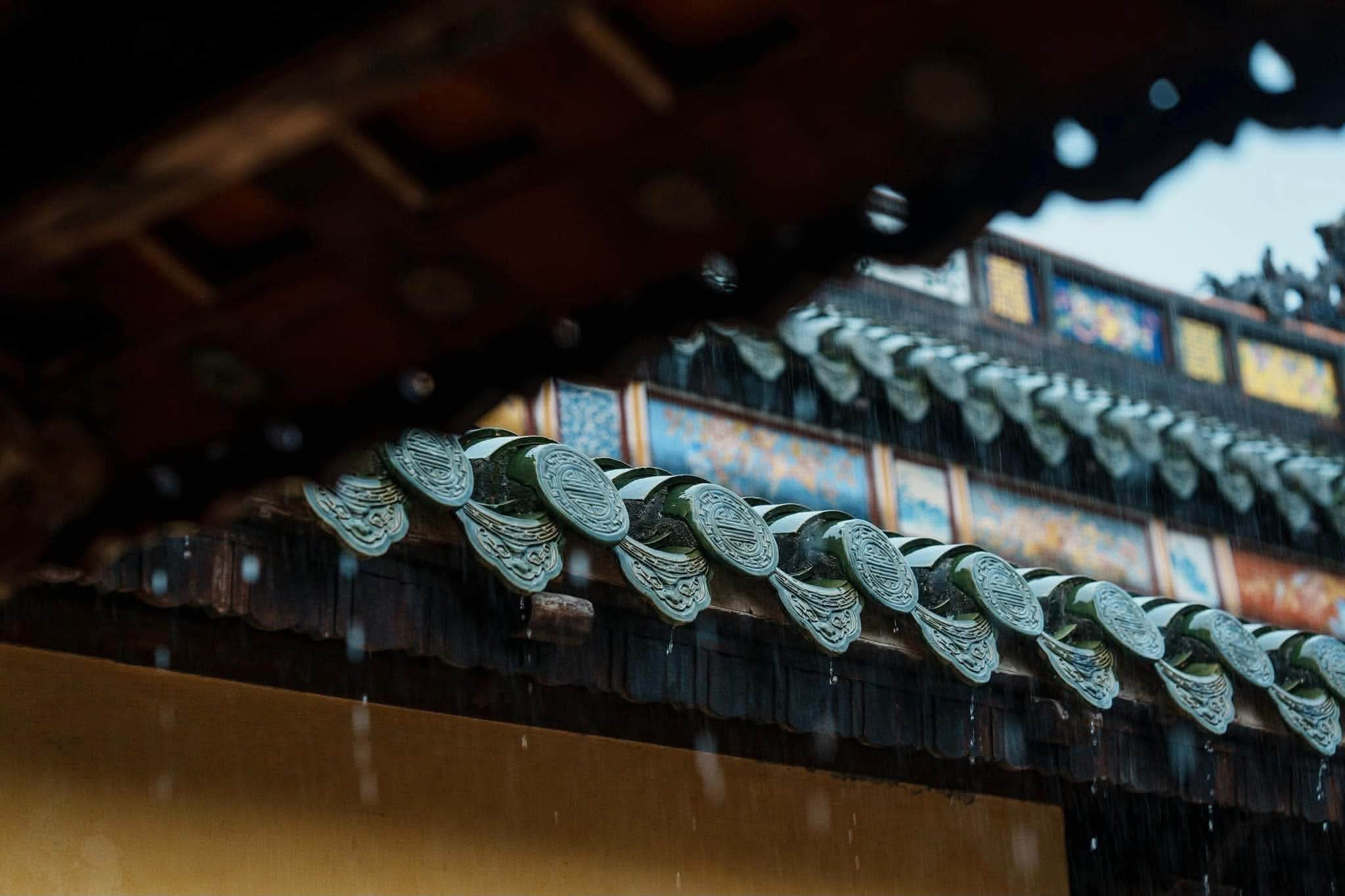
Featured image: A close view of Hue's imperial gateway introduces the architectural details of the former royal capital. (Source: Collected)
The most rewarding Hue tourist attractions are not necessarily the ones you can fit into the longest day. Palaces, royal tombs, religious spaces and living neighborhoods tell different parts of the city's story. A first visit becomes more meaningful when you choose a few contrasting places and understand what each contributes. This guide focuses on selecting your heritage visits and arranging manageable outings. For accommodation, transport and broader seasonal planning, use our Hue travel guide alongside it.
Start with the Imperial City and learn how its spaces connect
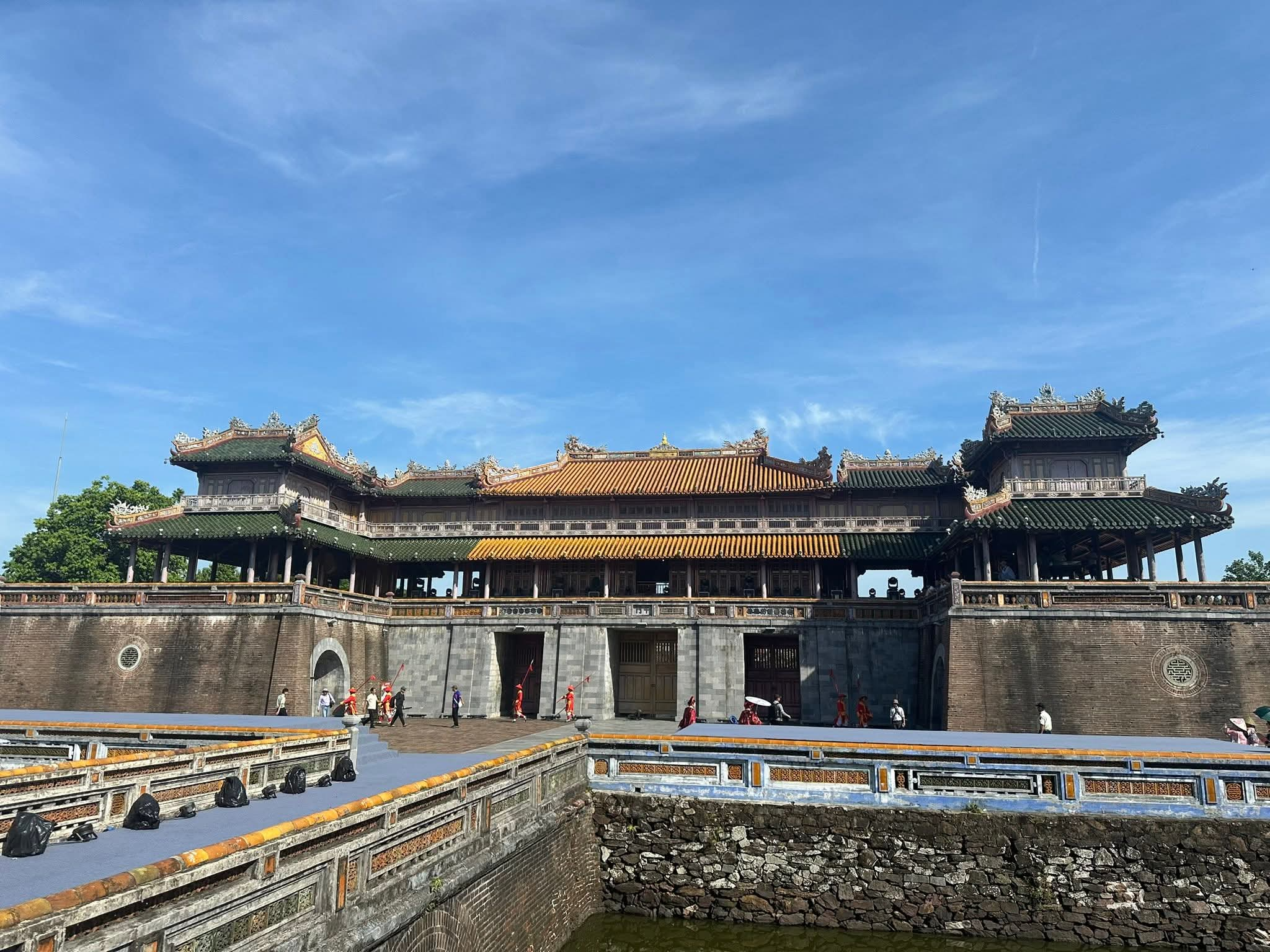
The Imperial City's gateways and courtyards reward a visit with time for historical explanation. (Source: Collected)
The Imperial City is a strong introduction to Hue's royal history. Hue served as the Nguyen dynasty's capital from 1802 to 1945, and the UNESCO-listed Complex of Hue Monuments connects architecture with a wider cultural landscape. A visit is more rewarding when gateways, courtyards and ceremonial spaces are understood as parts of a functioning capital rather than separate photographic stops.
Some terminology helps. The Citadel is the larger fortified area; the Imperial City lies within it, with the Forbidden Purple City forming the innermost royal precinct. Visitor descriptions sometimes blur these names. Ask a guide which areas your route covers and how the surviving structures relate to what once stood there.
Allow a substantial outing with time to pause. The right walking route depends on your interests, the weather and current access. A visitor interested in restoration may want different explanations from someone exploring family life or court ceremonies. Tell your guide what you would like to understand before starting.
Look beyond scale. Roof decoration, transitions between public and restricted spaces, and the relationship between buildings and open courtyards can provide useful points of focus. You do not need to memorize a dynasty to appreciate these details, but a little interpretation helps the architecture become more than a backdrop.
Choose royal tombs for contrast rather than completeness
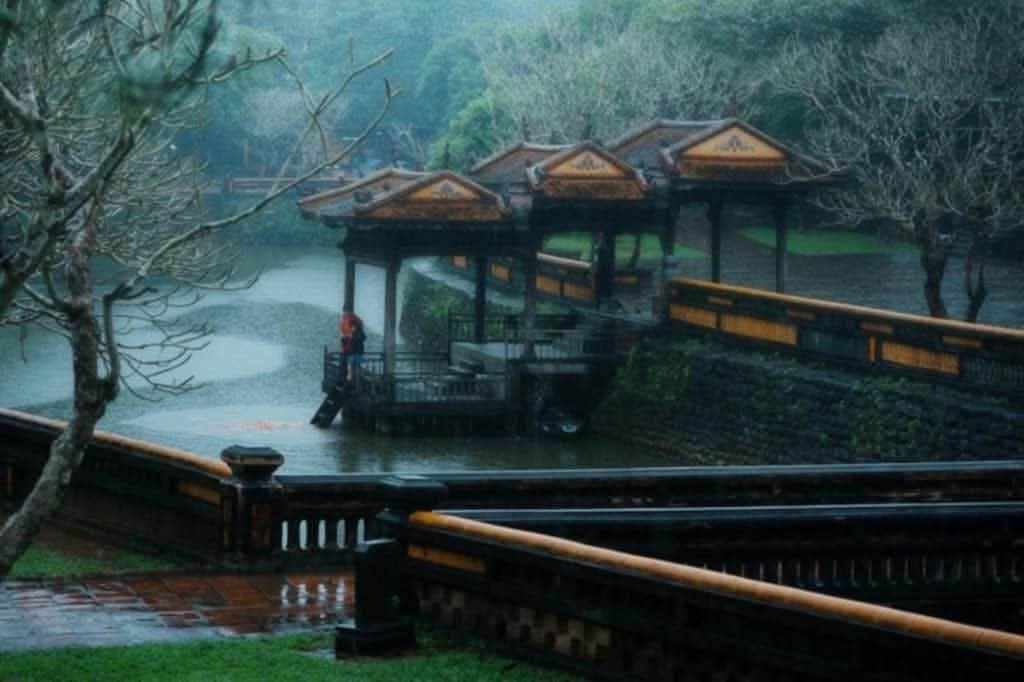
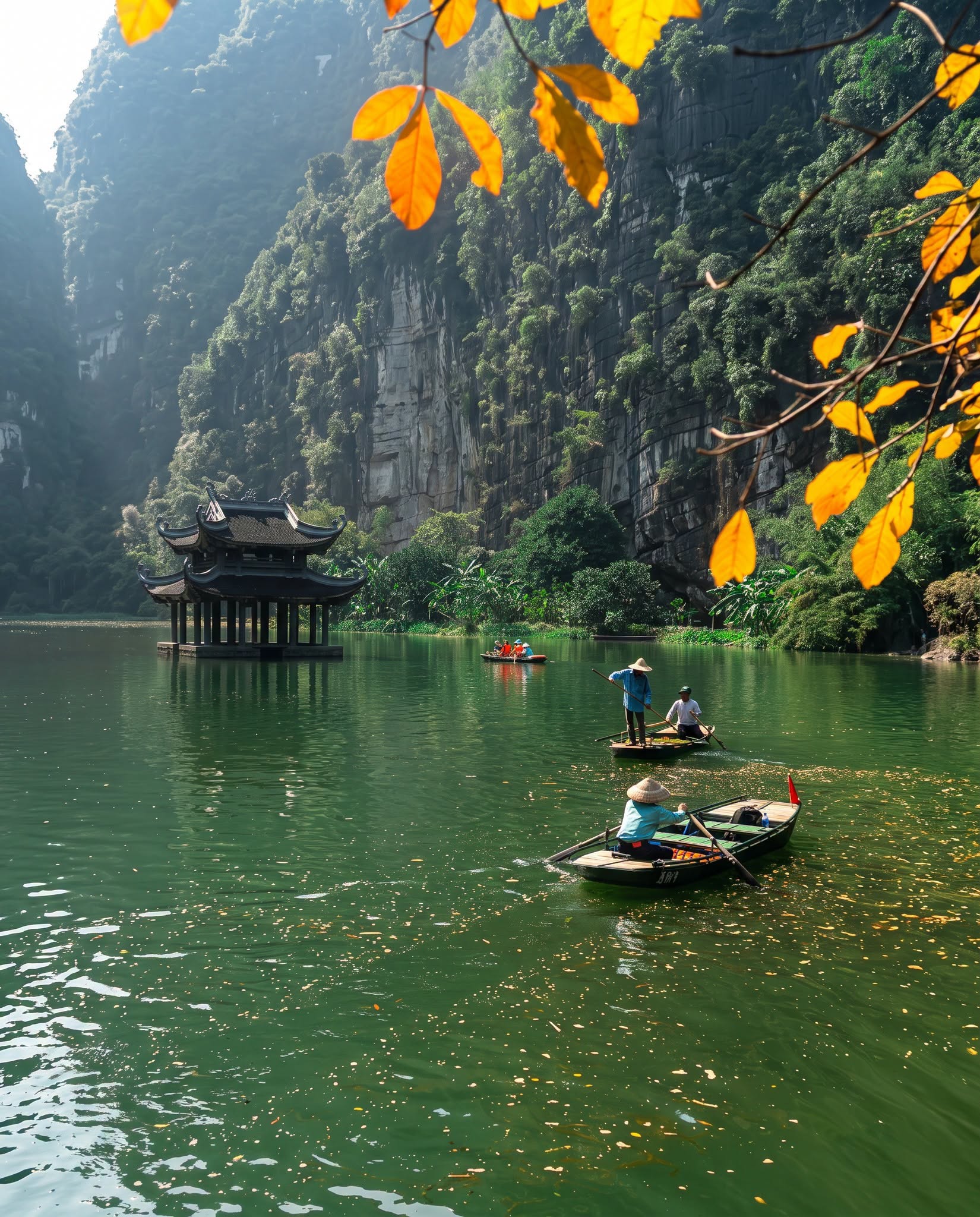
A waterside pavilion within Hue's royal heritage landscape contrasts with more formal ceremonial spaces. (Source: Collected)
Minh Mang, Tu Duc and Khai Dinh are useful names to investigate when selecting tomb visits. They are separate complexes, not neighboring rooms within one attraction. Adding another means more transfer time as well as walking, so choose according to what you want to see rather than assuming every major tomb is essential.
Minh Mang is associated with a composed sequence of architecture and landscape. Tu Duc introduces a setting closely connected with gardens and water. Khai Dinh presents a more compact, richly decorated architectural experience, with significant steps to consider. These broad contrasts help form a shortlist; they do not replace a current access assessment.
For a first visit, one or two well-explained complexes may be enough. Ask your guide why a proposed combination suits your interests and how much time remains at each site after driving. If someone finds stairs, heat or prolonged standing difficult, discuss those needs before finalizing the selection.
A useful comparison might follow how each ruler shaped an enduring setting and image. Another might focus on decorative materials or the use of landscape. Having a question in mind can make two visits feel connected while still preserving their differences.
Add Thien Mu and the river as a different kind of outing
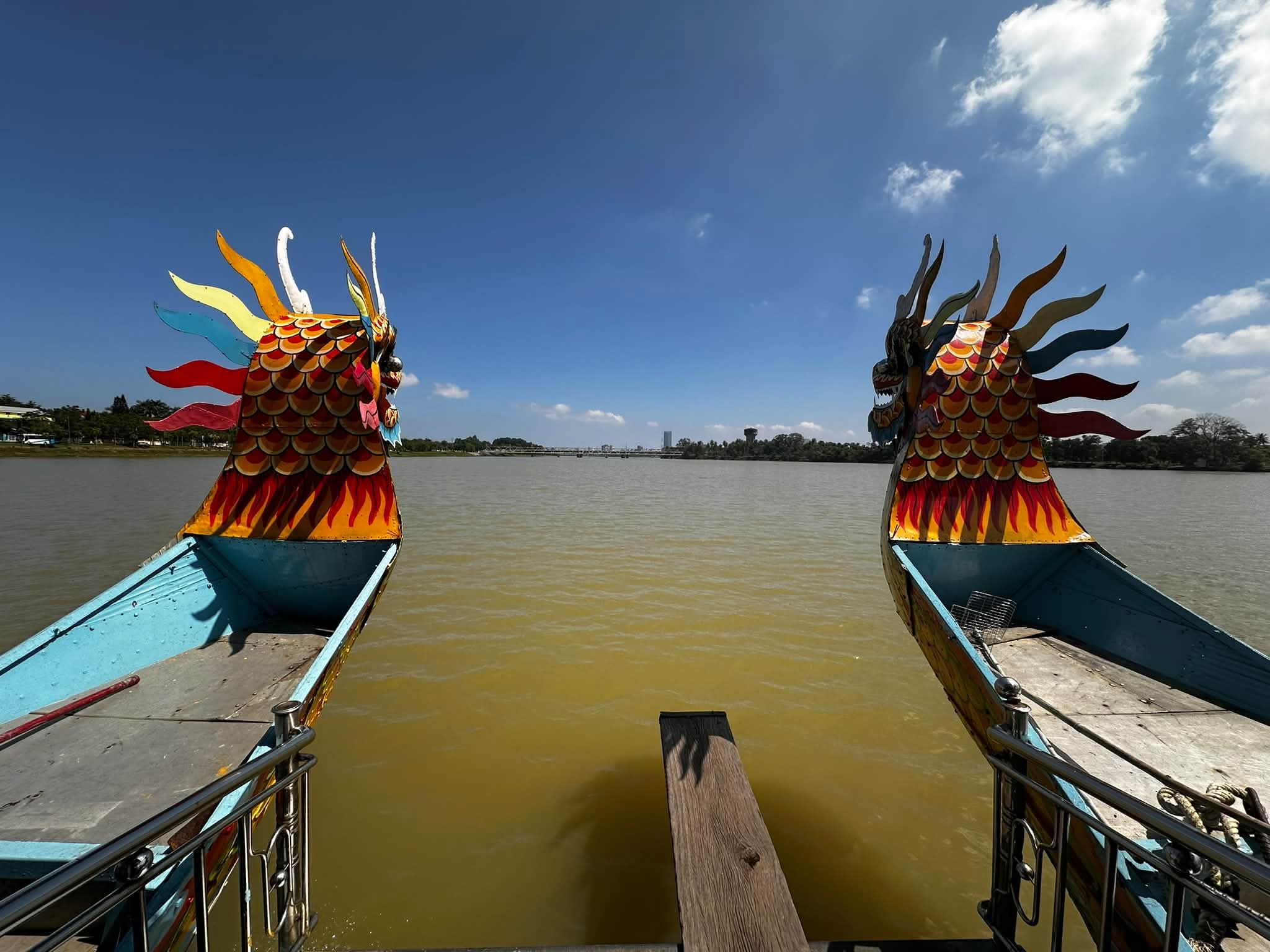
Dragon boats on the Perfume River offer an optional change of perspective during a Hue visit. (Source: Collected)
Thien Mu Pagoda offers a religious setting beyond the royal complexes. Its recognizable tower is only part of the experience. Follow signs, dress respectfully and leave space for worshippers. A calm visit allows you to notice the surroundings and purpose of the place rather than arriving only for a quick tower photograph.
Check the approach, steps and return arrangements when planning for your group. A description such as a short stop does not establish that the walking will suit everyone. Ask where the vehicle meets you and how much time is genuinely available before the next activity.
A Perfume River outing can provide another perspective when conditions permit, but confirm what the booking includes. A simple boat journey, an outing with sightseeing stops and a performance program are different experiences. Clarify boarding arrangements, duration and equipment instead of choosing from similar-looking photographs.
Keep river activities optional when weather affects operations. A riverside walk, a meal or time at your accommodation can be a reasonable alternative, provided the route remains accessible. Avoid promising a particular sunset or view as though it were part of a guaranteed package.
Balance monuments with markets and quieter cultural encounters
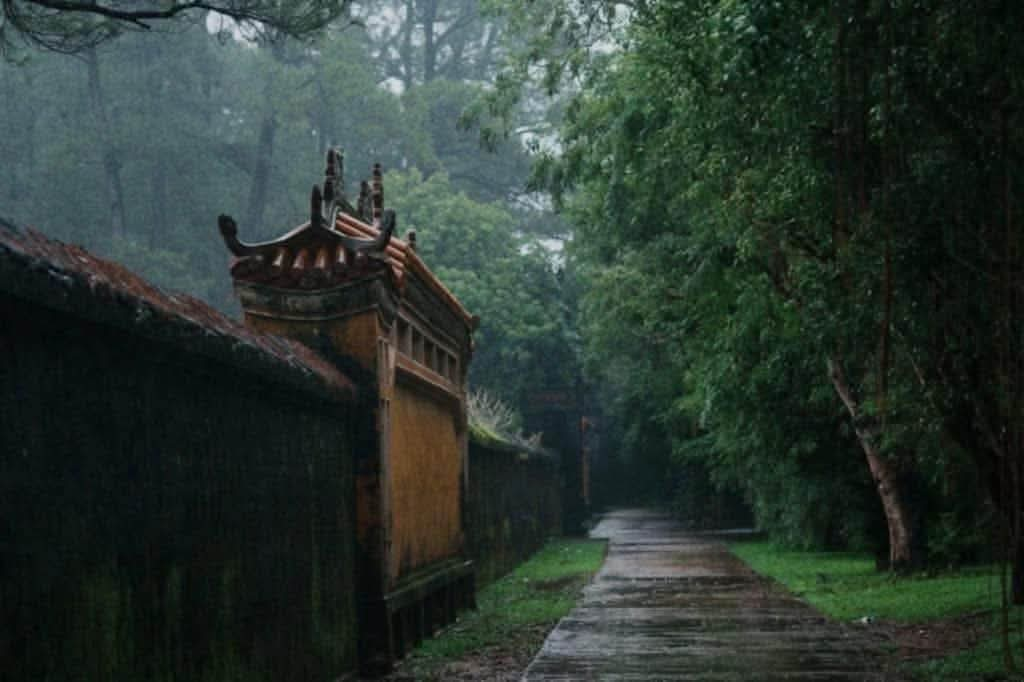
A tree-lined path beside an old wall adds a quieter cultural setting beyond the busiest monument stops. (Source: Collected)
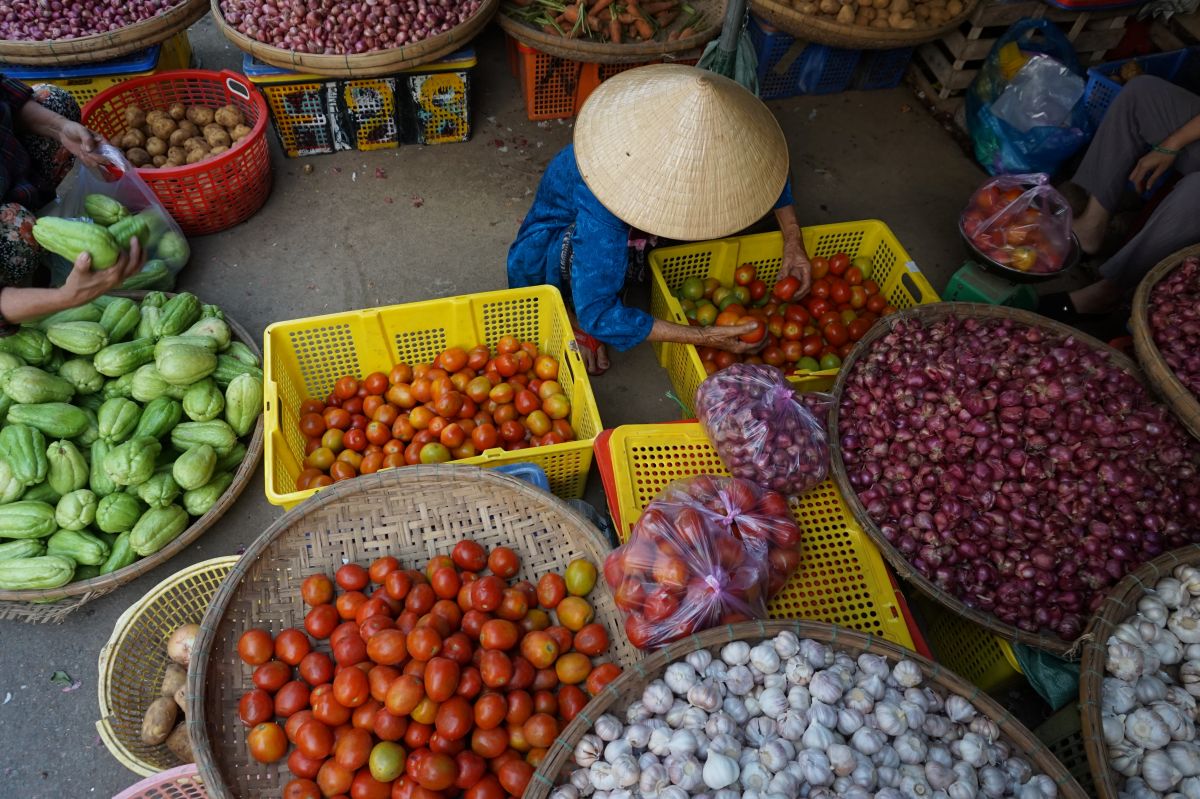
Dong Ba Market helps connect heritage sightseeing with a working city. It can introduce local ingredients and daily trade, while a guided food outing offers more structured explanation. Decide whether you want shopping, browsing or tastings: a market visit does not automatically include all three. Our Dong Ba Market guide explains the practical differences.
Keep passages clear and ask before photographing people closely. A useful guide can explain ingredients and help with conversations, but vendors should still be able to work. Leave enough appetite for a few dishes rather than adding a full tasting immediately after a large lunch.
A prearranged garden-house or neighborhood visit can provide a quieter contrast. Confirm access to individual properties and what interaction with a host is included. Do not assume every attractive house is open or that an advertised cultural visit includes a performance.
These encounters work best when they have room to breathe. Allow time for explanation, questions and rest. A less crowded schedule often creates better opportunities for learning than another stop added solely because the vehicle passes nearby.
Turn your shortlist into a realistic heritage route
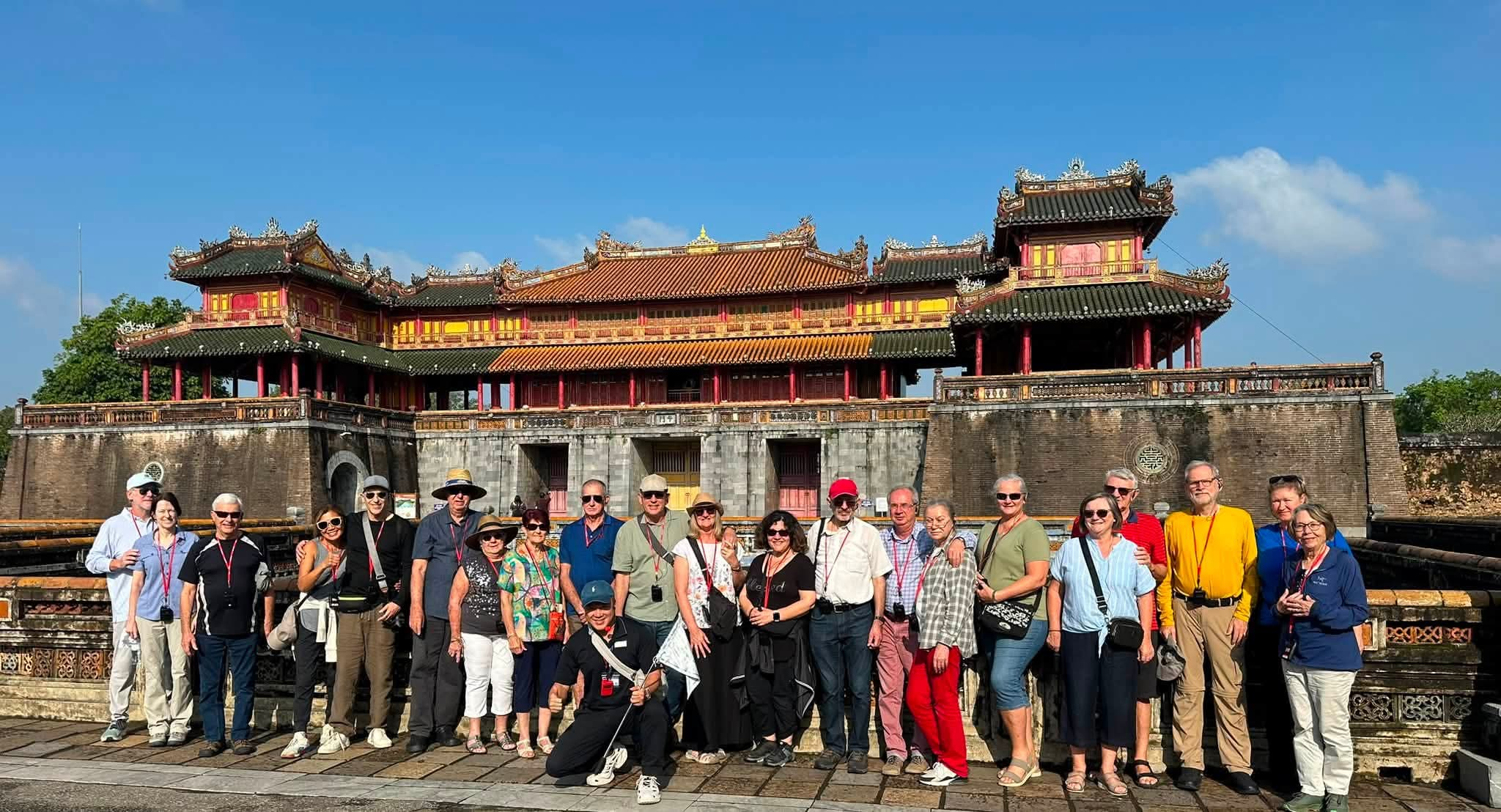
A guided group visits Hue's imperial architecture, where the pace and depth of interpretation matter. (Source: Collected)
Group attractions geographically and count the complete outing, including transfers, walking, admissions and breaks. Separate a substantial Imperial City visit from a rushed list of distant tombs. If you have another full day, use it for a selected tomb combination and a contrasting experience rather than repeating the same intensity.
Check current ticket inclusions, validity, opening arrangements and temporary restrictions before paying. A combination ticket only helps when its sites fit your chosen route. Confirm final admission separately from closing, and ask about restoration areas without assuming every building remains accessible.
Build the day around the group's comfortable pace. Keep water, suitable shoes and weather protection handy, with time for shade and meals. Share your preferred Hue tourist attractions and walking needs through our custom Vietnam tour planner to shape a visit that supports understanding as well as sightseeing.