Dong Ba Market, Hue, Vietnam: Food, Shopping and Visitor Tips
November 07, 20266 min read
A visit to Dong Ba Market in Hue, Vietnam brings the city’s food, crafts and everyday shopping into one busy stop. Between the noodle counters, produce baskets and packed shelves, you can learn as much by watching a transaction as by buying something. Come with a little time, a small appetite and a willingness to ask questions.
For a first visit, plan roughly an hour to browse, or longer if you want to eat and shop. The aim is to enjoy a few encounters without turning the market into a checklist. This guide helps you find your bearings, choose something to taste and fit the stop into a day exploring Hue.
Where is Dong Ba Market, and why visit?
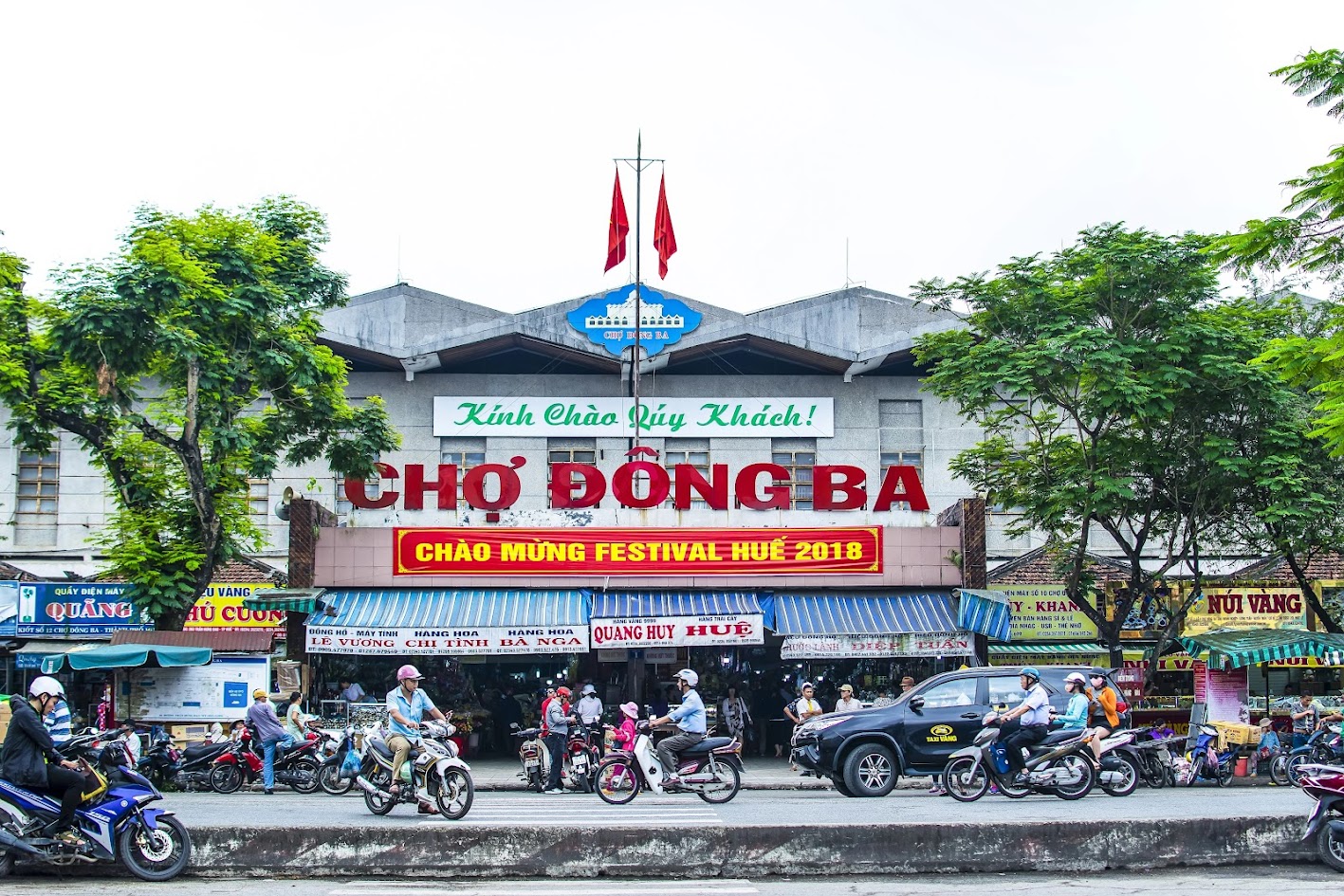
Dong Ba stands on Tran Hung Dao Street on the northern bank of the Perfume River, near Truong Tien Bridge. Save the Vietnamese name, Chợ Đông Ba, and an entrance map pin before setting out. If you are meeting a driver afterward, agree on a precise pickup point rather than simply saying “the market.”
Its story connects commerce with Hue’s changing urban landscape. Vietnam’s tourism database records an earlier market rebuilt under King Dong Khanh in 1887 and relocated to the present site under King Thanh Thai in 1899. Today, it serves local shoppers as well as visitors. Reading the stalls as part of a working market makes the experience more interesting than treating every aisle as a souvenir display.
For a short introduction, walk through without buying, notice the different goods, then return to one section that interests you. That first circuit also helps you compare products and find your way back.
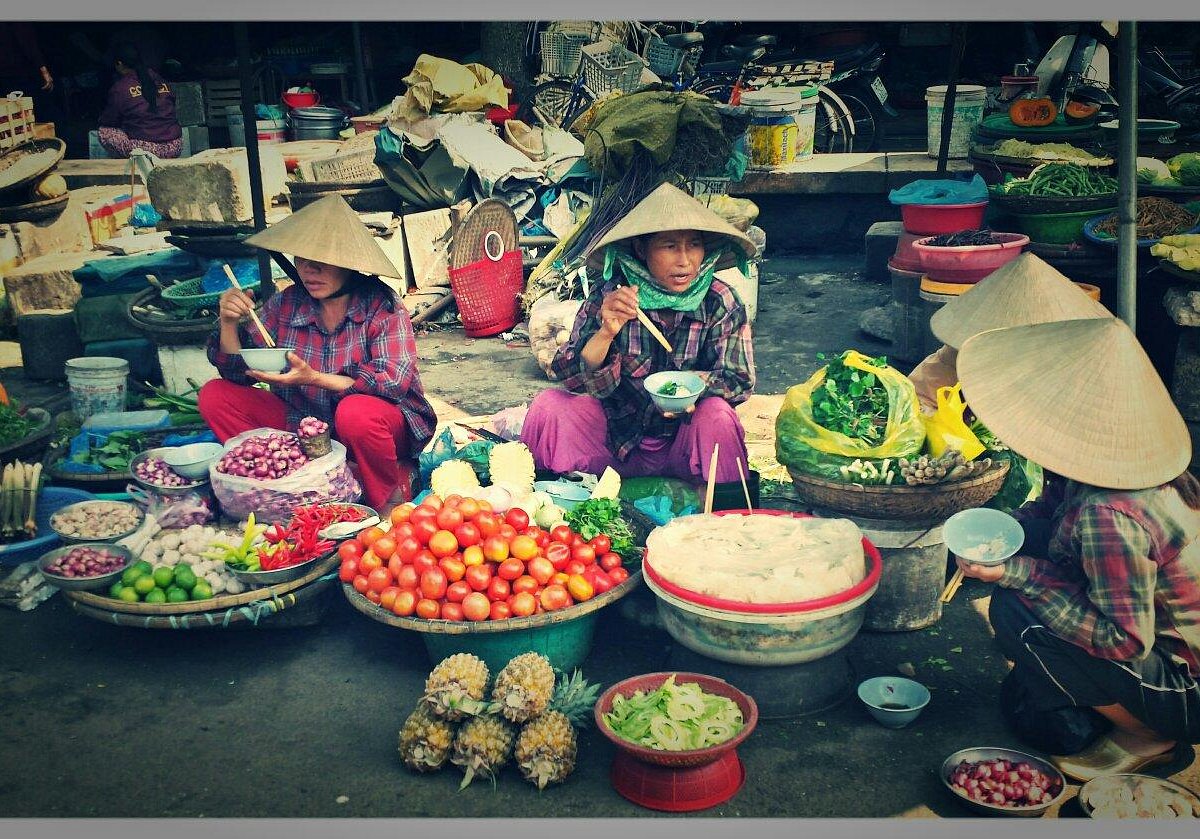
Produce stalls offer a glimpse of everyday shopping and the ingredients behind Hue’s cooking.
When to go and how to move around
Morning is a useful choice if your priority is produce and breakfast. If shopping is the main purpose, ask your accommodation about the current activity of the stalls you want to visit. Individual businesses can keep different hours, so confirm locally before making a special journey for a particular vendor.
Wear comfortable shoes and carry a bag you can keep close. Leave space for shoppers carrying purchases, and step aside before stopping for a photograph or consulting your phone. If you lose your bearings, returning to the entrance where you arrived is often easier than trying to complete a perfect circuit.
Check the forecast before combining the visit with a riverside walk. Hue can experience heavy rain, particularly in its wetter months. A covered market can provide shelter, but reaching it and moving between sections may still involve wet surfaces. Keep your plan flexible when local weather warnings affect movement.
What to eat at Dong Ba Market
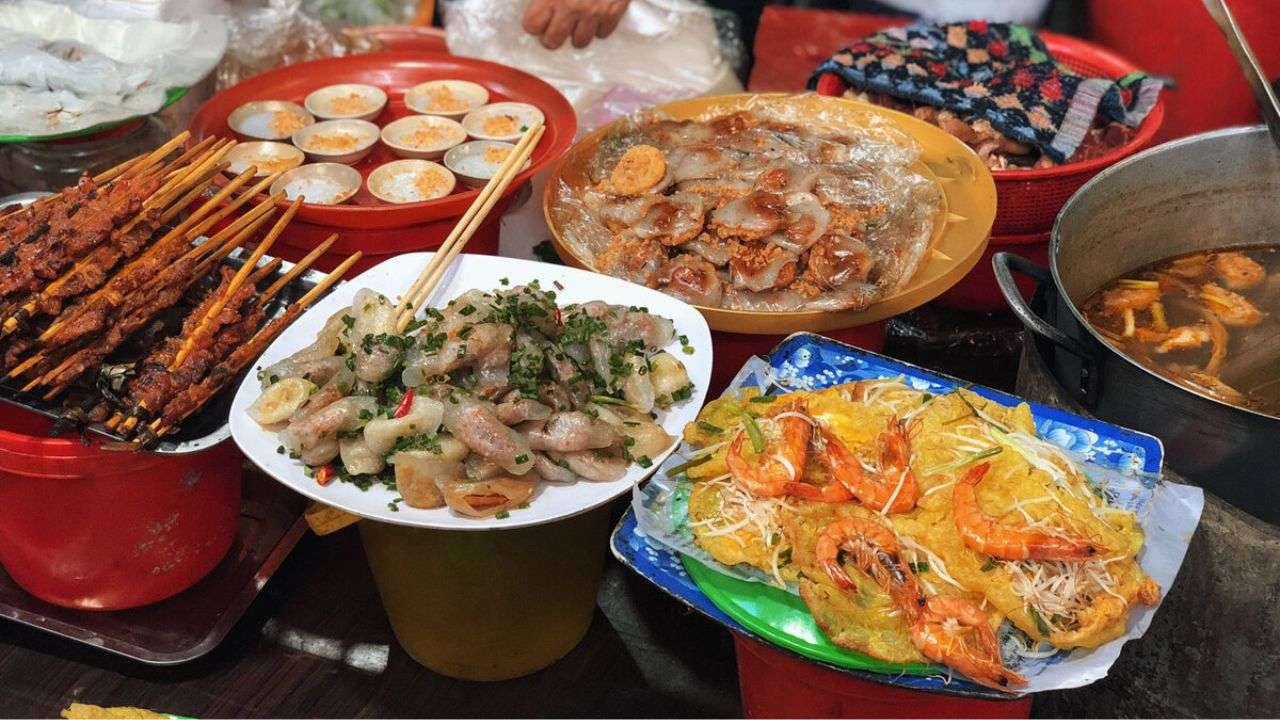
Hue’s food culture gives a market visit a clear focus. Look for dishes such as bun bo Hue, the city’s beef noodle soup, or small rice-based preparations such as banh beo and banh nam. Another local specialty is com hen, rice served with small clams and accompaniments. Availability varies by stall and time of day.
Start with one dish. Ask the price before ordering, confirm whether you are choosing a small portion or a full meal, and watch how the vendor serves it. Pointing can help, but showing the written Vietnamese dish name is clearer if several foods are displayed together.
Explain dietary needs before the food is prepared. A dish that looks vegetable-based may contain seafood, fish sauce or meat stock. If you have an allergy or a strict requirement, carry a reliable Vietnamese explanation and ask whether it can be accommodated. A local guide can help you ask about ingredients and understand unfamiliar dishes.
For a comfortable tasting stop, choose a place where you can sit without blocking service. Keep tissues handy, take your time with unfamiliar condiments and order more only if you still feel hungry.
Ask about ingredients and portion sizes before choosing from the food on display.
What to buy and how to shop politely
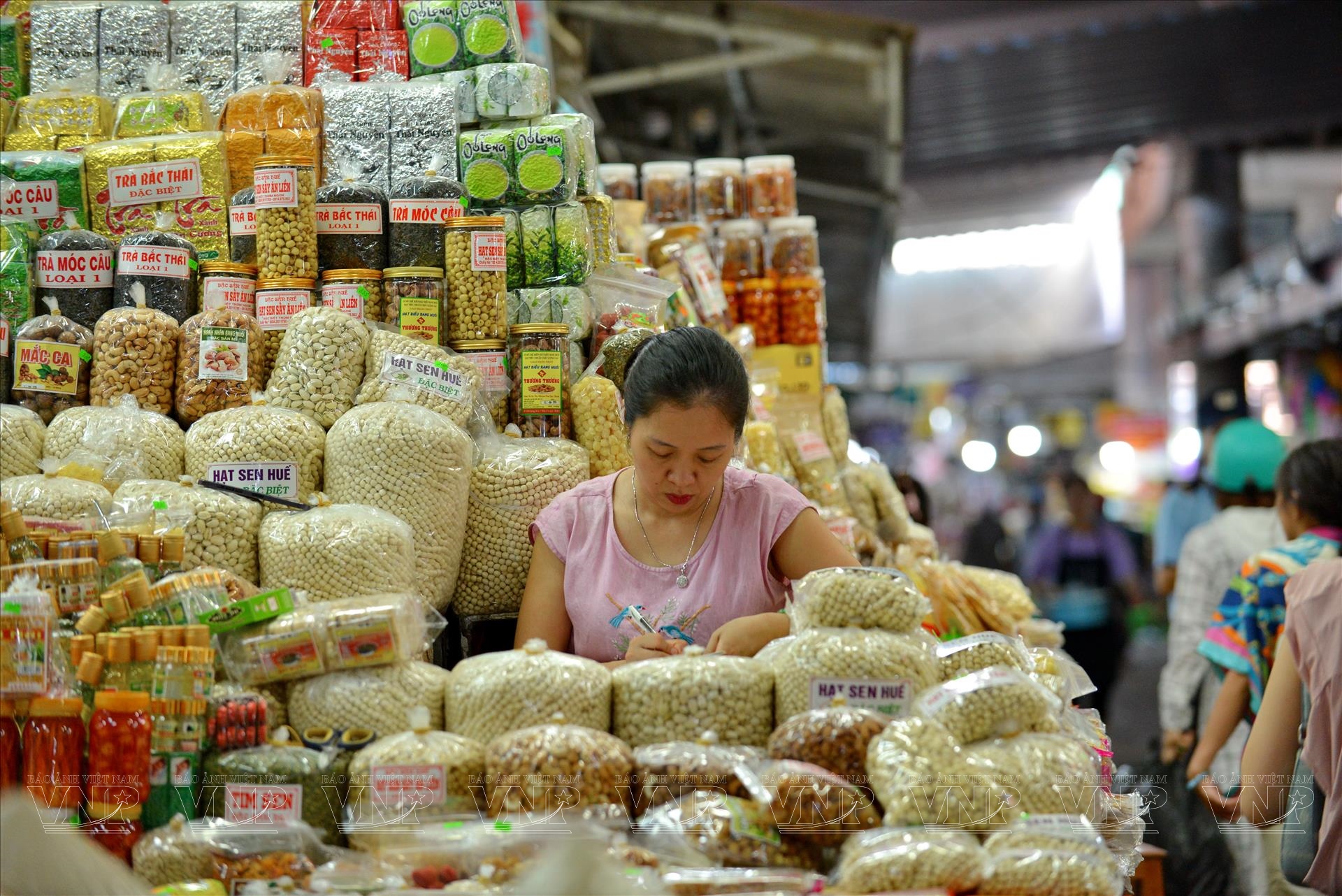
Dong Ba is associated with Hue specialties, including me xung, a chewy sesame confection, as well as conical hats and other local goods. If you are buying edible gifts, compare ingredients, packaging and use-by dates. Ask how an item should be stored, especially if it will spend several days in your luggage.
Check the import rules at your destination before purchasing food to take abroad. Products containing meat, seafood or plant material may need additional checks. A sealed package does not by itself establish that an item can cross a border.
For clothing, hats or handicrafts, examine the item you will actually receive. Ask about material and origin if these matter to you. If bargaining is appropriate, keep the exchange friendly and be ready to accept a reasonable price. For food, establish the price before ordering. Carry smaller Vietnamese dong notes for convenience, and check any other payment arrangement with the seller first.
Compare labels and storage requirements when choosing packaged specialties to take home.
Keep a small note of what you enjoyed, including the dish name or a description of the stall. That turns a brief tasting into something you can discuss later with a cooking teacher or guide. If you buy a gift, ask the seller how local people normally serve or use it. These simple questions create opportunities to learn, and they can make a modest purchase more memorable than a hurried photograph.
Build a half-day around the market
One workable plan is a morning visit with breakfast, followed by a walk toward the Perfume River and a rest at a café. If you also want to visit the Imperial City, give it its own block of time. A market meal and a heritage visit complement each other, but heat, queues and transport can stretch a packed schedule.
Yes. Save your meeting point and allow time to browse. A guide adds value if you want help discussing ingredients, identifying goods or learning about the people who sell them.
Can I photograph vendors?
Ask permission before taking a close portrait. Respect a refusal, avoid interrupting a sale and keep narrow passages clear.
Should I book a market visit?
Independent browsing can fit a flexible day. Choose a guided visit if food explanations or cultural interpretation are central to your interests.