Mekong Delta Travel Guide: Plan Your First Visit to Vietnam’s River Country
November 18, 202617 min read
The Mekong Delta is easy to visit from Ho Chi Minh City, but choosing the right trip takes more thought than booking the nearest boat. A coconut canal in Ben Tre, an island homestay near Vinh Long and an early morning on Can Tho’s waterways offer quite different experiences. This Mekong Delta Vietnam travel guide helps you decide where to go, what to do and how much time to allow.
For most first visits, two or three days offer a useful balance of countryside and river life. One day works for a focused introduction. Four days or longer make room for slower island stays or an extension to Chau Doc. The starting point is your interest: village life, food, cycling, markets, wetlands or the comfort of a river cruise.
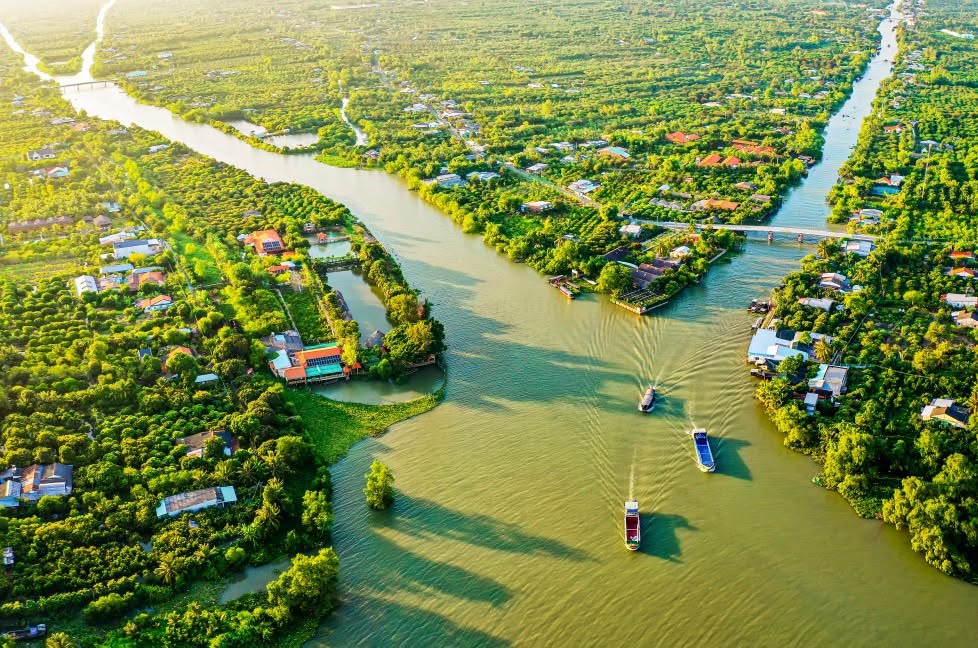
Featured image: Rivers, canals, orchards and waterside homes shape the Mekong Delta landscape around Vinh Long. (Source: Collected)
1. Understand the Mekong Delta Before Choosing a Tour
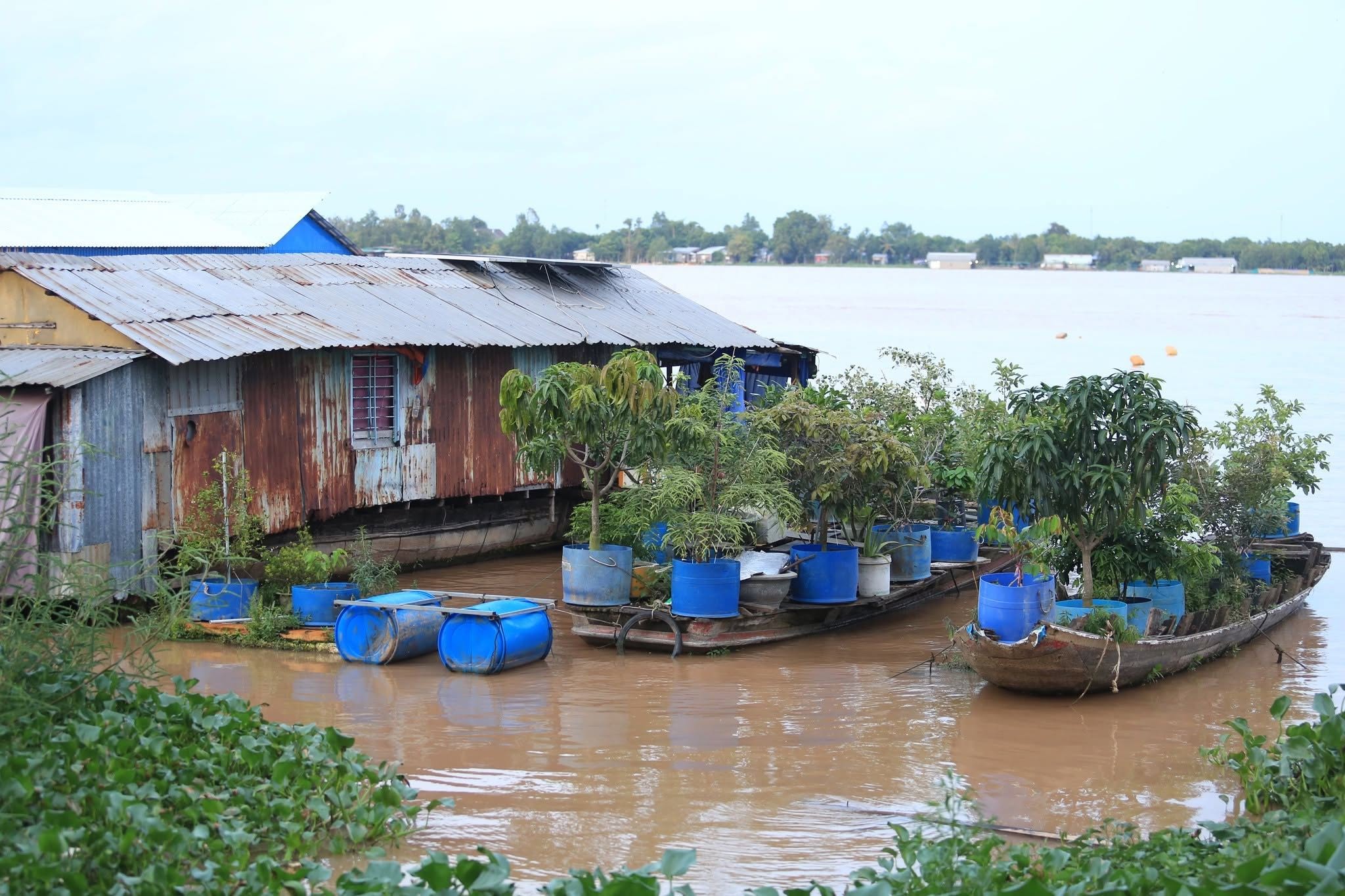
Waterside homes and small boats in Chau Doc show how daily life follows the river. (Source: Collected)
Southern Vietnam’s delta spreads across a broad landscape of river branches, canals, agricultural land, islands and towns. The Tien and Hau rivers are major waterways within this network. Some channels carry working cargo boats; others pass gardens, houses and small landing stages. You will see different sides of the region depending on your route.
“Mekong Delta” therefore describes a region, rather than a single attraction. Can Tho is a destination and overnight base; Cai Rang is a specific market visit; a boat trip is an experience that can happen in several places. Keeping these distinctions clear makes itineraries much easier to compare.
Most visitors arrive through Ho Chi Minh City. From there, the nearer delta areas suit short excursions, while Can Tho and Chau Doc require more travel time. A longer drive does not automatically produce a better experience, especially if it leaves little time outside the vehicle.
The delta also rewards attention to ordinary activities: unloading produce, preparing lunch, working with coconut or maintaining an orchard. A worthwhile visit gives you time to understand these activities, with a guide or host who can explain what is happening. Rushing through five similar demonstration stops often reveals less than one thoughtful visit.
Use familiar travel names such as Ben Tre, Vinh Long and Chau Doc when discussing your route. Administrative changes can affect province names and addresses, so confirm the actual hotel, pier and meeting point on a map rather than relying on a province label alone.
2. Where to Go: Main Areas and Attractions
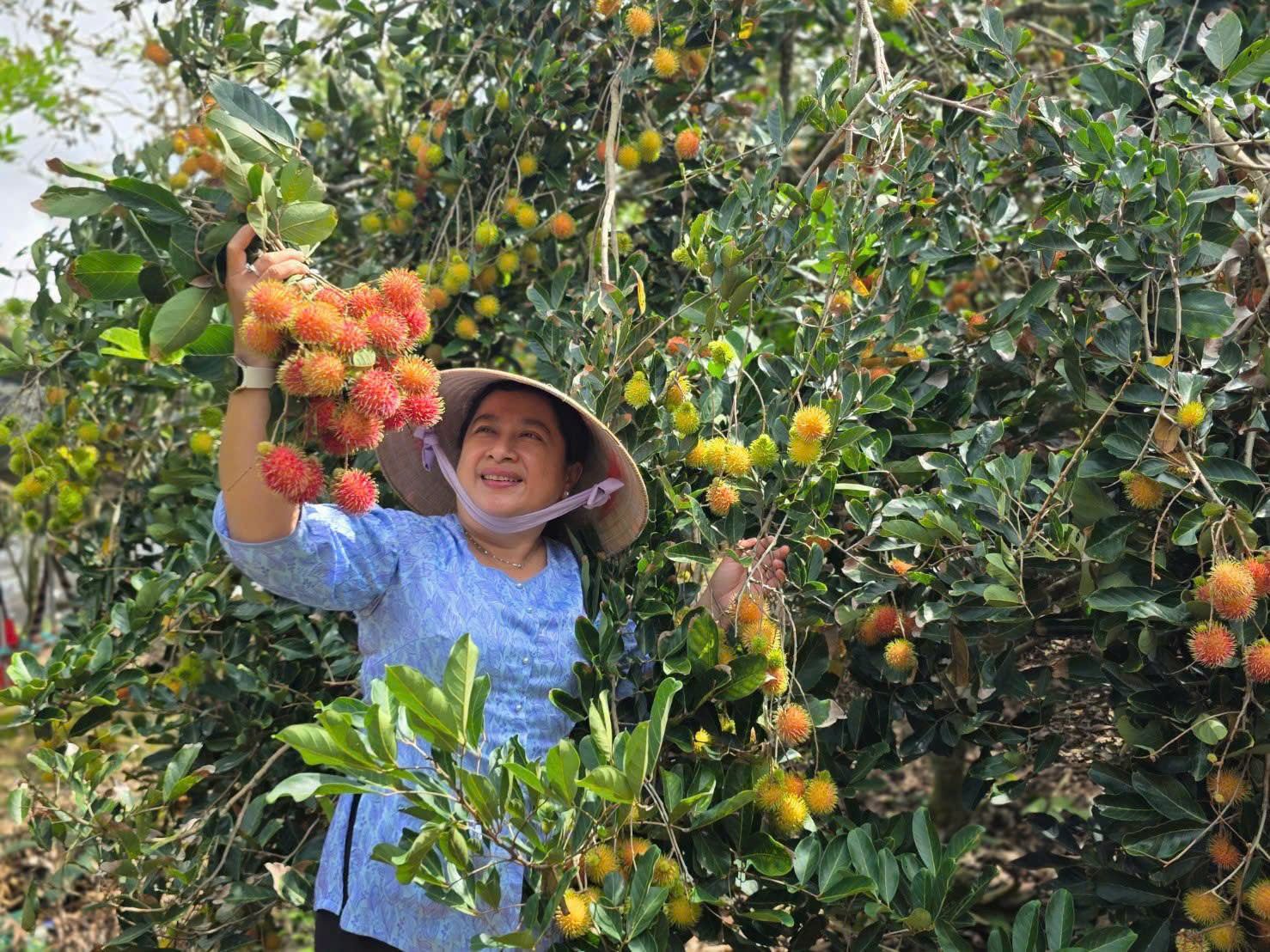
Rambutan trees in a Vinh Long orchard illustrate the delta’s productive gardens; fruit availability depends on the season. (Source: Collected)
My Tho: an accessible first introduction
My Tho is a practical gateway for a day excursion from Ho Chi Minh City. Vinh Trang Pagoda adds an architectural and religious stop, while nearby island outings introduce river transport, gardens and local products.
This combination suits travelers who want a manageable first taste without changing hotels. Look at the balance between road travel, time on the water and time ashore. A succession of brief tastings and souvenir stops can make the day feel hurried. My Tho is one introduction to the delta, rather than a summary of everything the region offers.
Ben Tre: coconut country and village routes
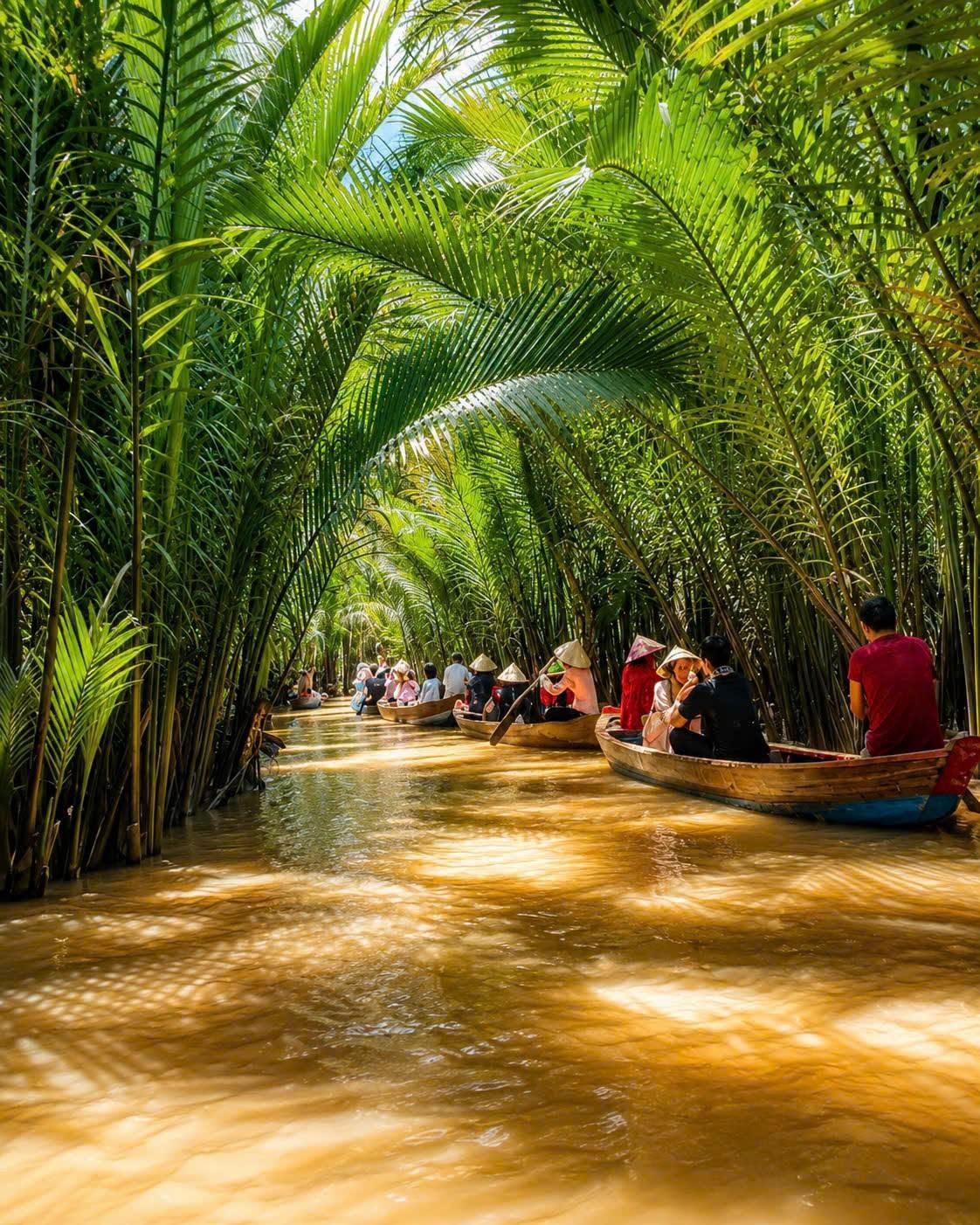
Rowing boats pass beneath nipa palms on a Ben Tre canal, with the experience varying by route and water conditions. (Source: Collected)
Ben Tre is a strong choice for coconut landscapes, canals and village visits. A well-paced day might combine a motorboat journey, a coconut-processing stop, a short walk or cycle and lunch beside a garden. Some routes include a separate rowing-boat segment through a narrower canal.
The interest lies in connecting the landscape to livelihoods: how coconuts are processed, how families use their gardens and how goods move between homes and waterways. Staying overnight allows a less compressed rhythm, particularly if you enjoy cycling or spending an evening outside a city. Visitor numbers vary by route; the destination name alone does not guarantee solitude.
Cai Be: riverside life and an island starting point
Cai Be works well as a starting point for river journeys and visits to nearby island communities. Depending on the route, stops may include gardens and workshops producing rice paper, popped-rice snacks or coconut sweets.
Plan around those experiences rather than expecting the busy floating-market scenes found in older travel descriptions. Historical reputation does not establish the scale of trading you will encounter today. A good Cai Be excursion remains worthwhile through its river scenery, village connections and time ashore, even without a substantial market spectacle.
Vinh Long and An Binh: orchards and overnight stays
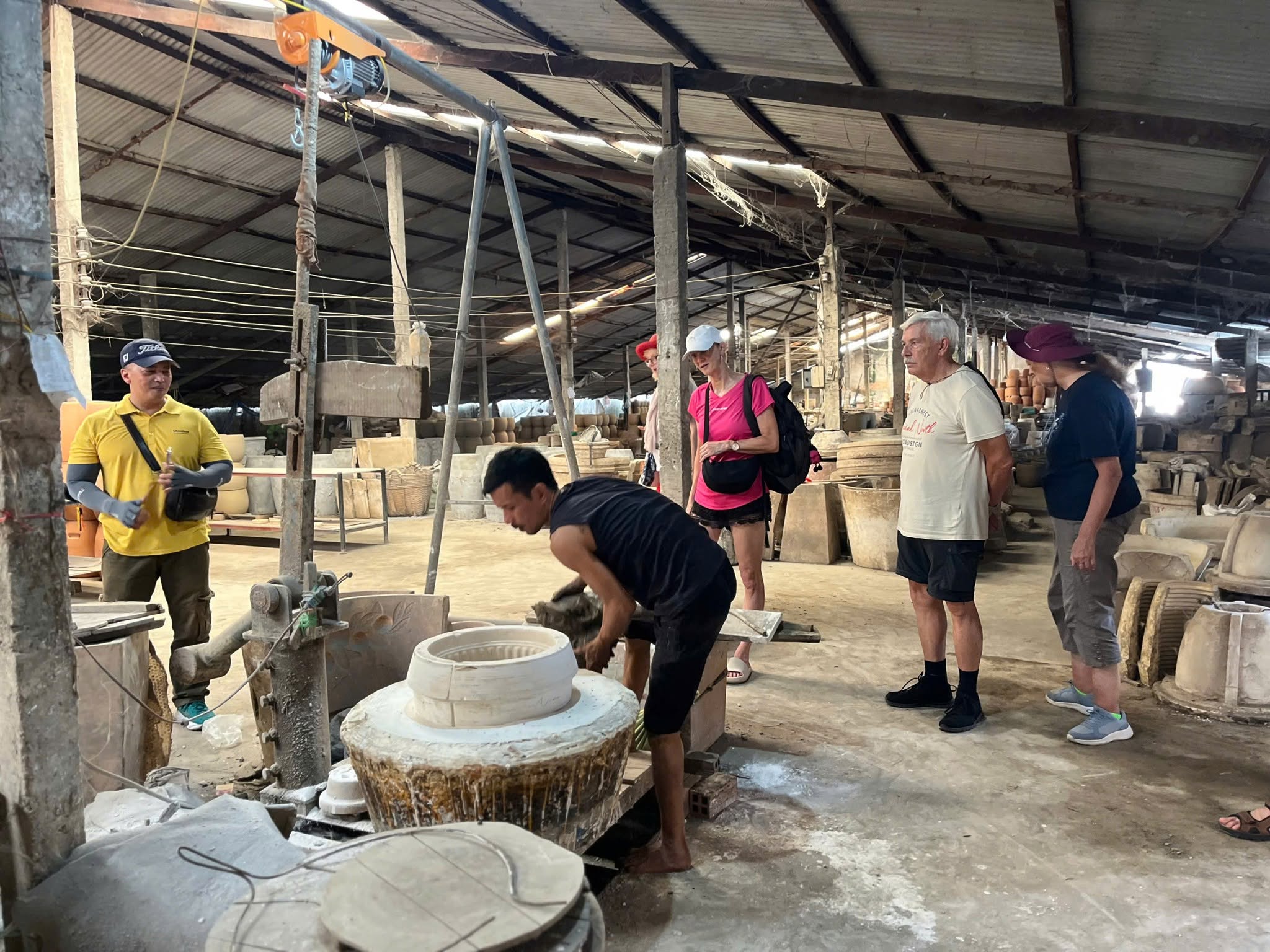
Visitors observe pottery production during an An Binh–Vinh Long area excursion. (Source: Collected)
An Binh’s appeal is the opportunity to spend time within an inhabited island landscape. Gardens, village lanes and waterside homes lend themselves to walking, cycling and a homestay meal. Orchards are working spaces, so the fruit available for tasting or picking depends on the property and season.
A route can begin at Cai Be, cross to An Binh and finish in Vinh Long. That creates variety, but requires a plan for luggage and onward transport. Some excursions also include pottery or brick-making sites where access and production permit. For an overnight stay, prioritize a welcoming host, a comfortable room and enough unstructured time over a long list of activities.
Can Tho: a base with more than a floating market
Can Tho suits travelers who want hotel choice, restaurants and a convenient base for an early river departure. Ninh Kieu’s riverside is an easy place for an evening stroll. Binh Thuy Ancient House adds a heritage visit, while Con Son offers community tourism activities on an island in the Hau River.
These outings require separate time and transport. Con Son is not simply an extra stop beside every market route, and individual households offer different food or garden experiences. Give Can Tho an afternoon as well as a morning if you want to understand it beyond the boat excursion.
Cai Rang: an early morning with realistic expectations
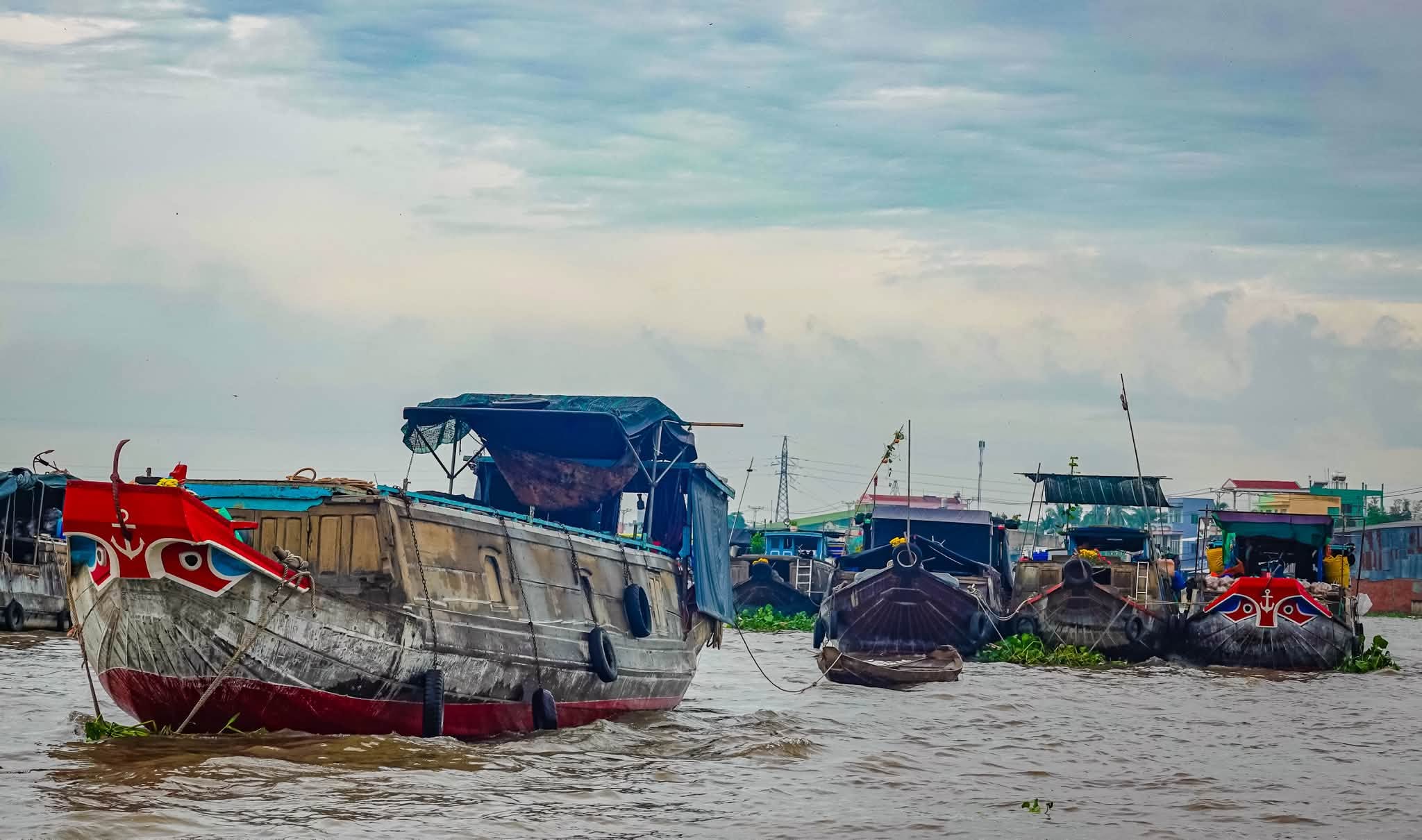
Wooden boats at Cai Rang reflect the market’s working-river setting; activity varies and photographs do not guarantee today’s scene. (Source: Collected)
Cai Rang is the best-known floating-market visit near Can Tho. Its interest comes from observing a trading environment and the wider working river. Breakfast from a boat can be memorable when available, but tourist services and commercial produce trading are different parts of the scene.
The scale and character of activity have changed over time. Do not build your expectations around photographs of hundreds of tightly packed boats. Stay in or near Can Tho the previous night, discuss current activity with your guide and choose a departure that suits the journey from your pier. The early morning is generally the relevant window; a fixed hour cannot guarantee particular trading scenes.
Chau Doc: cultural encounters and a wetland extension
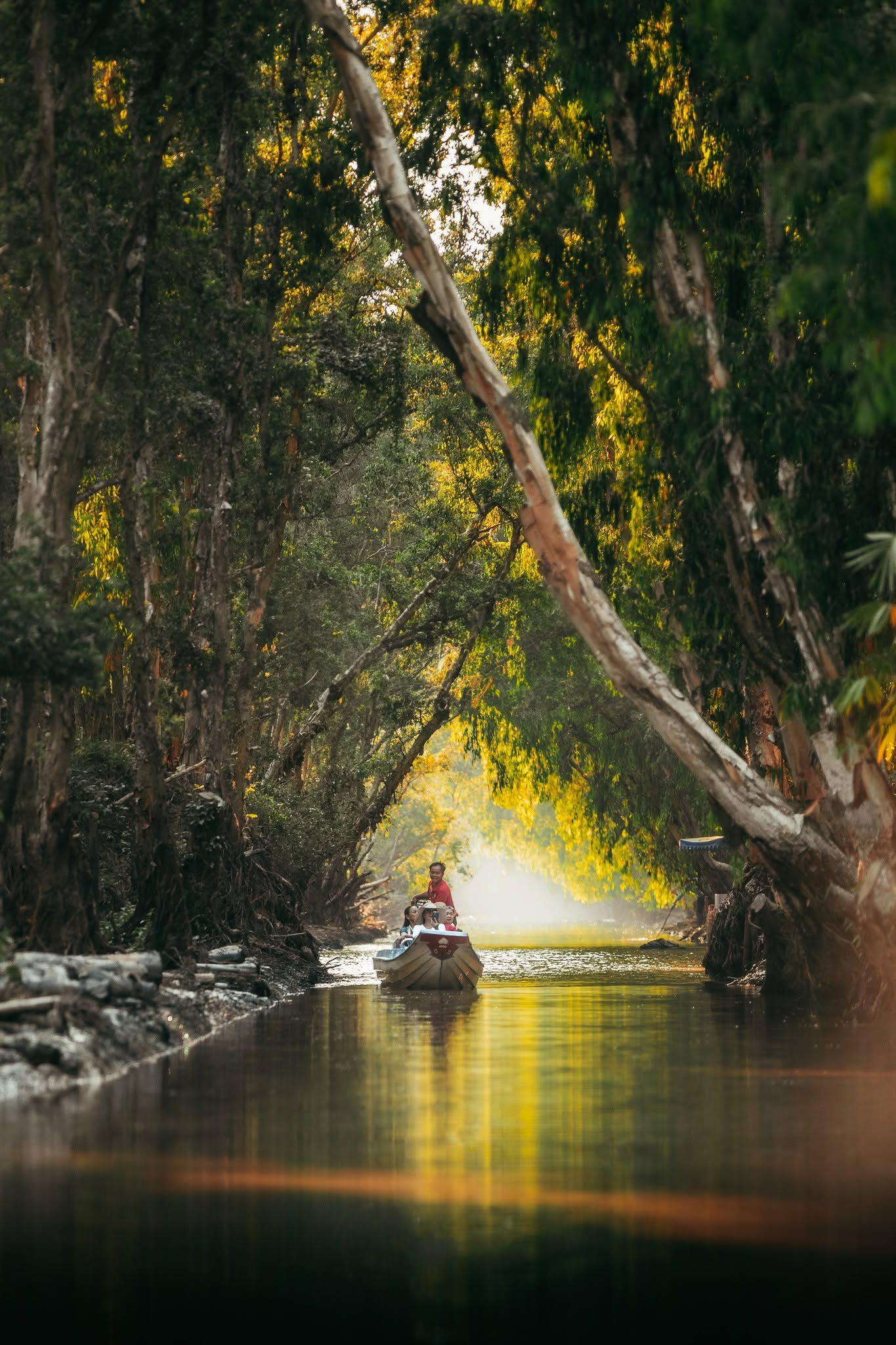
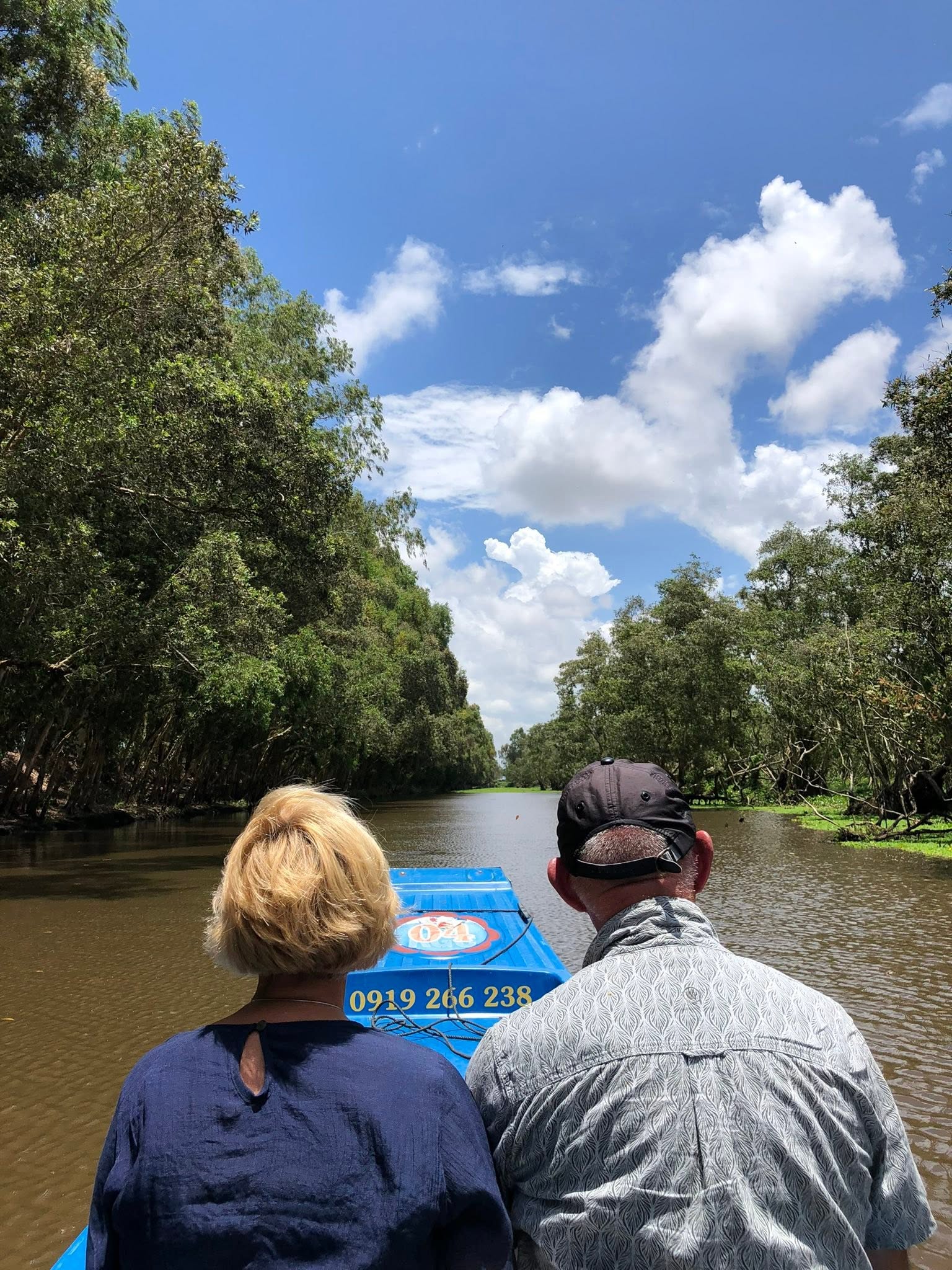
A small boat moves beneath the trees of Tra Su Cajuput Forest, a separate wetland excursion near Chau Doc. (Source: Collected)
Chau Doc adds a different emphasis: Sam Mountain, the Ba Chua Xu shrine, markets and the cultural landscape of the border region. Respectfully arranged visits to Cham communities can introduce another dimension of local life. Religious sites and residential spaces need appropriate clothing and permission before photography.
Tra Su is a separate excursion outside town. Its melaleuca forest and wetland boat experience differ from the inhabited canals of Ben Tre or Vinh Long. Water levels, vegetation and wildlife activity vary, so the familiar photographs of boats surrounded by a green surface are not an all-season promise. Allow time for the journey as well as the visit itself.
Area
Main attractions
Experiences to prioritize
Time to allow within your trip
My Tho
Vinh Trang Pagoda; river islands
Introductory river outing and garden stops
One focused excursion day
Ben Tre
Coconut landscapes; village canals
Producer visits, boating, walking or cycling
One day or an overnight stay
Cai Be
Riverside setting; island routes
River journey, gardens and selected workshops
A substantial excursion, or part of an overnight route
Vinh Long–An Binh
Island villages; orchards
Homestay meals, cycling and garden time
Preferably one night for a slower visit
Can Tho–Cai Rang
Riverside city; morning market; heritage sites
Early boat trip plus an afternoon city or island outing
At least one night; longer for additional visits
Chau Doc–Tra Su
Sam Mountain; cultural sites; wetland forest
Cultural visits and a separate wetland excursion
Usually an additional one or two nights, depending on connections
These are planning allowances, not fixed tour durations. Your starting point, pier and onward journey affect what fits comfortably.
3. Things to Do: Choose Experiences That Fit Your Interests
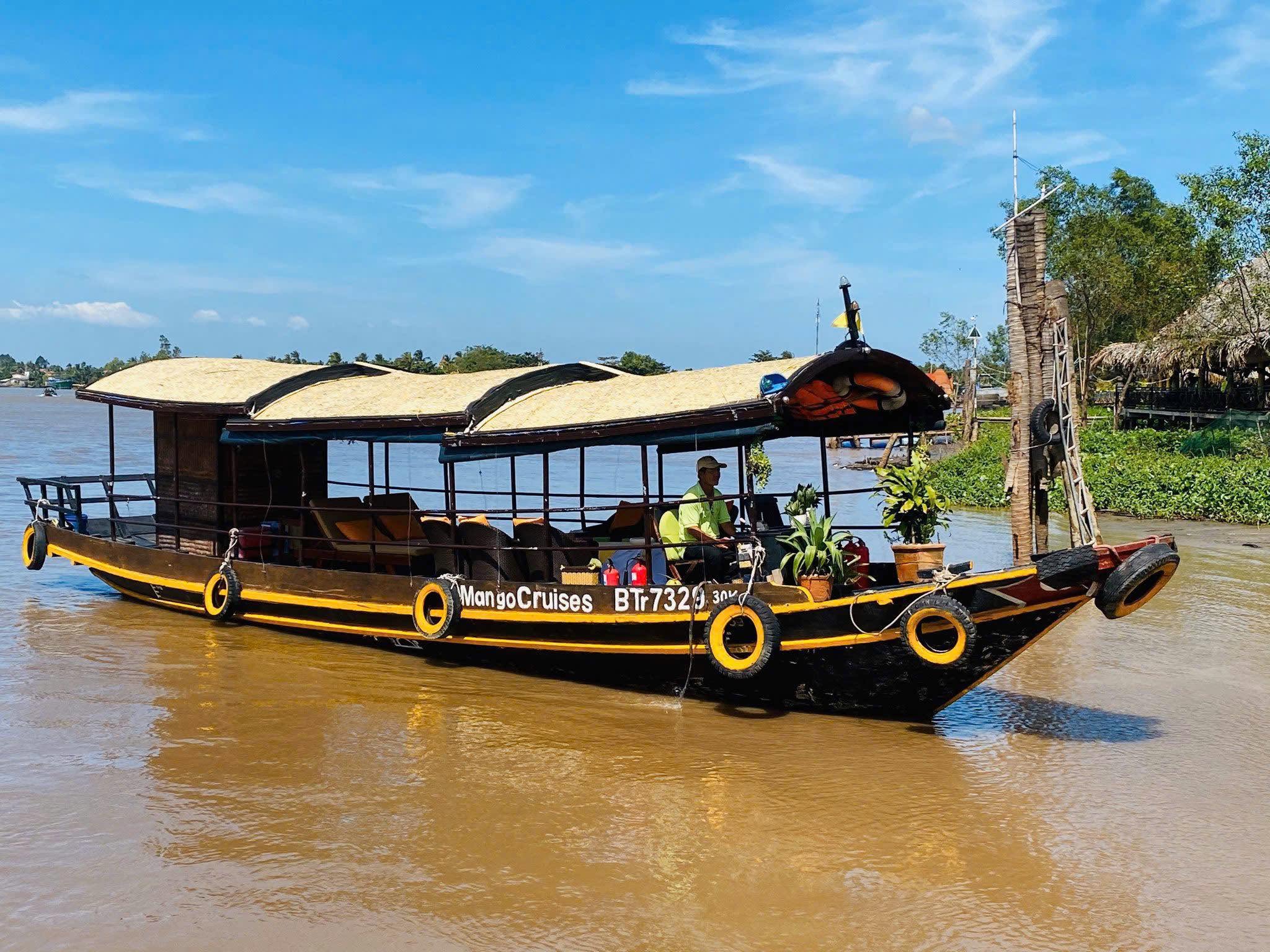
A shaded Mango Cruises boat on a Mekong Delta waterway illustrates one style of river excursion. (Source: Collected)
Understand what “a Mekong Delta boat trip” includes
A boat trip might mean a short canal segment, several hours on a working river or a night in a cruise cabin. Compare the actual vessel, route and time aboard. A package with three boat changes can still provide less time on the water than a single well-designed river journey.
Boat experience
What it offers
Best suited to
What to clarify
Motorboat on rivers and canals
Transport between landing points and views of the working river
Most first visits
Route, shade, seating and time ashore
Small rowing boat
A closer view of a narrow canal
Travelers wanting a short, gentle segment
Water access, boarding and whether the segment operates that day
Early market boat
Morning river activity around Cai Rang
Visitors staying near Can Tho
Departure pier, current activity and breakfast arrangements
Day cruise with lunch
A more continuous river outing
Travelers who prefer less boarding and walking
Actual cruising time and included stops
Overnight cabin cruise
Accommodation and a river itinerary together
Travelers prioritizing onboard comfort
Cabin, embarkation points, shore visits and exclusions
Tra Su wetland boat
A forest and wetland setting
Visitors including Chau Doc
Transfer time, operating conditions and route
Domestic overnight cruises and Vietnam–Cambodia river journeys are different products. Check where a cruise actually starts and ends; the name “Mekong cruise” does not mean it visits every destination in this guide.
Walk or cycle through inhabited countryside
Village routes reveal details that pass quickly from a boat: garden boundaries, bridges, family shops and small places of worship. Cycling can connect these scenes pleasantly, but a flat landscape does not automatically mean effortless riding. Heat, narrow bridges, motorbikes and uneven surfaces matter.
Choose a distance you can enjoy and ask where vehicle support can meet the group. A support car cannot follow every island path. Travelers who prefer walking can still enjoy the countryside without making cycling the organizing feature of their trip.
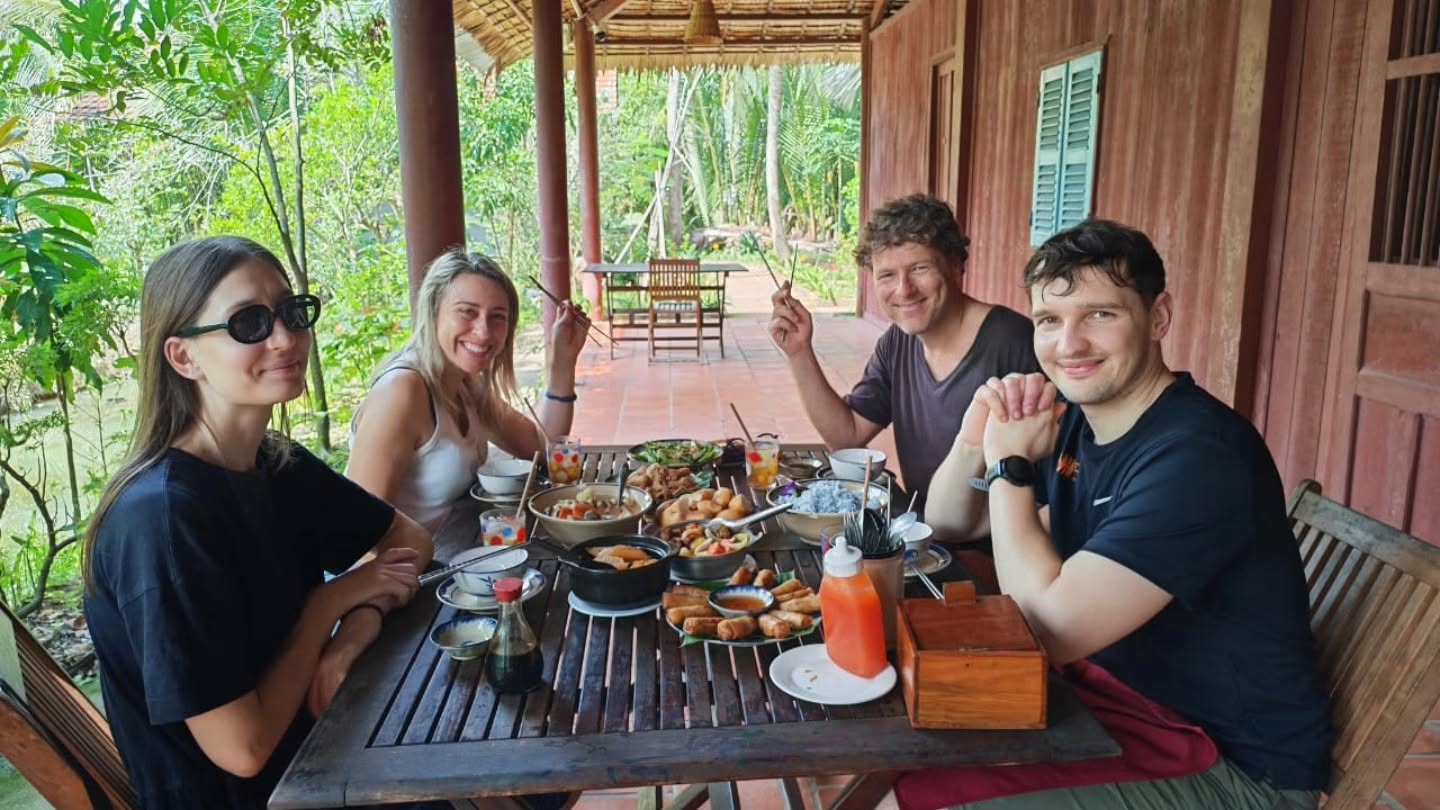
A shared meal in a Mekong Delta garden setting gives time to enjoy local cooking and conversation. (Source: Collected)
A shared meal can explain the delta as effectively as a sightseeing stop. Look for garden vegetables, freshwater fish, rice-based dishes and coconut ingredients, while allowing menus to reflect the household and local supply. In Can Tho, noodle dishes and market breakfasts offer another way to explore.
Cooking works best when there is meaningful participation: preparing ingredients, understanding a technique and eating what you helped make. For dietary restrictions, discuss fish sauce, shrimp paste, stock and cooking equipment as well as the main ingredient. A vegetable dish is not automatically vegetarian.
Workshops also deserve a little time. Seeing rice paper dry or coconut ingredients transformed into sweets becomes more interesting when the process is explained. Purchases should remain optional. Pick a few activities you care about rather than collecting a tasting at every stop.
4. When to Visit, How to Travel and Where to Stay
A boat journey through Tra Su’s forest waterways offers a different landscape from the delta’s inhabited village canals. (Source: Collected)
Seasons: rain, river levels and fruit follow different patterns
Broadly, the drier period falls around December to April, while rain is more frequent from roughly May to November. Transitions vary, and late dry-season heat can make midday walking or cycling uncomfortable. Start active outings early and leave room for shade and rest.
Rainy months can bring lush gardens and enjoyable visits between showers. Heavy rain or thunderstorms may still change boat movements and outdoor plans. Keep important transfers flexible where possible rather than scheduling a tight departure immediately after a remote excursion.
Rainfall is only one influence on the experience. Tides affect some canal access, upstream water conditions influence floodplain landscapes, and fruit harvests differ by crop and orchard. A wet-season booking does not guarantee a particular flooded forest scene, just as a dry-season visit does not guarantee every canal segment will operate.
Getting there and moving between places
Road travel from Ho Chi Minh City is the usual starting point for short delta visits. Private vehicles give flexibility between rural stops, while scheduled coaches suit travelers comfortable arranging separate station transfers and local excursions. Can Tho also has an airport, but use flight options actually available for your dates.
Build your route around accommodation and pier locations, not just town names. River crossings, ferries and the final approach to an island property can add time. A route finishing at a different landing point needs coordinated onward transport.
Chau Doc can fit a longer southern Vietnam journey or, where current arrangements allow, a Cambodia extension. Confirm the transport service, crossing point, operating dates and entry requirements together before treating the international connection as booked.
Choose accommodation for the experience you want
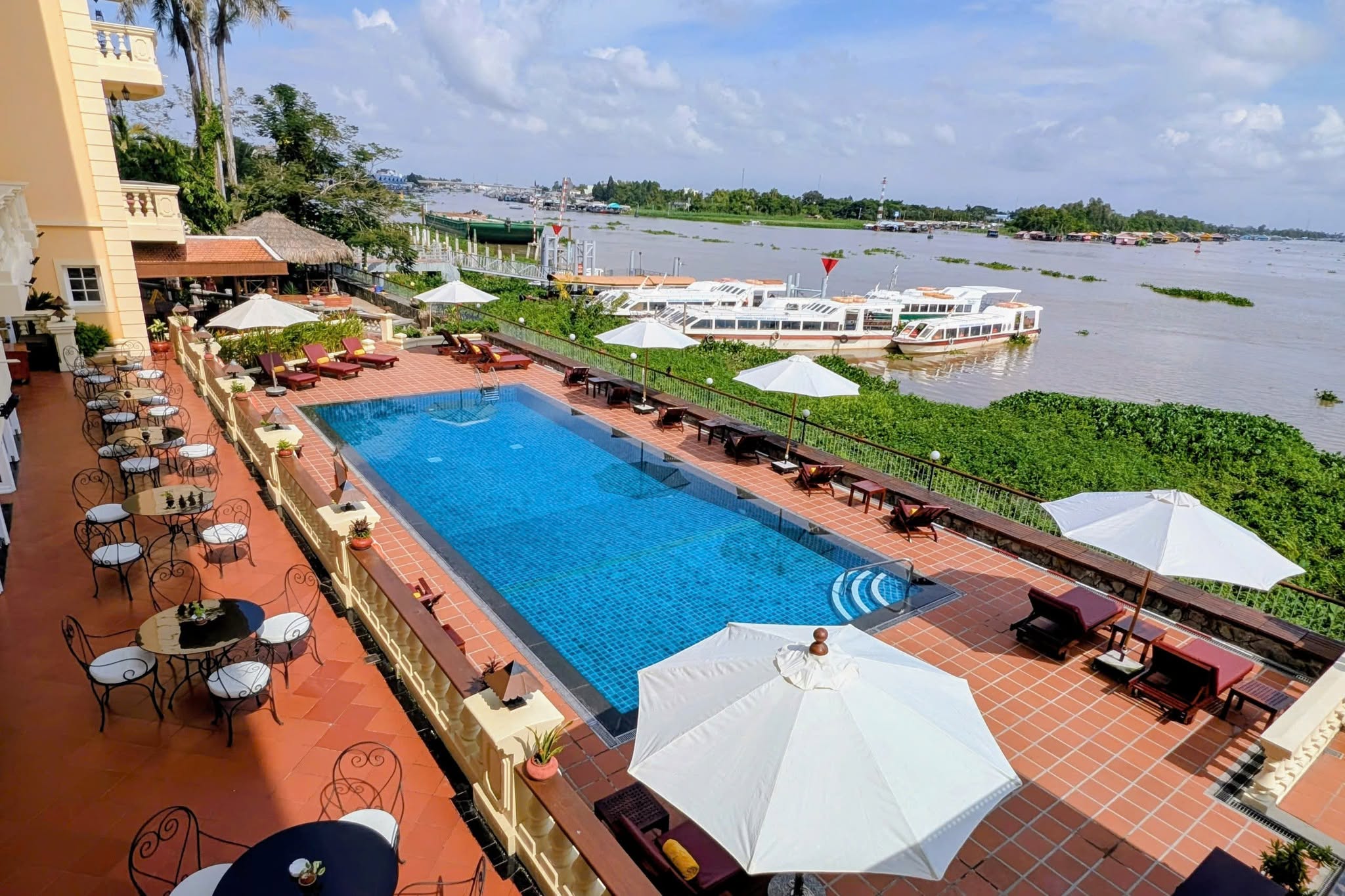
The riverside pool and terrace at Victoria Chau Doc Hotel illustrate a hotel-based alternative to a rural homestay. (Source: Collected)
A Can Tho hotel makes sense for restaurant choice and a morning boat departure. An island homestay suits travelers who value a garden setting and interaction with hosts. A rural lodge may offer more privacy or facilities, while an overnight cruise combines transport and accommodation.
“Homestay” covers varied standards. Check the bathroom, air-conditioning or fan, mosquito protection, meal arrangements and access after dark. For families or travelers with limited mobility, a clear photograph of the landing and room approach can be more useful than a description promising a peaceful location.
5. How Many Days Do You Need? Itineraries and Budget Choices
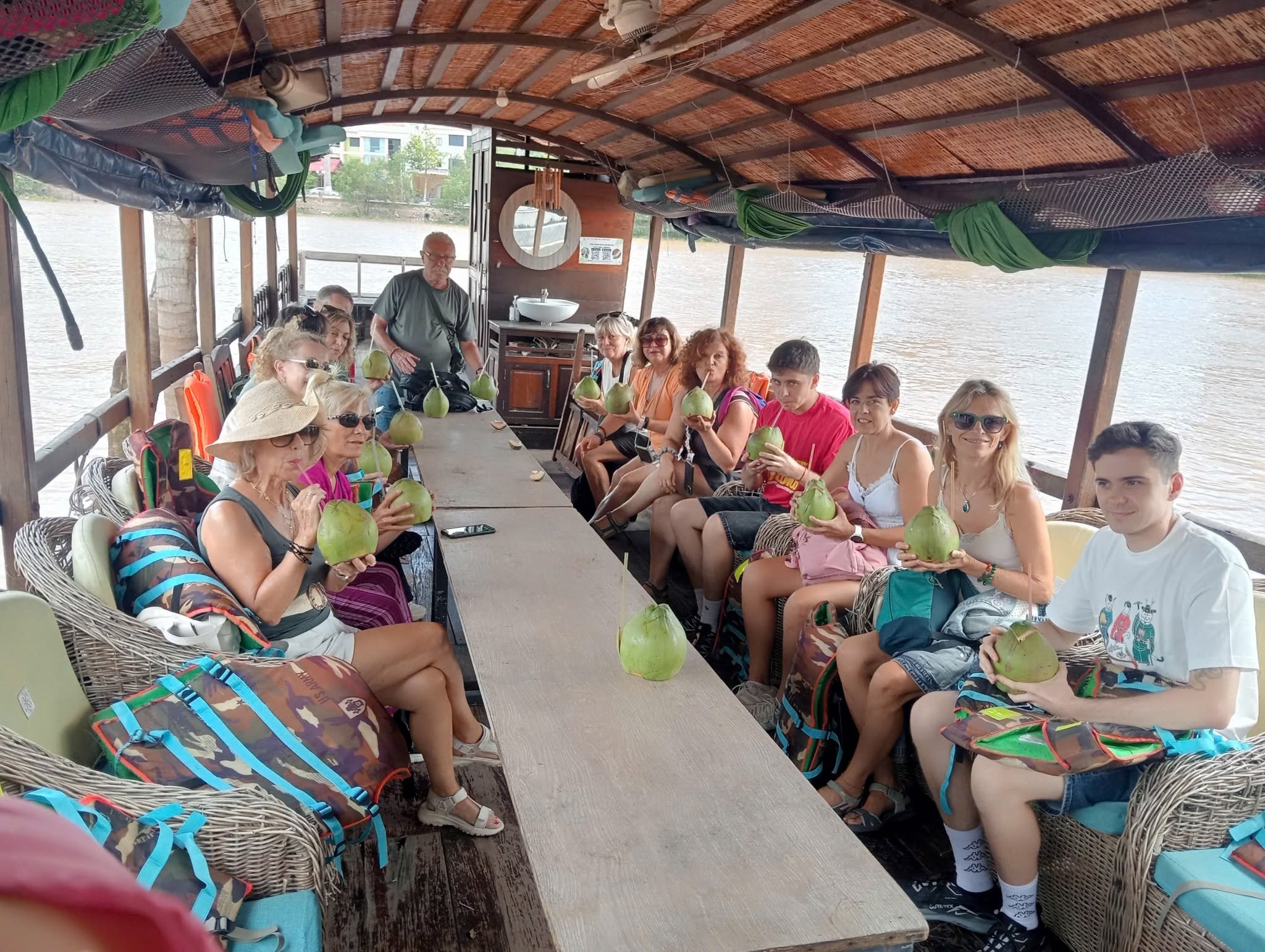
Visitors enjoy fresh coconuts aboard a covered boat in Ben Tre, one option for a focused river outing. (Source: Collected)
Match the route to the time available
The most effective Mekong Delta itinerary leaves room to enjoy a place between transfers. Two nights do not need to include two countryside bases and a distant border town. Choose a small number of complementary experiences.
Available time
Suggested route
Main reward
Main compromise
One day
Ho Chi Minh City to My Tho–Ben Tre, or a focused Cai Be excursion
An accessible introduction
Road travel takes a significant share of the day
Two days, one night
One countryside area, then Can Tho overnight and a morning boat trip
Rural experience plus an early river outing
Requires a selective first day
Two days, one night, slower option
Ben Tre or An Binh with a rural overnight
More time with the landscape and hosts
Leaves Can Tho and Cai Rang for another trip
Three days, two nights
Ben Tre OR Cai Be–Vinh Long, followed by Can Tho
A balanced first visit
Needs restraint with additional stops
Four days or more
Extend toward Chau Doc, or deepen a countryside-and-Can-Tho route
Greater variety or a slower pace
Additional transfers if adding Chau Doc
For a three-day first visit, spend the first afternoon exploring a countryside base and stay there overnight. Use the second day for a different activity, such as cycling after a boat-focused first day, before moving to Can Tho. Reserve the third morning for Cai Rang and the onward journey. This creates variety without repeating similar workshops each day.
If you dislike early starts, do not force a floating market into the itinerary simply because it is famous. An island overnight, a cooking experience and an unhurried river journey may suit you better. The comparison of a Mekong Delta day tour or overnight stay explores that timing decision in more detail.
Compare the complete cost
The main budget differences come from private versus shared transport, boat exclusivity, accommodation and the number of paid activities. A private excursion carries fixed vehicle, guide and boat costs that become more economical when shared among several travelers.
Check whether a quote includes hotel pickup, station transfers, boats, entrance fees, meals and guiding. For a cruise, compare cabin category and shore excursions as well as the headline rate. For independent travel, add the separate local transfers before comparing your total with a package.
Spending more is most useful when it buys something you value: a comfortable vehicle for a longer journey, a knowledgeable guide, a shaded boat or a room that lets everyone sleep well. An expensive itinerary with constant transfers can still feel rushed. Exact prices should be checked against your travel dates and group size.
6. Practical Advice and Questions Before You Book
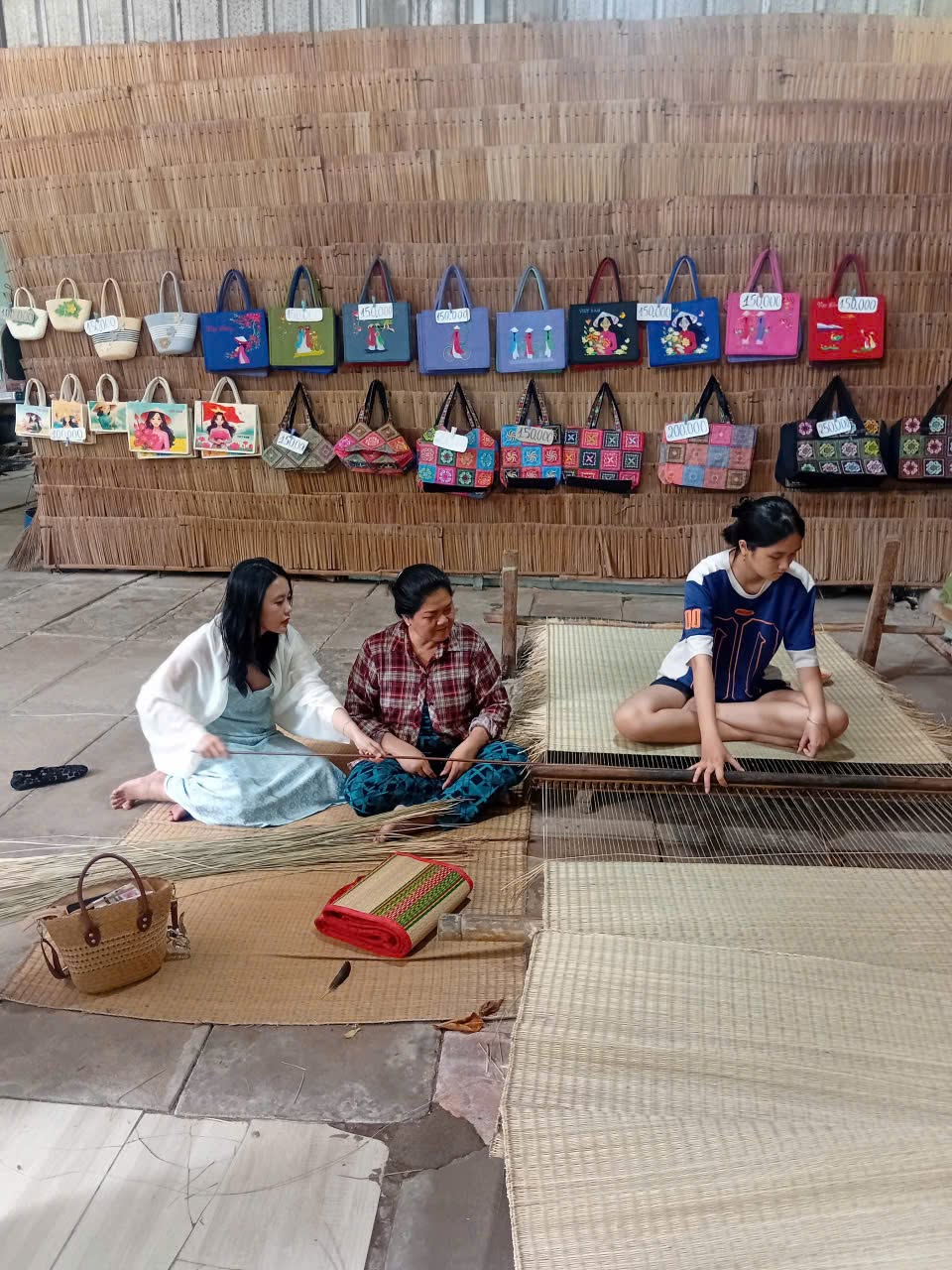
Visitors watch mat weaving in Ben Tre, where local skills add another dimension to a village visit. (Source: Collected)
Wear footwear with a secure grip for wet landing stages and boat steps. Carry sun protection, drinking water and mosquito repellent, with a waterproof cover for electronics. Check that life jackets are available in suitable sizes, including for children, and wear them on the boat.
For mobility needs, ask about each boarding point, steps, walking surfaces and bathroom access. A comfortable vehicle does not resolve a difficult boat transfer. Families should balance the early start and heat with breaks, rather than copying an adult sightseeing schedule unchanged.
Ask permission before photographing people closely, entering residential spaces or joining an activity. Dress respectfully at temples, shrines and mosques. Keep purchases voluntary and choose visits that give hosts a clear role in welcoming travelers.
Is the Mekong Delta worth visiting for one day?
Yes, if you choose one accessible area and accept the road travel involved. A focused excursion offers more than trying to reach several distant destinations. Staying overnight adds evening time and makes an early Can Tho departure practical.
Should I choose Ben Tre or Can Tho?
Choose Ben Tre when coconut landscapes and village activities are your priority. Choose Can Tho for a city base, Cai Rang and additional urban or island visits. With two or three days, a selective route can include both.
Can I visit Cai Be and Cai Rang on the same day?
They belong to different parts of the region. Combining them around a departure from Ho Chi Minh City is generally a poor way to experience an early market and an unhurried island outing. An overnight route gives each visit a more useful place in the schedule.
Do I need to take an overnight cruise?
No. Land-based accommodation with selected boat excursions provides a flexible first visit. Choose a cabin cruise because you want that style of travel and its specific route, rather than assuming it is required to see the delta.
Before booking, decide your available nights, preferred pace and two experiences that matter most. Then choose a route that connects them comfortably. Share those priorities through the custom Vietnam tour planner to build a Mekong Delta visit around your dates, interests and accommodation preferences.
Travel conditions and services can change. Historical market descriptions are not a guarantee of present trading activity; confirm time-sensitive arrangements for your dates.