Ho Chi Minh City Travel Guide: Plan Your First Visit to Vietnam’s Southern Metropolis
November 18, 202616 min read
Your first day in Ho Chi Minh City can feel busy before you have visited a single attraction. Traffic, heat, tempting food stops and the distance between neighbourhoods all influence what fits. This Ho Chi Minh City travel guide helps you choose a base, organise your days and leave room for the experiences that make the city more than a collection of landmarks.
Allow two full days for a balanced introduction, then add time for Cu Chi, the Mekong Delta or deeper neighbourhood exploration. Three hotel nights may provide those two days, depending on arrival and departure. Start with your actual travel hours, then group activities by location rather than trying to cross the city repeatedly.
1. Understand Ho Chi Minh City and Choose Your Travel Style
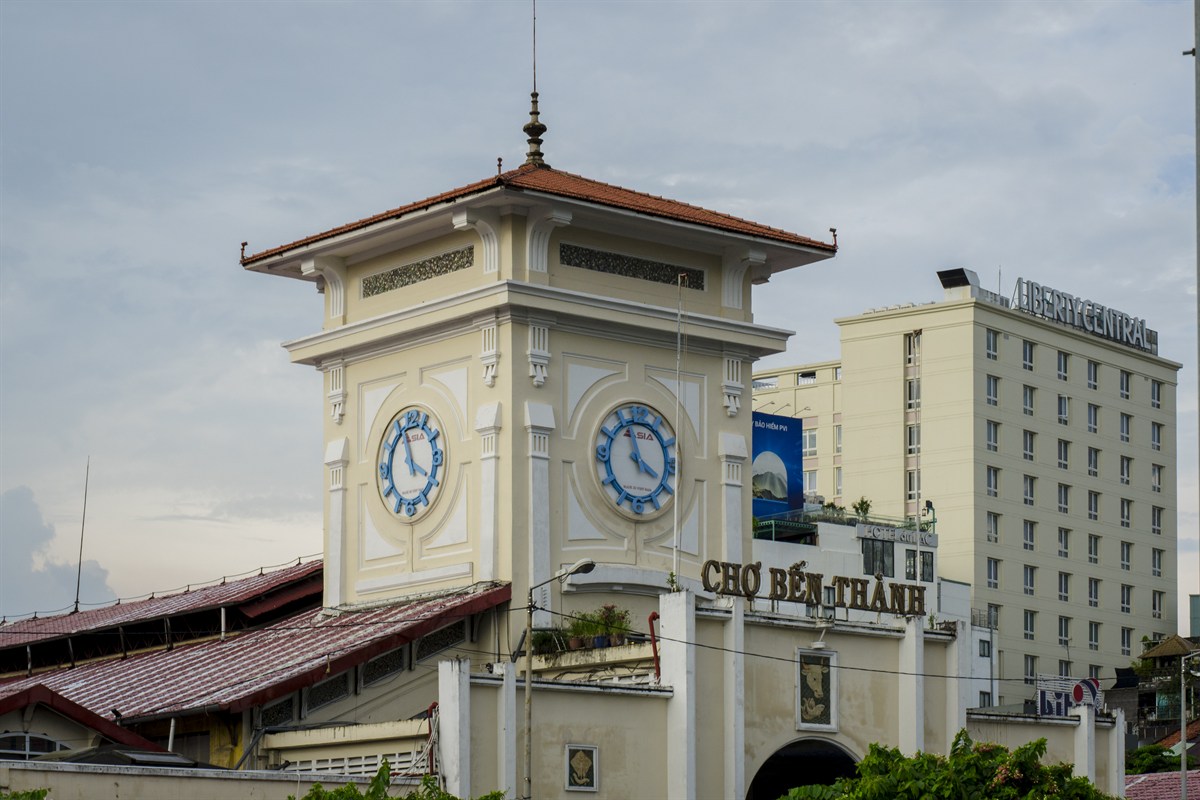
The clock tower of Ben Thanh Market is a familiar landmark in central Ho Chi Minh City. (Source: Collected)
Ho Chi Minh City, HCMC or Saigon?
Ho Chi Minh City is the official destination name; HCMC is a common abbreviation, while Saigon remains widely used in conversation and business names. You will encounter all three when searching for hotels, restaurants and activities. They do not describe three separate visitor destinations.
The historic urban core is useful for a first visit, but the city extends well beyond it. An address labelled Ho Chi Minh City does not establish proximity to central landmarks. Older district names also remain common in travel descriptions following administrative changes. Use the precise map pin when booking accommodation and transport.
Think in neighbourhoods and manageable touring areas. The central landmarks, museum area, Cho Lon and outlying excursions each need their own time. A hotel that suits evening dining may still require a vehicle for another part of the programme.
Choose the experience you want
Travel style
Main focus
Planning priority
History and architecture
Museums, the former presidential palace and central landmarks
Interpretation and enough time inside selected sites
Food and everyday life
Local meals, markets, cafés and neighbourhoods
Thoughtful routing and realistic appetite
Gentle city discovery
Shorter outings with comfortable breaks
Convenient accommodation and transport
City plus an excursion
Urban highlights and one trip beyond the centre
An additional day rather than a more crowded schedule
The city suits travellers who enjoy observing ordinary life alongside formal sightseeing. A breakfast shop or coffee stop can add context to a museum visit, especially when you have time to ask questions. Choose a guide who can connect those experiences if interpretation is important to you.
For families, plan shorter visits and explain the character of historical displays beforehand. For repeat visitors, a focused neighbourhood outing may be more rewarding than repeating every landmark. Match the programme to your interest rather than assuming the longest checklist is the best introduction.
2. Choose Your Season and Length of Stay
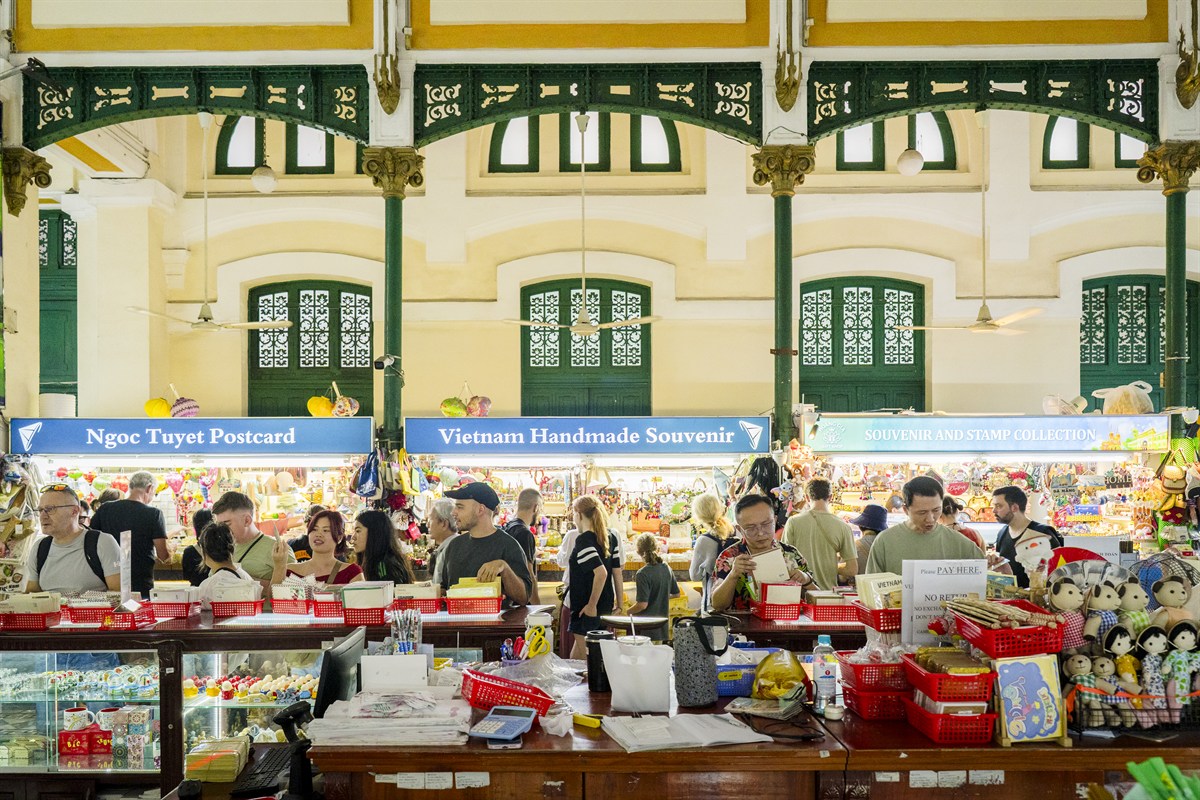
The Central Post Office combines a historic interior with working counters and souvenir stalls. (Source: Collected)
Heat matters throughout the year
Ho Chi Minh City has a tropical climate, with heat a consideration in every season. December to April is broadly the drier period, while May to November generally brings more rain. These patterns help with planning but do not predict the weather on a particular afternoon.
The later dry-season months can make long exposed walks uncomfortable. In wetter months, a shower may require an adjustment rather than cancelling the whole day. Keep a nearby café, meal or indoor visit available without assuming every indoor destination is convenient to reach during heavy rain.
Period
Main considerations
Practical approach
December–February
Generally drier conditions, with heat still relevant
Walk in manageable sections and keep water handy
March–April
Strong heat can shape sightseeing
Start earlier and allow longer breaks
May–August
Greater rain exposure and humid conditions
Carry rain protection and keep the order flexible
September–November
Wet-weather disruption remains possible
Check forecasts and avoid tight transfer connections
For an excursion, ask about conditions along the entire route rather than only outside your hotel. Heavy rain can affect traffic and outdoor activities. Follow current advice when conditions are more serious than an ordinary shower.
Count full days, not just nights
Usable time
A sensible focus
Main trade-off
One full day
One substantial historical visit, central landmarks and local food
Limited room for another neighbourhood
Two full days
Central sightseeing plus a different neighbourhood experience
Requires choosing among longer excursions
Three full days
More city depth or two city days plus an outside trip
A day away reduces time in the city itself
Write arrival, check-in and departure times into your plan first. After a long flight, an easy meal and a short orientation walk may work better than several prepaid activities. Leave a demanding excursion for a day when everyone is rested.
Three days can support either deeper city exploration or a city-and-excursion combination. Make that choice explicitly. A Mekong day does not also count as a full day discovering Saigon.
3. Get There and Move Around Efficiently
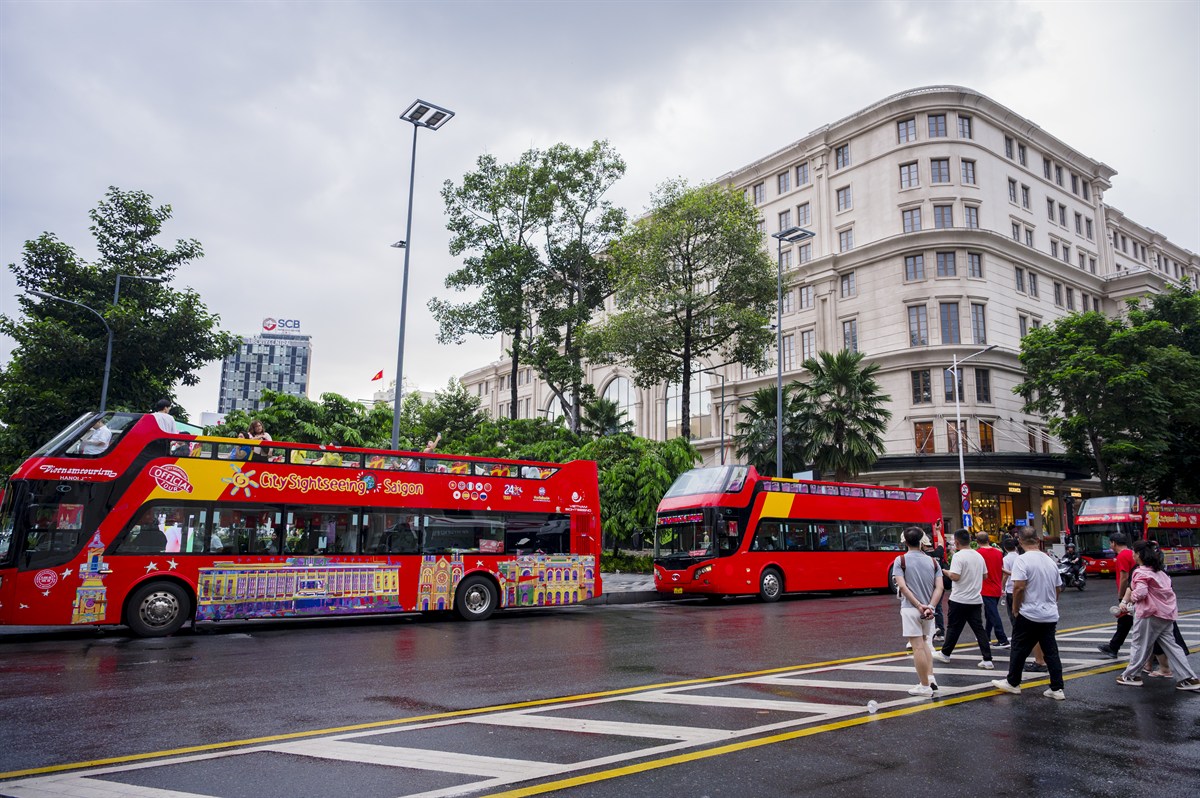
Open-top sightseeing buses wait near the city centre, offering one of several ways to travel between selected landmarks. (Source: Collected)
Airport arrivals and the correct terminal
Tan Son Nhat International Airport, code SGN, is a key arrival point for visitors. Check the airport code and terminal on your current booking, especially when combining domestic and international flights. Do not assume every domestic service uses the same terminal.
Share the flight number with your transfer provider and confirm the meeting point after baggage collection. Allow for immigration where relevant, luggage and locating the driver. If connecting between terminals or separate bookings, obtain specific transfer advice from the airlines rather than treating the airport as one building.
Traffic makes a fixed airport-to-hotel promise unreliable. Ask for an estimate appropriate to your arrival time and location. For departure, work backwards from airline check-in requirements and include a buffer; the outward journey may take longer than the trip you made on arrival.
Taxis, booked cars and ride-hailing
These options can be useful between sightseeing areas, particularly in heat or rain. Match the vehicle to luggage and group size, and request a child seat in advance if required. Confirm whether the price includes waiting and additional stops when booking a touring vehicle.
For app bookings, check the vehicle and driver details before boarding. Use an agreed pickup point rather than standing somewhere the vehicle cannot stop. Keep your hotel pin available offline and retain the booking or receipt for reference.
Metro Line 1 and the remaining journey
Metro Line 1 connects Ben Thanh with the Suoi Tien end of the route, serving selected central and eastern areas. It can be useful when your destinations align with its stations. It is not a direct airport rail service to Tan Son Nhat.
Check the current timetable, ticketing method and station entrance before travelling. Include the walk from your starting point to the station and from the exit to your destination. A short train ride is not automatically the quickest complete journey.
Walk within areas, use transport between them
Situation
Option to consider
What matters
A compact central sightseeing group
Walking with breaks
Heat, crossings and opening times
Another neighbourhood or museum area
Taxi or prearranged car
Traffic and the actual entrance
Destinations along Line 1
Metro plus walking
Station access and the last part of the route
Family outing or several stops
Suitable private vehicle
Seats, waiting, luggage and flexibility
Airport transfer
Confirmed road transport
Terminal, meeting point and timing margin
Use pedestrian crossings and signals where available, and pause to understand traffic before crossing. Busy junctions deserve patience. If a route feels uncomfortable, take a short vehicle journey rather than extending a walk simply because the map distance is modest.
You do not need to ride a motorbike to experience the city. If considering a passenger tour, assess the operator, helmet, route and comfort level. Walking, car-based and combined food experiences offer other ways to explore.
4. Choose Where to Stay and Plan Your Meals
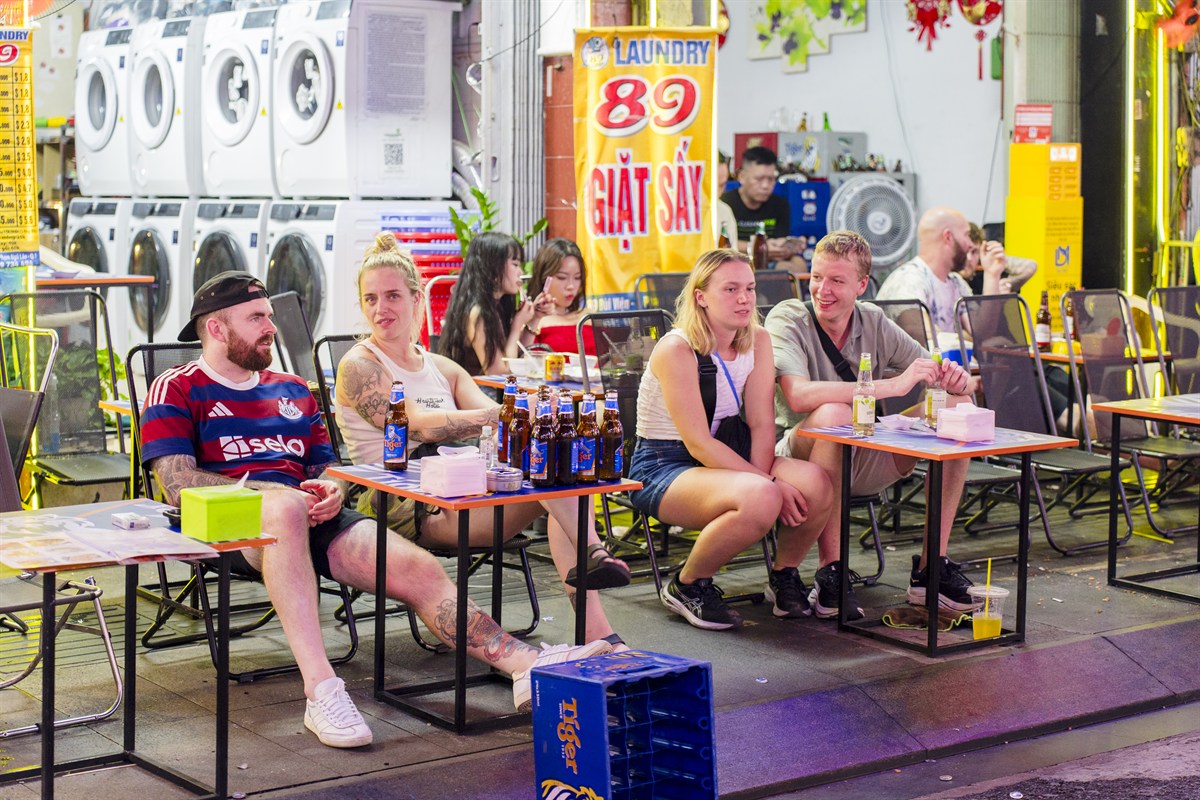
Visitors gather at pavement tables around Bui Vien, one of the city’s lively evening areas. (Source: Collected)
A practical base for a first visit
The central area commonly described as District 1 is a useful starting point for hotel research. Locations around the central landmarks, Ben Thanh and the riverfront offer different combinations of sightseeing and evening access. Compare individual streets rather than treating the whole area as one hotel zone.
Places commonly described as District 3 can also suit a first stay, depending on the exact address. A property near your chosen museum or dining area may work well even when it is not beside the best-known shopping streets. Investigate the journeys you will actually make.
Location type
Potential advantage
Main question
Central sightseeing area
Easier access to selected landmarks
What is the room’s immediate noise environment?
Near the centre on a quieter street
A different balance of convenience and rest
Are meals and transport straightforward?
Lively evening district
Entertainment close by
Will the room suit your sleeping needs?
Airport-oriented hotel
Practical for a particular arrival or departure
How much time will city sightseeing require?
An airport hotel can make sense for a short connection, but it should be a deliberate choice. Similarly, an apartment farther from the core may suit a longer stay with local routines while adding travel to a brief sightseeing visit.
Look beyond the hotel category
Ask about window position, sound, current works and the route from vehicle to reception. A hotel in an alley may involve a short luggage walk. Heritage character or an attractive façade does not establish lift access or an easy route to every room.
For families, confirm beds, occupancy and extra-person charges. For mobility needs, check entrance steps and bathrooms as well as lifts. If using a pool or other facility matters, verify its actual availability for your dates.
Use food to understand the city
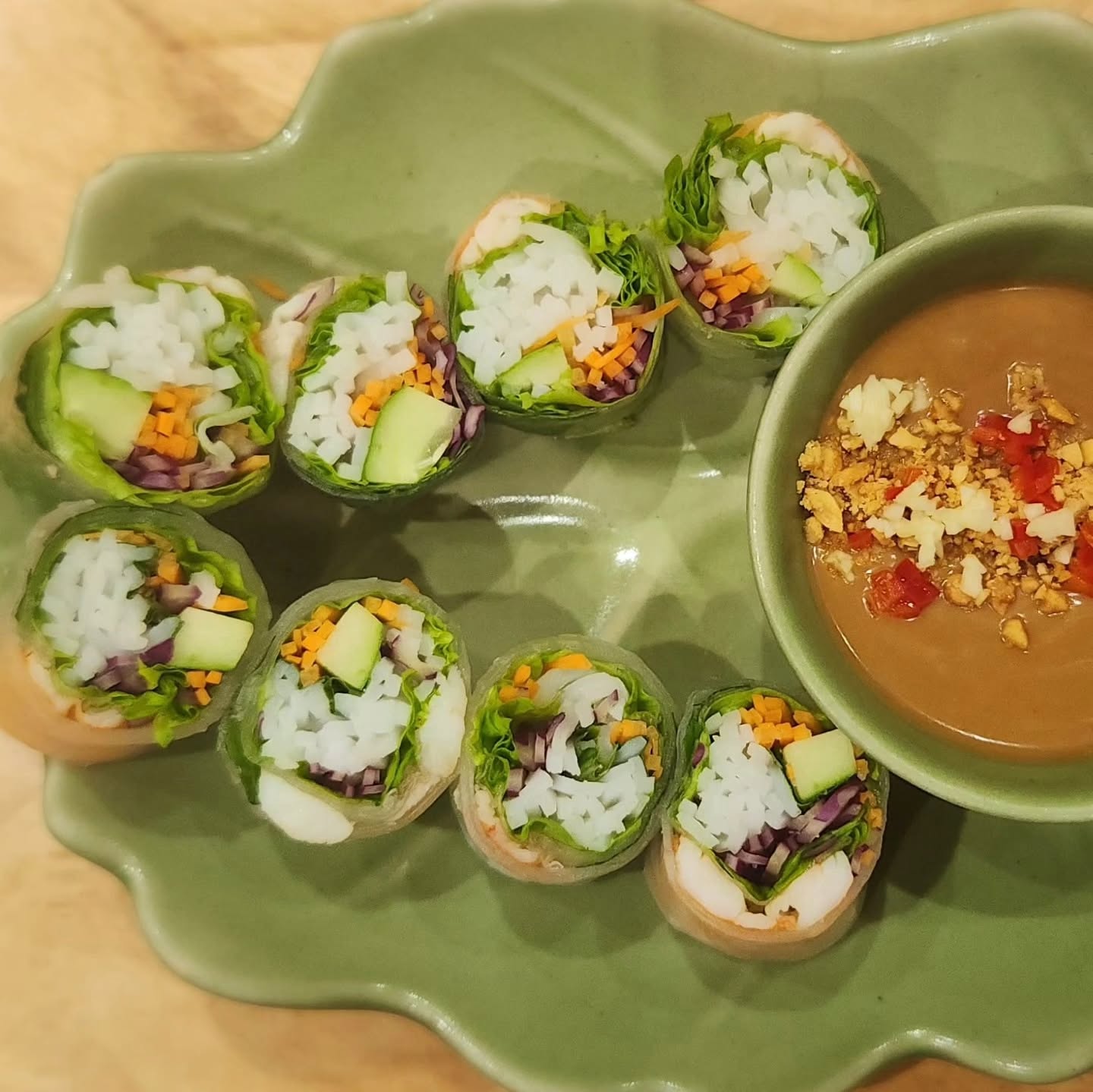
Fresh rice-paper rolls are served with vegetables, herbs and a dipping sauce during a Saigon cooking experience. (Source: Collected)
Start with a few contrasting meals. Our Vietnam food guide introduces regional dishes and ways of eating. Com tam combines broken rice with selected accompaniments; hu tieu offers different noodle preparations; banh mi provides another convenient introduction. Banh xeo and goi cuon add textures and ways of eating beyond another bowl of soup.
Ask how the dish is assembled and what the sauces contain. Food traditions have travelled with communities across Vietnam and beyond, so not everything served in Saigon originated there. The variety is part of the appeal.
For allergies, specify ingredients rather than relying on a broad phrase such as “no seafood”. Stocks, sauces and toppings may matter. Vegetarian-looking food can still contain animal ingredients, so explain your requirements clearly before ordering.
A guided tasting walk, market visit and cooking class offer different levels of participation. Choose according to whether you want introductions, ingredient knowledge or hands-on preparation. Ask how much travel is involved and avoid booking a large meal immediately before several tastings.
5. Explore History, Neighbourhoods and Everyday Life
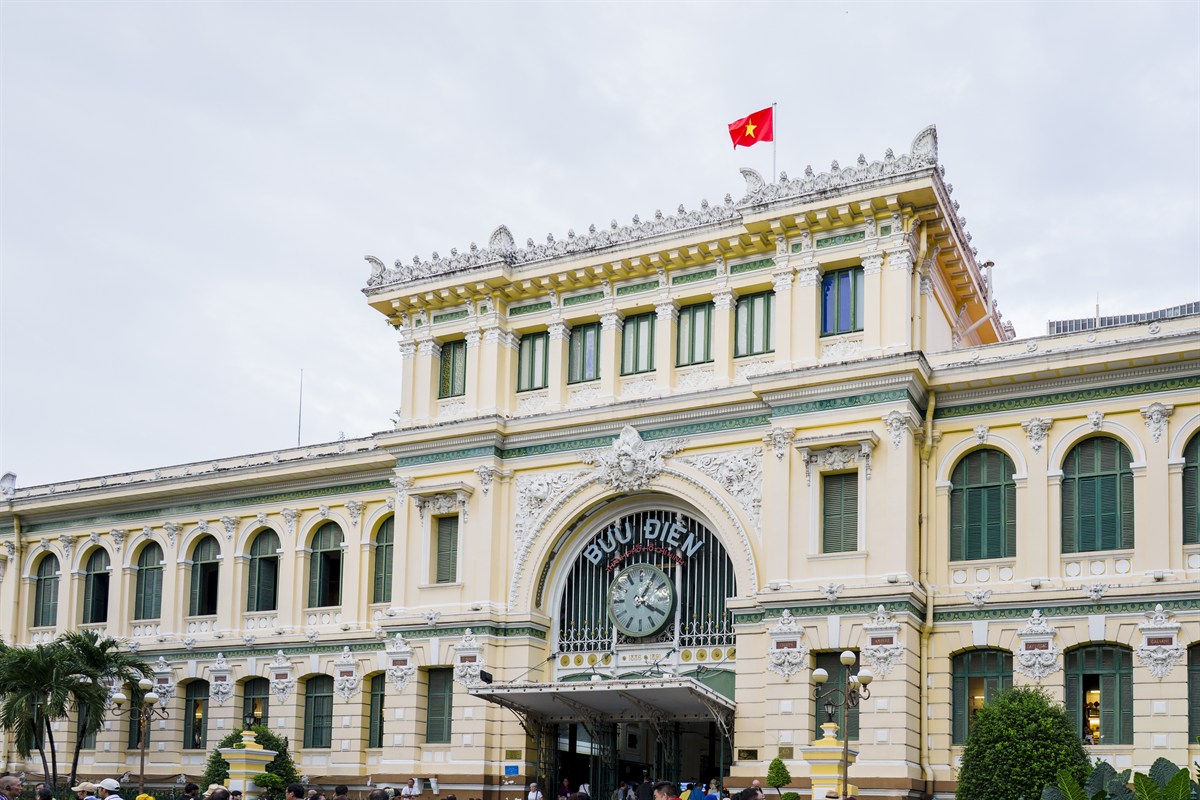
The yellow façade and arched entrance of the Central Post Office are distinctive features of a central sightseeing walk. (Source: Collected)
Give historical visits enough time
The War Remnants Museum is a substantial visit, with displays that can be emotionally demanding and include graphic material. Consider the suitability for children and allow time to pause. It should not be treated as a quick stop between shopping and lunch.
Independence Palace, also known as Reunification Palace, provides a different historical setting through its rooms, architecture and interpretation. Check the ticket option, entrance and any separately included exhibition before buying. A guide can help connect the building with the events associated with it.
As a planning allowance, give one main museum or palace visit a substantial part of a morning, adjusting to your interest. Visiting both is possible within a wider programme, but leave enough room to absorb them rather than rushing to keep a long list intact.
Group the central landmarks
The Central Post Office, the Notre Dame Cathedral area, Dong Khoi and the Opera House area can help introduce the central streets. Confirm access to interiors separately from viewing a building outside. Restoration, services and events may change what is available.
Nguyen Hue and the riverfront provide another perspective on the city’s public spaces. A short evening outing may fit after rest and dinner, but busy events can alter access. Check any booked river cruise for the actual boarding point, duration and inclusions.
Choose a walking route with a clear beginning and end. Architecture is easier to appreciate when you have some context and are not constantly checking the next destination. Leave time for coffee and shade along the way.
Markets and Cho Lon
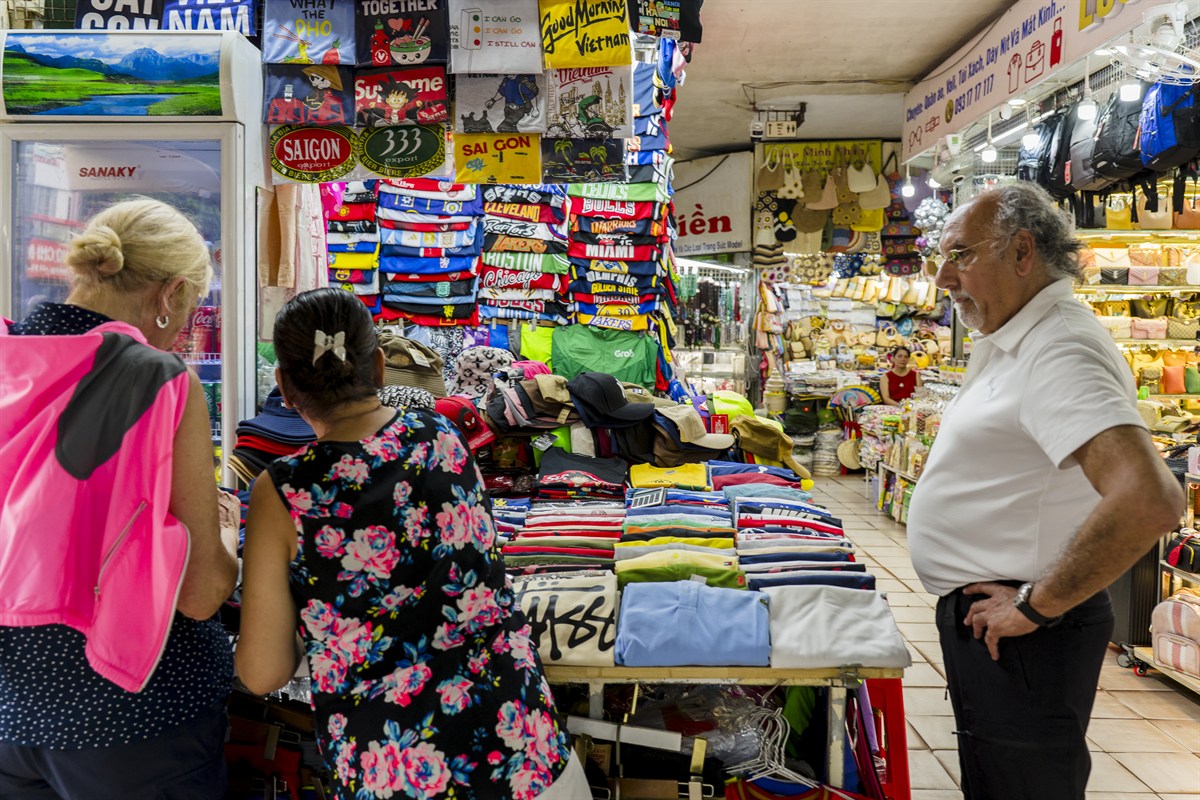
Clothing and souvenir stalls fill the shopping aisles inside Ben Thanh Market. (Source: Collected)
Ben Thanh can introduce market shopping, with prices and purchases to discuss before committing. Treat it as one market experience rather than a complete picture of everyday shopping. Browse at your own pace and avoid blocking business entrances for photographs.
Cho Lon offers a separate outing focused on Chinese-Vietnamese cultural and commercial life. Binh Tay Market and Thien Hau Temple are names to investigate according to your interests and current access. Build in the journey there rather than attaching the area to a crowded central walk.
Markets and temples remain working spaces. Ask before taking close portraits, keep passageways clear and follow worship etiquette. A knowledgeable guide can explain the community and activities without reducing the neighbourhood to a series of photo stops.
Choose time outside the city carefully
Cu Chi can suit travellers wanting more historical context. Confirm which visitor area the programme uses, what is shown above ground and what entering a tunnel section involves. You can ask about a visit that does not require going underground; do not assume every participant will find confined spaces comfortable.
A Mekong outing offers a different focus, but the destination label alone says little about the day. Compare the specific route, boat time, road time and hosted activities. Our Mekong Delta day trip or overnight guide helps you decide whether a day return or a longer stay fits better.
Be cautious about combining major excursions simply because they are sold together. Ask how much time remains at each place after transport and meals. A focused day can be more satisfying than spending most of it moving between unrelated stops.
6. Build Your Itinerary, Budget and Practical Plan
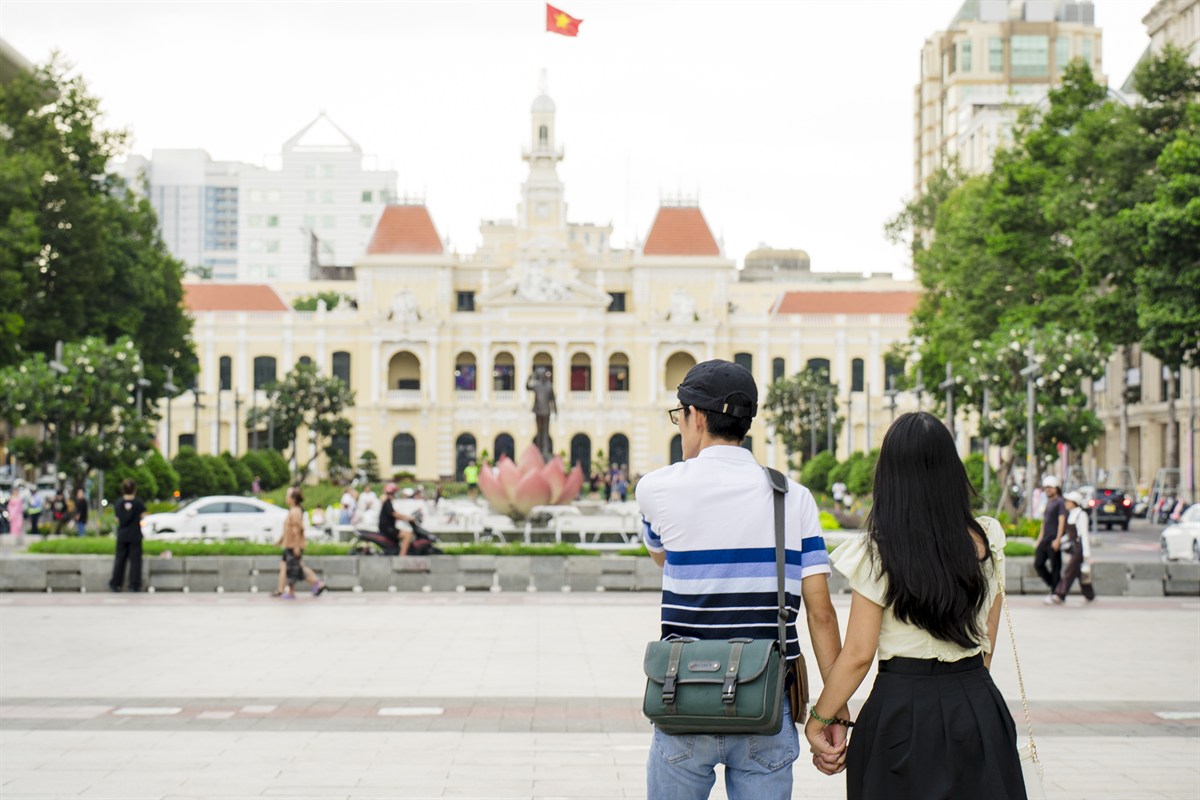
Visitors pause near Nguyen Hue with Ho Chi Minh City Hall in the background. (Source: Collected)
A flexible first-visit framework
Usable time
Suggested structure
What to leave optional
One full day
A main historical visit, a central walk and local dinner
Another distant neighbourhood
Two full days
Central history and landmarks; a different neighbourhood and food focus
An outside excursion unless you reduce city time
Three full days
Two city days plus a selected excursion, or three slower city days
Extra stops that create repeated transfers
For a one-day introduction, choose either the museum or palace as the main visit, then arrange nearby activities around its opening time. After lunch and a break, take a manageable central walk. Keep the evening flexible for a meal rather than committing to another long transfer.
With two days, use the second for a different perspective such as Cho Lon, a food experience or another cultural visit. Do not assume every day must begin at a landmark. Breakfast and a neighbourhood walk can provide a gentler start.
With three days, decide whether the extra time belongs to the city or an excursion. If leaving for Cu Chi or the Mekong, avoid making the return evening depend on an inflexible booking. Families can reduce individual visit lengths and preserve rest without losing the programme’s purpose.
Fit the city into your wider journey
Ho Chi Minh City can be a first stop, a final city stay or a base before travelling elsewhere in the south. Its place in the route should influence the pace. Allow recovery after international arrival and leave time before departure for packing and the airport journey.
If continuing to another destination, compare the full connection, including terminal or station access. Avoid booking an excursion whose return time leaves little margin for the next journey. Keeping one hotel night between a substantial outing and a flight can simplify the plan when your schedule permits.
Build a budget from its parts
Cost category
What to include
Accommodation
Room, breakfast, taxes and additional beds
Transport
Airport or station transfer and local journeys
Sightseeing
Current admissions, guiding and any extra exhibitions
Meals and experiences
Drinks, tastings, workshops and optional activities
Excursions
Full route, pickup, meals, boat services and return arrangements
Compare quotations on the same basis. A private programme including a guide, admission and vehicle waiting is different from transport alone. Ask about group size, guide language and any optional charges before comparing totals.
Keep some Vietnamese dong for smaller purchases and establish payment methods for larger bookings. Do not rely on an old advertised price for a future travel date. Request written inclusions and cancellation conditions for important services.
Practical preparation
Carry water, sun protection and a light rain layer, with comfortable shoes for your actual route. Keep phones and bags secure when moving through busy streets, and pause somewhere suitable before checking navigation. Save accommodation and pickup details offline.
Explain mobility needs, children’s ages and dietary requirements before a guided day. Ask for descriptions of steps, standing time and walking surfaces. General labels such as “easy sightseeing” are less useful than the details of what you will do.
Frequently asked questions
Is two days enough? Two full days provide a useful introduction. Add time for a substantial excursion or a slower pace.
Should I stay in the central area? It can simplify a first visit, but compare the exact street, room and journeys rather than only the district label.
Can I explore without a motorbike? Yes. Walking in selected areas, road transport and suitable metro journeys can form a complete programme.
Does the metro serve Tan Son Nhat Airport? Line 1 is not a direct airport connection. Arrange appropriate road transport for that journey.
Should I choose Cu Chi or the Mekong? Choose according to your interests and the actual programme. They offer different experiences and each needs a realistic travel allowance.
To arrange a tailor-made Vietnam journey, share your arrival and departure details, number of nights, interests and comfortable walking level. Choose your city priorities first, then add an excursion only when the time and pace support it.
Information checked on 18 November 2026. Itineraries are planning frameworks. Confirm current terminals, transport services, admissions, access and opening arrangements for your dates.