A Mekong Delta trip can mean a short escape from Ho Chi Minh City, a night beside a quiet waterway, or an early start near Can Tho. The best choice depends less on how many stops appear in a brochure than on the experience you want most. Decide whether your priority is a countryside introduction, time with local hosts or a floating-market morning, then build the journey around that.
This guide compares a day trip, one overnight and a slower three-day plan. For the wider setting, read our Vietnamese Mekong Delta guide before choosing your base.
Choose one main reason for going
Start with a simple question: what would make the journey worthwhile? A shaded garden lunch and a short boat ride suggest a different route from a market visit followed by an evening beside the river. Write down one essential experience and two optional interests. This helps prevent a long checklist from becoming the whole holiday.
Ben Tre is associated with coconut-growing landscapes and food traditions. Can Tho offers a useful base for Cai Rang and nearby river experiences. These names describe different starting points rather than interchangeable versions of the same excursion. Ask where an activity happens, how you reach it and how long you actually spend there.
Compare travel days as carefully as sightseeing days. Include the journey from your hotel, the transfer to the landing and the return arrangement. A programme with fewer changes can leave more room for questions, photographs and an unhurried meal.
Take a day trip when your time is limited
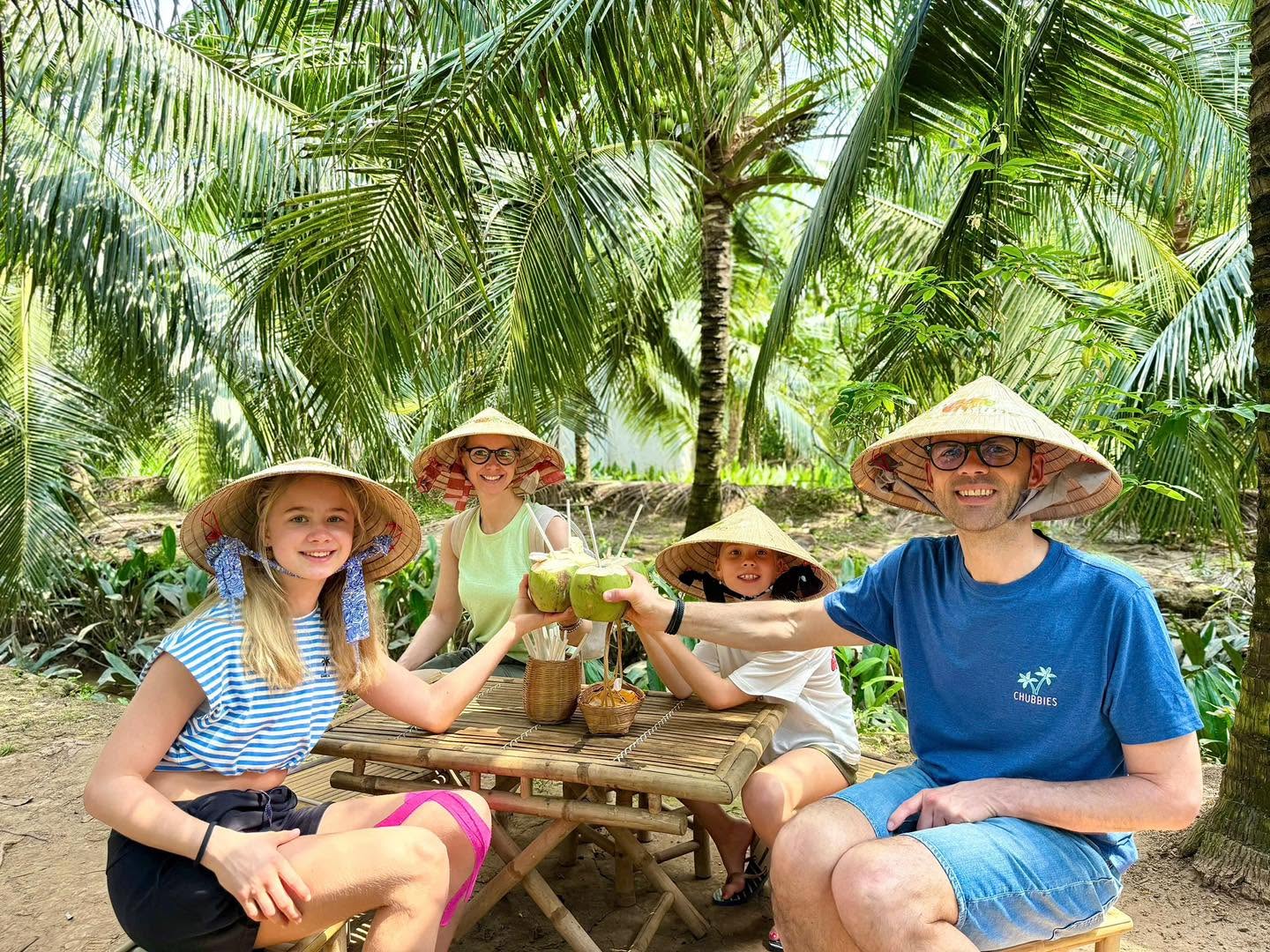
Coconut gardens offer a setting for a relaxed stop during a Ben Tre visit. (Source: Collected)
A day excursion suits travellers who want an introduction while keeping their Ho Chi Minh City hotel. A Ben Tre-focused proposal might combine a local producer, lunch and a manageable waterway outing. Treat this as an itinerary framework: the selected stops, operating workshops and boat arrangements need confirmation.
Request a schedule showing road travel separately from activities. Ask whether the boat journey explores a small canal, crosses a larger channel or mainly transfers you between stops. Descriptions such as “river cruise” can cover quite different experiences, so the route matters more than the label.
Leave the evening after your return flexible. Traffic, weather and boarding arrangements can affect the day. If your priority is an early floating-market visit near Can Tho, discuss staying locally instead of assuming that every day tour from the city includes it. One well-chosen destination is usually easier to enjoy than several hurried introductions.
Add one night for an evening and a morning
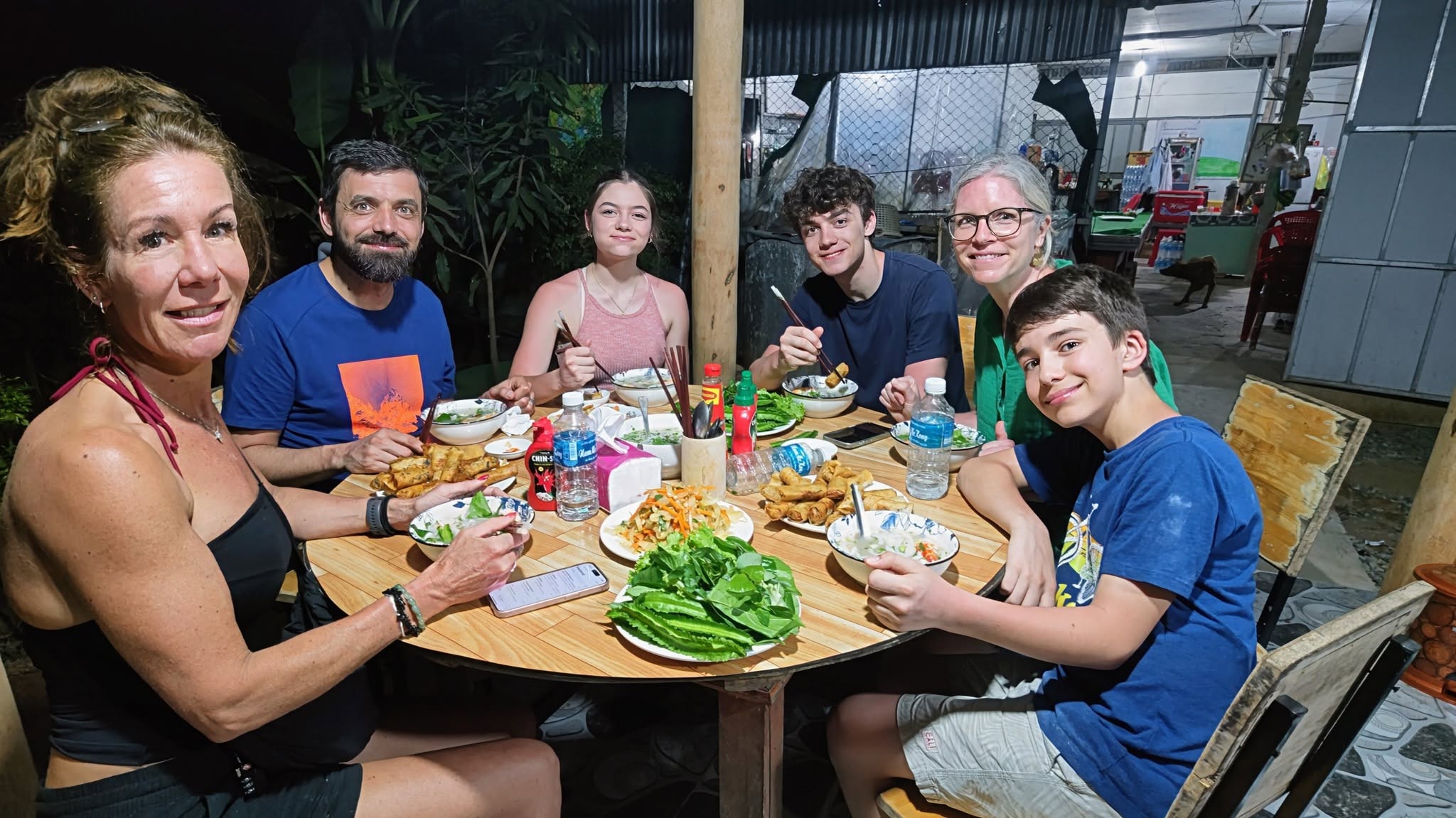
An overnight can leave room for an unhurried shared meal. (Source: Collected)
An overnight changes the rhythm. You can settle into your accommodation, eat dinner without immediately returning to the city and begin the next morning closer to your chosen activity. Choose the overnight location first, then arrange the experiences around it.
For a countryside stay, ask about the room, bathroom, cooling, meal arrangements and access from the road or landing. “Homestay” does not explain these details. Check whether dinner involves your hosts, a restaurant or a separately arranged household visit, and whether participation in preparation is actually included.
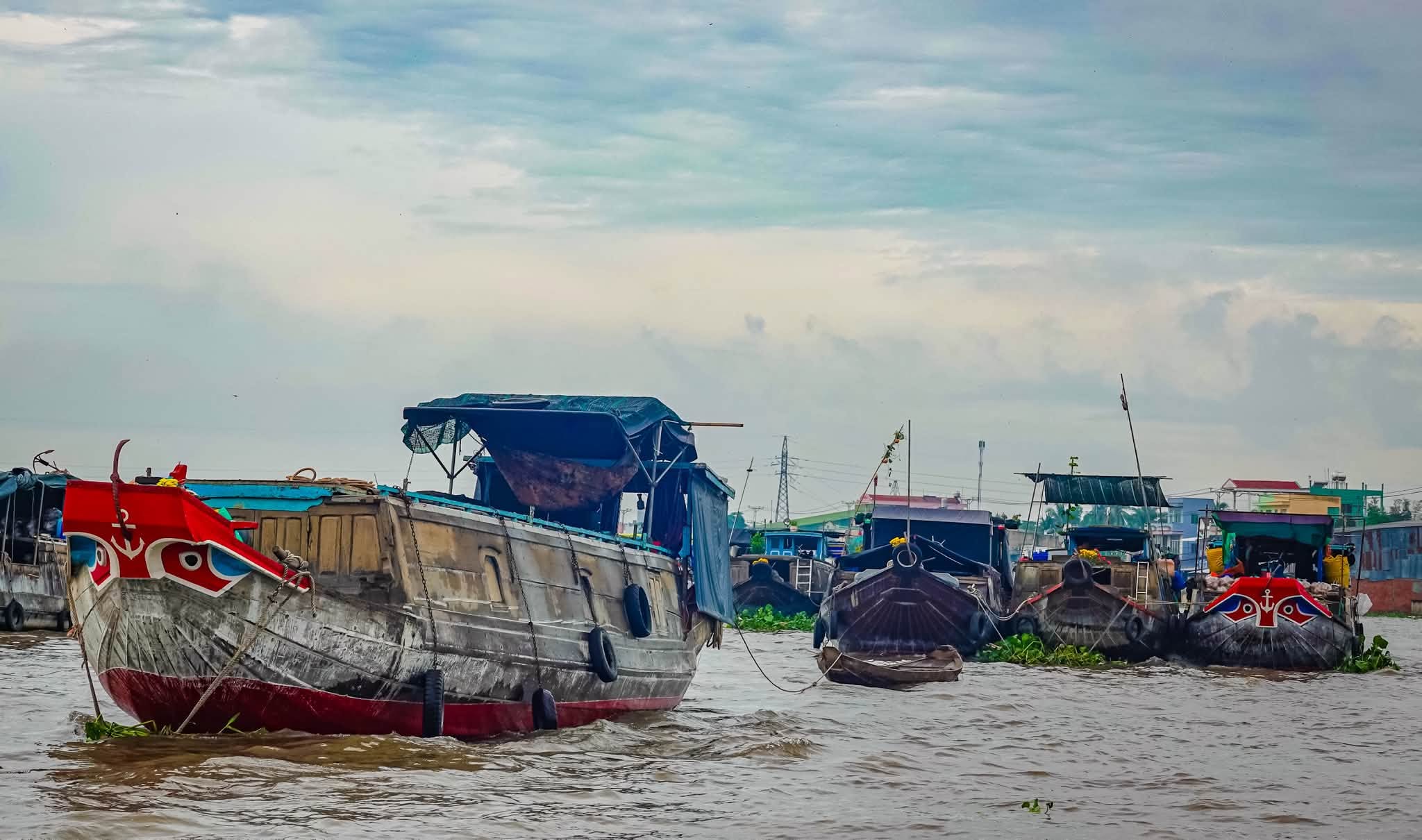
If Cai Rang is the priority, request a Can Tho-based plan with a confirmed departure point and an appropriate early start. Current activity, weather and river conditions still need checking. A market is a working place, not a guaranteed performance; avoid judging the whole trip by whether it matches an old photograph.
Use three days for a route with breathing space
With two nights available, you can consider combining a Ben Tre countryside experience with a Can Tho stay. This is a suggested planning structure, not a promise that every activity fits every date. The operator should check actual transfer times and the locations of your accommodation and visits.
On the first day, travel into the delta, keep one principal activity and settle in before dinner. On the second, allow time for breakfast and a local visit before transferring to the next base. On the third, arrange your main morning experience and return with a sensible margin.
Ask for optional walking or cycling to be described precisely. Short distances can still involve narrow paths, uneven surfaces and time in the heat. Tell your planner about confidence, balance and mobility, and request a vehicle-based alternative where feasible. Free time is useful itinerary space rather than a gap that must be filled.
Check the boat, meals and accommodation details
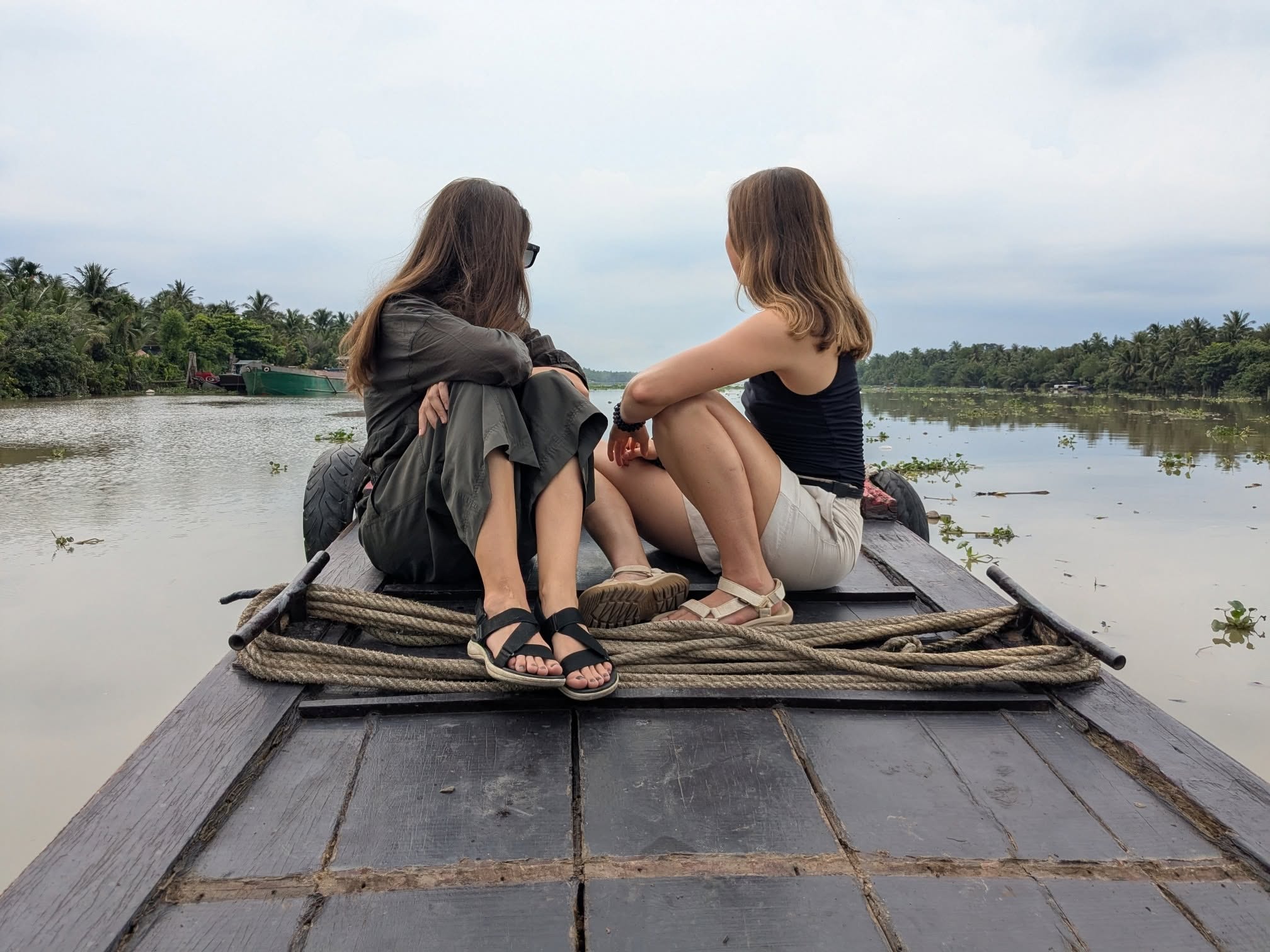
Ask the operator about the route, boarding arrangements and suitable seating before confirming a boat outing. (Source: Collected)
Before confirming a boat outing, ask about boarding steps, seating, shade and suitable life jackets, including sizes for children. Explain any difficulty with steps or balance before paying. The operator should assess the proposed route and offer an appropriate alternative when conditions require a change.
Meals also deserve a short conversation. Share allergies, dietary preferences and restrictions, then ask what the kitchen can accommodate. A vegetarian description does not by itself settle questions about stock, sauces or shared equipment. Our Vietnam food guide provides useful background for discussing ingredients.
Ask which costs are included: transfers, guiding, boats, admissions, meals and additional drinks. Compare complete programmes rather than headline prices. For overnight stays, confirm room arrangements and cancellation terms. For producer visits, ask what replaces the activity if production is paused. Clear answers are more valuable than a long list of loosely described inclusions.
Build your final plan around the return journey
Place your essential experience first, choose the overnight base if needed and then work backwards from the return. Tell your planner whether you have a flight, train, hotel change or another commitment afterwards. Avoid treating an estimated arrival time as a guaranteed connection.
Pack light for short excursions, protect electronics from splashes and bring comfortable footwear for landings and village paths. Carry drinking water, sun protection and a practical rain layer. Ask before photographing people closely, and let hosts explain whether a workshop or household is comfortable receiving visitors.
A rewarding Mekong Delta trip does not require every famous stop. One base, a suitable boat route and time to understand a meal or livelihood can provide a satisfying visit. Share your dates, party size and main interests through our custom Vietnam tour planner, and request a clear proposal with alternatives for the parts affected by local conditions.