Phu Quoc APEC 2027: How Vietnam's Island Is Transforming
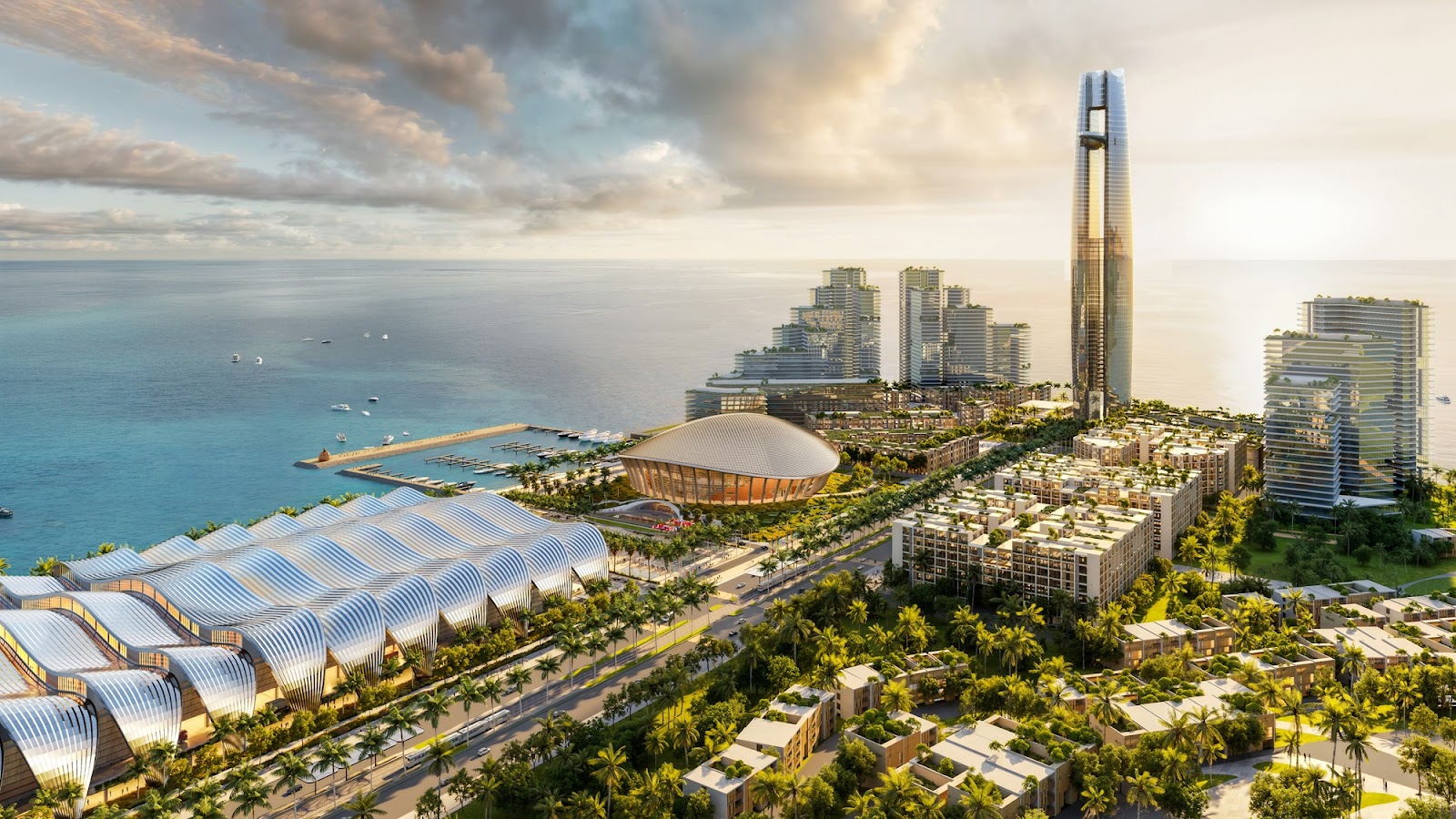
Phu Quoc, Vietnam's largest island and one of Southeast Asia's emerging tropical holiday destinations, is entering an extraordinary period of transformation. Known for its white-sand beaches, turquoise waters, luxury resorts, and spectacular sunsets, the island is preparing to host major activities of the Asia-Pacific Economic Cooperation (APEC) Economic Leaders' Week in 2027.
The event is accelerating investments in transportation, international conference facilities, urban infrastructure, and hospitality developments. New airport facilities, an urban light rail system, expanded roads, and a major convention center are among the projects expected to reshape the island's tourism landscape.
For international travelers, the most exciting aspect of APEC 2027 is not simply the event itself, but the long-term improvements it could bring to the experience of visiting Phu Quoc.
From easier international access to new entertainment and luxury travel opportunities, Phu Quoc is positioning itself for a new chapter in tourism development.
1. APEC 2027: A Major Milestone for Phu Quoc Tourism

Vietnam will host APEC 2027, bringing together leaders and representatives from 21 Asia-Pacific member economies.
Phu Quoc has been selected to host important high-level activities, including the APEC Economic Leaders' Week, creating a unique opportunity to showcase the island to international delegations, business leaders, investors, and global media.
To prepare for the event, Vietnam has identified 21 priority infrastructure projects on Phu Quoc, with total planned investment estimated at approximately VND 137 trillion.
These investments cover airport expansion, transportation networks, convention facilities, hospitality services, electricity, water supply, and urban development.
The objective extends beyond hosting a successful international summit. The new infrastructure is intended to strengthen Phu Quoc's position as a destination for international tourism, business events, and premium hospitality.
Although construction schedules and project details may change, the scale of investment demonstrates the island's importance in Vietnam's long-term tourism development strategy.
2. Phu Quoc International Airport: Expanding Global Connectivity
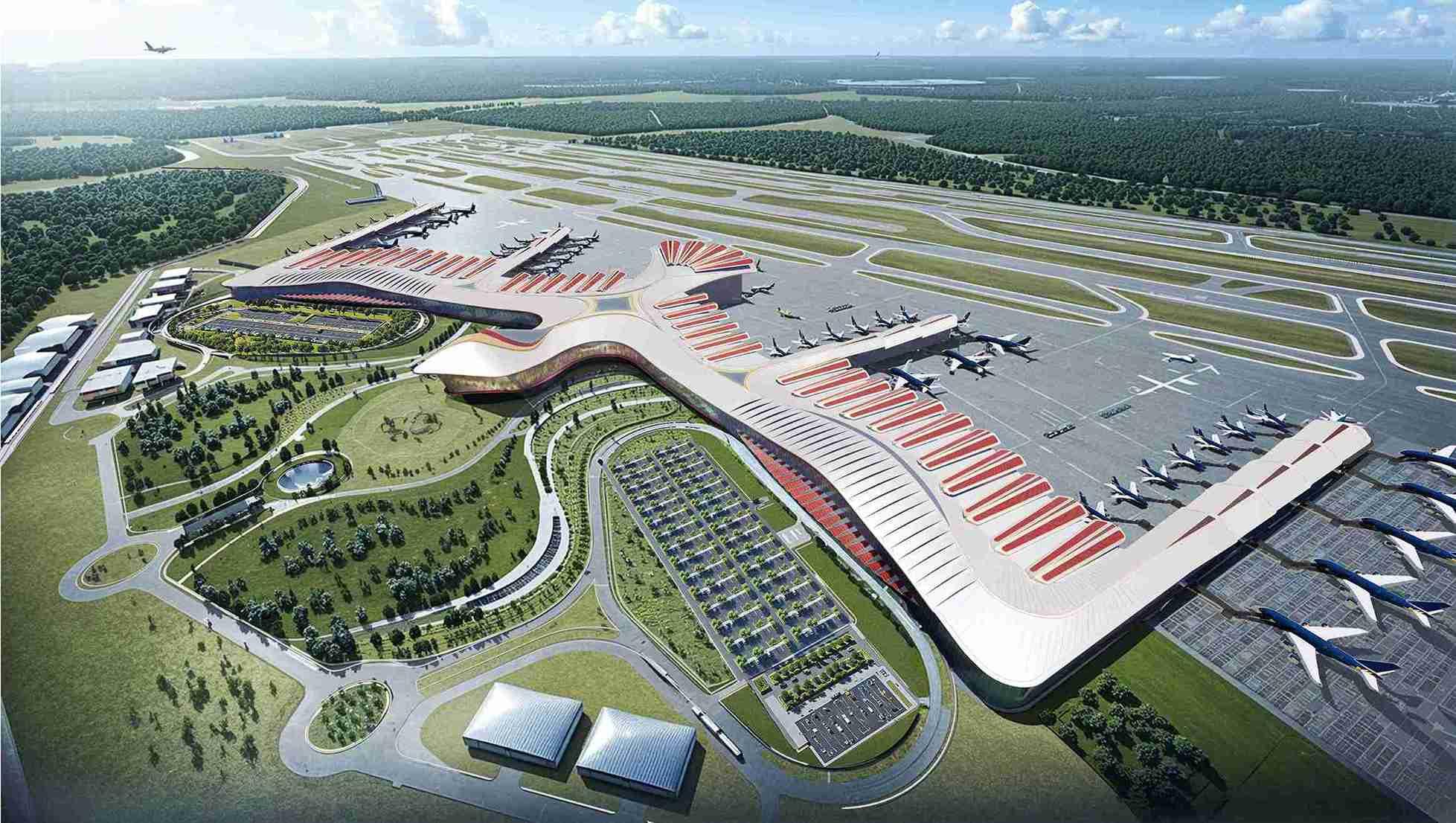
One of the most significant projects associated with APEC 2027 is the expansion of Phu Quoc International Airport.
The development includes a new passenger terminal, additional runway capacity, upgraded aircraft parking facilities, and modern passenger-handling systems.
Under the airport's development plans, its capacity is expected to increase substantially, with a target of approximately 20–24 million passengers annually by 2030.
This figure represents planned future capacity rather than the airport's current operational capability.
What will the airport expansion mean for travelers?
Improved airport infrastructure could make Phu Quoc more accessible to international visitors and support additional flights from major regional travel markets.
Potential benefits include:
-
Greater capacity for international and domestic flights.
-
Improved passenger processing and terminal facilities.
-
Better accommodation of larger aircraft.
-
More convenient connections between Phu Quoc and other destinations.
-
Opportunities for airlines to introduce additional direct routes.
For travelers from South Korea, Taiwan, Singapore, Thailand, Australia, and Europe, stronger air connectivity could make Phu Quoc an increasingly attractive beach holiday destination.
However, new routes will depend on airline decisions, market demand, and operational approvals.
The airport expansion is therefore an important foundation for future tourism growth rather than a guarantee of new international flights.
3. New Light Rail and Roads: Changing How Visitors Explore the Island
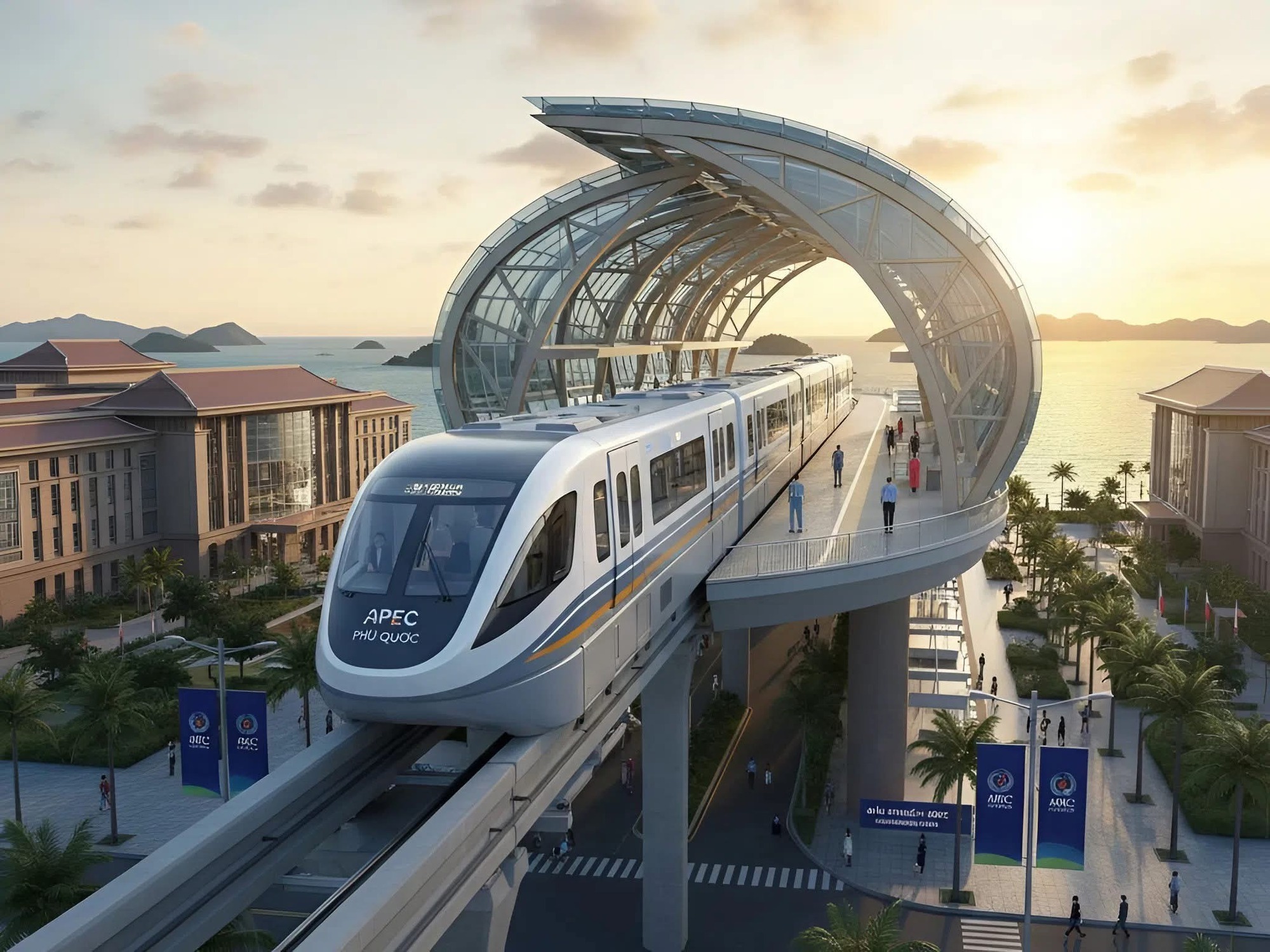
Transportation within Phu Quoc is also undergoing major development.
Currently, most visitors depend on taxis, private transfers, rental cars, and motorbikes to travel between the airport, hotels, beaches, and attractions.
As tourism grows, improving mobility has become increasingly important.
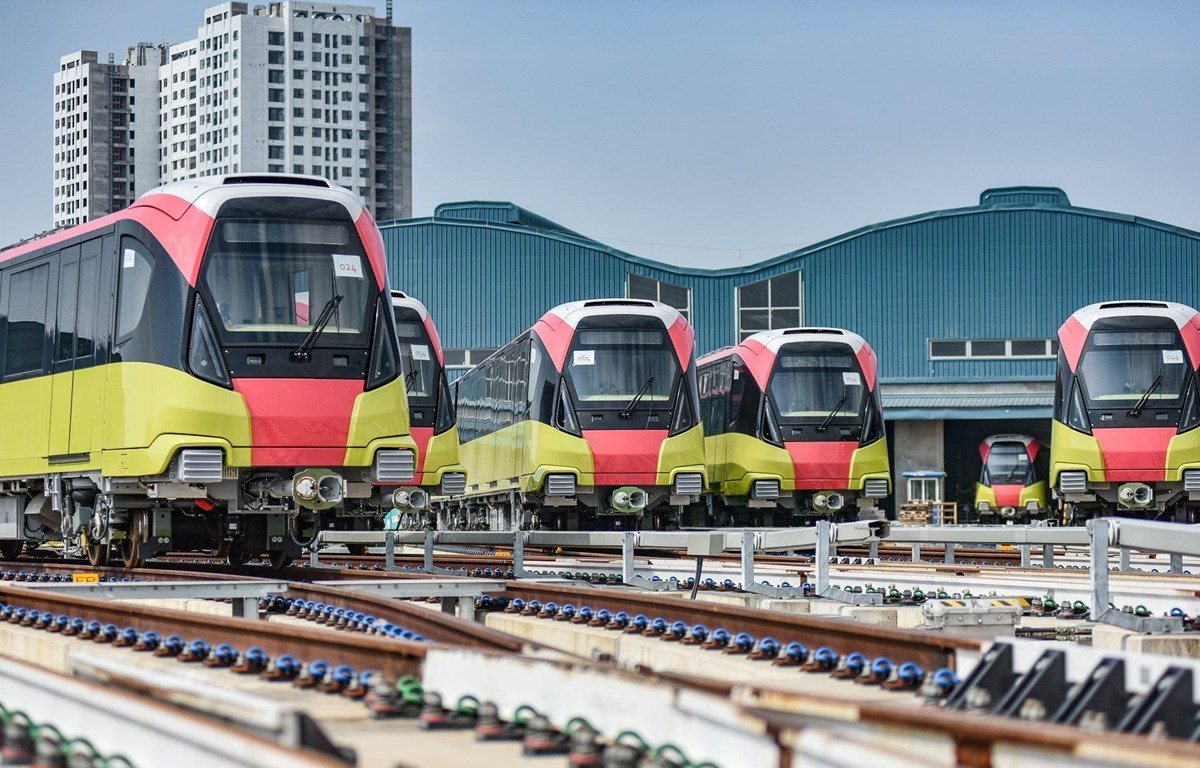
Phu Quoc's new urban light rail system
One of the island's most ambitious transport initiatives is a planned light rail transit (LRT) system.
The first section, approximately 17.6 kilometers long, is being developed along the DT.975 corridor, connecting the airport area with southern Phu Quoc.
The project aims to provide an additional transportation option for delegates attending APEC 2027 and for future visitors.
If completed and operated successfully, the system could offer a more predictable way to travel between key tourism zones while reducing dependence on road vehicles along its route.
For international tourists, a reliable rail connection could become a distinctive feature of Phu Quoc's transport network.
Upgraded roads and regional connections
Alongside the light rail project, major road developments include improvements to DT.975 and the APEC Boulevard corridor.
These projects are designed to strengthen connections between the airport, conference facilities, resorts, and surrounding urban areas.
Better roads could also improve access to popular southern destinations, including Bai Truong, An Thoi, and nearby coastal attractions.
Importantly, these projects should be evaluated according to their actual completion and operating status. Planned transport improvements should not be confused with services already available to travelers.
4. A New International Convention Center: Phu Quoc's MICE Tourism Ambitions
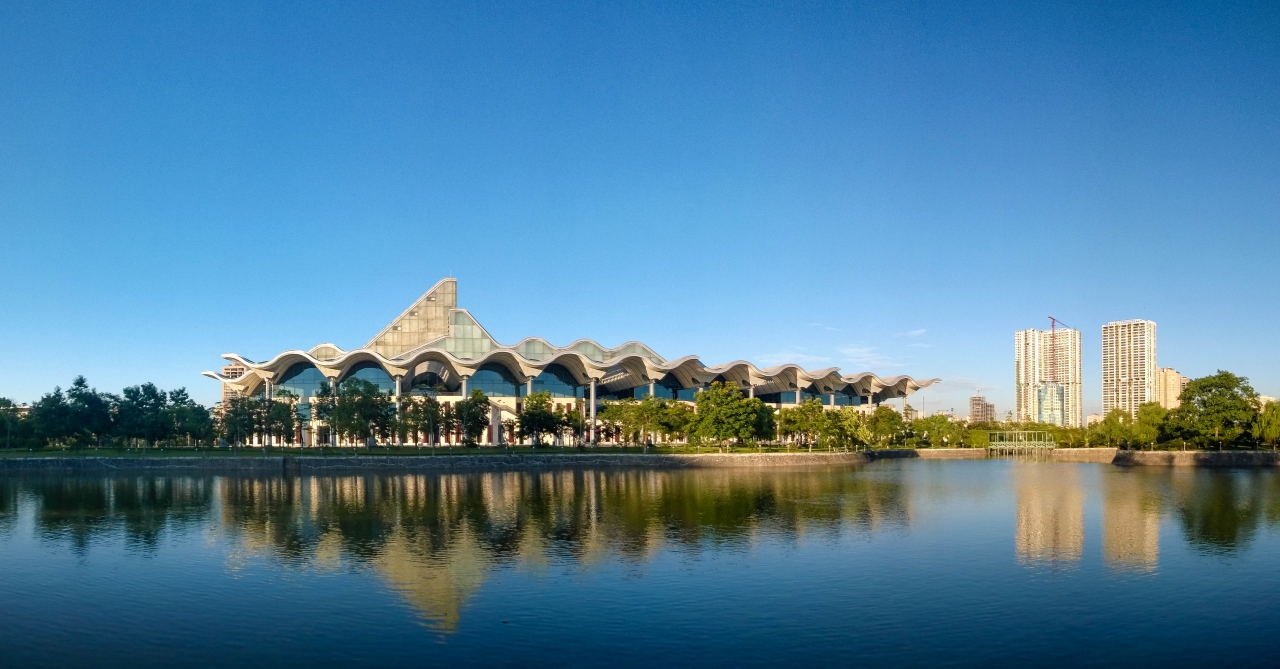
APEC 2027 is also driving the construction of a major convention and exhibition complex.
The development is intended to accommodate high-level international meetings, large delegations, exhibitions, and supporting events.
Published project information describes a main auditorium with approximately 4,030 seats and a large column-free exhibition space of around 11,050 square meters.
These facilities could significantly expand Phu Quoc's capacity to host large-scale international events.
Beyond APEC: The future of business tourism
After APEC 2027, the convention center could support the development of MICE tourism — Meetings, Incentives, Conferences, and Exhibitions.
Potential events include international corporate meetings, industry conferences, product launches, trade exhibitions, and incentive travel programs.
Phu Quoc offers an appealing combination of resort accommodation, tropical scenery, beaches, and leisure activities.
This creates opportunities for business travelers to combine professional events with holidays, family trips, or additional travel experiences.
The long-term success of the convention center will depend on effective management, competitive event services, airline connectivity, and consistent demand from international organizers.
Nevertheless, the development represents an important addition to Phu Quoc's tourism infrastructure.
5. Luxury Resorts, Entertainment, and New Travel Experiences
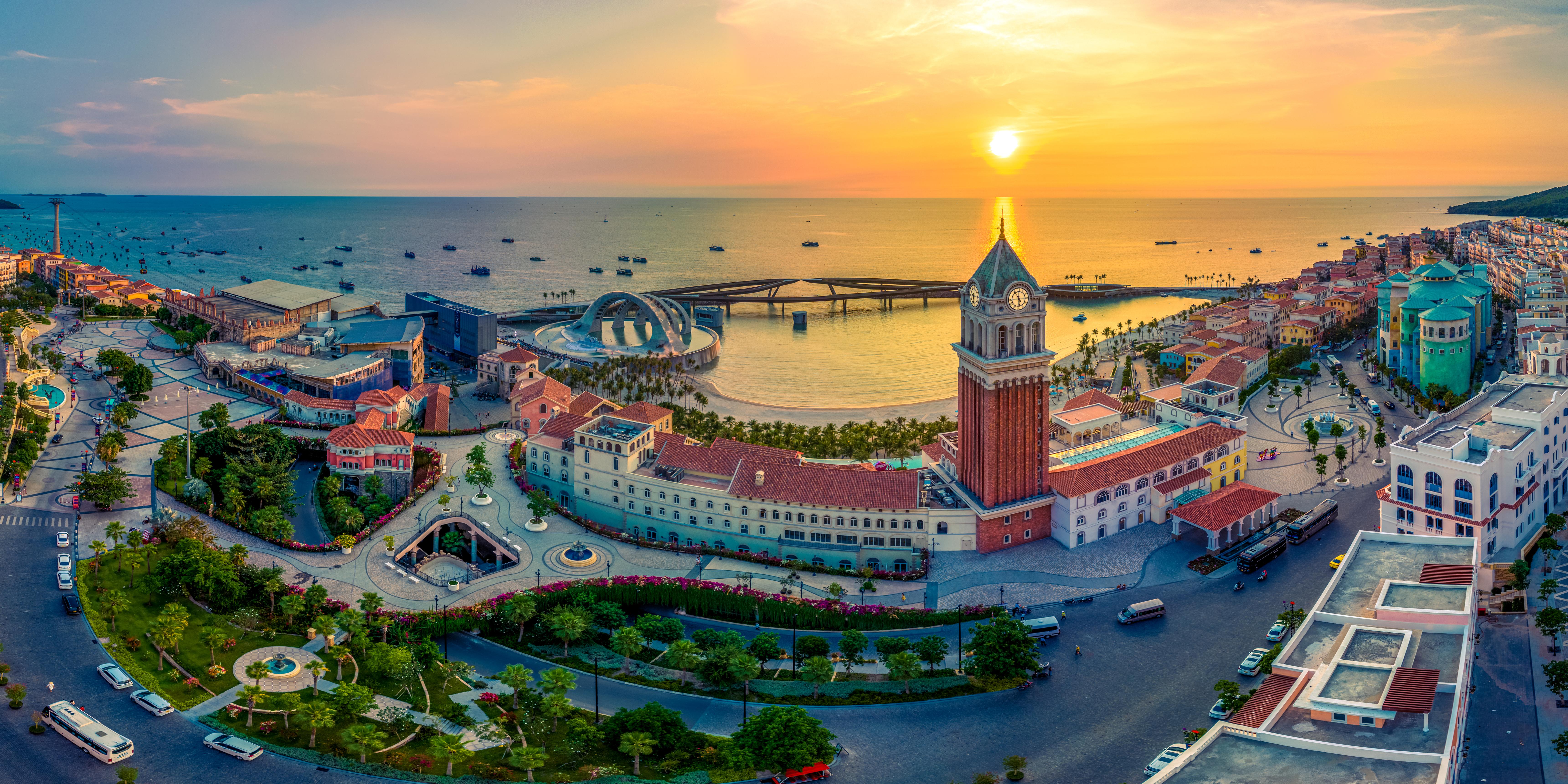
Phu Quoc has already established a strong reputation for premium beach resorts, especially along its western and southern coastlines.
The island offers internationally branded hotels, beachfront villas, spas, golf facilities, and a growing selection of entertainment attractions.
Preparations for APEC 2027 are encouraging further investment in hospitality and visitor services.
New accommodation developments, event facilities, commercial areas, and entertainment venues are expected to broaden the island's tourism offerings.
From beach holidays to diverse travel experiences
Phu Quoc's future tourism potential extends beyond traditional beach relaxation.
Visitors may increasingly combine their holidays with:
-
Luxury resort stays and wellness experiences.
-
International conferences and corporate retreats.
-
Cultural and culinary exploration.
-
Island excursions and marine activities.
-
Family-friendly entertainment.
-
Nature-focused travel and national park visits.
-
Evening performances and waterfront experiences.
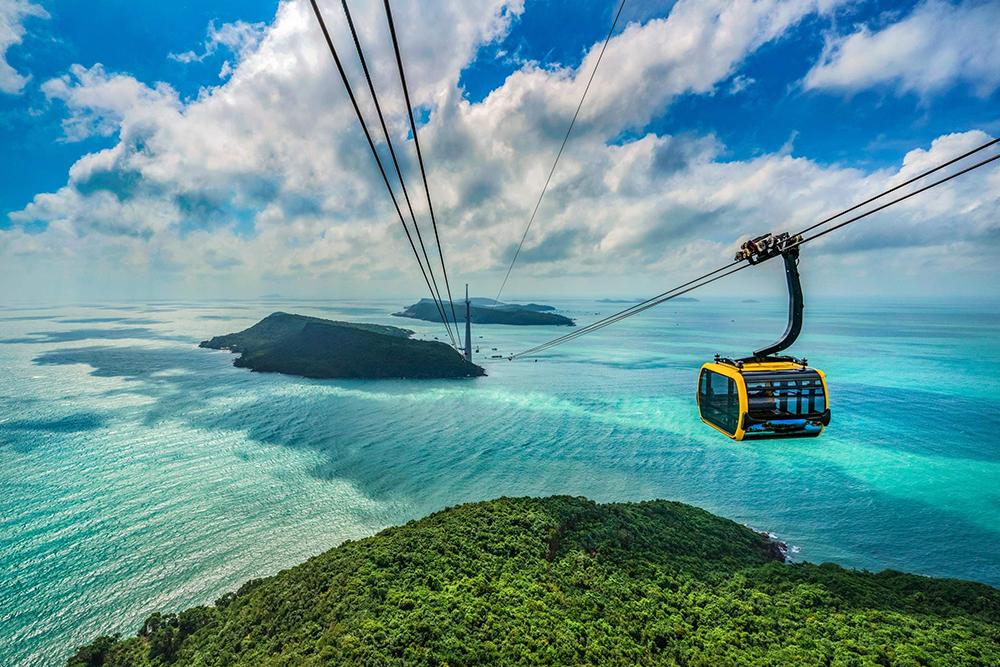
The island's existing attractions, including Sunset Town, Hon Thom cable car, traditional fishing villages, and Phu Quoc National Park, already provide a diverse foundation for tourism development.
New infrastructure could make it easier to combine these experiences within a single holiday.
For returning visitors, Phu Quoc may offer a noticeably different travel experience in the years following APEC 2027.
6. Essential Infrastructure: Building a More Sustainable Tourism Destination
Beyond highly visible projects such as airports and convention centers, Phu Quoc is also investing in essential infrastructure.
Electricity distribution, water supply, wastewater treatment, telecommunications, and urban services are critical to supporting a growing tourism destination.
These improvements are particularly important for an island where tourism development must be balanced with environmental protection.
Reliable electricity supports hotels, restaurants, transportation systems, and local communities.
Improved water and wastewater infrastructure can help reduce environmental pressures, provided that treatment systems are properly completed, operated, and monitored.
Modern telecommunications can also support digital services, business events, and the expectations of international travelers.
Protecting Phu Quoc's natural attractions
Infrastructure expansion presents both opportunities and challenges.
Phu Quoc's beaches, marine ecosystems, forests, and coastal landscapes are among its greatest tourism assets.
Rapid construction and increased visitor numbers can place pressure on natural resources, waste management, and local communities.
Long-term tourism success will therefore depend not only on new buildings and transportation facilities, but also on environmental management and responsible development.
Sustainable tourism should remain a central consideration as Phu Quoc continues to grow.
7. What International Travelers Can Expect After APEC 2027
The period following APEC 2027 could mark an important new phase for Phu Quoc.
While not every development will be completed or fully operational immediately after the event, several long-term changes may gradually influence the visitor experience.
Improved international accessibility: Expanded airport facilities could support additional flights and more convenient arrivals.
Better local transportation: Light rail and road upgrades may provide new ways to reach resorts, attractions, and business districts.
More accommodation choices: Continued investment could expand the selection of luxury hotels, villas, and specialized resorts.
Business and leisure travel: Convention facilities may attract international events and encourage visitors to extend their stays.
Greater destination diversity: Improved access and tourism promotion may help visitors discover areas beyond the island's most established resorts.
For travelers planning a visit in 2027 or 2028, it will be important to check which projects are operational before making transportation and accommodation arrangements.
8. When Should Travelers Visit Phu Quoc?
Phu Quoc is a year-round destination, although seasonal weather patterns influence the experience.
The dry season, generally from November to April, is particularly popular for beach holidays, with relatively sunny weather and calmer conditions on many western beaches.
The rainy season, typically from May to October, brings higher rainfall and sometimes rougher sea conditions.
Travelers visiting during the APEC preparation period should also be aware that construction activities may affect certain roads and development areas.
During major international events, temporary traffic restrictions, security arrangements, and changes to hotel availability may occur.
Visitors should consult current official announcements and confirm arrangements with accommodation and transportation providers.
APEC 2027 is more than an international diplomatic event for Phu Quoc. It is accelerating an ambitious transformation of the island's transportation, hospitality, convention, and urban infrastructure.
The expanded international airport, planned light rail system, upgraded roads, new convention center, and supporting utilities could provide lasting benefits for tourism well beyond the summit.
At the same time, Phu Quoc's long-term attractiveness will depend on maintaining the natural beauty, cultural character, and environmental quality that make the island special.
For international travelers, the coming years offer an opportunity to witness one of Vietnam's most dynamic island destinations entering a new stage of development.
At Vietnamtravels.com, we follow Phu Quoc's infrastructure projects, tourism developments, and transportation updates to help visitors plan their journeys with reliable, practical, and up-to-date information.
Sources and References
This article draws on information published by official Vietnamese government agencies and reputable news organizations, including:
-
Vietnam Government Portal (Bao Chinh Phu) – Official announcements concerning APEC 2027 preparations, infrastructure investment, and project implementation in Phu Quoc. https://en.baochinhphu.vn/
-
Vietnam Ministry of Construction – Information on airport expansion, transportation infrastructure, and development planning. https://www.moc.gov.vn/
-
Vietnam News Agency (VietnamPlus) – News and reports on Phu Quoc's infrastructure projects, tourism investment, and preparations for APEC 2027. https://en.vietnamplus.vn/
-
Vietnam National Authority of Tourism – Official travel information about Phu Quoc, including attractions, experiences, and tourism development. https://vietnam.travel/
Editorial note: Project schedules, investment figures, and construction progress are subject to change. Travelers should consult official announcements for the latest information before planning their journeys.