Vietnam Visa Free 2026: Eligible Countries, Stay Duration and a Warm Welcome to Vietnam
Updated: November 2026
Vietnam is opening its doors wider to international visitors. With beautiful landscapes, fascinating cultural heritage, delicious cuisine, and welcoming communities, the country has become an increasingly attractive destination for travelers from around the world.
One of the most encouraging developments is Vietnam's expanded visa exemption policy, making it easier for eligible international visitors to discover the country without applying for a visa before departure.
Under the Vietnam visa free arrangements in effect in 2026, travelers from numerous countries can enjoy short stays without a visa. Depending on nationality and applicable agreements, permitted visits may range from 14 to 90 days.
For visitors dreaming of exploring Hanoi's historic streets, cruising through Ha Long Bay, discovering Hoi An, or relaxing on Phu Quoc's tropical beaches, these policies provide greater convenience and flexibility.
This guide explains which nationalities are Vietnam visa exempt, when the relevant regulations took effect, how long visitors can stay, and why 2026 is an excellent time to discover Vietnam.
1. Vietnam Visa Free Entry: 24 Countries Eligible for 45-Day Stays
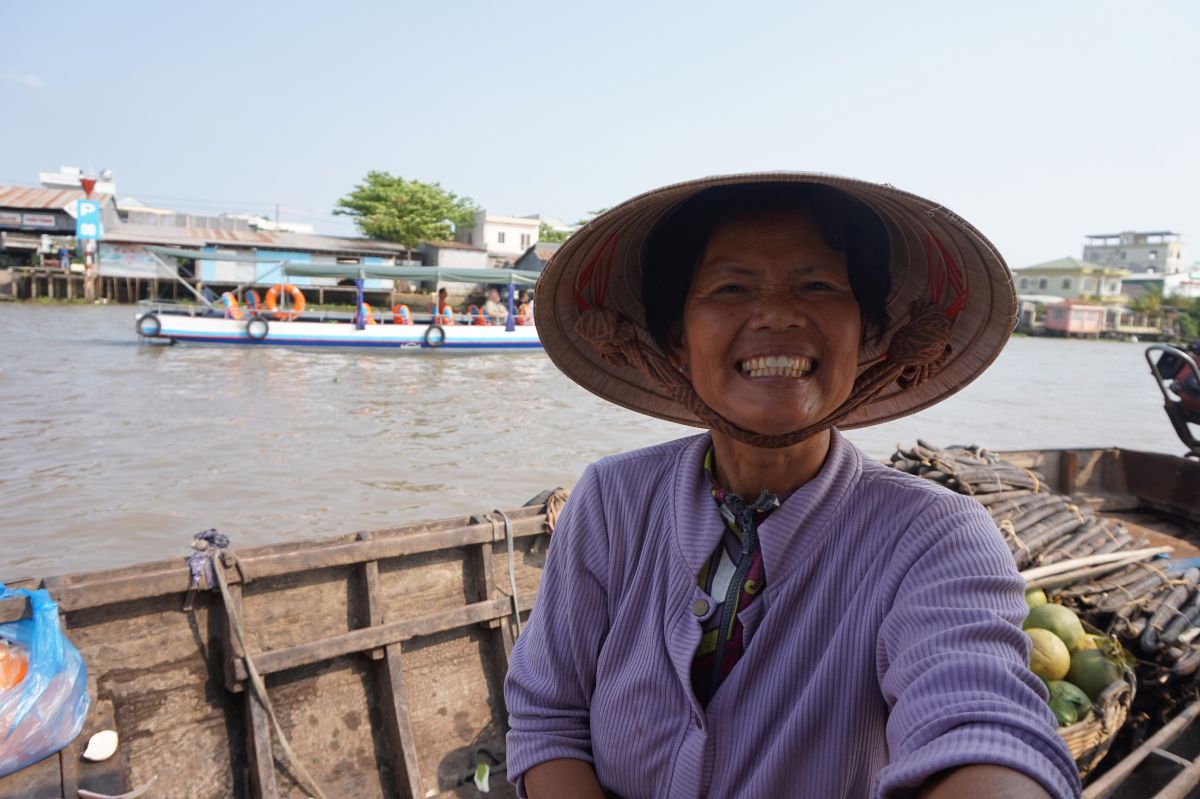
Vietnam introduced two major visa exemption measures in 2025, extending visa-free entry to citizens of 24 countries under government resolutions.
Both policies remain applicable in 2026, subject to Vietnam's entry requirements.
Group 1: Twelve countries under Resolution 44/NQ-CP
Government Resolution 44/NQ-CP, issued on March 7, 2025, provides visa exemptions for citizens of 12 countries.
The policy became effective on March 15, 2025, and is scheduled to remain in force until March 14, 2028.
| Country |
Visa-free stay |
| Germany |
45 days |
| France |
45 days |
| Italy |
45 days |
| Spain |
45 days |
| United Kingdom |
45 days |
| Russia |
45 days |
| Japan |
45 days |
| South Korea |
45 days |
| Denmark |
45 days |
| Sweden |
45 days |
| Norway |
45 days |
| Finland |
45 days |
Eligible citizens can stay in Vietnam for up to 45 days from the date of entry, regardless of passport type or purpose of entry, provided they satisfy applicable legal requirements.
This policy makes Vietnam particularly attractive for travelers planning extended holidays, cultural tours, family visits, and journeys through multiple regions.
European visitors can enjoy a two- or three-week Vietnam itinerary without the inconvenience of obtaining a tourist visa beforehand.
For Japanese and South Korean travelers, the arrangement also supports convenient short breaks and longer holidays.
Group 2: Twelve additional European countries under Resolution 229/NQ-CP
Vietnam further expanded its visa exemption policy through Government Resolution 229/NQ-CP, issued on August 8, 2025.
The measure became effective on August 15, 2025, and remains scheduled through August 14, 2028.
| Country |
Visa-free stay |
| Belgium |
45 days |
| Bulgaria |
45 days |
| Croatia |
45 days |
| Czech Republic |
45 days |
| Hungary |
45 days |
| Luxembourg |
45 days |
| Netherlands |
45 days |
| Poland |
45 days |
| Romania |
45 days |
| Slovakia |
45 days |
| Slovenia |
45 days |
| Switzerland |
45 days |
Under this tourism development program, citizens of these countries may visit Vietnam for tourism purposes without obtaining a visa in advance.
The exemption applies regardless of passport type, subject to the legal entry conditions.
For European travelers, the expansion is especially welcome.
Visitors from the Netherlands, Belgium, Poland, Switzerland, and the Czech Republic can plan longer Vietnam holidays, combining cultural discoveries with mountain adventures and beach relaxation.
Important: The exemption under Resolution 229 is specifically for tourism. Visitors traveling for other purposes should verify the appropriate immigration arrangements.
2. Vietnam Visa Exempt Countries Under Bilateral Agreements
Beyond the 24 countries covered by the two resolutions, Vietnam maintains bilateral visa exemption arrangements with several other nations.
These agreements are particularly important for travelers from Southeast Asia and selected countries elsewhere.
Visa exemptions for ASEAN travelers
Vietnam welcomes visitors from neighboring Southeast Asian countries under reciprocal arrangements.
For ordinary passport holders, the following stay periods generally apply:
| Country |
Visa-free stay |
| Cambodia |
30 days |
| Laos |
30 days |
| Malaysia |
30 days |
| Myanmar |
30 days |
| Singapore |
30 days |
| Thailand |
30 days |
| Indonesia |
30 days |
| Philippines |
21 days |
| Brunei |
14 days |
These arrangements make Vietnam an accessible destination for regional holidays, family trips, weekend escapes, and cultural exchanges.
Travelers from Singapore, Thailand, Malaysia, and Indonesia can conveniently explore Vietnamese cities, beaches, and heritage destinations without arranging a visa for eligible short visits.
Other bilateral visa exemptions
Vietnam also maintains visa-free arrangements for ordinary passport holders from selected countries outside ASEAN.
Examples include:
Other bilateral agreements may apply, but many cover only diplomatic, official, or special passports.
Therefore, travelers should not assume that every country listed in Vietnam's diplomatic visa agreements offers visa-free entry to ordinary tourists.
The applicable rules should always be checked according to nationality and passport type.
3. Phu Quoc Island: A Special 30-Day Visa-Free Destination
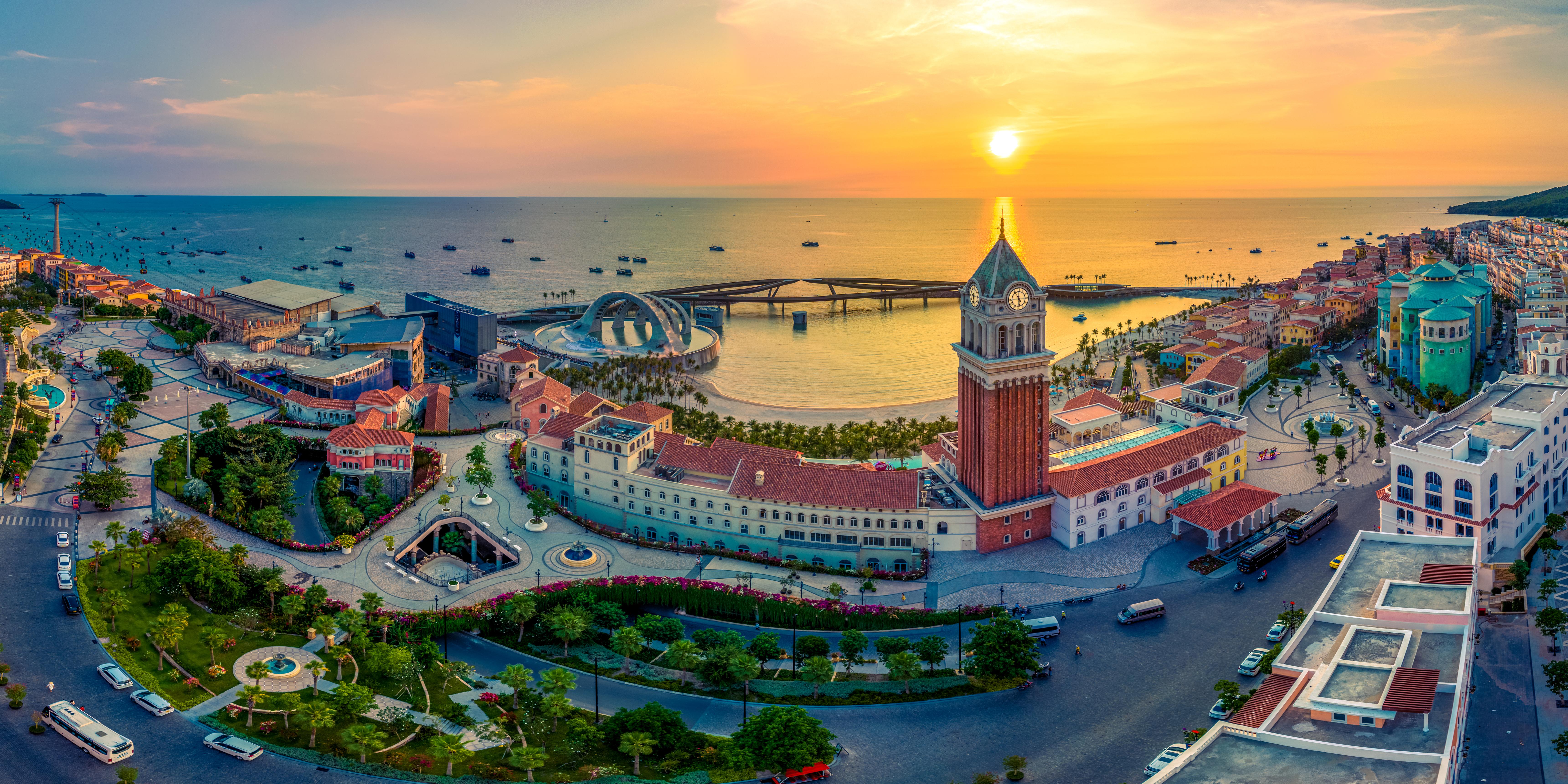
Vietnam also offers a special visa exemption for eligible foreign visitors traveling to Phu Quoc Island.
Under this arrangement, foreign passport holders may stay on Phu Quoc for up to 30 days without a visa, provided they satisfy the conditions of the island-specific exemption.
Phu Quoc is famous for its tropical beaches, luxury resorts, fishing villages, seafood, and beautiful sunsets.
Visitors can enjoy swimming, snorkeling, island excursions, and relaxing beachfront holidays.
The exemption is particularly attractive to international travelers seeking a convenient tropical getaway.
However, travelers relying solely on the Phu Quoc exemption should not assume that they can continue to Hanoi, Ho Chi Minh City, or other mainland destinations without an appropriate visa or another applicable exemption.
Travel arrangements and transit conditions should be verified before departure.
4. Entry Requirements for Vietnam Visa Exempt Travelers
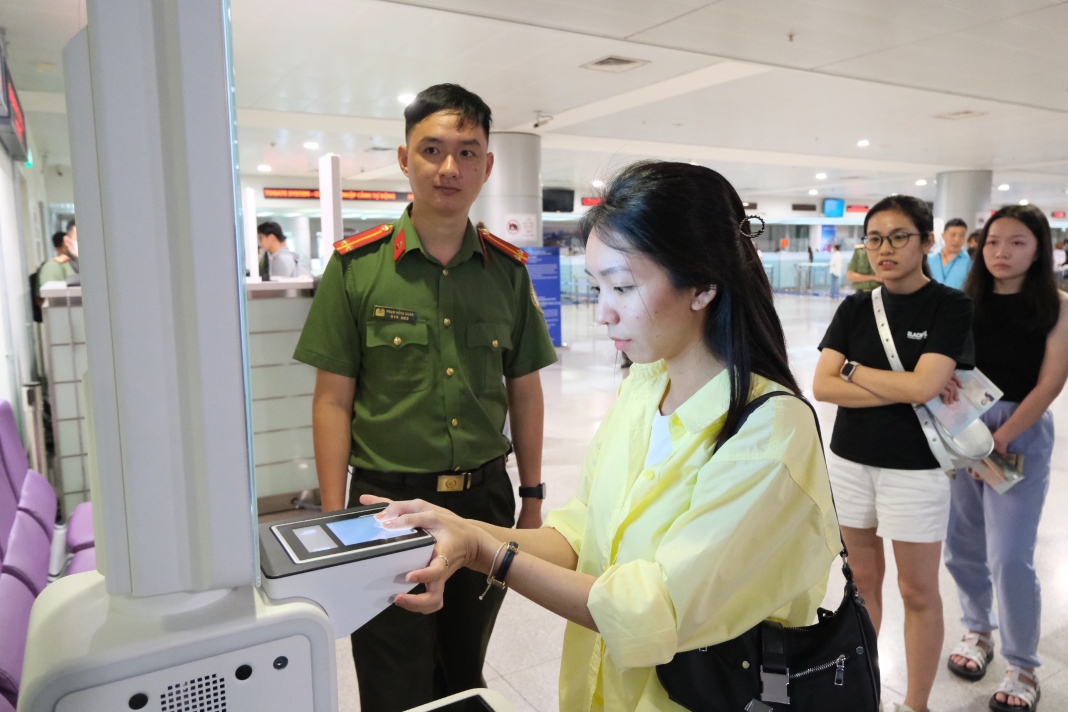
Although eligible visitors do not need to obtain a visa before arrival, they must still comply with Vietnam's immigration requirements.
Travelers should prepare the following:
-
Valid passport: Generally valid for at least six months from the date of entry.
-
Travel itinerary: Details of planned accommodation and destinations.
-
Return or onward travel: Evidence may be requested by airlines or immigration authorities.
-
Permitted purpose of entry: Particularly important for tourism-specific exemptions.
-
Compliance with immigration regulations: Visitors must not be subject to an entry prohibition.
Travelers should also check whether their passport type qualifies for the exemption.
The permitted period of stay is calculated according to Vietnamese immigration rules, and visitors should confirm their authorized departure deadline upon entry.
For stays longer than the visa-free allowance, an appropriate visa should be arranged rather than assuming that an extension will be granted automatically.
5. What If Your Country Is Not Vietnam Visa Exempt?
Vietnam remains accessible to travelers who do not qualify for visa-free entry.
The country's electronic visa system provides a convenient alternative for eligible international visitors.
Vietnam offers electronic visas with validity of up to 90 days, available for single or multiple entries.
The standard government application fees are:
| Vietnam E-visa type |
Government fee |
| Single-entry e-visa |
USD 25 |
| Multiple-entry e-visa |
USD 50 |
Travelers can apply online through the official Vietnamese immigration portal:
https://evisa.gov.vn/
Applicants should ensure that their passport details, travel dates, and other information are accurate.
Processing times can vary, so submitting an application well before departure is advisable.
An e-visa is particularly useful for travelers planning extended holidays or journeys that combine Vietnam with Cambodia, Laos, or other neighboring countries.
6. Why Vietnam's Visa-Free Policy Is Great News for Travelers
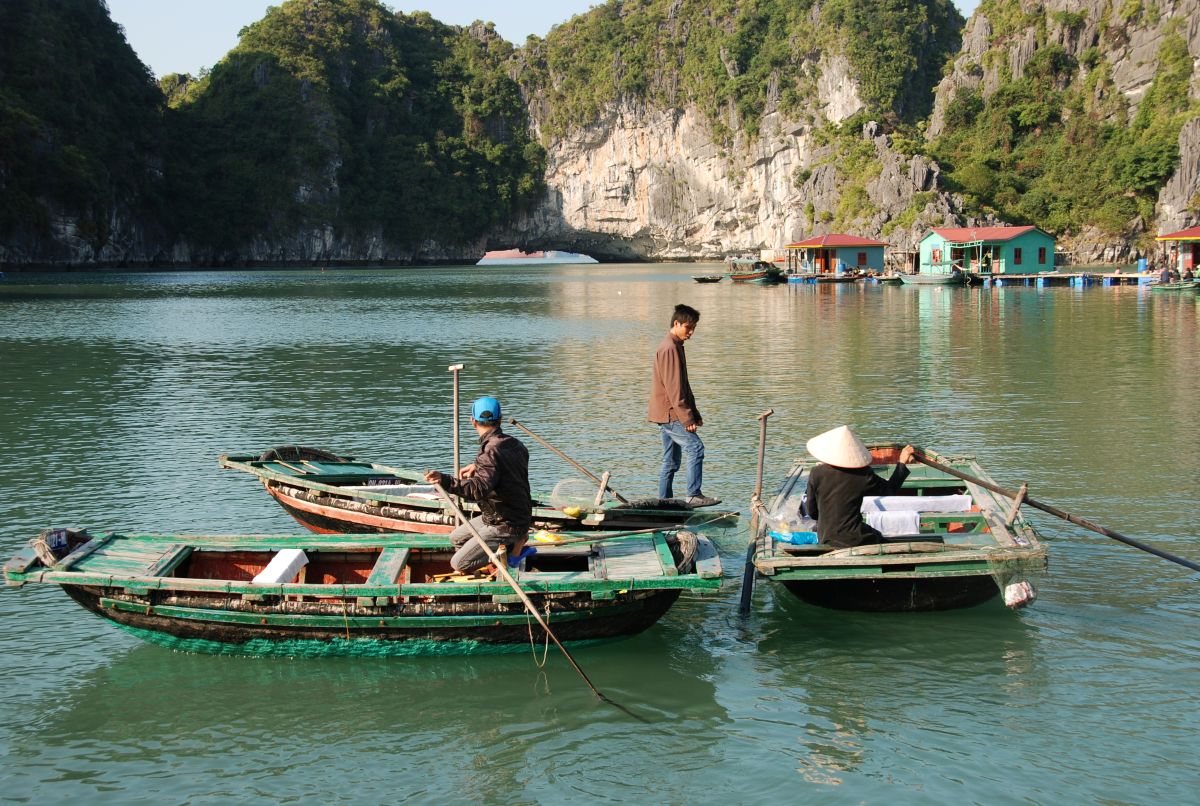
Vietnam's expanded visa exemption arrangements make the country even more attractive for international tourism.
More time to discover Vietnam
A 45-day visa-free allowance gives eligible travelers considerable flexibility.
Instead of rushing through the country in one week, visitors can spend time discovering northern mountain landscapes, historic central cities, and the tropical south.
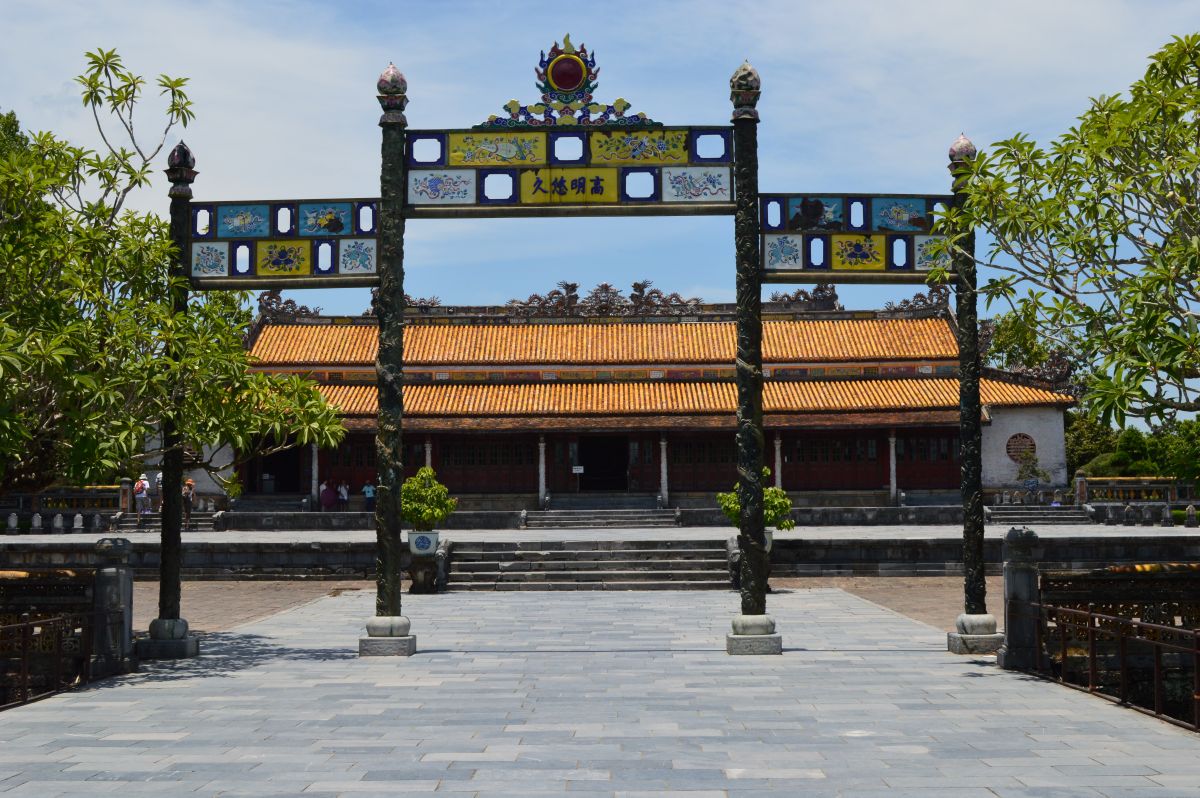
A journey might begin in Hanoi, continue through Ninh Binh and Ha Long Bay, and then explore Hue, Hoi An, Ho Chi Minh City, and the Mekong Delta.
Easier planning for families and couples
Removing the visa application process for eligible visitors makes holiday planning more straightforward.
Families can organize school-holiday trips, while couples can combine cultural sightseeing with a relaxing beach stay.
Destinations such as Da Nang, Hoi An, Nha Trang, Quy Nhon, and Phu Quoc offer attractive options for longer holidays.
More opportunities for authentic experiences
With additional time, travelers can explore beyond the best-known attractions.
Vietnam offers opportunities for trekking in Sapa, cycling in Mai Chau, discovering Pu Luong's countryside, exploring Phong Nha's caves, and enjoying traditional village life.
These experiences reveal the cultural and natural diversity that makes Vietnam such a rewarding destination.
7. Suggested Vietnam Holidays for Visa-Free Visitors
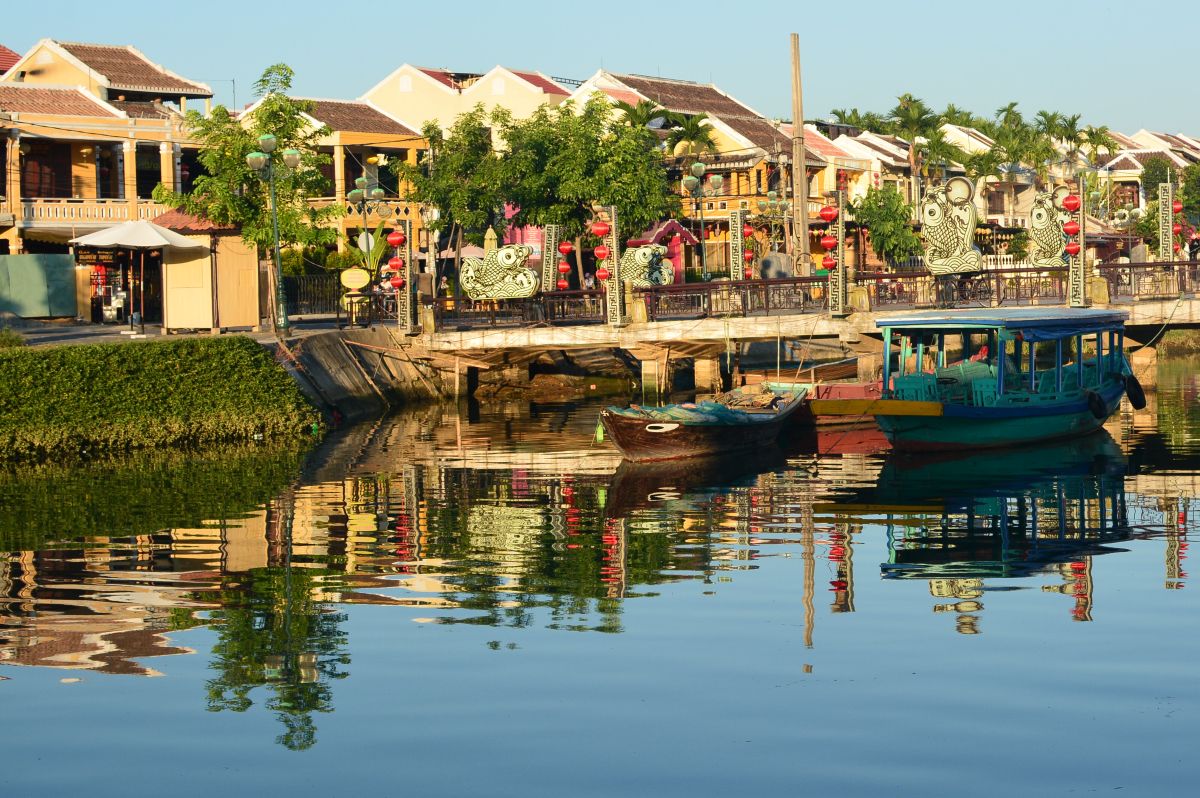
Vietnam's generous visa-free periods allow travelers to choose an itinerary that suits their interests and available time.
| Holiday duration |
Recommended itinerary |
| 7–10 days |
Hanoi, Ninh Binh and Ha Long Bay |
| 12–15 days |
Hanoi, Ha Long Bay, Hue, Hoi An and Ho Chi Minh City |
| 18–21 days |
Classic Vietnam journey with Sapa, Pu Luong or Mekong Delta |
| 25–30 days |
In-depth Vietnam discovery with cultural experiences and beach relaxation |
| Up to 45 days |
Extended exploration of Vietnam, subject to the applicable exemption |
For first-time visitors, a two-week journey provides an excellent introduction to Vietnam's most famous destinations.
Travelers with three or four weeks can explore at a slower pace, spend more time with local communities, and include lesser-known destinations.
The best time to visit depends on the regions included in the itinerary, although March and April often offer favorable conditions for journeys covering much of the country.
8. Welcome to Vietnam: Your Next Adventure Awaits
Vietnam's visa exemption policies are more than administrative conveniences. They reflect the country's commitment to welcoming international visitors and encouraging cultural exchange.
Whether you are traveling from Europe, Northeast Asia, Southeast Asia, or another part of the world, Vietnam offers unforgettable experiences.
Imagine enjoying Vietnamese coffee beside Hanoi's Hoan Kiem Lake, watching the sunrise over Ha Long Bay, walking through Hoi An's lantern-lit streets, or relaxing beside the turquoise waters of Phu Quoc.
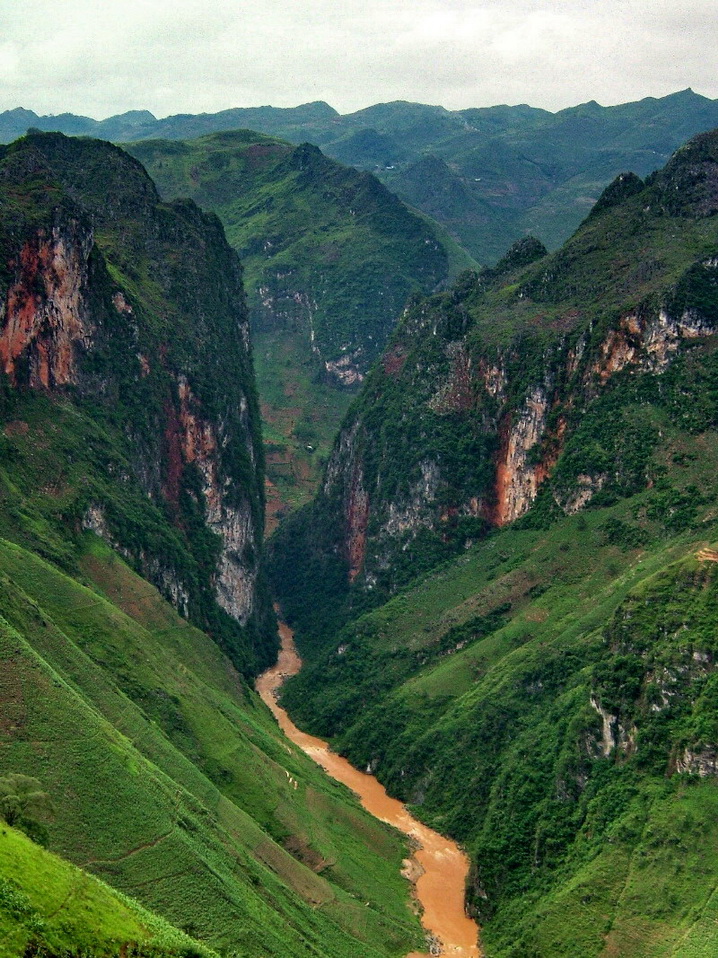
Discover the flavors of Vietnamese cuisine, meet welcoming local communities, explore centuries of history, and experience landscapes ranging from tropical beaches to magnificent mountain valleys.
For eligible visitors, Vietnam visa free entry makes these experiences easier to enjoy.
If you are Vietnam visa exempt, take advantage of the opportunity to plan a memorable holiday, whether for a short cultural escape or an extended journey.
Vietnam is ready to welcome you.
At Vietnamtravels.com, we share travel updates, destination guides, transportation information, and practical advice to help international visitors explore Vietnam with confidence.
Sources and References
-
Vietnam Government Portal – Resolution 44/NQ-CP, visa exemption for 12 countries, March 2025.
https://en.baochinhphu.vn/viet-nam-waives-visas-for-citizens-from-12-countries-until-march-2028-111250308085955058.htm
-
Vietnam Government Portal – Resolution 229/NQ-CP, visa exemption for 12 additional countries, August 2025.
https://en.baochinhphu.vn/viet-nam-waives-visas-for-citizens-of-24-countries-from-mid-august-111250815144715035.htm
-
Vietnam Ministry of Foreign Affairs – Bilateral and unilateral visa exemption agreements.
https://mofa.gov.vn/
-
Vietnam Tourism – Visa requirements, entry information, and Phu Quoc exemption.
https://vietnam.travel/plan-your-trip/visa-requirements/
-
Vietnam Immigration Department – Official electronic visa application portal.
https://evisa.gov.vn/
Last updated: November 2026. Visa exemptions depend on nationality, passport type, purpose of entry, and applicable legal conditions. Travelers should verify the latest regulations with Vietnamese immigration authorities or diplomatic missions before departure.