Places to Explore in Vietnam: Choose by Landscape and Travel Pace
October 22, 20266 min read
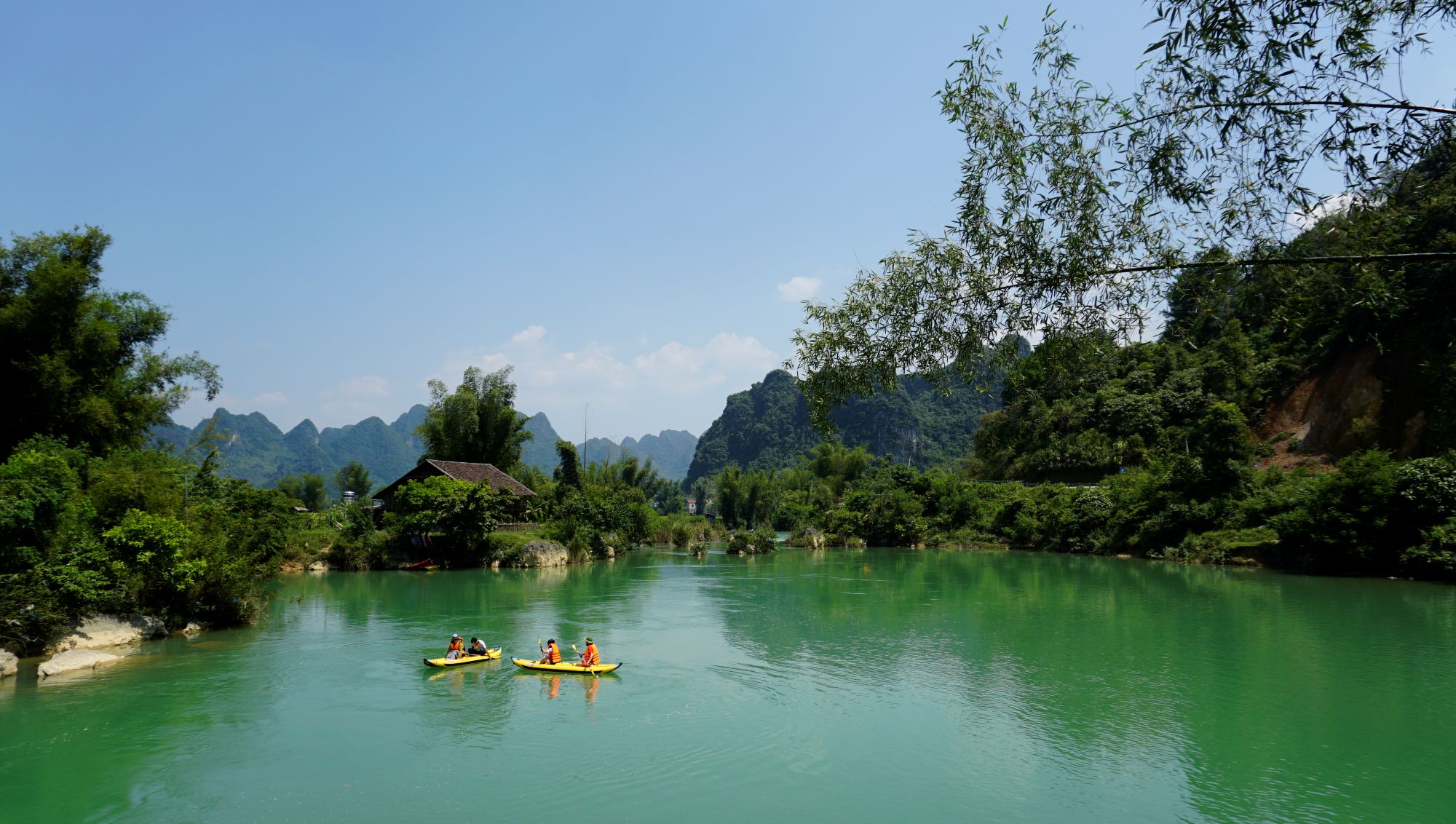
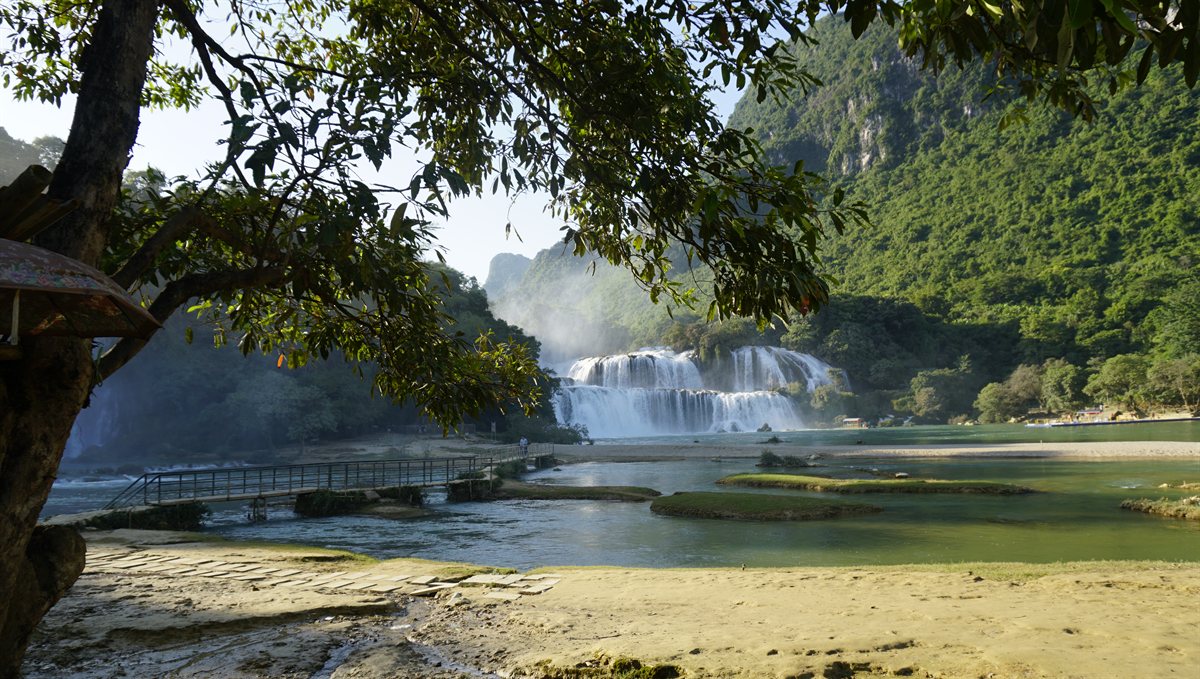
Featured image: A calm river beneath forested limestone hills in Vietnam. (Source: Collected)
Choosing places to explore in Vietnam becomes easier when you start with the experiences you want, rather than a long list of famous names. Limestone waterways, imperial courtyards, mountain villages and coastal cities offer very different journeys. For a first visit, select a few contrasting landscapes and leave room to notice everyday life between attractions. This guide helps you choose destinations that fit your interests, available days and preferred pace, without turning the holiday into a sequence of transfers.
Begin with cities that explain Vietnam's cultural layers
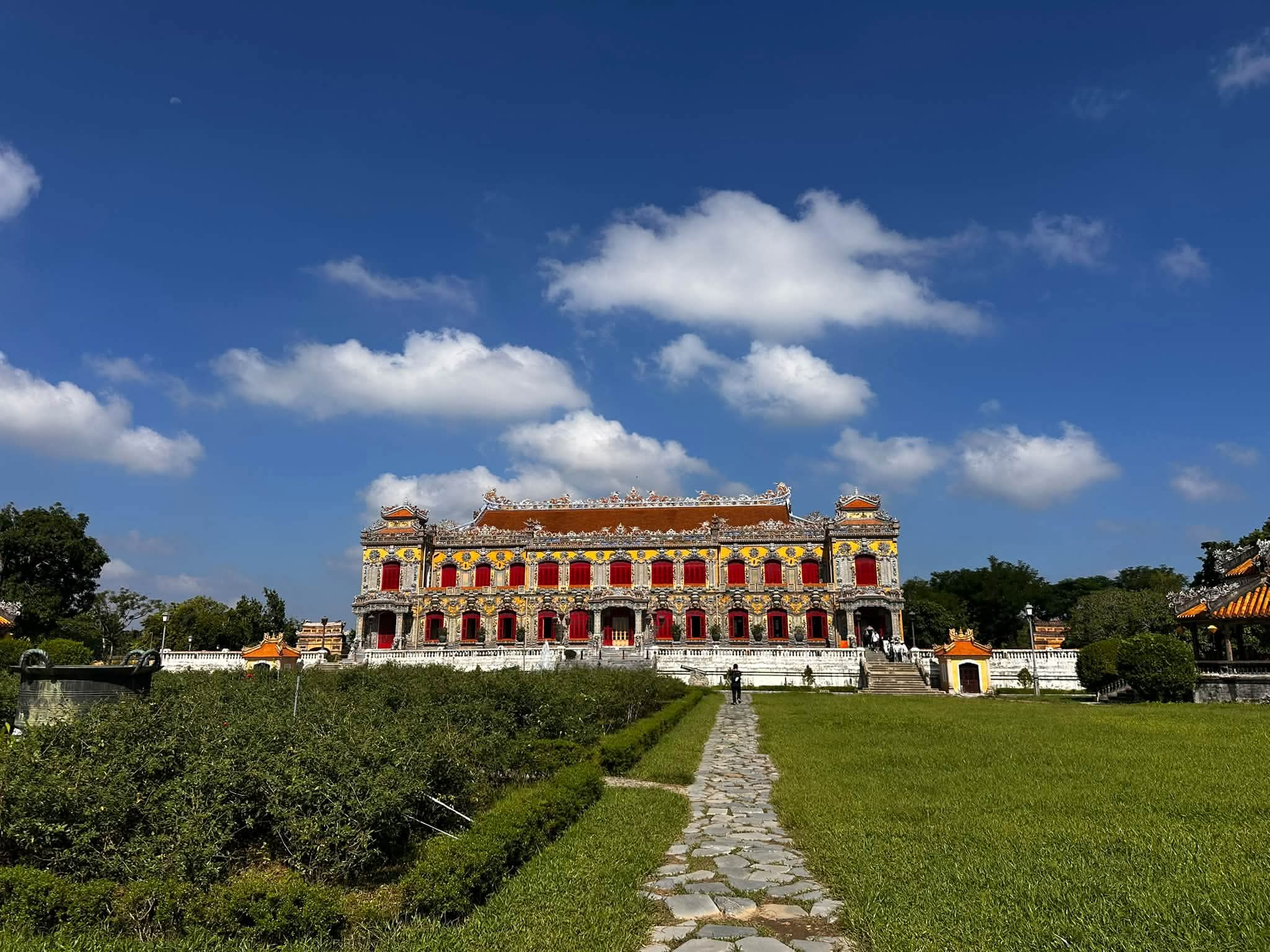
Imperial architecture in Hue offers a starting point for understanding Vietnam's royal history. (Source: Collected)
Hanoi rewards travelers who enjoy walking, food and small historical discoveries. Combine the Old Quarter with a quieter courtyard or museum, then leave time for coffee and a neighborhood market. The pleasure comes from understanding how working streets, sacred places and family businesses share the same urban space. Our guide to Hanoi cultural attractions helps you choose stops around the stories that interest you.
Hue offers a different perspective through imperial architecture, royal tombs and the Perfume River landscape. Choose a manageable combination of sites instead of visiting every monument. A guide can connect decorative details and royal history, while breaks help make exposed courtyards more comfortable.
Hoi An suits travelers drawn to trading history, craft traditions and regional food. Explore beyond the busiest waterfront streets, and consider a workshop or countryside visit. These three cities complement one another, but a short holiday does not need all three. Select depth over repetition when your available nights are limited.
Choose limestone landscapes by the experience on the water
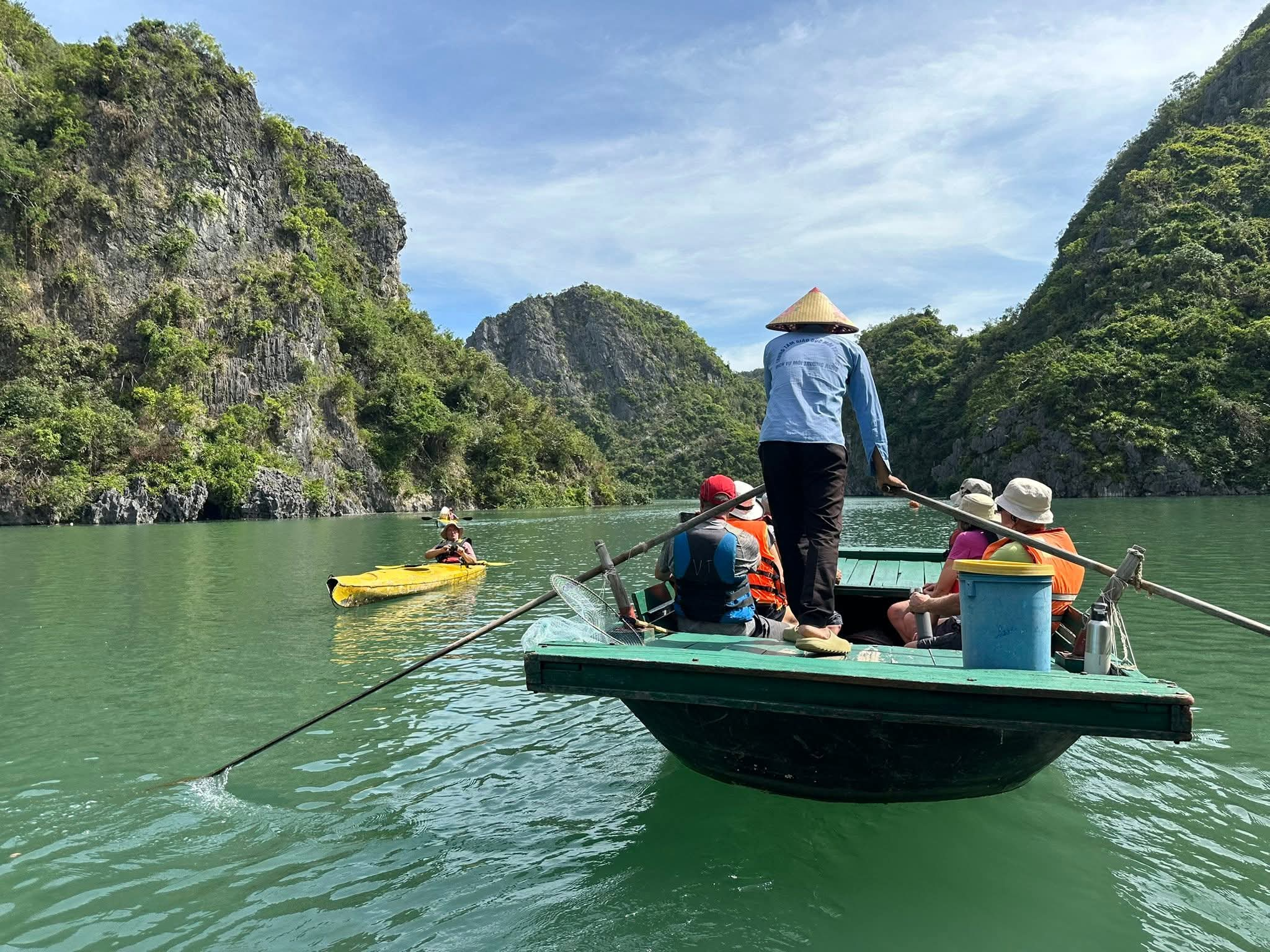
A small rowing boat passes between limestone hills on a sheltered Vietnamese waterway. (Source: Collected)
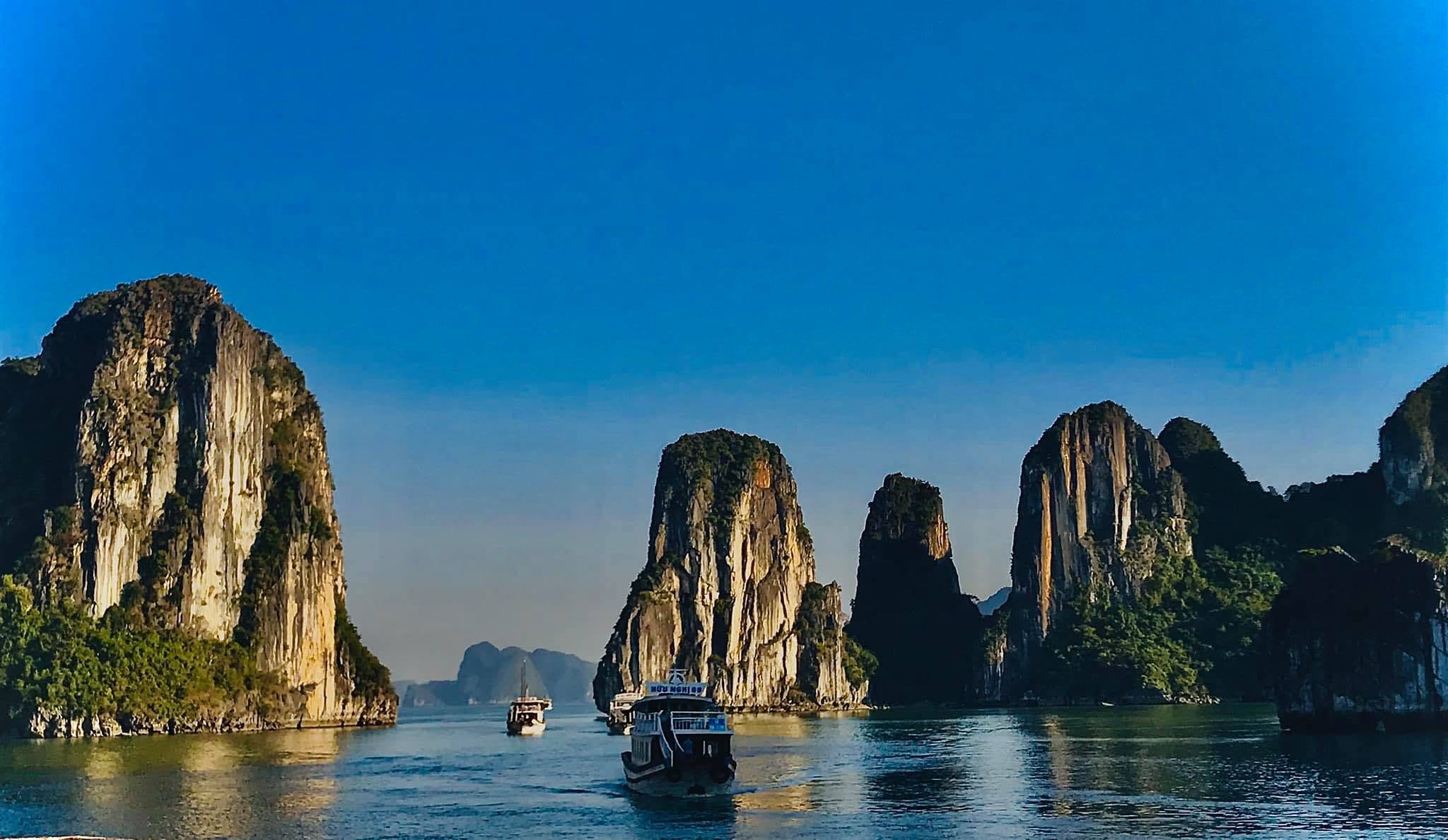
Ha Long Bay and Ninh Binh both feature striking limestone formations, yet their travel rhythms differ. A bay cruise places much of the experience aboard a boat, with excursions shaped by its route and operating conditions. Ninh Binh offers a countryside base from which you can combine a river excursion, cycling and historical visits.
For a first trip, decide whether you want an overnight floating landscape or more freedom to move between activities on land. Compare actual cruise inclusions rather than photographs alone. For river trips, ask about the route, boarding arrangements and time spent sitting in a small boat. Bring sun protection and keep electronics protected from splashes.
There is no need to choose both simply because they appear on many itineraries. Travelers with more time may appreciate the contrast; others can select one and use the saved travel day elsewhere. Our Ninh Binh travel guide explains how its landscapes and nearby attractions fit together.
Match northern mountain destinations to your comfort level
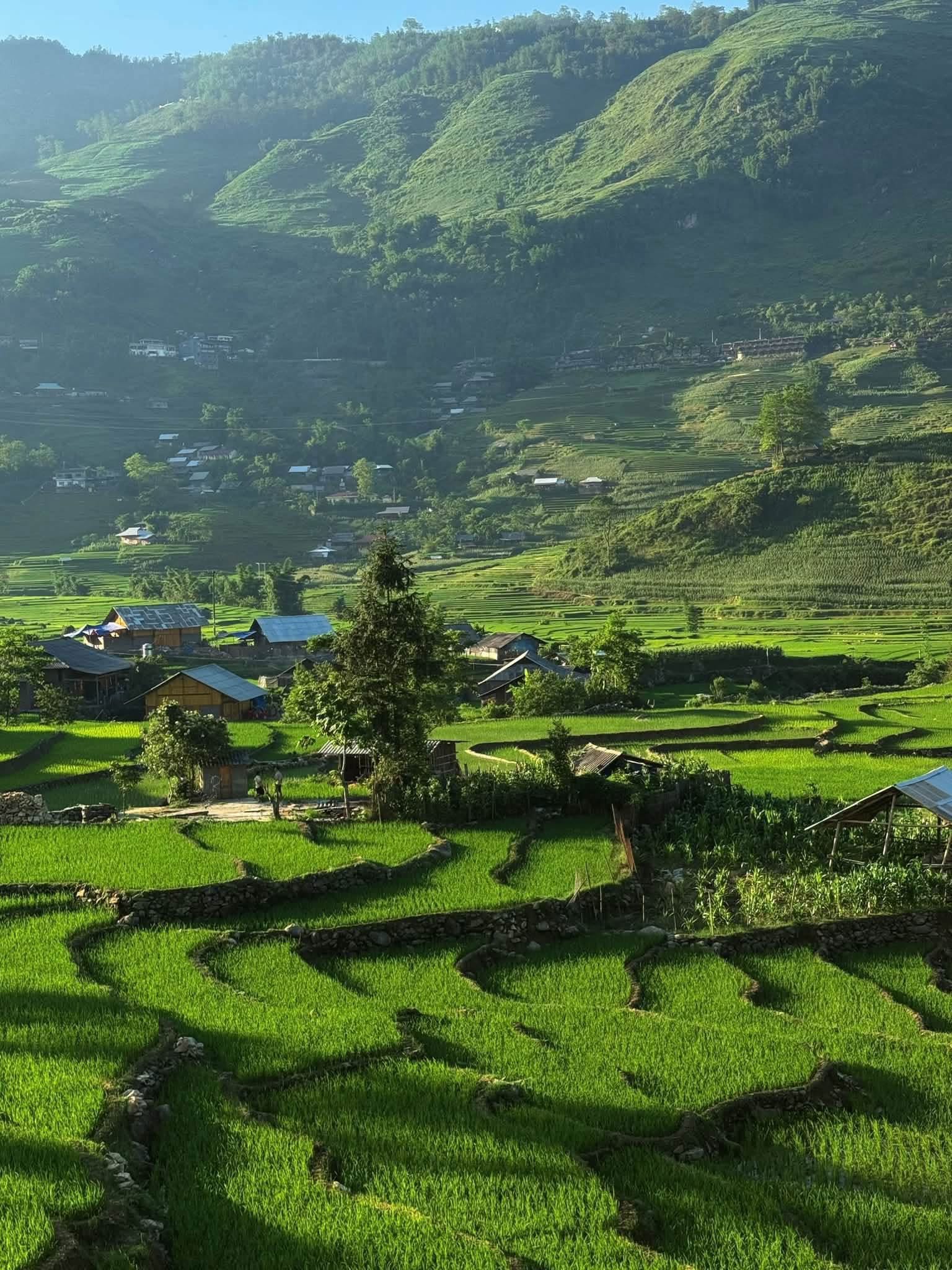
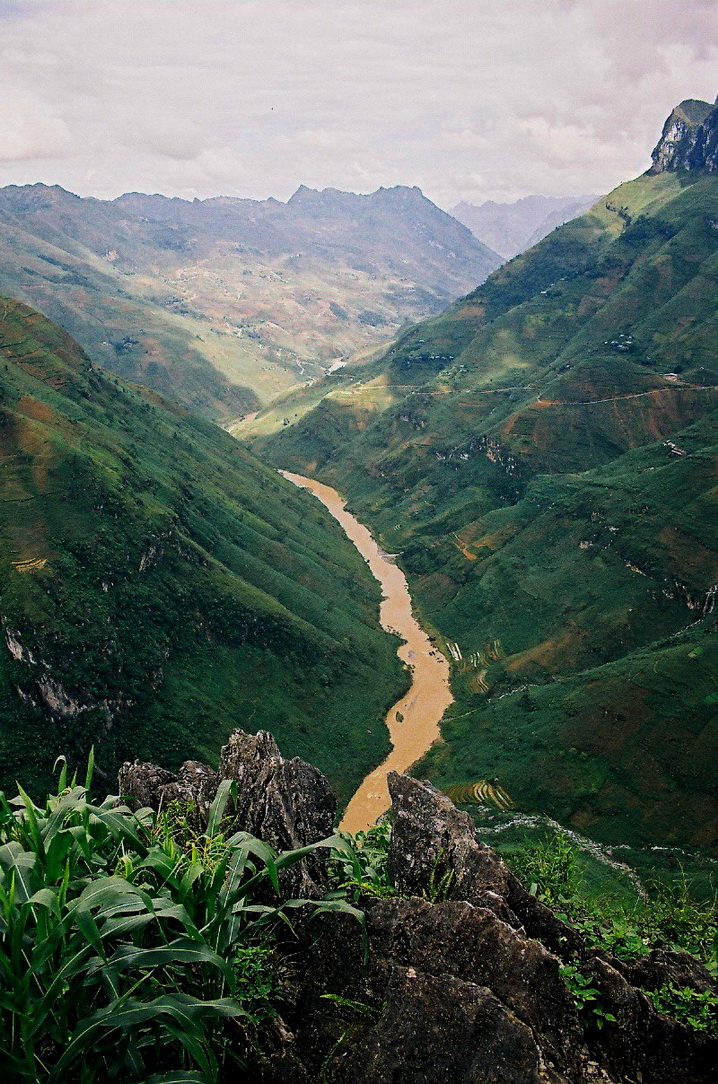
Terraced fields shape the green slopes of the Muong Hoa Valley near Sapa. (Source: Collected)
Sapa, Ha Giang and Mai Chau should not be treated as interchangeable mountain stops. Sapa is useful for valley walks and learning about textile traditions, although the experience depends heavily on the village and route selected. Ha Giang appeals to travelers seeking dramatic roads and highland scenery, with substantial time spent traveling between communities.
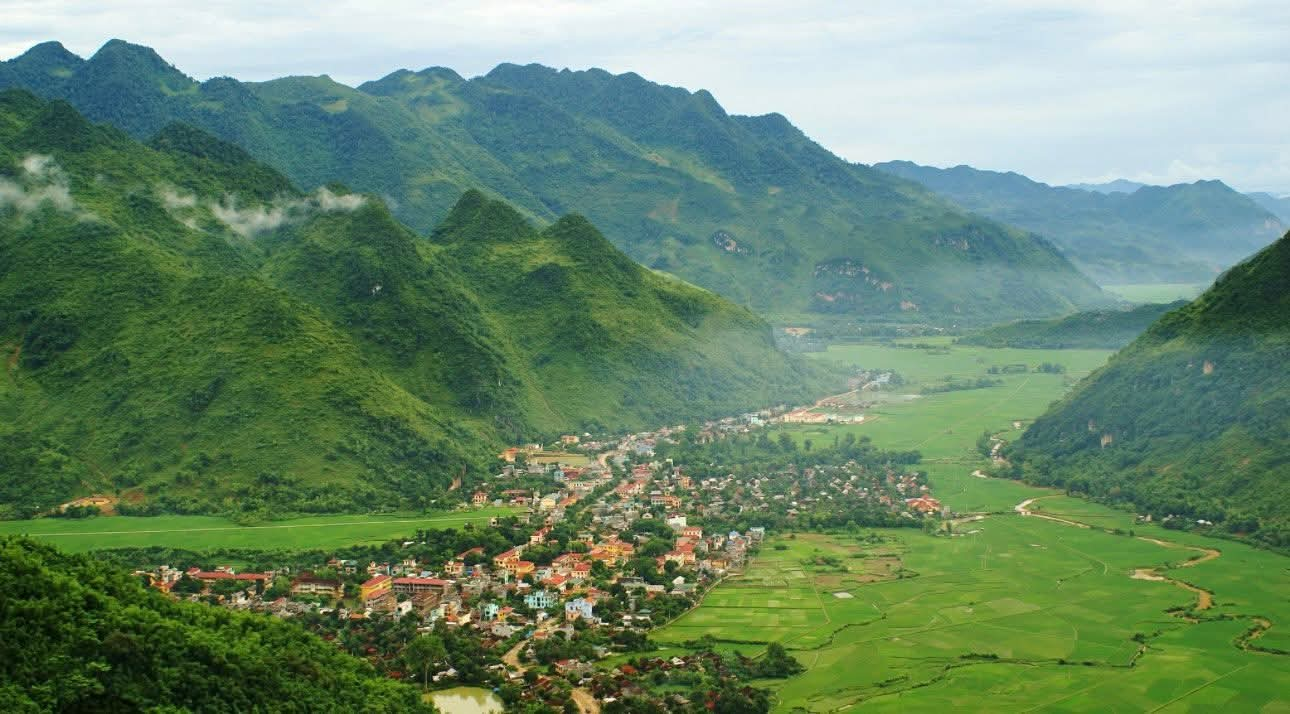
Mai Chau offers a gentler valley setting where village lanes, agricultural landscapes and selected walks can form a slower stay. Ask what a proposed trek actually involves: surfaces, gradients, distance, shade and vehicle access matter more than a label such as easy or moderate.
Mountain scenery is affected by cloud, rain and the agricultural calendar. Green fields, harvest colors and clear viewpoints are different possibilities, not simultaneous guarantees. Choose accommodation for its location and access as well as its view. With local hosts, ask before photographing people or entering homes, and approach cultural visits as conversations rather than performances arranged for a camera.
Use the coast for genuine breathing space
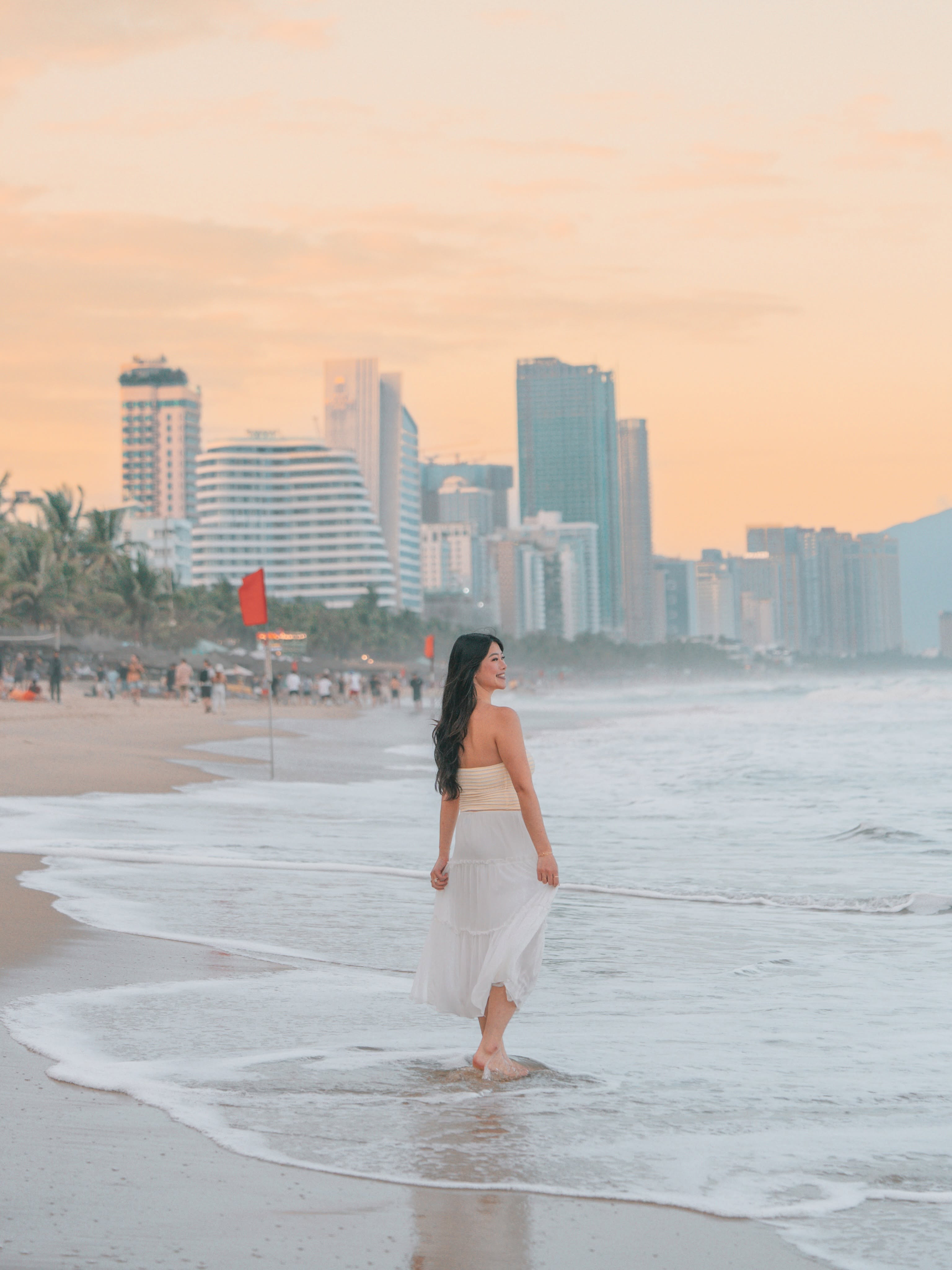
My Khe Beach brings a quieter seaside rhythm to a stay in Da Nang. (Source: Collected)
Da Nang makes sense when you want beach time alongside an urban base, restaurants and onward connections. Staying near the sea creates a different daily rhythm from staying beside the Han River. Think about what you want within walking distance in the evening, rather than choosing a hotel solely by its promotional photographs.
Hoi An can combine heritage visits with a separate beach day. Quy Nhon may suit travelers looking to make coastal scenery a larger part of their route, while an island stay adds another transfer and deserves enough nights to justify it. A beach destination should provide rest, not become another place to check off.
Check conditions for your particular coast and travel month. Weather varies across Vietnam, and a sunny forecast does not guarantee suitable swimming or boating conditions. Follow beach warnings and local advice. If a coastal stop is essential, leave some flexibility in outdoor plans and select accommodation you would still enjoy during a wet afternoon.
Discover the south through city life and river communities
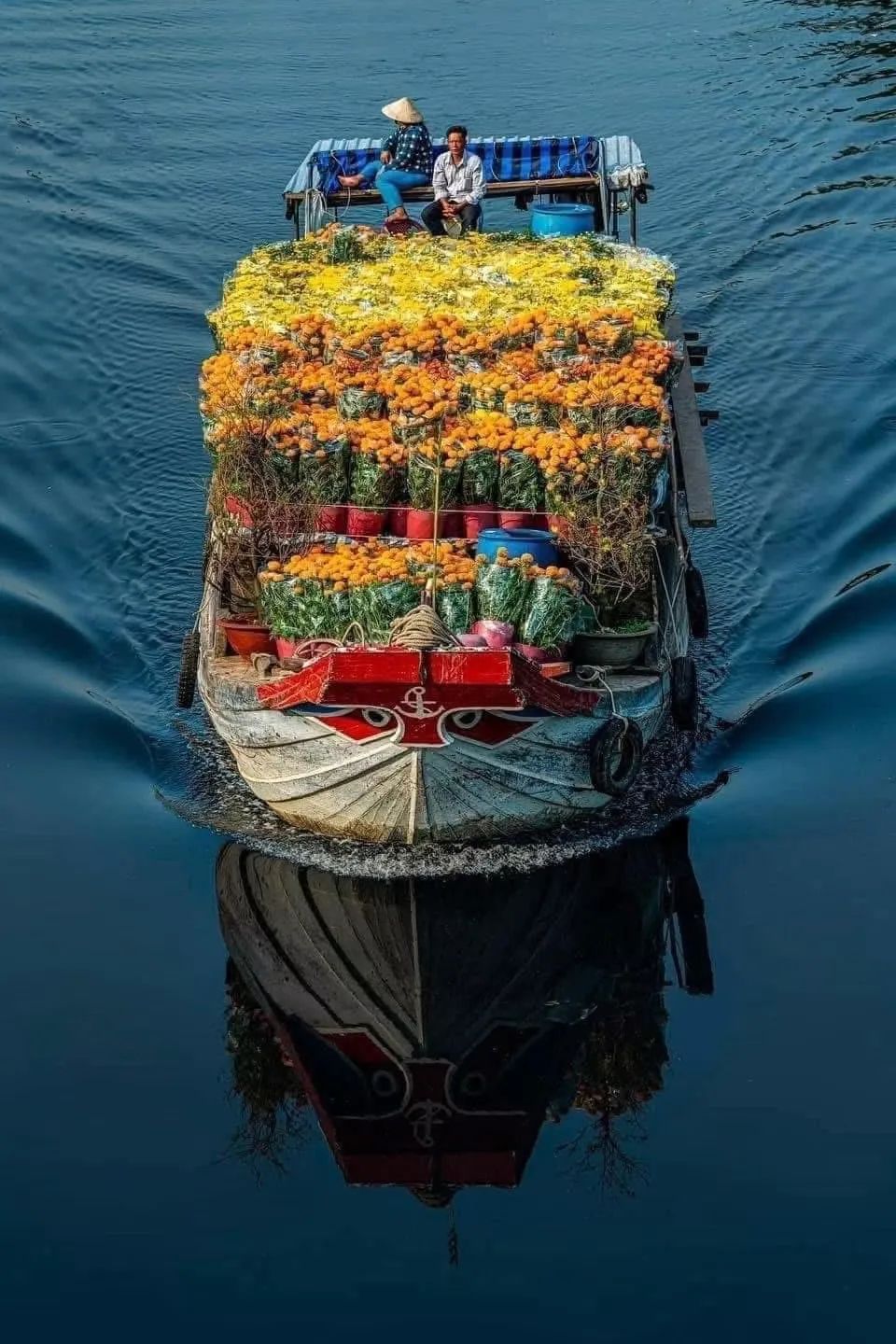
A flower-laden boat adds color to a Mekong Delta waterway. (Source: Collected)
Ho Chi Minh City offers museums, markets and contemporary neighborhoods that help connect Vietnam's recent history with its present. Choose historical visits thoughtfully, allowing time to absorb difficult subjects. Balance these with a food walk or a neighborhood exploration rather than stacking several major attractions into one hot afternoon.
The Mekong Delta changes the pace. Around places such as Ben Tre or Can Tho, waterways, gardens and workshops introduce different relationships between land, transport and livelihoods. An overnight stay can create more room for local visits than a return excursion, although the quality of the chosen route matters more than the number of activities advertised.
Ask operators how much time is spent in vehicles, on boats and at commercial stops. Floating markets are working places whose activity changes; photographs do not promise the same scene on every departure. Select experiences for meaningful contact and realistic logistics, with respect for residents' working routines.
Build a route around nights, not destination counts
A smiling local resident shares a food moment in Hoi An. (Source: Collected)
For roughly one week, concentrate on one region with a city base and one contrasting landscape. With about two weeks, consider two regions or a selective north-to-south journey. Three weeks creates more flexibility, but still benefits from longer stays and a rest day between demanding sections. These are planning suggestions, not fixed rules.
Count transfer days honestly. Packing, hotel checkout, airport procedures and the final drive to accommodation all reduce sightseeing time. Keep important international departures away from remote excursions where possible, and compare current connections before confirming the route. A leisurely meal or craft demonstration often becomes more memorable than another rushed viewpoint.
Shortlist your favorite places to explore in Vietnam, then remove any stop that does not add a distinct experience. For help balancing cultural discoveries, outdoor time and practical transfers, share your priorities through our Custom Vietnam Tour planner. A coherent journey leaves space to understand the country as well as see it.