Hanoi Cultural Attractions: Discover the Stories, Traditions and Living Heritage of Vietnam's Capital
October 15, 202622 min read
Hanoi is much more than a collection of famous monuments, ancient temples, and bustling streets. Behind its historic buildings, traditional neighborhoods, and everyday activities lies a fascinating cultural story shaped by more than a thousand years of history.
For international travelers, exploring Hanoi cultural attractions offers an opportunity to understand how Vietnam's capital developed, how its people preserved their traditions, and how ancient customs continue to influence modern life.
You can discover the educational philosophy of Confucian scholars, explore the remains of royal dynasties, learn about Vietnamese spiritual beliefs, watch traditional water puppetry, and meet artisans who continue centuries-old crafts.
Yet some of Hanoi's most memorable cultural experiences happen away from major landmarks. They can be found in a family workshop, a traditional market, a neighborhood temple, or a simple meal prepared according to generations of local knowledge.
This guide introduces twelve cultural attractions and experiences that reveal different aspects of Hanoi's identity. For a broader sightseeing overview, explore our Top 30 Hanoi tourist attractions.
Rather than simply telling you where to go, we explain the historical stories behind each place, what you can learn, and how to incorporate these discoveries into a meaningful cultural journey.
Whether you have one day or several days in the capital, these experiences will help you see Hanoi through the eyes of its people.
1. Temple of Literature – Discover Vietnam's Tradition of Education
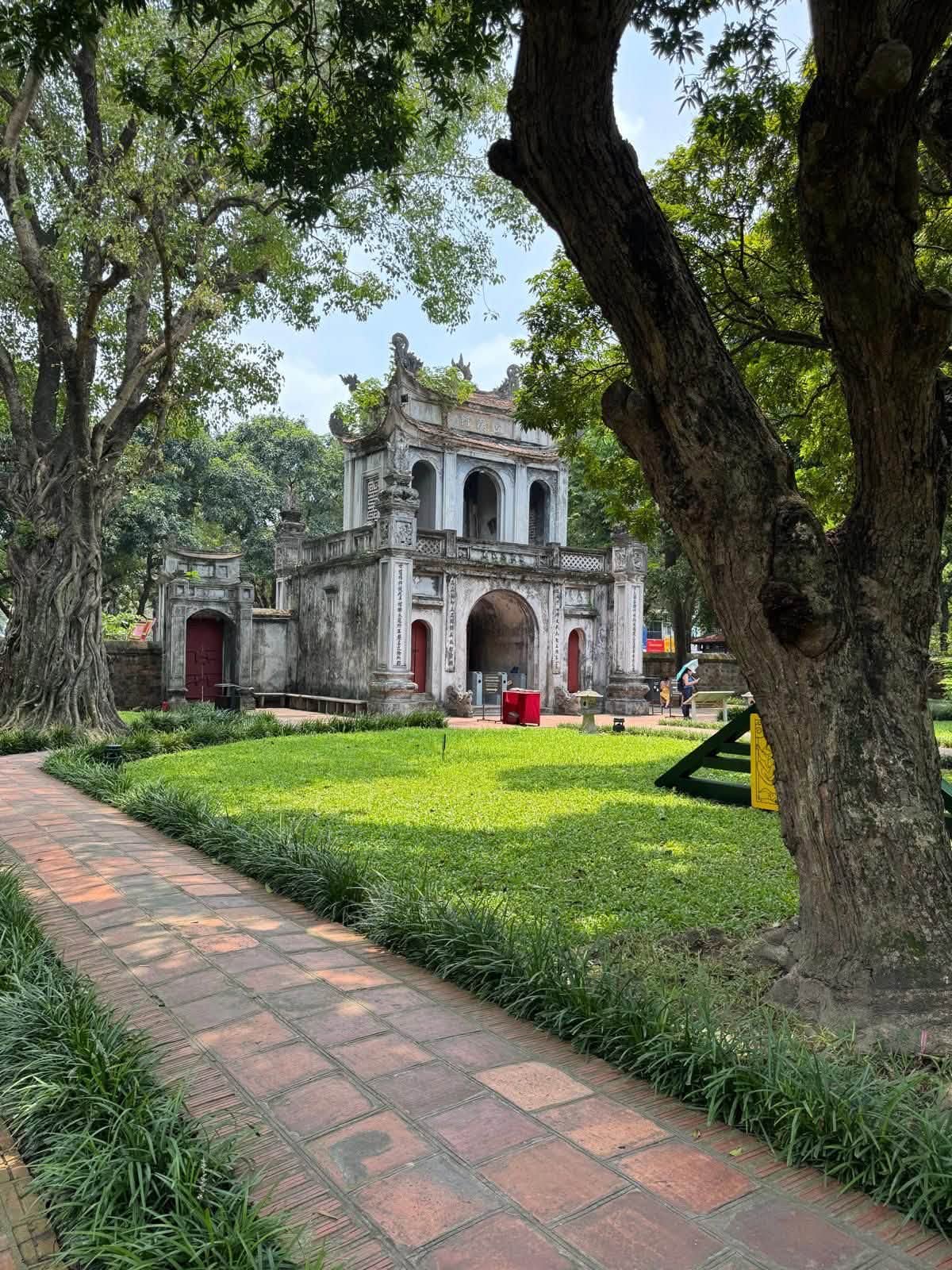
Historic architecture in Hanoi provides a starting point for exploring the city’s cultural heritage.
The Temple of Literature, known locally as Van Mieu – Quoc Tu Giam, is one of Hanoi's most significant cultural landmarks.
Established in 1070 under Emperor Ly Thanh Tong, the temple was dedicated to Confucius and the values of classical education. In 1076, the nearby Imperial Academy was established, becoming an important center for educating scholars and future government officials.
For centuries, education played a central role in Vietnamese society. Academic success offered talented individuals opportunities to serve the state and gain social recognition.
The temple's peaceful courtyards, traditional architecture, and stone stelae provide a fascinating introduction to this educational heritage.
The Historical Story
One of the most remarkable features is the collection of stone stelae recording successful candidates in royal doctoral examinations.
These inscriptions reflect the importance placed on scholarship, discipline, and public service.
The stelae are supported by stone turtles, traditionally associated with longevity and wisdom.
Even today, Vietnamese students visit the temple to celebrate graduation or seek inspiration before important examinations.
What You Can Learn
A guided visit can introduce Confucian philosophy, imperial examinations, traditional Vietnamese architecture, and the relationship between education and government.
Pay attention to the courtyards and ceremonial gates. Their arrangement reflects the values of learning, progression, and respect.
Suggested Cultural Experience
Combine a guided temple visit with a Vietnamese calligraphy demonstration or workshop, arranged in advance with a suitable local artisan.
Recommended time: 60–90 minutes for the temple, longer with a workshop.
Ideal for: Families, history enthusiasts, students, and first-time visitors.
2. Imperial Citadel of Thang Long – Explore a Thousand Years of Political History
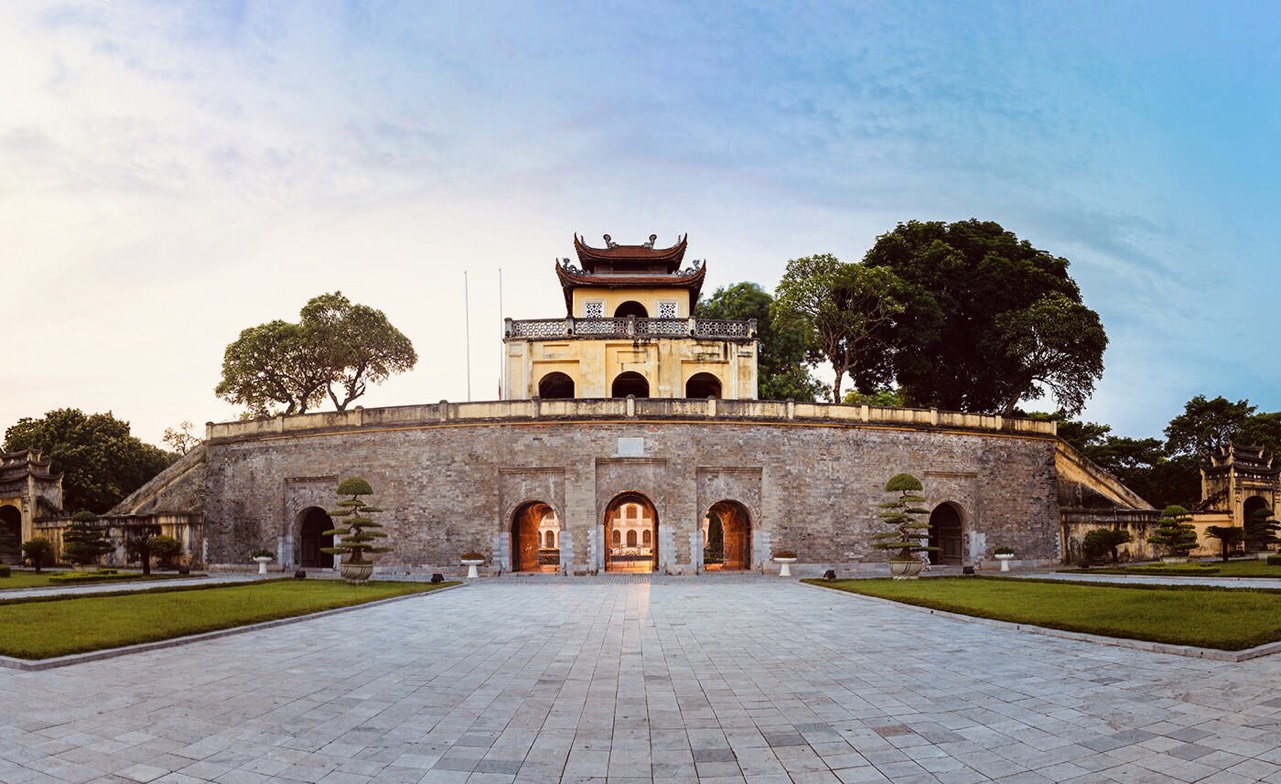
Doan Mon Gate at the Imperial Citadel of Thang Long, part of Hanoi’s royal heritage.
The Imperial Citadel of Thang Long is among the most important historical sites in Vietnam.
Recognized as a UNESCO World Heritage Site in 2010, the complex preserves archaeological evidence of Hanoi's long history as a political and administrative center.
When Emperor Ly Thai To moved the capital from Hoa Lu to Thang Long in 1010, he established the foundations of a city that would remain central to Vietnamese history.
The citadel subsequently developed through different dynasties, reflecting changing architectural styles, political systems, and cultural influences.
The Historical Story
The archaeological remains at 18 Hoang Dieu reveal successive historical layers, including foundations, ceramics, drainage systems, and architectural fragments.
These discoveries show that the capital evolved continuously rather than being constructed during a single historical period.
The surviving Doan Mon Gate, archaeological exhibits, and later structures help visitors understand how the imperial center changed over time.
The site also contains evidence connected to Vietnam's modern political and military history.
What You Can Learn
The Imperial Citadel provides an excellent introduction to Vietnamese dynasties, archaeology, royal architecture, and the development of an independent state.
A knowledgeable guide can explain how the Ly, Tran, and Le dynasties contributed to the evolution of Thang Long.
Suggested Cultural Experience
Take a guided historical tour connecting the Imperial Citadel, the Temple of Literature, and selected landmarks around Ba Dinh.
This route helps explain the relationship between imperial government, education, and modern Vietnamese history.
Recommended time: 90–120 minutes.
Ideal for: History lovers, cultural travelers, and visitors interested in archaeology.
3. Hanoi Old Quarter – Discover the Heritage of the 36 Streets
The Old Quarter connects trading streets, family businesses and everyday urban life.
Hanoi's Old Quarter is one of the city's most fascinating living cultural environments.
Unlike a preserved museum district, the Old Quarter remains a busy commercial and residential neighborhood.
Its narrow streets, traditional houses, family businesses, markets, and temples reveal the development of urban life over many generations. Our Hidden Gems in Hanoi guide suggests further places to explore beyond the familiar highlights.
The famous expression 36 streets reflects the historical organization of commercial neighborhoods associated with different trades.
Street names beginning with Hang often refer to products historically sold there.
For example, Hang Bac is associated with silver, while Hang Ma is known for paper goods and ceremonial decorations.
The Historical Story
As Thang Long developed into a political and commercial center, merchants and artisans established specialized trading streets near the imperial city.
Many craftspeople arrived from surrounding villages and maintained relationships with their places of origin.
Over time, these trading communities created the distinctive urban culture of Hanoi.
Although many businesses have changed, traces of the traditional commercial organization remain visible.
What You Can Learn
An Old Quarter walk can reveal the relationship between commerce, family life, architecture, and religious traditions.
Traditional tube houses are particularly interesting. Their narrow street frontage and deep interiors reflect historical urban conditions and commercial needs.
Small communal temples also illustrate the spiritual life of merchant communities.
Suggested Cultural Experience
Join a guided walking tour through Hang Bac, Hang Ma, Hang Buom, and neighboring streets.
Include a visit to a traditional house or heritage site where access is permitted, followed by a local food tasting.
Recommended time: 2–3 hours.
Ideal for: First-time visitors, photographers, architecture enthusiasts, and cultural explorers.
4. Hoan Kiem Lake and Ngoc Son Temple – Understanding Hanoi's Legends
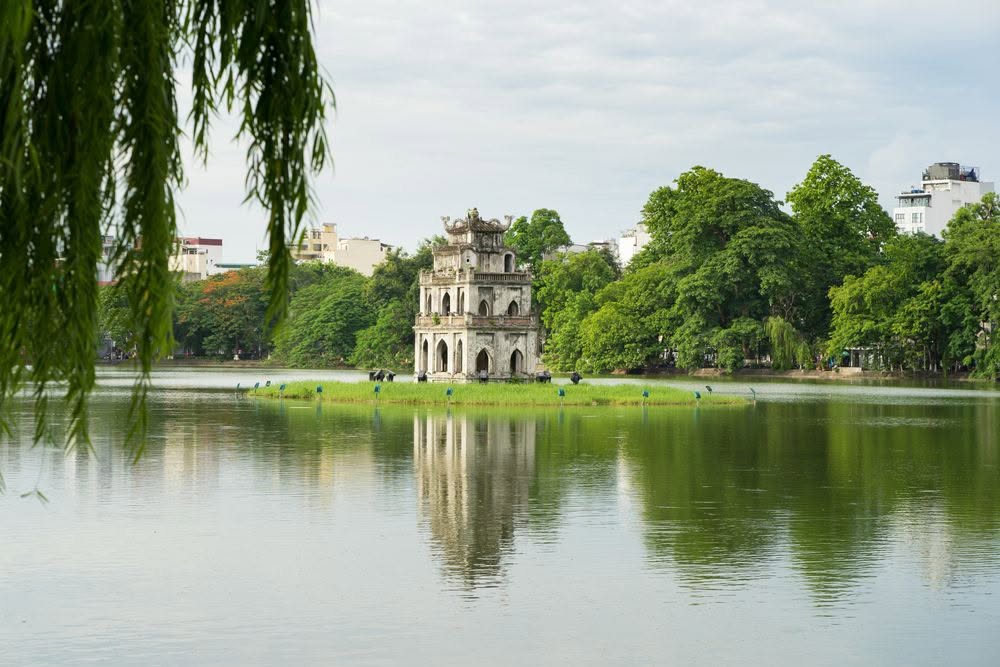
Turtle Tower on Hoan Kiem Lake, a setting closely associated with Hanoi’s legends.
Hoan Kiem Lake is one of Hanoi's most recognizable landmarks, but its cultural importance extends beyond its attractive setting.
The lake is closely connected with a famous Vietnamese legend involving Emperor Le Loi and a magical sword.
According to the traditional story, Le Loi received divine assistance in his struggle against Ming rule. After achieving independence, he returned the sword to a golden turtle in the lake.
The name Hoan Kiem means “Lake of the Returned Sword.”
The Historical Story
The legend expresses themes of national independence, moral responsibility, and the relationship between rulers and spiritual authority.
Ngoc Son Temple, situated on an island connected by the red-painted The Huc Bridge, adds another layer of cultural meaning.
The temple honors historical and spiritual figures, including the scholar Van Xuong and the military leader Tran Hung Dao.
What You Can Learn
Visitors can explore the role of legends in Vietnamese cultural identity and discover how historical figures, religious traditions, and public spaces are connected.
The lake also illustrates the importance of shared urban spaces in Hanoi.
Early in the morning, local residents gather nearby for exercise, conversation, and social activities.
Suggested Cultural Experience
Begin with an early-morning walk around the lake, followed by a guided visit to Ngoc Son Temple.
Continue into the Old Quarter to explore the relationship between traditional spiritual life and urban commerce.
Recommended time: 60–90 minutes.
Ideal for: Families, first-time travelers, and visitors interested in folklore.
5. Tran Quoc Pagoda and West Lake – Discovering Vietnamese Buddhism
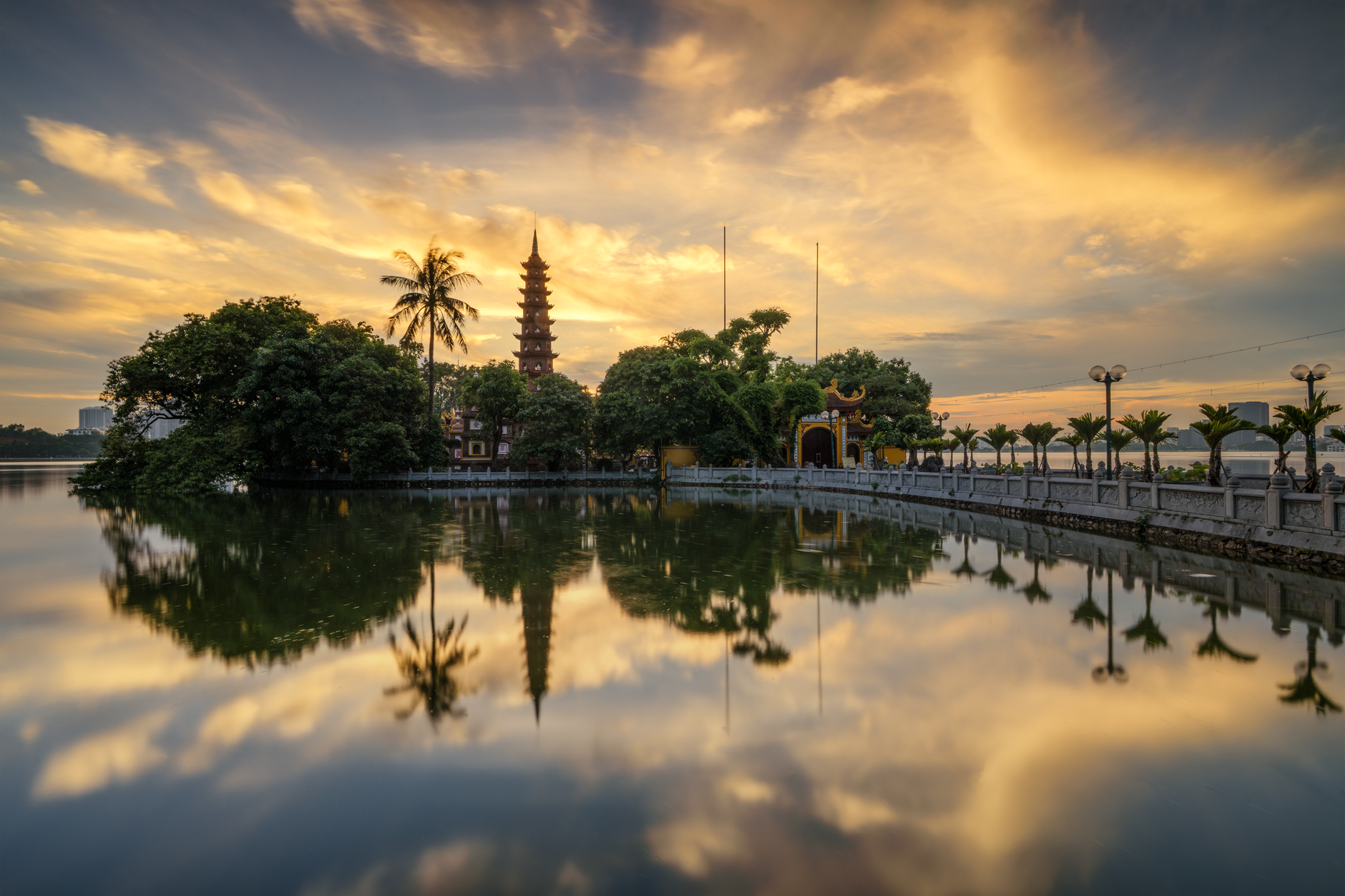
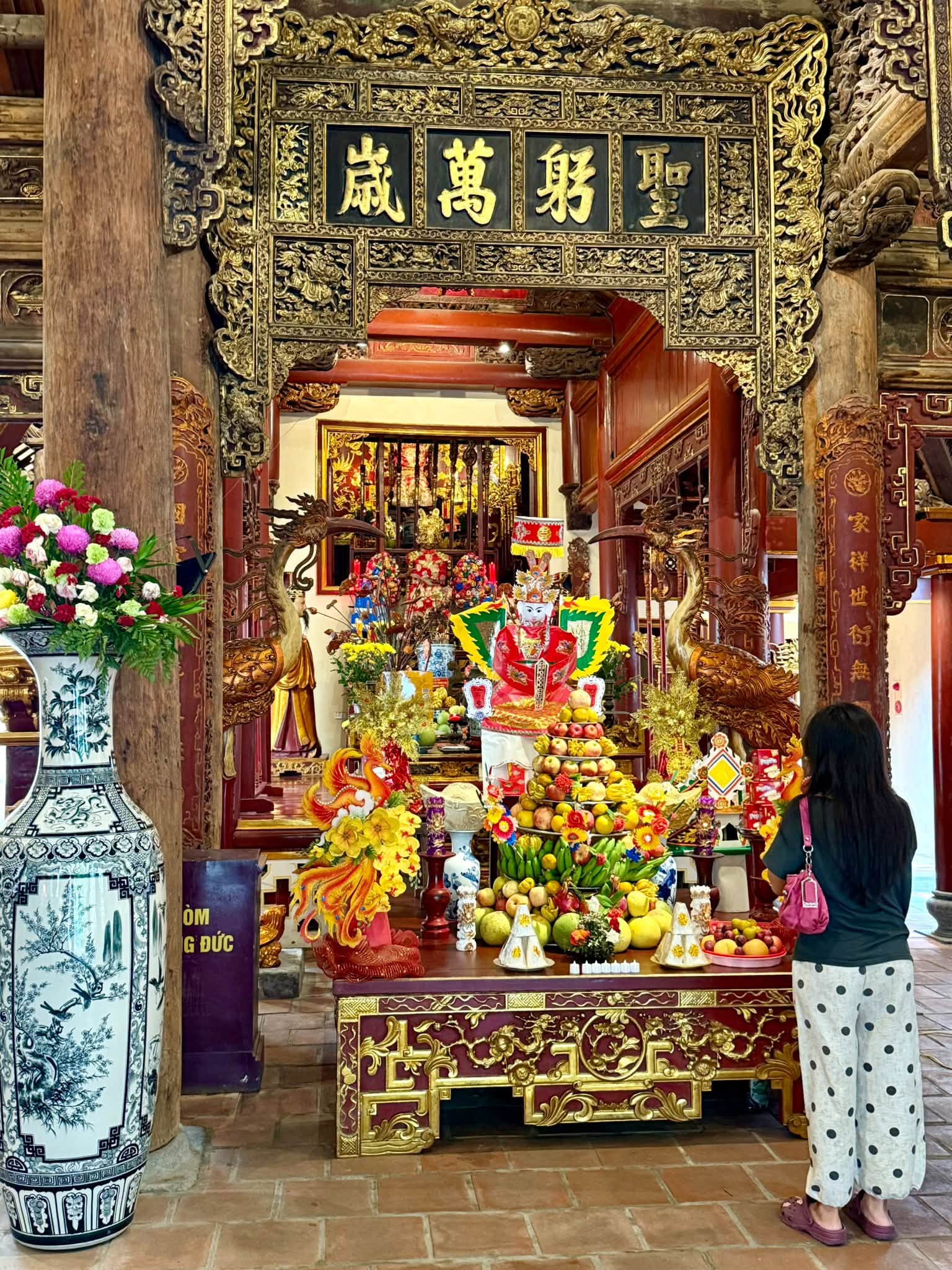
Tran Quoc Pagoda beside West Lake offers an introduction to Vietnamese Buddhist heritage.
Located beside West Lake, Tran Quoc Pagoda is one of Hanoi's most important Buddhist landmarks.
Its origins are traditionally traced to the sixth century, although the pagoda has been relocated and reconstructed over time.
The peaceful lakeside setting provides an opportunity to explore the role of Buddhism in Vietnamese society.
The Historical Story
Buddhism has influenced Vietnamese philosophy, architecture, art, and everyday customs for many centuries.
Pagodas have served as places of worship, reflection, community activity, and cultural continuity.
At Tran Quoc, visitors can observe traditional Buddhist architectural features, religious images, and the arrangement of worship spaces.
What You Can Learn
A guided visit can explain the difference between a Buddhist pagoda and a communal temple, the symbolism of Buddhist statues, and the importance of offerings and respectful behavior.
It is also an opportunity to understand how Buddhism coexists with ancestor worship and other Vietnamese spiritual traditions.
Suggested Cultural Experience
Combine Tran Quoc Pagoda with a West Lake cultural excursion, including Quan Thanh Temple and a discussion of traditional beliefs.
Visitors should dress modestly, speak quietly, and avoid interrupting worshippers.
Recommended time: 45–60 minutes at the pagoda.
Ideal for: Spiritual travelers, architecture enthusiasts, and cultural explorers.
6. Vietnam Museum of Ethnology – Understanding Vietnam's Cultural Diversity
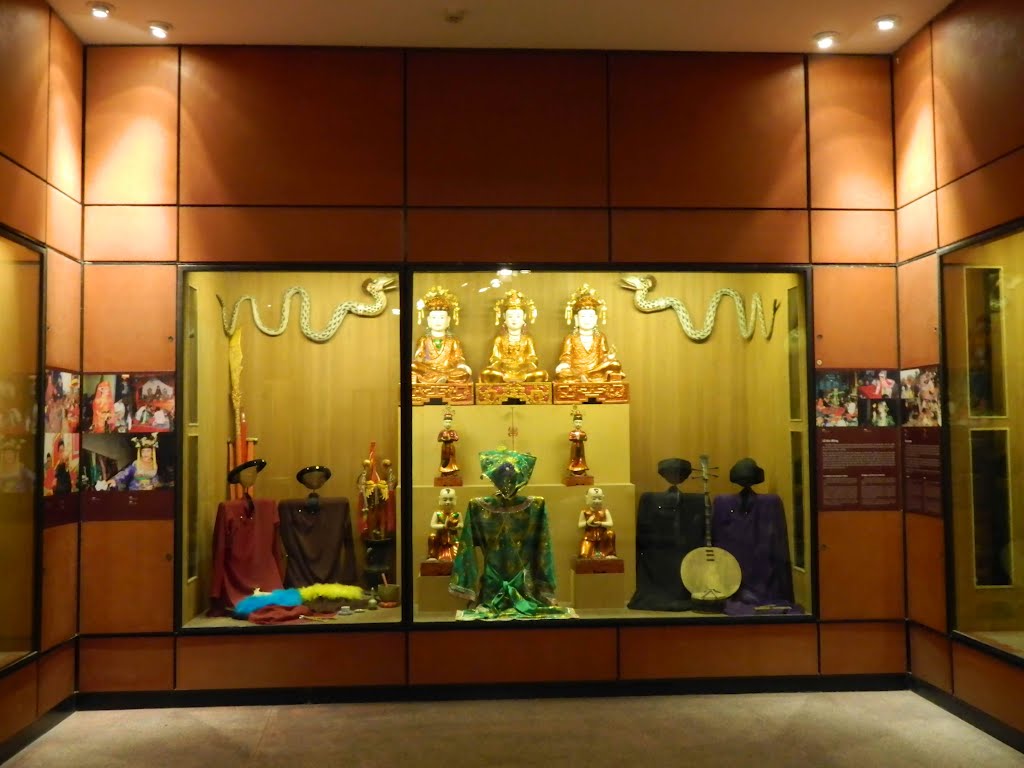
Museum displays offer opportunities to discuss beliefs, objects and cultural traditions.
Vietnam is home to 54 officially recognized ethnic groups, each contributing to the country's cultural diversity.
The Vietnam Museum of Ethnology introduces visitors to their traditional lifestyles, customs, architecture, clothing, and social practices.
For international travelers planning to explore Northern Vietnam's mountain regions, this museum is particularly valuable.
The Historical and Cultural Story
Vietnam's ethnic communities have developed different cultural traditions in response to geography, climate, livelihoods, and historical relationships.
The museum presents these traditions through artifacts, photographs, exhibitions, and architectural displays.
Its outdoor area features examples of traditional houses representing different communities.
These structures help visitors understand how architecture responds to family organization, social customs, and environmental conditions.
What You Can Learn
The museum provides insights into traditional clothing, agricultural practices, ceremonies, family structures, and community identity.
Rather than treating ethnic cultures as static traditions, visitors should recognize that these communities continue to change and adapt.
Suggested Cultural Experience
Visit the museum before traveling to Mai Chau, Pu Luong, Sapa, or Ha Giang.
A guided museum tour can provide useful background for later encounters with local communities.
Recommended time: 2–3 hours.
Ideal for: Families, students, cultural travelers, and visitors planning highland tours.
7. Water Puppetry – Discovering the Performing Arts of the Red River Delta
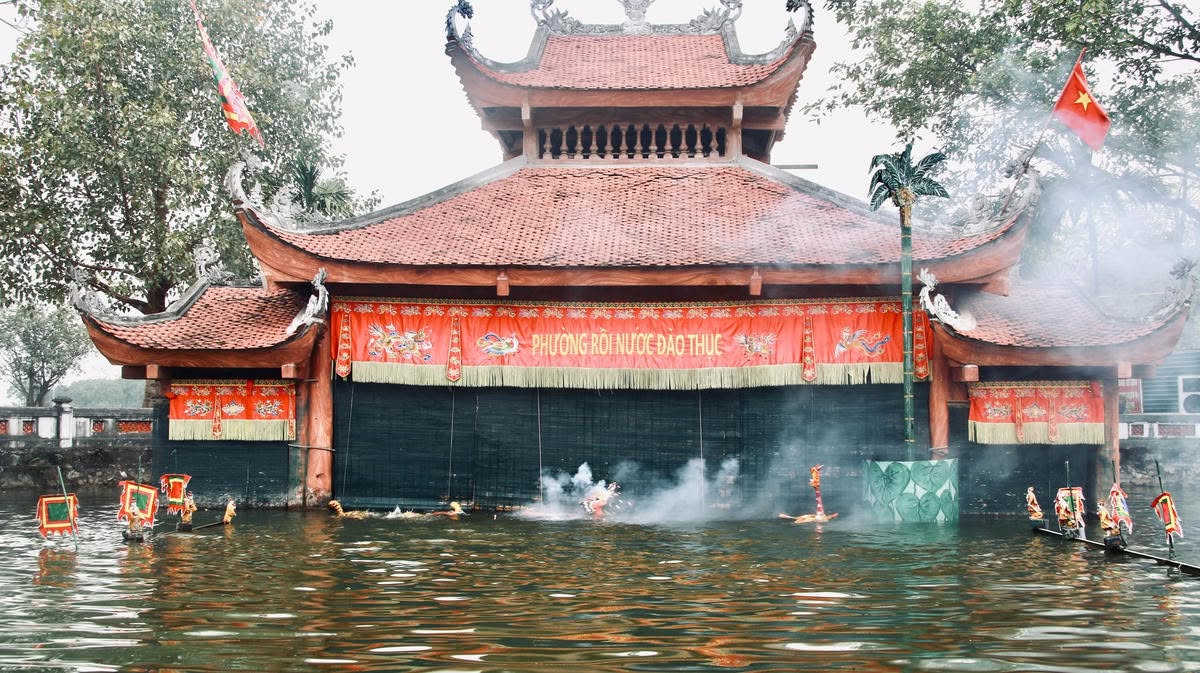
Dao Thuc’s water-puppetry tradition connects performing arts with Red River Delta village life.
Water puppetry, known as mua roi nuoc, is among Vietnam's most distinctive traditional performing arts.
The art form developed in the agricultural communities of the Red River Delta, where flooded rice fields and village ponds provided an unusual performance environment.
Today, water puppet shows remain an entertaining introduction to Vietnamese folklore and rural traditions.
The Historical Story
Traditional performances depict scenes from village life, including fishing, rice cultivation, festivals, and encounters with legendary creatures.
Colorful wooden puppets move across the water, controlled by performers concealed behind a screen.
Live traditional music accompanies the action.
The humorous character Teu often appears as a storyteller or master of ceremonies.
What You Can Learn
Water puppetry introduces visitors to the agricultural foundations of Vietnamese culture.
The performances reveal how humor, music, folklore, and community celebrations were connected to village life.
Even when visitors do not understand every spoken word, the visual storytelling is accessible.
Suggested Cultural Experience
Attend a performance at a Hanoi water puppet theater.
For travelers seeking a deeper experience, consider an excursion to Dao Thuc Village, where traditional puppetry and puppet-making can be explored through suitable prearranged visits.
Recommended time: Approximately 45–60 minutes for a theater performance.
Ideal for: Families, couples, and visitors interested in traditional arts.
8. Bat Trang Pottery Village – Learning Through Traditional Craftsmanship
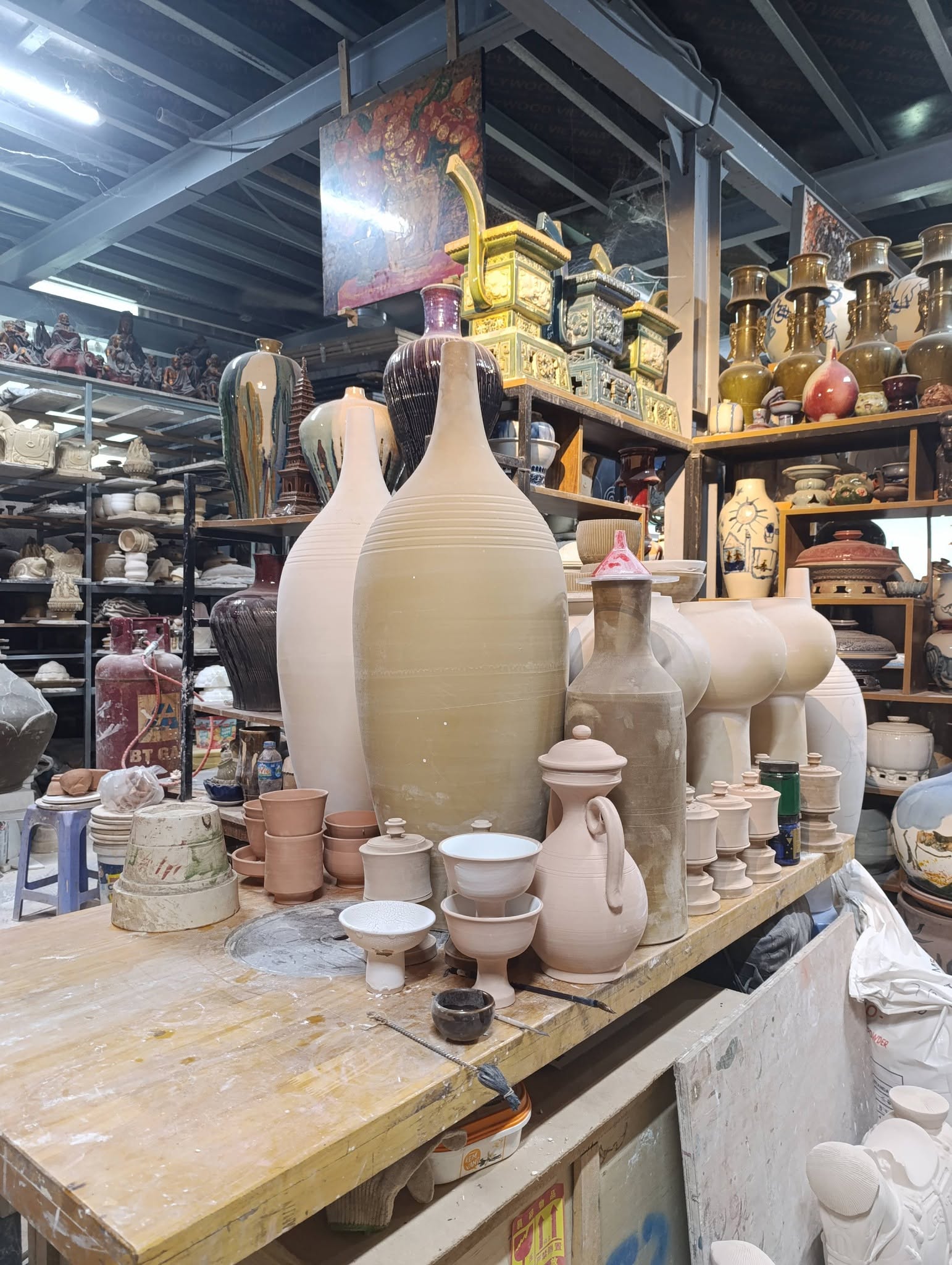
Bat Trang Pottery Village provides a setting for learning about ceramic craftsmanship.
Bat Trang is one of the best-known traditional pottery villages near Hanoi.
Located beside the Red River, the village has a long history of ceramic production and trade.
Its workshops, kilns, pottery shops, and local streets offer visitors a practical introduction to Vietnamese craftsmanship.
The Historical Story
Ceramic production became an important economic activity in the Red River Delta as trade networks expanded.
Bat Trang developed a reputation for household ceramics, decorative objects, and religious items.
Over generations, families passed down techniques involving clay preparation, shaping, glazing, and firing.
Today, traditional skills coexist with modern production methods.
What You Can Learn
A visit can explain how pottery is produced, why different glazes and firing techniques matter, and how craft villages adapt to changing markets.
Visitors can also discover the relationship between ceramic products and Vietnamese daily life, from tea drinking to ancestor worship.
Suggested Cultural Experience
Arrange a pottery-making workshop where travelers can try shaping or decorating a ceramic item.
Combine the workshop with a guided walk through the village and a visit to a local pottery showroom.
Recommended time: Half day, including transfers from central Hanoi.
Ideal for: Families, creative travelers, and visitors interested in handicrafts.
9. Van Phuc Silk Village – Exploring Vietnam's Textile Heritage
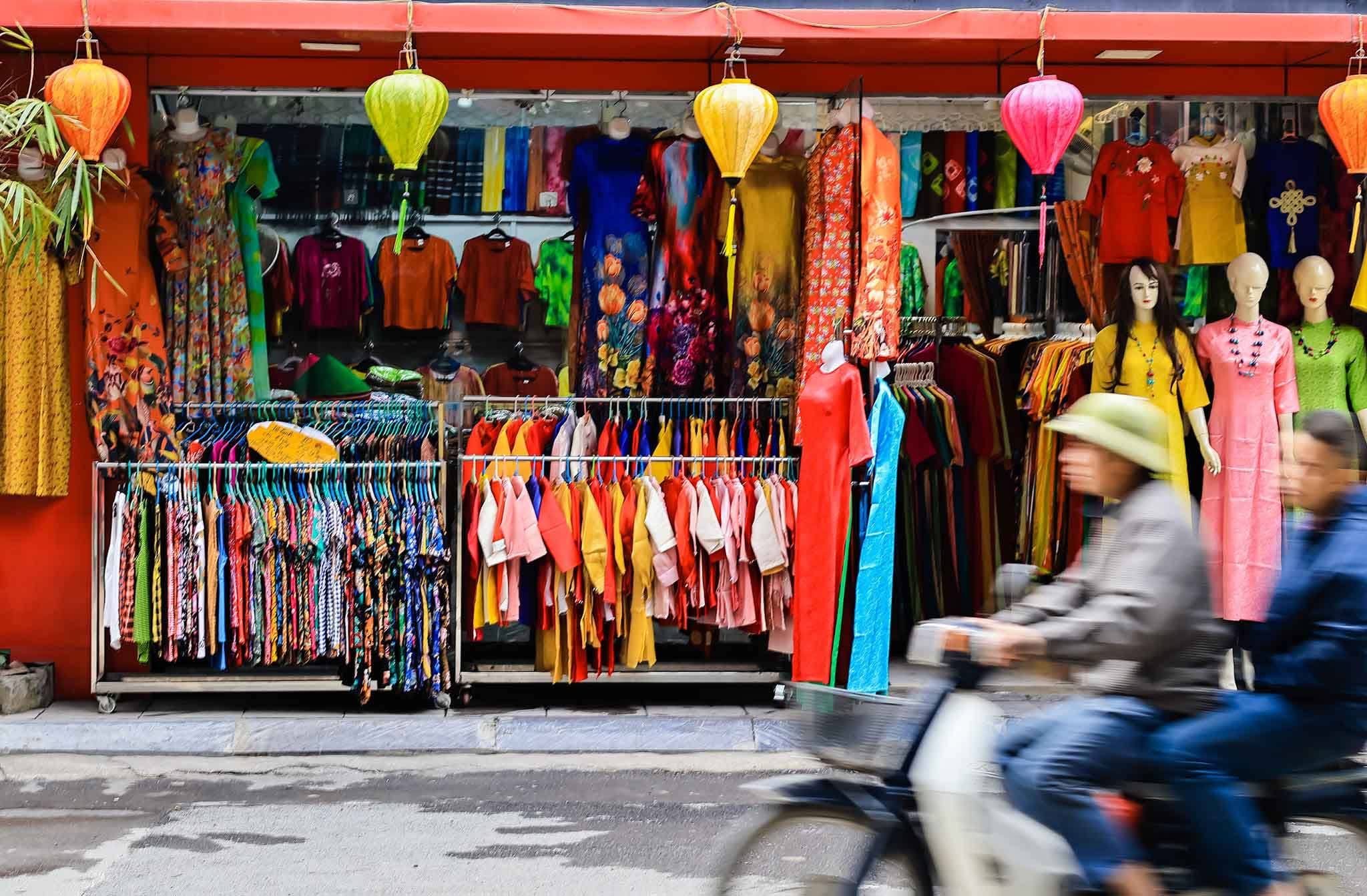
Shops and colourful displays in Van Phuc reflect the village’s contemporary visitor experience.
Van Phuc Silk Village is associated with traditional silk weaving and textile craftsmanship.
Situated in the greater Hanoi area, it offers an opportunity to understand the relationship between clothing, craftsmanship, and cultural identity.
The Historical Story
Silk has long been valued in Vietnamese society for clothing, ceremonial use, and trade.
Traditional weaving communities developed specialized knowledge of fibers, looms, patterns, and textile finishing.
In Van Phuc, silk production became an important part of the local economy and cultural identity.
Although modern commercial activities have transformed the village, visitors can still explore its weaving heritage.
What You Can Learn
A guided visit can explain how silk is produced and woven, how traditional patterns are created, and how textiles have been used in Vietnamese clothing.
Travelers can also learn about the ao dai, Vietnam's iconic traditional dress, and its evolution over time.
Suggested Cultural Experience
Visit a weaving workshop where demonstrations are available, explore the village, and learn how to recognize different types of silk products.
For travelers interested in fashion or textiles, a private visit can include additional discussion with local artisans.
Recommended time: Half day.
Ideal for: Textile enthusiasts, shoppers, and cultural travelers.
10. Duong Lam Ancient Village – Experiencing Traditional Rural Architecture
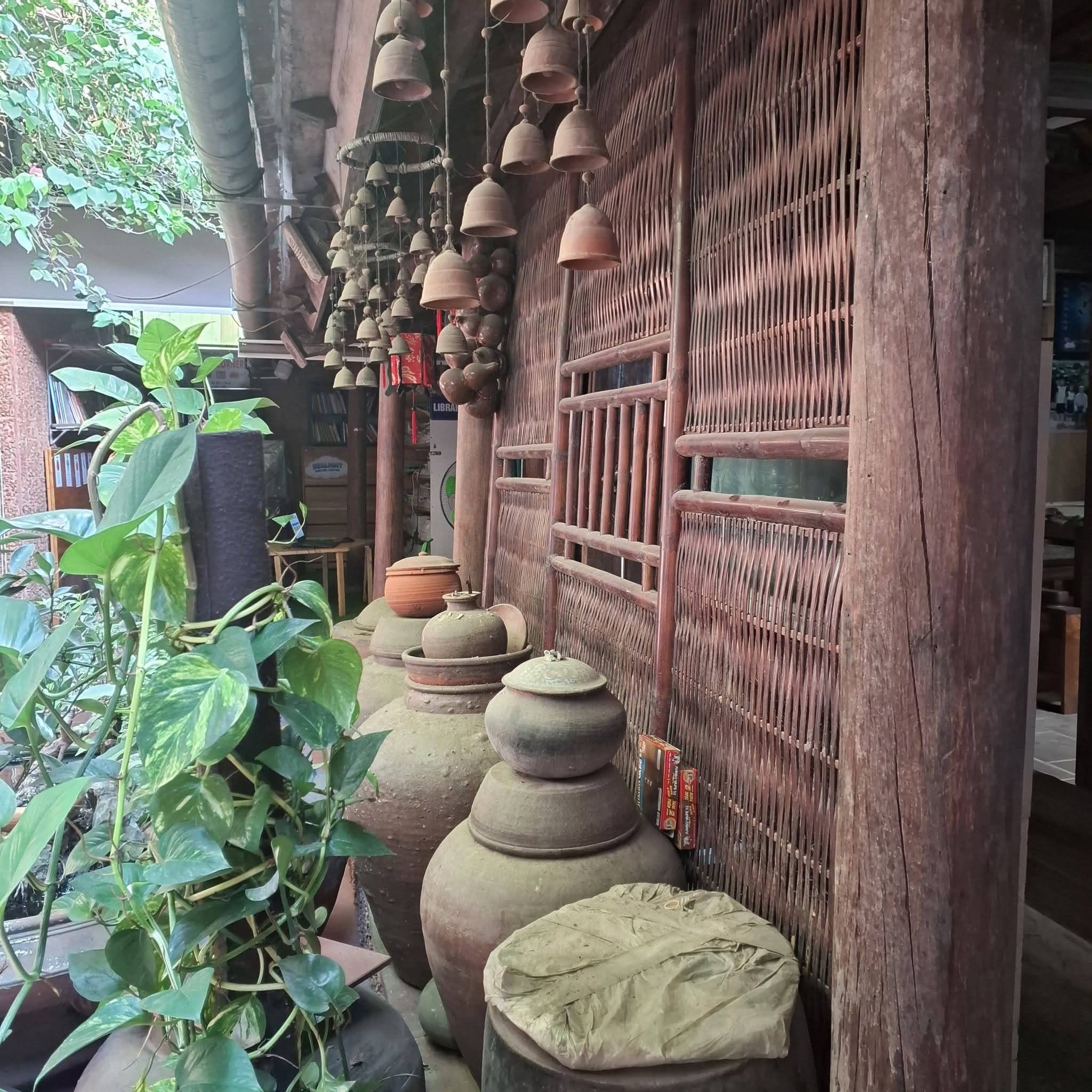
Duong Lam’s village architecture reflects the rural heritage of the Red River Delta.
Duong Lam offers a valuable opportunity to explore traditional village life outside central Hanoi.
Known for its historic houses, village gates, communal spaces, and laterite architecture, the village preserves important elements of the Red River Delta's rural heritage.
The Historical Story
Traditional Vietnamese villages developed around agriculture, family relationships, community institutions, and local religious practices.
Duong Lam's architecture reflects these social structures.
Many traditional houses feature courtyards, ancestral worship spaces, and building materials adapted to local conditions.
The village is also associated with important historical figures, including Phung Hung and Ngo Quyen.
What You Can Learn
Visitors can discover how rural architecture reflects family organization, agricultural livelihoods, and community traditions.
A guided walk can explain the functions of village gates, communal houses, temples, and ancestral spaces.
Importantly, Duong Lam remains a residential community rather than an open-air museum.
Respect for private property and local residents is essential.
Suggested Cultural Experience
Take a full-day excursion from Hanoi, including a village walk, visits to selected heritage houses where access is permitted, and a traditional local lunch.
A knowledgeable guide can explain architectural details and the historical development of the village.
Recommended time: Full day, including transfers.
Ideal for: History enthusiasts, photographers, and travelers interested in rural culture.
11. Hanoi's Traditional Food Culture – Discovering History Through Cuisine
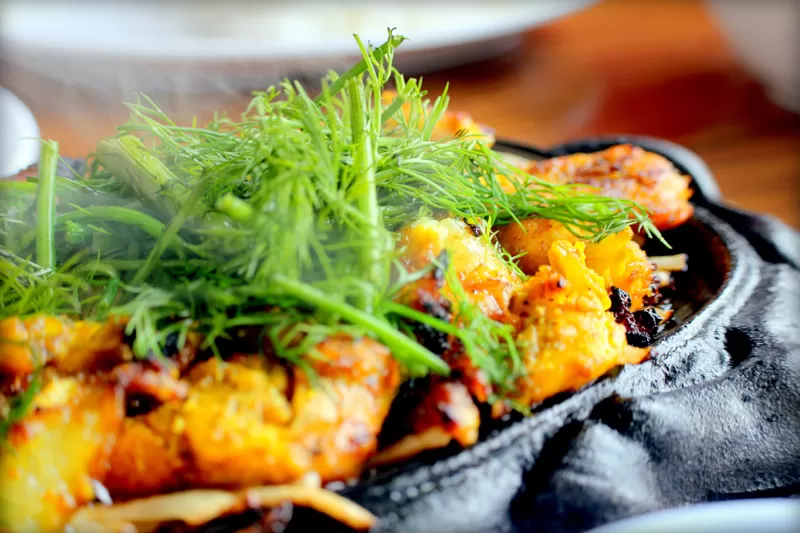
A Hanoi food experience connects regional cooking with everyday city life.
Food is one of the most accessible ways to understand Hanoi's cultural identity.
The city's cuisine reflects its climate, agricultural traditions, urban history, and family customs.
Rather than viewing a food tour simply as an opportunity to taste popular dishes, visitors can use it to explore the relationship between ingredients, neighborhoods, and everyday life.
The Cultural Story Behind Hanoi Cuisine
Hanoi's traditional food culture developed through local markets, family kitchens, street vendors, and specialized food establishments.
Dishes such as pho, bun cha, banh cuon, and cha ca reflect different cooking techniques and regional traditions.
Markets have long played an essential role in supplying fresh ingredients and supporting local food businesses.
The Old Quarter's narrow streets also encouraged the development of small eateries and specialized vendors.
What You Can Learn
A guided food experience can introduce Vietnamese herbs, rice products, dipping sauces, cooking methods, and dining customs.
Travelers may discover how a dish is prepared, why certain ingredients are combined, and how food traditions vary between Northern and Southern Vietnam.
Suggested Cultural Experience
Join a Hanoi food tour that combines market exploration, traditional dishes, and discussions about culinary history.
For a more interactive experience, arrange a cooking class with a local instructor.
Recommended time: 3–4 hours.
Ideal for: Food lovers, families, and first-time visitors.
12. Vietnamese Coffee Culture – Understanding Hanoi's Social Life
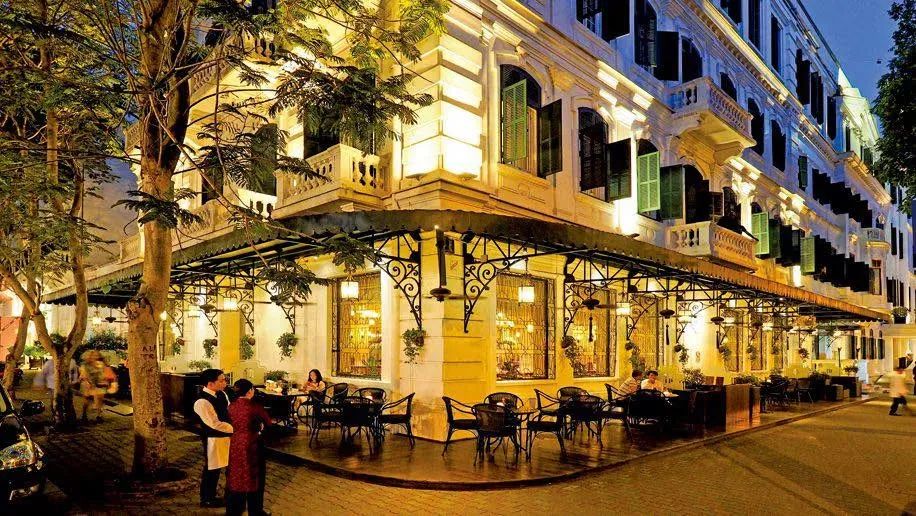
A Hanoi pavement café illustrates the social setting of the city’s coffee culture.
Coffee has become an important part of Hanoi's everyday social culture.
From traditional street cafés to contemporary coffee houses, the city offers a wide variety of settings where people meet, work, relax, and observe urban life.
The Historical Story
Coffee cultivation and consumption expanded in Vietnam during the French colonial period.
Over time, Vietnamese consumers developed distinctive preparation methods and drinking traditions.
Hanoi became particularly associated with egg coffee, a rich beverage traditionally made with coffee and a whipped egg-based mixture.
The drink is commonly linked to the creativity of Hanoi café culture in the twentieth century.
What You Can Learn
Coffee experiences can reveal how imported ingredients and practices were adapted to Vietnamese tastes.
They also provide insights into social customs and the importance of cafés as informal meeting places.
Suggested Cultural Experience
Include a traditional coffee stop during an Old Quarter walking tour.
For visitors interested in food preparation, a prearranged egg coffee workshop can provide a hands-on introduction to the technique.
Recommended time: 30–60 minutes for a café visit; longer for a workshop.
Ideal for: Food enthusiasts, couples, and independent travelers.
Suggested Hanoi Cultural Tours: From Half-Day Discovery to Multi-Day Experiences
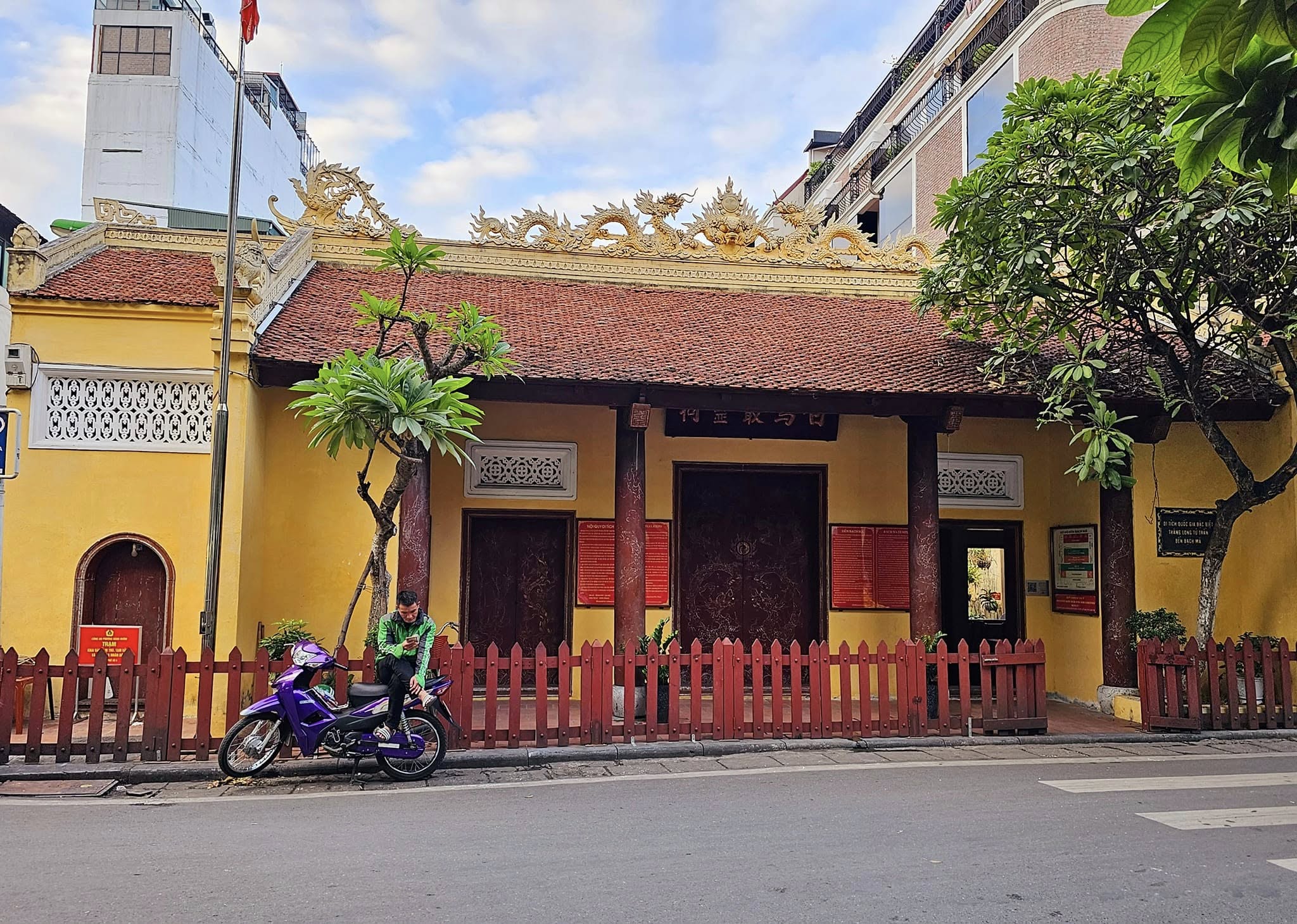
Kim Ngan Communal House adds a craft-community perspective to an Old Quarter cultural walk.
The best way to explore Hanoi's cultural heritage is to combine complementary attractions rather than visit unrelated sites simply to complete a checklist.
Suggested route: Temple of Literature – Imperial Citadel of Thang Long – Traditional Coffee Experience
Begin at the Temple of Literature to understand Vietnam's educational heritage.
Continue to the Imperial Citadel, where archaeological discoveries reveal the development of the capital through successive dynasties.
Finish with a traditional coffee experience and a discussion about Hanoi's changing urban culture.
Duration: Approximately 4–5 hours.
Best for: First-time visitors, couples, and history enthusiasts.
Learning focus: Education, imperial history, architecture, and cultural continuity.
Tour 2: Hanoi Old Quarter and Living Traditions – Full Day
Suggested route: Hoan Kiem Lake – Ngoc Son Temple – Old Quarter Walking Tour – Local Food Experience – Water Puppet Show
Start with the legend of Hoan Kiem Lake and the spiritual heritage of Ngoc Son Temple.
Explore the Old Quarter's traditional commercial streets, family businesses, and historic architecture.
Enjoy a guided introduction to Hanoi's culinary traditions before attending a water puppet performance.
Duration: Approximately 7–8 hours, including breaks.
Best for: Families and first-time visitors.
Learning focus: Folklore, urban history, food culture, and performing arts.
Tour 3: Hanoi Traditional Craft Villages – Full Day
Suggested route: Bat Trang Pottery Village – Pottery Workshop – Van Phuc Silk Village
Discover two important forms of Vietnamese craftsmanship.
At Bat Trang, learn about ceramic production and participate in a hands-on pottery activity.
Continue to Van Phuc to explore silk weaving and traditional textiles.
Because the villages lie in different directions from central Hanoi, allow sufficient time for road transfers and confirm workshop availability before departure.
Duration: Approximately 7–9 hours.
Best for: Families, creative travelers, and handicraft enthusiasts.
Learning focus: Traditional production, artisan livelihoods, and cultural preservation.
Tour 4: Hanoi Cultural Immersion – 2 Days 1 Night
Day 1: Hanoi's Historical and Spiritual Heritage
Visit the Temple of Literature, Imperial Citadel, Hoan Kiem Lake, and selected Old Quarter landmarks.
Include a traditional food experience and an evening water puppet performance.
Day 2: Rural Heritage and Village Life
Travel to Duong Lam Ancient Village for a guided exploration of traditional houses, village institutions, and rural architecture.
Enjoy a local lunch and return to Hanoi in the afternoon.
Best for: Travelers who want a deeper introduction to Hanoi's cultural identity.
These are sample itineraries. Actual programs should be adapted to attraction opening days, traffic, available workshops, and individual interests.
Practical Tips for Exploring Hanoi Cultural Attractions
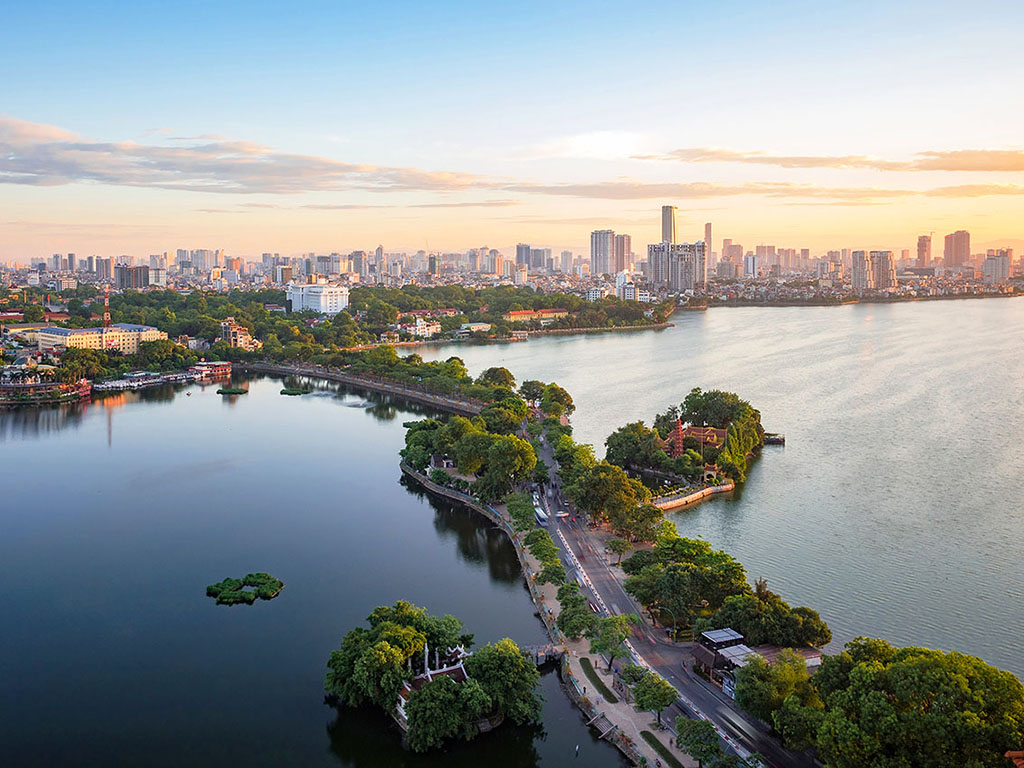
West Lake offers a slower setting for a cultural visit; allow time between stops.
Travel with a Knowledgeable Local Guide
Many historical landmarks become more meaningful when their stories are explained.
A guide can introduce cultural symbolism, historical context, and traditions that may not be obvious from architecture alone.
Respect Religious and Cultural Customs
Dress modestly when visiting temples and pagodas.
Avoid interrupting ceremonies, ask permission before photographing worshippers, and follow local instructions.
Choose Authentic Learning Experiences
Prioritize workshops and village visits where artisans actively participate and visitors can learn about their work.
Avoid treating local communities as staged attractions.
Allow Time for Observation
Cultural discovery is not always about scheduled activities.
Watching a morning market, observing traditional crafts, or enjoying a conversation over coffee can provide valuable insights into Hanoi's everyday life.
Consider the Weather and Travel Conditions
Hanoi can be hot and humid in summer and cool during winter.
Outdoor village excursions may be affected by rain, while road travel can take longer during busy periods.
Confirm Opening Hours and Workshop Availability
Museum schedules, religious activities, performances, and craft demonstrations can change.
Advance confirmation is especially important for private workshops and specialized cultural tours.
Frequently Asked Questions About Hanoi Cultural Attractions
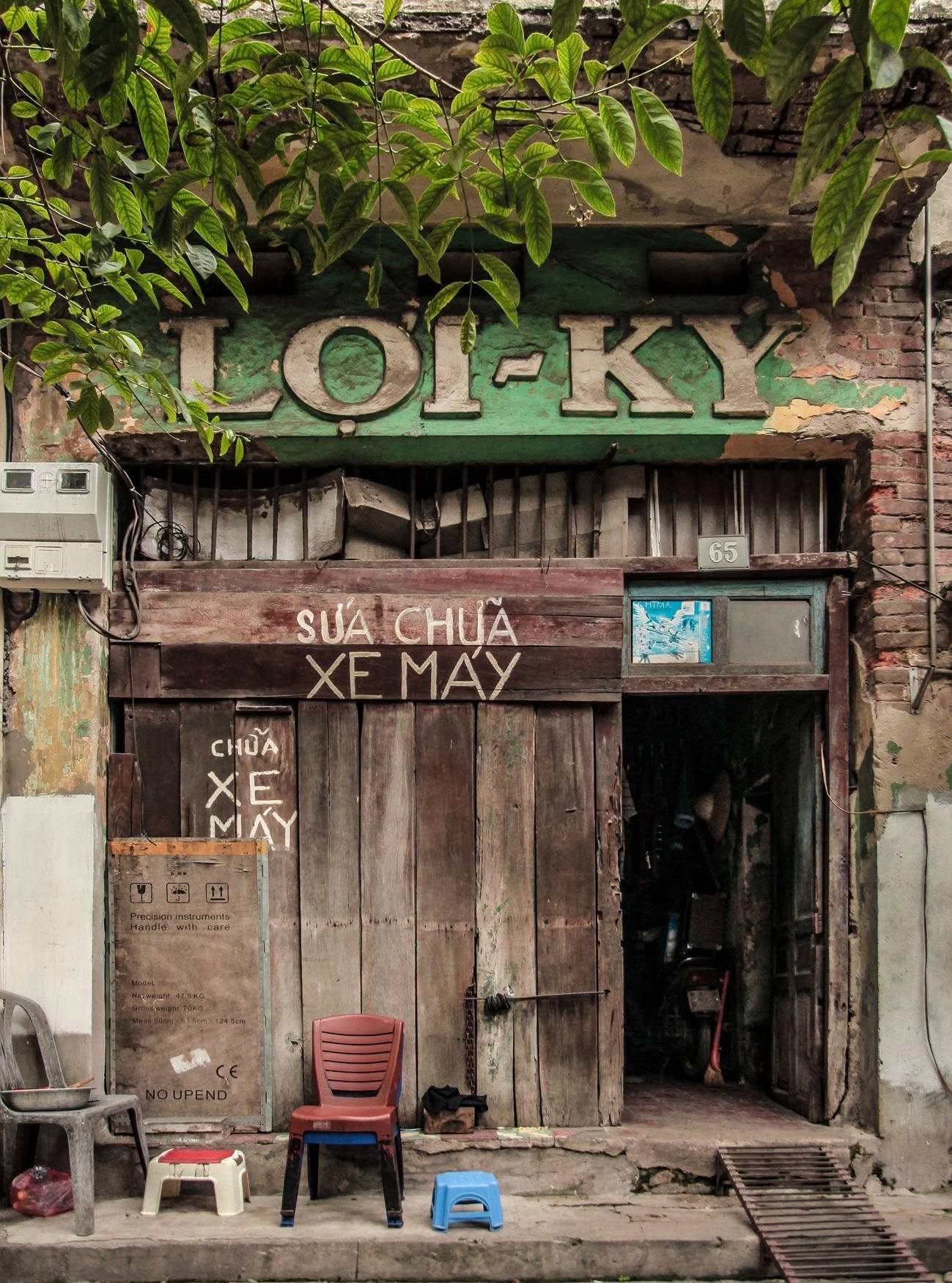
Traditional tube houses illustrate Hanoi’s compact urban architecture.
What are the best cultural attractions in Hanoi for first-time visitors?
The Temple of Literature, Imperial Citadel of Thang Long, Hoan Kiem Lake, Ngoc Son Temple, Old Quarter, and a traditional water puppet performance provide an excellent introduction to Hanoi's history and culture.
Is Hanoi suitable for educational family travel?
Yes. Families can enjoy interactive pottery workshops, water puppet performances, traditional food experiences, and museum visits. Activities should be selected according to children's ages and interests.
How many days should I spend exploring Hanoi's culture?
Two or three days allow visitors to combine major historical landmarks, traditional neighborhoods, museums, and cultural experiences. Additional time is recommended for craft villages and countryside excursions.
Can I visit traditional villages near Hanoi?
Yes. Bat Trang, Van Phuc, Duong Lam, and Dao Thuc are among the destinations that can be included in cultural excursions. Workshop access and travel arrangements should be confirmed in advance.
What makes Hanoi different from other cultural destinations in Vietnam?
Hanoi combines a long history as a political capital with distinctive urban neighborhoods, educational traditions, spiritual landmarks, Red River Delta craftsmanship, and a rich food culture.
Are private Hanoi cultural tours available?
Private cultural tours can be designed around history, architecture, traditional crafts, food, photography, or family learning experiences. Itineraries can be adapted to preferred travel times, interests, and available services.
Final Thoughts: Discover Hanoi Through Its Stories
Duong Lam offers another perspective on the relationship between heritage and daily life.
Hanoi's greatest cultural attractions are not simply its ancient buildings or famous monuments.
They are the stories, beliefs, skills, and traditions that connect the city's past with its present.
The Temple of Literature reveals the importance of education. The Imperial Citadel explains the development of Vietnamese political history. The Old Quarter illustrates centuries of commerce and urban life.
Traditional craft villages demonstrate the creativity of local artisans, while water puppetry, food culture, and coffee traditions reveal the everyday experiences that make Hanoi distinctive.
For international travelers, the most rewarding cultural journey combines sightseeing with understanding.
Take time to ask questions, meet local people, participate in suitable learning experiences, and discover the historical meaning behind the places you visit.
At Vietnamtravels.com, we believe travel becomes more memorable when knowledge and experience come together.
Our local travel specialists can help you create a private Hanoi cultural tour combining historical attractions, traditional workshops, authentic cuisine, and meaningful encounters with local communities.