Vietnam Tours: How to Choose the Right Journey for Your First Visit
November 11, 20266 min read
Comparing Vietnam tours can feel overwhelming when every itinerary promises scenery, culture and memorable experiences. The useful question is which journey fits your interests, available time and preferred pace. A good tour should make the country easier to understand, rather than simply move you between famous places. For first-time international visitors, start with the experiences you want, then examine how the route, guiding and daily arrangements support them. This guide offers a practical way to compare proposals before making a commitment.
Choose a region before adding more destinations
Village scenery in Mai Chau offers one option for a northern Vietnam journey.
Vietnam's northern mountains, central heritage towns and southern waterways offer different kinds of discovery. A route focused on Hanoi and the north can combine city life, limestone scenery and rural visits. Central Vietnam suits travelers interested in Hue, Hoi An and the relationship between historical sites and living communities. In the south, Ho Chi Minh City and the Mekong Delta introduce another urban and river-based perspective.
Choose one main reason for the trip. You might want cultural interpretation, gentle countryside walks, food experiences or time near the sea. Treat other activities as additions, not competing priorities. A family that wants relaxed afternoons may need a different proposal from friends seeking long trekking days, even when both groups name the same destinations.
For a short holiday, concentrating on one region can create more time for experiences and fewer transfers. With a longer stay, combining regions becomes more practical, provided transport days are recognized as part of the holiday. Use our Vietnam tours collection to compare themes, then assess the actual daily program instead of selecting the itinerary with the longest destination list.
Match the tour format to your travel style
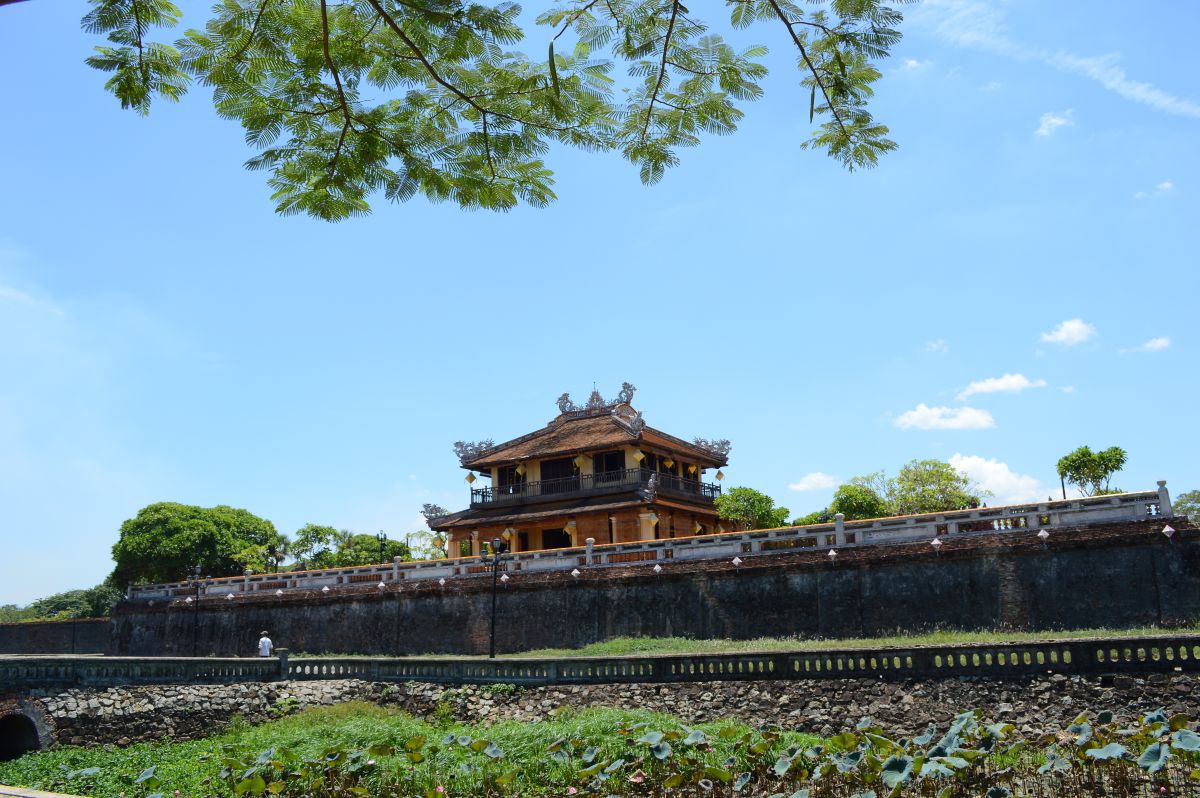
Imperial heritage in Hue can form part of a guided cultural route.
Private travel can offer flexibility in the daily pace, subject to the services and arrangements agreed in advance. It may suit families, couples or travelers with particular interests. Ask what is genuinely adjustable: a private vehicle does not automatically make museum hours, cruise departures or workshop access flexible. Confirm the guiding arrangement for each part of the route.
A shared small-group tour can provide companionship and a structured program. The trade-off is that departure dates, meal stops and activity timing usually need to suit the whole group. Ask about the maximum group size, minimum numbers needed for departure and what happens if the trip does not operate. Request the actual terms rather than assuming every advertised date is guaranteed.
A partially guided itinerary offers another option: organized transfers and selected guided visits, with independent time between them. This can work well if you enjoy exploring but want help with complicated connections. Clarify where assistance begins and ends, whether support is available outside office hours and who handles a missed connection. Choose the format that suits your confidence and expectations, not just the lowest initial quotation.
Read the daily itinerary as a traveler
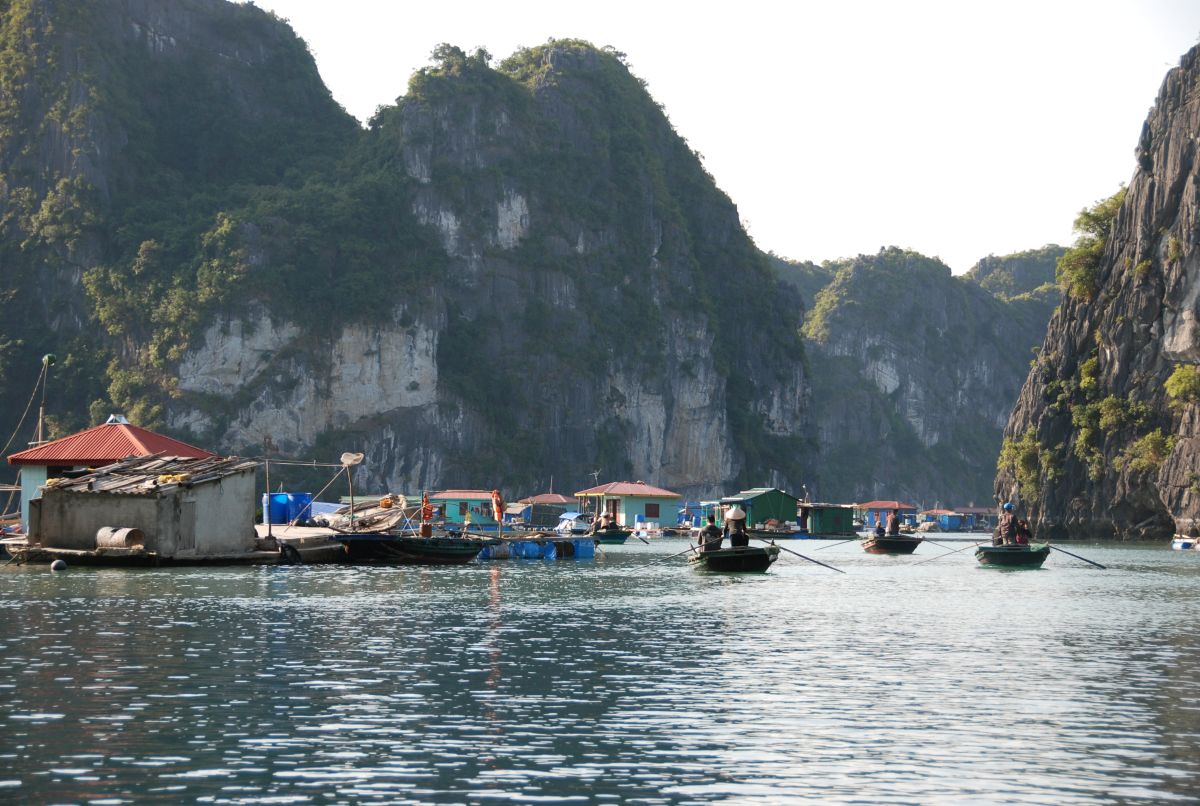
A floating settlement in Ha Long Bay adds context to a cruise itinerary.
Look at each day from breakfast to bedtime. Count the transfers, hotel changes and scheduled visits, then imagine the time needed to pack, wait, check in and rest. A map can make distances appear manageable while hiding the effort of moving between accommodation and transport. Ask for realistic travel estimates and identify days likely to feel busiest.
For cultural discovery, find out what happens at each stop. A village visit might mean a brief walk, a demonstration or a hands-on activity. A city tour could cover several short photo stops or a slower visit with meaningful explanation. Request named places and activity descriptions. The value often lies in the interpretation and time available, not the number of stops.
Compare the balance of organized and free time. Leave space for a cafe, an unexpected conversation or an afternoon when the heat feels tiring. Our two-week Vietnam itinerary provides a starting point for a longer journey. Adapt it to your interests rather than treating it as a compulsory circuit. Cruise excursions and outdoor activities can change with weather and local operating decisions, so ask about alternatives.
Compare the full proposal, not only the headline price
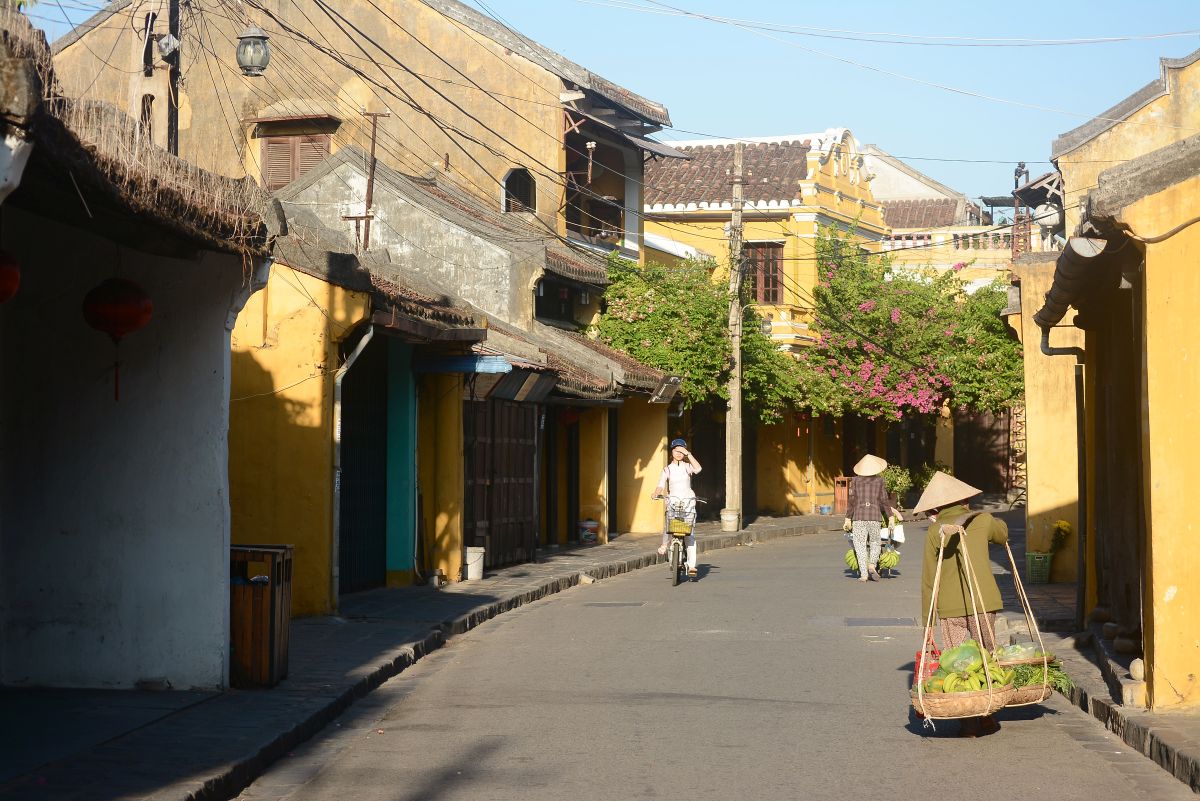
Historic streets in Hoi An offer guided exploration and independent time.
A useful quotation should explain accommodation, transport, guiding, meals, entrance fees and any separately priced activities. Ask whether domestic flights, baggage, cruise transfers and airport arrangements are included. For hotels, request the room category and substitution policy as well as the property name. Two proposals with similar totals may provide different services.
Check the practical details that affect comfort: walking distances, stairs, vehicle capacity and access to appropriate rest stops. Discuss dietary needs, allergies and mobility considerations before booking. A general assurance that a tour is suitable for everyone is less useful than a clear explanation of the actual conditions and available adjustments.
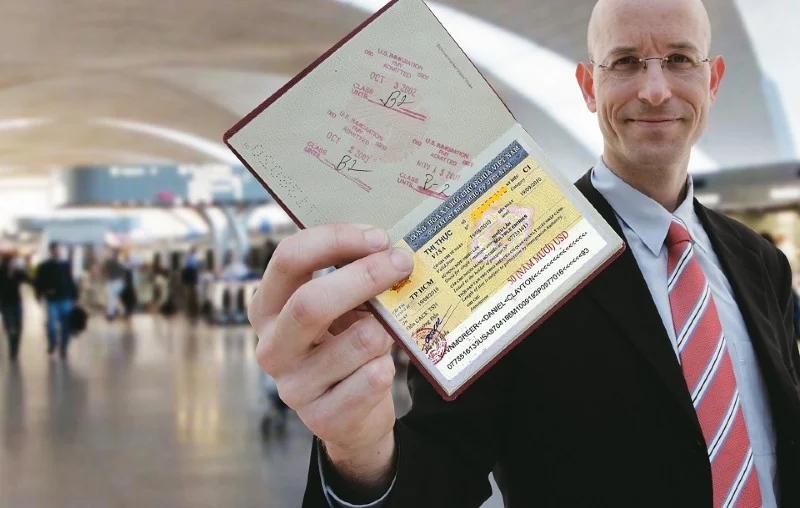
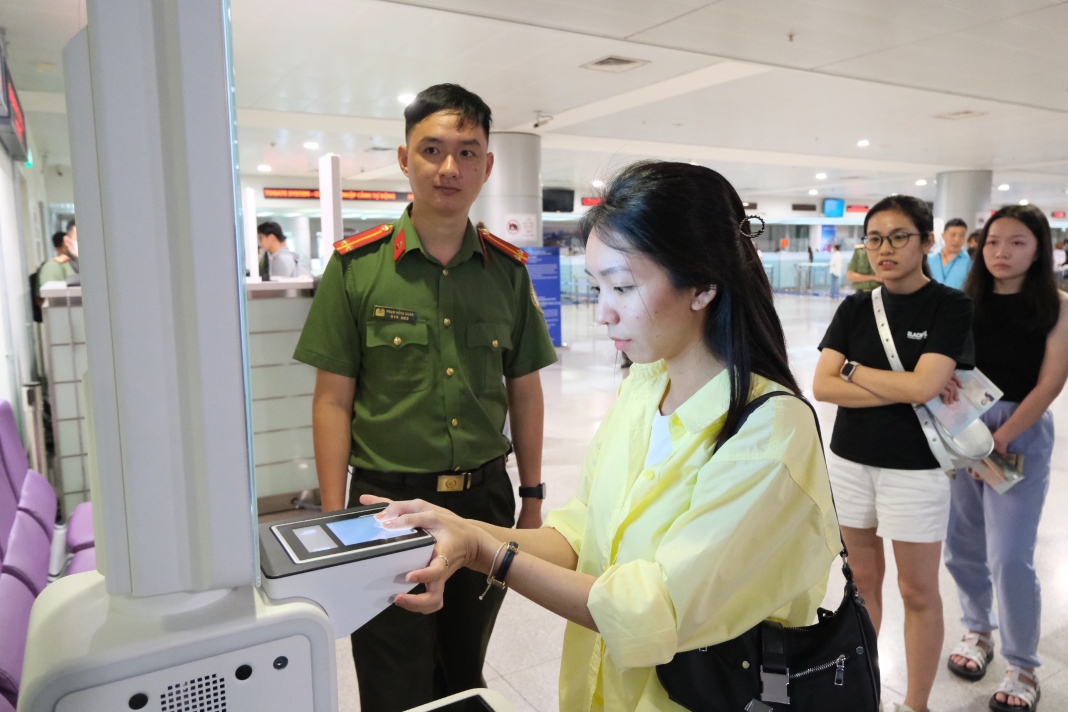
Read payment dates, cancellation charges and arrangements for disrupted services. Ask which company is responsible for each booking and how to reach someone during the journey. Verify entry requirements separately through official immigration information: a tour reservation is not permission to enter the country. Our Vietnam e-visa planning guide can help you organize the questions, but current official requirements and your approved documents take priority.
Quick Recap
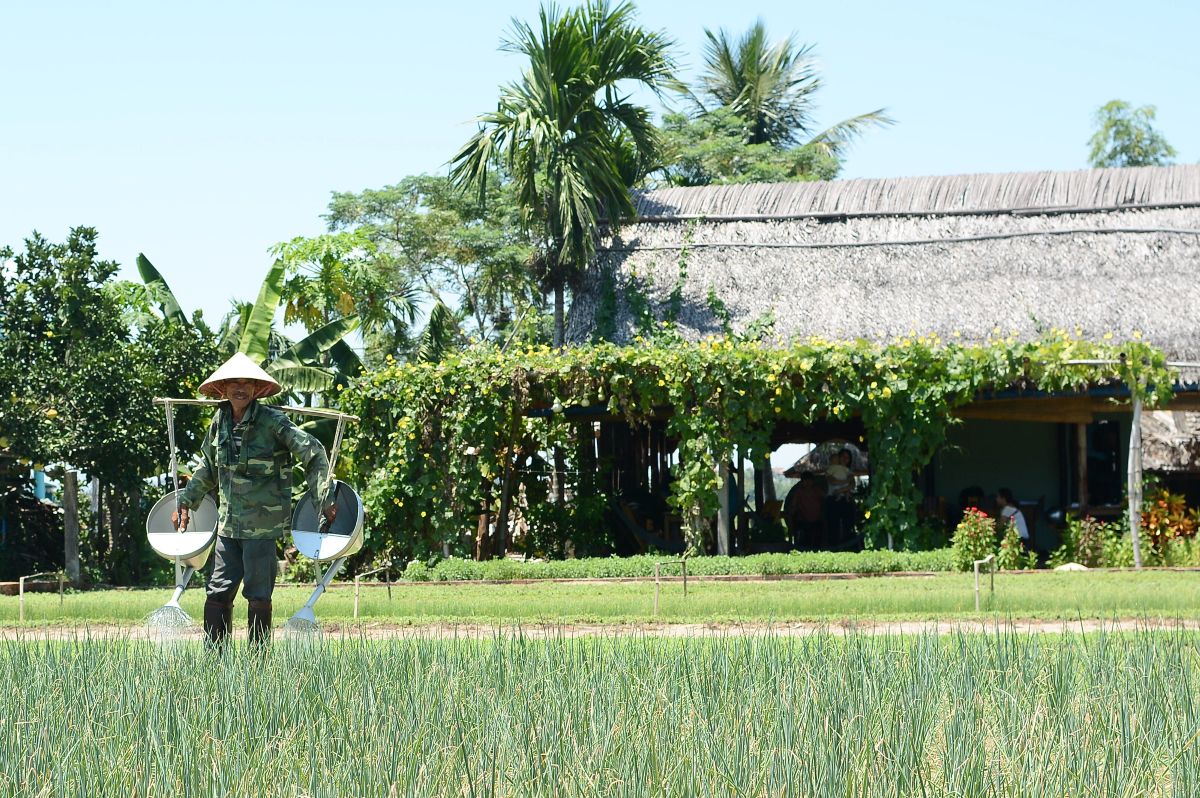
Countryside near Hoi An adds another perspective alongside well-known monuments.
The most suitable Vietnam tours connect your interests with a comfortable route, clear services and enough time to appreciate each experience. Start by choosing the region and purpose, then decide whether you prefer private, shared or partially guided arrangements. Compare a few well-matched proposals rather than collecting many unrelated itineraries.
Check the seasonal conditions across the whole route. Northern highlands, Central Vietnam's coast and the south have different weather patterns, so favorable conditions in one place do not guarantee the same elsewhere. Keep outdoor plans adaptable and ask providers about their approach to weather-related changes. Avoid treating a suggested travel month as a promise of sunshine.
Before confirming, make sure the itinerary names the places you will visit, explains the activities and identifies the busiest transfer days. Set aside time for learning as well as sightseeing. A cooking session, guided heritage visit or conversation with a craftsperson can give context to the scenery and monuments.
For a proposal shaped around your group, use the Custom Tour Request Form. Share your dates, approximate budget, accommodation preferences and the experiences that matter most. A thoughtful starting brief makes it easier to develop a journey that fits you.