2 Week Vietnam Itinerary: 14 Days of Culture, Learning and Discovery for First-Time Travelers
Vietnam is a fascinating destination where ancient traditions meet modern life, spectacular landscapes surround historic cities, and every region tells a different story. For first-time visitors, a 2 week Vietnam itinerary offers an excellent introduction to the country's rich heritage, remarkable nature, and welcoming communities.
From Hanoi's thousand-year history to the limestone landscapes of Ninh Binh and Ha Long Bay, from Hue's imperial architecture to Hoi An's trading heritage, and from bustling Ho Chi Minh City to the peaceful waterways of the Mekong Delta, this journey reveals Vietnam's extraordinary diversity.
Rather than simply visiting famous attractions, our recommended itinerary emphasizes learning and discovery. Travelers have opportunities to understand Vietnamese history, meet local people, explore traditional villages, discover regional cuisine, and experience everyday life.
Designed for first-time travelers, this 14-day Vietnam journey combines cultural exploration, natural beauty, comfortable transportation, and sufficient time to enjoy each destination.
Why Choose a 2 Week Vietnam Itinerary?
Vietnam stretches more than 1,600 kilometers from north to south, with significant differences in geography, climate, culture, and cuisine.
Fourteen days provide enough time to explore the country's three main regions without making the journey unnecessarily exhausting.
A north-to-south itinerary is particularly convenient for international travelers arriving in Hanoi and departing from Ho Chi Minh City.
Our recommended route includes:
-
Northern Vietnam: Hanoi, Ninh Binh, and Ha Long Bay.
-
Central Vietnam: Hue, Da Nang, and Hoi An.
-
Southern Vietnam: Ho Chi Minh City and the Mekong Delta.
Two domestic flights help reduce long-distance travel time, allowing visitors to spend more hours exploring destinations rather than sitting on buses or trains.
The itinerary also balances guided cultural experiences with independent discovery and relaxation.
Your 14-Day Vietnam Itinerary at a Glance
| Day |
Destination |
Main experiences |
| 1 |
Hanoi |
Arrival, Old Quarter |
| 2 |
Hanoi |
History, culture, local food |
| 3 |
Ninh Binh |
Ancient capital, Trang An |
| 4 |
Ha Long Bay |
Overnight cruise, kayaking |
| 5 |
Ha Long – Hanoi |
Cruise activities, return |
| 6 |
Hanoi – Hue |
Imperial heritage |
| 7 |
Hue |
Royal tombs, traditional villages |
| 8 |
Hue – Da Nang – Hoi An |
Hai Van Pass, coastal scenery |
| 9 |
Hoi An |
Ancient Town, trading history |
| 10 |
Hoi An |
Rural life, traditional crafts |
| 11 |
Hoi An – Ho Chi Minh City |
Southern Vietnam discovery |
| 12 |
Ho Chi Minh City |
History, architecture, Cu Chi |
| 13 |
Mekong Delta |
River culture, local communities |
| 14 |
Ho Chi Minh City |
Departure |
Days 1–2: Hanoi – Discover Vietnam's Cultural Capital
Your journey begins in Hanoi, one of Southeast Asia's most atmospheric capitals.
After arriving at Noi Bai International Airport, transfer to your hotel and enjoy a gentle introduction to the city.
A walk around Hoan Kiem Lake and the Old Quarter reveals traditional shopfronts, narrow streets, local markets, and historic architecture.
On your second day, explore the Temple of Literature, established in 1070, and learn about Vietnam's traditional education system and Confucian heritage.
Visit the Ho Chi Minh Mausoleum complex, subject to opening schedules, and discover important chapters of the country's modern history.
The Vietnam Museum of Ethnology is another rewarding stop, introducing the traditions, architecture, and lifestyles of Vietnam's ethnic communities.
Learning experience: Join a guided street-food walk to discover how dishes such as pho, bun cha, and egg coffee reflect Hanoi's culinary traditions.
Travel tip: Stay in or near the Old Quarter for convenient sightseeing. Allow time to recover from your international flight before beginning a full sightseeing program.
Day 3: Ninh Binh – Ancient History and Spectacular Nature
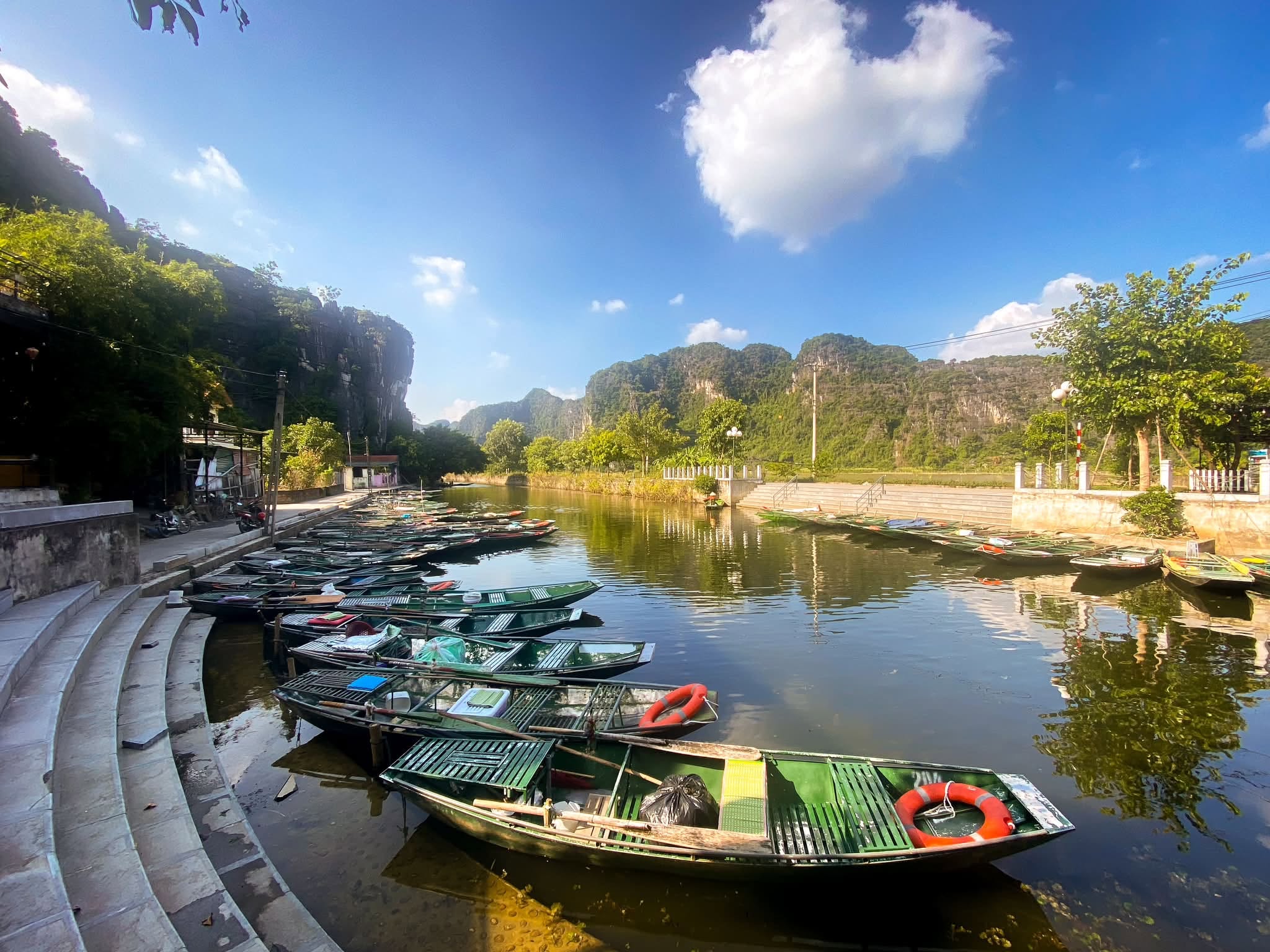
Travel approximately two to three hours south to Ninh Binh, a region famous for limestone mountains, peaceful villages, and historical monuments.
Begin at Hoa Lu Ancient Capital, where Vietnam's early independent dynasties established their political center during the tenth century.
Continue to the UNESCO-listed Trang An Landscape Complex for a traditional rowing-boat excursion through waterways, caves, and limestone valleys.
The experience reveals the relationship between Vietnam's natural landscapes, religious traditions, and human settlement.
If time permits, explore rural villages by bicycle or climb Hang Mua for panoramic views.
Learning experience: Discover how limestone landscapes were formed and why Trang An is important for both natural and cultural heritage.
Travel tip: Wear comfortable shoes, bring sun protection, and carry drinking water. Stay overnight in Ninh Binh to enjoy its quieter evening atmosphere.
Days 4–5: Ha Long Bay – Exploring a UNESCO Natural Wonder
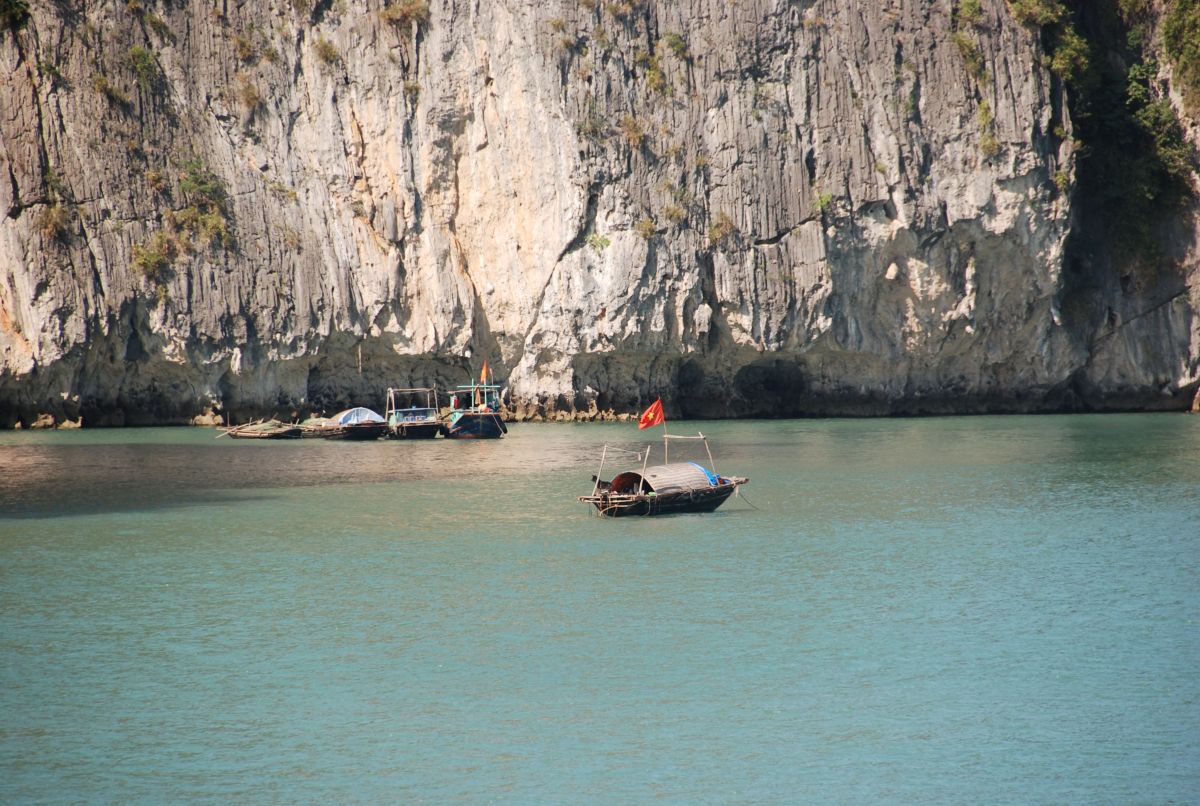
Travel from Ninh Binh to Ha Long Bay, one of Vietnam's most celebrated natural destinations.
Board an overnight cruise and sail among spectacular limestone islands rising from emerald waters.
Depending on the selected cruise itinerary, activities may include visiting Sung Sot Cave, kayaking around Luon Cave, or climbing Titop Island.
An overnight cruise allows travelers to experience the bay at different times of day, including sunset and sunrise.
On the second morning, enjoy the peaceful scenery before returning to the harbor and transferring to Hanoi.
Learning experience: Learn about the bay's geological formation, marine environment, and traditional fishing communities.
Travel tip: Choose a reputable overnight cruise rather than trying to experience everything on a rushed day trip. Cruise routes and activities depend on weather and local regulations.
Days 6–7: Hue – Understanding Vietnam's Imperial Heritage
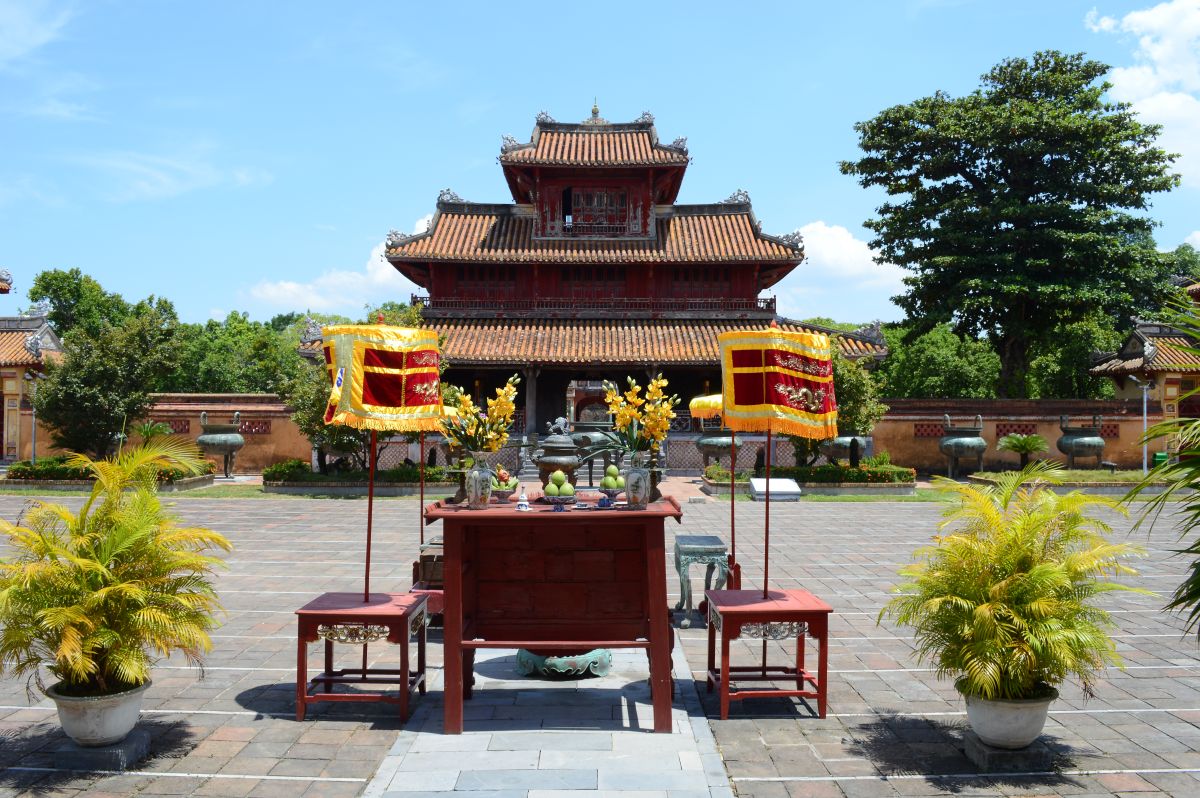
Take a domestic flight from Hanoi to Hue, subject to the operating schedule, and begin exploring Vietnam's former imperial capital.
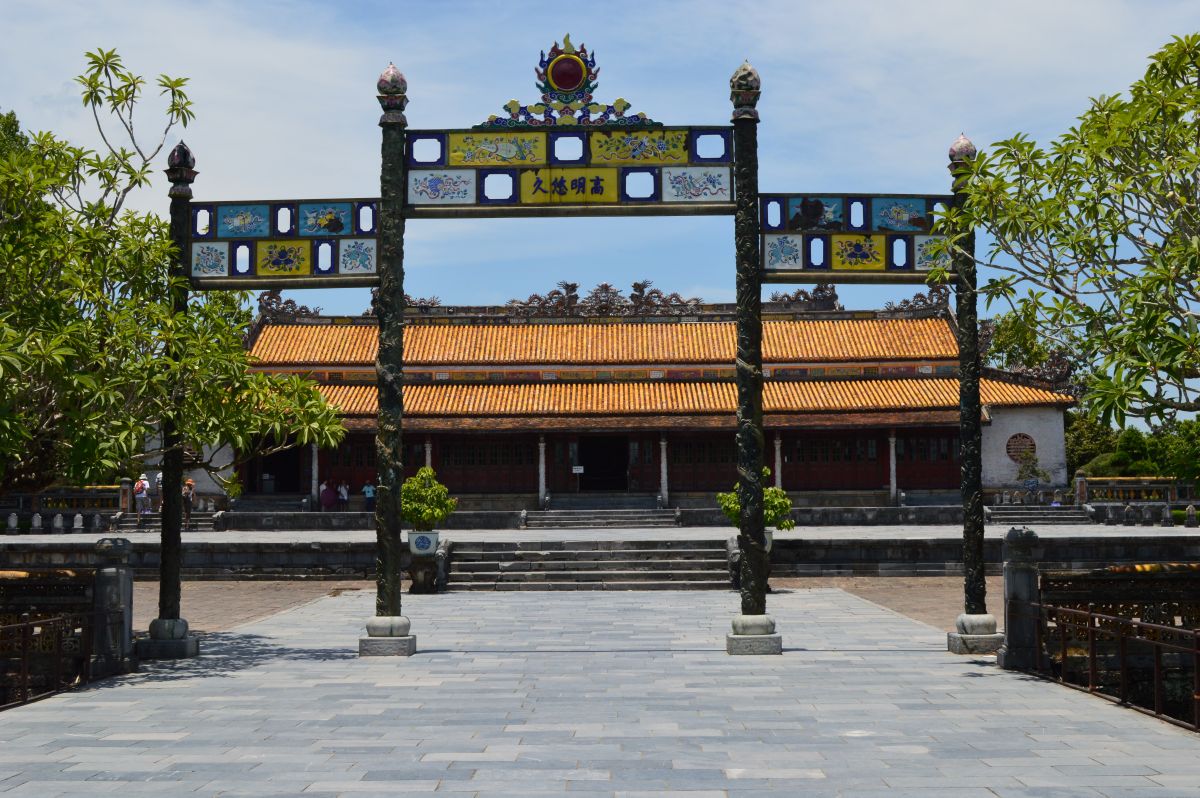
Hue served as the political and cultural center of the Nguyen Dynasty from 1802 to 1945.
Visit the Imperial City, including historic gates, courtyards, ceremonial buildings, and surviving royal structures.
On the following day, discover the royal tombs of Emperors Minh Mang or Khai Dinh, where architecture reflects different periods of Vietnamese history.
Continue to Thien Mu Pagoda and explore the peaceful landscape along the Perfume River.
Hue is also famous for its distinctive cuisine, including bun bo Hue, banh beo, and traditional royal-inspired dishes.
Learning experience: Visit a traditional incense-making village or garden house to understand local craftsmanship and cultural customs.
Travel tip: Allow sufficient time for the Imperial City. A knowledgeable local guide can greatly enrich your understanding of its historical significance.
Day 8: Hue – Da Nang – Hoi An: A Scenic Journey Through Central Vietnam
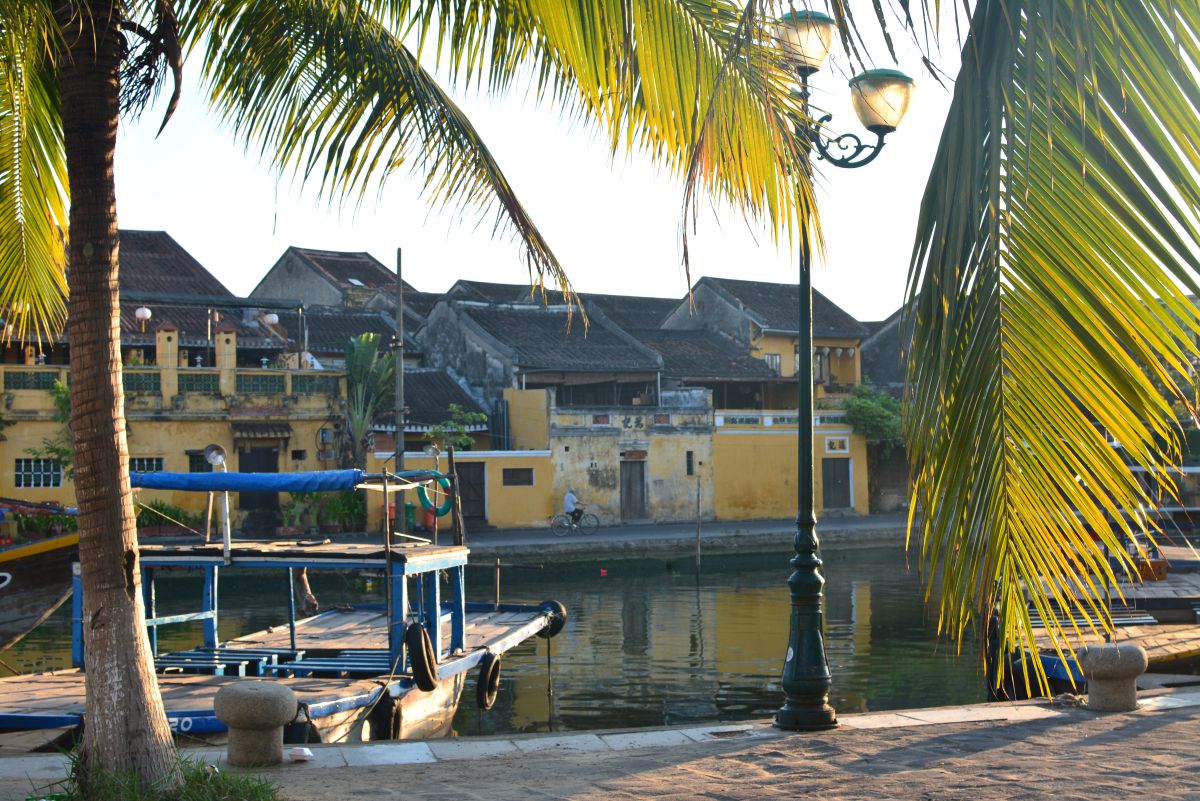
Travel south from Hue toward Hoi An, crossing the beautiful Hai Van Pass when weather and road conditions permit.
This scenic route offers panoramic views of mountains, coastal villages, and the sea.
Stop in Da Nang to explore the Cham Sculpture Museum, home to an important collection of artworks associated with the ancient Champa civilization.
The museum provides valuable historical context before visiting the Cham heritage sites around Hoi An.
Continue to Hoi An and settle into your hotel.
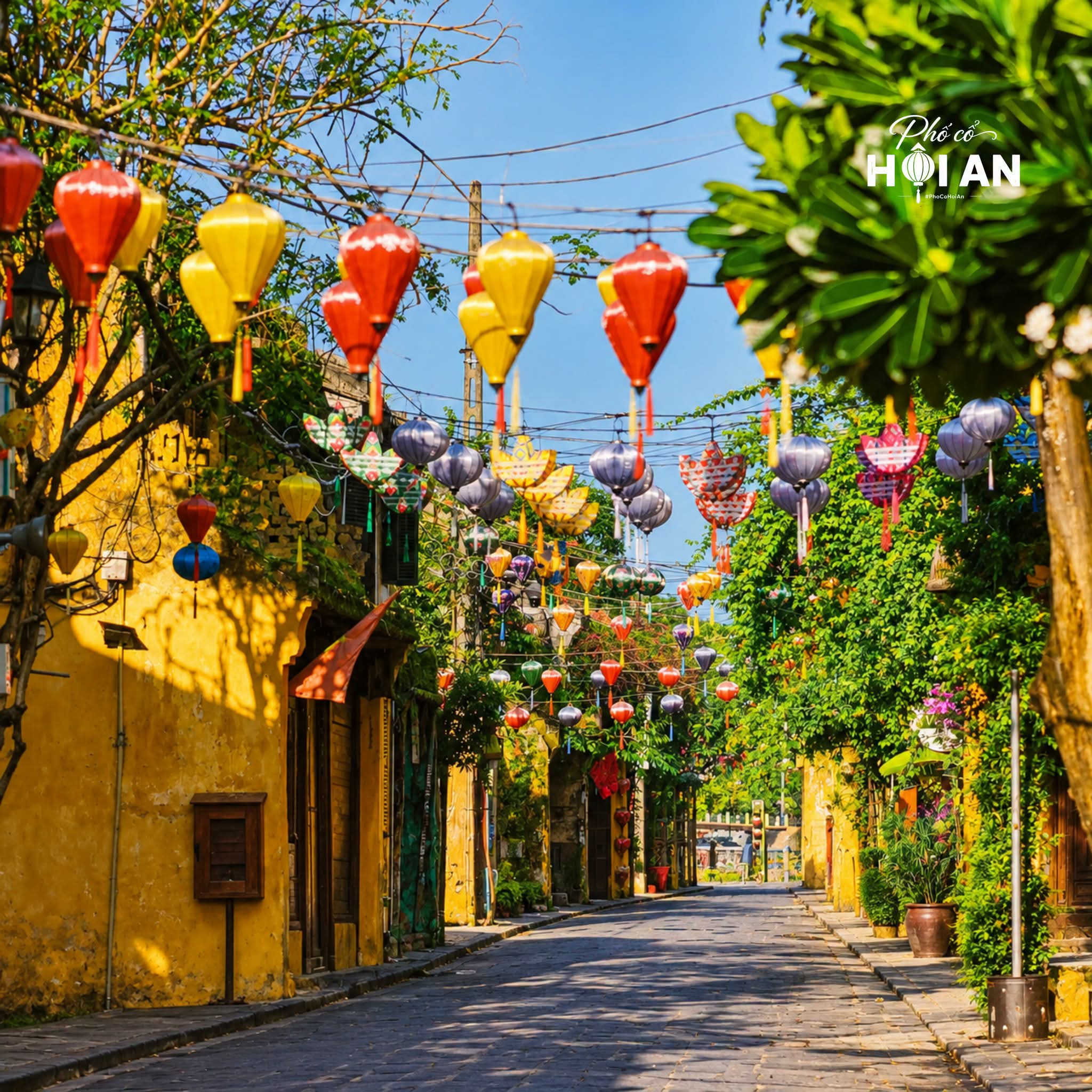
Spend the evening walking through the Ancient Town, where lantern-lit streets and traditional buildings create a memorable atmosphere.
Learning experience: Discover the historical influence of the Champa civilization and the cultural connections between Vietnam and neighboring Asian countries.
Days 9–10: Hoi An – Living Heritage and Traditional Villages
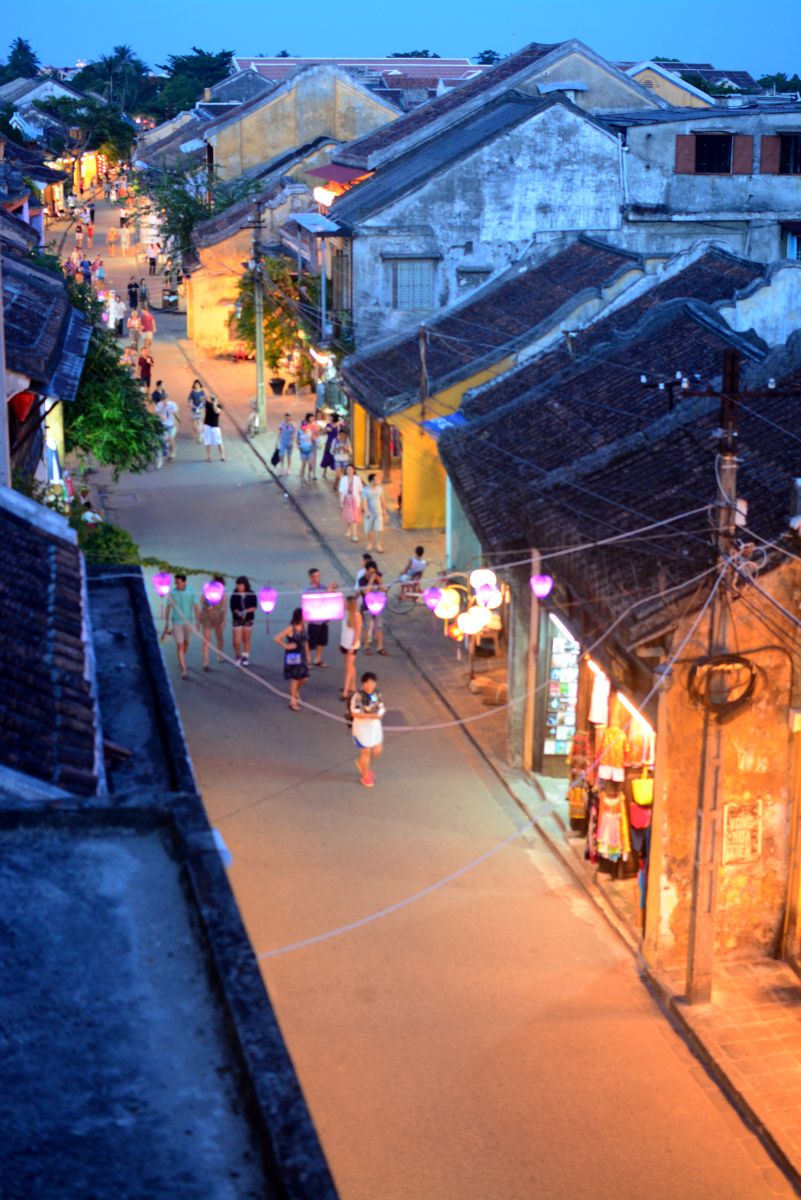
Hoi An was an important international trading port between the fifteenth and nineteenth centuries.
Its historic architecture reflects Vietnamese, Chinese, Japanese, and European influences.
Explore the Japanese Covered Bridge, traditional merchant houses, assembly halls, and riverside streets.
Learn how international commerce shaped the town's architecture, cuisine, and cultural traditions.
On the following day, discover the countryside surrounding Hoi An.
Visit Tra Que Vegetable Village to learn about traditional farming practices, or explore Thanh Ha Pottery Village to observe local artisans.
A cooking class offers another opportunity to understand central Vietnamese cuisine and the importance of fresh herbs and local ingredients.
Learning experience: Meet local craftspeople and discover how traditional skills are passed between generations.
Travel tip: Explore the Ancient Town early in the morning for a quieter experience. Respect residents' privacy when photographing homes and workshops.
Days 11–12: Ho Chi Minh City – Modern Vietnam and Historical Discovery
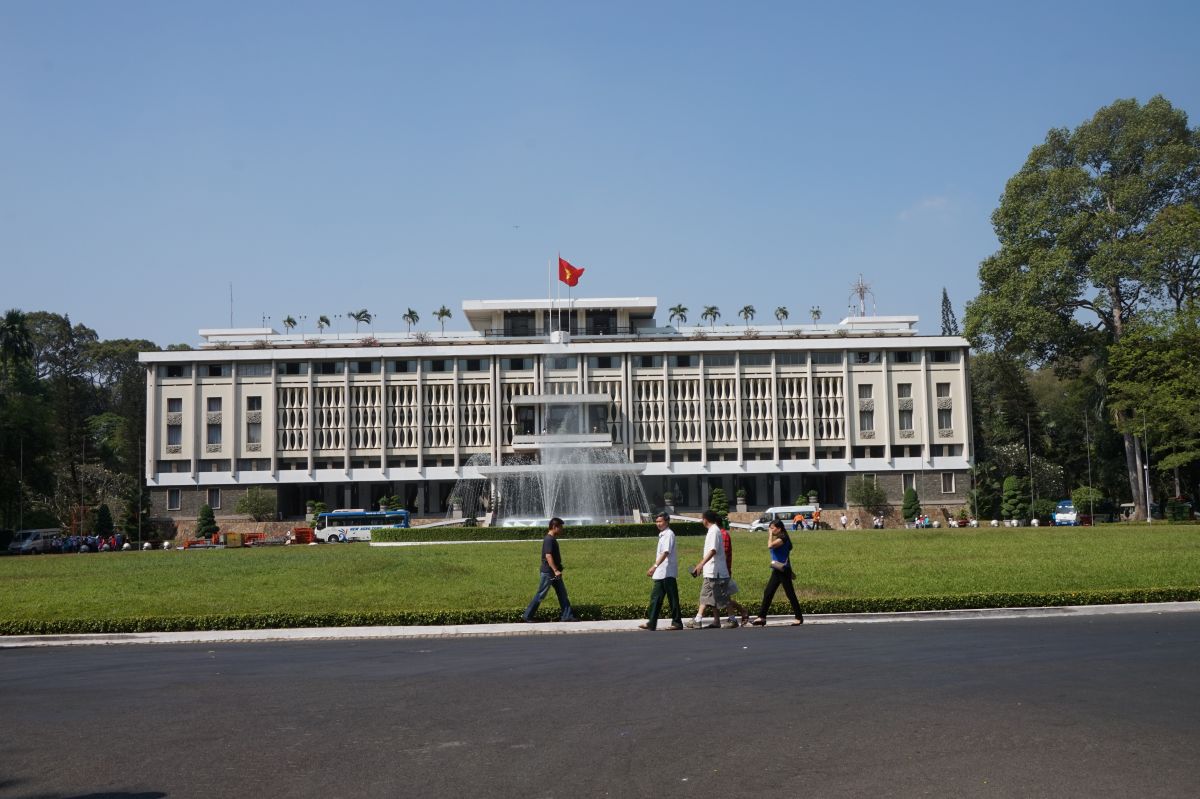
Fly from Da Nang to Ho Chi Minh City, Vietnam's largest metropolitan center.
Formerly known as Saigon, the city offers an exciting contrast to the historic atmosphere of Hue and Hoi An.
Explore Independence Palace, the Central Post Office, and the War Remnants Museum to gain insight into Vietnam's twentieth-century history.
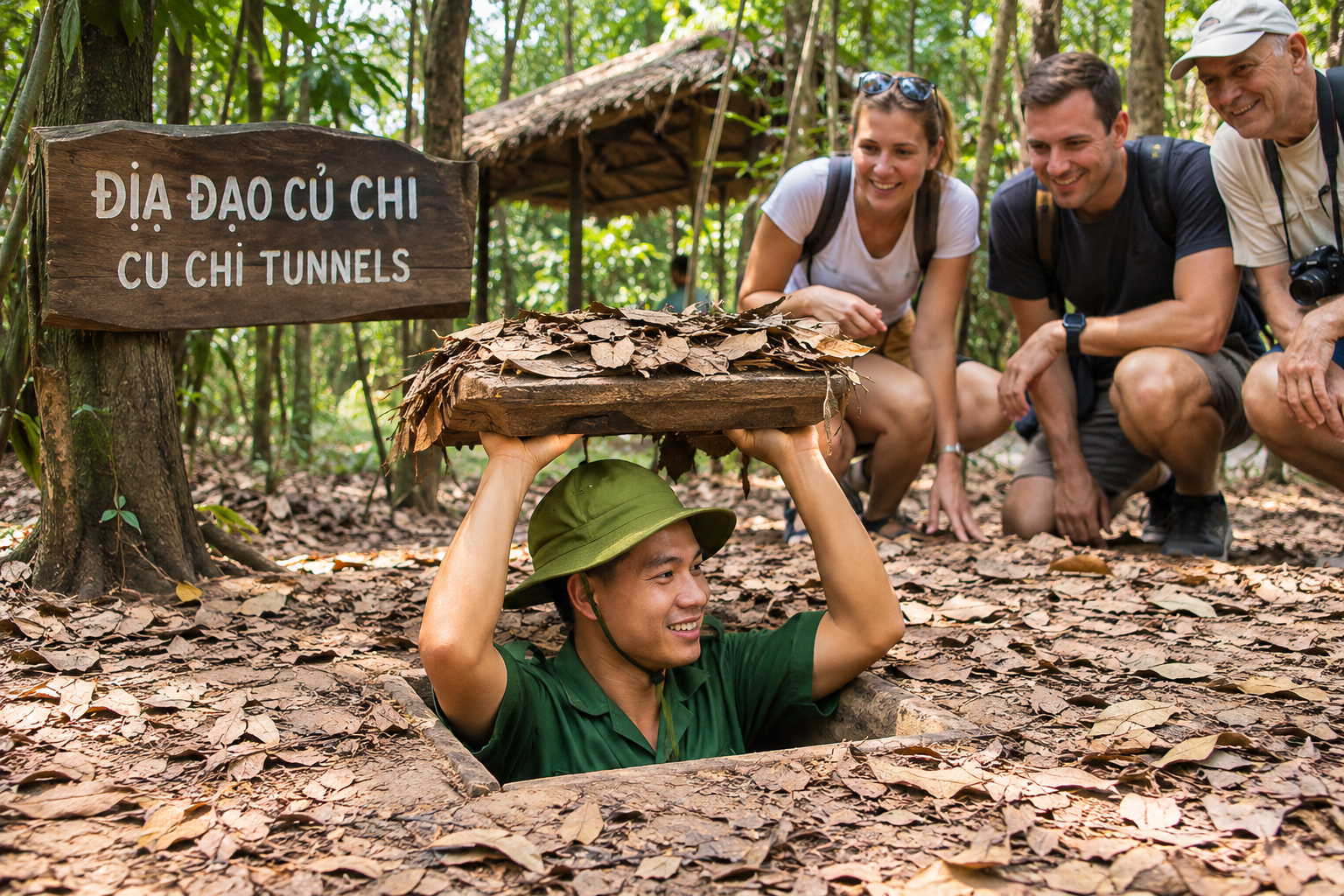
On the second day, visit the Cu Chi Tunnels, an extensive underground network associated with the Vietnam War.
The tunnels provide an opportunity to learn about wartime living conditions, military strategies, and the experiences of local communities.
Return to the city and enjoy an evening discovering southern Vietnamese cuisine.
Learning experience: Compare the historical narratives, architecture, and cultural identities of northern, central, and southern Vietnam.
Travel tip: The War Remnants Museum contains graphic historical material that may not be suitable for young children.
Day 13: Mekong Delta – Discovering Life Along the River
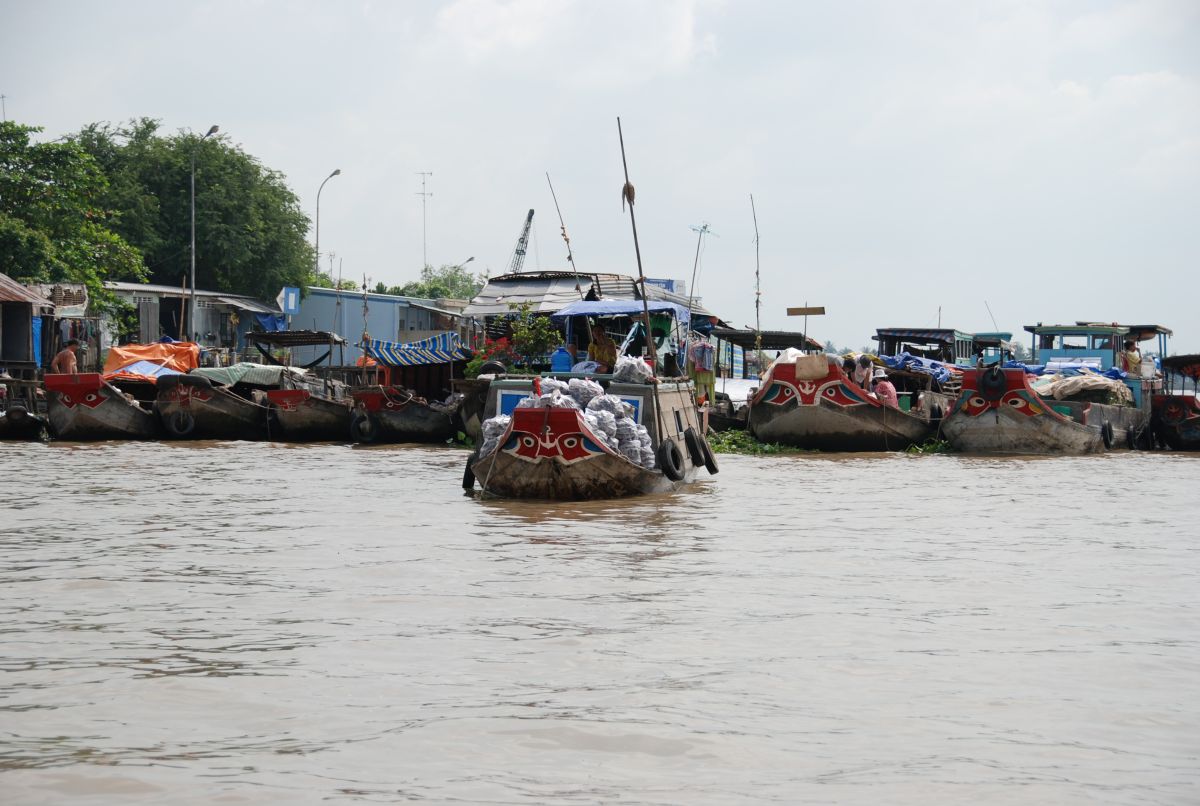
Travel into the Mekong Delta, one of Vietnam's most productive agricultural regions.
A day excursion to Ben Tre offers opportunities to explore canals, coconut plantations, traditional workshops, and riverside communities.
Take a small boat along sheltered waterways and learn how local residents depend on the river for transportation, agriculture, and daily activities.
Visit a family workshop producing coconut-based products or traditional sweets.
Enjoy a regional lunch featuring Mekong specialties and seasonal ingredients.
The experience introduces visitors to the close relationship between water, agriculture, and community life.
Return to Ho Chi Minh City in the evening.
Learning experience: Understand how the Mekong River supports local livelihoods and how environmental changes affect communities in the delta.
Travel tip: Choose small-group or private excursions that support local businesses and avoid unnecessary disturbance to village life.
Day 14: Ho Chi Minh City – Departure
Enjoy breakfast and some free time before transferring to Tan Son Nhat International Airport for your departure.
Depending on your flight schedule, visit a local café, explore a neighborhood market, or purchase traditional handicrafts.
After two weeks, you will have experienced Vietnam's extraordinary diversity, from historic capitals and UNESCO heritage sites to coastal landscapes and traditional river communities.
More importantly, you will leave with a deeper understanding of Vietnamese history, culture, cuisine, and everyday life.
>> Link to 2-week Vietnam tour itinerary in details with price ideas.
Practical Travel Tips for First-Time Visitors
Best time to visit Vietnam
Vietnam experiences different weather patterns across its three main regions.
March and April often provide favorable conditions for a north-to-south journey.
Northern Vietnam can be cool during winter, while central Vietnam may experience heavy rainfall and flooding from September to December.
Southern Vietnam generally has a drier season between December and April.
Visa and entry requirements
Vietnam offers visa exemptions to citizens of selected countries, while eligible international visitors can apply for electronic visas.
E-visas may be valid for up to 90 days, with single-entry and multiple-entry options.
Always check the latest requirements through Vietnam's official immigration website before departure. For a practical checklist, read our Vietnam entry visa guide.
Transportation
Domestic flights are generally the most convenient option for traveling between northern, central, and southern Vietnam.
Private vehicles work well for regional journeys such as Hanoi–Ninh Binh and Hue–Hoi An.
Trains provide an alternative for travelers who enjoy slower journeys and scenic landscapes.
Accommodation
For a comfortable two-week itinerary, choose centrally located hotels in Hanoi, Hue, Hoi An, and Ho Chi Minh City.
A countryside lodge in Ninh Binh and an overnight cruise in Ha Long Bay add variety to the experience.
Money, connectivity, and safety
The Vietnamese dong is the local currency. Carry some cash for markets and small businesses, although cards are accepted at many hotels and larger establishments.
A local SIM or eSIM makes navigation and communication easier.
Use reputable transportation providers, exercise care when crossing busy roads, and keep valuables secure.
Travel responsibly
Respect religious sites, dress appropriately when visiting temples, and ask permission before photographing local residents.
Support community-based experiences, locally owned restaurants, and responsible tourism operators.
Small choices can make your journey more meaningful while benefiting the communities you visit.
How to Customize Your 2 Week Vietnam Itinerary
Not every traveler has the same interests.
Nature lovers can replace part of the southern itinerary with Sapa, Mai Chau, or Pu Luong.
Travelers interested in archaeology and ancient civilizations may add My Son Sanctuary near Hoi An.
Families may prefer fewer hotel changes and additional time in Hoi An or Da Nang.
Those seeking relaxation can extend their journey to Phu Quoc or a central Vietnamese beach destination.
For first-time visitors, however, the classic north-to-south route provides an excellent balance of history, culture, nature, and authentic discovery.
Conclusion: Discover Vietnam Beyond the Famous Attractions
A well-designed 2 week Vietnam itinerary is more than a collection of sightseeing stops. It is an opportunity to understand the country's remarkable history, cultural diversity, and relationship with its natural environment.
From Hanoi's traditional neighborhoods and Ninh Binh's ancient landscapes to Hue's imperial heritage, Hoi An's living traditions, and the Mekong Delta's riverside communities, each destination adds a different perspective.
By combining guided learning experiences with local encounters and comfortable travel arrangements, first-time visitors can discover Vietnam in a meaningful and memorable way.
Explore more destination guides, cultural experiences, and practical travel advice at Vietnamtravels.com to plan your first journey through Vietnam.
Sources and References
- Vietnam Tourism – Official destination information, cultural experiences, and travel advice.
https://vietnam.travel/
-
UNESCO World Heritage Centre – Vietnam's World Heritage Sites and cultural preservation.
https://whc.unesco.org/
-
Vietnam Immigration Department – Official visa and entry information.
https://evisa.gov.vn/
Last updated: November 2026. Transportation schedules, attraction opening hours, visa policies, and cruise activities may change. Verify arrangements before departure.