Best Time to Visit Con Dao: Weather, Sea Conditions and Turtle Seasons
November 22, 202611 min read
The best time to visit Con Dao depends on what you want to do once you arrive. A month with relatively little rain can still bring wind and uncomfortable sea crossings. A wetter month can fall within the main diving season and overlap with turtle conservation activities. Choosing your dates therefore means considering the weather, the sea and wildlife separately.
For travelers prioritizing marine excursions, March to September is a useful starting window. For turtle-related experiences, look more closely at the seasonal park program, particularly the summer months. If your main interests are history, coastal walks and a restful hotel stay, you have more flexibility. The aim is to choose a month that supports your priorities without making the entire holiday depend on one boat trip.
1. When Is the Best Time to Visit Con Dao?
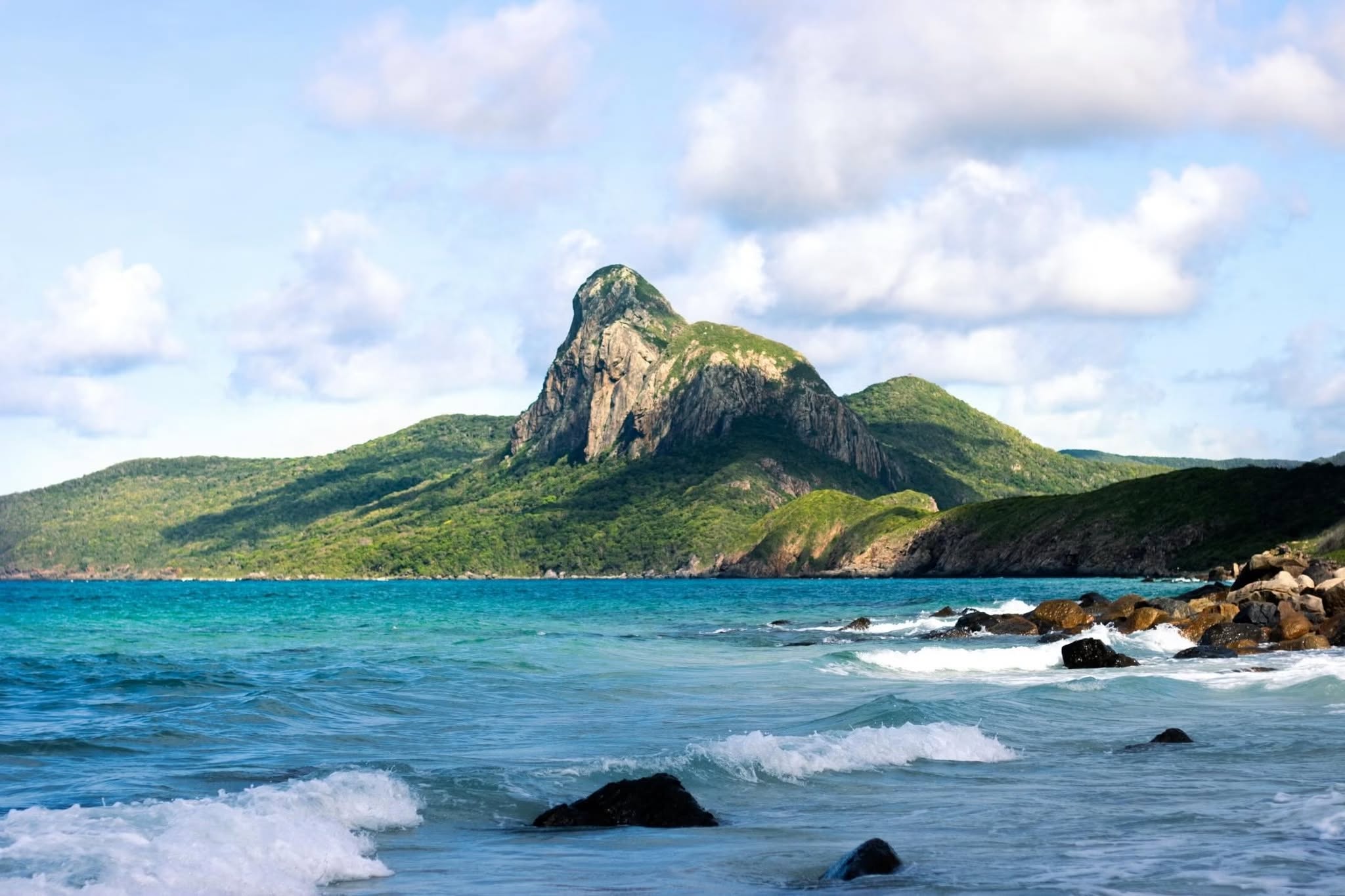
Con Dao’s coastal landscape provides the setting; your travel priorities determine the most suitable seasonal window. Source: Collected.
Start with your main reason for going
For a balanced first visit with outdoor time and marine ambitions, March and April are worth considering: they sit within the generally drier period and the commonly used marine season. This is a planning judgment, not a guarantee of calm water.
If turtle conservation is your priority, the middle of the year is more relevant, even though it overlaps with wetter weather. Travelers primarily interested in the museum, former prison sites and time around Con Son town can build a satisfying stay beyond the main marine window.
Your priority
Seasonal starting point
Important qualification
Beach relaxation with optional excursions
Consider March–April, then assess the actual property and dates
Local swimming conditions still vary
Snorkeling or diving
Consider the broader March–September window
Confirm operator availability, site conditions and visibility
Turtle-related activities
Investigate the April–November seasonal window, especially June–September
Participation depends on the authorized program and natural events
History and a quiet island stay
A wider choice of months
Keep outdoor plans adaptable and assess transport
Traveling by sea
Select the actual route before evaluating conditions
A season label cannot establish whether a sailing will operate
For the wider destination picture, our Con Dao Travel Guide explains how history, nature and accommodation fit together.
2. Con Dao Weather by Month: What to Expect
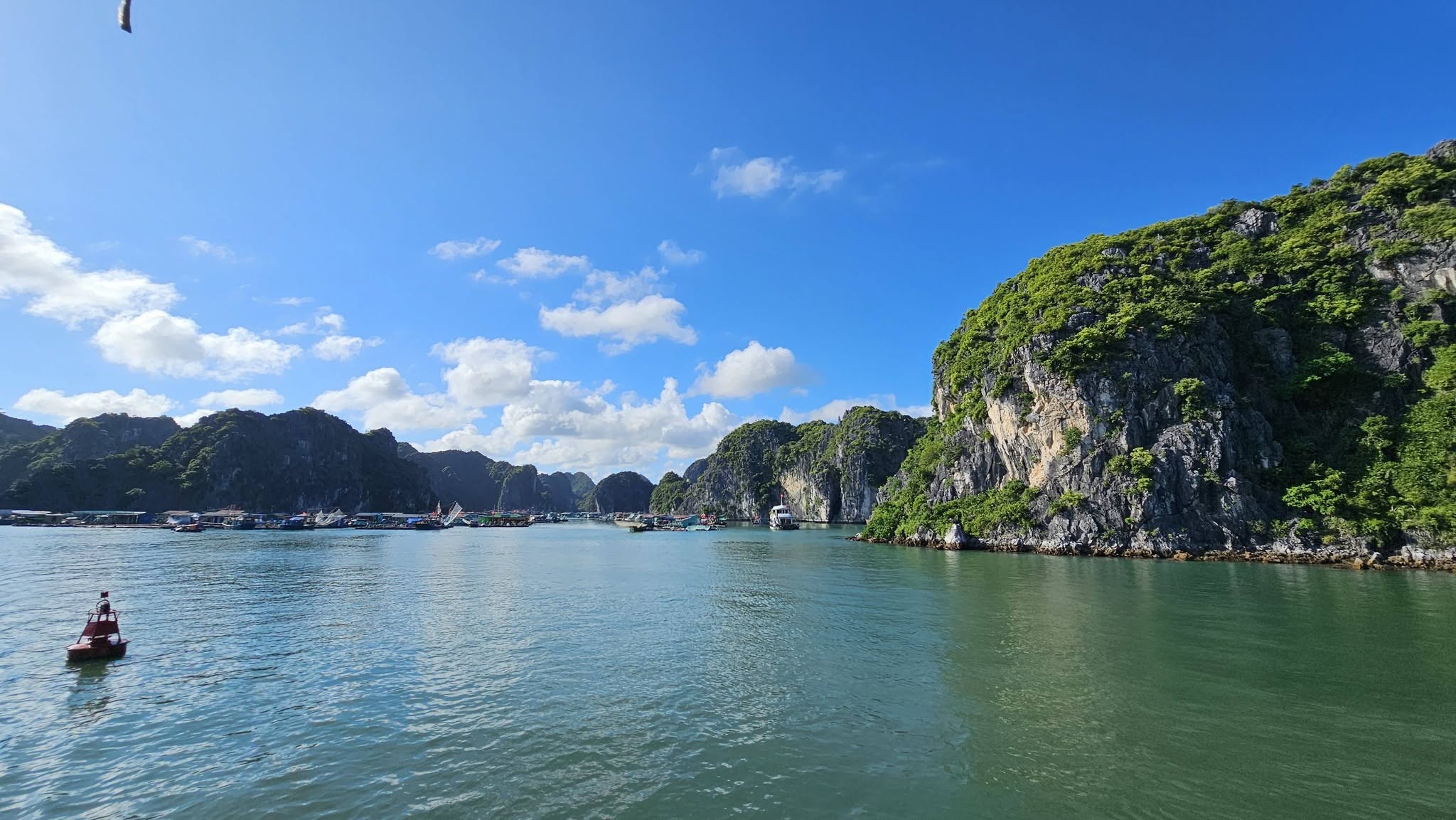
Sea conditions vary with wind, swell and exposure. A shoreline photograph is not a forecast for your travel dates. Source: Collected.
Rainfall and wind follow different patterns
Broadly, the Con Dao dry season runs from December to April, while May to November receives more rain. Northeast monsoon winds can affect the sea during the drier period. That is why a generic recommendation to visit any southern island in winter can be misleading here.
Read the following table as a decision aid. Transitional conditions shift between years, and an exposed coast can feel different from a sheltered beach on the same day. Turtle entries indicate when to investigate availability; they do not describe guaranteed departures.
Month
Weather tendency
Sea considerations
Turtle-related planning
Best suited to; confirm
January
Generally drier
Northeast winds can affect crossings and exposed shores
Do not plan around a routine seasonal wildlife outing
History and hotel-based stays; check boat availability
February
Generally drier
Windy conditions may continue
Confirm any activity directly rather than assuming availability
Island exploration; check current sea outlook
March
Drier period; seasonal transition
Often a useful starting month for marine planning
Main seasonal program may not yet be established
Mixed beach and nature visits; confirm operators
April
Generally dry, with transition possible
Within the broader marine window
Seasonal opportunities may begin
Balanced first visits; confirm park arrangements
May
Rain becomes more relevant
Marine excursions remain possible in suitable conditions
Within the broader seasonal window
Nature-focused stays with flexible days
June
Wetter pattern
Assess conditions for each excursion
Within the commonly highlighted peak window
Turtle-focused planning; check access and places
July
Rain and humid conditions
Rain does not automatically rule out all boat days
Within the commonly highlighted peak window
Flexible marine and conservation trips
August
Wetter weather remains a factor
Wind, swell and site exposure determine options
Within the commonly highlighted peak window
Wildlife interests with alternative activities
September
Rain remains relevant
Later part of the usual main marine window
Within the commonly highlighted peak window
Flexible nature stays; verify operating dates
October
Rainy period and transition
Increasing attention needed to wind and operations
Some opportunities may remain
Visitors comfortable adapting; confirm specific services
November
Rainy-season tail and transition
Wind can constrain offshore plans
Do not assume late-season availability
History and rest; check transport carefully
December
Generally drier
Northeast winds can still produce rough conditions
Do not make nesting the core expectation
Land-based visits and resort time
Do not use monthly rainfall tendencies to select a guaranteed snorkeling day. Closer to departure, ask for a route-specific assessment and check the forecast again before the activity.
The same logic applies to walking. A drier month may simplify an outing, but shade, heat and the surface of a particular trail still matter.
3. Sea Conditions: Beaches, Boat Trips and Diving
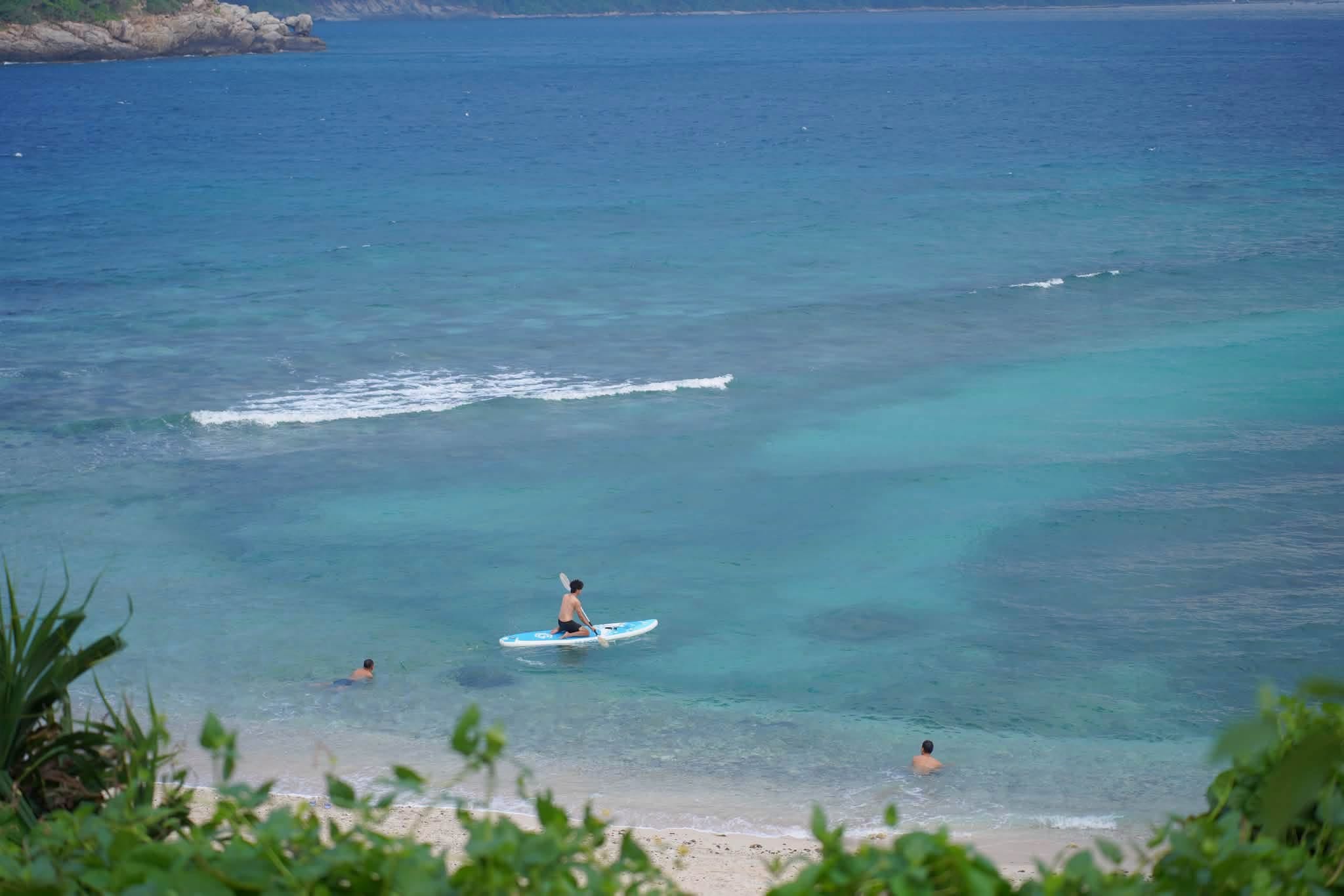
Nearshore beach conditions and offshore crossing conditions need separate checks on Con Dao. Source: Collected.
A beach and an offshore route are different environments
Con Son is the main island where most visitors stay. A pleasant beach beside your hotel does not describe conditions across an offshore crossing. Wind direction, swell and coastal exposure can change the experience substantially.
For swimming, follow advice at the actual beach. A beautiful shoreline is not automatically suitable for entering the water, and a pool can be valuable when local conditions are unsuitable. Choose accommodation you would enjoy without a daily marine excursion.
A ferry journey from the mainland is also different from a short sightseeing boat trip. Check the sailing route, port and operator for your travel dates rather than borrowing a recommendation for another crossing.
When is the best time for diving in Con Dao?
March to September is commonly used as the main diving and snorkeling season. It overlaps with part of the rainy season, illustrating why rainfall alone is an inadequate guide.
Rain can affect an outing, but underwater visibility also depends on recent conditions and the chosen site. Avoid interpreting a photograph of clear water or a published maximum visibility as a promise. Describe your experience level and priorities so the operator can recommend an appropriate trip.
Check seasonal opening dates directly. A center may close for part of the year, while another service follows different arrangements. One company's calendar is not proof that every marine activity around the archipelago is open or closed.
Activity
What matters most
What to establish before booking
Swimming near shore
Waves, currents and local beach conditions
Where swimming is advised that day
Offshore sightseeing
Crossing conditions and permitted access
Route, boarding arrangements and alternatives
Snorkeling
Surface conditions, currents and visibility
Supervision, suitable equipment and participant ability
Scuba diving
Site conditions and diver suitability
Operator availability and experience requirements
Mainland ferry
Conditions along the whole route
Current sailing and disruption arrangements
Flying may remove the long sea crossing from your arrival, but it does not make offshore activities weather-independent. Both the journey to the island and the activities during your stay need their own plan.
4. Con Dao Turtle Seasons: What Visitors Can Experience
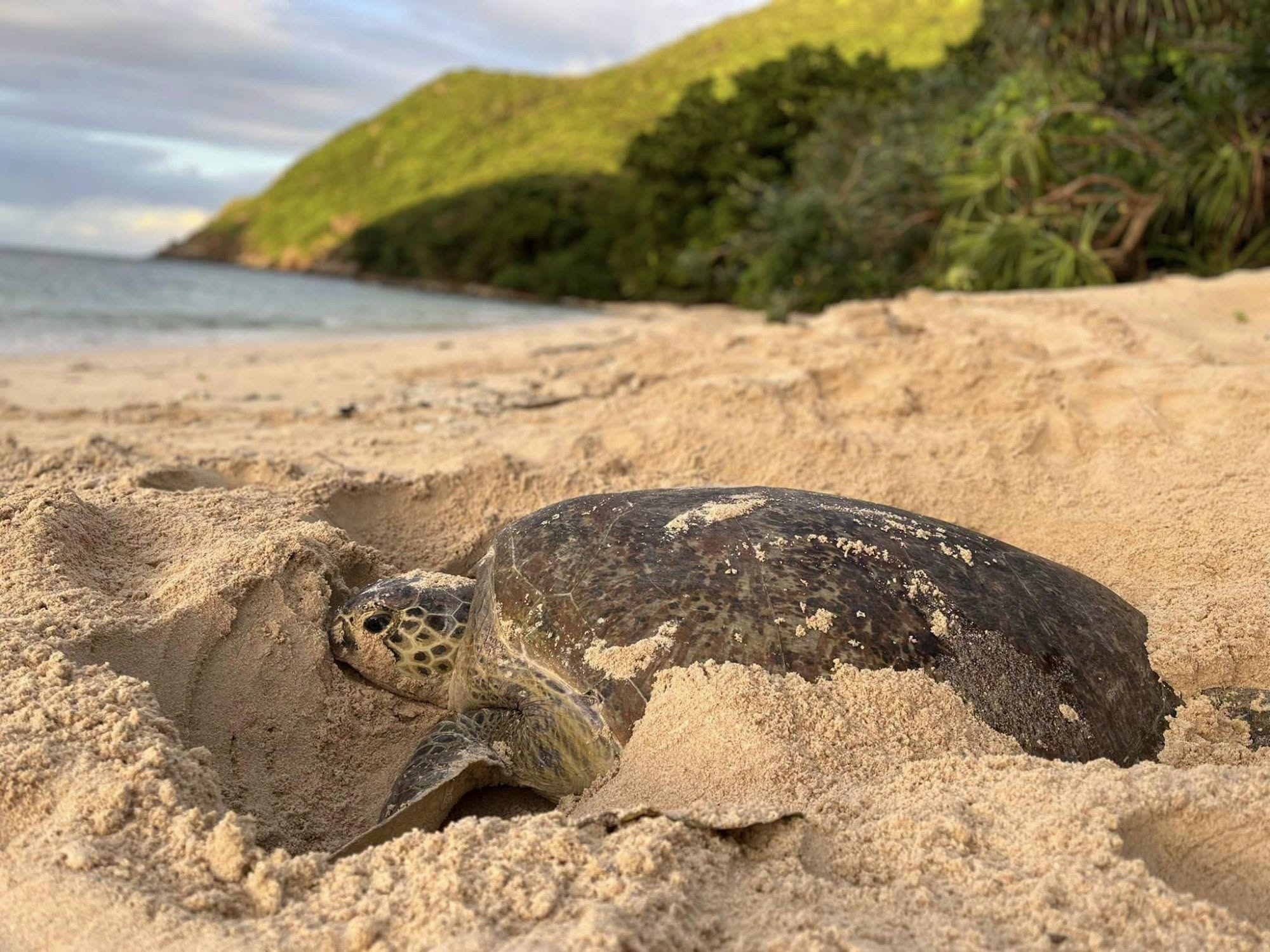
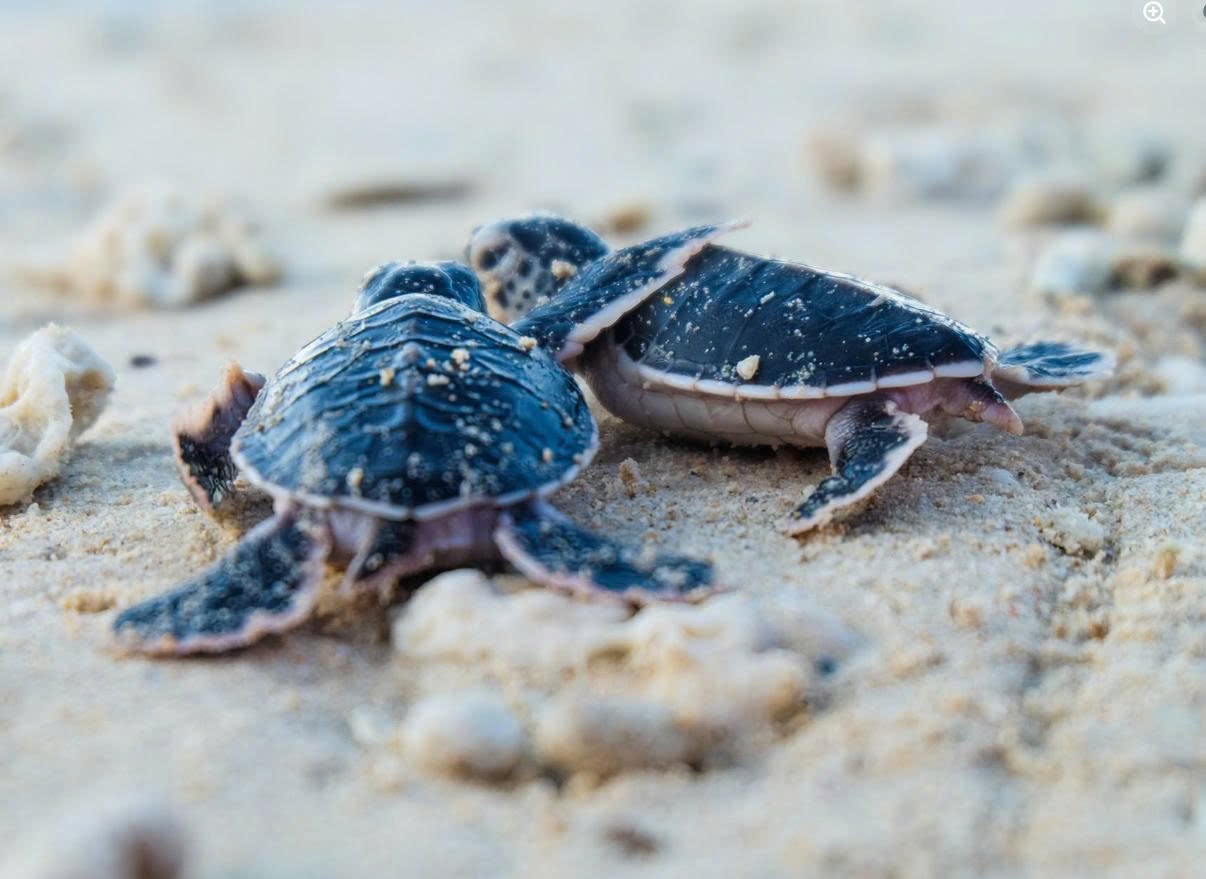
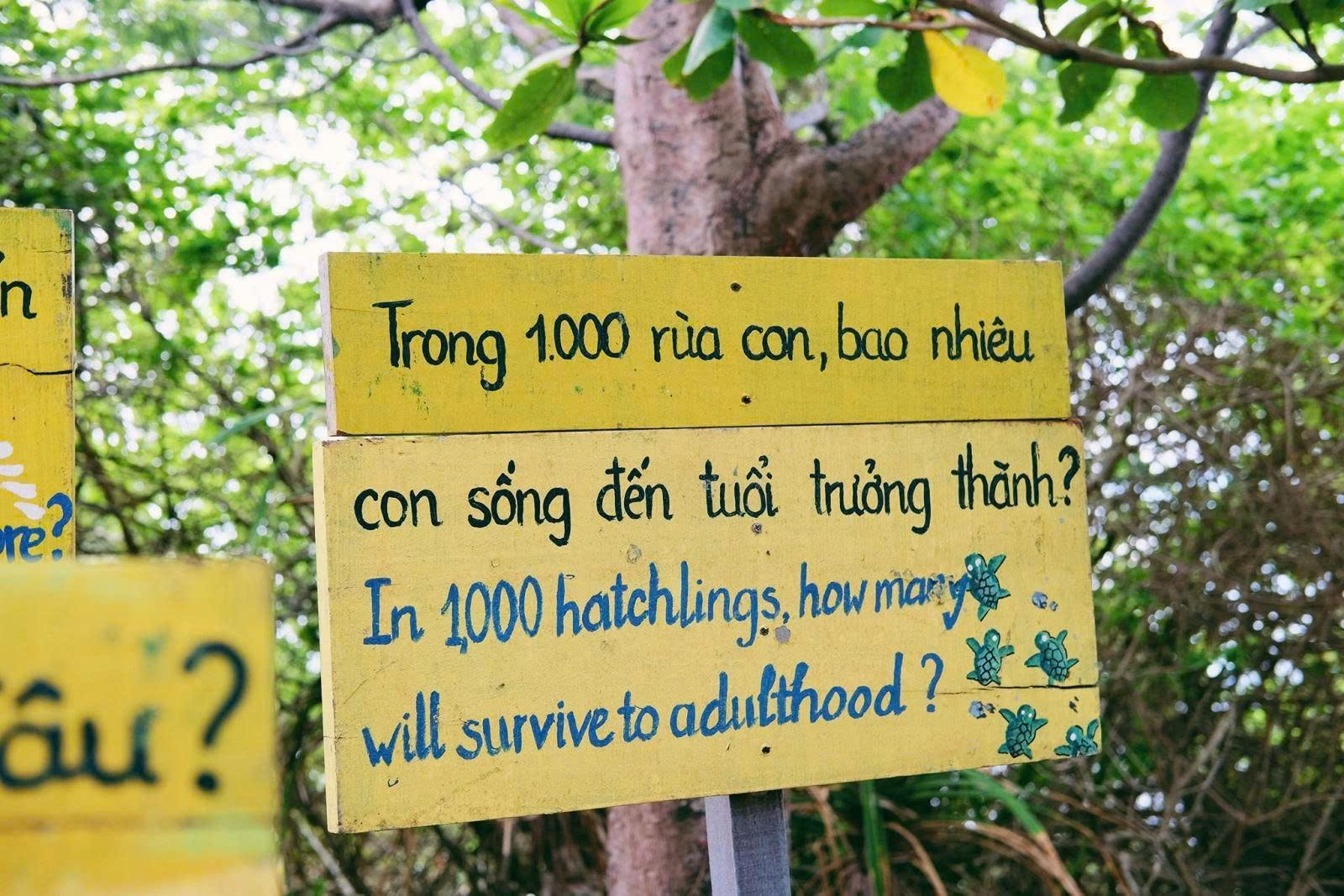
Hatchlings are part of Con Dao’s conservation story. Visits depend on the park’s authorized program and natural hatching. Source: Collected.
Use the season as a window, not an appointment
A broad April–November window is useful for investigating turtle-related experiences, with June–September commonly highlighted as a peak period. Some descriptions use a shorter April–October range. These differences reflect why the park's actual program for your dates matters more than an exact endpoint in a general guide.
Nesting is a natural event. Being on the island during the season does not mean a turtle will come ashore during the hours you are present. Arrange the visit through the national park or an appropriately authorized provider, and understand what the booking actually offers.
Three experiences that should not be confused
Nesting observation involves waiting to observe a female turtle coming ashore and nesting under controlled conditions. It may require late hours, additional boat transfers or an overnight arrangement away from your main hotel. Confirm the practical format before deciding whether it suits your group.
Hatchling-related conservation activities depend on hatching and the management of the conservation program. They are not a performance that can be scheduled solely for a visitor's convenience. Ask whether you will observe, receive an explanation or participate in an approved activity.
Seeing a turtle underwater is a separate wildlife encounter during snorkeling or diving. It does not count as observing nesting, and cannot be promised by choosing a month in the nesting season.
Let conservation determine the visit
Conservation interpretation helps visitors understand the challenges facing sea turtles. Follow the ranger’s instructions during any approved activity. Source: Collected.
Follow the ranger's instructions on light, noise, position and photography. Do not introduce a bright light or approach an animal to improve a photograph. Participation in a conservation visit does not imply permission to handle turtles or interfere with the process.
For families, ask about late-night waiting, boat transfers and the facilities at the destination. A child interested in turtles may still find the actual format tiring. Understanding those details is more useful than choosing from a promotional photograph.
5. Choose Your Month and Plan a Flexible Stay
A restful coastal stay at Six Senses Con Dao. Choose accommodation you would enjoy even when marine excursions cannot operate. Source: Collected.
Match the calendar to the experience
If your priority is diving, first choose a month within the usual marine window, then confirm the operator's dates before committing to travel. If turtles matter most, confirm the seasonal program, transfer arrangements and booking conditions first.
For a resort holiday, evaluate room comfort, shade, pool, dining and beach exposure alongside the month. History-focused travelers can give themselves a wider seasonal choice, with shorter outdoor activities adjusted to daily conditions.
Avoid assuming that every nature alternative is suitable during bad weather. A forest walk still requires appropriate access and footing. In heavy rain, a museum visit or restful hotel day may be the more appropriate change.
Count useful days, not just package days
Three nights can provide two full days between arrival and departure. Four nights create more room to move a weather-sensitive excursion and enjoy time without appointments. Longer stays improve scheduling flexibility, but do not guarantee a wildlife event or a favorable day at sea.
The Con Dao four-day history, nature and beach tour provides one framework to adapt. Its nature element is selected according to interests and conditions; turtle conservation requires separate confirmation and arrangements.
A workable stay might place historical visits on one day and hold another for a suitable nature outing, with free time around both. Keep an additional day flexible if an offshore experience is the principal reason for traveling.
Protect the onward journey
Where possible, leave a mainland night before an important international departure, particularly when tickets are separate. Check disruption and cancellation terms rather than assuming a changed boat outing, missed ferry and delayed flight are handled in the same way.
Before travel, ask how changes will be communicated and what alternatives are available. A clear contact and an adaptable plan are more useful than a tightly packed schedule of weather-dependent activities.
6. Practical Questions Before Booking
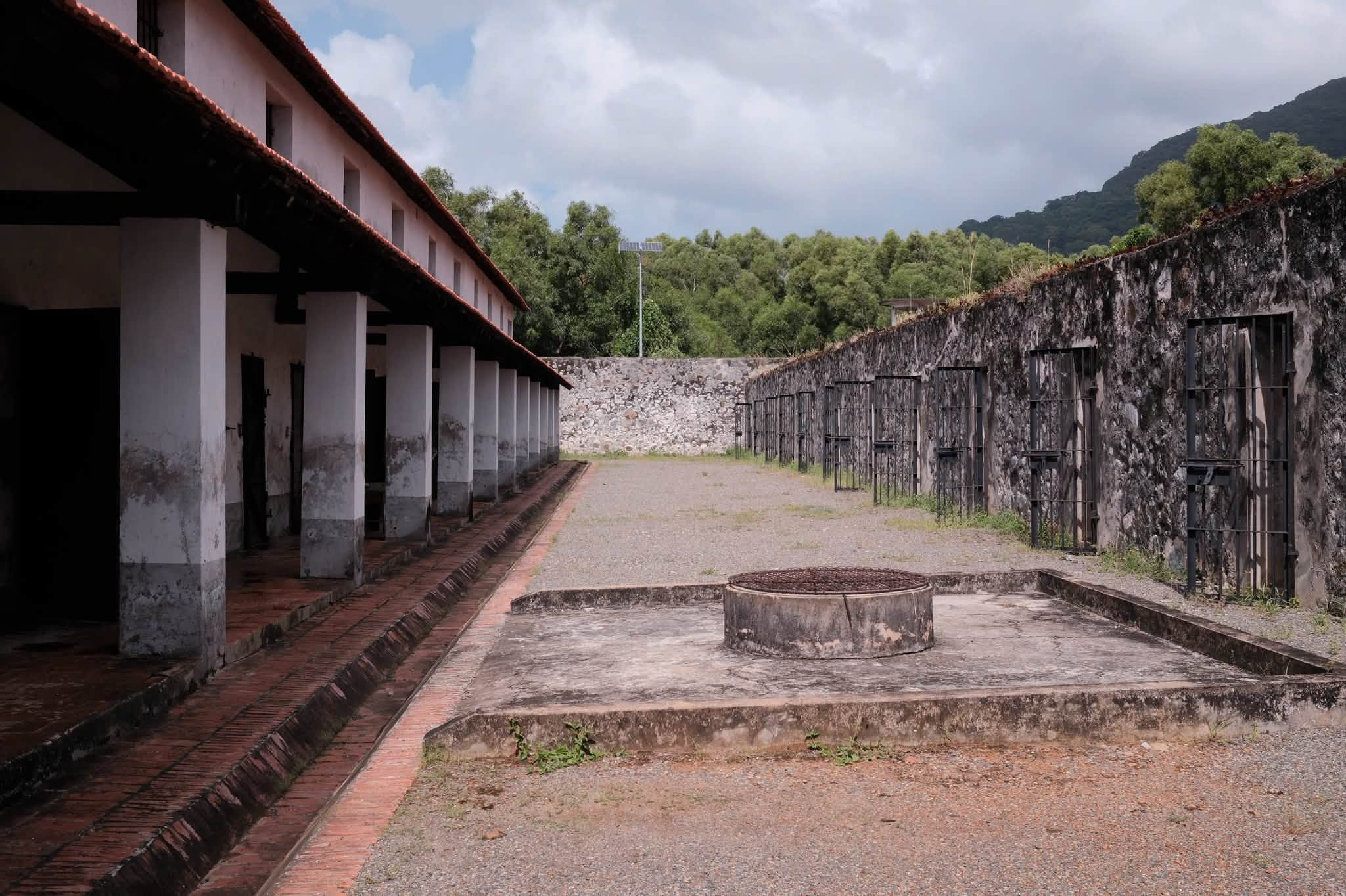
Con Dao’s historical sites offer another focus for an island stay; time outdoor visits around local conditions. Source: Collected.
Is December a good time to visit Con Dao?
It can suit historical sightseeing and hotel-based relaxation. The generally drier period does not guarantee calm seas, so confirm marine activities instead of making them the foundation of a short visit.
Is July too rainy?
Not necessarily. It overlaps with the main marine planning window and a significant turtle season. Choose it with flexible expectations, suitable accommodation and confirmed arrangements; do not assume every shower cancels a day or every morning will be boat-friendly.
Are turtle experiences available every night?
No general seasonal description can establish that. Access, places, transfers and the conservation program must be confirmed, while the wildlife event itself remains uncertain.
Will I see turtles when diving?
Possibly, but a turtle encounter is not guaranteed. Enjoy the reef and the wider marine environment without making a single species the measure of success.
Can I book the trip around a forecast?
Forecasts become more useful closer to the visit, but remain subject to change. Use seasonal patterns to choose the broad period and current local guidance to decide individual activities.
Pack sun protection, a rain layer, footwear with grip and protection for electronics on boat days. Ask about suitable life jackets and boarding access when traveling with children or anyone needing assistance.
Share your travel month, available nights and whether you care most about beach time, diving or turtle-related experiences through the custom Vietnam tour planner. Choose a Con Dao stay with activities suited to your priorities and enough room for changing sea conditions.