Best Time to Visit Da Nang: Weather by Month and Beach Conditions
November 22, 202613 min read
You have found a beachfront hotel in Da Nang and set aside a few days to unwind. Before booking, one question deserves attention: will your travel dates suit the holiday you imagine? A comfortable afternoon exploring the city, a sunny morning beside the sea and good swimming conditions do not always arrive together.
The best time to visit Da Nang depends on how much your trip revolves around the beach. March to May is a useful starting point for combining sightseeing with coastal downtime. For a holiday focused on swimming and resort days, consider approximately April to August, while allowing for summer heat and changing sea conditions.
For transport, attractions and an overview of the destination, start with our Da Nang Travel Guide.
When Is the Best Time to Visit Da Nang?
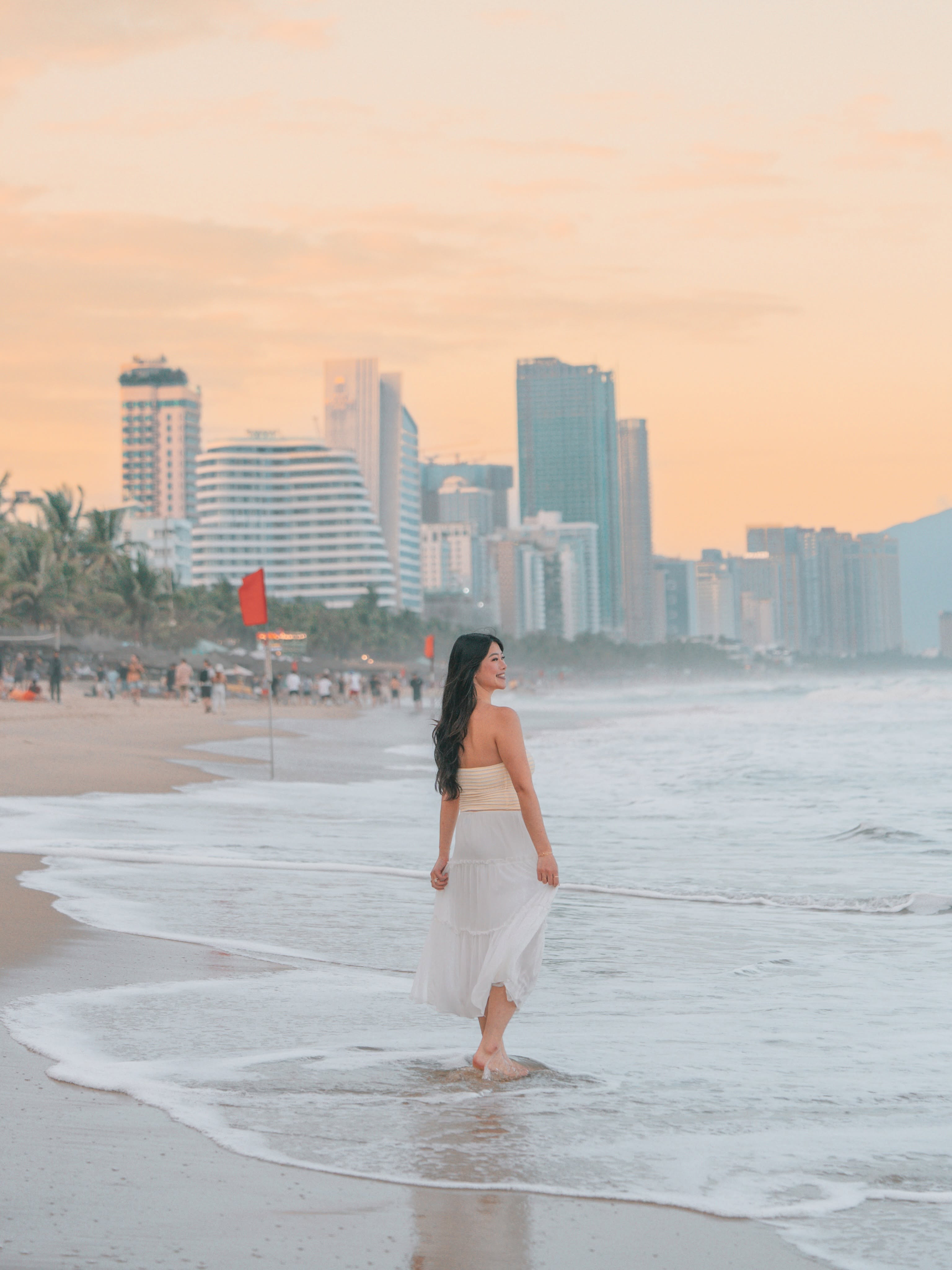
My Khe Beach and the coastal skyline of Da Nang. Source: Collected.
For a first visit with several different interests, March and April are sensible months to consider first. They sit within the generally drier part of the year, before the hotter summer period becomes the main consideration when organising outdoor activities.
May can also work well if you enjoy warmer weather and are happy to take a longer break during the middle of the day. June to August suits travellers whose plans centre on the coast, although sightseeing requires a more deliberate pace.
The wetter period, broadly September to December, calls for different expectations. A city stay with food, museums and comfortable accommodation can still have appeal. A short trip whose success depends on daily sea swimming is more vulnerable to disappointing conditions.
Your priority
Months to consider first
Main trade-off
Sightseeing with some beach time
March–May
Increasing heat as the season progresses
A holiday centred on the beach
Approximately April–August
Heat, holiday demand and daily sea conditions
Summer travel with children
June–August
More rest breaks and careful activity timing
Food, culture and a flexible city stay
Various months, including wetter periods
Outdoor plans may need changing
These are planning recommendations, rather than promises about individual travel dates.
Da Nang Weather by Month: What to Expect
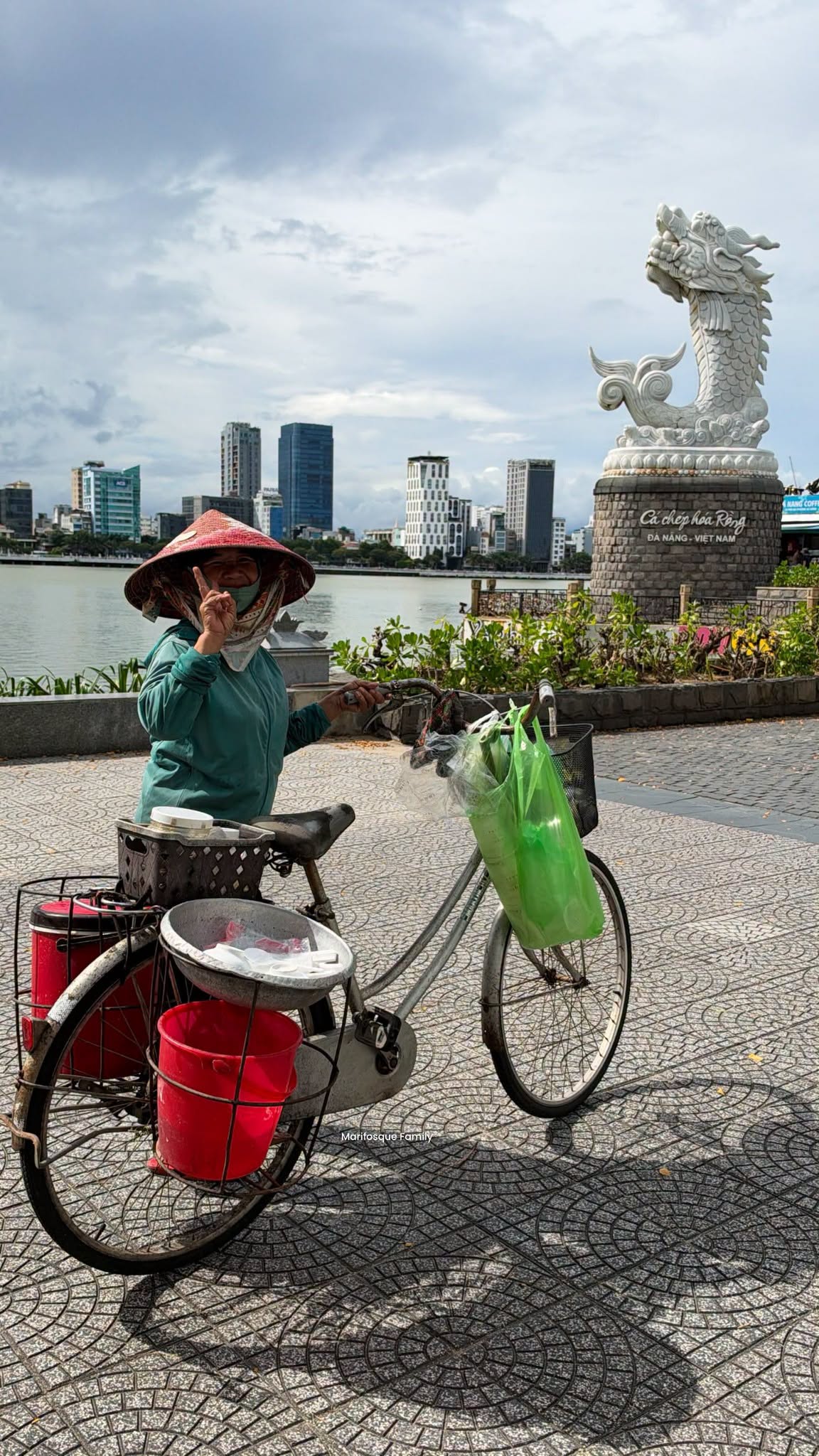
The Han River waterfront in Da Nang. Source: Collected.
Da Nang’s seasons change gradually. January and February can retain cooler, unsettled spells, while late summer does not end on a fixed date. The following Da Nang weather by month guide describes broad tendencies for the city and nearby coast.
Month
Typical weather pattern
Beach and swimming considerations
Best suited to
Planning note
January
Relatively cool; rain and cloudy spells remain possible
Beach walks may be more dependable than swimming plans
Food, culture and city stays
Keep expectations flexible for a beach holiday
February
A transition towards drier conditions
A pleasant day ashore does not establish suitable swimming conditions
Sightseeing and mixed-interest trips
Check whether your dates overlap with Tet
March
Generally warmer and drier
More scope for coastal time; assess the sea locally
First visits combining several activities
Leave room to move beach sessions
April
Warm, with a generally favourable outdoor window
A useful month to consider for beach and city combinations
Couples, families and first-time visitors
Check the late-April holiday period
May
Hotter, with summer conditions developing
Beach time becomes a stronger focus
Travellers mixing resort time and excursions
Avoid filling the hottest hours with sightseeing
June
Hot summer weather
Consider for a coastal holiday, subject to daily conditions
Families and resort stays
Build in a substantial midday break
July
Hot, with strong sunshine possible
Regular beach opportunities may suit a longer stay
Beach-focused summer trips
Keep shade and downtime within easy reach
August
Hot; conditions can become more variable towards the seasonal transition
Continue checking forecasts and local swimming advice
Flexible beach holidays
Avoid treating the entire month as identical
September
Transition towards the wetter period
Wind and changing conditions can interrupt plans
Trips with several interests
Keep outdoor bookings adaptable
October
A wetter-season month requiring greater flexibility
A less dependable choice for a swimming-led holiday
Travellers prioritising city experiences
Pay attention to heavy-rain and storm warnings
November
Wet-season conditions may continue
Sea activities should remain optional
Food, museums and accommodation-based downtime
Check transport and excursion updates
December
Cooler conditions, with rain still possible
A seaside stay can feel different from a summer beach break
Relaxed city visits
Pack a light extra layer and rain protection
How to use the monthly guide
Start with your least flexible priority. If swimming is the reason for travelling, choose your dates around that ambition before selecting excursions. If the beach is an optional afternoon, you have more freedom.
Next, consider trip length. A week offers more opportunities to rearrange activities than a two-night stop. It does not guarantee better weather, but it gives you more room to respond.
Finally, distinguish climate from a forecast. Seasonal patterns help you choose a month; forecasts help you organise the approaching days. Neither a monthly rainfall average nor a weather-app rain symbol tells you exactly how every hour of your stay will unfold.
Beach Conditions: Why Sunshine Does Not Guarantee Good Swimming
Coastal scenery at a resort on the Son Tra Peninsula. Source: Collected.
Standing on a sunny promenade can make the sea look inviting. However, the conditions that matter to swimmers include waves, wind and currents, rather than sunshine alone.
A beach can be enjoyable for walking, photography or breakfast overlooking the water while swimming is restricted. Conditions can also change during the day or differ along the shoreline. Choosing a familiar beach or staying at an expensive resort does not remove the need to check.
The best time to swim in Da Nang is a combination of a suitable season and suitable conditions at that particular beach, on that particular day.
Before entering the water:
Find the supervised swimming area. Confirm that lifeguards are actually on duty.
Read the local signs. Follow marked boundaries and any restrictions.
Ask when uncertain. Check with the lifeguard rather than judging by other swimmers.
Respect closures. Stay out when swimming is prohibited or staff advise against entering.
Supervise children closely. A designated swimming area still requires active adult attention.
A hotel’s “beachfront” description tells you about its setting. It does not establish that swimming is available throughout your stay, that the beach is continuously supervised or that the water will suit every member of your group.
Likewise, avoid choosing between My Khe and Non Nuoc on the assumption that one is always calmer. Accommodation location and sea conditions are separate decisions.
Choose Your Travel Dates Around the Experience You Want
Cable cars over the mountain landscape at Ba Na Hills. Source: Collected.
For a beach-focused holiday
If the sea is your main reason for coming, begin by considering approximately April to August. Then decide how much heat you enjoy and how many sightseeing days you want alongside the beach.
Allow several nights in one place. A four-night stay gives you more flexibility than arriving late, having one full day and leaving the following morning. Keep at least some beach sessions uncommitted so they can move around an excursion.
Check the hotel’s practical details: shade, room comfort, pool arrangements and access to meals. These affect a restful holiday even when the weather is favourable.
For sightseeing and a first visit
Consider March or April first if your plans involve walking, cultural attractions and some coastal downtime. Later in spring and through summer, organise substantial outdoor visits earlier in the day where practical.
Choose one demanding outing rather than stacking several together. Marble Mountains, for example, involves a different level of exertion from a café stop or museum visit. Leave time to recover before an evening out.
Ba Na Hills also needs its own weather assessment. Its mountain setting can be cooler and cloudier than the coast. Sunshine outside your beachfront hotel does not guarantee clear views from the Golden Bridge.
For families and a slower resort stay
Summer can fit school-holiday travel, provided the itinerary respects everyone’s energy. An early outing, lunch and a long rest can work better than continuous sightseeing.
Choose accommodation around everyday convenience. Consider the walk to meals, road crossings, room arrangements and what children can do when swimming is unavailable. An outdoor pool is useful, but weather can affect that too.
Our guide to where to stay in Da Nang compares beach areas, city neighbourhoods and resort settings.
For Da Nang combined with Hoi An or Hue
Look at the whole route before deciding that one month is suitable. Beach time in Da Nang, walking through Hoi An and visiting Hue’s monuments place different demands on your day.
Avoid making every excursion a return journey from the same hotel. The Hoi An Travel Guide can help you decide whether an overnight stay better suits your interests.
Visiting Da Nang in the Rainy Season
A seafood meal in Da Nang, one option for a food-focused city stay. Source: Collected.
A rainy-season visit can work when the experiences you value remain enjoyable without dependable beach weather. It becomes harder to justify when the whole trip depends on swimming, clear viewpoints or several fixed outdoor excursions.
Build the visit around activities you would actively choose: Cham sculpture, regional food, cafés and time at your accommodation. Keep a shorter outdoor visit available for a suitable weather window.
Hotel location matters particularly here. A remote property may be attractive when you intend to spend most of the holiday inside it. It may feel inconvenient if every meal and activity requires a transfer. Choose the setting around your likely routine.
Ordinary rain and severe weather require different responses
An ordinary wet day may call for a museum visit and a postponed beach walk. Heavy-rain, storm or flooding warnings may require changes to transport, excursions or the stay itself.
Check current official warnings and messages from your accommodation and transport providers. Confirm whether an activity is operating before travelling to it.
Do not assume that rainy-season weather always consists of a brief afternoon shower. Equally, do not assume every day will be lost. The useful approach is to keep commitments proportionate to the uncertainty.
Review cancellation and amendment terms before paying. A lower room rate offers limited value if the booking leaves you unable to adjust a trip that depends on good weather.
Plan Your Stay Around the Season
A fish shop in Man Thai, Da Nang. Source: Collected.
The same number of nights can support very different holidays. Use the season to decide what deserves a fixed booking and what should remain flexible.
Example stay
Suggested approach
Four nights with a beach priority
Keep arrival relaxed, reserve one main excursion and leave several mornings or afternoons available for the coast
Three nights during a wetter period
Choose a convenient base, include food and indoor cultural visits, and confirm outdoor outings nearer the day
A longer Central Vietnam journey
Balance heritage stops with downtime rather than expecting every day to suit both sightseeing and swimming
For a cultural route, the six-day Hue, Da Nang, Hoi An, My Son and Tra Que tour provides a framework to discuss. If you also want several unhurried beach days, ask how additional nights would fit rather than squeezing them into sightseeing time.
Check holidays and events before booking
Seasonal weather is only one influence on your dates. Tet, the late-April and early-May holidays, weekends and major events can affect availability and the atmosphere of a stay.
Check the calendar for your actual travel year. Fireworks and other events require confirmed dates; an old festival programme is not a reliable basis for a new booking. Avoid assuming that any month is automatically quiet or inexpensive.
Pack for your activities as well as the season: breathable clothing and sun protection for hot days, rain protection when needed, suitable walking shoes and a light layer for a mountain outing.
Frequently Asked Questions
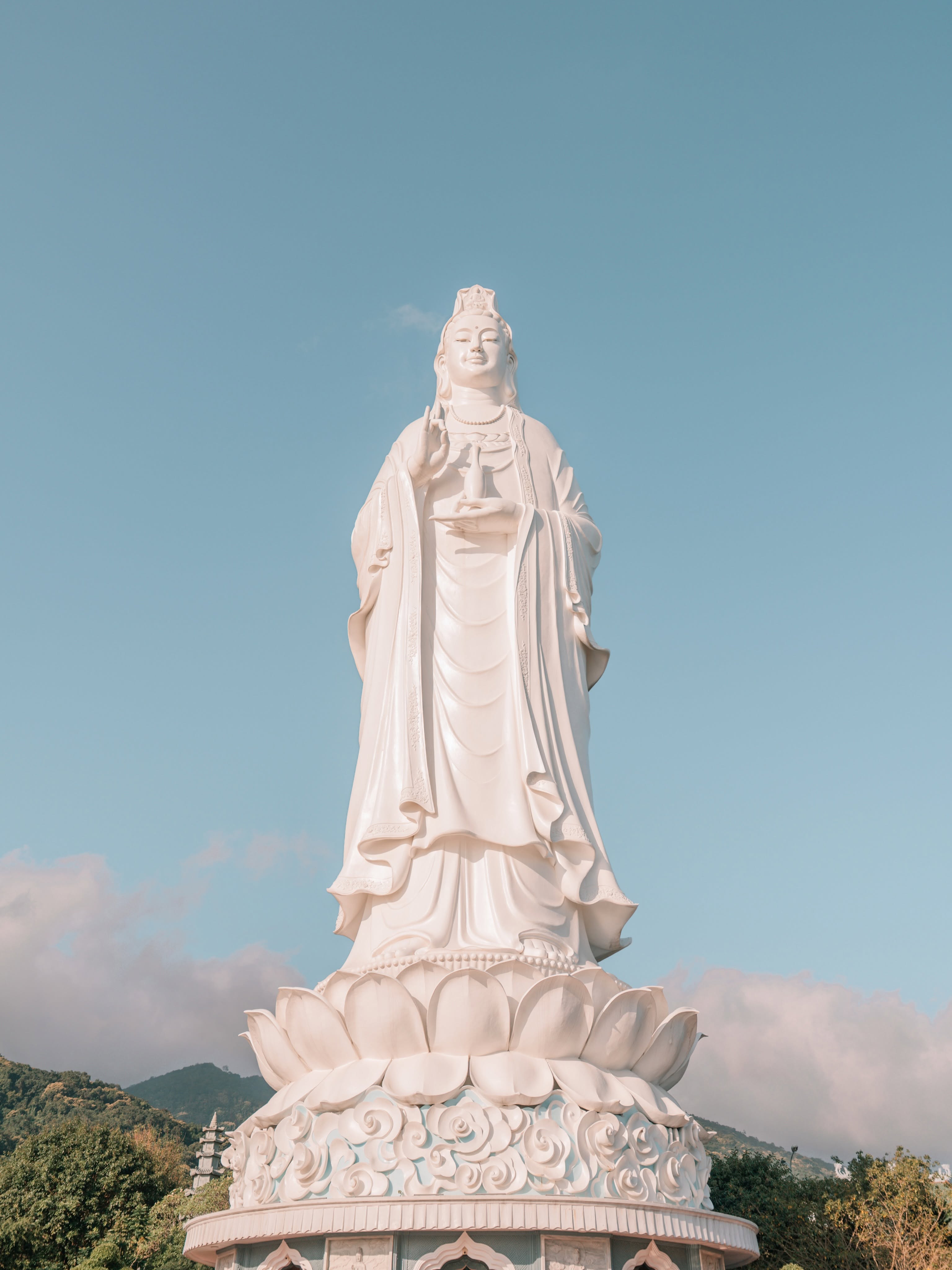
The Buddha statue at Linh Ung Pagoda in Da Nang. Source: Collected.
What is the best month to visit Da Nang for the beach?
April is a useful starting point if you want beach time alongside sightseeing. May to August also deserves consideration for a coastal holiday, especially if you enjoy hotter weather. No month guarantees calm water or suitable swimming conditions every day.
When is the rainy season in Da Nang?
The wetter period broadly falls from September to December, with unsettled conditions sometimes extending into the beginning of the year. Seasonal transitions vary. Use this pattern when choosing dates, then check forecasts and official warnings as the trip approaches.
Can you swim in Da Nang in December or January?
Swimming may be possible on suitable days, but these months are a less dependable choice for a holiday centred on the sea. Cooler weather and unfavourable sea conditions can limit opportunities. Follow local restrictions and lifeguard advice on the day.
Is Da Nang too hot in June and July?
These are hot summer months, so comfort depends partly on your routine. Early outings, shade and a long midday break can make the stay more manageable. Travellers who dislike heat should consider an earlier spring visit instead.
Is October a good time to visit Da Nang?
October requires greater flexibility because it falls within the wetter period. It can suit visitors interested in food, culture and a comfortable city stay. It is a less dependable choice when daily swimming and uninterrupted outdoor excursions are essential.
Does Ba Na Hills have the same weather as the beach?
No. Its elevated setting can bring cooler temperatures, cloud and reduced visibility even when the coast is sunny. Check conditions for the mountain outing itself and bring an additional layer rather than relying on the beachfront forecast.
Choose your month around the experience you would most regret missing. Then give the itinerary enough space to accommodate the weather.
Tell us your travel month, number of nights and whether beach time or sightseeing matters most. We can help plan a tailor-made Vietnam trip with a Da Nang stay that fits your interests and preferred pace.
Healthdirect: Beach Safety — general guidance on supervised swimming, currents and beach signs; local instructions in Da Nang take precedence.
If you would like help matching your dates to a Central Vietnam itinerary, speak with a travel agency Vietnam travellers can contact about their interests and preferred pace.