3 Week Vietnam Itinerary: Culture, Countryside and a Beach Finish
November 21, 202618 min read
Three weeks in Vietnam can take you from Hanoi’s neighborhood kitchens to limestone valleys, imperial architecture and the waterways of the Mekong Delta, with time left to unwind beside the sea. The challenge is choosing what to leave out. A rewarding 3 week Vietnam itinerary gives each region a purpose and treats travel days as part of the holiday.
For a first visit, a north-to-south route works well when your flights support it. The suggested journey below combines Hanoi, Ninh Binh, an overnight bay cruise, Hue, Hoi An, Ho Chi Minh City and a short delta stay. It then reserves four nights for a beach break. You will also find ways to replace the beach with mountains or move your coastal days into the middle of the trip.
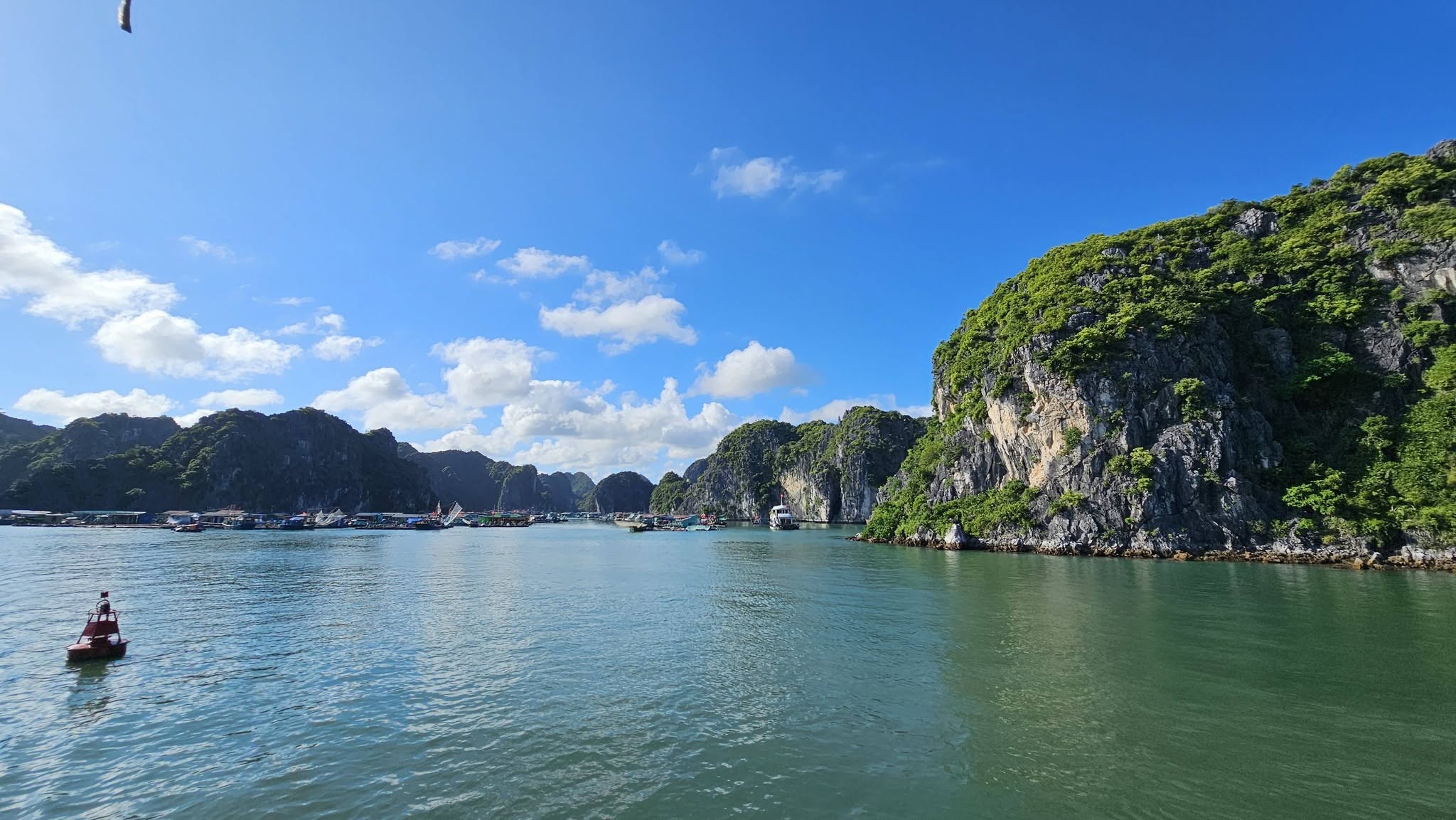
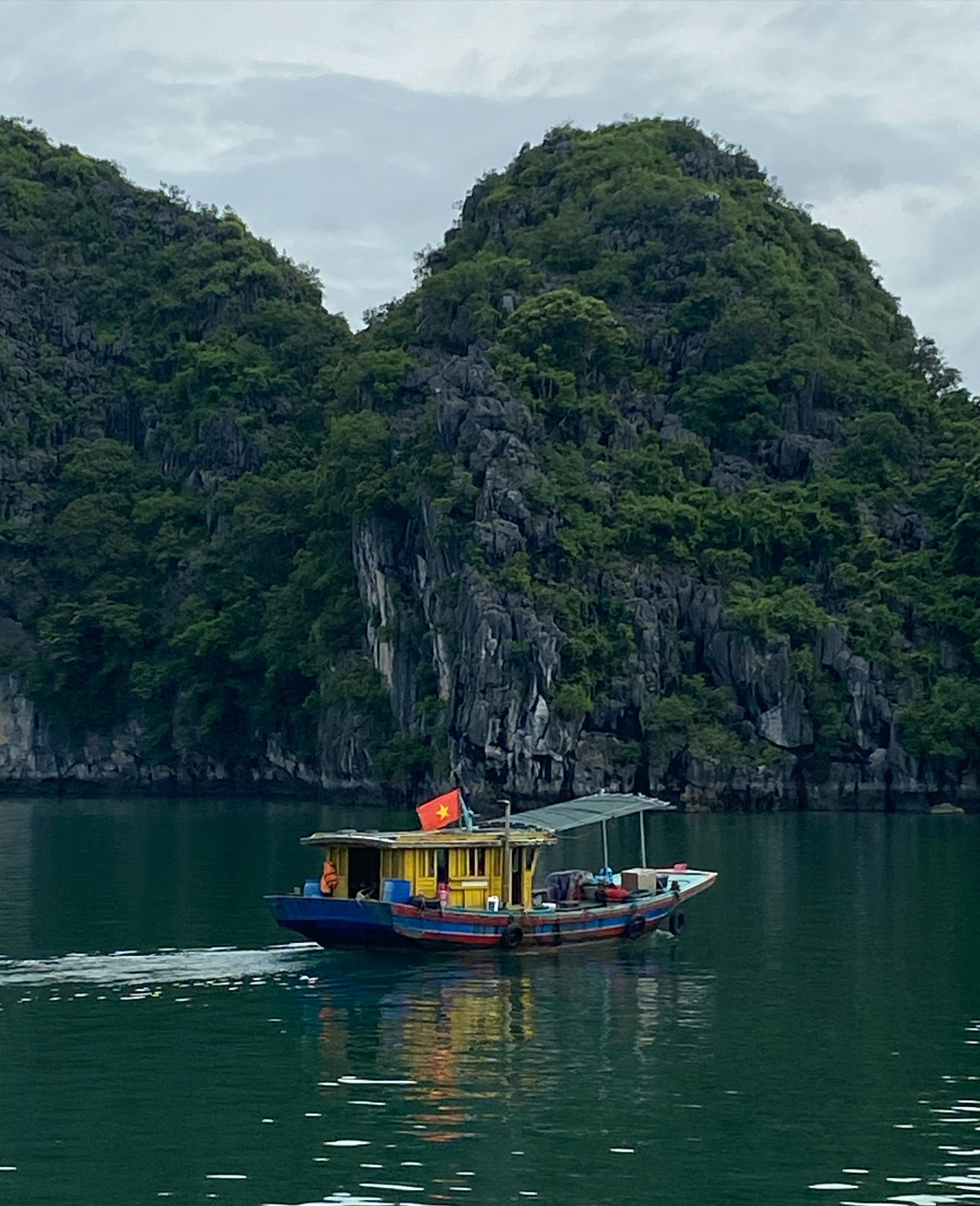
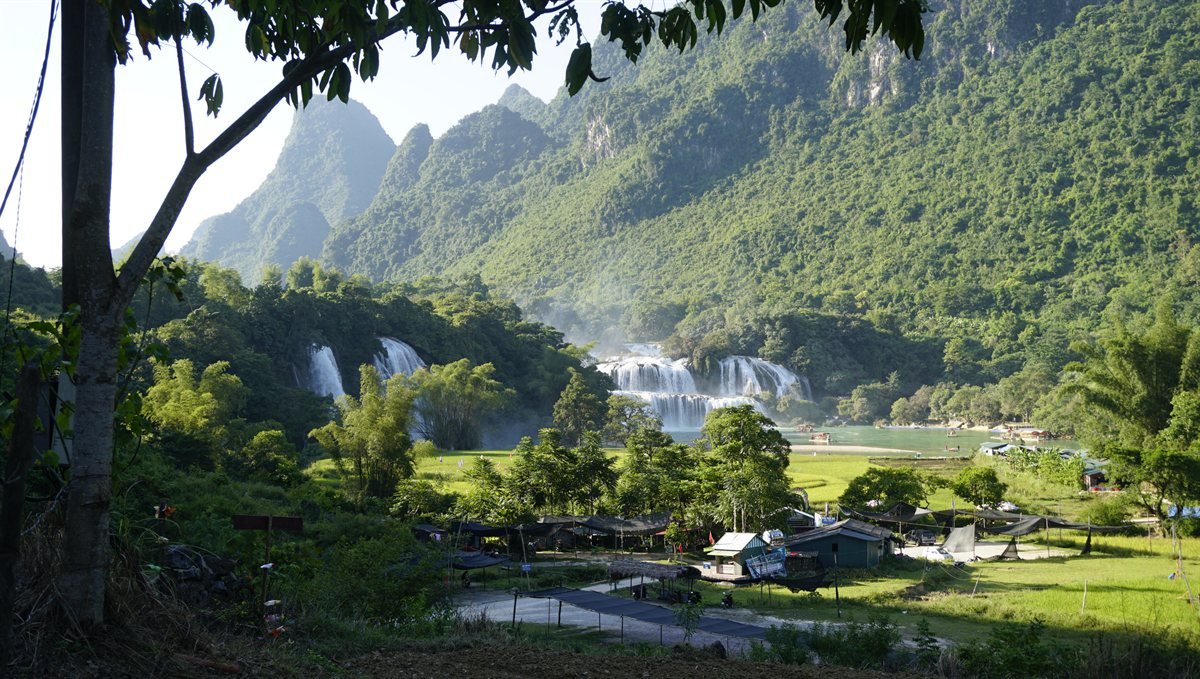
Featured image: Limestone islands and open water create a scenic pause in Lan Ha Bay. (Source: Collected)
1. How to Plan Three Weeks in Vietnam Without Rushing
A relaxed beach stop in Phu Quoc offers a different pace after several regions of sightseeing. (Source: Collected)
Count arrival days, departure days and nights separately
This plan starts when you arrive in Vietnam and ends when you depart: 21 days and 20 nights. An overnight international flight before arrival is additional time. A late arrival gives you a hotel night but little sightseeing, while an early departure contributes almost no usable holiday time.
Decide your international airports before arranging every hotel. Arriving in Hanoi and leaving from Ho Chi Minh City can reduce backtracking. Reversing the route may suit your flights, seasonal priorities or preferred beach finish. There is no universal advantage to traveling in one direction.
Give each stop a different role
Hanoi introduces northern food and city life. Ninh Binh adds inland countryside, while the bay provides a night on the water. Hue and Hoi An reveal different chapters of history. Ho Chi Minh City and the delta bring contrasting urban and rural experiences before the beach.
These places offer complementary experiences, but they are not all compulsory. If you want several days of trekking, change the route rather than adding another long transfer. Three weeks is enough for a varied introduction, not every major destination.
Compared with a two-week Vietnam itinerary, the extra week is most valuable when it buys deeper experiences, recovery time or a meaningful beach stay. Simply adding seven more sightseeing days can make the longer holiday feel more tiring.
2. A Suggested 21-Day Vietnam Itinerary
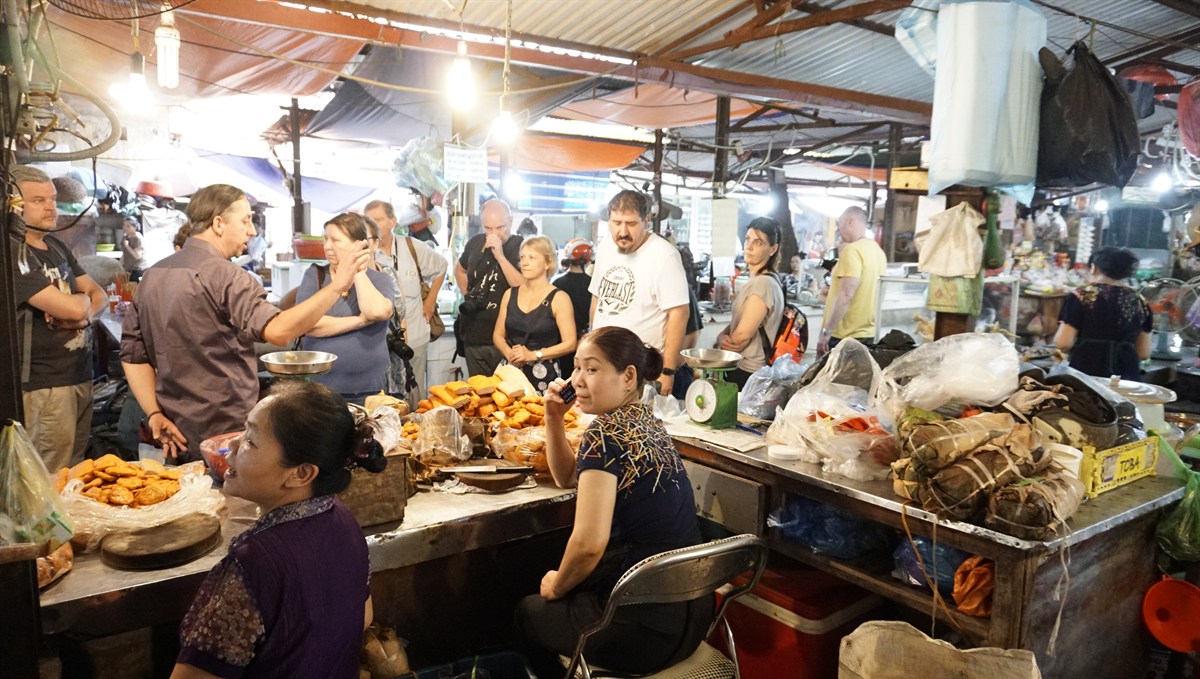
A guided food experience in Hanoi connects visitors with local kitchens and market life. (Source: Collected)
Your route at a glance
The beach block below uses Phu Quoc as an example when the season and transport fit. It is a replaceable part of the itinerary, not an island recommendation for every month.
Days
Overnight base
Nights
Main focus
1–3
Hanoi
3
Food, neighborhoods and cultural context
4–5
Ninh Binh countryside
2
Boat journey, walking and cycling
6
Halong Bay or Lan Ha Bay cruise
1
Limestone scenery and a night aboard
7–8
Hue
2
Imperial heritage and regional food
9–11
Hoi An
3
Trading-town history, village experiences and free time
12–13
Ho Chi Minh City
2
History, contemporary life and food
14
One Mekong Delta countryside base
1
River travel and an overnight rural experience
15
Ho Chi Minh City
1
Return from the delta and a relaxed evening
16–19
Phu Quoc or another suitable beach base
4
Rest and optional local exploration
20
International departure city
1
Connection buffer and final evening
21
Departure
0
International journey home
Total
20
21 calendar days
Days 1–3: Hanoi, with time to find your rhythm
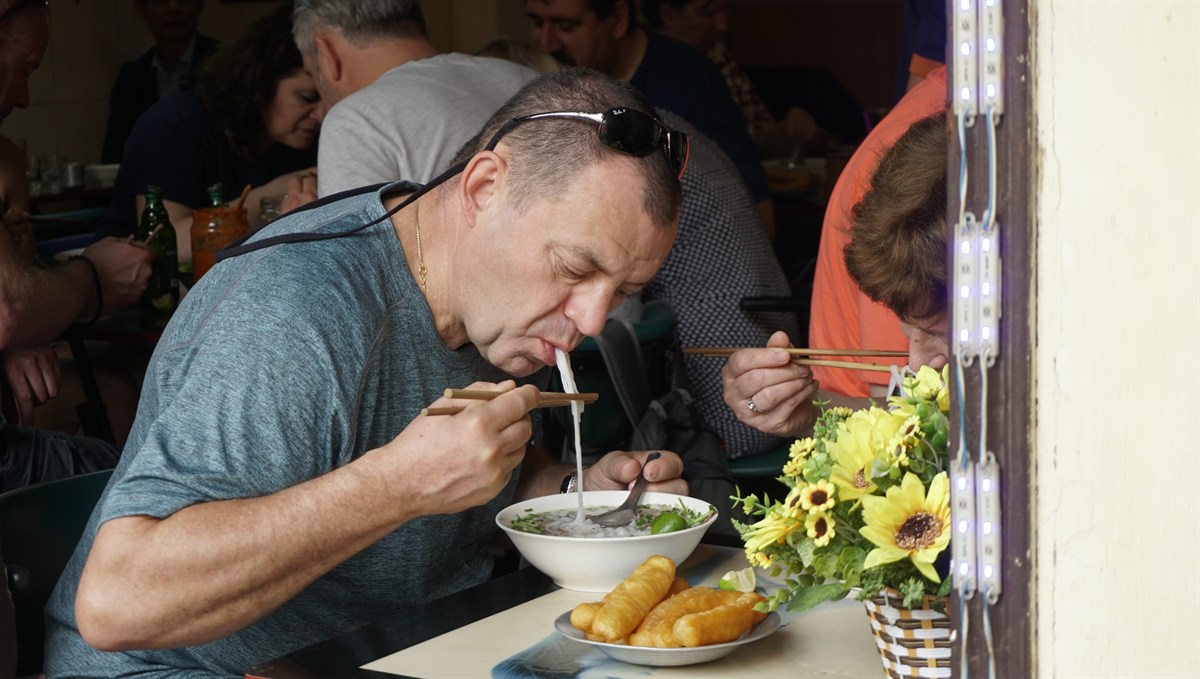
Trying local dishes is part of a food-focused introduction to Hanoi. (Source: Collected)
Keep arrival day uncomplicated. Settle in, walk near your hotel and enjoy an easy meal. If your flight lands late, move the orientation walk to the following morning rather than trying to preserve a busy schedule.
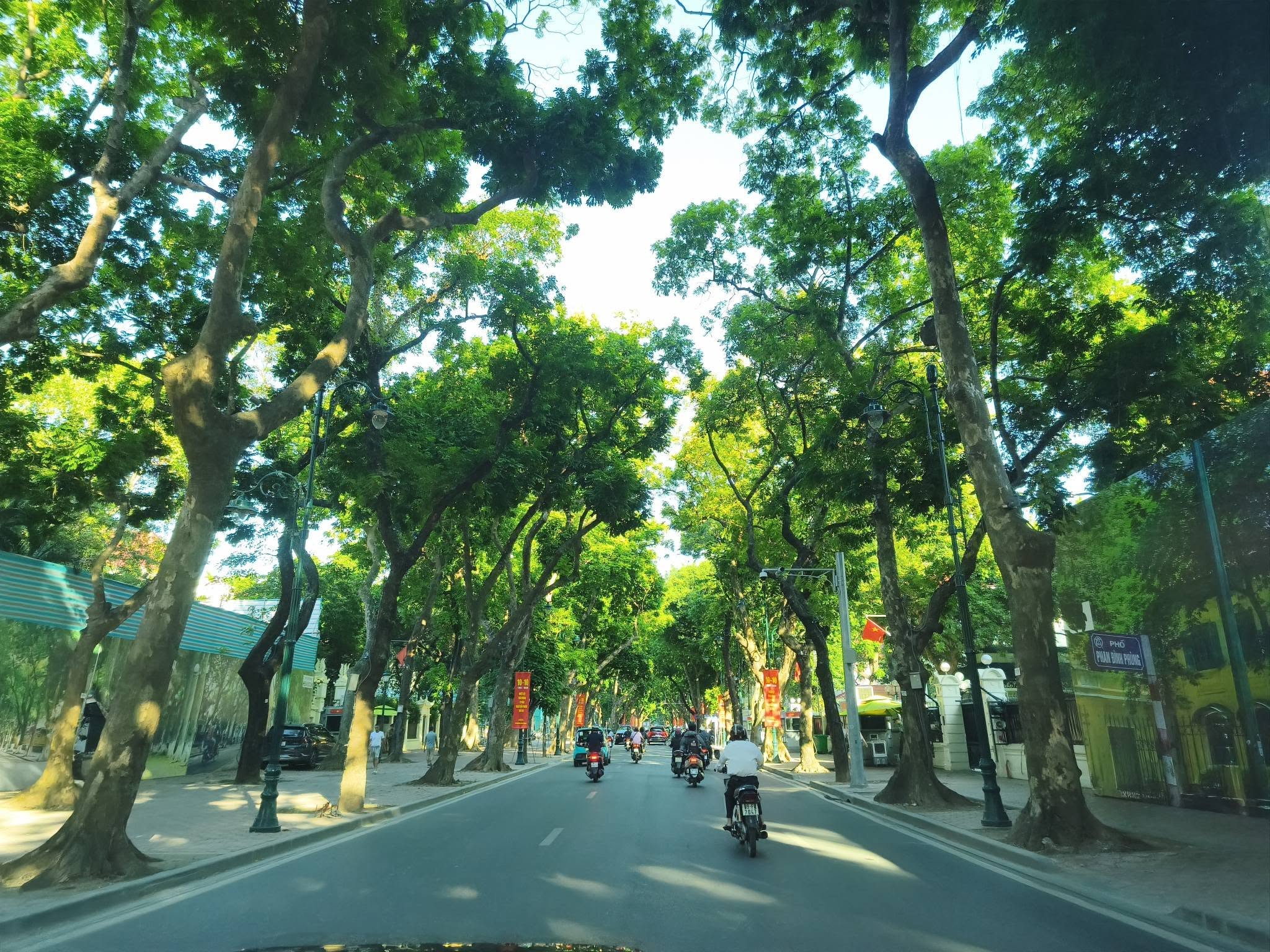
Use one full day for the Old Quarter and a guided food walk, connecting dishes with the neighborhoods where they are prepared. Choose another day around your interests: the Temple of Literature and a museum, a deeper neighborhood walk, or a craft-focused outing.
A pottery visit at Bat Trang can work well for families, but should replace part of the city program. The reward is time to participate and ask questions. Hanoi becomes more memorable when you can stop for coffee, revisit a favorite street or follow a food recommendation without watching the clock constantly.
Days 4–5: Ninh Binh, beyond a quick boat stop
Rowboats glide past limestone cliffs and a waterside pavilion in Trang An, Ninh Binh. (Source: Collected)
Travel by road to your countryside accommodation. Spend the afternoon on a manageable cycle or walk, with time to enjoy the landscape around the hotel. Location matters: a rural property offers a different evening from an urban stopover.
Consult our Ninh Binh travel guide before choosing your route. Choose one principal boat outing, such as Trang An or Tam Coc, for the following day. Let the route, seasonal landscape and your interests decide. You do not need both to appreciate the limestone scenery. Add a temple, a viewpoint or another gentle ride according to energy and weather.
Two nights create a useful pause before the cruise. For travelers who dislike cycling, short walks and road transfers can provide an enjoyable alternative. Narrow lanes, heat and mixed traffic mean a flat ride should still be chosen with care.
Day 6: An overnight cruise in Halong Bay or Lan Ha Bay
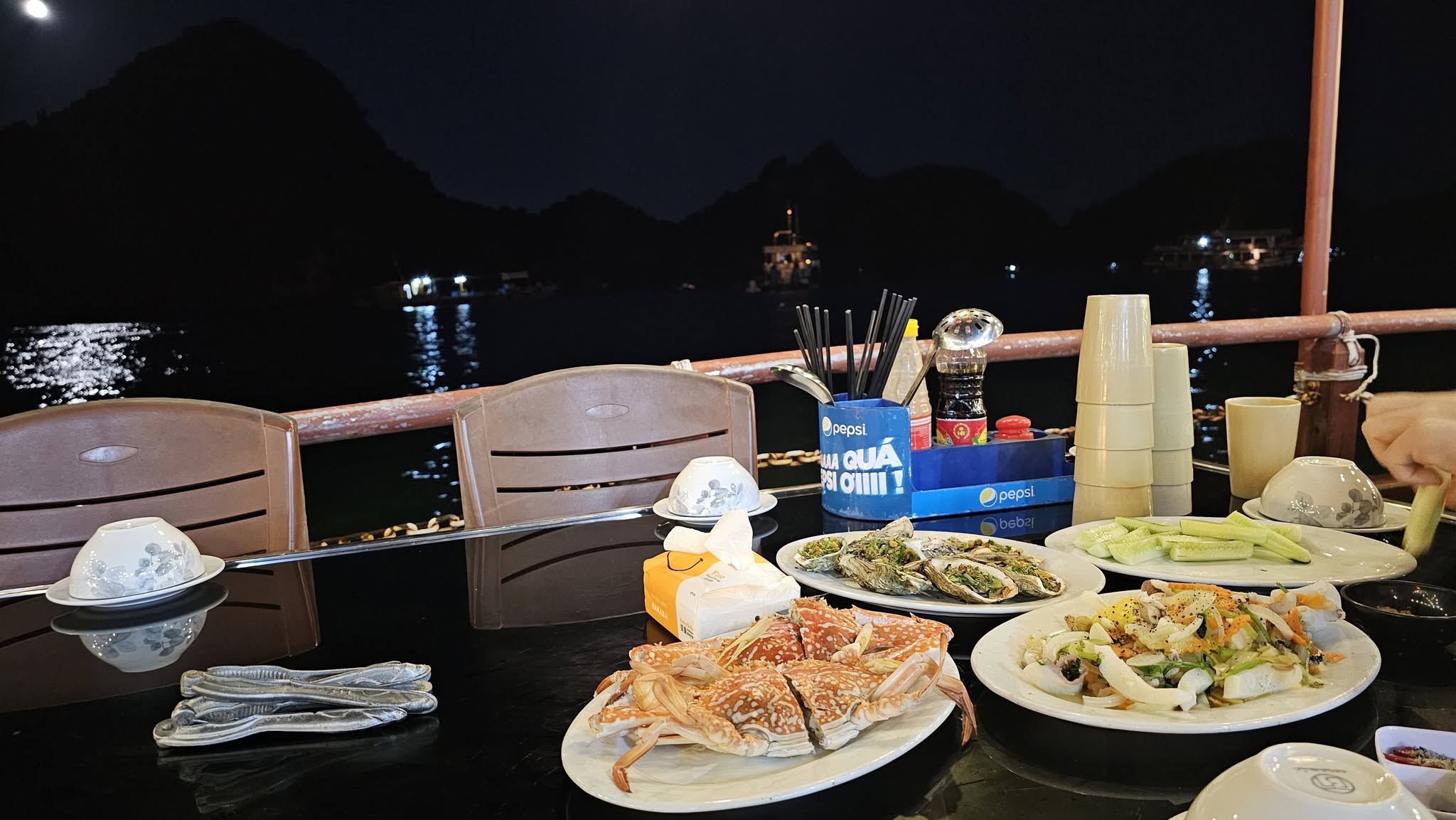
A seafood meal aboard a boat in Lan Ha Bay brings the evening experience onto the water; menus vary by cruise. (Source: Collected)
Transfer to the port named in your cruise confirmation. Select one bay itinerary and a vessel that fits your priorities: cabin comfort, activities, time cruising or a quieter onboard atmosphere. Bay names alone do not establish the character of a particular departure.
Spend the afternoon enjoying the scenery and whatever activities the confirmed route includes. Kayaking, cave visits and swimming depend on the vessel, permissions and conditions. There is no need to treat every offered activity as compulsory.
Pack medication and overnight essentials where you can reach them. Keep the next travel day simple, because the cruise return, road journey and airport process already make it a substantial transfer day.
Days 7–8: Hue, with a carefully arranged arrival
Palace architecture in Hue reflects the city’s royal heritage. (Source: Collected)
Day 7 combines disembarkation, an airport transfer and onward travel to Hue. Book this sequence only after matching the actual cruise return with an available flight and a generous transfer allowance. If the connection is uncomfortable, reorganize the itinerary with a transit night or another routing; do not rely on a tight airport dash.
Make arrival evening restful. Use Day 8 for the Imperial City and a selected royal tomb, balancing architecture with regional food and everyday surroundings. A guided explanation helps connect individual monuments to the people and political history behind them.
Avoid turning Hue into a race through every tomb. One well-paced heritage day, with shade and a good meal, often leaves a stronger impression than repeated brief stops at similar-looking entrances.
Days 9–11: Hoi An, heritage and hands-on experiences
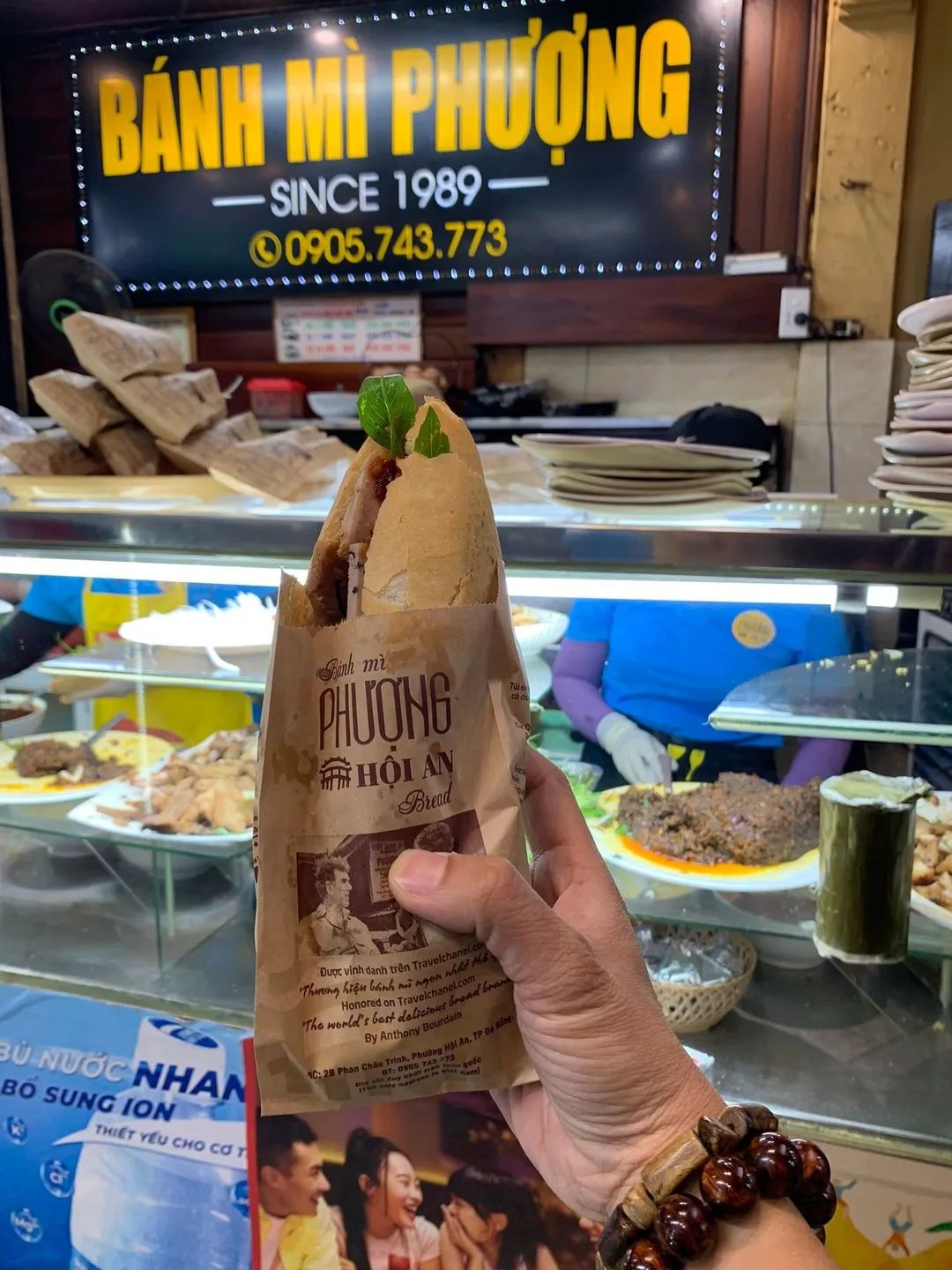
A banh mi stop adds local flavour to time spent exploring Hoi An. (Source: Collected)
Travel south by road, choosing a scenic route via Hai Van Pass when conditions and timing suit. A stop should add interest without making the transfer exhausting. Arrive with time to settle into the neighborhood around your accommodation.
Devote one day to Hoi An’s trading-town heritage and another to a selected experience outside the historic center. Village cycling, a cooking session or a craft visit creates a different kind of engagement. My Son is an alternative for travelers especially interested in Cham heritage.
Keep part of Day 11 free. Use it for a café, a leisurely meal, shopping or the beach when conditions permit. Our six-day Hue, Da Nang, Hoi An, My Son and Tra Que tour offers a fuller regional framework to adapt if central Vietnam is a priority. It is not an extra six days to add unchanged to this schedule.
Days 12–13: Ho Chi Minh City, history and contemporary life
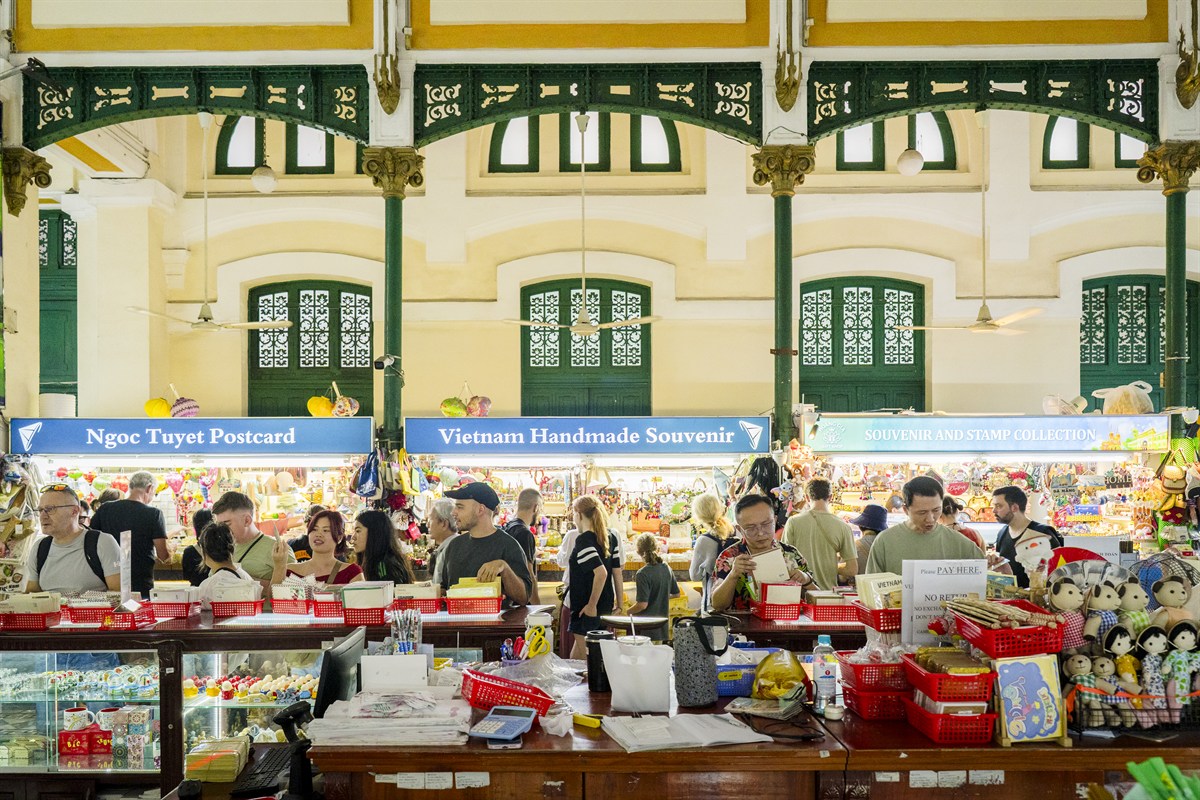
Ho Chi Minh City’s Central Post Office combines a landmark visit with the activity of the city centre. (Source: Collected)
Transfer to Da Nang Airport and fly south on an appropriate available service. Leave the arrival afternoon flexible. A neighborhood walk or evening meal is enough after a hotel checkout, road transfer and flight.
Choose the following day around historical interpretation, markets and food. A museum visit and guided walk can help you understand the city beyond its traffic and landmarks. Leave space for contemporary cafés and ordinary street life as well.
If the Cu Chi Tunnels are important to you, replace part of this program rather than treating them as a small addition. The road journey and site visit deserve a substantial block of time. Travelers with no particular interest in the excursion can enjoy a satisfying city stay without it.
Days 14–15: One Mekong Delta area, experienced properly
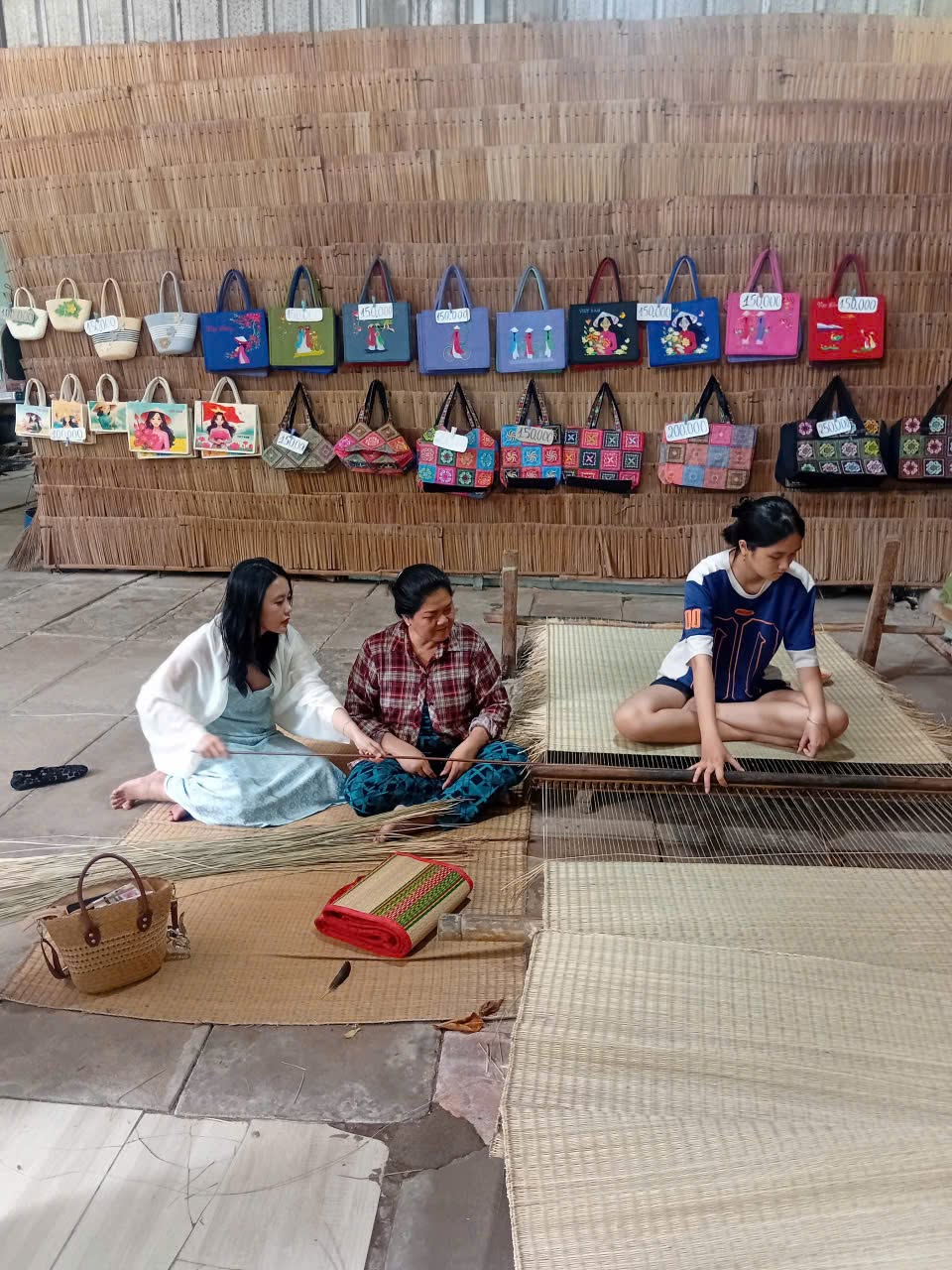
A craft demonstration in Ben Tre shows another side of daily life in the Mekong Delta. (Source: Collected)
Our Mekong Delta travel guide compares the main areas. For this short overnight, choose Ben Tre or Cai Be–Vinh Long, with an accommodation and activity plan that works together. Combine a river journey with time ashore: a producer visit, a village walk, a meal or a short cycle. A boat ride becomes more meaningful when you understand the landscape and work around it.
Stay in a rural lodge or homestay selected for your comfort needs. Use the next morning for a gentle activity before returning to Ho Chi Minh City. The city night separates the delta journey from the beach flight.
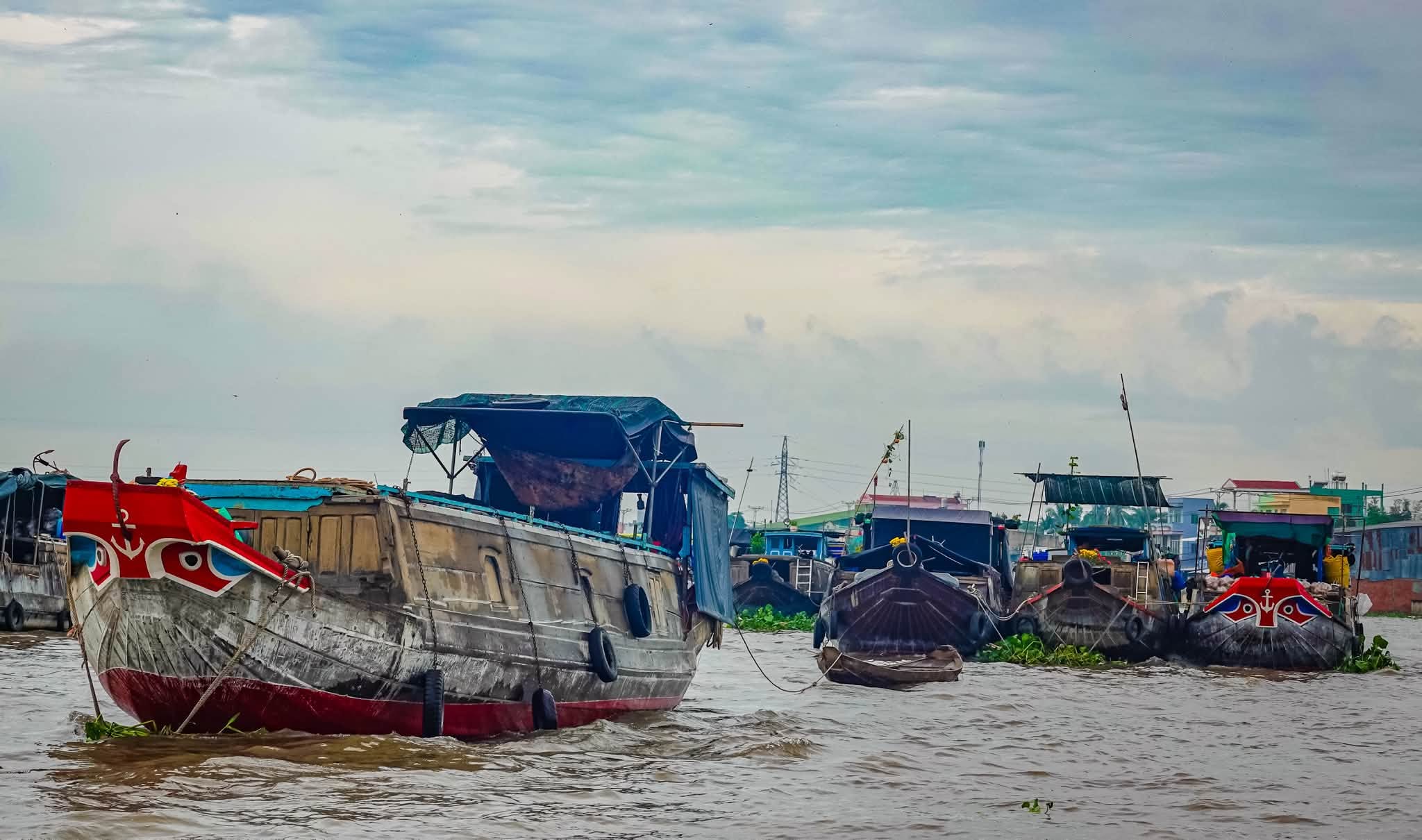
If Cai Rang floating market is a priority, redesign this section around a night near Can Tho and assess whether another night is needed. Do not assume a Ben Tre overnight automatically makes an early Can Tho visit convenient. Market activity also varies; older photographs should not define your expectations.
Days 16–19: Four nights at the beach
An island outing in Phu Quoc can complement several days of coastal downtime. (Source: Collected)
Travel to your chosen coastal base and settle into one property. With arrival on Day 16 and departure on Day 20, you have three intervening days without an intercity transfer. That is enough for genuine downtime.
Keep at least two days largely unplanned. A boat outing or snorkeling trip can be an option, subject to conditions, rather than the reason every morning needs an alarm. A beach stay is most restorative when you feel free to remain at the hotel.
Use our Phu Quoc travel guide to compare island experiences. Choose accommodation for the way you will actually spend these days: beach access, pool, shade, nearby meals, room layout and noise. A spectacular photograph of a distant shore is less useful than understanding the setting outside your own room.
Days 20–21: A comfortable finish
Return to the city of your international departure on Day 20 if the flight arrangements require it. Keep the last evening flexible and allow for packing, a final meal and rest.
A suitable international service from the beach destination may remove the need to return, but it must fit your actual tickets and travel requirements. If you retain that option, reallocate the spare night explicitly. The sample above deliberately keeps a city buffer and remains 20 nights long.
3. What to Change for Mountains, Food or a Slower Pace
Cycling through Hoi An’s countryside is one way to build hands-on experiences into a longer journey. (Source: Collected)
Replace the beach with one northern mountain area
If walking and highland landscapes matter more than coastal relaxation, use the four-night beach allocation to rebuild the northern section. Choose one mountain area and include its road or rail access in the calculation. Sapa, Ha Giang and Mai Chau–Pu Luong are different journeys, not interchangeable afternoon excursions from Hanoi.
For village walking and rural stays, the eight-day Hanoi, Mai Chau, Pu Luong, Ninh Binh and Lan Ha Bay tour provides a northern framework to compare. Integrate it by replacing overlapping days, then recount the entire trip. Extra trekking nights may also require reducing time elsewhere.
Slow the pace for a family holiday
Consider removing a base rather than asking everyone to tolerate faster transfers. Reallocate the nights to Hanoi, Hoi An or the beach, and favor one meaningful activity each morning with a flexible afternoon. Room configuration, shade and meal access can matter more than the number of attractions.
Food-focused travelers can make a similar adjustment: spend longer in fewer cities and select complementary food experiences. A market-to-kitchen session teaches something different from an evening tasting walk. Repetition adds less value than variety within a manageable schedule.
Put Nha Trang and Da Lat into the discovery route
Travelers who enjoy changing landscapes can place a coastal stay before Da Lat and continue south afterward. This creates a more varied route with additional moves and puts the beach in the middle of the holiday.
Our 3 Week Vietnam Tour Itinerary from Hanoi to Ho Chi Minh City follows this broader discovery approach, including Nha Trang and Da Lat. It is a separate 21-day option, rather than the exact beach-finish itinerary above. Compare the two according to your appetite for movement and preferred destinations.
4. How to Travel Between Destinations
A local boat travels between the limestone islands of Lan Ha Bay. (Source: Collected)
Use road transport for regional journeys and compare flights for longer moves. A short flight still occupies a substantial portion of a day once checkout, airport travel, security, baggage and the final hotel transfer are included.
Journey
Practical starting choice
What to check
Hanoi to Ninh Binh
Road transfer; rail can suit independent travelers
Final transfer to countryside accommodation
Ninh Binh to cruise port
Coordinated road transfer
Actual pier and boarding deadline
Bay to Hue
Road plus a suitable flight connection
Cruise return, airport choice and connection margin
Hue to Hoi An
Road, or train to Da Nang plus road
Scenic interests, luggage and additional station transfers
Hoi An to Ho Chi Minh City
Road to Da Nang Airport, then flight
Operating schedule and baggage allowance
Ho Chi Minh City to the delta
Road plus local boats
Exact property access and pier arrangements
Mainland to beach destination
Flight or road according to location
Complete journey, not just the headline fare
Where trains make sense
A daytime rail journey between Hue and Da Nang can appeal to travelers who enjoy the journey itself. Hoi An has no mainline railway station, so allow for the final road transfer. Choosing rail changes what can fit into that day.
An overnight train can replace a longer travel segment, but needs its own timetable and night allocation. Cabin sharing, noise, sleep quality and early arrival matter. Compare it with flying plus a hotel night rather than assuming it provides the same rest.
For any dated booking, check the actual service and conditions. This itinerary does not depend on a particular train number or an unverified promise of daily direct flights.
5. Should You Finish Your Vietnam Trip at the Beach?
Shade, sand and shallow water illustrate the appeal of a restful coastal stay in Phu Quoc. (Source: Collected)
When the beach finish is worthwhile
Choose it if you enjoy unstructured days and want the trip to end gently. Four nights can work especially well after cities, guided visits and several changes of accommodation. Keeping the beach as a single base avoids packing again just as you begin to relax.
It is less compelling if reaching it requires awkward connections, the season poorly matches your expectations, or you would rather spend those days walking in the mountains. A resort stay is a preference, not a necessary final chapter of every Vietnam holiday.
Match the beach to the season
Phu Quoc is generally a stronger candidate around November to April, while May to October brings wetter conditions and potentially rougher seas. These are broad patterns. A dry-season reservation does not guarantee a particular swimming day, and rainy-season experiences vary.
For Da Nang and Hoi An, the warmer, drier part of the year generally offers a stronger starting point for beach planning. Around February to August is a useful broad planning window, while the later-year rainy period requires more flexibility. Nha Trang has a different local pattern, so assess it separately rather than assuming all central beaches behave alike.
Beach strategy
Why choose it?
Main tradeoff
Phu Quoc at the end
A distinct island stay after southern Vietnam
Extra flight logistics and seasonal sea conditions
Longer Hoi An or Da Nang stay
Combines culture and coastal downtime
Beach time may fall mid-trip unless the route is reordered
Nha Trang within a discovery route
Works with a coastal-and-highland variation
More movement if continuing to Da Lat
Mainland beach reached by road
May avoid an additional airport journey
Road time and actual swimming conditions still matter
Beach comfort and boat conditions are different questions
A pleasant resort day does not guarantee safe or enjoyable snorkeling offshore. Wind, waves, currents and visibility affect marine activities separately. Choose a property you would enjoy even if an excursion is canceled, and follow local swimming guidance.
If you want structured island exploration as well as rest, the five-day Phu Quoc Island Beach Escape and Local Life tour is one framework to adapt. It includes four resort nights and selected activities; retain enough unscheduled time if relaxation is your main goal.
A final beach stay does not have to mean your final hotel night. The city buffer in this itinerary protects the journey home while leaving the coastal days as the last substantial holiday experience.
6. Budget, Booking Priorities and Choosing a Tour
An orchard visit in the Mekong Delta adds a seasonal experience to a carefully chosen rural itinerary. (Source: Collected)
Compare the whole journey
The main cost differences come from accommodation, private versus shared services, domestic transport, guiding and cruise choice. For a private trip, several vehicle and guide costs are shared across the party, so group size affects the per-person figure.
Ask what an estimate includes before comparing totals: domestic flights, checked baggage, meals, entrance fees, boat excursions and airport transfers can sit outside a headline package price. Resort room category and public-holiday dates can also change the total considerably.
Spend where it improves your experience: a comfortable cruise cabin, a guide for an interpretation-rich visit, a practical hotel location or a restful beach property. There is little value in paying for activities you are too tired to enjoy.
Book in a sensible order
1. Confirm dates and entry requirements. Check the rules applying to your passport and length of stay. 2. Choose the route and beach season. Decide which experiences matter enough to shape the itinerary. 3. Match the major connections. Resolve cruise-to-flight timing and the international departure buffer. 4. Reserve accommodation and key activities. Prioritize limited cabin or room choices and specialist experiences. 5. Keep free time visible. An empty afternoon is part of the plan, not a gap that must be sold another excursion.
A private tour can coordinate these moving parts, while independent travel offers flexibility for travelers comfortable handling separate bookings. A mixed approach also works: arrange the cruise, rural experiences and selected transfers, while leaving city meals and free days open.
Is three weeks too long for a first Vietnam visit?
No. It allows time for several regions and a different pace from a short highlights trip. The benefit comes from how you distribute the days, rather than the number of destinations.
Should I visit Sapa or Ha Giang on this route?
Choose one if mountains are a priority, then redesign the northern section and reduce another block. Trying to add both without removing anything undermines the beach-and-culture balance.
Can I use trains instead of domestic flights?
On some sections, yes, but the itinerary needs recalculating. Overnight rail changes hotel nights, arrival routines and energy levels; it is not a direct substitute for a short flight in the same timetable.
Is a beach extension essential?
No. Keep it when you want several restful days and the logistics fit. Otherwise, use the time for one deeper regional experience or fewer hotel changes.
To shape your own journey, send your month of travel, available nights, preferred pace and beach priorities through the custom Vietnam tour planner. Use the existing tour programs as starting points, then choose the version that gives you enough time to enjoy the places you most want to understand.