Ha Giang Loop Travel Guide 2026: A Four-Day Itinerary for First-Time Visitors
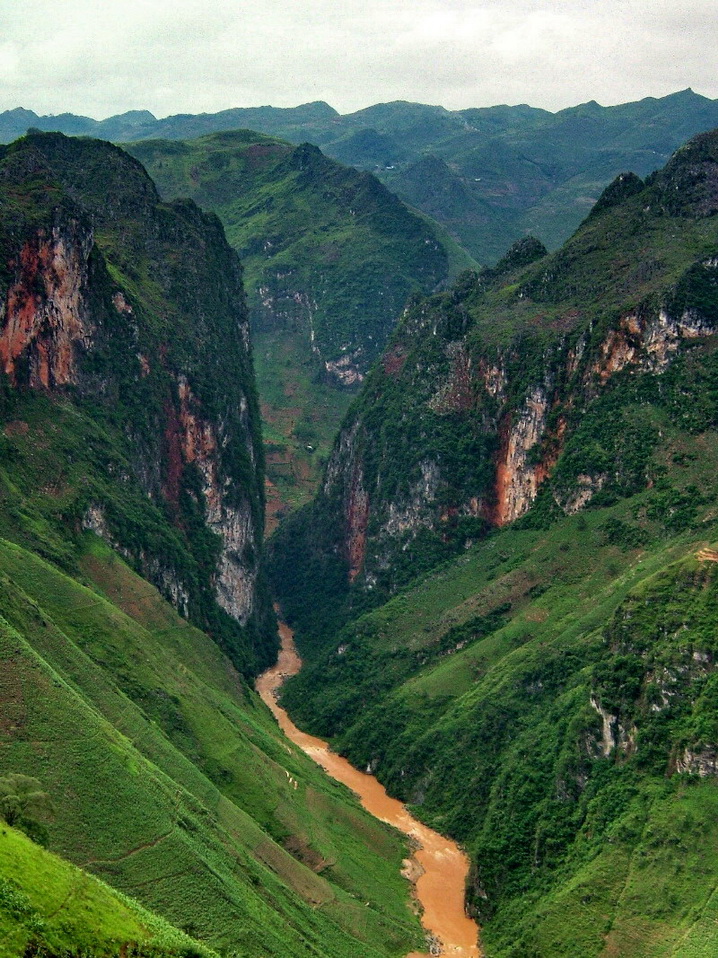
The Ha Giang Loop takes you into Vietnam’s far north, where mountain roads connect limestone plateaus, river gorges and villages. Four days give you time to cross Ma Pi Leng Pass, explore Dong Van and learn how people farm and trade in a landscape where usable land is scarce.
For American travelers, the first decision is how to get around. If you are relying on a U.S. driver’s license and a U.S.-issued International Driving Permit, book an Easy Rider tour or a private car with a driver. Then plan your route around the places you want to understand, with enough flexibility to adjust for weather and road conditions.
What Is the Ha Giang Loop?
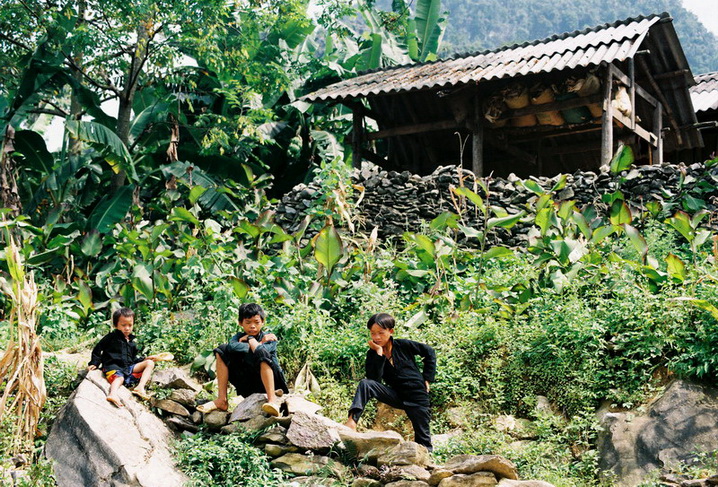
The Ha Giang Loop is a mountain road trip with several possible return routes. Most first visits begin in the Ha Giang area and follow the road through Quan Ba and Yen Minh to Dong Van. From there, the route crosses Ma Pi Leng Pass to Meo Vac. Some itineraries return through Du Gia. Vietnam’s national tourism guide describes another route through Bao Lam and back along Highway 34. Ask your operator for the overnight stops and the planned return road before you book.
Why do newer addresses say Tuyen Quang? The former Ha Giang and Tuyen Quang provinces merged in 2025 under the name Tuyen Quang. Ha Giang remains the familiar name for the Loop. If your bus ticket, hotel confirmation and map app use different address labels, confirm the pickup with a map pin.
Much of the journey crosses the Dong Van Karst Plateau UNESCO Global Geopark. The limestone formations are striking, but the landscape makes more sense once you look at how people live in it. Watch for small plots tucked between rocks, settlements built where the land allows and markets that connect communities across the plateau. A guide can help you understand what you are seeing and how life differs from one valley to the next.
Choose How to Travel the Ha Giang Loop
| Option |
Best suited to |
What to check |
| Easy Rider |
Travelers who want to experience the route from the back of a motorcycle |
Helmet fit, passenger insurance, luggage limits and how often the group stops |
| Private car with driver |
Families and travelers who prefer shelter, more luggage space or shorter stretches on the road |
Whether an English-speaking guide is included and how flexible the daily schedule is |
| Self-drive |
Experienced riders who already have valid authorization for the vehicle in Vietnam |
License recognition, motorcycle category and insurance coverage |
An Easy Rider is a local motorcycle driver who carries you as a passenger. The open-air ride is part of the appeal, but several hours on a bike can feel long in rain or cold. Ask how the operator handles breaks and whether you can change to a car if conditions deteriorate. If you choose a car, ask who will interpret the sights. Your driver and guide may be different people.
The U.S. State Department advises that U.S. driver’s licenses and International Driving Permits are invalid for driving in Vietnam. A shop may rent you a bike even when your documents do not authorize you to ride it. Before booking any motorcycle trip, check your insurance policy for passenger coverage, helmet requirements and medical evacuation. Check the policy wording for your specific activity.
Four Days on the Ha Giang Loop
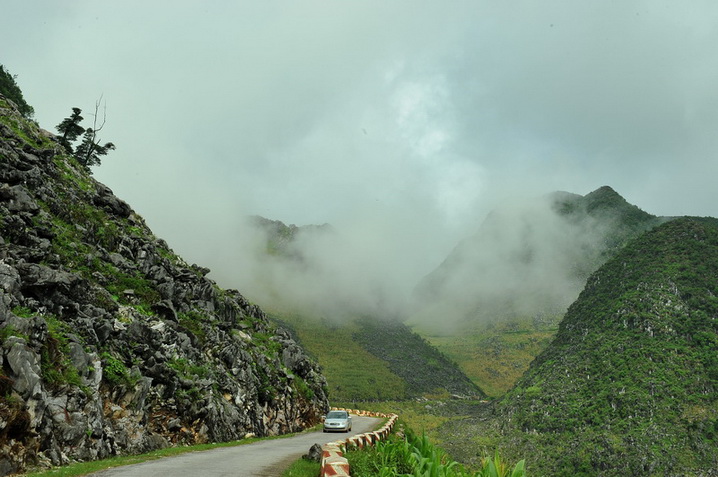
Set aside four days for the Loop, plus travel time between Hanoi and Ha Giang. Arriving the evening before gives you time to rest, meet your driver, check the forecast and sort out what to take.
Day 1. Ha Giang to Quan Ba and Yen Minh
Start with the climb toward Quan Ba. If visibility is good, stop at a designated viewpoint to see how the road connects the valleys and settlements below. Continue toward Yen Minh for the night, allowing time for lunch and a few stops along the way.
Use the first day to find a pace that suits you. If the weather closes in or the group is tired, drop a stop and reach your accommodation before dark. At dinner, ask what grows locally and which ingredients came from nearby markets. The answers give you something to look for as you travel farther onto the plateau.
Day 2. Yen Minh to Dong Van
Choose a heritage stop on the way to Dong Van and give it time. At the Vuong family residence, for example, a guide can explain how trade and political influence shaped life in the borderlands. Look at the way the rooms and courtyards are arranged and ask how the household would have used them.
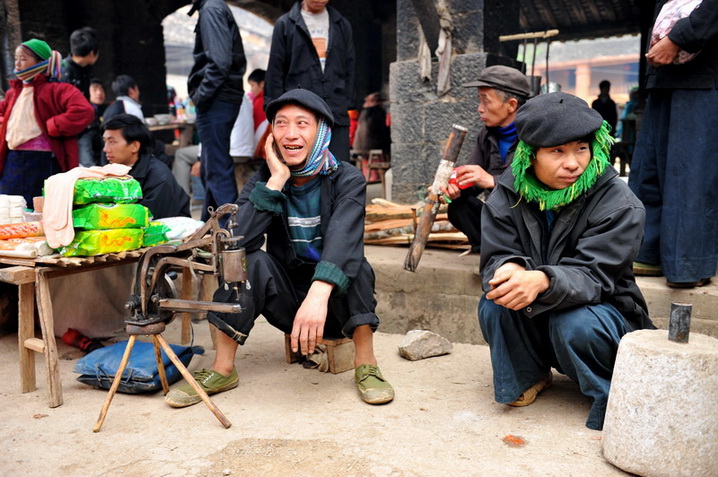
Consider a detour to Lung Cu if the weather and timing suit your group. You can also spend the extra time in Dong Van, where a walk through the old quarter makes a pleasant change after hours on the road. If a market coincides with your visit, ask your guide what people have come to buy and sell. Ask permission before taking a close-up photograph of someone.
Day 3. Dong Van to Meo Vac via Ma Pi Leng Pass
Give Ma Pi Leng Pass the clearest part of the day. From a designated viewpoint, you can look toward the Nho Que River and see how the road follows the mountainside above the gorge. Leave time to take in the view without standing on the roadway.
A river excursion gives you a view from below if conditions allow. Ask how long the entire outing takes, including the descent to the boarding point, any wait for the boat and the return uphill. If you choose to go, plan to sleep in Meo Vac or another nearby stop. That leaves room to enjoy the river without rushing the rest of the day.
Day 4. Return to Ha Giang
Confirm the return road with your driver that morning. If your route passes through Du Gia and conditions are suitable, stop for lunch or a short village walk. After heavy rain, a different road may be a better choice. Let the day’s conditions determine how much you do.
Leave a buffer between the expected arrival in Ha Giang and your onward bus. If you have an international flight from Hanoi, plan a night in the city before departure. A tight connection can turn a routine road delay into a missed flight.
Best Time to Go and What to Pack
October and November are worth considering for cooler weather and autumn scenery. Buckwheat flowers are a seasonal draw, although bloom timing varies by year and location. Winter can bring cold, misty mornings on the plateau. Summer generally brings heavier rain, so allow more flexibility for poor visibility, delays or a change of route.
Ask your operator about the roads on your specific itinerary shortly before departure. Rainfall can affect one stretch more than another. Find out whether the driver has an alternative if roadworks, a landslide or flooding disrupt the planned route. A general seasonal forecast cannot confirm whether a particular road or boat trip will be available on your dates.
Pack a warm layer, waterproof outerwear and a dry bag for electronics. Carry small Vietnamese dong notes for purchases in villages, download offline maps and keep accommodation addresses available without a signal. On a motorcycle tour, ask what size bag the driver can carry. If you are returning to the same hotel, ask about storing your main suitcase and taking only what you need for four days.
How to Book a Trip That Leaves Time to Learn

Compare written quotes for the same number of days and nights. Check whether each quote includes transfers from Hanoi, a driver, an English-speaking guide, accommodation, meals, entrance tickets and the Nho Que River excursion. Ask whether your room is private and whether the bathroom is shared. A three-day trip can work if your time is limited. Four days give you more room to pause at stops and shorten a travel day when needed.
Tell your operator what you want to learn. If you are interested in farming, ask for a stop where your guide can explain what grows on the plateau and how farmers make use of small plots. If architecture interests you, spend longer at a heritage house. A meal at a family-run homestay can be a good place to talk about local ingredients and daily routines, provided your hosts are comfortable sharing.
For a first Ha Giang Loop trip, choose transport you will be comfortable using for several hours a day. Give the route four days if you can, and tell your guide which experiences matter most. That makes it easier to adjust the itinerary when fog rolls in, a market visit runs long or you find somewhere you want to stay a little longer.
Sources and References