Top 30 Hanoi Tourist Attractions: History, Culture & Hidden Gems
November 05, 202630 min read
Top 30 Hanoi Tourist Attractions: A Complete Guide to Exploring Vietnam's Capital
Hanoi is a city where more than a thousand years of history meet the energy of modern Vietnam. Ancient temples stand beside French colonial buildings, traditional markets operate just a few streets from fashionable cafés, and quiet lakes provide peaceful escapes from the busy streets. For travelers who want to understand Vietnam beyond its famous landscapes, the capital is one of the country's most rewarding destinations.
The best Hanoi tourist attractions offer far more than beautiful photographs. They reveal the city's remarkable transformation from an ancient royal capital into a modern cultural and political center. Visitors can explore centuries-old pagodas, learn about Vietnam's dynasties and revolutionary history, discover traditional craft villages, and experience the daily routines of local communities.
Hanoi also rewards curious travelers who venture beyond the standard sightseeing circuit. A small communal house hidden inside the Old Quarter may tell a fascinating story about traditional craftsmanship. A neighborhood market can reveal more about Vietnamese food culture than an expensive restaurant. In the surrounding countryside, artisans continue producing pottery, silk, incense, and lacquerware using skills passed down through generations.
This guide introduces 30 of the best places to visit in Hanoi, organized into six categories: iconic landmarks, historical and cultural attractions, hidden gems, traditional villages, authentic local experiences, and nature destinations.
Whether you have one day, three days, or an entire week, these attractions will help you discover Hanoi through its history, people, architecture, cuisine, and living traditions.
I. Iconic Hanoi Tourist Attractions for First-Time Visitors
These six landmarks form the foundation of a classic Hanoi sightseeing itinerary. Together, they introduce the city's identity, royal heritage, religious traditions, and distinctive urban character.
1. Hoan Kiem Lake and Ngoc Son Temple – The Symbolic Heart of Hanoi
Hoan Kiem Lake – The Symbolic Heart of Hanoi
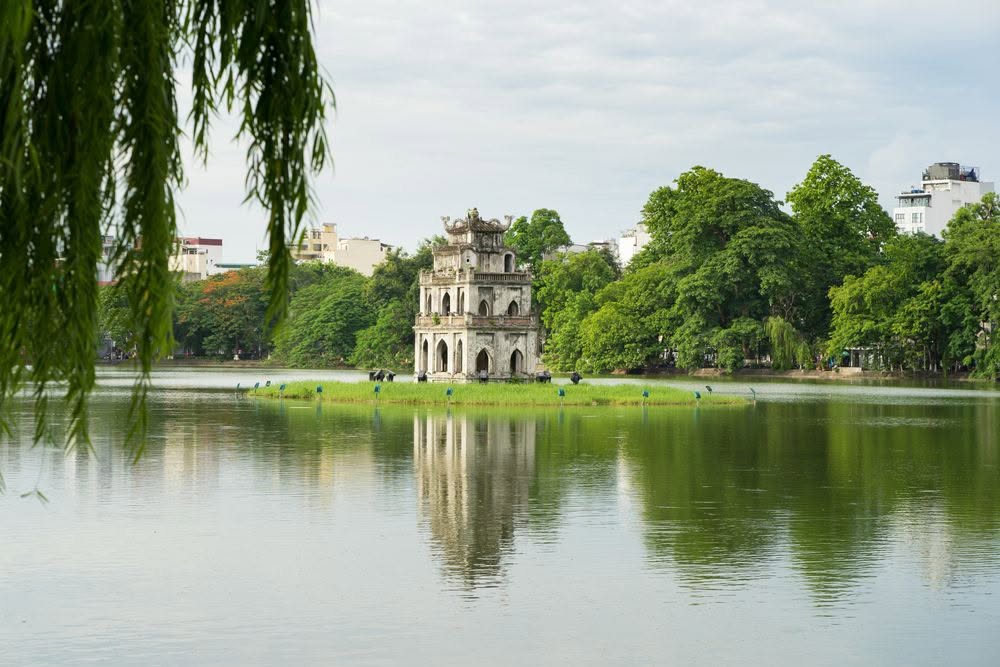
Hoan Kiem Lake, also known as the Lake of the Returned Sword, is one of Hanoi's most recognizable landmarks. Located in the historical city center, the lake is closely connected to a famous Vietnamese legend involving King Le Loi.
According to the legend, a magical sword helped Le Loi defeat foreign invaders during the 15th century. After peace was restored, a golden turtle appeared in the lake and reclaimed the sword, giving the lake its enduring name.
Today, Hoan Kiem Lake represents the cultural and spiritual heart of the capital. The red-painted The Huc Bridge leads to Ngoc Son Temple, dedicated to historical and spiritual figures, including the military leader Tran Hung Dao.
What travelers can learn: The legend of the returned sword, Vietnamese concepts of national independence, and the importance of lakes and temples in traditional urban life.
Recommended experience: Visit early in the morning to observe residents practicing tai chi, exercising, and socializing around the lake. Continue to Ngoc Son Temple before exploring the surrounding streets.
Suggested tour: Combine Hoan Kiem Lake, Ngoc Son Temple, St. Joseph's Cathedral, and the Old Quarter in a half-day walking tour.
2. Hanoi Old Quarter – A Living Museum of Traditional Commerce
Hanoi Old Quarter – A Living Museum of Traditional Commerce
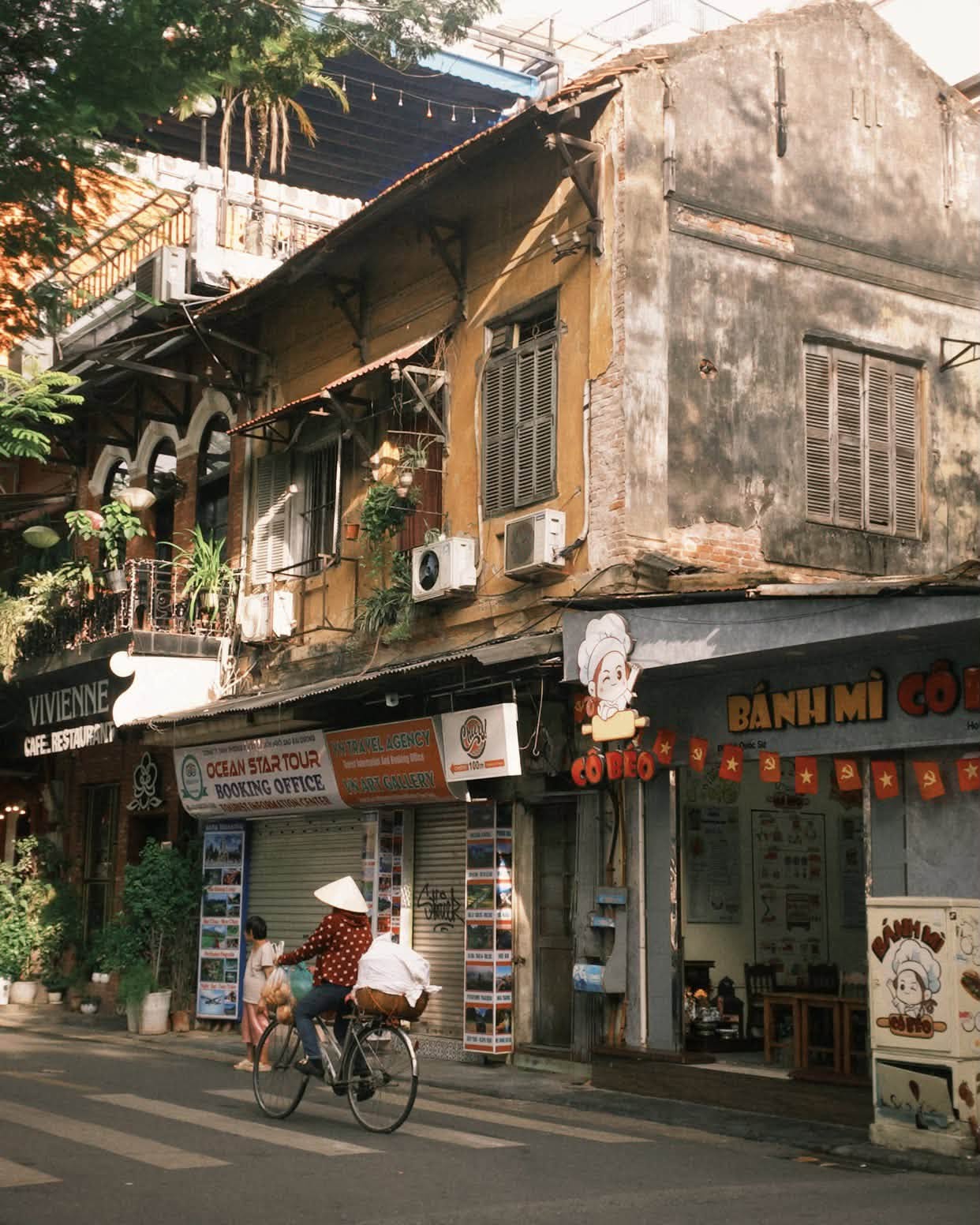
Hanoi Old Quarter is among the most fascinating urban neighborhoods in Southeast Asia. Its history is closely associated with the commercial development of Thang Long, the former name of Hanoi.
Traditionally known as the area of the 36 streets and guilds, the Old Quarter developed around communities of merchants and craftspeople. Many streets were associated with particular products or trades, a tradition still reflected in names such as Hang Bac (Silver Street), Hang Ma (Paper Offerings Street), and Hang Gai (Silk Street).
The neighborhood is famous for its narrow tube houses, lively markets, family-run shops, traditional eateries, and remarkable mixture of architectural styles.
Despite modernization, the Old Quarter remains a working residential and commercial district rather than an open-air museum.
What travelers can learn: Traditional guild organization, Vietnamese family businesses, urban architecture, and the relationship between commerce and community life.
Recommended experience: Walk through the smaller lanes, visit a traditional house, observe local markets, and stop for Vietnamese coffee.
Suggested tour: A three-hour Old Quarter heritage walk combined with street food tasting and a traditional cyclo ride.
3. Temple of Literature – Vietnam's Historic Center of Learning
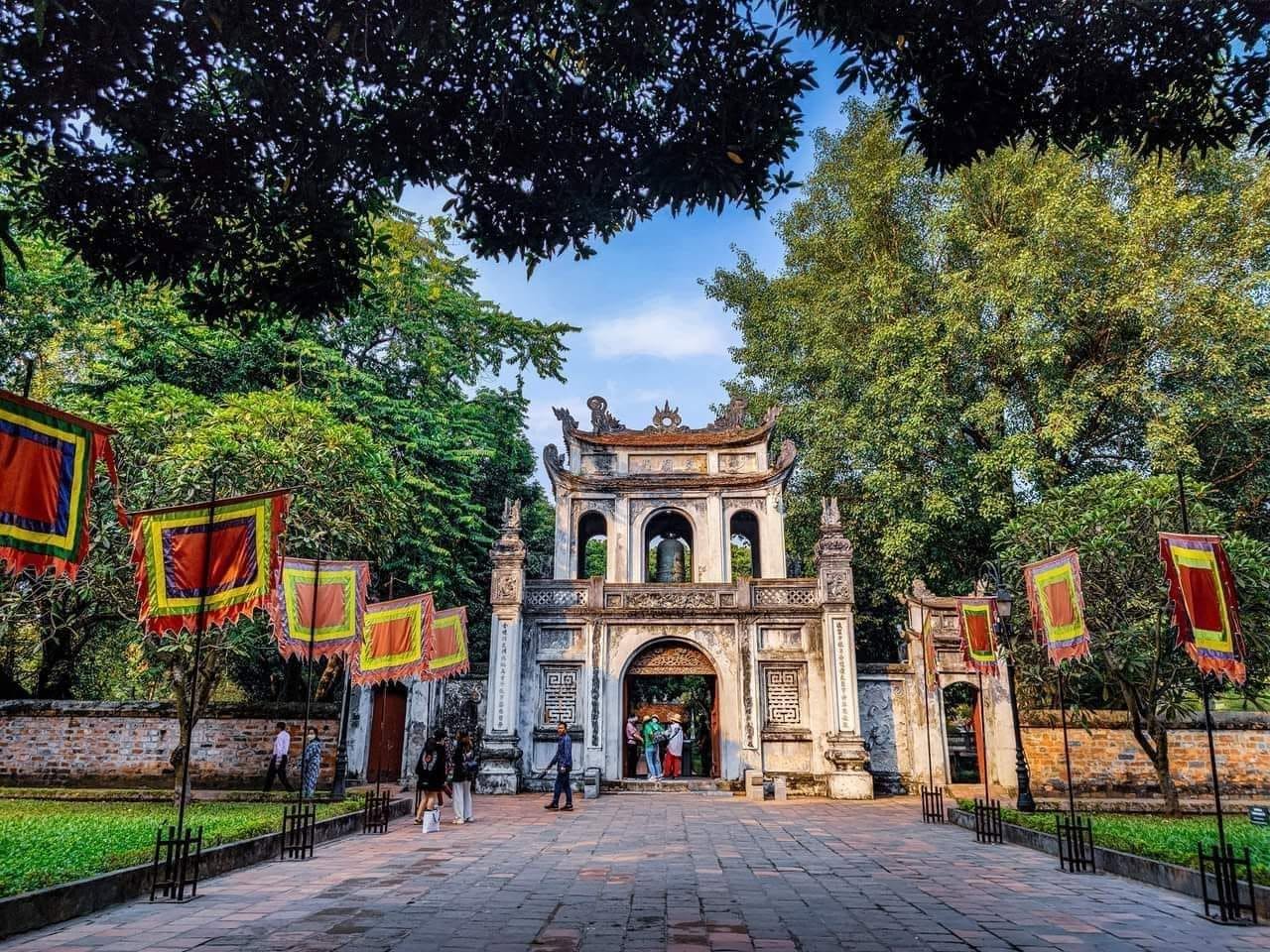
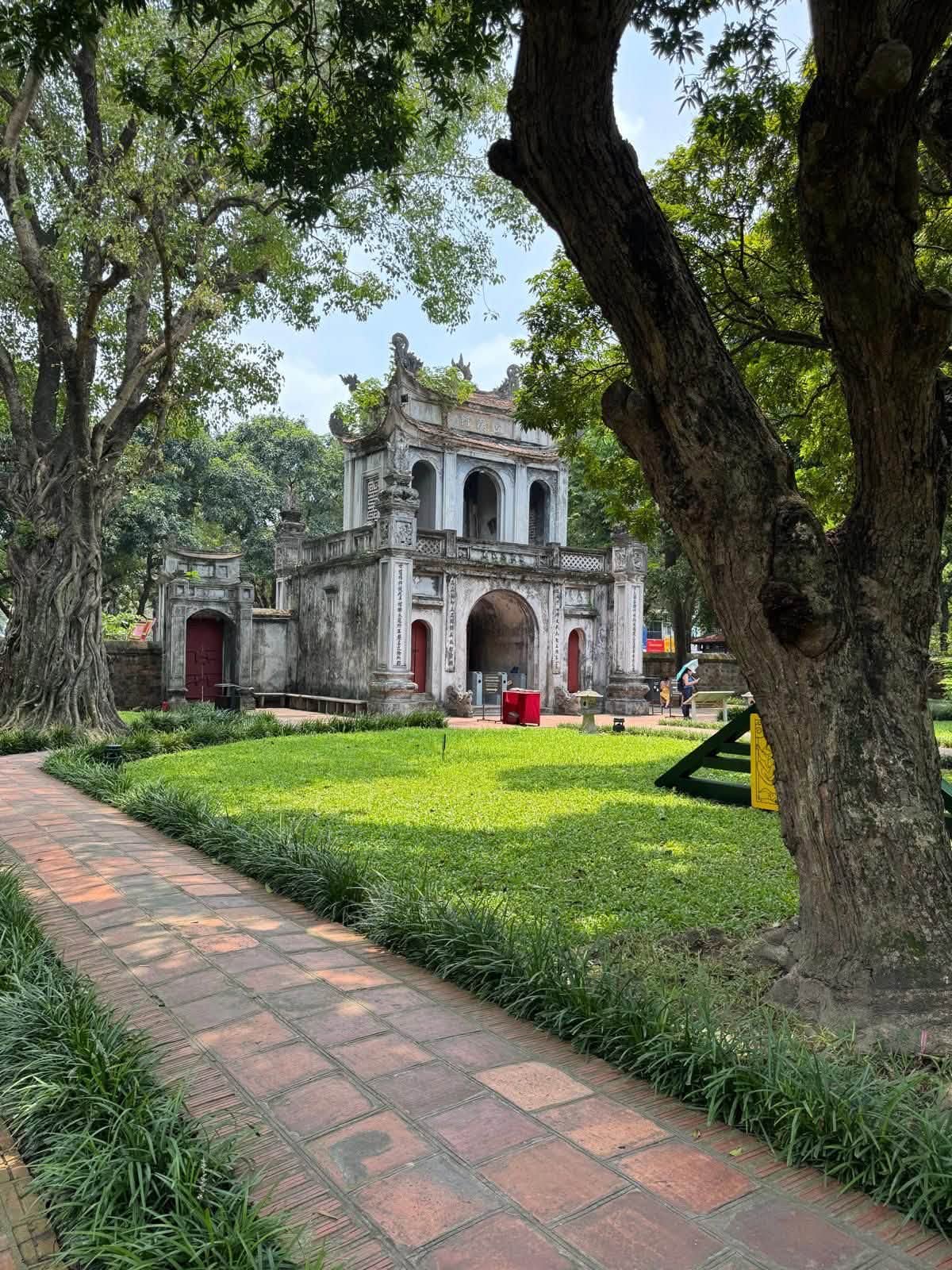
The Temple of Literature, or Van Mieu–Quoc Tu Giam, is one of Hanoi's most important historical and cultural landmarks.
Established in 1070 under the Ly dynasty, the temple was dedicated to Confucius and the scholarly traditions of East Asia. The Imperial Academy, established in 1076, became a major institution for educating members of the royal court and later talented scholars.
The complex features traditional courtyards, ceremonial gates, ancient trees, and the famous Khue Van Pavilion.
One of its most valuable historical features is the collection of stone stelae recording the names of successful doctoral candidates in royal examinations. The 82 surviving doctoral stelae are recognized by UNESCO's Memory of the World programme.
What travelers can learn: Confucian philosophy, Vietnam's historical examination system, the role of education in society, and traditional Vietnamese architecture.
Recommended experience: Explore the five courtyards with a knowledgeable guide who can explain the symbolism of the buildings and the educational system of imperial Vietnam.
Suggested tour: Combine the Temple of Literature with the Vietnam Fine Arts Museum and the Thang Long Imperial Citadel.
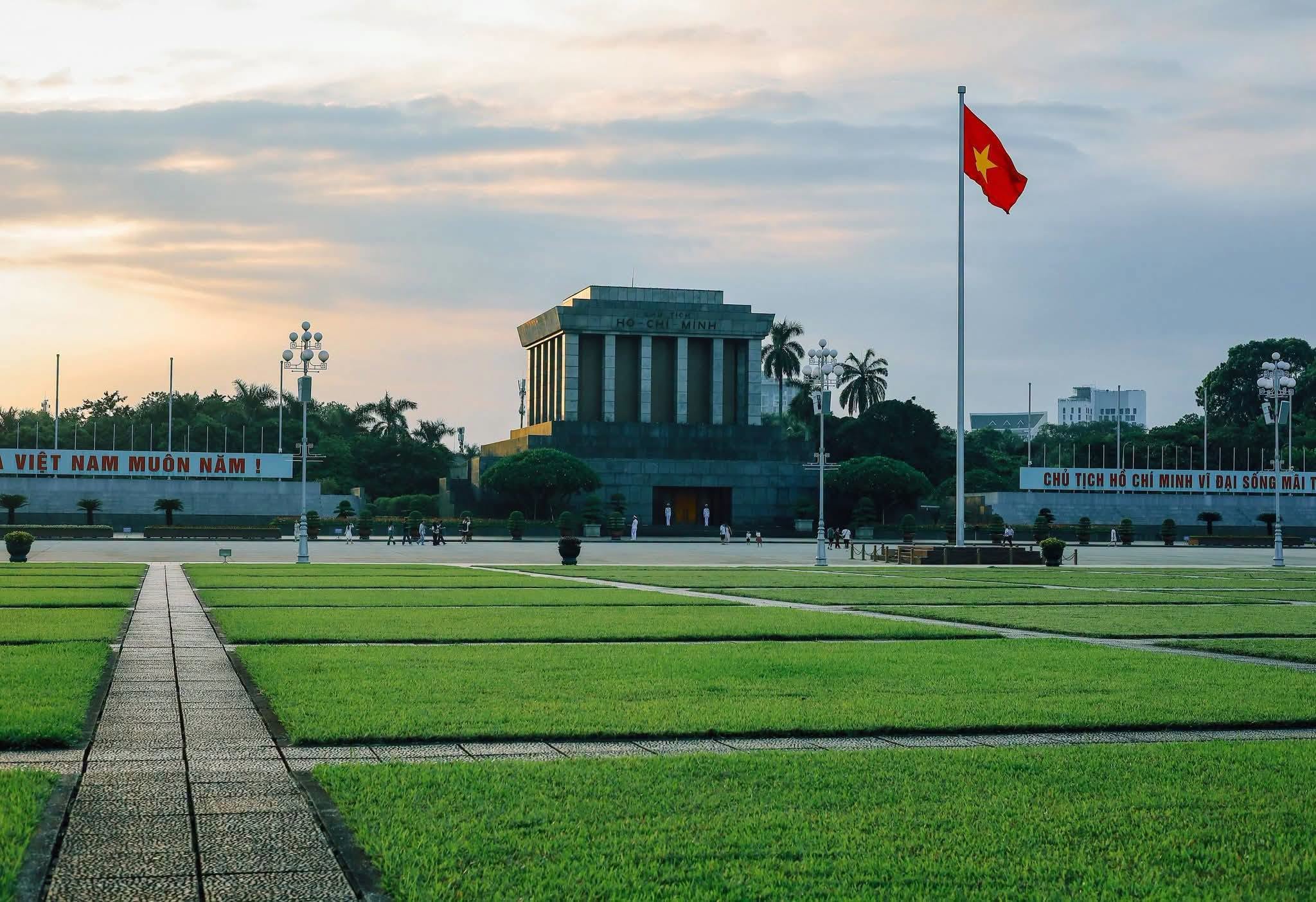
4. Ho Chi Minh Mausoleum and Ba Dinh Square – Modern Vietnamese History
Ho Chi Minh Mausoleum and Ba Dinh Square – Modern Vietnamese History
Ba Dinh Square occupies a central place in modern Vietnamese history.
On September 2, 1945, President Ho Chi Minh proclaimed the independence of the Democratic Republic of Vietnam at this historic location.
The Ho Chi Minh Mausoleum, constructed in the 1970s, stands beside the square and attracts visitors interested in the country's revolutionary history.
The surrounding complex includes the Presidential Palace grounds, Ho Chi Minh's Stilt House, and the nearby One Pillar Pagoda.
The modest wooden stilt house is particularly interesting because it reflects the simple lifestyle associated with Ho Chi Minh during his years as president.
What travelers can learn: Vietnam's struggle for independence, the establishment of the modern Vietnamese state, and the political significance of Hanoi.
Recommended experience: Visit the mausoleum complex in the morning. Dress respectfully and check the current visiting schedule, as access is subject to closures and official regulations.
Suggested tour: A half-day historical tour combining Ba Dinh Square, the mausoleum complex, One Pillar Pagoda, and the Temple of Literature.
5. Thang Long Imperial Citadel – A UNESCO World Heritage Site
The Central Sector of the Imperial Citadel of Thang Long is one of the most historically significant Hanoi tourist attractions.
Recognized as a UNESCO World Heritage Site in 2010, the complex preserves archaeological evidence of successive political centers associated with the Red River Delta and the Vietnamese capital.
The site became especially important when Emperor Ly Thai To transferred the capital to Thang Long in 1010.
Archaeological excavations have uncovered foundations, ceramics, architectural decorations, and other evidence of royal life across different historical periods.
Visitors can explore surviving structures such as the Doan Mon Gate, the Hanoi Flag Tower area, and archaeological exhibition spaces.
What travelers can learn: The development of the Vietnamese monarchy, royal architecture, archaeological research, and the continuity of Hanoi as a political center.
Recommended experience: Join a guided historical visit to understand the significance of the archaeological layers and surviving buildings.
Suggested tour: Combine the Imperial Citadel with the Temple of Literature and the Vietnam National Museum of History for a full-day exploration of Vietnamese history.
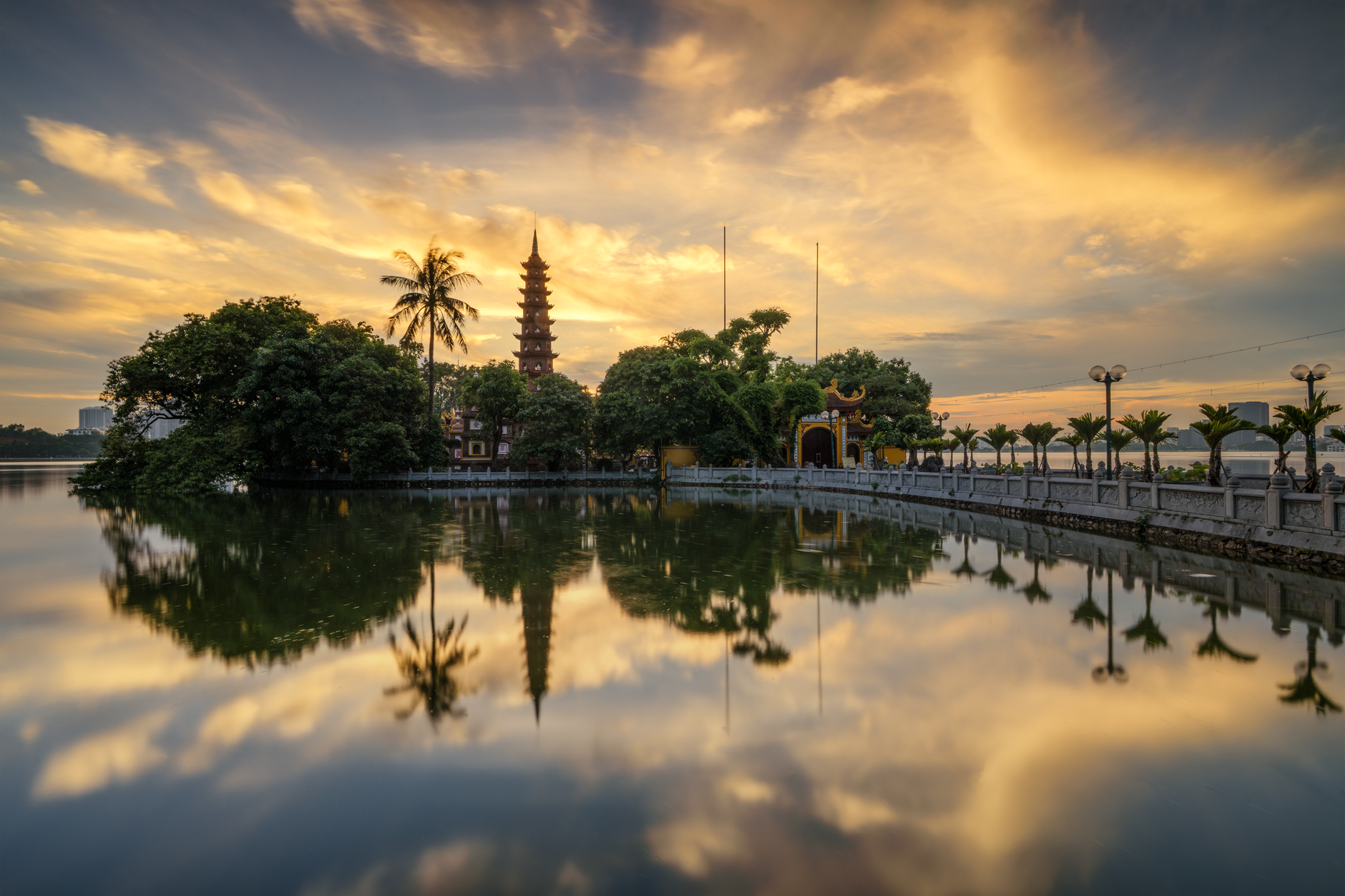
6. Tran Quoc Pagoda and West Lake – Hanoi's Buddhist Heritage
Tran Quoc Pagoda and West Lake – Hanoi's Buddhist Heritage
Located beside West Lake, Tran Quoc Pagoda is one of Hanoi's oldest and most picturesque Buddhist temples.
Its origins are traditionally traced to the sixth century, although the temple was relocated and reconstructed during later periods.
The pagoda stands on a small peninsula surrounded by the waters of West Lake. Its distinctive red-brick stupa, peaceful gardens, and traditional architecture create a memorable setting.
West Lake itself is closely associated with Hanoi's religious, residential, and recreational life.
What travelers can learn: Vietnamese Buddhism, temple architecture, religious customs, and the spiritual significance of lakes.
Recommended experience: Visit Tran Quoc Pagoda, continue to Quan Thanh Temple, and enjoy a walk along the lakeside.
Suggested tour: A half-day West Lake cultural tour combining Buddhist and Taoist heritage with local food and coffee experiences.
II. Historical Museums and Cultural Attractions in Hanoi
For travelers interested in understanding Vietnam's history, society, and artistic traditions, Hanoi offers an exceptional concentration of museums and heritage sites.
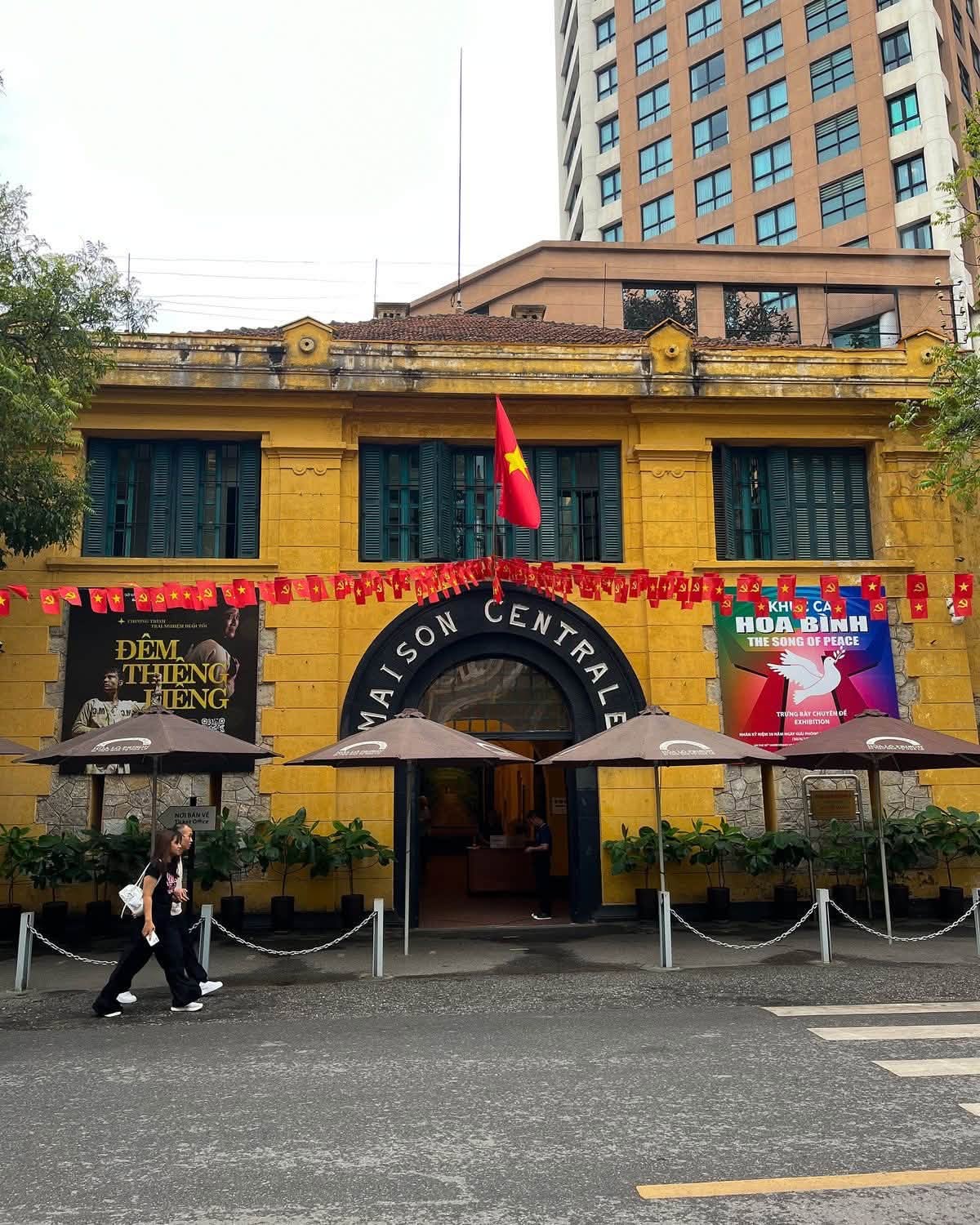
7. Hoa Lo Prison Relic – A Powerful Historical Experience
Hoa Lo Prison Relic – A Powerful Historical Experience
Hoa Lo Prison was originally constructed by the French colonial administration in the late 19th century.
It was used to imprison Vietnamese political prisoners during the colonial period and later became internationally known for holding captured American military personnel during the Vietnam War.
Today, the remaining historical site functions as a museum.
Its exhibitions present prison conditions, personal stories, political resistance, and the experiences of prisoners during different periods.
The site offers an emotionally powerful introduction to the complexity of Vietnam's modern history.
What travelers can learn: French colonial rule, Vietnamese revolutionary movements, and different perspectives on wartime imprisonment.
Recommended experience: Allow sufficient time to read the exhibitions and consider how historical events are interpreted and remembered.
Suggested tour: Combine Hoa Lo Prison with Ba Dinh Square and the Vietnam National Museum of History.
8. Vietnam Museum of Ethnology – Discovering Vietnam's Cultural Diversity
Vietnam is home to 54 officially recognized ethnic groups, each with distinctive cultural traditions.
The Vietnam Museum of Ethnology provides an engaging introduction to this diversity through exhibitions of traditional clothing, household objects, agricultural tools, ceremonial artifacts, and religious practices.
The outdoor exhibition area features examples of traditional houses representing different ethnic communities.
These architectural displays are especially valuable for visitors planning to explore northern Vietnam's mountainous regions.
What travelers can learn: Ethnic diversity, traditional housing, family structures, agricultural practices, and cultural identity.
Recommended experience: Spend two to three hours exploring both indoor galleries and outdoor houses.
Suggested tour: Combine the museum with a visit to a local market or traditional craft village to connect museum knowledge with living culture.
9. Vietnam National Museum of History – Understanding the Country's Long Past
The Vietnam National Museum of History provides an overview of the country's development from prehistoric communities to later historical periods.
Its collections include archaeological artifacts, bronze objects, ceramics, sculptures, and materials associated with important Vietnamese dynasties.
The museum's historic building is also noteworthy for its architecture, which combines French colonial design with Asian influences.
Among the most interesting subjects is the Dong Son culture, famous for its bronze drums and sophisticated metalworking traditions.
What travelers can learn: Early Vietnamese civilizations, the formation of political states, dynastic history, and cultural exchanges.
Recommended experience: Visit with a guide who can connect individual artifacts to the broader development of Vietnamese society.
Suggested tour: A full-day history itinerary combining the museum, the Imperial Citadel, and the Temple of Literature.
10. Vietnamese Women's Museum – Stories of Women in Vietnamese Society
The Vietnamese Women's Museum offers one of Hanoi's most engaging cultural exhibitions.
Its displays explore women's roles in family life, agriculture, commerce, religion, and national history.
Traditional costumes, household objects, personal photographs, and historical narratives provide a deeper understanding of Vietnamese society.
Particularly interesting are the exhibitions concerning marriage customs, motherhood, traditional dress, and the Mother Goddess belief system.
What travelers can learn: Gender roles, family traditions, women's contributions to Vietnamese history, and cultural diversity.
Recommended experience: Explore the permanent exhibitions before walking through the nearby French Quarter.
Suggested tour: Combine the museum with a neighborhood walking tour focusing on Hanoi's social history and urban transformation.
11. Vietnam Fine Arts Museum – Traditional and Contemporary Vietnamese Art
The Vietnam Fine Arts Museum houses an extensive collection of Vietnamese artistic works from different historical periods.
Visitors can discover Buddhist sculpture, traditional lacquer paintings, silk paintings, folk art, and modern works.
The museum provides an excellent introduction to the ways Vietnamese artists have combined indigenous traditions with outside artistic influences.
Lacquer painting is especially important because Vietnamese artists developed distinctive techniques that transformed traditional decorative lacquerwork into a modern fine-art medium.
What travelers can learn: Vietnamese artistic traditions, religious imagery, lacquer painting, and the development of modern art.
Recommended experience: Combine the museum with the nearby Temple of Literature.
Suggested tour: A cultural half-day program featuring the museum and a practical lacquer-painting workshop.
12. Co Loa Citadel – Legends of Vietnam's Ancient Kingdom
Located northeast of central Hanoi, Co Loa is associated with the ancient kingdom of Au Lac and King An Duong Vuong.
The site is particularly famous for its system of earthen ramparts and the legend of the magical crossbow.
According to traditional accounts, the crossbow helped protect the kingdom until a story of betrayal led to its downfall.
The legend of My Chau and Trong Thuy remains one of Vietnam's best-known historical tales.
Although the visible archaeological landscape has changed over time, Co Loa remains a valuable destination for understanding early Vietnamese political organization and defensive engineering.
What travelers can learn: Early state formation, ancient fortification systems, archaeology, and the relationship between legend and history.
Recommended experience: Explore the surviving ramparts, temples, and village surroundings.
Suggested tour: A half-day excursion from Hanoi combining Co Loa with a traditional village visit.
III. Hidden Gems and Lesser-Known Hanoi Attractions
Beyond the famous monuments, Hanoi contains smaller heritage sites that reveal intimate details of everyday life.
These lesser-known attractions are particularly rewarding for travelers interested in photography, architecture, and local history.
13. Ancient House at 87 Ma May – Traditional Hanoi Architecture
The heritage house at 87 Ma May Street offers an opportunity to understand the architecture of Hanoi's traditional merchant homes.
The narrow frontage and elongated interior reflect the design of the famous tube houses found throughout the Old Quarter.
Internal courtyards provide ventilation and natural light, while the arrangement of rooms reflects the relationship between business and family life.
What travelers can learn: Traditional residential architecture, merchant families, and urban adaptation to limited space.
Recommended experience: Visit during an Old Quarter walking tour and compare the restored building with modern neighboring houses.
Suggested tour: An architectural heritage walk through Ma May, Hang Bac, Hang Gai, and nearby streets.
14. O Quan Chuong Gate – A Surviving Entrance to Old Hanoi
O Quan Chuong is one of the surviving historic gateways associated with Hanoi's former urban defenses.
The structure reflects the architectural character of the Nguyen dynasty period and provides a tangible connection to the city's former boundaries.
Today, the gate stands amid busy streets, shops, and everyday commercial activities.
What travelers can learn: Historical urban planning, city gates, trade routes, and the changing boundaries of Hanoi.
Recommended experience: Explore the surrounding streets and nearby traditional markets.
Suggested tour: Combine O Quan Chuong with Dong Xuan Market, Bach Ma Temple, and the Old Quarter.
15. Bach Ma Temple – Spiritual Protection of Ancient Thang Long
Bach Ma Temple is one of the historic temples associated with the spiritual protection of Thang Long.
According to legend, a white horse helped guide the construction of the ancient capital's fortifications.
The temple is traditionally associated with the eastern guardian of the old capital.
Its ornate interior, religious objects, and peaceful atmosphere contrast with the busy commercial streets outside.
What travelers can learn: Vietnamese folk beliefs, urban guardian temples, and the relationship between religion and political authority.
Recommended experience: Visit with a guide who can explain the Four Guardian Temples of Thang Long.
Suggested tour: A specialist walking tour exploring Hanoi's traditional religious heritage.
16. Kim Ngan Communal House – The Heritage of Hanoi's Silver Craftsmen
Located on Hang Bac Street, Kim Ngan Communal House is closely associated with the traditional silverworking and jewelry-making community.
Communal houses played important roles in the social and religious lives of craft guilds.
They served as places for worship, meetings, ceremonies, and community activities.
The building provides an interesting introduction to the organization of traditional urban trades.
What travelers can learn: Craft guilds, community institutions, ancestor worship, and Hanoi's commercial history.
Recommended experience: Combine a visit with an exploration of traditional workshops and jewelry shops along Hang Bac Street.
Suggested tour: A craft heritage walk linking Kim Ngan Communal House, 87 Ma May, and the Old Quarter's historic trade streets.
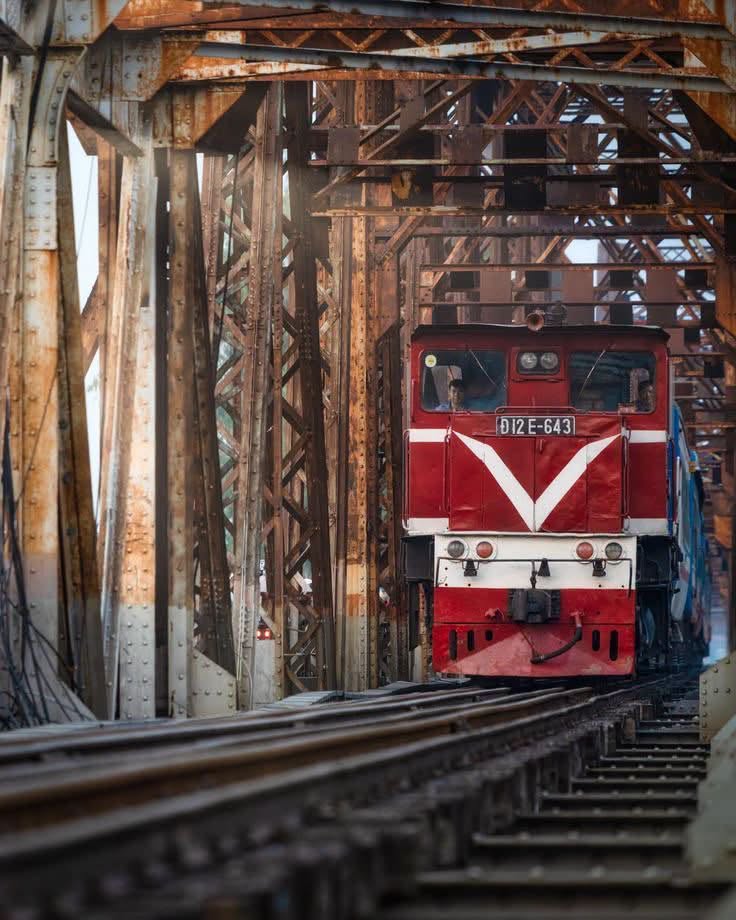
17. Long Bien Bridge – A Witness to Hanoi's Changing History
Long Bien Bridge – A Witness to Hanoi's Changing History
Long Bien Bridge crosses the Red River and remains one of Hanoi's most recognizable engineering landmarks.
Constructed during the French colonial period and opened in the early 20th century, the bridge played an important role in connecting Hanoi with northern transport networks.
It suffered extensive damage during wartime bombing and has undergone repairs and modifications over the decades.
Today, the bridge is a powerful symbol of Hanoi's resilience and industrial heritage.
What travelers can learn: Colonial infrastructure, railway history, wartime destruction, and the development of modern Hanoi.
Recommended experience: Photograph the bridge from safe public viewpoints and explore nearby riverside neighborhoods.
Suggested tour: A photography-focused itinerary combining Long Bien Bridge, the Red River landscape, and historic streets.
Visitors should avoid restricted railway areas and follow local safety regulations.
IV. Traditional Craft Villages Around Hanoi
Hanoi's surrounding countryside preserves a rich heritage of traditional craftsmanship.
Visiting these villages offers opportunities to meet artisans, learn practical skills, and understand how local communities maintain their cultural identities.
18. Bat Trang Pottery Village – Centuries of Ceramic Craftsmanship
Bat Trang is one of Vietnam's most famous pottery villages.
Located near the Red River, the village has a long tradition of producing household ceramics, decorative objects, and religious items.
Visitors can explore pottery workshops, ceramic shops, and exhibitions presenting the evolution of local craftsmanship.
One of the most enjoyable activities is trying to shape a ceramic object using a pottery wheel.
What travelers can learn: Ceramic production, traditional kilns, glaze techniques, and the economic role of craft villages.
Recommended experience: Join a pottery workshop and explore the village's older lanes.
Suggested tour: A half-day Bat Trang pottery tour, including a hands-on workshop and time to meet local artisans.
19. Van Phuc Silk Village – Vietnam's Traditional Silk Weaving
Van Phuc, located in the Ha Dong area of Hanoi, is famous for its silk-weaving heritage.
For generations, local artisans have produced silk fabrics using traditional techniques.
Visitors can explore silk shops, observe weaving demonstrations where available, and learn about the different stages of textile production.
The village also provides an opportunity to understand how traditional industries adapt to changing consumer markets.
What travelers can learn: Silk production, weaving techniques, traditional textile patterns, and village entrepreneurship.
Recommended experience: Visit a workshop and compare handwoven and machine-produced textiles.
Suggested tour: Combine Van Phuc with Ha Thai Lacquer Village for a full-day craft discovery program.
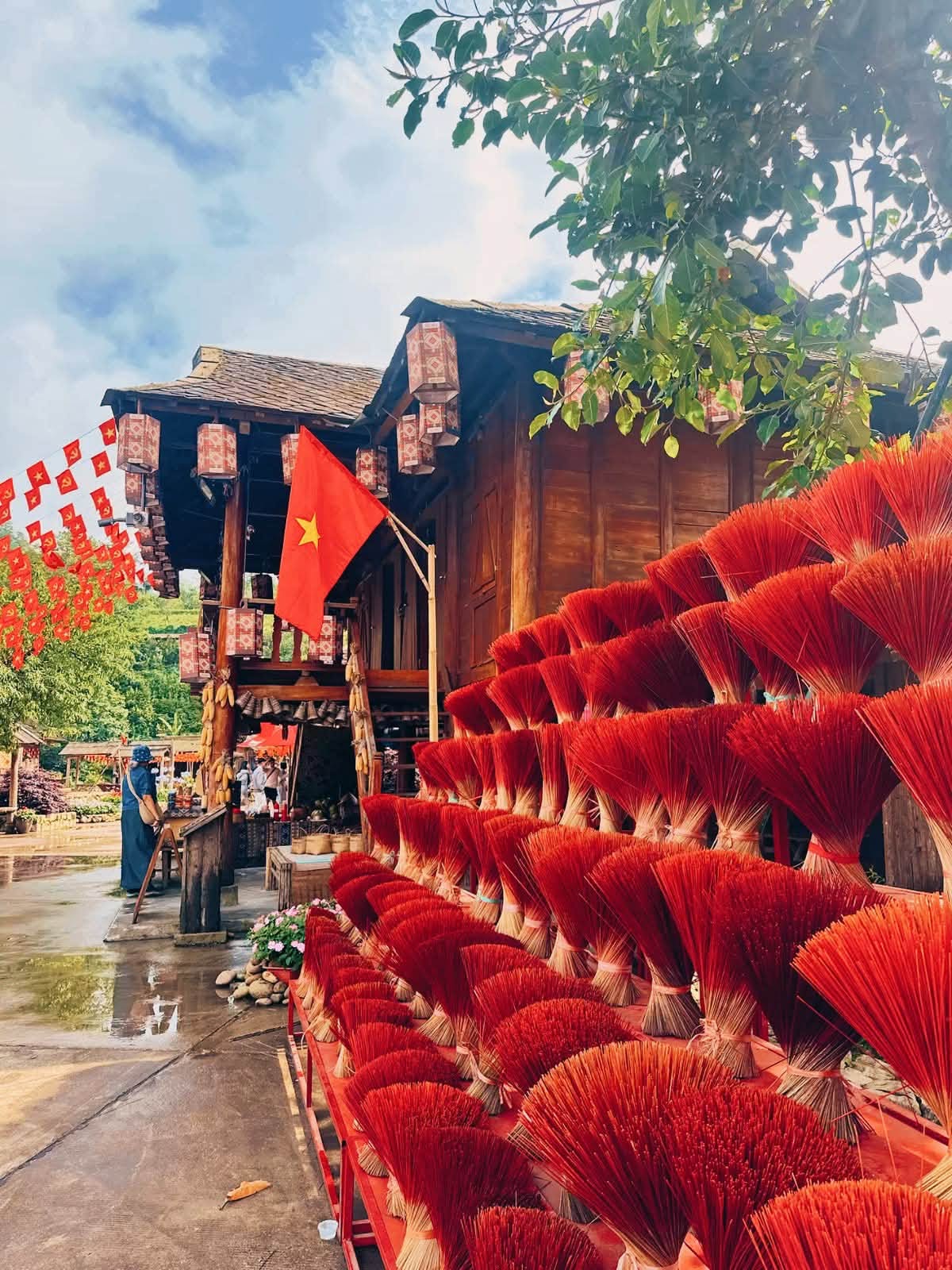
20. Quang Phu Cau Incense Village – The Art of Traditional Incense Making
Quang Phu Cau has become increasingly well known for its colorful displays of incense sticks.
The village's craft tradition is connected with the production of incense used in Vietnamese religious and ancestral ceremonies.
Bundles of brightly colored incense sticks create visually striking scenes, particularly during drying and preparation.
Beyond photography, the village offers an opportunity to understand the cultural importance of incense in Vietnamese spiritual life.
What travelers can learn: Incense production, ancestral worship, Buddhist rituals, and traditional family businesses.
Recommended experience: Arrange a workshop visit and ask permission before photographing workers or entering production areas.
Suggested tour: A half-day craft village excursion, with additional stops depending on travel time and workshop availability.
21. Duong Lam Ancient Village – Traditional Life in the Red River Delta
Duong Lam, in the Son Tay area of Hanoi, is known for its traditional houses, village gates, communal buildings, and laterite architecture.
The village offers an atmospheric introduction to rural life in northern Vietnam.
Its narrow lanes and old family homes preserve architectural characteristics associated with the Red River Delta.
Duong Lam is also traditionally associated with historical figures such as Phung Hung and Ngo Quyen.
What travelers can learn: Village organization, traditional family homes, agricultural life, communal worship, and rural architectural heritage.
Recommended experience: Explore the village on foot or by bicycle, visit an old house with permission, and enjoy a home-style Vietnamese lunch.
Suggested tour: A full-day Duong Lam cultural excursion, optionally combined with nearby heritage sites in Son Tay.
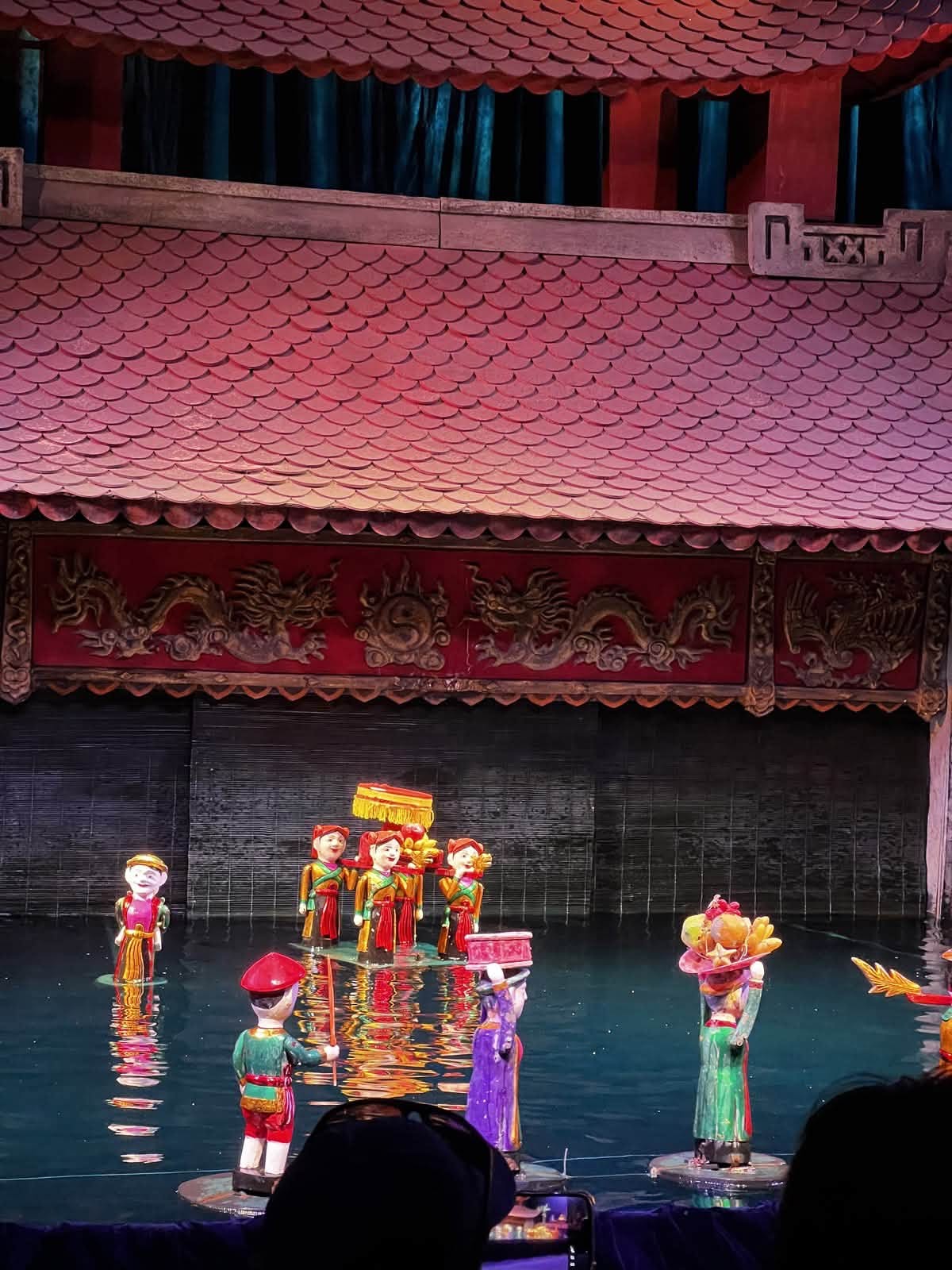
22. Dao Thuc Water Puppet Village – A Living Performing-Art Tradition
Dao Thuc Village, in the Dong Anh area, is associated with the traditional art of water puppetry.
Water puppetry developed in northern Vietnam's agricultural communities, where performances were historically connected with village festivals and communal entertainment.
The puppets are manipulated from behind a screen while performers stand in water, creating scenes inspired by rural life, folklore, and traditional stories.
What travelers can learn: Vietnamese folk theater, village festivals, traditional music, and the craftsmanship involved in puppet production.
Recommended experience: Arrange a village performance or workshop where available.
Suggested tour: Combine Dao Thuc with Co Loa Citadel for a full-day cultural excursion exploring ancient history and living traditions.
V. Authentic Hanoi Experiences and Urban Culture
Some of Hanoi's most memorable attractions are not conventional monuments. They are places where visitors can observe the rhythm of everyday life and discover the city's food, architecture, and community traditions.
23. Dong Xuan Market – Hanoi's Traditional Trading Culture
Dong Xuan Market is one of the best-known commercial markets in Hanoi.
Located near the northern section of the Old Quarter, the market is an important center for wholesale and retail trade.
Its busy aisles and surrounding streets offer an introduction to the city's commercial networks.
Although parts of the market primarily serve traders and local shoppers, the surrounding neighborhood is particularly interesting for observing everyday commerce.
What travelers can learn: Market culture, wholesale trade, food distribution, and the economic life of the Old Quarter.
Recommended experience: Explore the surrounding streets with a local guide and sample traditional snacks from established food vendors.
Suggested tour: Combine Dong Xuan Market with O Quan Chuong, Bach Ma Temple, and a street food walk.
24. Hanoi French Quarter – Colonial Architecture and Urban Transformation
The French Quarter, especially around the Opera House and Trang Tien area, presents a different architectural character from the Old Quarter.
Wide streets, grand public buildings, villas, and tree-lined boulevards reflect Hanoi's transformation during the French colonial period.
The Hanoi Opera House is one of the area's most prominent landmarks.
Visitors can also explore the exterior architecture of historic government buildings, hotels, and cultural institutions.
What travelers can learn: Colonial urban planning, European architectural influences, and Hanoi's development into a modern administrative center.
Recommended experience: Take a guided architecture walk and compare the French Quarter's urban design with the Old Quarter.
Suggested tour: A half-day French Quarter walk combined with the Vietnamese Women's Museum and the Vietnam National Museum of History.
25. Hanoi Street Food and Coffee Culture – Discovering the Capital Through Taste
Food is one of Hanoi's greatest cultural attractions.
Traditional dishes such as pho, bun cha, banh cuon, cha ca, and bun thang reveal the city's distinctive culinary heritage.
Coffee culture is equally important. Small cafés are places for conversation, relaxation, and social interaction.
Hanoi's famous egg coffee is particularly popular with international visitors.
A guided food tour can introduce not only individual dishes but also the traditions surrounding their preparation and consumption.
What travelers can learn: Northern Vietnamese cuisine, market ingredients, family food businesses, and the social role of cafés.
Recommended experience: Join a small-group or private street food walk through the Old Quarter.
Suggested tour: A three-hour Hanoi food experience combining traditional dishes, local markets, and Vietnamese coffee.
26. Quang Ba Flower Market – Hanoi Before Sunrise
Quang Ba Flower Market, near West Lake, offers a fascinating glimpse into the city's early-morning commercial activity.
Flower traders and buyers gather during the night and early morning hours to prepare for the day's business.
The market is especially lively around important festivals and the Lunar New Year period, when flowers play a significant role in Vietnamese households.
For travelers interested in photography and local life, it can be one of the most memorable places to visit in Hanoi.
What travelers can learn: Flower trading, traditional markets, seasonal celebrations, and the daily routines of local vendors.
Recommended experience: Visit very early with a local guide, observe trading respectfully, and avoid obstructing workers.
Suggested tour: An early-morning market and breakfast tour, followed by a visit to West Lake.
VI. Nature, Spiritual Landscapes and Outdoor Attractions
Hanoi's administrative area extends far beyond the urban center, offering forests, mountains, lakes, and important religious destinations.
These attractions are ideal for travelers who want to combine city sightseeing with outdoor exploration.
27. West Lake and Truc Bach Lake – Hanoi's Relaxed Lakeside Lifestyle
West Lake is Hanoi's largest natural freshwater lake and a major recreational area.
Its surrounding neighborhoods feature temples, pagodas, cafés, restaurants, and residential communities.
Nearby Truc Bach Lake provides a more intimate atmosphere, with local eateries and scenic streets.
The lakes are particularly attractive during the early morning and late afternoon.
What travelers can learn: Hanoi's relationship with water, neighborhood life, religious heritage, and contemporary leisure culture.
Recommended experience: Enjoy a lakeside walk, visit Tran Quoc Pagoda, explore Truc Bach's food streets, and stop at a local café.
Suggested tour: A half-day West Lake and Truc Bach cultural experience.
28. Ba Vi National Park – Forests and Mountain Landscapes Near Hanoi
Ba Vi National Park offers a refreshing contrast to the capital's busy streets.
The park is known for its forested mountain slopes, cooler temperatures at higher elevations, and scenic viewpoints.
Visitors can explore designated trails and discover remnants of historic buildings in the mountain environment.
The area is especially attractive to travelers interested in nature, photography, and light hiking.
What travelers can learn: Northern Vietnam's mountain ecosystems, forest conservation, and the historical development of hill retreats.
Recommended experience: Enjoy a day trip with short hikes and stops at designated viewpoints.
Suggested tour: A full-day private excursion from Hanoi, suitable for families and nature enthusiasts.
29. Thay Pagoda and Tay Phuong Pagoda – Buddhist Art and Spiritual Heritage
Thay Pagoda and Tay Phuong Pagoda, located in the western part of Hanoi, are important destinations for exploring Vietnamese Buddhist culture.
Thay Pagoda is closely associated with the monk Tu Dao Hanh and traditions connected with water puppetry.
Its architecture is set against a picturesque landscape of limestone hills and water.
Tay Phuong Pagoda is particularly celebrated for its collection of wooden Buddhist sculptures.
Together, the two sites provide a rewarding introduction to religious art, traditional architecture, and spiritual traditions.
What travelers can learn: Vietnamese Buddhism, sacred sculpture, temple architecture, and religious festivals.
Recommended experience: Visit both pagodas with a guide who can explain the religious imagery and historical background.
Suggested tour: A full-day Buddhist heritage excursion combining Thay Pagoda, Tay Phuong Pagoda, and selected countryside stops.
30. Perfume Pagoda – A Spiritual Journey Through Limestone Mountains
The Perfume Pagoda, known in Vietnamese as Chua Huong, is one of northern Vietnam's most important Buddhist pilgrimage destinations.
Located in a landscape of limestone mountains, rivers, and caves, the complex consists of multiple temples and religious sites.
A traditional visit often begins with a boat journey along the Yen Stream, followed by a walk or cable-car journey toward the main pilgrimage area.
The Huong Tich Cave is a major spiritual destination within the complex.
The annual Perfume Pagoda Festival attracts large numbers of pilgrims, particularly during the early lunar months.
What travelers can learn: Vietnamese pilgrimage traditions, Buddhist beliefs, sacred landscapes, and the relationship between religion and nature.
Recommended experience: Allow a full day for the journey and visit outside the busiest festival periods if you prefer a quieter atmosphere.
Suggested tour: A full-day Perfume Pagoda excursion from Hanoi, including transportation, the boat journey, and visits to major religious sites.
How to Explore Hanoi: Suggested Sightseeing Itineraries
With so many Hanoi tourist attractions, choosing the right itinerary depends on your available time and personal interests.
The following suggested programs combine major landmarks with meaningful cultural experiences.
Hanoi in One Day – Essential Highlights
Morning: Ho Chi Minh Mausoleum Complex, One Pillar Pagoda, and the Temple of Literature.
Afternoon: Hoan Kiem Lake, Ngoc Son Temple, and the Hanoi Old Quarter.
Evening: Traditional street food dinner and a water puppet performance.
This itinerary is ideal for first-time visitors with limited time. It provides an introduction to Vietnamese history, religious traditions, architecture, and cuisine.
Hanoi in Two Days – History and Local Culture
Day 1: Historical Hanoi
Explore Ba Dinh Square, the Ho Chi Minh Mausoleum Complex, Temple of Literature, Thang Long Imperial Citadel, and Hoa Lo Prison.
Day 2: Living Hanoi
Visit Hoan Kiem Lake, the Old Quarter, the ancient house at 87 Ma May, Dong Xuan Market, and West Lake.
Finish with a guided street food tour.
This two-day program balances major historical landmarks with everyday urban experiences.
Hanoi in Three Days – Culture and Traditional Villages
Day 1: Classic Hanoi highlights, including Hoan Kiem Lake, the Old Quarter, and the Temple of Literature.
Day 2: Vietnam Museum of Ethnology, the Vietnamese Women's Museum, West Lake, and local neighborhoods.
Day 3: Bat Trang Pottery Village and a practical pottery workshop, with additional cultural stops according to the day's route.
This itinerary is particularly suitable for families, culturally curious travelers, and visitors interested in Vietnamese craftsmanship.
Hanoi in Four to Five Days – In-Depth Cultural Discovery
For travelers with more time, Hanoi can become the starting point for an immersive exploration of northern Vietnamese heritage.
Day 1: Historic landmarks and the Old Quarter.
Day 2: Museums, religious heritage, and local food culture.
Day 3: Bat Trang Pottery Village and traditional craft experiences.
Day 4: Duong Lam Ancient Village and the surrounding countryside.
Day 5: Choose between Ba Vi National Park, Perfume Pagoda, or Thay and Tay Phuong Pagodas.
This longer itinerary is ideal for visitors who prefer slower travel and meaningful encounters with local communities.
Practical Travel Tips for Visiting Hanoi
Best Time to Visit Hanoi
Hanoi has four distinct seasons, each offering a different travel experience.
Spring (March–April): Generally pleasant temperatures and attractive conditions for sightseeing, although humidity and light rain can occur.
Summer (May–August): Hot, humid weather with frequent heavy showers. Early-morning sightseeing and indoor museums are particularly useful.
Autumn (September–November): Often considered one of the most comfortable periods for walking tours and outdoor activities, with October and November especially popular.
Winter (December–February): Cooler weather, sometimes accompanied by damp or misty conditions. Suitable for museums, food experiences, and cultural sightseeing.
Travelers should check weather forecasts before outdoor excursions, particularly during the summer rainy season.
How Many Days Do You Need in Hanoi?
Two full days are enough to visit many of the city's famous attractions.
However, three to four days provide a more balanced experience, allowing time for museums, food culture, traditional neighborhoods, and craft villages.
Travelers interested in history, photography, and local communities may prefer five days or longer.
Getting Around Hanoi
Walking is one of the best ways to explore the Old Quarter and Hoan Kiem Lake area.
For longer journeys, visitors can use licensed taxis, ride-hailing services, private vehicles, and selected public transportation routes.
Private guided tours are particularly useful when visiting several museums or attractions spread across different districts.
For countryside destinations such as Duong Lam, Ba Vi, and Perfume Pagoda, a private car with a driver can make the journey more convenient.
Entrance Fees and Opening Hours
Admission fees and operating schedules vary between attractions.
Some religious sites are accessible without a standard entrance ticket, while museums and historical monuments usually charge admission.
Major sites such as the Ho Chi Minh Mausoleum may close on certain days or for official maintenance.
Visitors should verify current schedules, ticket prices, and special restrictions before traveling.
Respecting Local Customs
When visiting temples, pagodas, and religious sites, wear appropriate clothing and behave respectfully.
Ask permission before photographing worshippers, artisans, or people inside their homes.
At traditional villages, remember that many workshops and houses are active workplaces or private residences.
Responsible tourism helps preserve the cultural heritage that makes Hanoi such a rewarding destination.
Frequently Asked Questions About Hanoi Tourist Attractions
What are the most famous tourist attractions in Hanoi?
The most famous Hanoi tourist attractions include Hoan Kiem Lake, the Old Quarter, Temple of Literature, Ho Chi Minh Mausoleum, Thang Long Imperial Citadel, Tran Quoc Pagoda, and Hoa Lo Prison.
These landmarks provide an excellent introduction to Hanoi's history and culture.
What are the best cultural attractions in Hanoi?
For cultural discovery, the Temple of Literature, Vietnam Museum of Ethnology, Vietnamese Women's Museum, Vietnam Fine Arts Museum, and Thang Long Imperial Citadel are particularly rewarding.
Traditional villages such as Bat Trang and Van Phuc also offer opportunities to experience living cultural traditions.
Are there hidden gems in Hanoi?
Yes. Some rewarding lesser-known attractions include Kim Ngan Communal House, Bach Ma Temple, the ancient house at 87 Ma May, O Quan Chuong Gate, and traditional neighborhoods near West Lake.
These places provide a deeper understanding of the city's history and everyday life.
Is Hanoi suitable for family travel?
Hanoi offers many family-friendly attractions, including the Vietnam Museum of Ethnology, Bat Trang Pottery Village, water puppet performances, Hoan Kiem Lake, and Ba Vi National Park.
Hands-on craft workshops and food experiences are particularly engaging for families with children.
What are the best day trips from Hanoi?
Popular cultural and nature excursions include Bat Trang Pottery Village, Duong Lam Ancient Village, Co Loa Citadel, Ba Vi National Park, Thay Pagoda, Tay Phuong Pagoda, and Perfume Pagoda.
Each destination offers a different perspective on northern Vietnamese heritage.
Can I visit Hanoi's main attractions without a guide?
Yes. Many central attractions can be explored independently.
However, a knowledgeable local guide can add considerable value by explaining historical events, religious symbolism, architecture, and cultural traditions that may not be immediately apparent.
What should I prioritize if I have only one day in Hanoi?
Focus on the Ho Chi Minh Mausoleum Complex, Temple of Literature, Hoan Kiem Lake, and the Old Quarter.
Finish the day with traditional Vietnamese food or a water puppet performance.
Discover Hanoi Beyond the Famous Landmarks
Hanoi is much more than a collection of temples, museums, and historical monuments. It is a living city where ancient traditions continue alongside modern development.
The most memorable travel experiences often come from understanding the stories behind the attractions: why a temple was built, how a traditional craft developed, what a family home reveals about urban life, or how a local market connects communities.
For first-time visitors, the classic landmarks provide an essential introduction. For returning travelers, Hanoi's lesser-known neighborhoods, craft villages, and countryside destinations offer countless opportunities for deeper discovery.
Whether you prefer history, architecture, cuisine, art, photography, or authentic cultural encounters, these top 30 Hanoi tourist attractions provide an excellent foundation for planning a rewarding journey.
Explore Hanoi with Vietnamtravels.com: Discover thoughtfully designed private tours, cultural excursions, traditional craft experiences, and tailor-made journeys that connect Hanoi's famous landmarks with the people and traditions that make Vietnam's capital unique.