Hidden Gems in Hanoi: 15 Authentic Places, Untold Stories and Local Experiences Beyond the Old Quarter
November 09, 202624 min read
Hanoi is a city that reveals its most fascinating stories slowly. Beyond the famous Hoan Kiem Lake, Temple of Literature and bustling Old Quarter, Vietnam's capital offers a remarkable collection of historic neighborhoods, traditional craft villages, peaceful temples, local markets and living cultural communities.
For travelers willing to explore beyond the conventional sightseeing routes, these hidden gems in Hanoi provide opportunities to discover the city's deeper identity.
You might find the remains of an American bomber in a quiet residential lake, learn how Vietnamese artisans create ceramics from river clay, explore a centuries-old village house or discover the traditional art of water puppetry where it has been practiced for generations.
What makes these experiences special is not simply that they receive fewer international visitors. It is the opportunity to understand how Hanoi's history, culture and everyday life remain connected.
This guide introduces 15 lesser-known places and experiences in Hanoi, combining practical sightseeing information with historical stories, cultural learning opportunities and suggested itineraries.
Whether you have an additional afternoon in the capital or several days to explore its surroundings, these destinations will help you experience a different side of Hanoi.
Why Explore Hanoi Beyond the Famous Tourist Attractions?
Hanoi's history stretches back more than a thousand years. Since becoming the capital of Đại Việt in 1010 under Emperor Lý Thái Tổ, the city has developed through successive dynasties, colonial rule, wars and rapid modernization.
Yet much of its cultural identity survives beyond major monuments.
Traditional neighborhoods preserve memories of old trades. Communal houses remain important gathering places. Family workshops continue producing handicrafts, while local markets reflect the rhythms of everyday life.
Exploring these places allows visitors to discover Hanoi through four interconnected experiences:
History: Understanding how important events shaped the capital and its communities.
Culture: Discovering traditional beliefs, architecture, craftsmanship and local customs.
Learning: Participating in workshops and conversations that explain how traditions continue today.
Local life: Experiencing residential neighborhoods, markets and villages beyond the main tourist routes.
Some destinations in this guide are well known to Hanoi residents but relatively unfamiliar to first-time international travelers. Others are established heritage attractions that become especially rewarding when visited with a knowledgeable local guide.
1. Huu Tiep Lake – A Quiet Neighborhood with a Powerful Wartime Story
Location: Ngoc Ha area, Ba Dinh, Hanoi Suggested Visit: 30–45 minutes Best For: History enthusiasts and travelers interested in modern Vietnam
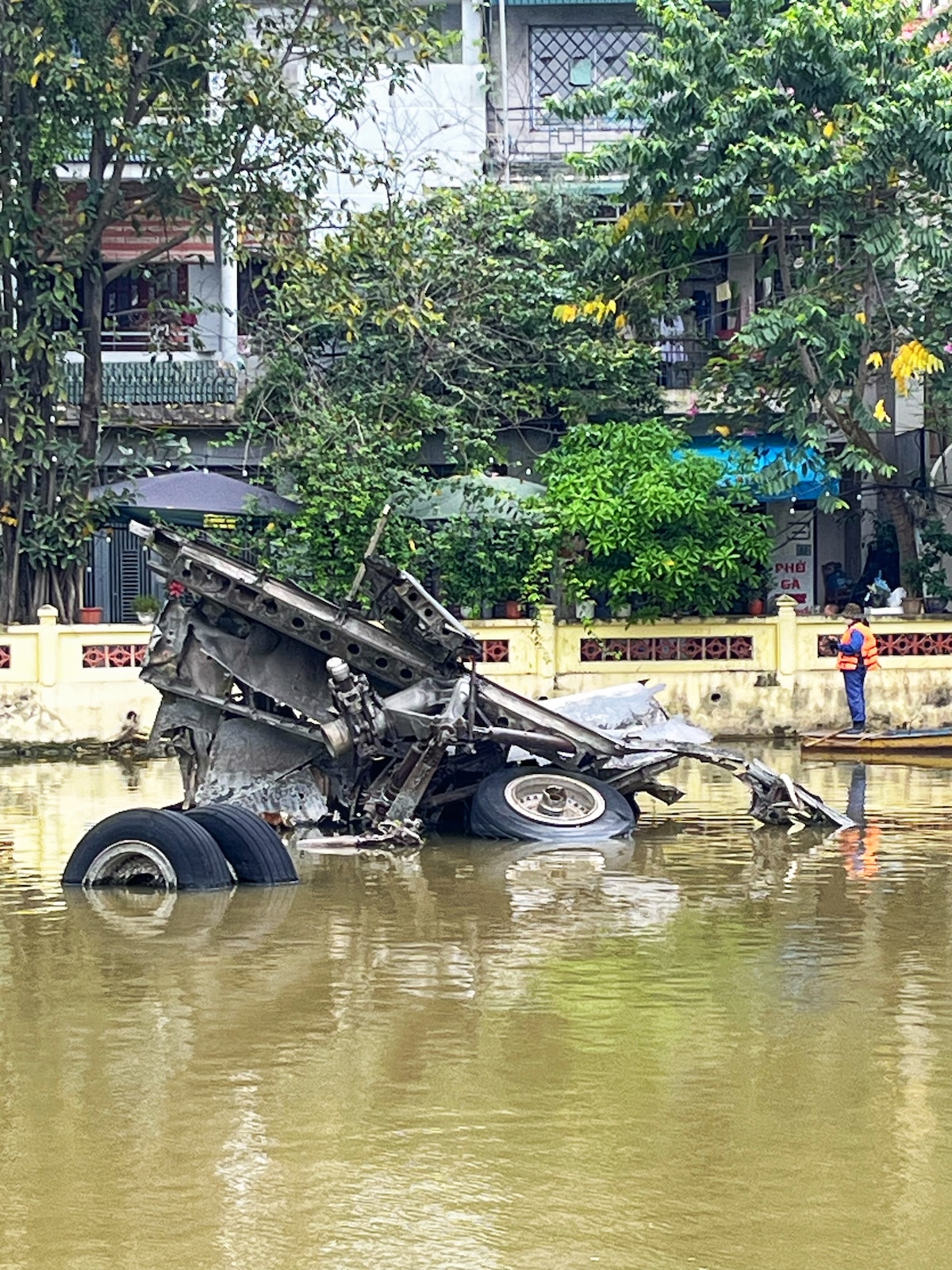
Aircraft remains at Huu Tiep Lake preserve a wartime memory within the Ngoc Ha neighborhood.
Hidden among residential streets, Huu Tiep Lake is one of Hanoi's most unusual historical landmarks.
At first glance, it resembles a small neighborhood pond surrounded by houses. However, partially submerged in the water are remains of an American B-52 bomber associated with the December 1972 air campaign over Hanoi.
The wreckage provides a striking contrast between the violence of wartime and the ordinary life of the neighborhood today.
The Historical Story
In December 1972, American aircraft conducted intensive bombing operations against Hanoi and Haiphong during Operation Linebacker II.
Vietnamese accounts remember the air-defense campaign as the "Dien Bien Phu in the Air."
The aircraft remains at Huu Tiep Lake have become a local memorial to those events.
Rather than viewing the site only as military wreckage, visitors can consider how communities remember conflict and how former battlefields become part of everyday urban life.
What Travelers Can Learn
A guided visit can explore the experiences of Hanoi residents during the bombing campaign, the development of air-defense systems and the broader historical context of the Vietnam War.
Visitors interested in the subject can combine the lake with the nearby B-52 Victory Museum.
Suggested Experience: Hanoi Wartime History Walking Tour, approximately 2–3 hours.
Travel Tip: The lake is part of a residential neighborhood. Keep noise low and respect residents when taking photographs.
2. Truc Bach Island and Ngu Xa – The Story of Hanoi's Traditional Metalworkers
Location: Truc Bach Lake area Suggested Visit: 1–2 hours Best For: Architecture, traditional crafts and local food
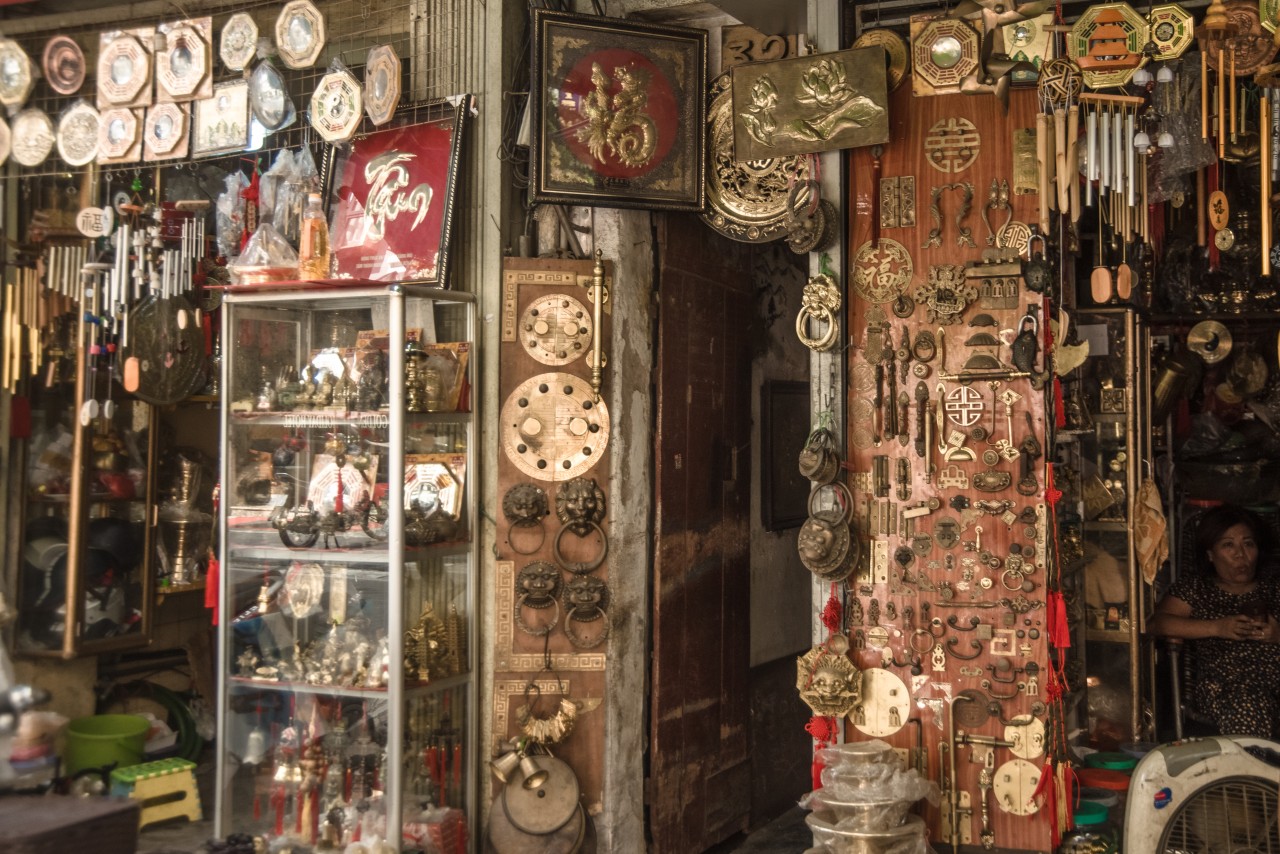
Bronze objects introduce the metalworking heritage associated with Ngu Xa and the Truc Bach neighborhood.
Truc Bach is often overlooked by travelers concentrating on Hoan Kiem Lake and the Old Quarter.
The neighborhood offers a different atmosphere, with lakeside streets, temples, cafés and traces of historic craft communities.
Ngu Xa, traditionally associated with bronze casting, is particularly interesting.
The Historical Story
Ngu Xa developed a reputation for skilled metalworking artisans who produced religious statues, ceremonial objects and decorative works.
Bronze casting played an important role in Vietnamese religious and artistic traditions, particularly in the creation of Buddhist statues and temple objects.
Although the neighborhood has changed considerably, its craft heritage remains part of Hanoi's cultural history.
What Travelers Can Learn
Explore how bronze objects are designed, molded and finished, and how traditional crafts are affected by modern urban development.
If a suitable workshop or craft specialist is available, a guided demonstration can provide insight into the skills involved.
A Local Food Experience
Truc Bach is also associated with pho cuon, a dish of fresh rice noodle sheets wrapped around beef and herbs.
Enjoying a local meal after exploring the neighborhood adds a culinary dimension to the historical visit.
Suggested Experience: Truc Bach Heritage and Local Food Walk, approximately 2–3 hours.
3. Long Bien Bridge and the Red River – Hanoi's Changing Urban Landscape
Location: Long Bien Bridge and nearby Red River neighborhoods Suggested Visit: 1–2 hours Best For: Photography, urban history and cultural exploration
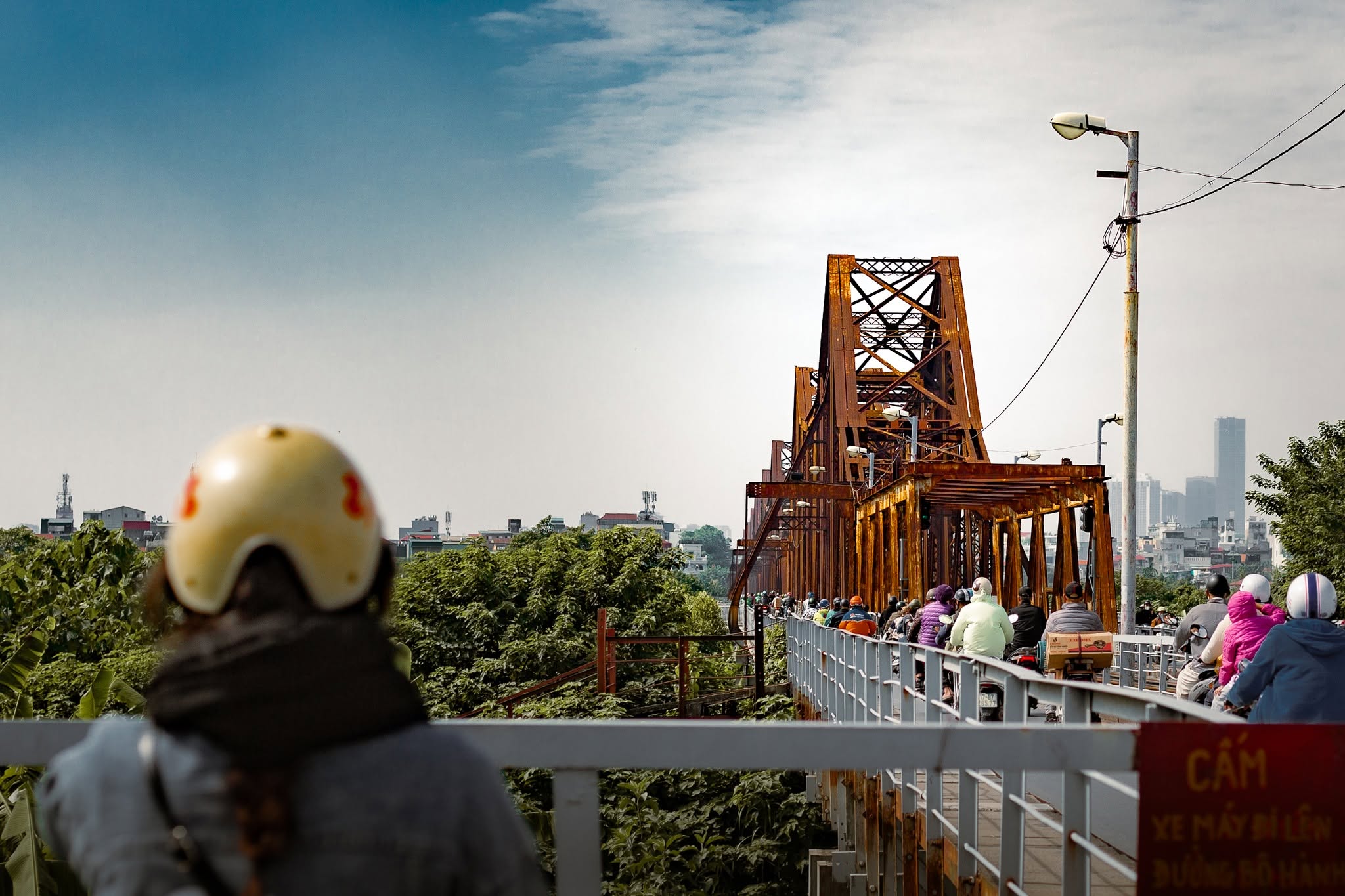
Long Bien Bridge remains part of Hanoi’s working transport network; use only permitted visitor areas.
Long Bien Bridge is not entirely hidden, but its surrounding neighborhoods reveal a side of Hanoi that many visitors never experience.
Completed during the French colonial period in the early twentieth century, the bridge became an important connection across the Red River.
It has witnessed colonial rule, wartime destruction, reconstruction and the transformation of modern Hanoi.
The Historical Story
The bridge originally formed part of the French colonial railway and transportation network.
During the Vietnam War, it suffered repeated bombing damage because of its strategic importance.
Its surviving structure reflects different periods of construction and repair.
What Travelers Can Learn
A guided visit can examine how transportation infrastructure influenced Hanoi's development.
The bridge also provides a starting point for understanding the relationship between the city and the Red River.
Nearby neighborhoods contain markets, agricultural areas and riverside communities, although access and conditions vary.
Suggested Experience: Long Bien Bridge and Red River Heritage Walk, approximately 2 hours.
Travel Tip: Long Bien Bridge remains a working transportation structure. Use permitted pedestrian areas and avoid standing on railway tracks or entering restricted sections.
4. Kim Lan Pottery Village – An Alternative to Famous Bat Trang
Location: Red River area southeast of central Hanoi Suggested Visit: 2–3 hours Best For: Traditional crafts and hands-on cultural learning
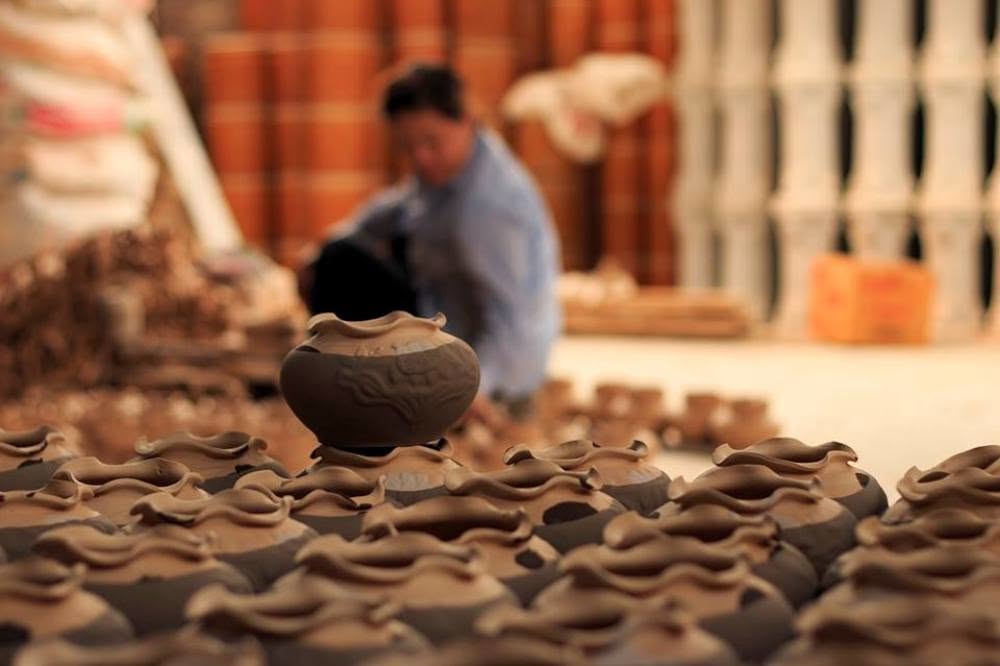
Kim Lan’s pottery workshops offer an introduction to the skills behind handmade ceramics.
Bat Trang is Hanoi's best-known pottery village, but travelers seeking a quieter craft experience should also consider Kim Lan.
Located in the same broader pottery-producing region, Kim Lan preserves connections between ceramic production, village life and the Red River.
The Historical Story
Pottery production in the Red River Delta developed through generations of artisans working with clay, kilns and specialized techniques.
Kim Lan's ceramic heritage includes archaeological evidence and longstanding village craftsmanship.
The community offers an opportunity to explore the relationship between local resources, production methods and traditional livelihoods.
What Travelers Can Learn
A visit may include observing ceramic production, learning about clay preparation and discussing how traditional workshops adapt to changing markets.
Where available, a hands-on pottery activity can help visitors understand the patience and precision required to create ceramic objects.
Unlike simply purchasing souvenirs, this experience explains the work behind the finished product.
Suggested Experience: Kim Lan and Bat Trang Ceramic Heritage Tour, approximately half a day.
Travel Tip: Arrange workshop visits in advance. Not every production facility accepts walk-in visitors.
5. Phu Vinh Bamboo and Rattan Village – The Art of Weaving Everyday Life
Location: Western Hanoi countryside Suggested Visit: 2–3 hours, excluding transfers Best For: Craft enthusiasts, families and responsible tourism
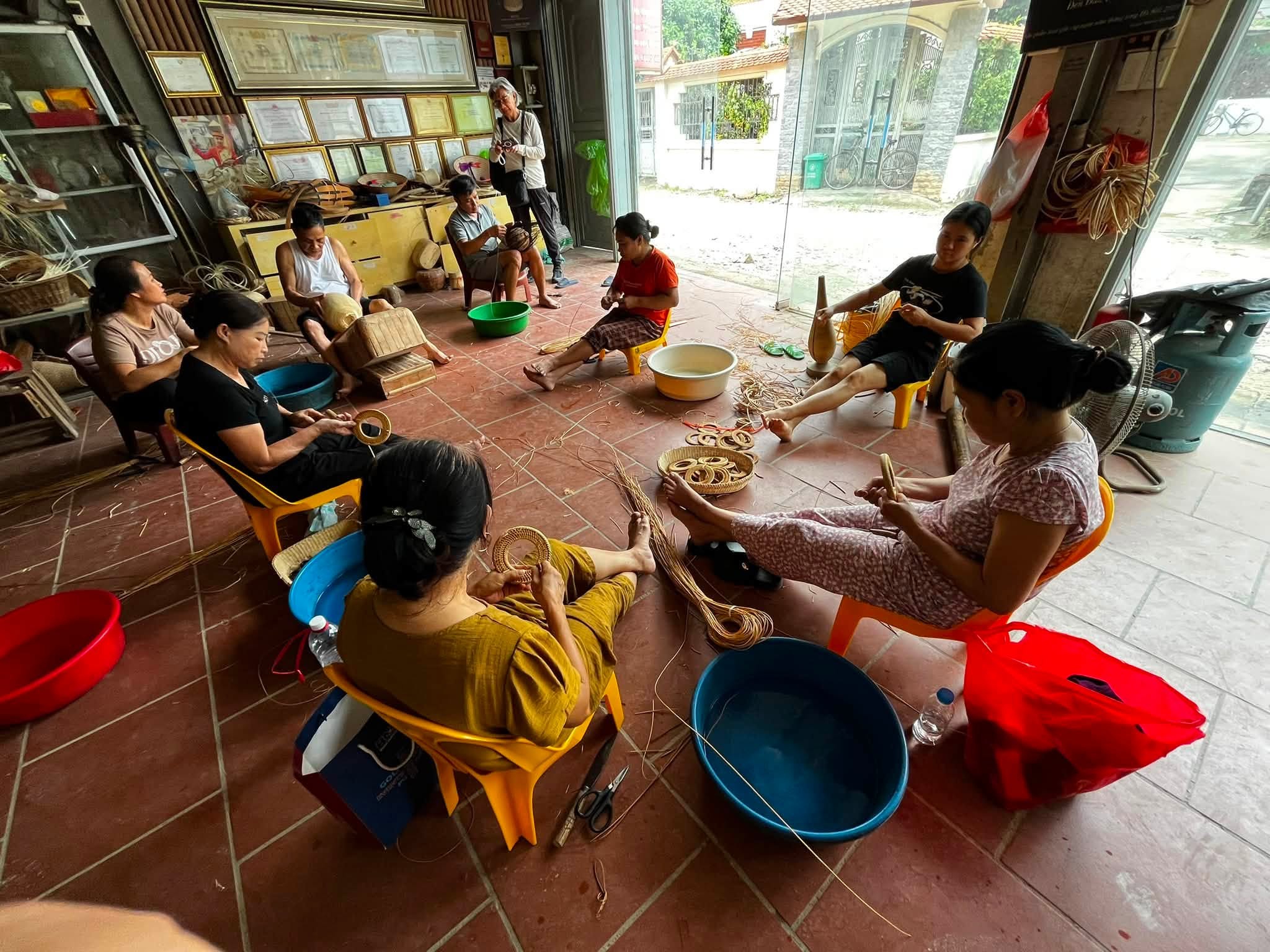
Bamboo and rattan weaving connects traditional skills with everyday household objects in Phu Vinh.
Traditional bamboo and rattan weaving offers an excellent opportunity to discover the relationship between Vietnamese craftsmanship and everyday life.
Phu Vinh is known for producing woven household objects, decorative items and artistic products.
The Cultural Story
Bamboo has long been an important material in Vietnamese rural communities.
It has been used to make baskets, furniture, farming tools, household equipment and architectural structures.
Traditional weaving techniques transform simple natural materials into durable and often highly intricate objects.
What Travelers Can Learn
A workshop visit can introduce the process of selecting materials, preparing bamboo strips and creating different weaving patterns.
Travelers may also learn how artisans balance traditional techniques with contemporary product design.
A supervised weaving activity is particularly suitable for families with older children.
Suggested Experience: Hanoi Traditional Craft Village Discovery, approximately half a day.
6. Dao Thuc Village – Discover Water Puppetry Where the Tradition Lives
Location: Northern Hanoi, Dong Anh area Suggested Visit: Half a day Best For: Families, cultural travelers and traditional performing arts
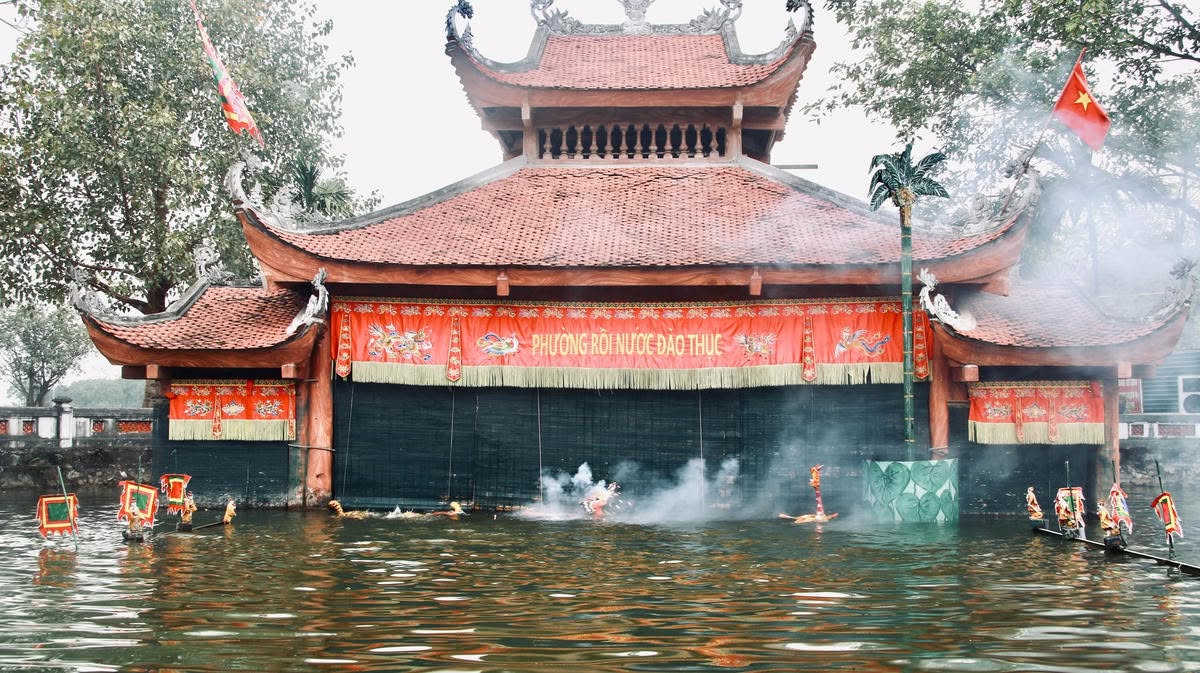
Water puppetry at Dao Thuc brings village stories to life; performances should be arranged in advance.
Many international visitors watch a water puppet show in central Hanoi.
Far fewer explore the rural communities where the tradition developed.
Dao Thuc is a valuable destination for understanding Vietnamese water puppetry as a living village art rather than simply a theater performance.
The Historical Story
Water puppetry originated in the agricultural environment of Northern Vietnam.
Performances traditionally depicted village life, farming, fishing, festivals and folk stories.
Dao Thuc preserves a longstanding tradition of village water puppetry, passed down through generations of performers.
What Travelers Can Learn
A carefully arranged visit may introduce the construction of wooden puppets, traditional music and the techniques used to control figures across the water.
A local performance can become more meaningful when visitors understand the stories behind the characters.
Suggested Experience: Dao Thuc Water Puppetry and Northern Village Culture Tour, approximately half a day.
Travel Tip: Village performances and workshop demonstrations should be arranged in advance. Do not assume a public show is available every day.
Location: Southern Hanoi countryside Suggested Visit: 1.5–2 hours, excluding transfers Best For: Photography, craftsmanship and cultural learning
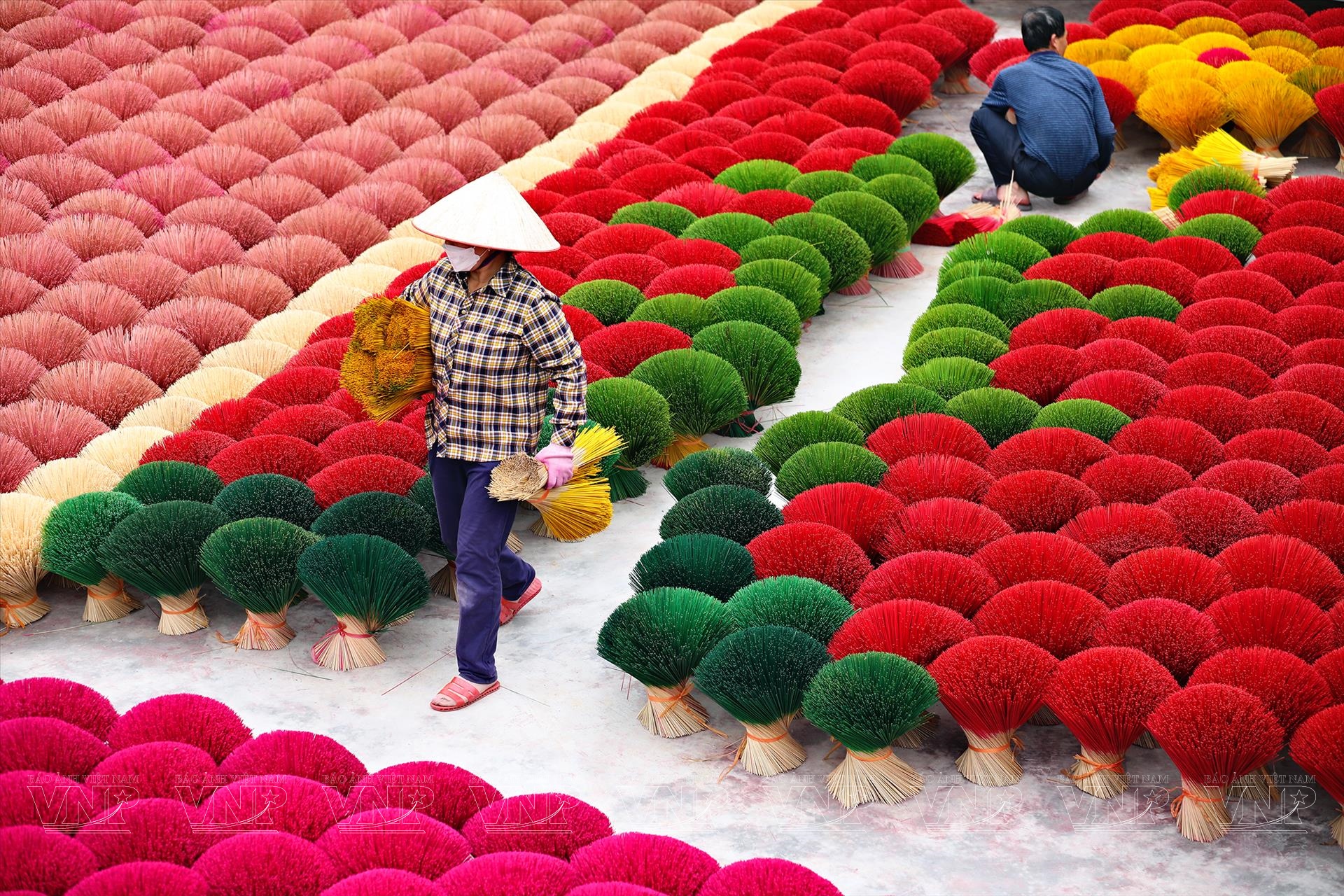
Incense production at Quang Phu Cau combines skilled work with Vietnam’s spiritual traditions.
Quang Phu Cau has become increasingly popular with photographers because of its colorful incense bundles.
However, the village offers more than an attractive visual experience.
The Cultural Story
Incense plays an important role in Vietnamese religious and family traditions.
It is commonly used at ancestral altars, temples, pagodas and during important ceremonies.
The craft of incense making connects household production with the wider spiritual life of Vietnamese society.
What Travelers Can Learn
Visitors can discover how incense sticks are prepared, colored, dried and packaged.
A guide can also explain the significance of ancestor worship and why incense is associated with remembrance and respect.
Beyond the Photograph
Rather than focusing exclusively on staged photographs, take time to understand the labor involved in production.
Ask permission before entering workshops or photographing workers.
Some photography areas charge a fee, and drying displays depend on production and weather conditions.
Suggested Experience: Quang Phu Cau Incense and Traditional Craft Tour, approximately half a day.
8. Duong Lam Ancient Village – A Journey into Traditional Northern Vietnam
Location: Son Tay area, western Hanoi Suggested Visit: Half a day to a full day Best For: Rural architecture, history and village life
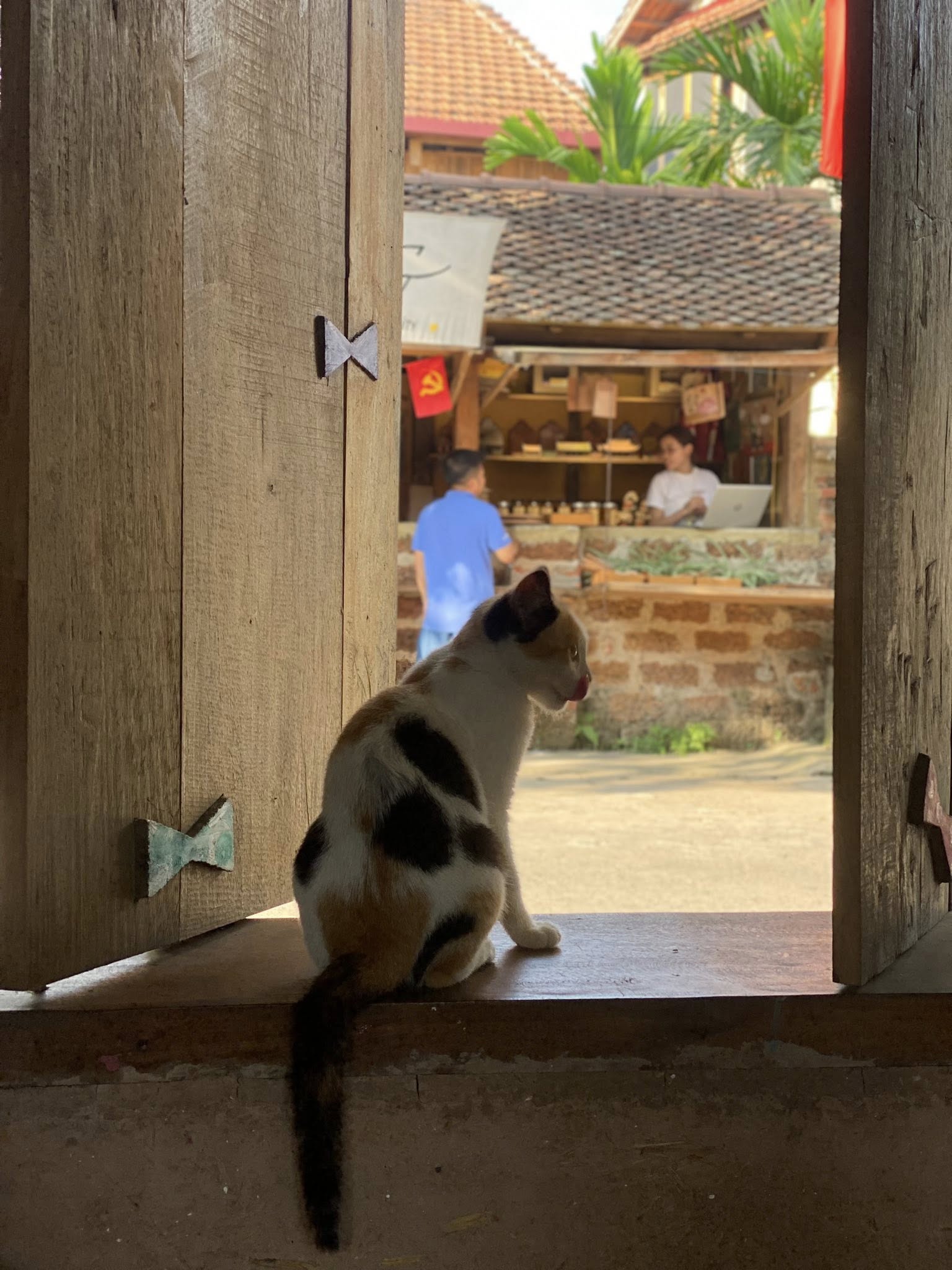
A quiet doorway in Duong Lam offers a glimpse of everyday life within a historic village.
Duong Lam is one of the most rewarding heritage destinations within the wider Hanoi area.
Its narrow lanes, traditional houses, communal spaces and laterite walls provide a glimpse of the architectural character of Northern Vietnam's countryside.
The Historical Story
Duong Lam is associated with important figures in Vietnamese history, including Phung Hung and Ngo Quyen.
Ngo Quyen's victory over Southern Han forces on the Bach Dang River in 938 marked a major turning point in the restoration of Vietnamese independence.
The village also preserves traditional architecture shaped by the local environment and available construction materials.
What Travelers Can Learn
Explore the design of traditional houses, the importance of family altars and the social role of communal spaces.
A local host may explain how several generations shared a family home and how domestic architecture reflected cultural values.
A Meaningful Village Experience
Where arrangements are available, enjoy a traditional meal in a historic house.
A guided walk can also introduce village gates, wells, temples and agricultural landscapes.
Suggested Experience: Duong Lam Ancient Village and Rural Heritage Day Tour.
Travel Tip: Many historic houses are private homes. Enter only with permission and respect residents' privacy.
9. Co Loa Citadel – Discover Hanoi Before Thang Long
Location: Dong Anh area, northern Hanoi Suggested Visit: 2–3 hours Best For: Ancient history, archaeology and mythology
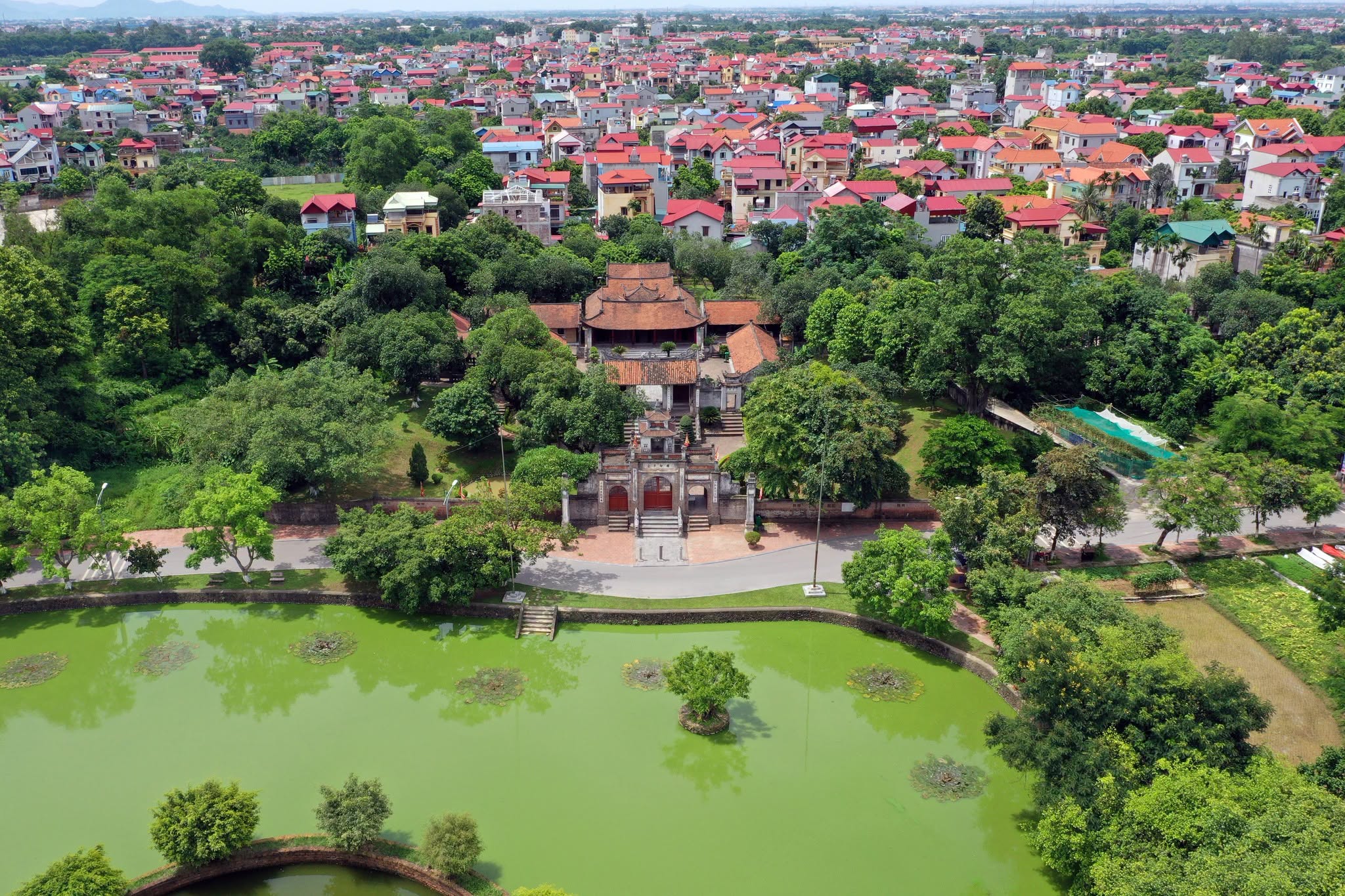
Co Loa’s heritage landscape connects ancient Vietnamese history with the living community around it. Photo: Marcus Lacey.
Hanoi's history did not begin with the establishment of Thang Long in 1010.
Co Loa offers an opportunity to explore an earlier period of Vietnamese history associated with the ancient kingdom of Au Lac.
The Historical Story
Co Loa is traditionally associated with King An Duong Vuong and an ancient fortified capital.
Its surviving earthworks reflect a complex defensive landscape.
The site is also connected to the legend of My Chau and Trong Thuy, a story involving loyalty, betrayal and the loss of a kingdom.
What Travelers Can Learn
A visit can explore the relationship between archaeology, historical evidence and traditional legends.
Travelers can examine how defensive structures were built and how ancient communities organized their settlements.
A knowledgeable guide can distinguish between archaeological findings and stories preserved through folklore.
Suggested Experience: Co Loa Ancient Capital and Dao Thuc Water Puppetry Tour, approximately one day.
10. Van Phuc Silk Village – The Changing World of Vietnamese Textiles
Location: Ha Dong area, Hanoi Suggested Visit: 2–3 hours Best For: Textile enthusiasts, shopping and craftsmanship
Van Phuc’s textile shops provide a starting point for learning about silk, weaving and fabric origins.
Van Phuc is one of Hanoi's best-known traditional silk villages, but it offers a deeper experience when visitors look beyond its shopping streets.
The Cultural Story
Silk weaving has played an important role in Vietnamese clothing, trade and craftsmanship.
Traditional silk production involves specialized knowledge of fibers, weaving techniques, patterns and finishing.
Van Phuc has maintained a strong association with silk production while adapting to modern tourism and commercial markets.
What Travelers Can Learn
Visit an operating weaving workshop where possible and observe how looms create patterned textiles.
Learn the difference between natural silk and other fabrics, and discover why material quality affects the price of finished products.
Suggested Experience: Van Phuc Silk and Hanoi Traditional Crafts Tour, approximately half a day.
Travel Tip: Not every textile sold in the village is necessarily produced locally or made entirely from natural silk. Ask sellers about material composition and origin.
11. Cho Hom Market – Understanding Hanoi Through Fabrics and Everyday Trade
Location: Central Hanoi Suggested Visit: 45–90 minutes Best For: Local markets, textiles and urban culture
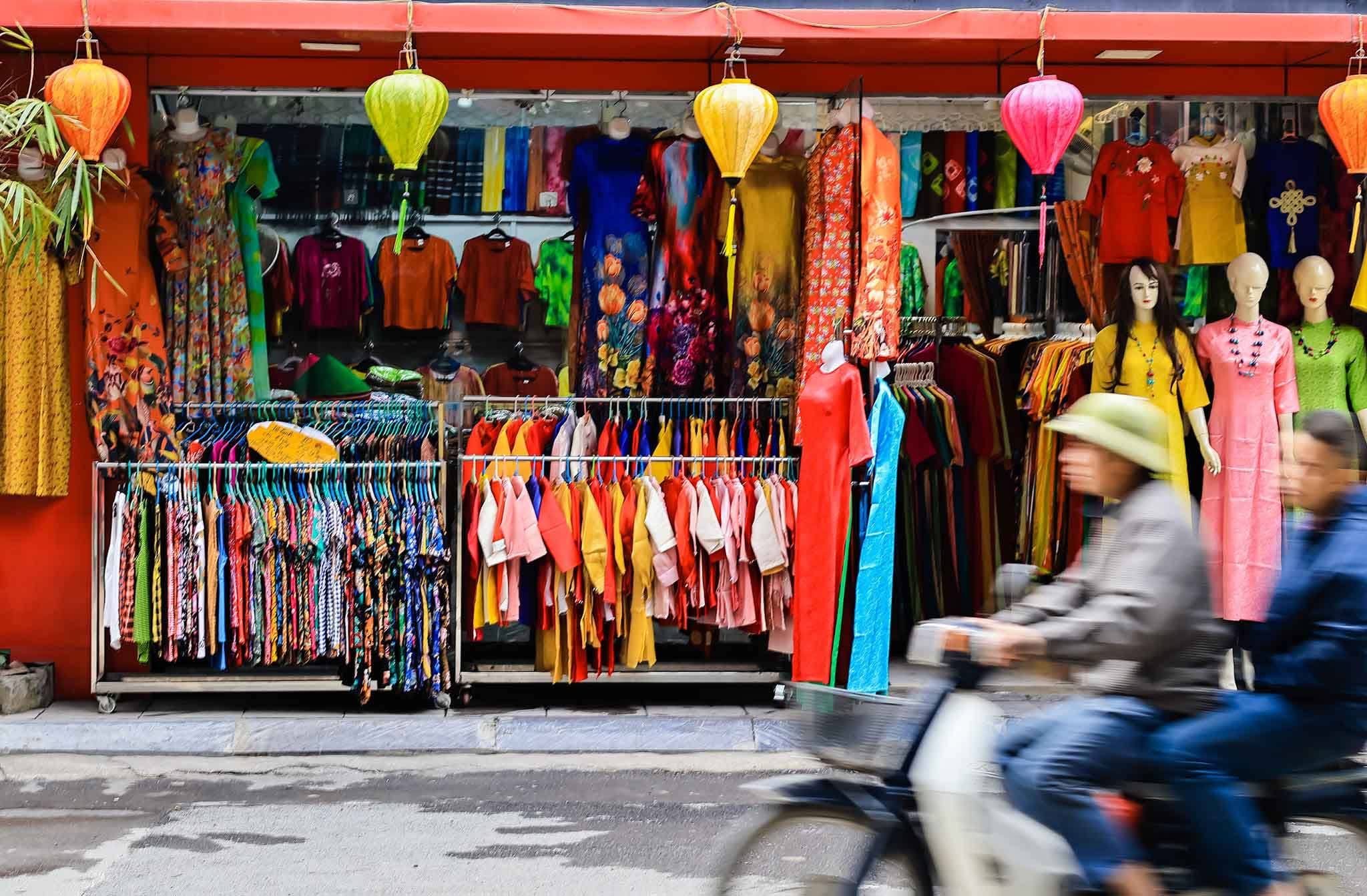
Cho Hom remains a working market where visitors can observe everyday trade and local shopping customs.
While Dong Xuan Market is familiar to many tourists, Cho Hom offers another perspective on Hanoi's commercial traditions.
The market is particularly interesting for travelers curious about fabrics, clothing materials and everyday shopping.
The Cultural Story
Traditional markets have long been important social and economic spaces in Hanoi.
They connect traders, craftspeople, households and surrounding neighborhoods.
Cho Hom reflects the continuing importance of market-based commerce even as supermarkets and shopping centers expand.
What Travelers Can Learn
A guided market walk can introduce common fabrics, local shopping customs and the relationship between traditional tailoring and Vietnamese clothing.
Visitors may also discover ingredients and household products used in everyday life.
Suggested Experience: Hanoi Local Market and Textile Culture Walk, approximately 1.5 hours.
Travel Tip: The market is a working commercial space. Avoid blocking narrow aisles or photographing traders without permission.
12. Hang Buom and Bach Ma Temple – Stories Hidden in the Old Quarter
Location: Hanoi Old Quarter Suggested Visit: 1–2 hours Best For: Ancient urban history and spiritual heritage
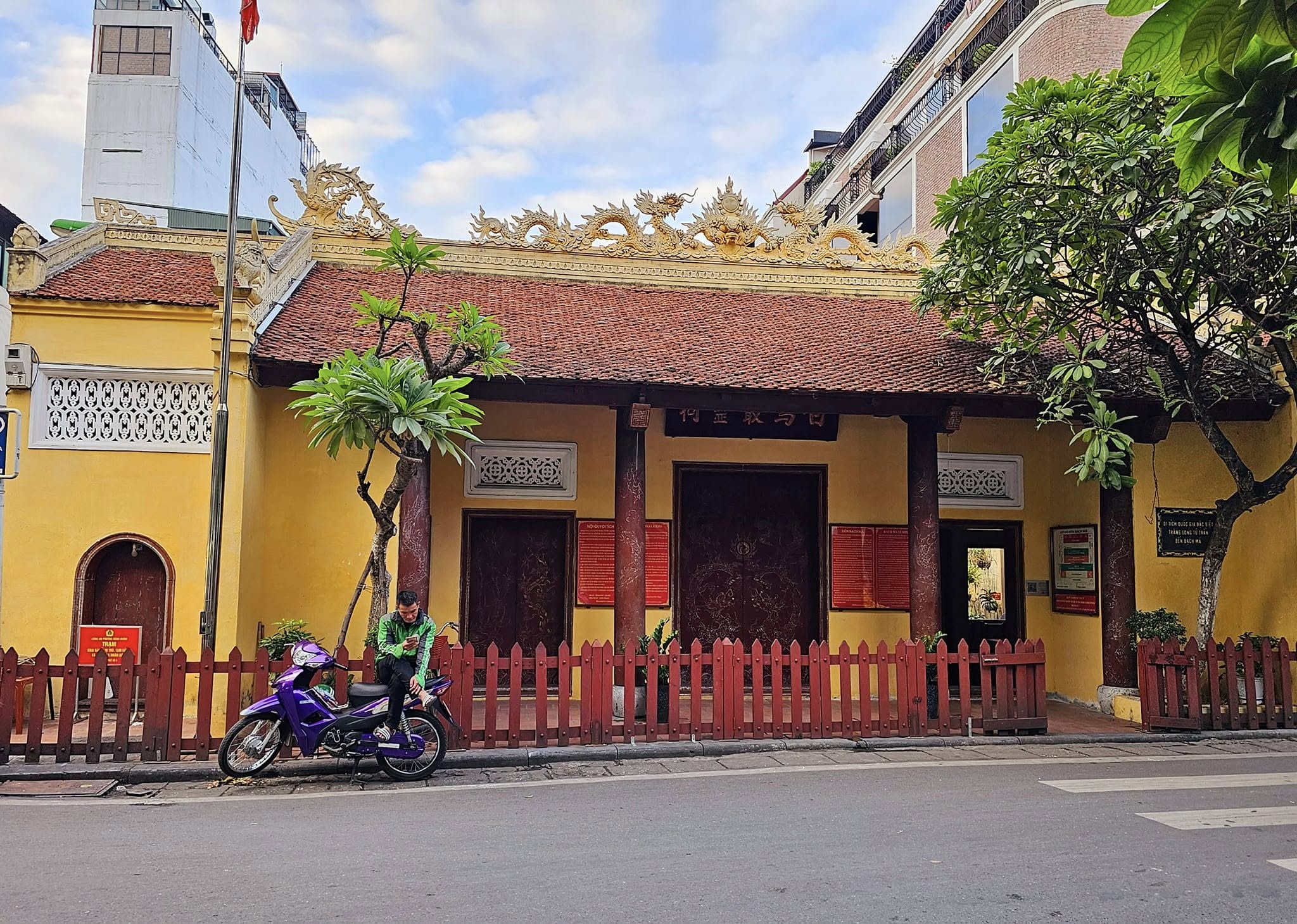
Bach Ma Temple preserves spiritual heritage within the Old Quarter’s busy trading streets.
Not every hidden gem lies far from the tourist center.
Some of Hanoi's most interesting historical stories are concealed within the Old Quarter itself.
Bach Ma Temple is associated with the spiritual traditions of ancient Thang Long.
The Historical Story
According to tradition, the temple is connected to the legend of a white horse that helped guide the construction of the ancient capital's defensive walls.
Bach Ma is also associated with the historic system of protective temples surrounding Thang Long.
The surrounding Hang Buom area reflects the city's commercial and multicultural history.
What Travelers Can Learn
A guided walk can explain the importance of guardian deities, traditional urban neighborhoods and the relationship between commerce and religious life.
Look for architectural details, inscriptions and spaces that reveal different stages of Hanoi's development.
Suggested Experience: Hidden Temples and Ancient Trade Streets Walking Tour, approximately 2 hours.
13. Phu Tay Ho – Discover Vietnamese Mother Goddess Worship
Location: West Lake, Hanoi Suggested Visit: 1–1.5 hours Best For: Religious culture, local traditions and lakeside exploration
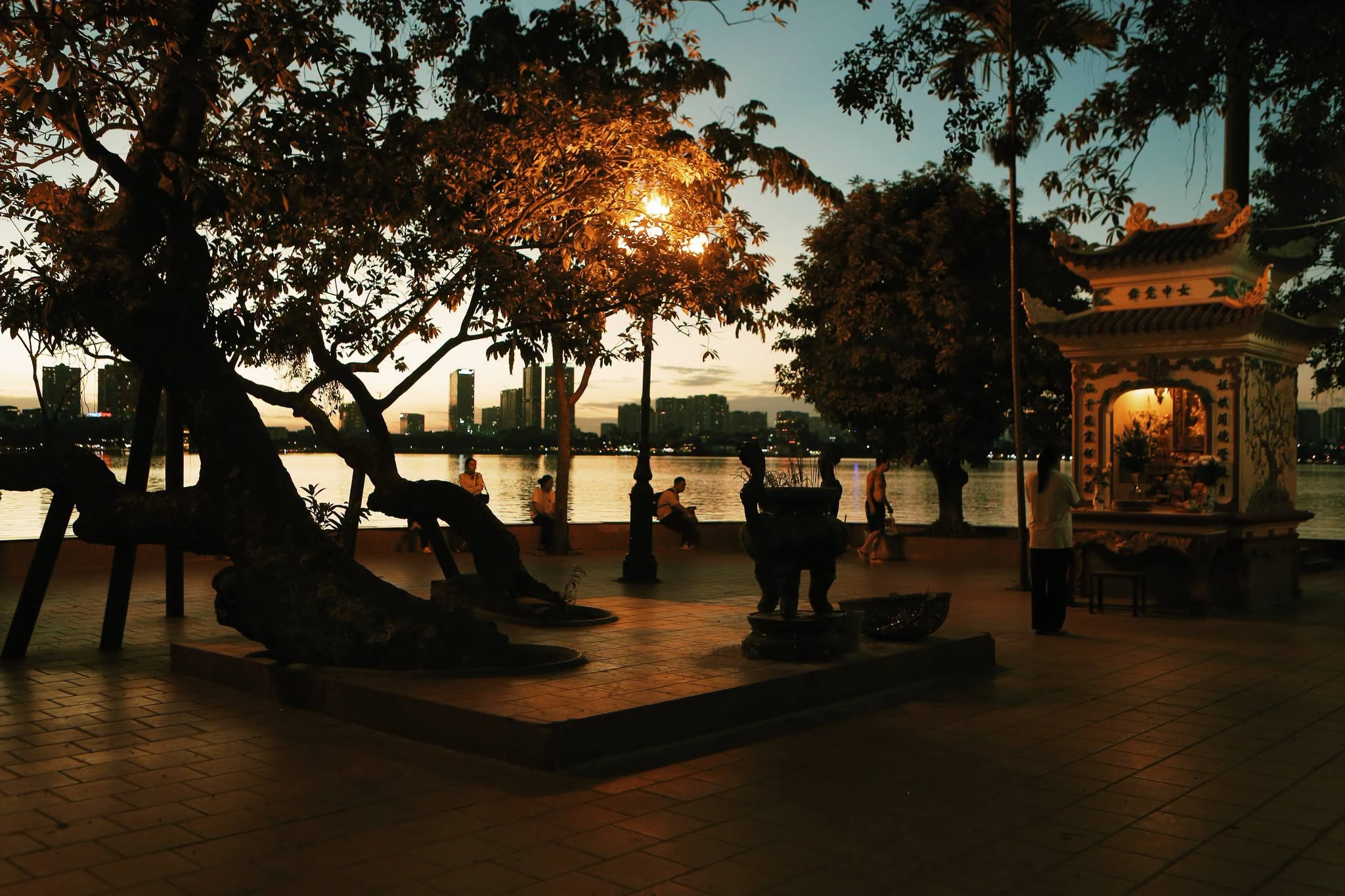
Phu Tay Ho is a place of local worship on West Lake; visitors should respect religious activities.
Phu Tay Ho is an important spiritual destination for Hanoi residents.
Although it is well known locally, many international travelers visit West Lake without understanding the cultural significance of this shrine.
The Cultural Story
Phu Tay Ho is associated with the worship of Mother Goddesses and the figure of Lieu Hanh, an important deity in Vietnamese spiritual traditions.
Mother Goddess worship reflects beliefs concerning protection, prosperity, nature and the spiritual relationship between people and the world around them.
What Travelers Can Learn
A respectful guided visit can introduce Vietnamese religious practices, offerings and the importance of local pilgrimage traditions.
Visitors may also learn about the role of ceremonial music and ritual performance in Mother Goddess worship.
Suggested Experience: West Lake Spiritual Heritage and Local Culture Tour, approximately half a day.
14. Tay Tuu Flower Village – Hanoi's Working Flower Fields
Location: Western Hanoi Suggested Visit: 1–2 hours, excluding transfers Best For: Photography, agriculture and local livelihoods
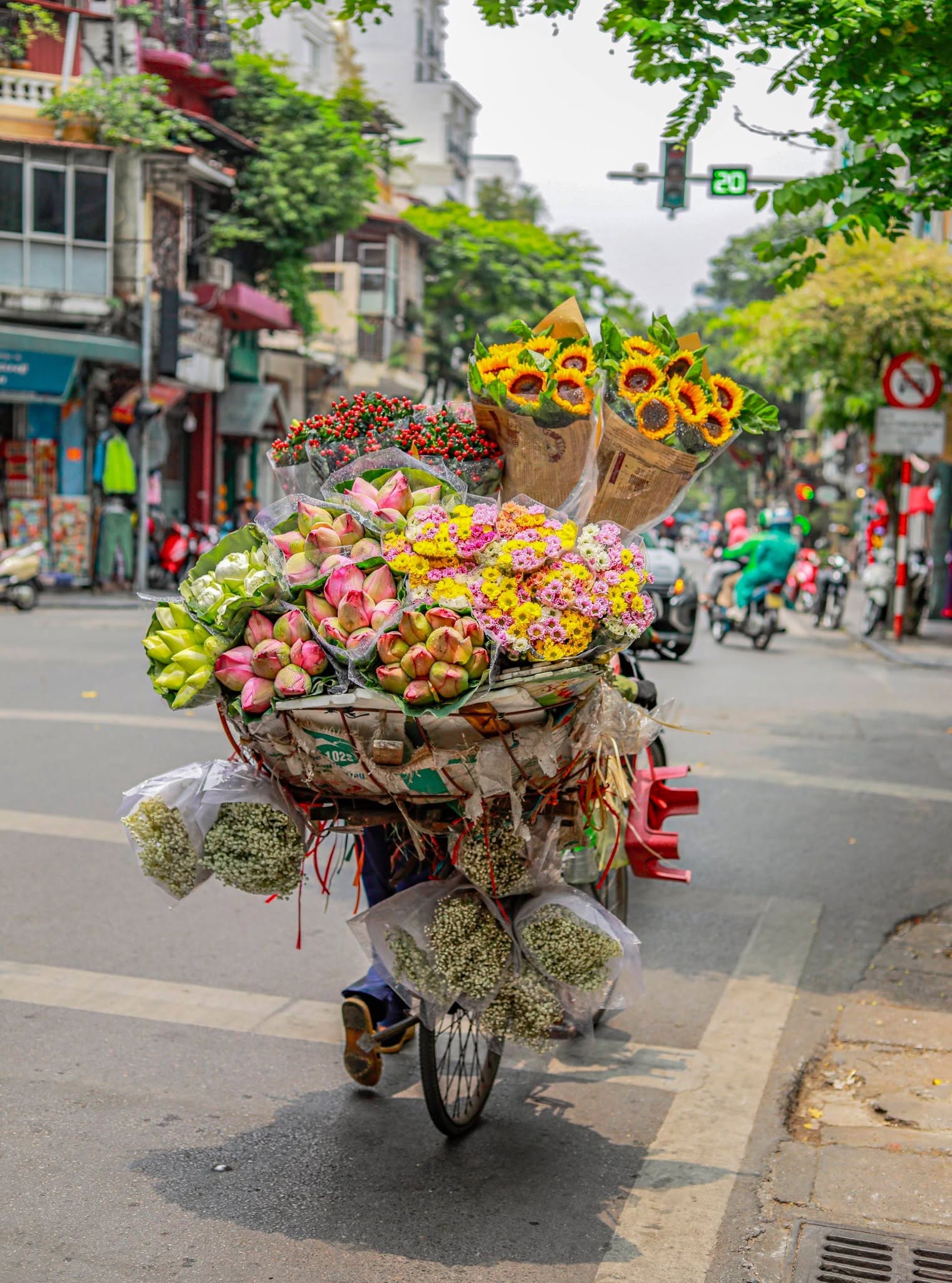
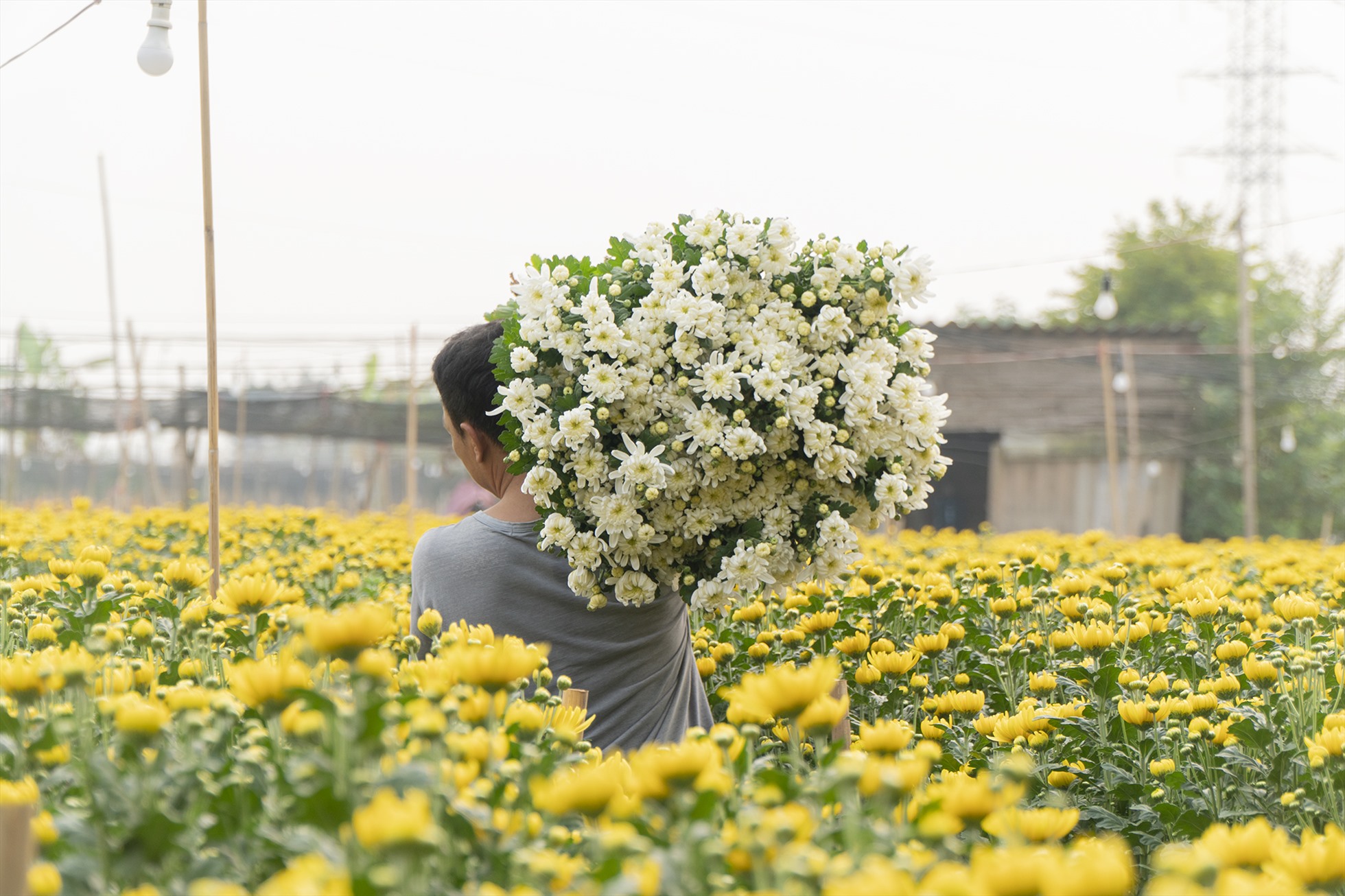
Flower cultivation in Tay Tuu supports the markets, homes and celebrations of Hanoi.
Flowers are an important part of Hanoi's cultural life.
They appear in family homes, markets, temples, festivals and celebrations.
Tay Tuu is associated with flower cultivation and offers opportunities to understand the agricultural work behind the city's flower trade.
The Cultural Story
Flower-growing communities supply urban markets and adapt production to seasonal demand.
Before major holidays, especially Tet, flowers become particularly important for decoration and family traditions.
What Travelers Can Learn
A visit can introduce planting cycles, harvesting techniques and the challenges of maintaining agricultural livelihoods near an expanding city.
Travelers may also learn how different flowers are associated with celebrations and seasonal customs.
Suggested Experience: Hanoi Flower Farming and Local Market Tour, approximately half a day.
Travel Tip: Flower fields are working agricultural properties. Access and photography require permission, and the appearance of the fields changes throughout the year.
15. Hanoi's Hidden Courtyards and Traditional Tube Houses
Location: Selected streets in the Old Quarter Suggested Visit: 1–2 hours Best For: Architecture, photography and urban heritage
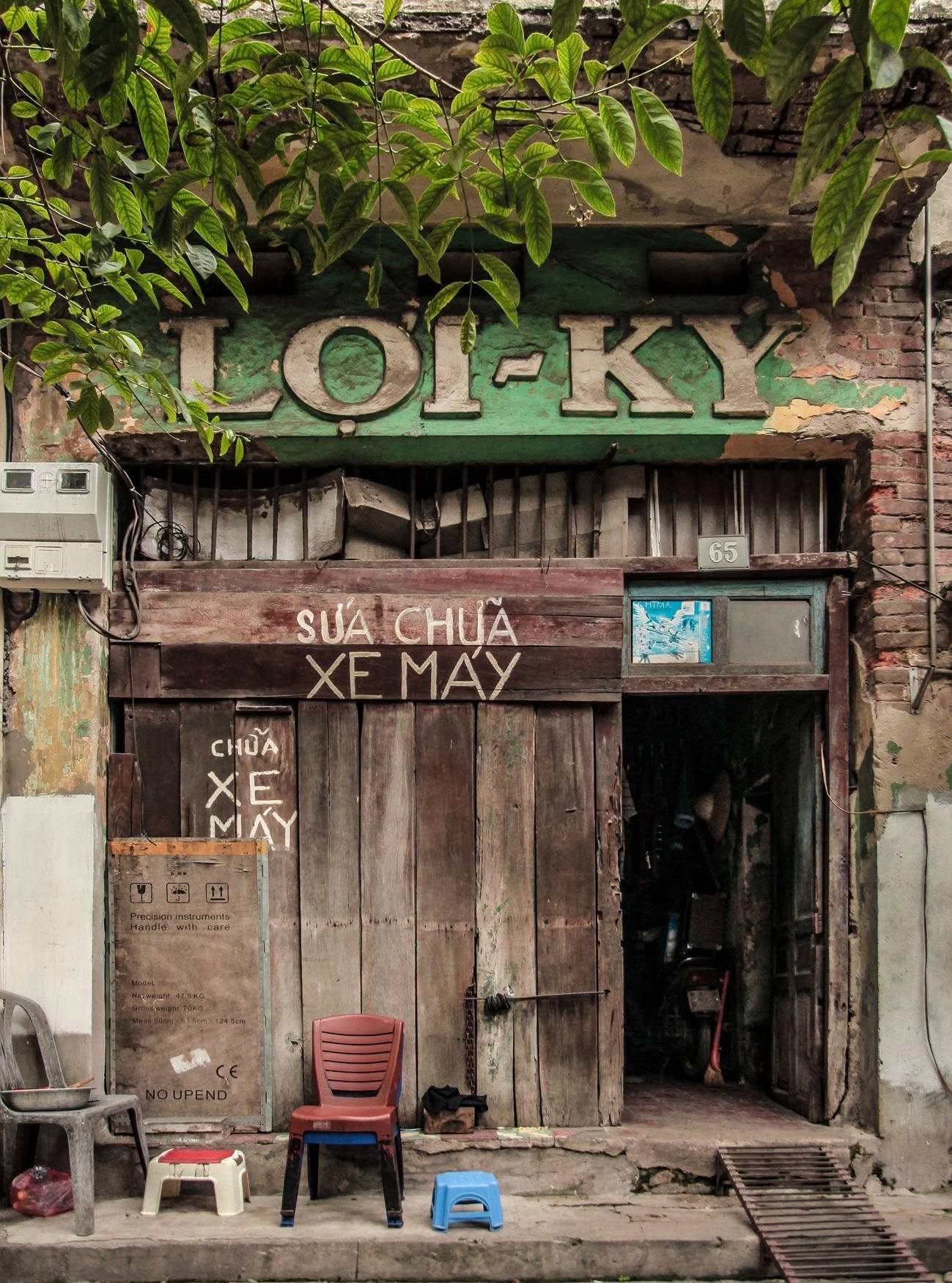
Hanoi’s narrow-fronted houses connect street-level commerce with the living spaces behind.
Hanoi's traditional tube houses are among the city's most distinctive architectural features.
Their narrow street-facing façades often conceal surprisingly deep interiors, courtyards and multiple living spaces.
The Historical Story
The development of narrow-fronted commercial houses reflects the historical relationship between trade, land use and urban life.
Many buildings combined business activities at the front with residential areas behind.
Courtyards and open spaces helped provide light and ventilation.
What Travelers Can Learn
A guided architectural walk can explain how families organized living spaces and how old buildings have adapted to changing urban conditions.
Visitors can also compare traditional Vietnamese structures with buildings influenced by French colonial architecture.
A Responsible Way to Explore
Many historic houses remain private residences.
Choose publicly accessible heritage houses, cafés or other venues that welcome visitors rather than entering residential courtyards without permission.
Suggested Experience: Hanoi Old Quarter Architecture and Hidden Courtyards Walk, approximately 2 hours.
Suggested Hidden Gems in Hanoi Tours
The best way to explore Hanoi's lesser-known attractions is to combine destinations around a meaningful theme rather than trying to visit everything in one day.
The following itineraries are examples of experiences that Vietnamtravels.com can develop into guided tours.
Option 1: Hidden Hanoi History and Heritage – Half Day
Duration: Approximately 4 hours Recommended For: First-time visitors and history enthusiasts
Time
Experience
08:30
Depart from your Hanoi hotel
09:00
Visit Huu Tiep Lake and learn about Hanoi in 1972
09:45
Explore the B-52 Victory Museum, subject to opening hours
11:00
Walk through Truc Bach and the Ngu Xa neighborhood
12:00
Enjoy a local lunch featuring Hanoi specialties
12:30
Return to your hotel
Learning Focus: Wartime memory, urban transformation and traditional neighborhood culture.
Option 2: Hanoi Traditional Crafts and Village Life – Full Day
Duration: Approximately 8 hours Recommended For: Families, cultural travelers and craft enthusiasts
Time
Experience
08:00
Depart Hanoi for Kim Lan
09:00
Discover pottery traditions and visit an arranged workshop
11:00
Explore nearby Bat Trang and its ceramic heritage
12:30
Lunch at a local restaurant
14:00
Continue to a suitable craft workshop or cultural activity
16:00
Return toward central Hanoi
17:00
Estimated arrival at hotel
Learning Focus: Traditional craftsmanship, village economies and the connection between heritage and contemporary livelihoods.
The afternoon activity should be selected according to workshop availability and transfer distances.
Option 3: Ancient Hanoi and Living Traditions – Full Day
Duration: Approximately 7–8 hours Recommended For: History lovers, families and cultural travelers
Time
Experience
08:30
Depart Hanoi for Co Loa
09:15
Guided exploration of Co Loa Citadel
11:30
Lunch at a local restaurant
13:00
Continue to Dao Thuc Village
14:00
Learn about traditional water puppetry
15:00
Attend a prearranged performance or workshop
16:00
Return to Hanoi
17:00
Estimated hotel arrival
Learning Focus: Ancient Vietnamese history, folklore, traditional performing arts and village cultural identity.
Option 4: Hidden Hanoi Cultural Discovery – 2 Days
Duration: 2 Days / 1 Night in Hanoi Recommended For: Repeat visitors, educational groups and slow travelers
Day 1: Hanoi's Hidden Urban Stories
Explore Huu Tiep Lake, Truc Bach and Ngu Xa before enjoying a local lunch.
In the afternoon, discover Bach Ma Temple, historic trade streets and selected traditional houses in the Old Quarter.
Overnight: Hanoi
Day 2: Craft Villages and Rural Heritage
Depart for Duong Lam Ancient Village to explore traditional architecture, communal spaces and rural life.
Enjoy a local lunch and continue with a carefully arranged cultural or craft activity before returning to Hanoi.
This itinerary combines urban history with rural heritage while allowing more time for conversations and meaningful cultural experiences.
How to Choose the Best Hidden Gems in Hanoi
Not every destination is suitable for every traveler.
The following comparison can help visitors choose experiences based on their interests.
Travel Interest
Recommended Hidden Gems
Suggested Time
Ancient History
Co Loa, Bach Ma Temple, Duong Lam
Half to full day
Modern History
Huu Tiep Lake, B-52 Victory Museum, Long Bien Bridge
Half day
Traditional Crafts
Kim Lan, Phu Vinh, Van Phuc
Half to full day
Performing Arts
Dao Thuc Water Puppetry Village
Half day
Spiritual Culture
Phu Tay Ho, Bach Ma Temple
Half day
Local Food and Markets
Truc Bach, Ngu Xa, Cho Hom
2–4 hours
Photography and Rural Life
Quang Phu Cau, Tay Tuu, Duong Lam
Half to full day
Architecture
Traditional tube houses, Duong Lam, Long Bien Bridge
Half to full day
Practical Tips for Exploring Hidden Hanoi
Travel with a Local Guide When Cultural Context Matters
Many hidden attractions do not provide extensive English-language explanations.
A knowledgeable local guide can help visitors understand historical events, religious customs and traditional crafts.
Guides are particularly valuable at Co Loa, Duong Lam, village workshops and sites associated with wartime history.
Arrange Workshops and Performances in Advance
Traditional villages are working communities rather than permanent tourist exhibition centers.
Artisans may be busy with production, and cultural performances may take place only by arrangement.
Advance booking is recommended for pottery workshops, weaving demonstrations and village water puppet shows.
Respect Residential and Religious Spaces
Some of Hanoi's most interesting destinations are also homes, places of worship or working environments.
Ask permission before taking photographs, dress appropriately at religious sites and avoid disrupting local activities.
Allow Time for Traffic
Hanoi's surrounding craft villages can be considerably farther from the city center than they appear on a map.
For a comfortable day tour, select two or three nearby experiences rather than combining destinations in opposite directions.
Consider the Weather and Season
Spring and autumn often provide comfortable conditions for walking and countryside exploration.
Summer can be hot and humid, while winter mornings may be cool.
Agricultural experiences and flower fields change with the seasons.
Verify Current Visitor Information
Opening hours, entrance fees, road access, workshop availability and administrative addresses may change. See our before-you-travel guide for wider planning advice.
Hanoi's administrative organization has also undergone changes, so older references to districts and communes may not match current official addresses.
Confirm arrangements before departure, especially for rural workshops, cultural performances and privately managed heritage properties.
Responsible Tourism: Making Hidden-Gem Travel Meaningful
Exploring lesser-known destinations brings both opportunities and responsibilities.
Traditional communities benefit most when tourism supports local livelihoods and respects cultural practices.
Choose locally operated workshops, pay fair prices for artisan experiences and avoid treating residential neighborhoods as staged attractions.
When visiting villages, remember that residents are continuing their normal lives.
A meaningful cultural encounter should involve mutual respect, not simply photography.
Travelers can also reduce their environmental impact by carrying reusable water bottles, avoiding unnecessary waste and following conservation guidelines.
For Vietnamtravels.com, responsible tourism means creating experiences that benefit visitors while respecting the communities that preserve Hanoi's heritage.
Frequently Asked Questions About Hidden Gems in Hanoi
What are the best hidden gems in Hanoi for first-time visitors?
Huu Tiep Lake, Truc Bach, Bach Ma Temple and traditional Old Quarter houses are good choices for travelers with limited time. They can be combined with major attractions without requiring a long journey outside the city.
Which hidden places in Hanoi are best for families?
Dao Thuc Water Puppetry Village, pottery workshops in Kim Lan or Bat Trang, and selected bamboo weaving experiences are particularly suitable for families. Activities should be adapted to children's ages and interests.
Can I visit Hanoi's hidden attractions without a guide?
Yes. Many urban destinations can be explored independently. However, a guide can greatly improve the experience at historical sites, traditional villages and cultural workshops where English explanations may be limited.
Are hidden gems in Hanoi less crowded than famous attractions?
Some are quieter than the major sightseeing sites, but this is not guaranteed. Quang Phu Cau, Duong Lam and certain craft villages may attract substantial visitor numbers, particularly during weekends, holidays or popular photography periods.
How many days should I spend exploring hidden Hanoi?
One additional day allows you to discover several interesting places. Two or three days provide more opportunities to combine historical neighborhoods, craft villages, cultural performances and countryside experiences.
Are Hanoi's craft villages worth visiting?
Yes, especially for travelers interested in traditional skills and local livelihoods. The most rewarding visits include conversations with artisans or supervised hands-on experiences rather than shopping alone.
Final Thoughts: Discover the Hanoi That Lives Beyond the Guidebooks
Hanoi's famous attractions introduce visitors to the capital's most recognizable landmarks.
Its hidden gems reveal something equally valuable: the lives, traditions and stories that have shaped the city across generations.
At Huu Tiep Lake, a quiet neighborhood preserves memories of war. In Ngu Xa, the history of bronze casting reflects centuries of craftsmanship. In Dao Thuc, water puppetry continues as a living cultural tradition. At Duong Lam, traditional houses reveal how families and communities organized their lives.
These places invite travelers to do more than take photographs.
They encourage visitors to ask questions, listen to local stories, understand traditional skills and appreciate the relationship between Vietnam's past and present.
For travelers seeking a deeper connection with the destination, exploring the hidden gems in Hanoi can become one of the most memorable parts of a journey through Northern Vietnam.
Explore Hanoi beyond the ordinary with Vietnamtravels.com. Discover tailor-made cultural tours, traditional craft experiences, historical walking routes and authentic encounters designed to reveal the capital's lesser-known stories.