Hanoi to Da Nang by Train: Berths, Coastal Views and Arrival Planning
November 28, 202618 min read
An evening departure from Hanoi, a night in a sleeper cabin and a morning approaching Central Vietnam can turn a transfer into a memorable part of your holiday. Travelling from Hanoi to Da Nang by train gives you time to watch the landscape change, with the coastal railway around Hai Van providing the journey’s scenic highlight when your train passes in daylight.
Choosing well takes more than finding a departure time. A berth in a shared compartment, an entire four-berth cabin and a purpose-designed two-berth cabin are different purchases. Tourist brands may provide upgraded accommodation or additional services on a scheduled Vietnam Railways train, rather than operate a separate train.
This guide explains how to compare those options, assess published fares and plan both directions. Start with your priorities: a better chance of sleep, privacy, coastal scenery or the lowest overall cost.
Information reviewed on 28 November 2026. Timetable examples and published prices below are reference information, not live availability or a quotation for your travel date.
Is the Hanoi–Da Nang Train Right for Your Trip?
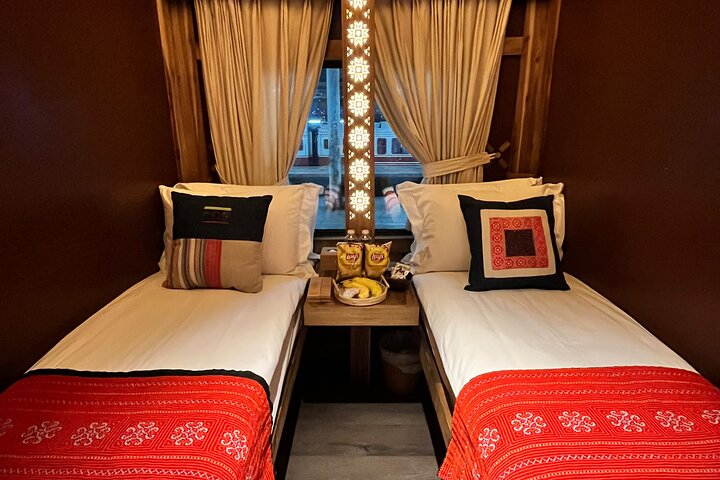
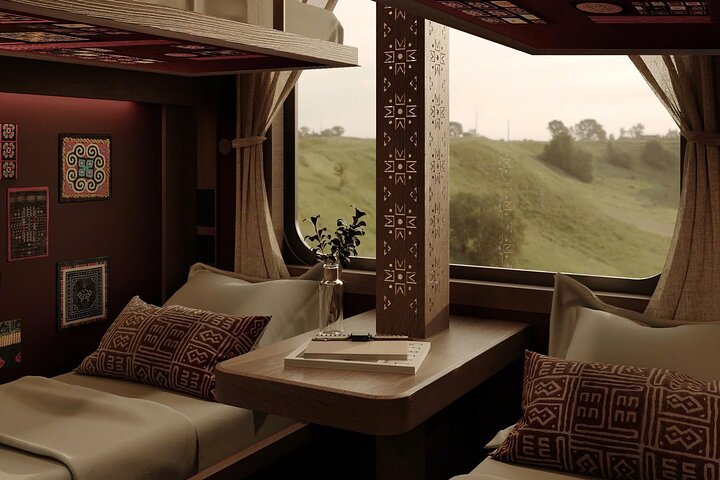
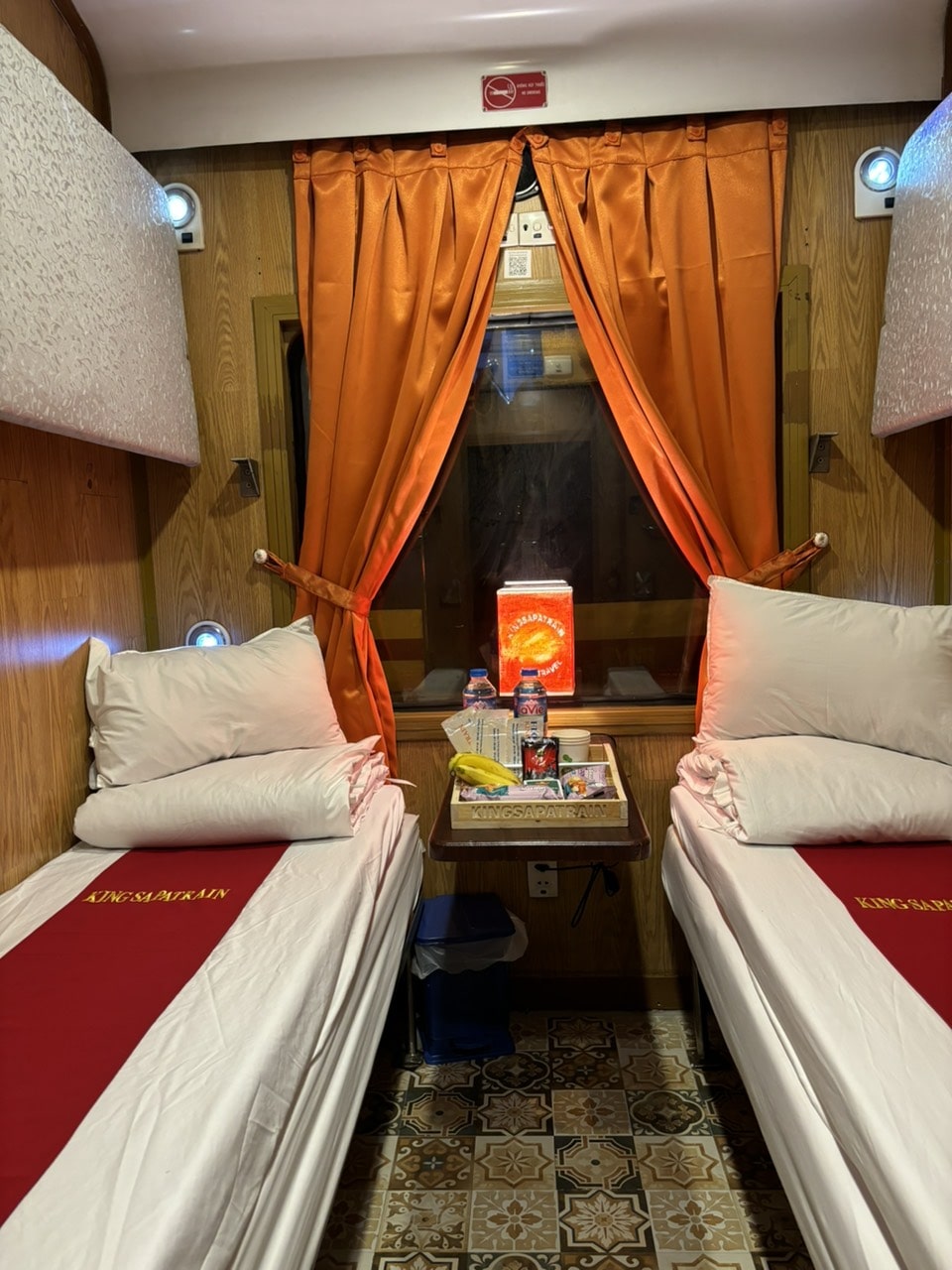
A comfortable place beside the window can make the railway journey part of the holiday. Confirm the layout of the cabin you choose. (Source: Collected)
Choose the train when the journey itself interests you and you can leave the following day reasonably flexible. It can work particularly well for couples who enjoy rail travel, families reserving a whole compartment and travellers building a slower route through Vietnam.
Flying is more practical when your time is limited, sleep is difficult in a moving vehicle or you need to arrive ready for a demanding day. An overnight train replaces a hotel night, but it also uses part of the next morning or afternoon. Compare the complete itinerary rather than counting only the night saved.
Your priority
A useful starting choice
Main trade-off
An overnight rail experience at a lower cost
A standard sleeper berth
Shared space and fewer service extras
Privacy for two or three people
A confirmed private cabin or whole four-berth compartment
Pay for the accommodation’s full capacity
More space around two lower beds
A verified two-berth configuration
Limited availability and a higher fare
Coastal scenery
A service passing between Hue and Da Nang in daylight
Timing matters more than branding
Maximum usable holiday time
Compare a flight with the full rail journey
You lose the overnight train experience
After choosing rail, use our Da Nang Travel Guide to decide how much time to reserve after arrival.
Understand the Train Number Before the Brand
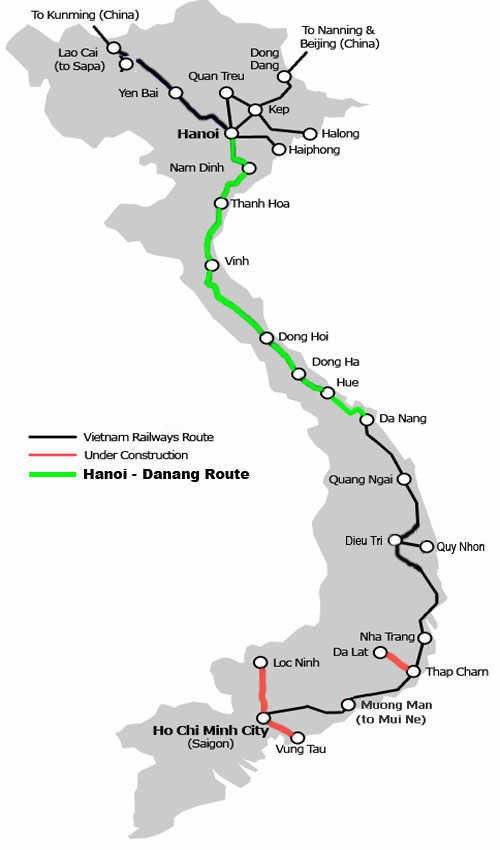
An illustrative railway map places Hanoi, Hue and Da Nang along the north–south corridor; it is not a live operating map. (Source: Collected)
The train number identifies the scheduled service. On this route, SE19 southbound and SE20 northbound are important services to compare. Through trains, including SE1 and SE3 southbound and SE2 and SE4 northbound, also provide options between the two cities.
A booking may therefore show both a number and a name: for example, SE19 together with Lotus or Laman. Several products can share a departure because they travel on the same scheduled train.
There are three arrangements to distinguish:
Standard railway accommodation: a seat or sleeper berth sold in the railway’s regular inventory.
A branded tourist carriage or cabin product: accommodation with a particular fit-out, bedding or onboard service.
A ticket-and-service package: railway accommodation sold with additional assistance or amenities.
Do not assume every seller owns or manages a separate carriage. Ask what accommodation the booking guarantees, who provides the onboard service and whether a substitution can be made.
Reference services and journey times
An overnight journey commonly occupies roughly 15–18 hours, depending on the service and operating conditions. Some departures take longer.
Service
Direction
Published planning reference
What to check
SE19
Hanoi → Da Nang
Lotus currently shows 19:50 departure and 12:28 arrival the following day
Your dated ticket and the selected cabin product
SE20
Da Nang → Hanoi
Lotus currently shows 18:10 departure and 11:30 arrival the following day
Arrival date and daylight over Hai Van
SE1 / SE3
Hanoi → Da Nang
Alternative overnight services
Exact times, available classes and tourist-brand allocation
SE2 / SE4
Da Nang → Hanoi
Alternative northbound services
Departure time and the coastal section’s timing
These examples reproduce provider information available at review time. They are not a complete railway timetable. Some provider pages display different times in their headings and main text, so use a dated booking confirmation for your final arrangements.
Search Vietnam Railways’ booking website for the date and station pair, then confirm any branded accommodation separately with its supplier.
Sleeper Berths: What Are You Actually Booking?
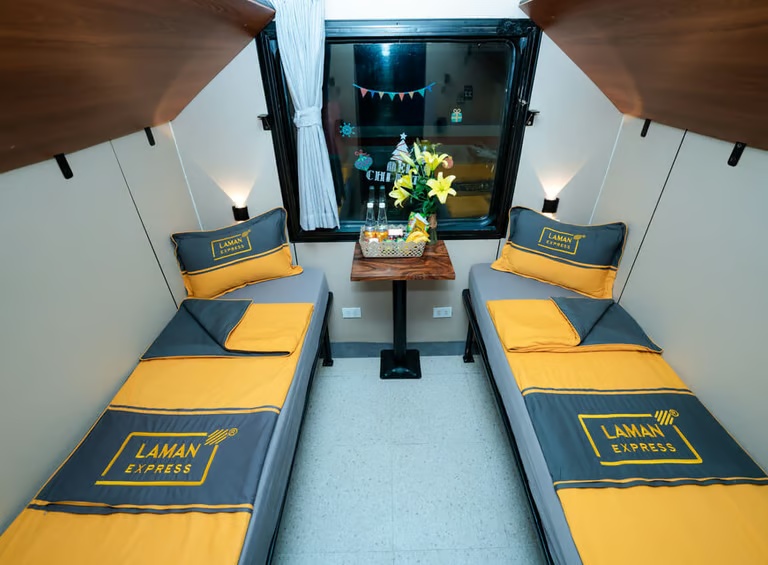
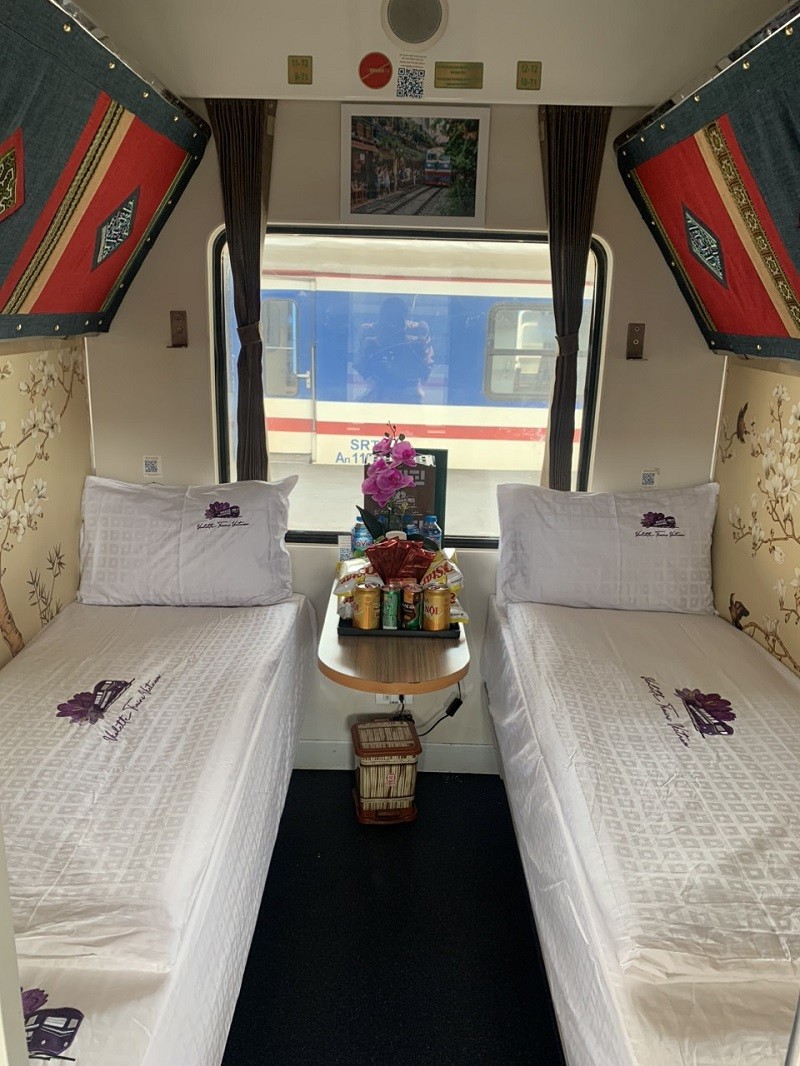
A Laman Express cabin illustrates why the physical bed layout matters alongside the label used to sell it. (Source: Collected)
The most useful comparison is the compartment’s physical layout and how many people can occupy it.
Four-berth soft sleeper
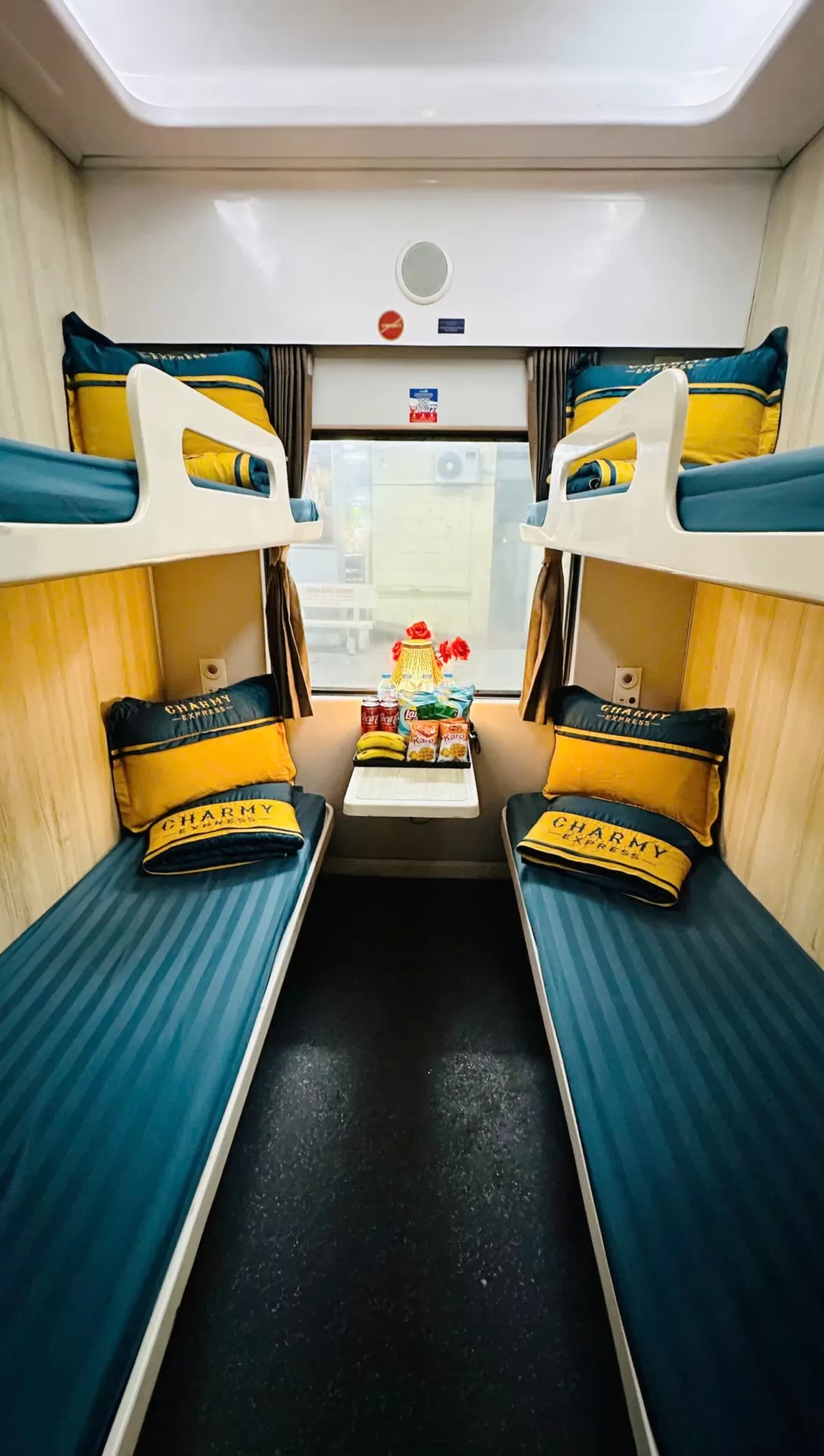
A typical four-berth layout has two lower and two upper beds. Buying one berth generally means sharing the remaining space unless you have explicitly reserved exclusive use.
Lower berths are easier to access and can suit travellers who prefer to avoid climbing. Upper berths require more mobility. A request for a lower berth is not a confirmed allocation until it appears in the booking.
For a family of four, a whole compartment can be straightforward. For two or three travellers, ask for the total cost of exclusive use rather than assuming empty beds will remain unsold.
Six-berth sleeper
A six-berth compartment has three tiers on each side. It can reduce the fare, but the greater occupancy and tier arrangement mean less personal space.
Consider the length of this journey before choosing solely on price. Travellers with limited mobility, substantial luggage or a strong preference for privacy may find a four-berth or private arrangement more suitable.
Two-berth and private cabins
“Private” describes who can use the space; “two-berth” describes its sleeping arrangement. They are not automatically the same thing.
You may encounter a dedicated two-bed cabin, a four-berth compartment with its upper beds folded away, or a whole four-berth compartment reserved for two guests. Laman, for example, distinguishes VIP accommodation with upper beds folded from Premium accommodation with two lower beds only.
Ask for a photograph and layout of the exact category on the Hanoi–Da Nang route. Cabin photographs from the Hanoi–Lao Cai service do not establish what you will receive here.
Seats for an overnight journey
A seat can reduce expenditure, but it does not provide the same opportunity to lie down. For most visitors choosing this route as an overnight experience, a sleeper is the more practical starting point. Check which classes are actually available on the selected departure.
Tourist Train Brands Between Hanoi and Da Nang
Branded accommodation can travel on a scheduled railway service; establish the train number as well as the cabin product. (Source: Collected)
The following names have published route information or booking listings for this corridor. Their inclusion identifies options to investigate; it is not a quality ranking or a guarantee of daily cabin availability.
Brand
Published route or service information
Useful distinction before booking
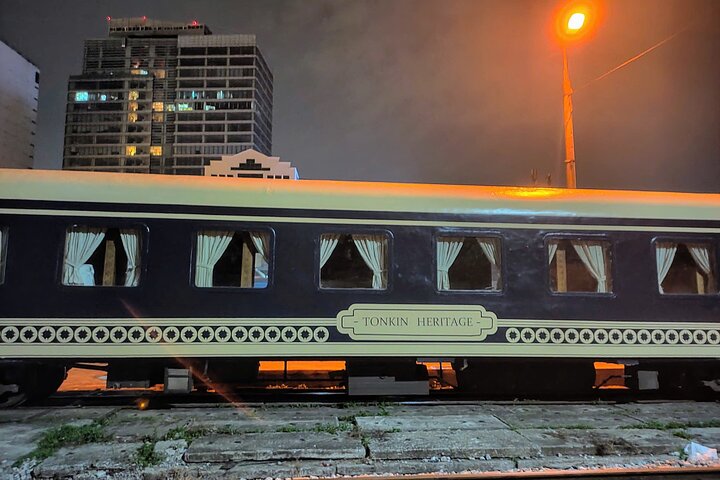
Tonkin Heritage Express
Advertises Hanoi–Da Nang and the return journey
Confirm the route-specific cabin category and bathroom arrangement; do not assume its entire suite collection is available here
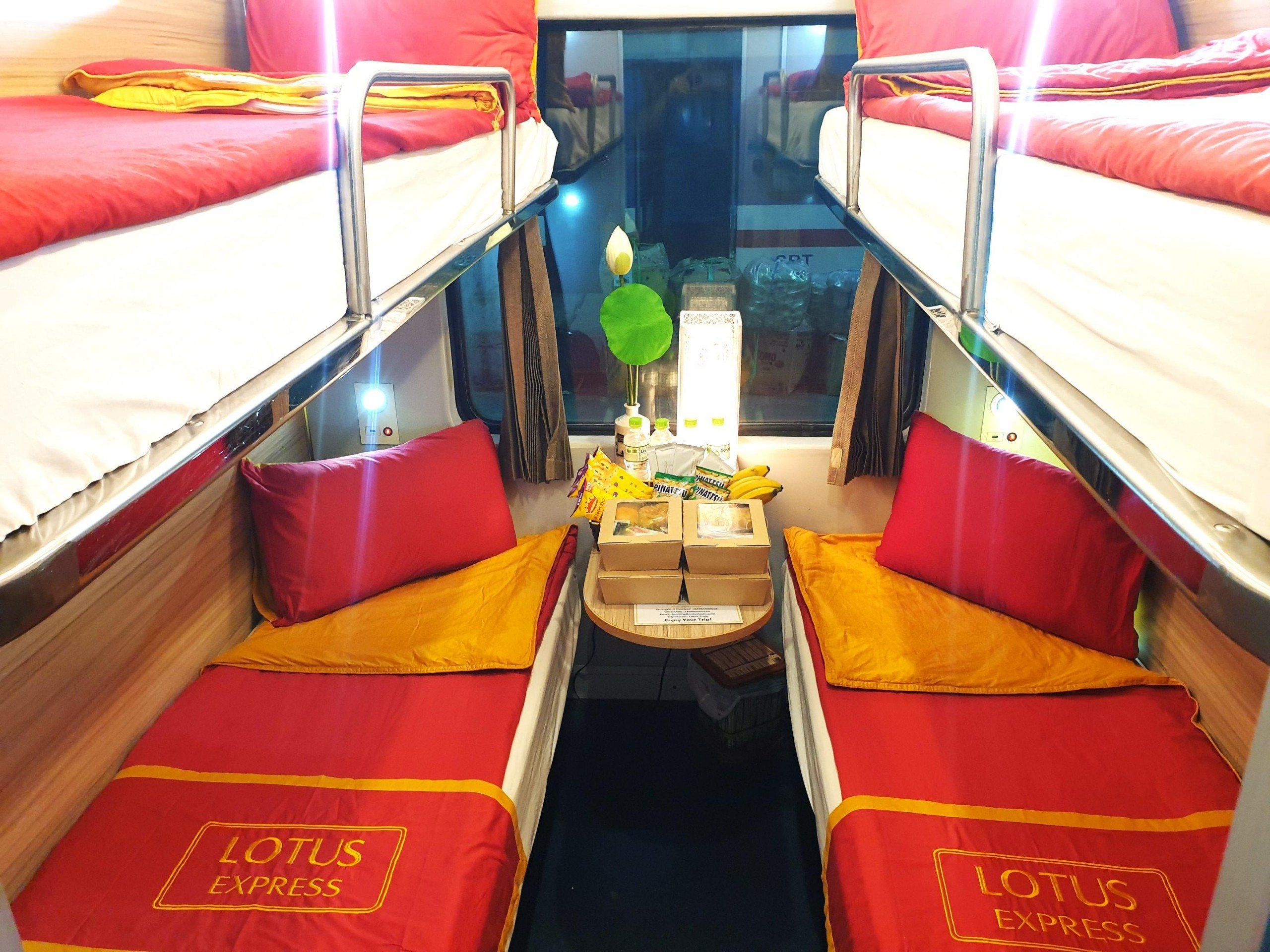
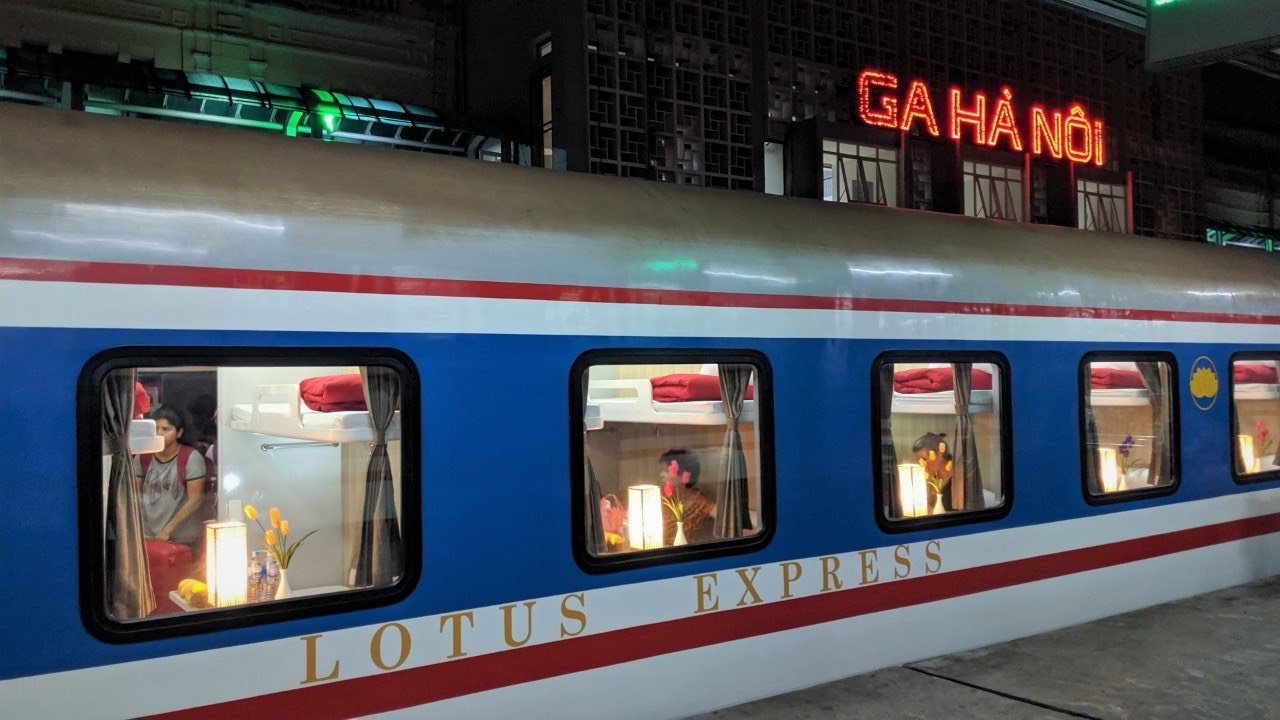
Lotus Train / Lotus Express
Publishes SE19 southbound and SE20 northbound
Offers four-berth accommodation and a private VIP two-berth product; exclusive use has a full-cabin purchase requirement
Laman Express
Publishes SE19/SE20 services
Distinguishes Deluxe four-berth, VIP with upper beds folded, and Premium with two lower beds only
Livitrans
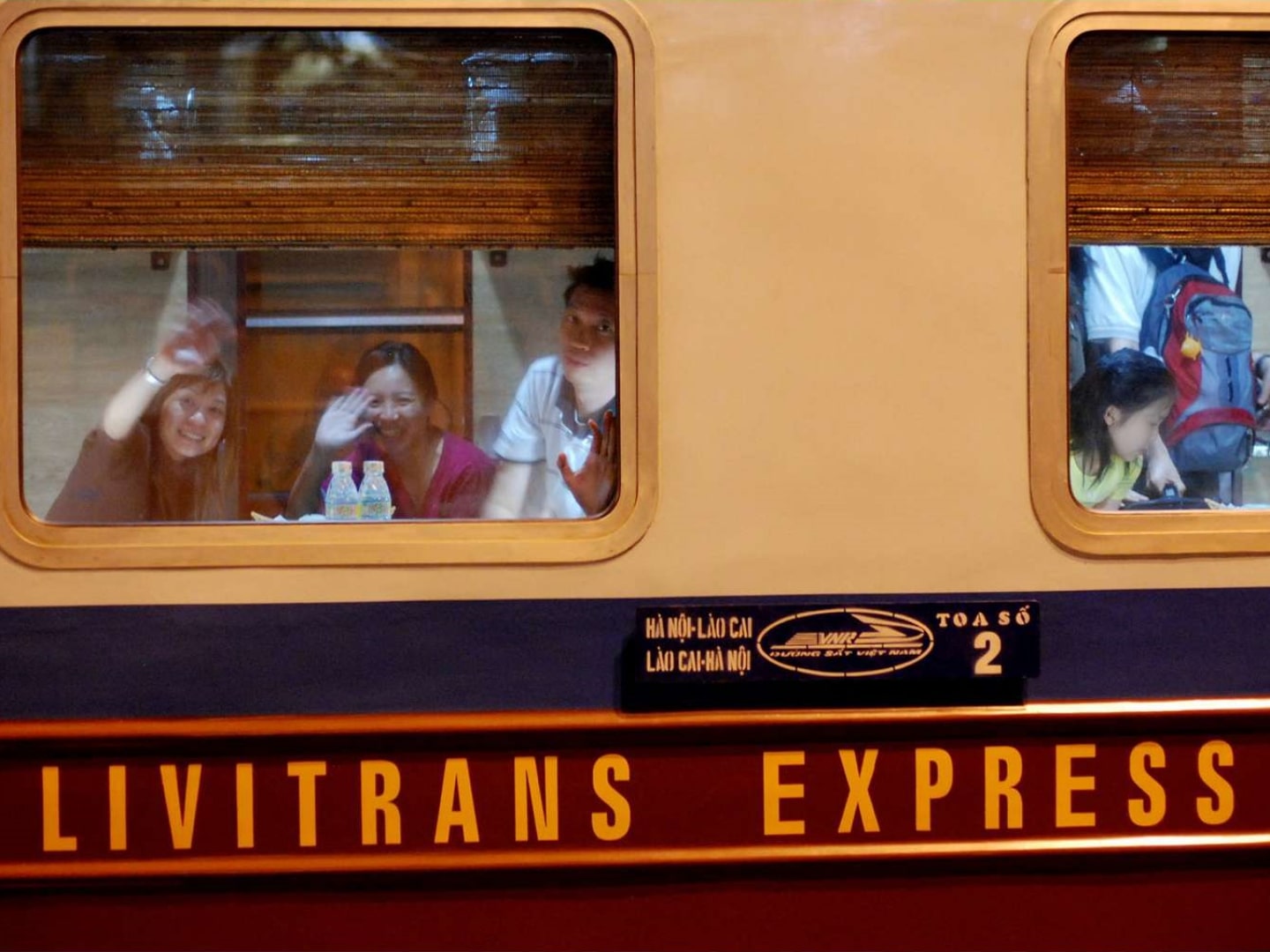
Publishes Hanoi–Da Nang on SE1/SE3 and the return on SE2/SE4
Lists Deluxe four-bed and VIP two-bed categories; SE19/SE20 appear separately as railway fare plus service fee
Violette Trains
Booking-platform listings show both directions
Confirm the actual carriage, cabin configuration and supplier behind the selected listing
Damitrans Express
Publishes a Hanoi–Dong Hoi–Hue–Da Nang–Hanoi service corridor
Describes itself as a railway ticketing brand; establish the accommodation and additional service being supplied
Hana Train
Its booking page lists both directions on several SE services
Ask which carriage or cabin is allocated and what the service package adds
Charmy Express
Booking-platform listings include both directions and four-person sleeper products
Confirm the train, cabin and fulfilment arrangements for your date
A further name, Luvitrans, advertises Deluxe four-berth accommodation on this route. Its published return-service list contains inconsistent train codes, so obtain written confirmation before using that information. Do not treat the similar spellings Luvitrans and Livitrans as proof that they are the same supplier.
For a manageable first comparison, request like-for-like offers from Tonkin, Lotus, Laman and Livitrans. Specify your date, direction, number of passengers and required privacy. Compare other brands when their cabin details and booking conditions are equally clear.
The Vietage by Anantara is a different product, serving routes connecting Da Nang, Quy Nhon and Nha Trang. It is not an alternative Hanoi–Da Nang overnight service.
Fares: Compare the Whole Cabin and the Whole Journey
Compare the cost of individual berths with the price of exclusive use of a whole compartment. (Source: Collected)
Rail prices vary with date, departure, berth position, accommodation and booking channel. Holiday demand can narrow the choice before the train itself sells out.
Published examples help explain the pricing structure:
Published example
Reference amount
How to interpret it
Lotus, Da Nang → Hanoi
VND 1,800,000–3,600,000 per person across the displayed categories
Confirm the category; the private two-berth product requires purchase of both places
Livitrans, Hanoi ↔ Da Nang
USD 90 Deluxe / USD 185 VIP per bed/person
Published tariff specifically marked valid 1 January–28 February 2027; confirm exceptions and the final total
These are dated provider examples, not general market minimums. The Livitrans tariff applies to a future period relative to this review.
Ask for the total payable for your party, with the currency, inclusions and cancellation conditions stated. Two people booking exclusive use of a four-berth compartment may need to purchase four places. A couple’s private-cabin total can therefore be very different from twice the advertised shared-berth price.
Also include station transfers, meals not covered by the fare, and any paid early hotel access. Compare that complete amount with a flight plus accommodation before deciding which option represents better value for your trip.
Coastal Views: Plan Around the Hue–Da Nang Section
The railway journey offers changing landscapes; daylight and visibility determine what passengers can see. (Source: Collected)
The full journey is not a continuous seaside panorama. Its most distinctive coastal section lies between Hue and Da Nang, around Lang Co and the Hai Van mountainside, where the railway curves through tunnels and along the coast.
The railway follows its own alignment. It does not provide the same stops and viewpoints as a road trip over Hai Van Pass.
Southbound: a useful daylight opportunity
An evening departure from Hanoi that reaches Hue in the morning can place the coastal section in daylight before arrival in Da Nang. Check the Hue calling time as well as the final arrival time.
On many southbound coastal stretches, the sea is generally on the left when facing the direction of travel. Treat that as a viewing preference rather than a guaranteed booking entitlement: carriage layouts, bed orientation and the line’s curves complicate a simple seat-side promise.
For photographs, reduce cabin reflections, keep the lens close to clean glass and expect tunnels or vegetation to interrupt the view. Stay in passenger areas and follow crew instructions.
Northbound: evening does not always mean scenery
An evening departure from Da Nang can put much of the Hai Van section near sunset or after dark, particularly later in the year. A comfortable sleeper product cannot compensate for a landscape you cannot see.
If scenery is the priority, compare earlier departures or make the Hue–Da Nang section a separate daylight journey. This is one reason the best train choice can differ between the outward and return trips.
Weather and season matter
Low cloud, heavy rain and mist can obscure the coast. Clear weather improves the opportunity, but no month guarantees a particular view. During disruptive weather, check operating notices and leave additional flexibility in your itinerary.
Choose a departure that works even if visibility is disappointing: the accommodation, arrival time and onward plan should still justify the journey.
Boarding in Hanoi and Settling In
Follow the meeting-point and boarding instructions supplied for your own train and cabin booking. (Source: Collected)
For this route, confirm boarding at Hanoi Railway Station on Le Duan Street. A tourist brand may have a separate meeting point or ticket-exchange procedure, so follow its written instructions rather than relying on the station name alone.
As a practical planning allowance, aim to reach the correct check-in point around 45–60 minutes before departure, or earlier if your supplier requires it. This is a suggested buffer, not a universal railway rule.
Keep passports, tickets and booking messages accessible offline. Confirm passenger details before ticketing, particularly when reserving several berths for exclusive use.
Pack a small overnight bag with water, toiletries, tissues, a light layer, earplugs, charging equipment and anything needed before arrival. Keep valuable items close and avoid leaving important documents in a suitcase that is difficult to reach.
Meals, bathrooms and connectivity
Do not assume a sleeper fare includes dinner or a full breakfast. Some tourist products include snacks, drinks or a light breakfast; check the selected offer. Eating before boarding can make the evening easier.
Bathroom arrangements depend on the actual carriage. Unless a private bathroom is explicitly confirmed for your cabin, plan for shared facilities and do not assume there will be a shower.
Wi-Fi may be advertised, but a mobile connection can weaken along remote sections. Download entertainment and essential travel information in advance. Better bedding and service can improve comfort, but train movement, stops and neighbouring passengers can still interrupt sleep.
For limited mobility, ask specifically about boarding steps, bed access, corridor width and toilet access before booking.
Arriving in Da Nang or Continuing to Hoi An
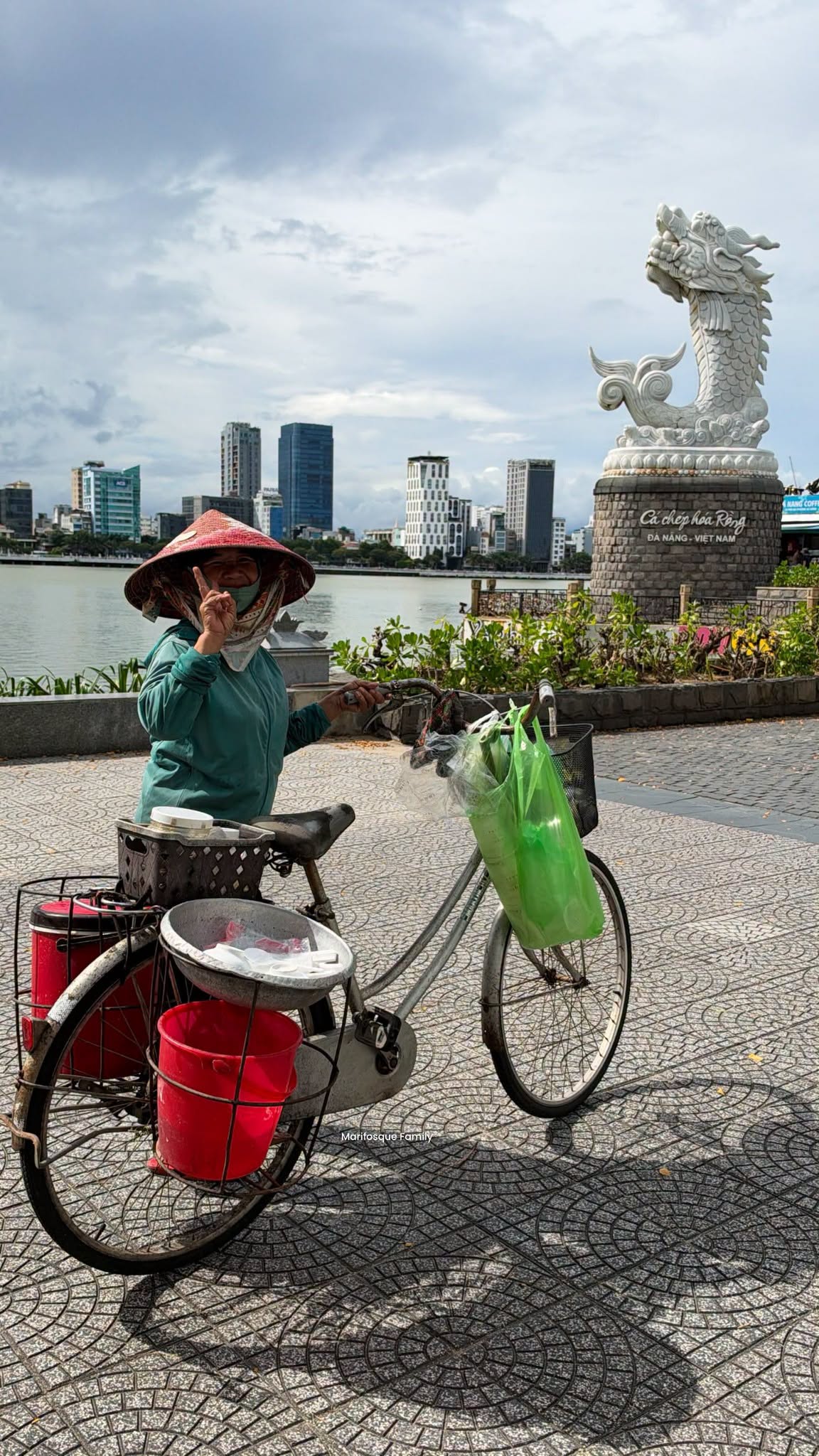
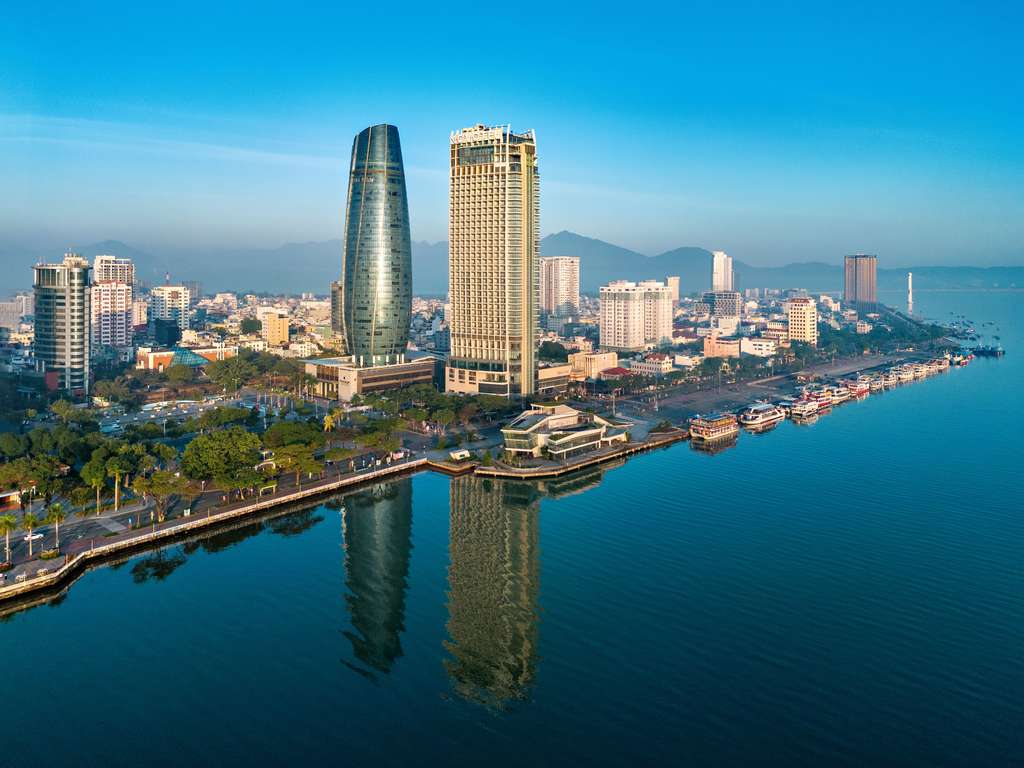
A relaxed riverside afternoon can suit the day you arrive in Da Nang after an overnight journey. (Source: Collected)
Da Nang Railway Station is an urban arrival point, but it is not your hotel or the beach. Arrange transport around the exact accommodation location.
Onward destination
Sensible arrival plan
Central Da Nang or Han River area
A direct transfer followed by a relaxed meal and hotel check-in
My Khe or My An
Continue to the beach area; keep the afternoon flexible
Non Nuoc or a more secluded resort
Confirm the full transfer to the property rather than using a city-centre estimate
Hoi An
Arrange an onward road transfer and allow for traffic and the hotel’s location
A flight from Da Nang
Leave a substantial buffer and avoid a tight, inflexible connection
Match your hotel to the arrival time
A late-morning arrival does not guarantee immediate room access. Ask whether the hotel can store luggage and whether early check-in is confirmed or merely subject to availability. If immediate access is essential, price a guaranteed arrangement in advance.
After a night on the train, a shower, lunch and free time may be more useful than a full sightseeing programme. Choose one easy afternoon activity and move major excursions to the following day.
If Hoi An is your intended base, a direct station pickup avoids an unnecessary hotel change. Allow roughly an hour to an hour and a half as an initial transfer-planning estimate, then confirm it against your property and traffic conditions.
Hoi An has no railway station serving this journey directly. Use our Hoi An Travel Guide to decide whether to stay near the Ancient Town, in the countryside or by the beach.
Should You Break the Journey in Hue?
Staying in Hue gives its royal heritage time of its own before the onward journey to Da Nang. (Source: Collected)
If Hue is already on your wish list, stopping there can create a more coherent route than travelling to Da Nang and returning north for sightseeing.
One useful sequence is Hanoi to Hue overnight, time exploring Hue, then a separate daylight train to Da Nang. This gives the imperial city its own stay and makes it easier to choose the scenic section’s timing.
A through ticket does not automatically allow a sightseeing stop followed by a later train. Book the individual legs and check cabin availability separately. The tourist brand available from Hanoi may not provide the shorter onward journey.
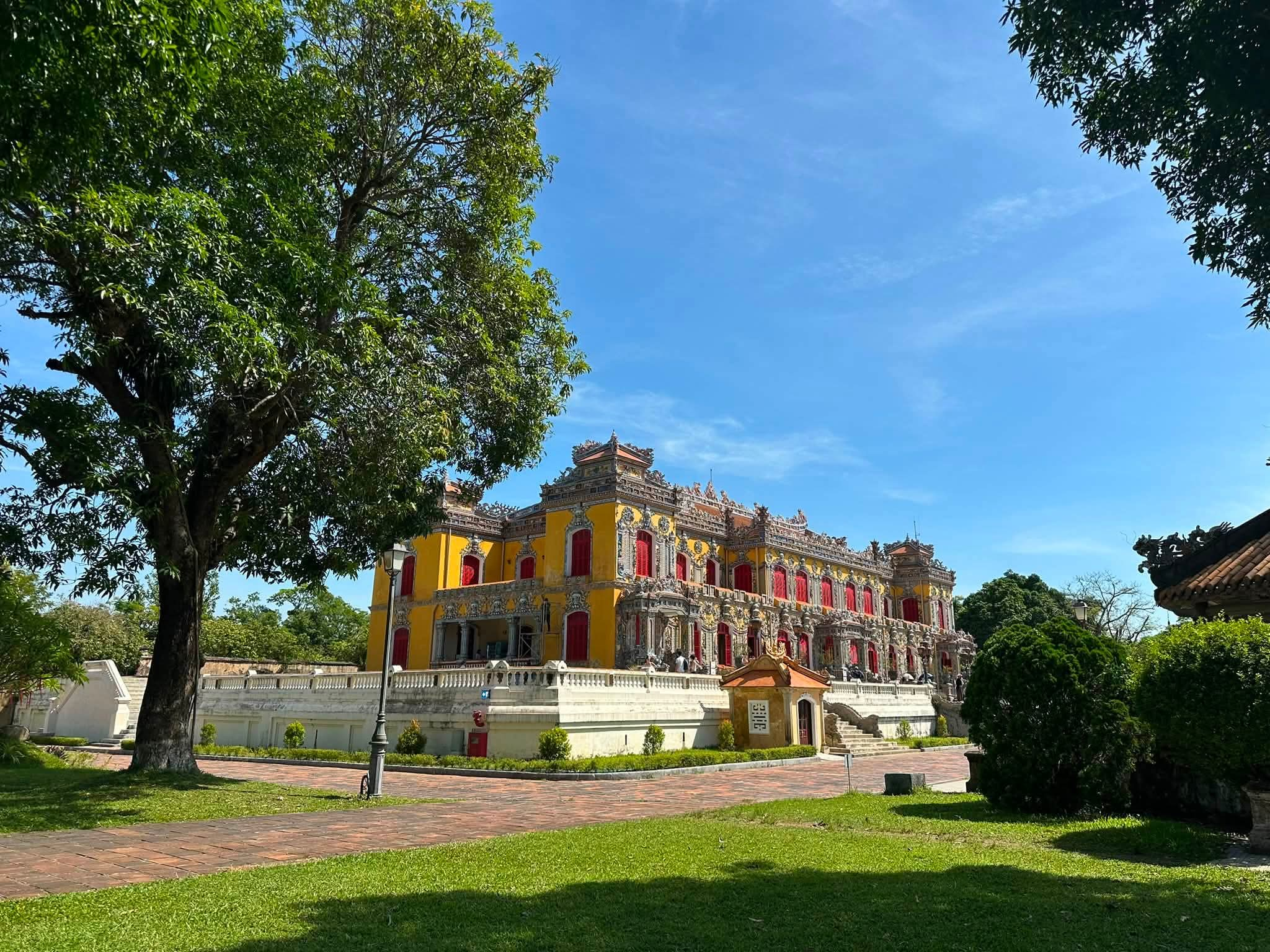
Our Hue Travel Guide helps you judge how much time to leave for the Imperial City, royal tombs and local food.
Before You Pay: Confirm These Details
Ask for the confirmed accommodation, inclusions and total cost before paying for a branded rail offer. (Source: Collected)
A useful confirmation should answer seven questions:
What are the train number, travel date and both stations?
Is arrival on the following calendar day?
Which cabin category and berth positions are confirmed?
Is exclusive use included, and how many places must be purchased?
What are the bathroom arrangement, meals and other inclusions?
Where do you check in, and who assists if the allocated product changes?
What are the cancellation, change and disruption conditions?
For children, confirm whether the fare includes a separate bed and what rules apply to sharing. For a group, request adjacent compartments before ticketing.
Do not build a tight flight connection or an important fixed appointment around the scheduled arrival alone. Leave room for delays and agree how your pickup driver will monitor the train.
Frequently Asked Questions
Check berth positions, occupancy and privacy arrangements rather than relying on a product name alone. (Source: Collected)
Is a luxury train faster than a standard sleeper?
When branded accommodation is attached to the same scheduled train, it shares that train’s timing. The upgrade concerns the cabin and service.
Can a couple reserve a whole compartment?
Yes, subject to availability and the supplier’s rules. You may buy a private two-berth product or reserve all four places in a four-berth compartment. Confirm which arrangement is offered.
Will I see Hai Van Pass from the overnight train?
You can see the coastal railway scenery if your service passes in daylight and visibility permits. Compare the Hue–Da Nang timing; the return direction may pass after dark.
Is the train a good choice for families?
It can be, particularly with a confirmed private compartment and an easy arrival day. Consider climbing, luggage, shared facilities and your children’s ability to sleep with movement and noise.
Is it worth taking the train in both directions?
Only if both journeys suit your time and interests. Taking the train one way and flying the other can provide the rail experience while preserving more holiday time.
Plan the Train Around the Holiday
Build the cabin choice and railway journey into a holiday with enough time for a comfortable arrival. (Source: Collected)
The strongest Hanoi–Da Nang rail plan combines a suitable bed, enough privacy, a realistic opportunity for coastal views and a comfortable arrival. A more expensive brand is useful when its actual cabin and service match your needs.
Tell us your dates, group size, preferred cabin arrangement and whether you want to stay in Hue, Da Nang or Hoi An. Contact Vietnam Travels for help comparing available options and incorporating the train journey into a tailored itinerary.
Sources and References
Public information reviewed on 28 November 2026. Provider tariffs and route descriptions are not a live inventory check.