Da Nang Travel Guide: Plan Your First Visit to Vietnam’s Coastal City
November 11, 202614 min read
Choosing between beach time, city sightseeing and excursions can make a first visit to Da Nang surprisingly difficult to organise. This Da Nang travel guide helps you decide when to go, where to stay, how long to spend and which experiences deserve space in your itinerary. Start with three full days, then add time for Hoi An, Ba Na Hills or a slower coastal holiday.
Da Nang, also written Danang, works particularly well for travellers who want comfortable accommodation and local food alongside outdoor experiences. You can build your days around one substantial outing, leaving room for a market breakfast, an afternoon break and an evening beside the river. The main planning challenge is keeping enough time between attractions to enjoy them.
Planning Your First Visit to Da Nang
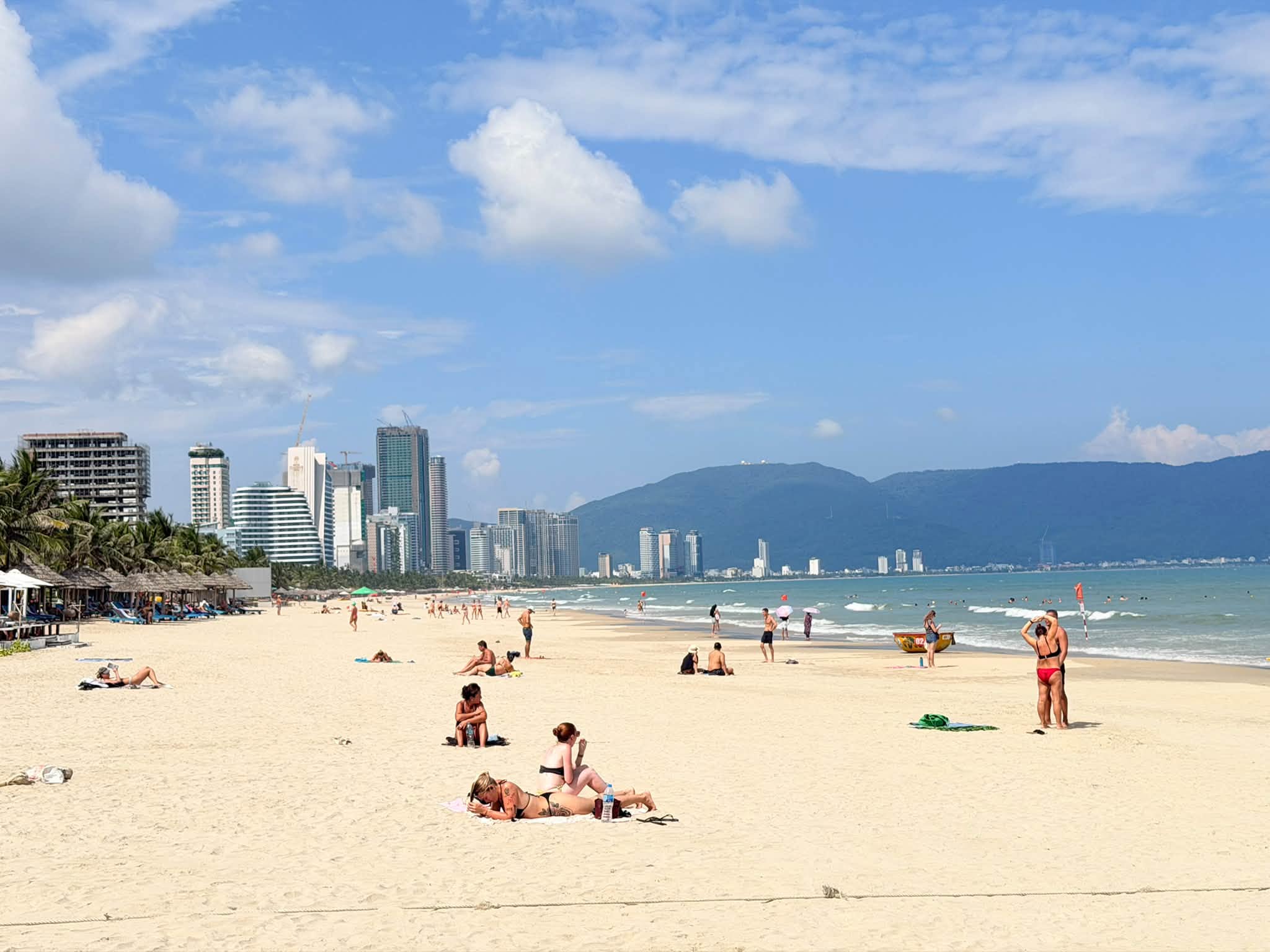
My Khe Beach combines coastal scenery with a convenient base for exploring Da Nang.
What kind of destination is Da Nang?
Da Nang offers a different rhythm from Hanoi’s Old Quarter or the busy central streets of Ho Chi Minh City. Its appeal lies in combining an urban base with access to beaches and nearby cultural sights. It suits couples mixing sightseeing with downtime, families who prefer fewer hotel changes and travellers taking a break during a longer journey through Vietnam.
Choose it for variety and convenience. If your main interest is historic streets and traditional architecture, give Hoi An its own overnight stay. If imperial history is your priority, allow time in Hue. Trying to cover both destinations from a short Da Nang stay can leave little room for Da Nang itself.
For a broader route, our 2 week Vietnam itinerary shows how Central Vietnam can fit between the northern and southern parts of the country. Use that framework to decide whether Da Nang should be a short stop or a longer beach break.
Da Nang at a glance
Planning question
Practical starting point
How long should you stay?
Three full days for an introduction; four or five for an additional excursion and downtime
Which airport serves the city?
Da Nang International Airport, airport code DAD
Where should first-time visitors look for accommodation?
My Khe–My An for beach access; central and riverside areas for city activities
What should you prioritise?
A beach morning, local food, one cultural visit and an evening by the Han River
Do you need a vehicle?
Arrange transport for longer outings; walk within individual neighbourhoods
Which currency should you budget in?
Vietnamese dong, abbreviated VND
Understanding destination names
Following the 2025 administrative merger with Quang Nam, official references to Da Nang can cover a much wider area than the city visitors traditionally recognise. This guide focuses on the urban coast, the Han River area and nearby excursions. It treats Hoi An as a separate travel-planning stop so you can judge journeys and accommodation clearly.
Before reserving a hotel, inspect its map location rather than relying on “Da Nang” in the address. A property described as a Da Nang resort may offer a very different experience from a hotel near central restaurants or My Khe Beach.
Best Time to Visit and How to Get There
The cable-car journey to Ba Na Hills is a mountain outing with different conditions from the coast.
Choose the season around your priorities
For a first visit combining sightseeing and beach time, March to May is a useful starting point. Summer can suit a beach-focused holiday, but plan around stronger daytime heat. Later in the year, rain and rougher conditions can affect outdoor plans. City weather, mountain visibility and sea conditions need separate consideration.
Period
Planning approach
January–February
Allow for cooler spells and unsettled days; avoid making swimming the only purpose of the trip
March–May
Consider for a balance of city sightseeing, outdoor excursions and beach time
June–August
Schedule walking and exposed visits early; reserve midday for rest
September–December
Keep excursions flexible and follow forecasts, storm notices and beach instructions
The city tourism portal’s Da Nang weather guidance is a useful reference for seasonal planning. Historical patterns cannot guarantee conditions during your stay. Avoid assuming that sunshine at your hotel means clear views at Ba Na Hills or suitable conditions for swimming.
Arriving by air
Da Nang International Airport is the main air gateway for this part of Central Vietnam. Search for DAD when comparing flights, then check current schedules directly with the airline. Leave a realistic allowance for baggage collection and your onward transfer, particularly if continuing to Hoi An after arrival.
Arrange a hotel transfer, use an authorised airport transport service or follow the pickup instructions in your ride-hailing app. Confirm the vehicle and final destination before leaving. A prearranged car can be convenient for families carrying child equipment or travellers arriving late with several bags.
Arriving by train or road
Rail is worth considering when the journey is part of the experience, especially when travelling between Hue and Da Nang. Check departure times, journey duration and available classes through Vietnam Railways. Choose a daylight service if coastal scenery is a priority, and keep arrival day lightly scheduled.
Road transfers offer flexibility for travellers connecting several destinations. Ask whether a Hue transfer uses the tunnel or the scenic Hai Van Pass route, because these are different journeys. Confirm sightseeing stops, luggage space and the total quotation before booking.
Where to Stay and How to Get Around
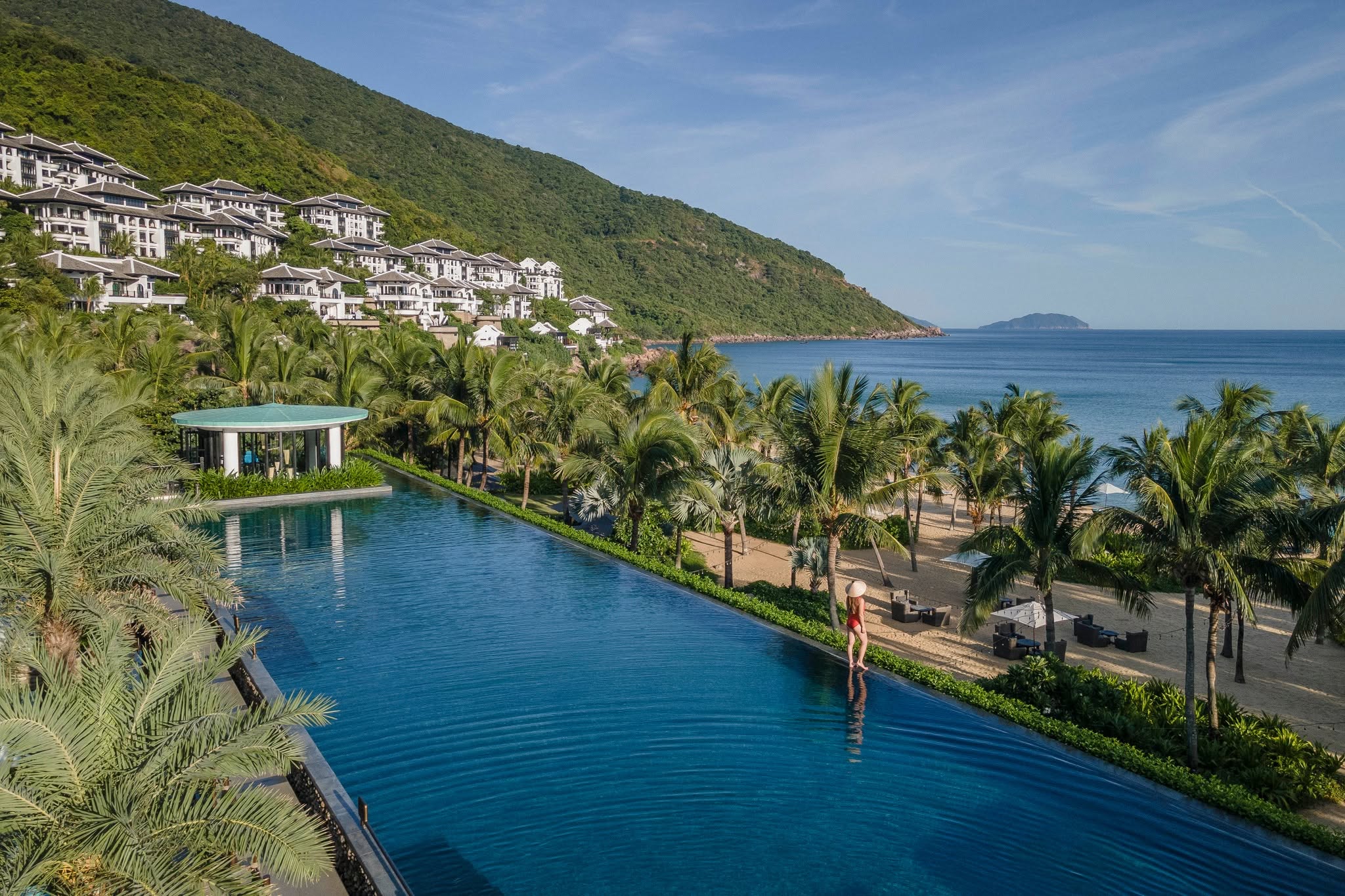
Resort settings on the Son Tra Peninsula offer a different stay from a central city hotel.
Match the neighbourhood to your daily routine
The most useful accommodation choice depends on what you expect to do each morning and evening. Beach access matters less if most days involve excursions; restaurant access matters more if you prefer walking out for dinner. Compare the actual street and surroundings, not simply the hotel’s star rating.
Area
Best suited to
What to check
My Khe and My An
Beach time, cafés and a convenient visitor base
Walking route to the sand, road crossings and nearby construction
City centre and Han River area
Markets, dining and evening riverside walks
Distance to your preferred beach and street noise
Non Nuoc coastal resort area
Resort stays, families and slower holidays
Restaurant choice outside the property and transfer requirements
Son Tra resort settings
Seclusion and accommodation-led holidays
Access arrangements, transport costs and distance from city activities
For a short first visit, one well-located hotel usually makes planning easier. Split stays make more sense when they create two genuinely different experiences, such as a city hotel followed by a resort, or Da Nang followed by Hoi An.
Before paying, check recent comments about noise, maintenance and construction. For families, confirm bed arrangements, pool supervision and any charge for children. Travellers needing step-free access should ask about the full route from the entrance to the bedroom, rather than assuming a lift resolves every obstacle.
Walking, taxis and private cars
Walk within neighbourhoods, then use taxis or ride-hailing for longer distances. A beachfront address does not automatically make museums, markets and mountain attractions walkable. Save your hotel location on your phone and check the pickup point carefully when leaving busy attractions.
For a multi-stop outing, compare a private car quotation with separate journeys. Clarify waiting time, parking, overtime and the return pickup. Do not assume transport will be readily available at an isolated viewpoint simply because it was easy to find in the city.
Scooter rental requires more than confidence on quiet streets. Check that your licence is valid for the vehicle and that your insurance covers the activity. Choose a car and driver if unfamiliar traffic, steep roads or wet conditions would take attention away from the visit.
Things to Do in Da Nang and What to Eat
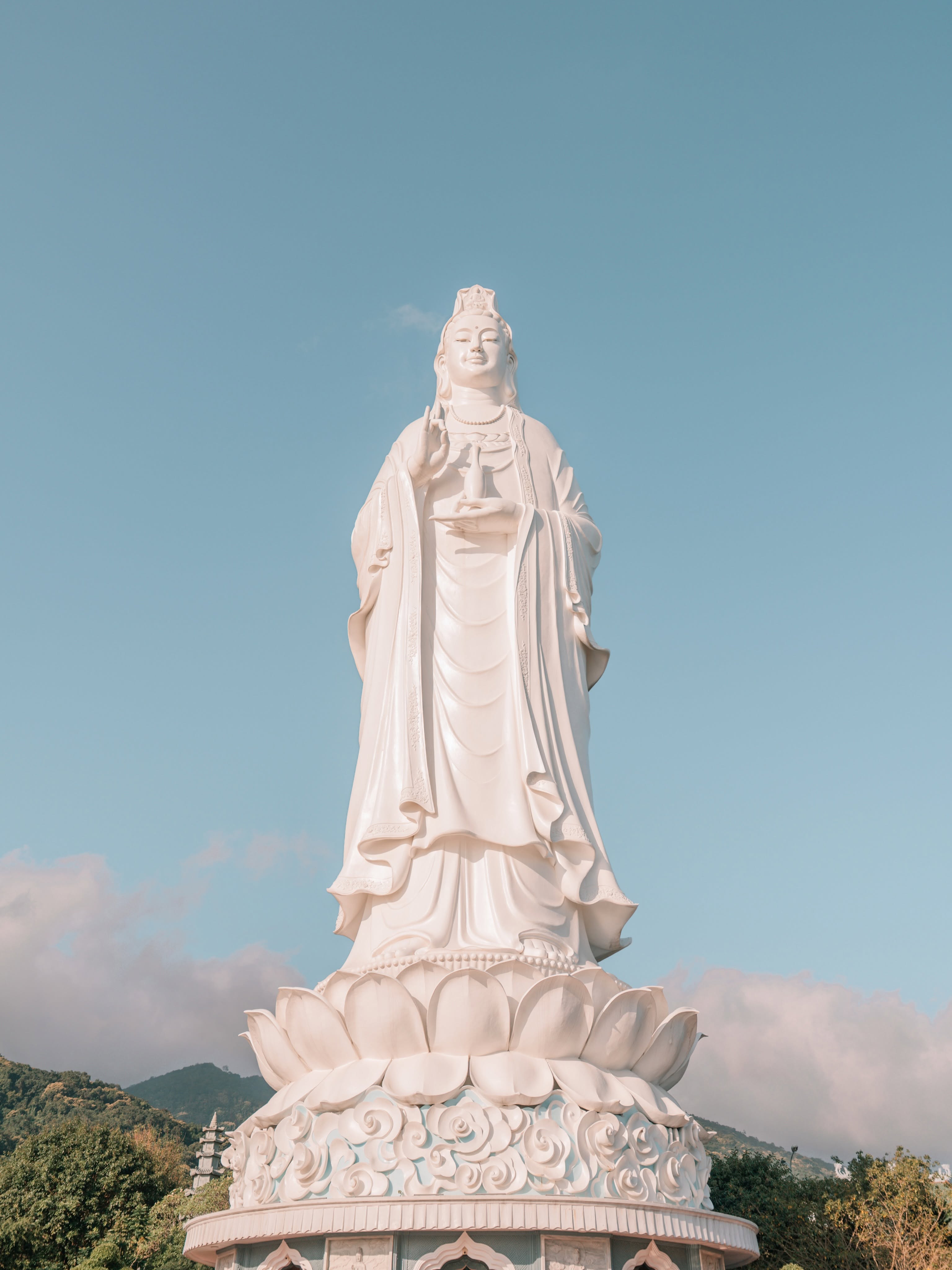
Linh Ung Pagoda is one cultural stop to consider when planning a visit to Son Tra.
Start with the beach and the river
A visit to My Khe Beach is an easy way to begin understanding the city’s coastal character. Go early for a walk, then decide whether to swim according to the conditions and local instructions. Treat red flags and lifeguard directions seriously; a beach can remain pleasant for walking when entering the water is unsuitable.
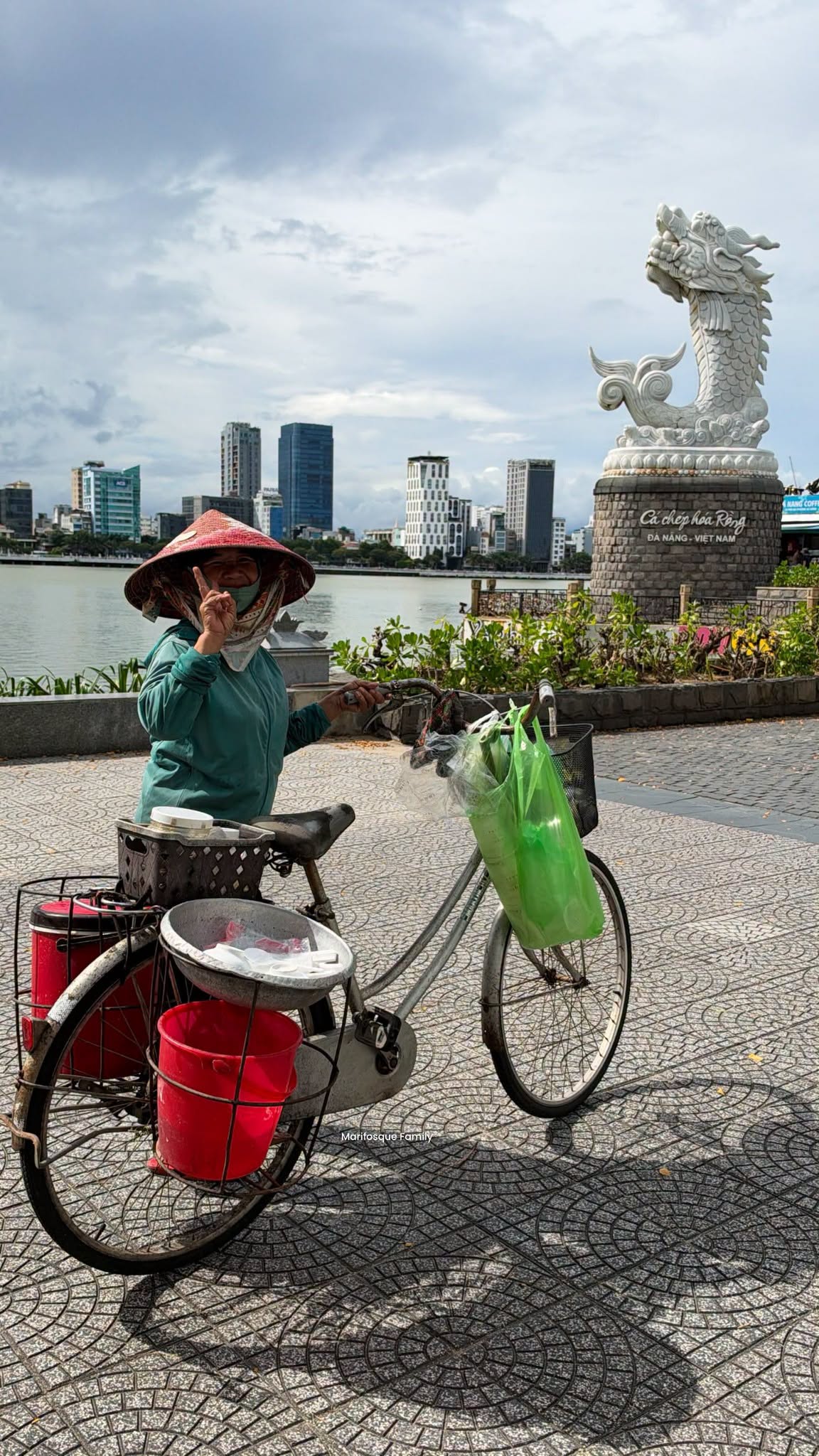
Keep an evening for the Han River area. You can combine dinner with a riverside walk without committing to another long excursion. If watching a Dragon Bridge performance is important, confirm the current schedule through the tourism office or your accommodation close to the date. Special events and weather can change arrangements.
Add culture at Marble Mountains or a museum
Marble Mountains combines caves, religious spaces and viewpoints. Wear shoes with grip and expect steps and uneven surfaces. A lift does not make every part of the visit accessible. Families with young children and travellers with limited mobility should decide in advance which sections are realistic.
For an indoor cultural stop, consider the Museum of Cham Sculpture. Allow time to read the interpretation or arrange a knowledgeable guide rather than treating the galleries as a quick photo stop. Check current admission details before visiting, especially when planning around a holiday.
Visit Son Tra with current access information
Son Tra offers another perspective on the coast, including Linh Ung Pagoda and forested surroundings. A visit to the pagoda and a longer mountain-road excursion require different planning. Do not assume every road shown on a navigation app is open to visitors or suitable for your vehicle.
Consult the tourism portal’s Son Tra Peninsula visitor guidance before choosing a route. Follow checkpoints and closures, avoid mountain outings in poor visibility and keep a respectful distance from wildlife. Never feed monkeys or encourage them to approach for photographs.
Make local food part of the itinerary
Start with mi Quang, the regional noodle dish, then try banh trang cuon thit heo, pork served with rice paper and accompaniments. Banh xeo offers another introduction to the area’s cooking. A market visit or guided food walk can help explain ingredients and ordering customs that a menu alone may leave unclear.
For seafood, establish whether the price is per portion, per kilogram or for the selected item. Ask about cooking charges before ordering. Travellers with allergies should carry a clear written explanation in Vietnamese and confirm ingredients, sauces and preparation methods with the restaurant.
Avoid making every meal a scheduled attraction. Leave space for a simple breakfast near your hotel, a coffee break between visits and an evening chosen according to your energy. These pauses also make hot or rainy days easier to manage.
A Practical Da Nang Itinerary and Nearby Excursions
The Golden Bridge at Ba Na Hills is one option for an additional day outside central Da Nang.
Three days for a first visit
The following plan assumes three full sightseeing days, with arrival and departure handled separately. If your flights leave only two full days, remove an excursion rather than compressing everything. Swap the order when the forecast makes a beach or mountain visit more sensible on another day.
Day
Morning
Afternoon
Evening
1
Beach walk and relaxed breakfast
Museum of Cham Sculpture or a market visit, followed by a break
Dinner and Han River walk
2
Marble Mountains before the strongest heat
Beach time if conditions allow, or an indoor alternative
Regional food and an unhurried evening
3
Linh Ung Pagoda and a suitable Son Tra outing
Return for lunch, rest and time near your hotel
Final seafood dinner or a food walk
This schedule deliberately leaves room for rest. Add a longer mountain route only after confirming access and transport. If you prefer a full day at Ba Na Hills, substitute it for day three rather than adding it to an already busy day.
Add a fourth day for Hoi An
Hoi An works as an excursion when you want an introduction to its streets, architecture and evening atmosphere. Allow roughly 45–75 minutes each way as a planning estimate from many Da Nang hotels, with additional time for traffic and your exact starting point.
The UNESCO-listed Hoi An Ancient Town rewards time on foot. Choose an afternoon and evening visit if your main interest is the old town, or stay overnight for quieter early hours and a more relaxed programme. Tailoring, cycling and cooking experiences can quickly justify extra time.
Choose the fifth day carefully
Ba Na Hills suits travellers interested in the Golden Bridge, cable-car journey and an extensive entertainment complex. Treat it as a substantial outing. Review ticket inclusions, operating notices and weather through Sun World Ba Na Hills. Mountain mist can limit views even when conditions on the coast look promising.
Hai Van Pass is a different choice, centred on the coastal journey and viewpoints. Choose it for scenery rather than another attraction complex. Agree the route and stops with your driver and remain flexible in rain or poor visibility.
Hue deserves particular care in a short itinerary. A day trip can introduce part of its imperial heritage, but return travel limits sightseeing time. For the Complex of Hue Monuments, local food and a less hurried visit, consider continuing north and staying overnight. Avoid trying to combine Hue, Hai Van Pass and several major monuments into a tightly timed day.
Budget, Travel Essentials and Frequently Asked Questions
The Han River provides a setting for an unhurried evening between sightseeing days. (Photo: Marifasque Family)
How much should you budget?
The figures below are editorial planning allowances, not live quotations. They assume two adults sharing accommodation and divide the room cost between them. Flights, visas, insurance, major attraction tickets and substantial excursions are excluded. Hotel dates, dining preferences and private transport can change the total considerably.
Travel style
Allowance per person per day
Planning assumptions
Budget-conscious
VND 800,000–1,300,000
Simple shared room, local meals and limited paid transport
Comfortable mid-range
VND 1,500,000–2,700,000
Comfortable shared hotel, mixed dining and regular taxi use
Upscale
VND 3,500,000–6,500,000 or more
Higher-category accommodation, more expensive dining and additional transport comfort
Price your hotel and any full-day excursions separately before relying on a daily average. A resort stay or a ticketed attraction can account for a large part of the budget. Solo travellers should expect a higher accommodation cost per person when booking a private room.
Essential checks before departure
Review your entry arrangements before purchasing non-refundable travel. Our Vietnam entry visa planning guide explains the main decisions to check for your nationality and itinerary. Keep copies of booking details and important documents accessible offline.
Carry some cash for small purchases, even if your hotel accepts cards. Save your accommodation address in Vietnamese, bring sun protection and choose footwear suitable for steps and wet surfaces. Dress respectfully at religious sites and ask before photographing people at close range.
Build one indoor alternative into your plans. A museum, food experience or quiet afternoon can be more rewarding than persisting with a mountain outing in unsuitable weather. Leave a comfortable buffer before departure, particularly when returning from outside the city.
Is Da Nang worth visiting for first-time travellers?
Yes, if you want a coastal stop with city conveniences and several types of excursion. Choose your hotel around the experience you want most, then keep enough unscheduled time to enjoy that setting.
How many days do you need in Da Nang?
Allow three full days for an introduction. Four or five days provide room for Hoi An, Ba Na Hills or additional relaxation. Count usable days after accounting for flight and transfer times.
Is it better to stay in Da Nang or Hoi An?
Choose Da Nang for a city-and-beach base; choose Hoi An when historic streets and a smaller-scale setting are your priority. With sufficient time, staying in both avoids repeated return journeys and lets you experience each at a slower pace.
Can you visit Da Nang in the rainy season?
Yes, with flexible expectations. Focus on food, culture and comfortable accommodation, then add outdoor activities when conditions permit. A trip built entirely around swimming and mountain views carries a greater risk of disappointment.
Do you need to book every excursion in advance?
Book accommodation and essential transfers according to your dates and flexibility. For weather-sensitive outings, compare cancellation terms before committing. Keep at least one day adaptable so you can respond to conditions locally.
For help shaping a Central Vietnam route, contact Vietnam Travels with your travel dates, number of travellers, preferred accommodation level and interests. Mention whether you would like to stay in both Da Nang and Hoi An, and whether Hue belongs in the same journey.