Vietnam Food Guide: What to Eat and Where to Try It
November 16, 20267 min read
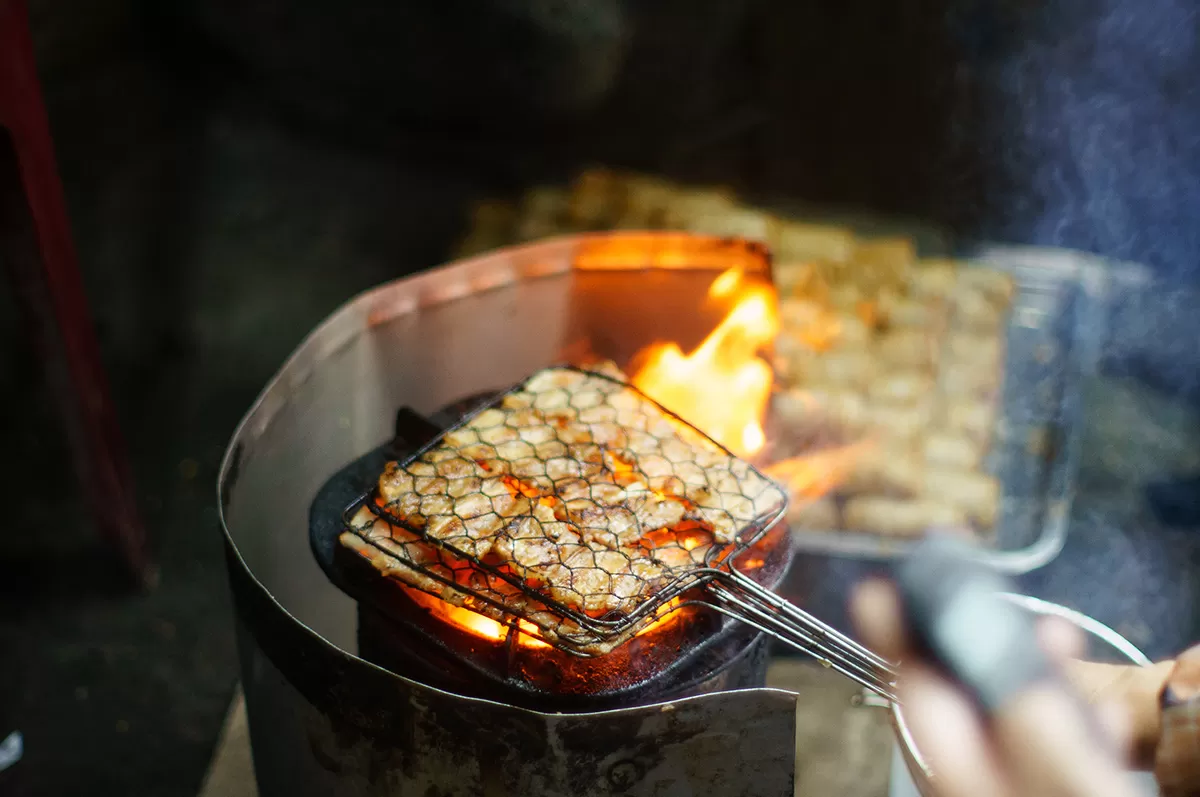
Featured image: Pork grilling over charcoal introduces the aromas and hands-on cooking behind Vietnamese street food. (Source: Collected)
Some of the meals you remember most from Vietnam may be the simplest: a bowl of noodles before the streets get busy, pork sizzling over charcoal at lunchtime, or a crisp pancake wrapped in fresh herbs. The challenge is deciding what to try when every stop brings something different. This Vietnam food guide helps you choose dishes along your route, find places to enjoy them and leave enough room for the next meal.
Start with the food of each region
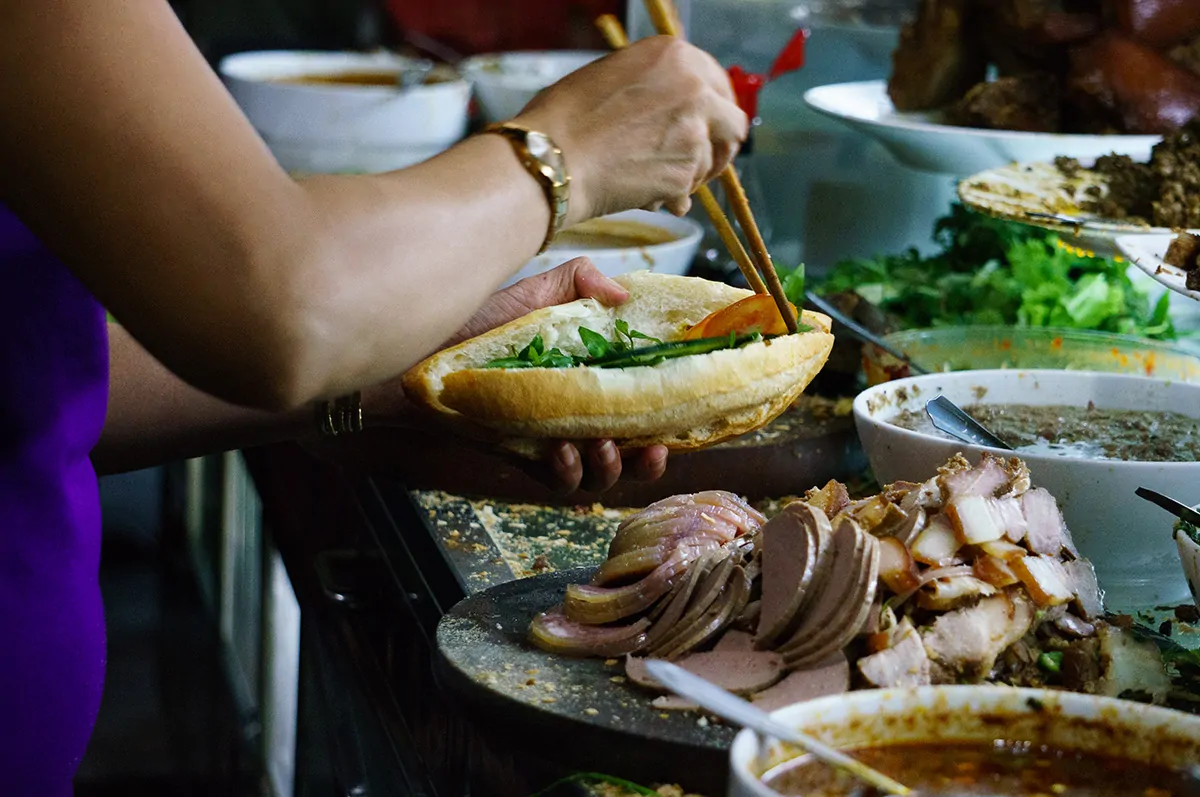
Freshly prepared banh mi in Hoi An shows how fillings, herbs and local preferences shape a familiar Vietnamese favourite. (Source: Collected)
Vietnamese food is often described through three broad regions. In the north, many dishes favour gentle seasoning that lets broth, meat and herbs come through. Central Vietnam offers bold flavours and an extraordinary variety of small cakes and noodles. Southern cooking often brings sweeter notes, generous herbs and ingredients from the delta. There are exceptions everywhere, so treat these as clues rather than fixed rules.
The most useful approach is to choose two or three local dishes at each stop. Have phở for breakfast in Hanoi, try small rice cakes in Hue and save a lunch in Hoi An for cao lầu. You will notice more when you give each meal some space.
You do not need a long journey to eat well. A few days in one city give you time to discover a favourite breakfast shop, browse a market and return for something you missed.
Twelve Vietnamese dishes to build your trip around
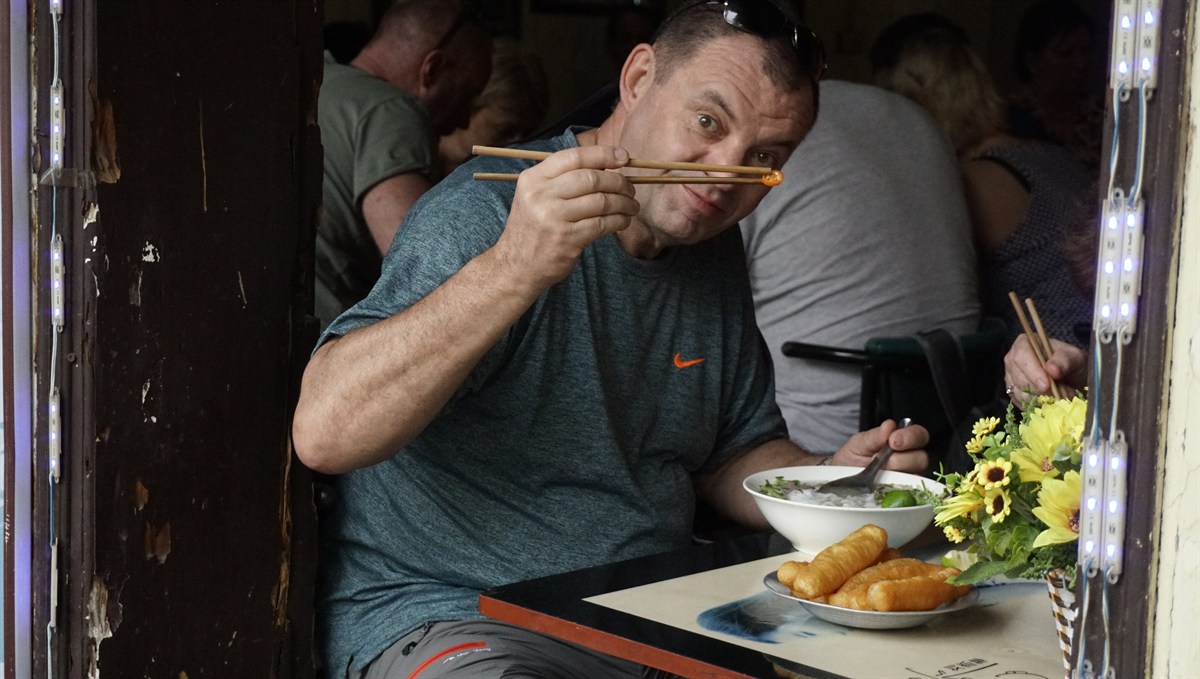
Hot broth is poured into a bowl of pho, one of the dishes to try during a Vietnam food journey. (Source: Collected)
These 12 dishes make a manageable starting list. The places suggested below are especially rewarding stops for trying them, though many dishes are served elsewhere too. Check individual opening times rather than assuming every shop serves all day.
Dish
What to expect
Where to try it
Suggested meal
Phở
Flat rice noodles in aromatic broth, commonly with beef or chicken
Hanoi; compare southern versions in Ho Chi Minh City
Breakfast
Bún chả
Grilled pork, rice vermicelli, herbs and fish-sauce dressing
Hanoi
Lunch
Bánh cuốn
Thin steamed rice rolls, often with pork and mushrooms
Hanoi
Breakfast
Chả cá
Turmeric-seasoned fish with dill, noodles and accompaniments
Hanoi
Lunch or dinner
Bún bò Huế
Lemongrass-scented noodle soup, often with beef and pork
Hue
Breakfast or lunch
Bánh bèo
Small steamed rice cakes with savoury toppings
Hue
Light meal or snack
Cao lầu
Firm noodles with pork, greens and crisp toppings
Hoi An
Lunch
Mì Quảng
Noodles with a little broth, herbs and varied toppings
Da Nang and Hoi An
Breakfast or lunch
Cơm gà Hội An
Chicken with seasoned rice, herbs and accompaniments
Hoi An
Lunch
Bánh mì
A crusty baguette with fillings that vary by shop
Hoi An or Ho Chi Minh City
Breakfast or snack
Cơm tấm
Broken rice, often with grilled pork and pickles
Ho Chi Minh City
Breakfast or lunch
Bánh xèo
Crisp savoury pancakes, commonly with pork, prawns and beansprouts
Ho Chi Minh City and the Mekong Delta; compare central versions
Lunch or dinner
Start with whichever dish appeals to you. If you prefer something crisp, try bánh xèo; if you enjoy fragrant broths, begin with phở or bún bò Huế. You can share dishes when portions and the setting allow, but ask before assuming one serving will suit a group.
Where to try local food along your route
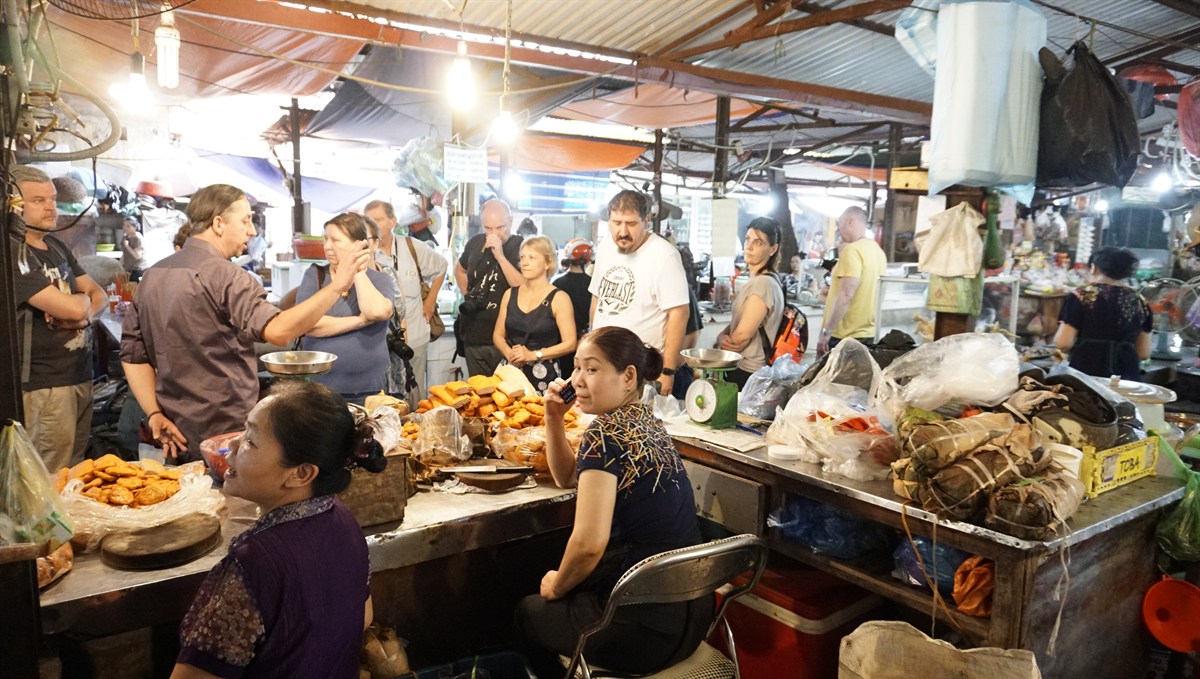
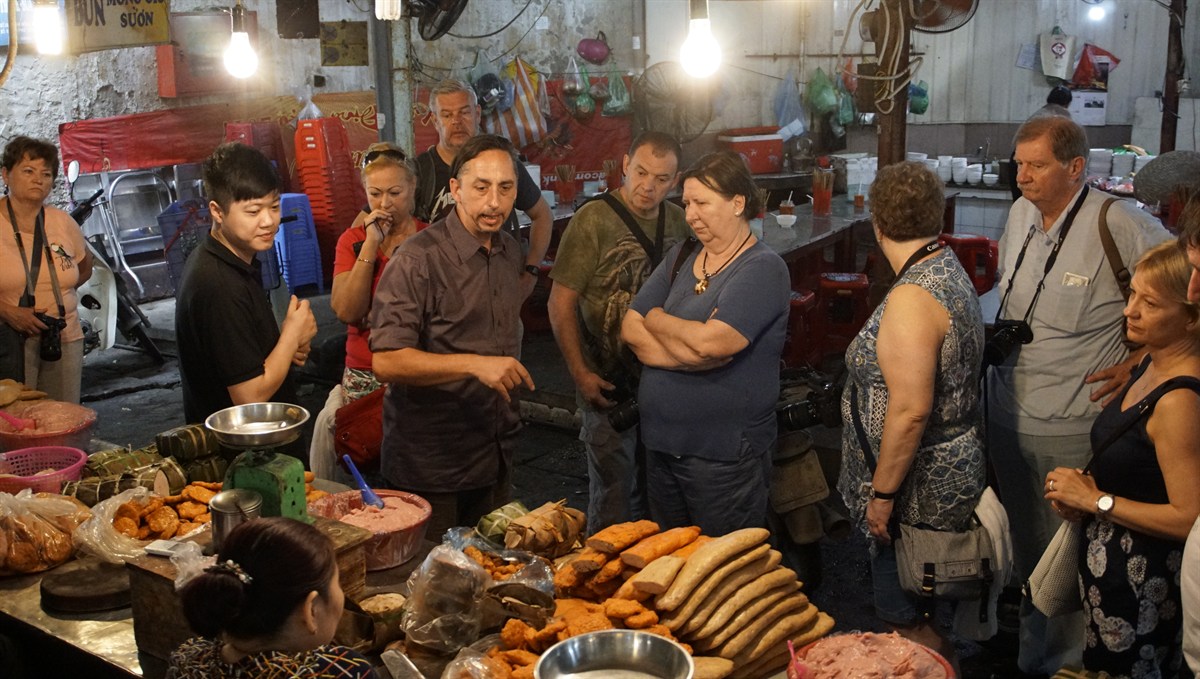
A guided market visit in Hanoi introduces travelers to local stalls, prepared food and everyday eating habits. (Source: Collected)
Hanoi: The Old Quarter and nearby Hanoi neighborhoods are convenient places to start, but leave time for nearby neighbourhoods too. Look for shops concentrating on a small menu. Watching bánh cuốn being steamed or pork being grilled adds something a restaurant description cannot. Save chả cá for a sit-down meal when you have time to enjoy the accompaniments.
Hue: Explore the food stalls around Dong Ba Market, then seek out a specialist cake shop. Try bánh bèo, bánh nậm and bánh lọc together to compare their textures and fillings. Leave another meal for vegetarian cooking or an arranged garden-house lunch. Our Hue travel guide can help you leave comfortable gaps between meals and sightseeing.
Hoi An and Da Nang: Give cao lầu a lunch of its own in Hoi An and try mì Quảng on another day. Between meals, browse the market or arrange a visit to a vegetable garden. Chicken rice and bánh mì are worth leaving room for, rather than adding to an already full tasting schedule.
Ho Chi Minh City and the Mekong Delta: Start with cơm tấm, then spend an evening exploring a few local eating spots. The city covers a large area, so choose a compact route instead of crossing town for every dish. In the delta, an arranged family meal or visit to a food producer offers another way to understand what reaches the table.
Choose between a food walk, market visit and cooking class
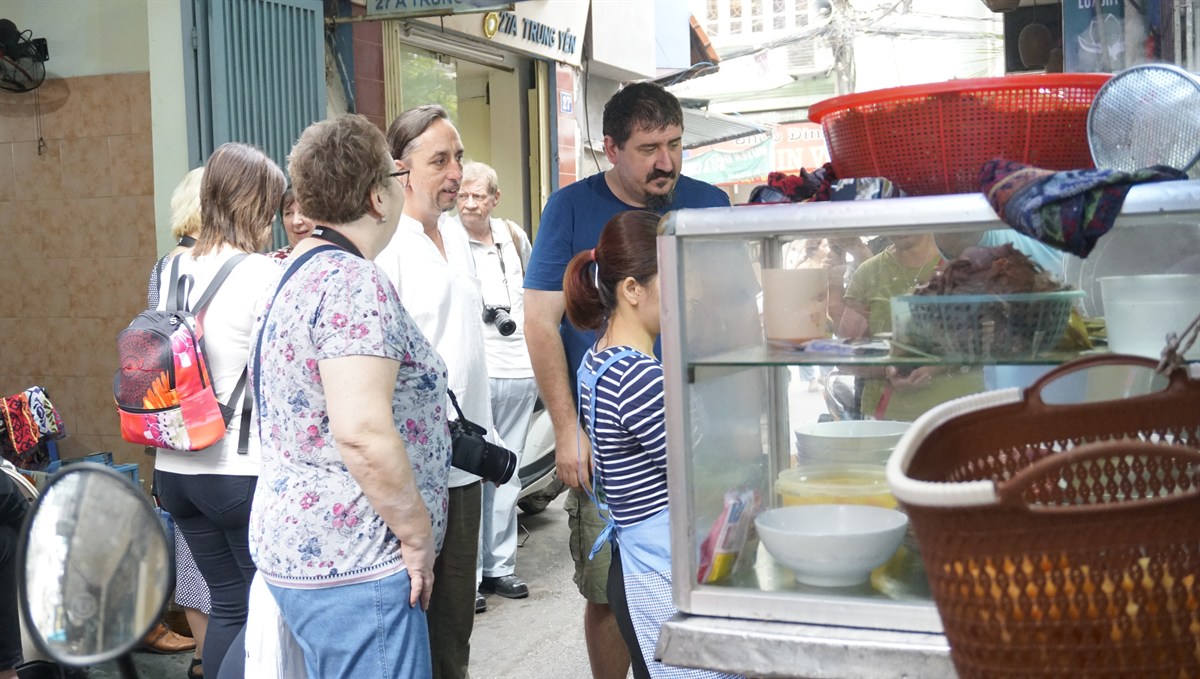
Travelers listen to an explanation at a Hanoi food stall, adding context to a guided tasting experience. (Source: Collected)
A food walk is a good first-evening activity if you would like help ordering and understanding unfamiliar dishes. Ask how many stops are included, whether tastings replace dinner and how far you will walk. A shorter route with time to talk to vendors may suit you better than a long list of hurried stops.
A market visit brings ingredients into focus. A guide can explain the differences between noodles, introduce unfamiliar herbs and help with conversations. Ask before photographing people, and remember that a produce-market visit may not include much prepared food.
A cooking class gives you something to take home beyond a food memory. Check whether you will prepare dishes yourself or watch demonstrations, and whether recipes are provided. If a package includes boats, cycling or gardening, ask how much time you will actually spend cooking.
Leave time for coffee afterwards. Try egg coffee in Hanoi or salt coffee in Hue, and ask about ingredients and sweetness if you have preferences. Sitting for a while is part of the pleasure.
Plan meals around your travel days
Sharing an unhurried meal at a local eating spot leaves time to enjoy the food and the experience. (Source: Collected)
For two days in a city, choose one breakfast you want to try, one specialist lunch and one food outing. Leave the rest open for discoveries. Cooking classes often finish with a meal, so keep the following hours free rather than booking another substantial tasting.
Carry Vietnamese đồng for smaller vendors and confirm prices and portions before ordering. For vegetarian meals, look for “chay” and ask about broth, fish sauce and shrimp paste. Explain vegan requirements separately, including eggs and dairy. Tell a tour organiser about dietary needs before booking so there is time to discuss suitable options.
Some meals will be planned; others will begin with an appealing smell or a recommendation from your host. Leave space for both. Returning to the same breakfast shop can be just as memorable as trying somewhere new.
If food is a main reason for your visit, a custom Vietnam journey can bring together markets, local meals and cooking experiences at a comfortable pace. Share your route, interests and dietary needs when planning.