Nha Trang Travel Guide: Plan Your First Visit to Vietnam’s Coastal City
November 01, 202616 min read
Nha Trang can be a city break beside the sea, a base for exploring the bay or the starting point for a resort holiday farther along the coast. Choosing between those experiences matters more than collecting a long list of attractions. This Nha Trang travel guide helps you decide where to stay, how long to allow and which activities deserve space in a first visit.
Start with three nights if you want two full days between arrival and departure. That can accommodate a city introduction and one main outing, with some time to relax. Add nights if beach time is a priority, your resort is outside the city or you want flexibility around sea conditions. Count usable hours before deciding how much fits.
1. Understand Nha Trang and Choose Your Travel Style
The sheltered beachfront and pool at Amiana Resort illustrate a property-focused coastal stay near Nha Trang. (Source: Collected)
City, bay and resort coast
Nha Trang is a coastal destination in Khanh Hoa Province. The city combines an urban seafront with restaurants, accommodation, cultural sights and access to excursions. It suits travellers who enjoy the convenience of a city while keeping the sea within their daily routine.
The bay introduces another kind of experience. Boat trips can involve sightseeing, time at a beach, an island facility or a separately arranged water activity. Those products should be compared by their actual programme rather than treated as interchangeable “island tours”.
Cam Ranh–Bai Dai is a different accommodation choice, farther south along the coast and closer to the airport than many central Nha Trang hotels. A resort there may be exactly what you want, but it should not be booked on the assumption that central restaurants and sightseeing are outside the door.
Decide how you want to spend your days
Holiday style
Likely focus
Planning priority
City and beach
Local meals, seafront time and selected sightseeing
Convenient location and practical beach access
City and bay
A town base with one substantial boat outing
Confirmed route, transfers and activity suitability
Resort holiday
Facilities, meals and relaxation at the property
Beach conditions, room choice and inclusions
Mixed stay
Several city nights followed by resort time
Enough nights to justify changing accommodation
Families may appreciate fewer transfers and time at one property. Couples can balance an organised outing with unhurried meals. Travellers interested in culture should make room for a meaningful land-based visit alongside the coast.
If comparing coastal stops elsewhere in Vietnam, our Da Nang travel guide provides a separate planning framework. Choose according to the overall route and your dates rather than assuming all Vietnamese beach destinations offer the same holiday.
2. Choose Your Season and Length of Stay
Beach time on Hon Tam is best planned around current sea conditions, sun exposure and the facilities included in your visit. (Source: Collected)
Weather on shore and conditions at sea
Nha Trang is warm through the year, with a broadly drier period extending across much of the first eight months and greater rainfall exposure towards the end of the year. Conditions vary within those periods, and a seasonal label cannot establish what a particular boat departure or swimming session will be like.
Heat matters for sightseeing as much as rain. An exposed walk, a temple visit involving steps and an afternoon boat excursion can be tiring when combined. Start active days early where practical and leave time for shade, meals and rest.
Period
Broad considerations
Useful approach
January–March
Early-year conditions can vary, especially at sea
Keep outdoor plans flexible and check local advice
April–June
Heat and sun become important planning factors
Alternate activity with breaks and hydration
July–August
Strong sun and warm conditions can shape the day
Avoid long exposed outings without rest
September–December
Greater exposure to rain, rough conditions and disruption
Keep boat activities adaptable and review forecasts
A sunny beach morning does not guarantee calm water or good underwater visibility. Wind, swell, recent rainfall and the exact location affect marine activities. Ask your operator about the planned site and the decision process if conditions change.
Match timing to your priority
For a resort holiday, decide whether pools, meals and other facilities would still make the stay worthwhile when the sea is unsuitable. For a trip built around snorkeling or diving, leave more than one possible day if your schedule permits, without assuming an alternative departure is guaranteed.
When severe weather is expected, follow current official and operator advice. A cancelled excursion needs a different response from an ordinary shower. Ask how refunds, changed routes and alternative activities are handled before making weather-sensitive bookings.
How many days in Nha Trang?
Usable time
A sensible scope
Main limitation
Two full days
City sightseeing, local food and one main outing
Limited flexibility for weather or a slow day
Three full days
City, a suitable bay experience and relaxation
Still requires choosing among longer activities
Four full days
More downtime or another carefully selected experience
Extra time can disappear into unnecessary transfers
Two nights with a late arrival and early departure may offer only one full day. Write down flight or train times before buying excursions. Resort guests should also calculate the journey to city activities and back.
A longer stay does not need more attractions every day. Keeping a free morning can be useful after a boat outing, especially for children or travellers who find heat and motion tiring.
3. Get to Nha Trang and Move Around
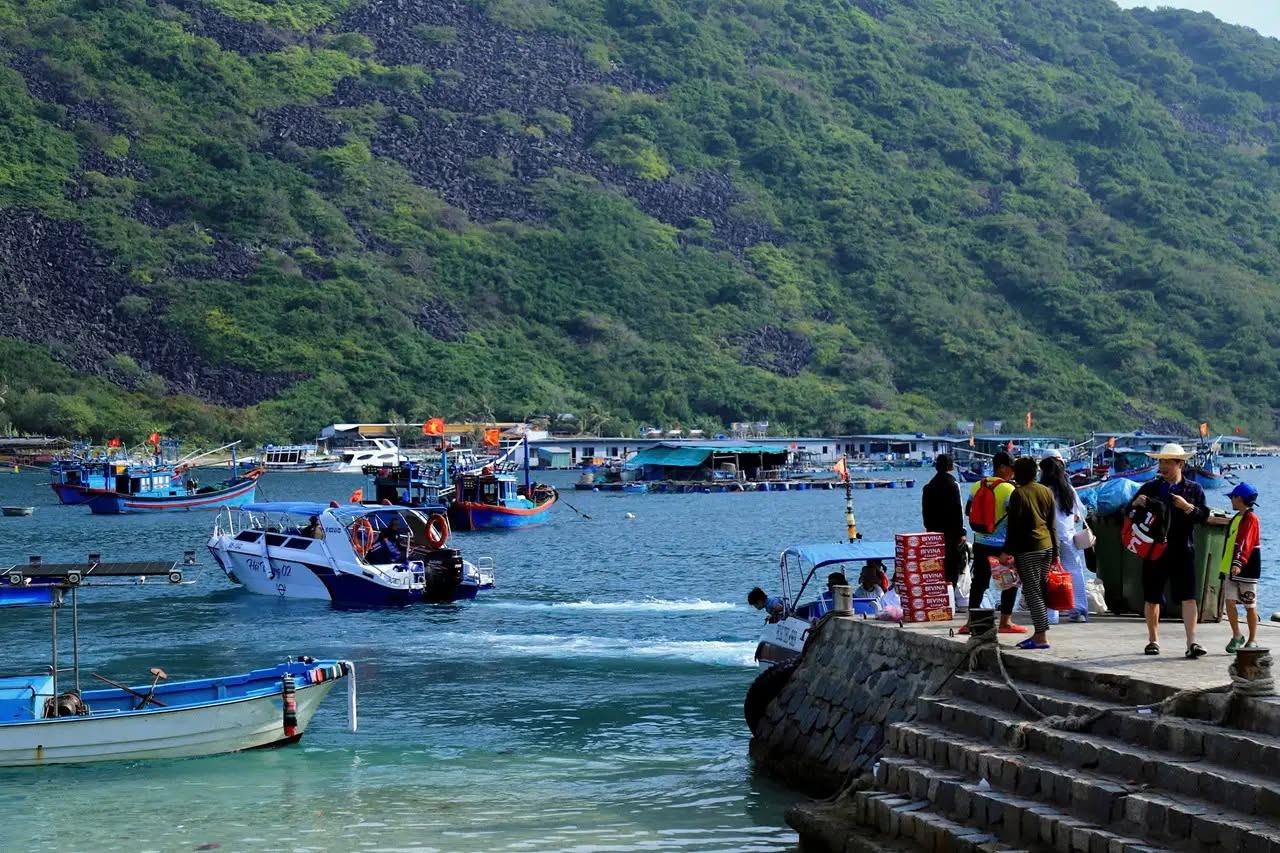
Boat access can involve a pier and several transfers, making the confirmed reporting point and boarding arrangements important. (Source: Collected)
Arriving through Cam Ranh Airport
Cam Ranh International Airport, code CXR, serves many visitors travelling to Nha Trang. It lies south of the city, roughly 35 kilometres from the central area by commonly quoted road distances. Your actual journey depends on the hotel, traffic and conditions.
As an initial allowance, plan around 45–60 minutes for many private transfers to central hotels, then confirm the estimate for your destination. A Bai Dai resort may require a different journey. Send the precise property pin rather than simply asking for a transfer to “Nha Trang”.
Compare taxis, prearranged cars and any shared service currently operating for your route. Establish the terminal meeting point, luggage capacity and final price. Request appropriate child seats in advance if needed, and check availability rather than assuming they come with every vehicle.
Rail and onward road travel
Rail can fit a longer coastal journey, but confirm the station shown on your actual ticket. Do not assume every train booking described as serving Nha Trang uses the most convenient arrival point for your hotel. Plan the final transfer and allow time for possible delays.
Compare overnight travel with daytime services according to comfort and the time available. An early arrival does not guarantee immediate hotel check-in. Keep the first morning manageable if you have not slept well.
For an onward journey, avoid estimating duration from distance alone. Discuss the chosen route, stops and arrival time with the operator. A transfer day should not also carry an ambitious sightseeing programme unless the timing has been assessed.
Local transport and boat departures
Journey
Practical approach
Confirm
Within a neighbourhood
Walking where the route is comfortable
Crossings, shade and the return distance
Between city sights
Taxi or prearranged vehicle
Waiting, pickup and total route
Hotel to boat departure
Operator transfer or a separate booking
Exact pier, reporting time and return arrangements
Resort to central Nha Trang
Confirmed shuttle or private transport
Frequency, reservation requirements and last return
Use the organiser’s confirmed departure location rather than a generic harbour pin. Allow time for check-in, boarding and any transfers between vehicles and boats. Ask whether hotel pickup is included or charged separately.
You do not need to ride a motorbike to enjoy Nha Trang. Choose transport around your ability and comfort, particularly if travelling with children, luggage or unfamiliarity with local traffic.
4. Choose Where to Stay and What to Eat
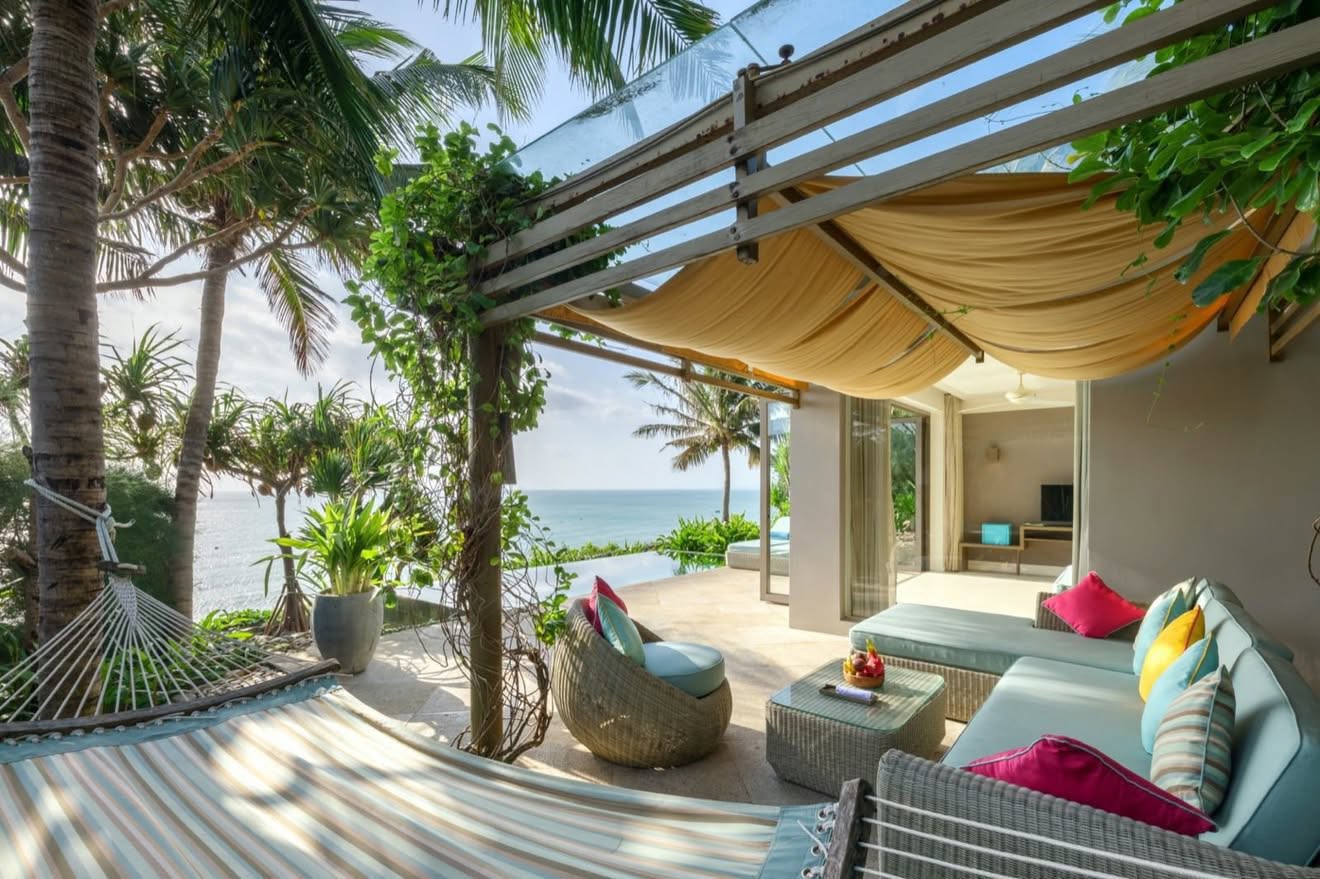
A sea-facing terrace at Mia Resort Nha Trang shows why room setting and time at the property can shape a resort holiday. (Source: Collected)
Central city and seafront hotels
A central hotel can simplify restaurant choices and evening outings. Seafront accommodation also varies: some properties require crossing a road to reach the beach, and a room described as sea-view may have a partial outlook. Check the actual room category and access route.
Ask about noise, nearby works and where the room faces. A convenient address for nightlife can feel different from a quiet holiday base. If you expect to walk frequently, examine the surrounding streets rather than relying on the hotel’s distance from one landmark.
Quieter locations and resort stays
Properties outside the central area can suit travellers who want more time at the hotel, provided the dining and transport arrangements work. Check how easily you can leave for a meal or an excursion and whether those journeys need advance booking.
Some island or secluded-bay properties involve additional transfers. Confirm arrival windows, boarding arrangements, luggage handling and what happens after a delayed flight. These details can affect the first and last day as much as the room itself.
Location or property type
Potential advantage
Main question
Central city hotel
Meals, services and urban sightseeing
Does the specific street suit your sleep needs?
City seafront hotel
Coastal outlook and convenient seaside time
What lies between the entrance and beach?
Outlying bay or island property
More of the holiday centred on the property
What transfers and dining arrangements apply?
Cam Ranh–Bai Dai resort
A resort-focused coastal stay
How much travel will your planned excursions require?
Check the room against your needs
For families, establish the bed configuration, occupancy limits and child charges. A kids’ club listing does not automatically include supervision for every age or at every hour. Check pool arrangements and remain responsible for children around water.
For mobility needs, ask about the full route from vehicle to room, restaurant and beach. A lift does not remove every step. If a view or private outdoor space is central to your booking, have the property confirm it for the room being sold.
Make room for local food
Nem nuong pairs grilled pork with herbs, vegetables and accompaniments for wrapping, offering a distinctive Nha Trang meal. (Source: Collected)
Nha Trang offers more than a seafood dinner. Our Vietnam food guide provides a broader introduction to regional flavours. Look for nem nuong, with grilled pork and accompaniments for wrapping, or banh can, small rice-batter cakes served with varying toppings and sauces. Fish-cake noodle soup offers another meal to investigate.
Ask what comes with an order and how much is suitable for your group. Ingredients differ between kitchens, so communicate allergies clearly, including concerns about shellfish, peanuts and sauces. Vegetarian requirements also need confirmation beyond the absence of visible meat.
When ordering seafood, establish the species, weight, unit price and cooking charge before preparation. Confirm whether a quoted figure is per kilogram, portion or item. A clear order is more useful than choosing from photographs without understanding the total.
Balance organised outings with time to eat locally. If your resort is outside the city, decide in advance whether town meals are an occasional excursion or a daily priority; that choice may change the best location for your stay.
5. Select Your Beaches, Cultural Visits and Bay Experiences
A beach stop during a Nha Trang island excursion illustrates the difference between a full-day programme and time spent travelling. (Source: Collected)
Enjoy the coast at an appropriate pace
The city seafront can provide time outdoors between other activities. A walk or relaxed breakfast near the water is worthwhile even when swimming is not part of the plan. Follow local flags and instructions, and use designated areas where available.
Choose beach time according to current conditions and your group’s needs. Sun, shade, access and toilets can matter as much as the appearance of the sand. Keep children supervised and avoid assuming a beach outside a hotel is suitable for all ages on every day.
Add cultural context
Po Nagar Cham Towers offer an introduction to the area’s Cham heritage and religious life. Visit with an interest in the setting and significance, and follow instructions on clothing and entry to worship spaces. A guide can help connect the site with the wider region.
Long Son Pagoda is another option to investigate, with an ascent involved if you want to reach its elevated Buddha statue. Ask about the route and steps before combining it with other demanding visits. A shorter visit can be appropriate when heat or mobility makes the full route unsuitable.
Choose a manageable cultural outing rather than adding every landmark to a beach day. Confirm current hours, admission arrangements and access at the individual sites. Religious activity and restoration can affect what is available.
Read island-tour descriptions carefully
A three-stop excursion is not automatically more rewarding than a trip with fewer places and longer activity time. Ask how the day is divided between transport, waiting, meals, beach facilities and the experience you actually want.
Clarify whether snorkeling or another activity is included, optional or dependent on conditions. Check the boat type, group size, shade, toilets where relevant and the method of boarding. Explain if someone cannot swim or prefers to remain aboard, then ask what suitable options exist.
Protected areas have their own access rules. Do not treat the name Hon Mun on an advertisement as confirmation that swimming, snorkeling or diving is permitted at a particular site. Have the operator identify the actual location, confirm current authorisation and explain any substitute route before payment.
Avoid standing on coral, collecting marine life or encouraging wildlife feeding for photographs. Follow the guide’s instructions and keep control of equipment. The quality of a marine excursion includes how it treats the place you have come to see.
Diving, relaxation and family entertainment
Scuba diving needs a separate discussion with a qualified operator about experience, training, equipment and suitability. Plan any required interval before flying with the dive provider; do not attach a dive casually to departure morning. Travellers seeking a gentler outing can choose a non-diving programme.
Mud-bath and spa experiences can provide a slower alternative to a boat day. Confirm the specific package, shared or private facilities and what is included. Treat advertised wellness benefits cautiously and choose the experience for relaxation rather than an assumed medical outcome.
Hon Tre’s entertainment offerings, including VinWonders, may suit families or visitors wanting a substantial leisure outing. Check the current package, transport, attraction operation and any age or height restrictions directly before booking. A large venue deserves its own time allowance rather than being squeezed between another full-day excursion and dinner.
Cable cars cross the water towards Hon Tre, where visitors should check transport and attraction arrangements for their chosen package. (Source: Collected)
6. Build Your Itinerary, Budget and Practical Plan
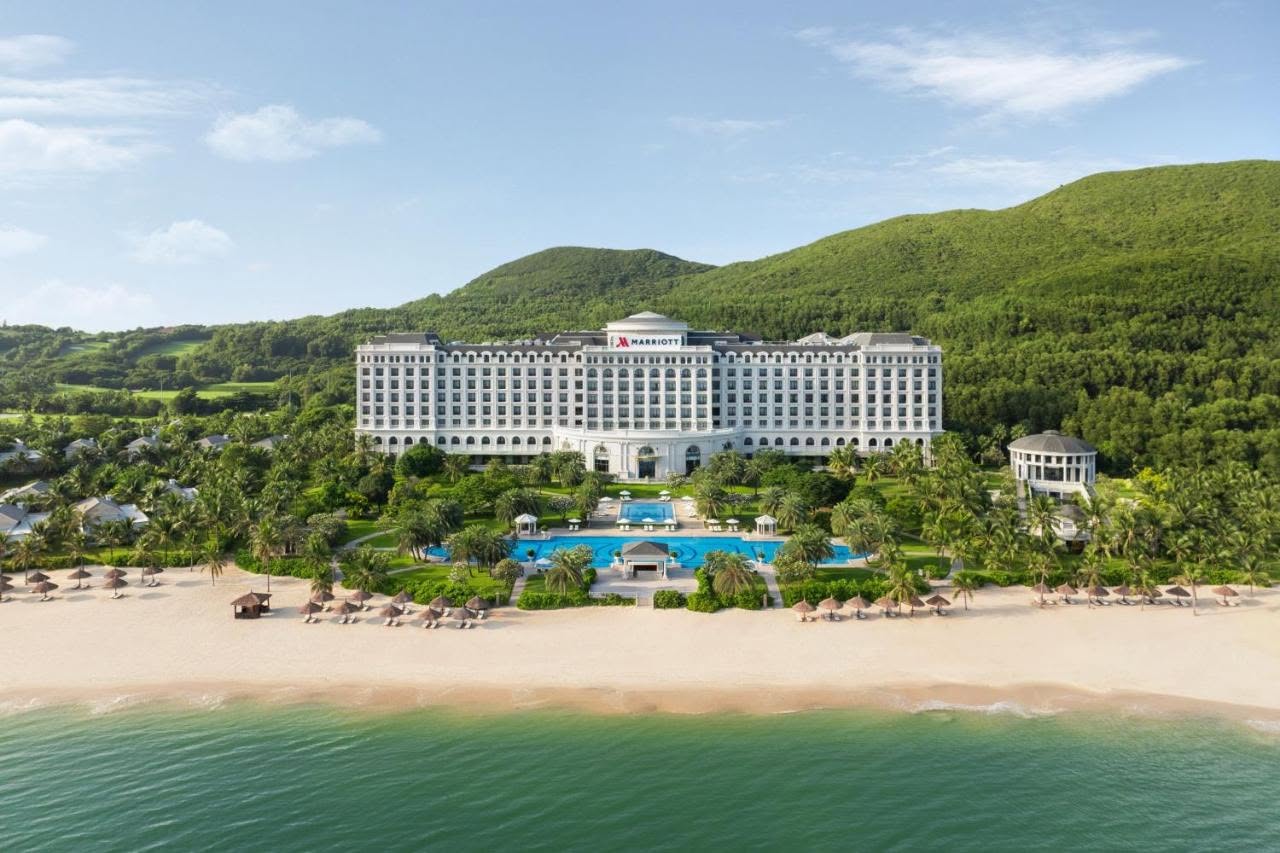
Nha Trang Marriott Resort & Spa on Hon Tre Island illustrates a resort-based stay that requires its own transfer planning. (Source: Collected)
A flexible two-, three- or four-day framework
Usable time
Suggested structure
Keep flexible
Two full days
City and cultural visit; one main excursion or resort day
Additional stops and shopping
Three full days
City introduction, suitable bay outing and relaxed day
Order of weather-sensitive activities
Four full days
The same balance plus a selected experience or more downtime
Extra travel that adds little to the holiday
On arrival, settle in, orient yourself and choose an easy meal. Use one full day for a cultural visit and city food, with rest between outings. Reserve another for the experience that matters most, whether that is a suitable boat trip, family entertainment or time at the resort.
If staying farther south, consider whether a single organised city day works better than several return journeys. For a longer mixed stay, changing hotels may create two useful experiences, but include packing and check-in time before making that decision.
Families can shorten the sightseeing and add breaks without losing the purpose of the trip. Couples can keep a free evening after a long excursion. Active travellers should still account for heat, travel and recovery when scheduling consecutive activity days.
Build a budget from the full arrangement
Cost category
What to establish
Accommodation
Room, meals, taxes and extra-person charges
Arrival and departure
Exact destination, vehicle and luggage requirements
Local transport
City trips, pier transfers and resort connections
Activities
Admissions, guiding, equipment and optional services
Food and personal spending
Drinks, seafood pricing and purchases
Compare like-for-like quotations. A boat tour with equipment, meals and hotel pickup cannot be assessed against a seat-only price without adding the missing items. Similarly, a resort meal plan can change the total value of a room offer.
Request dated prices and written inclusions, including what happens if a sea activity changes. Keep enough budget for alternative transport or meals when a plan is adjusted. Avoid presenting an old online deal as the cost available for your dates.
Prepare for the actual programme
Bring sun protection, water, a light rain layer and suitable footwear for your chosen outings. Protect electronics around spray and carry a small day bag. Keep the hotel location and activity meeting points available offline.
Tell your organiser about mobility limitations, children’s ages and discomfort with boats before booking. Ask how the whole day works, including waiting and boarding. A description such as “easy” is useful only when the actual activities match your needs.
Frequently asked questions
Is Nha Trang suitable without an island tour? Yes. City food, cultural visits, coastal walks and time at a suitable property can form a worthwhile stay.
Should I stay in Nha Trang or Cam Ranh? Choose according to where you want to spend most of the holiday. City meals and repeated sightseeing favour a different base from a resort-centred break.
Can I snorkel on every boat tour? No. Check the actual site, permissions, inclusions, equipment and conditions.
Is Nha Trang suitable for children? It can be, with age-appropriate activities, manageable transfers and accommodation that meets the family’s needs.
How many nights should I book? Three nights can provide two full days, depending on arrival and departure times. Add nights for a slower pace or additional weather flexibility.
For a tailor-made Vietnam journey, share your dates, number of nights, group details and priorities for city life, bay activities and resort time. Choose the location and pace together, then confirm the experiences around them.
Information checked on 18 November 2026. Itineraries and transfer times are planning estimates. Confirm current access, marine permissions, activity operations, tickets and conditions for your travel dates.