Vietnam Travel: Plan a Comfortable First Independent Trip
October 12, 20266 min read
A rewarding Vietnam travel experience begins with a manageable plan. The challenge is rarely finding enough places to visit; it is deciding which places belong together, how much travel time to allow and what to book before arrival. For a first independent trip, choose a few contrasting bases and leave space for ordinary discoveries: a market breakfast, a neighbourhood walk or a conversation with a local guide.
This guide focuses on organising the practical side of your holiday. It helps you turn destination ideas into a realistic route, prepare essential bookings and keep enough flexibility to enjoy Vietnam beyond a checklist.
Build Your Route Around Usable Days
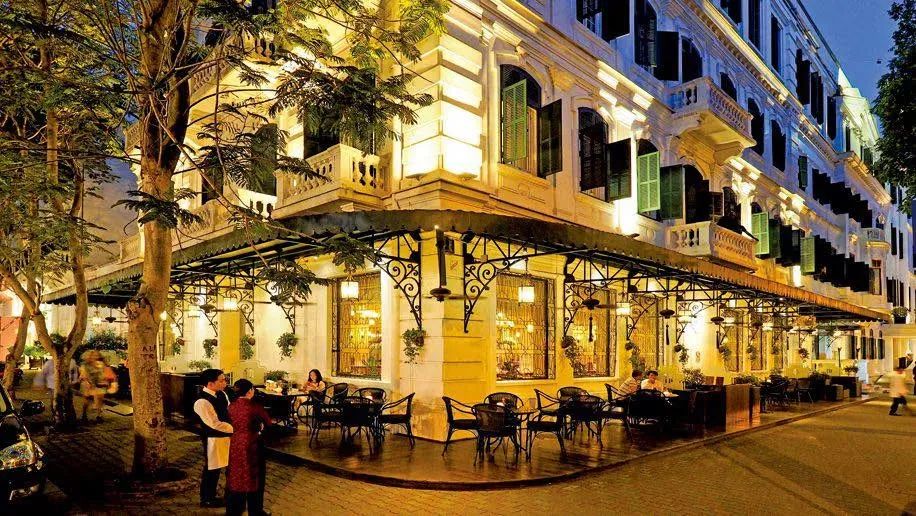
A Hanoi hotel and pavement café illustrate the value of checking your neighbourhood before booking.
Count full days on the ground before choosing destinations. An international arrival, a domestic flight and a long road transfer each reduce sightseeing time. A seven-night booking does not automatically provide seven complete days to explore. Mark arrival and departure times on a calendar, then identify the mornings and afternoons you can genuinely use.
For roughly one week, concentrate on one region. Hanoi with Ninh Binh and a bay visit offers a different experience from a Central Vietnam stay combining Hue, Da Nang and Hoi An. Neither requires crossing the country simply to make the itinerary feel complete. With around two weeks, a route through several regions becomes more practical, provided you limit hotel changes.
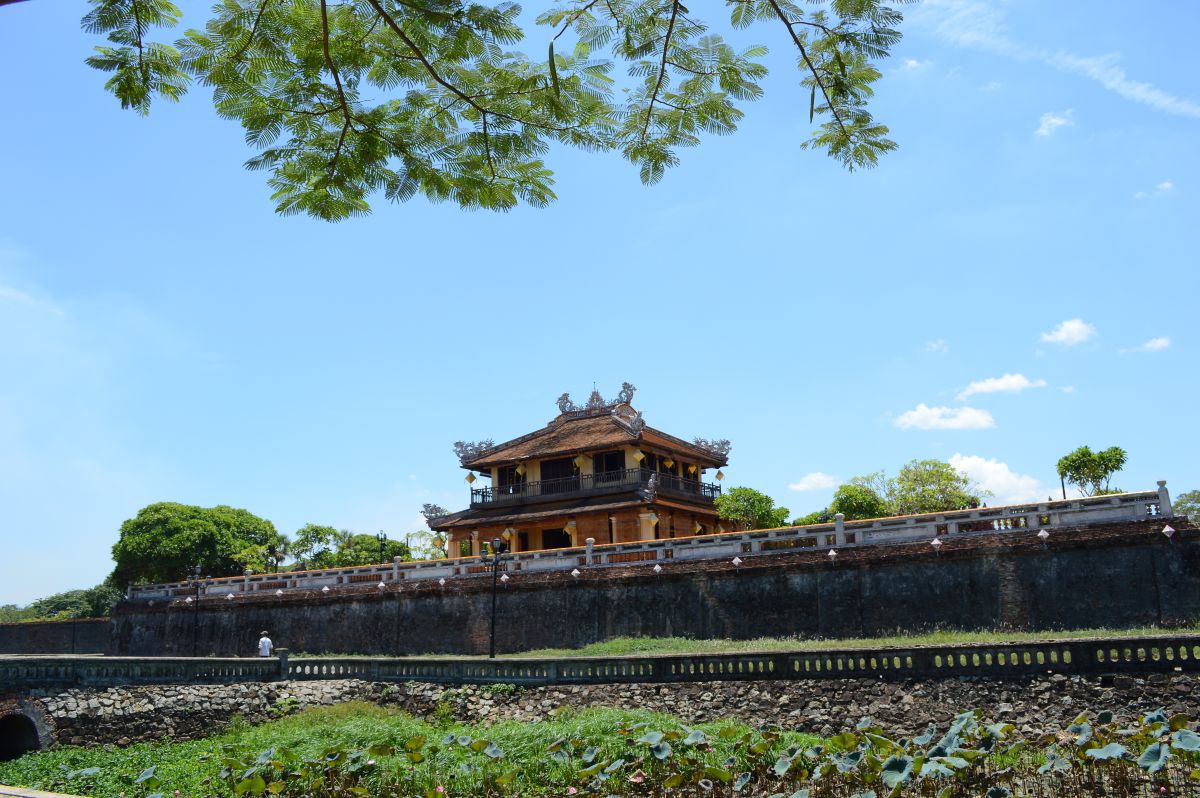
Use our 2 week Vietnam itinerary as a starting framework, then remove stops that do not match your interests. History enthusiasts might allow more time in Hue; travellers who enjoy food and neighbourhood life may prefer another night in Hanoi. Families often gain more from a relaxed afternoon than an additional transfer.
Choose each hotel for the activities nearby. Check the actual map location, not only the destination name. Ask whether you can walk to restaurants, how vehicle pickups work and whether a resort stay means relying on transport for most meals outside the property. Keep arrival evening simple, especially after an overnight flight.
Match the Season and Transport to Your Priorities
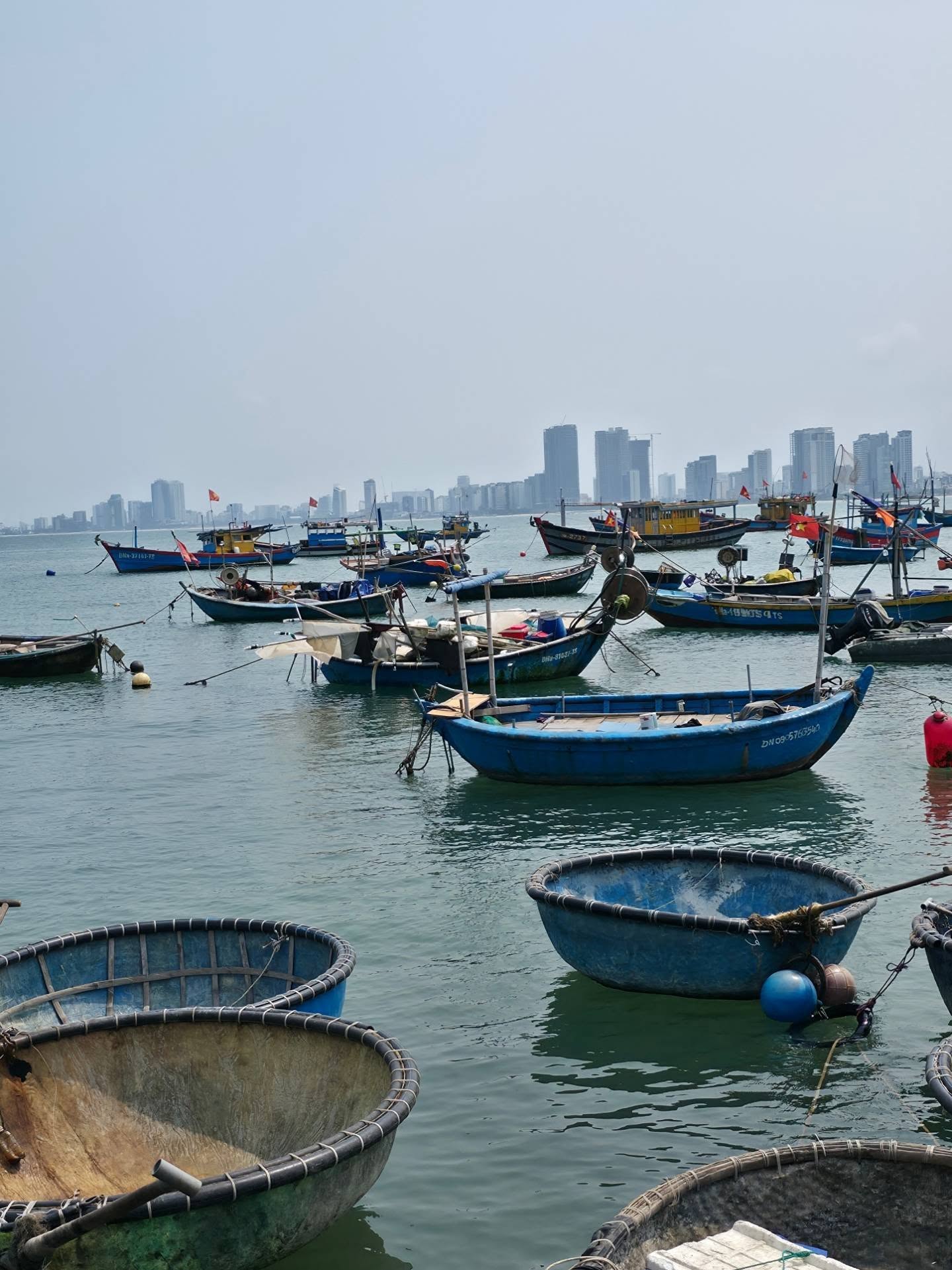
Fishing boats and city buildings share the Da Nang coast; coastal and mountain weather need separate checks.
Vietnam has several regional weather patterns, so there is no single forecast that describes the entire country. Northern destinations can feel cool in winter, while southern cities remain warm. Central coastal weather follows a different rhythm, and mountain conditions can differ from those at a nearby airport. Compare the destinations individually before deciding your route.
Think about the experience you most want to protect. If swimming is central to the holiday, investigate local beach conditions and seasonal patterns. If mountain scenery matters most, allow a spare day rather than promising yourself clear views on one fixed morning. Cruises and outdoor activities can change when weather makes operating conditions unsuitable.
Compare transport by total journey time. A short flight still involves reaching the airport, checking in, collecting bags and travelling to the next hotel. Rail can suit travellers who value the journey, but confirm the current timetable and cabin arrangements before booking. Do not treat an overnight journey as a guaranteed substitute for a restful hotel night.
For road transfers, ask about pickup location, luggage capacity, planned stops and the full price. Avoid tight connections between a countryside excursion and an international departure. If a bay cruise is included, our Hanoi to Halong Bay transfer guide explains why the correct port and boarding instructions matter as much as the driving route.
Prepare Documents, Money and Everyday Essentials
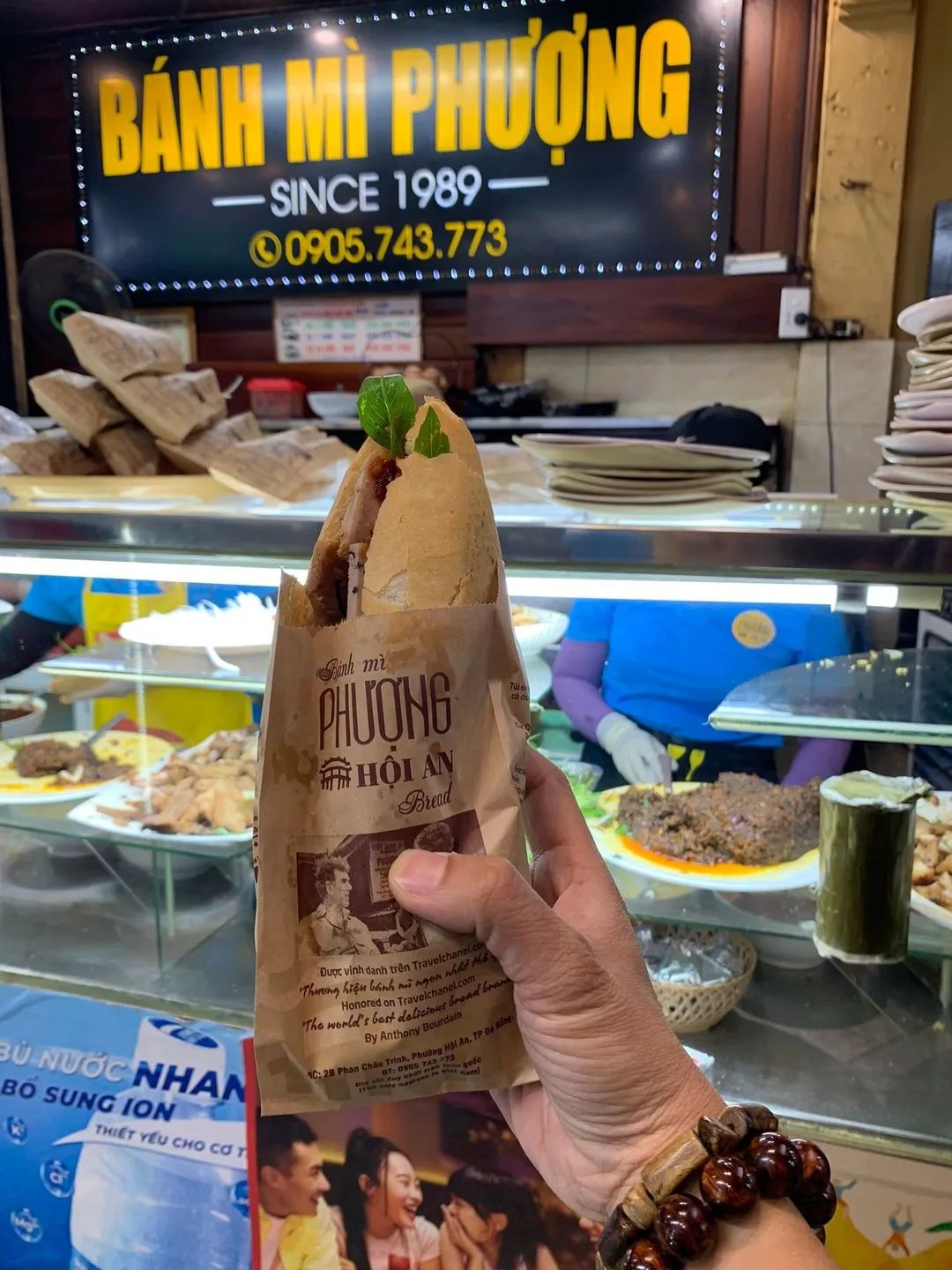
A banh mi stop in Hoi An is one example of the everyday food experiences worth leaving time for.
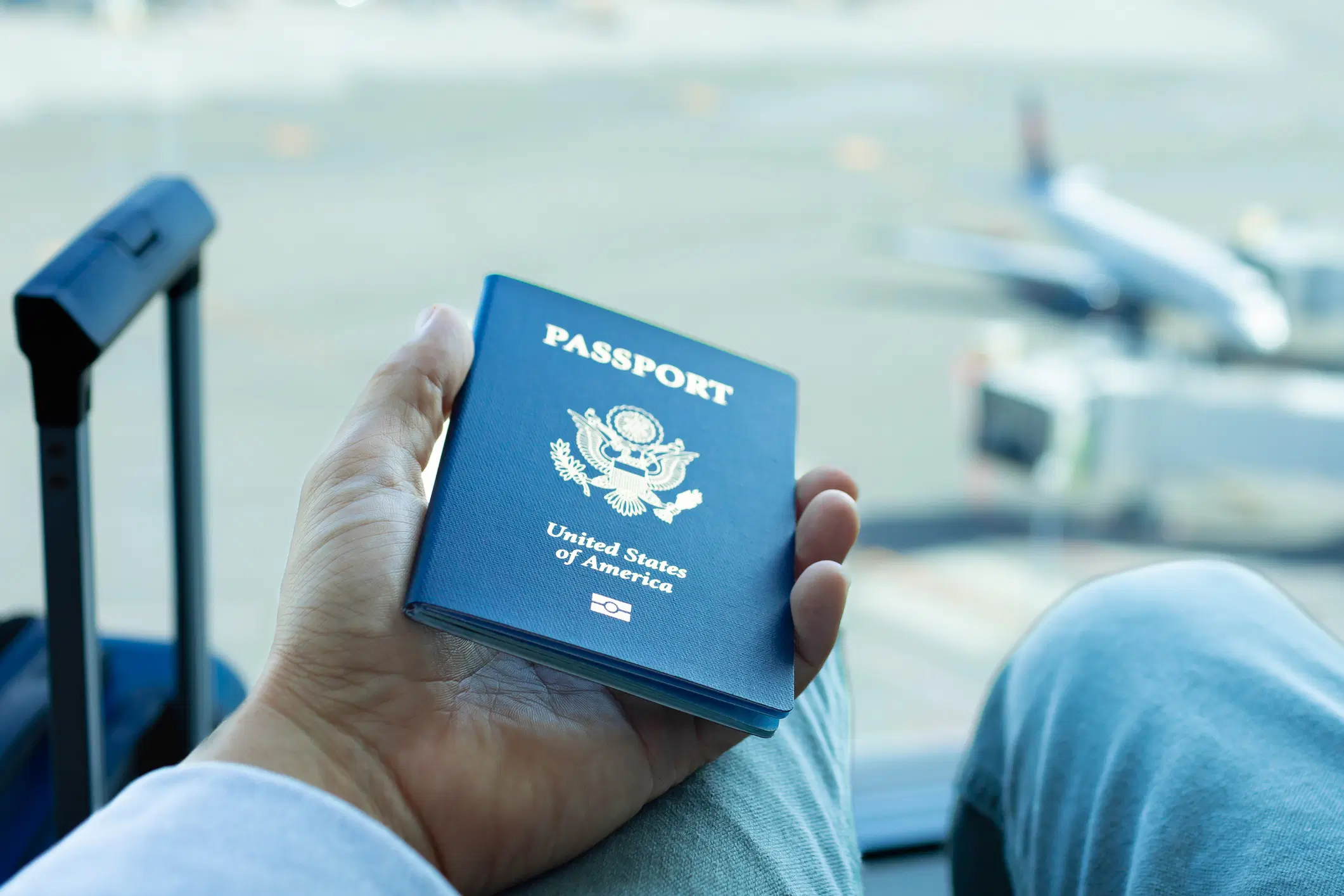
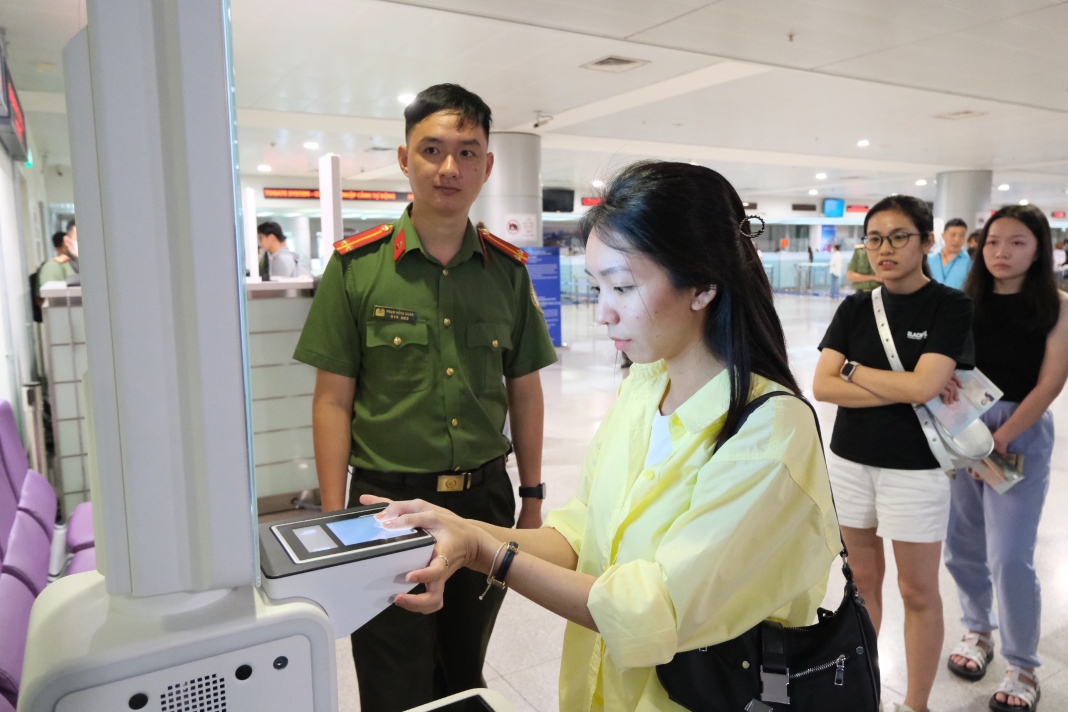
Check entry requirements for your passport and itinerary before purchasing inflexible arrangements. Requirements depend on nationality, purpose and length of stay, and whether you leave and re-enter Vietnam. Use official immigration information and review the conditions that apply to you. Our Vietnam entry visa planning guide helps organise those questions without assuming everyone needs the same document.
Keep secure offline copies of your passport details, entry permission when applicable, accommodation confirmations and important contacts. Check that the name on each booking matches your travel document. Save your first hotel address in Vietnamese and establish how you will reach it before leaving the arrival terminal.
Build your budget from accommodation, meals, transport and activities separately. A low room rate can lose its advantage if you need repeated long taxi journeys. Check breakfast, taxes, child supplements and cancellation terms when comparing properties. Carry some Vietnamese dong for smaller purchases while keeping payment methods separated rather than depending on one card or phone.
Arrange a reliable way to contact hotels and drivers, whether through roaming or a suitable local mobile service. Download maps and booking details before excursions. For meals, ask what a price covers and explain dietary restrictions clearly. A written Vietnamese translation of a serious allergy is more useful than hoping a short conversation has conveyed every ingredient or preparation concern.
Leave Room for Discovery and Review Before Booking
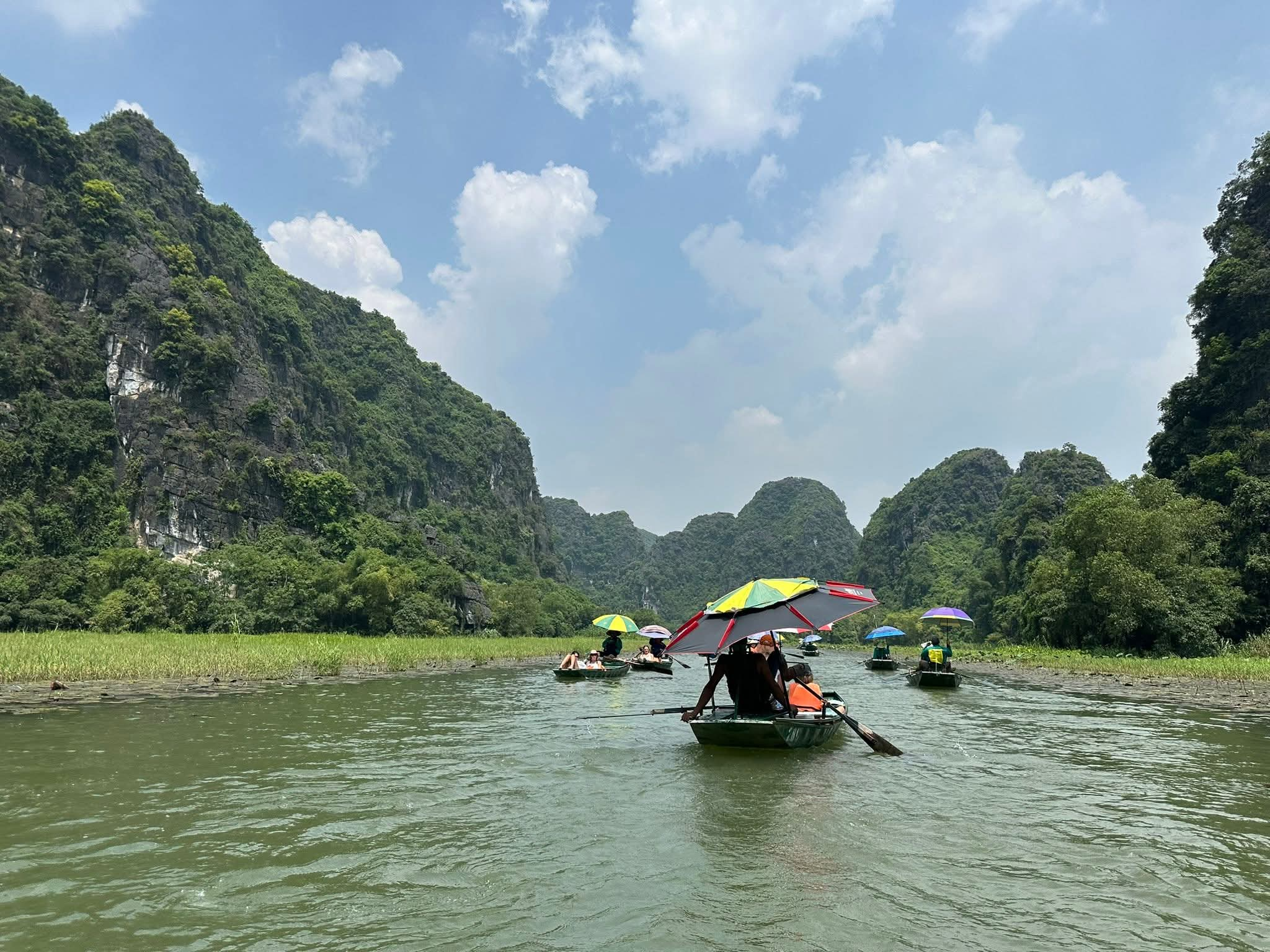
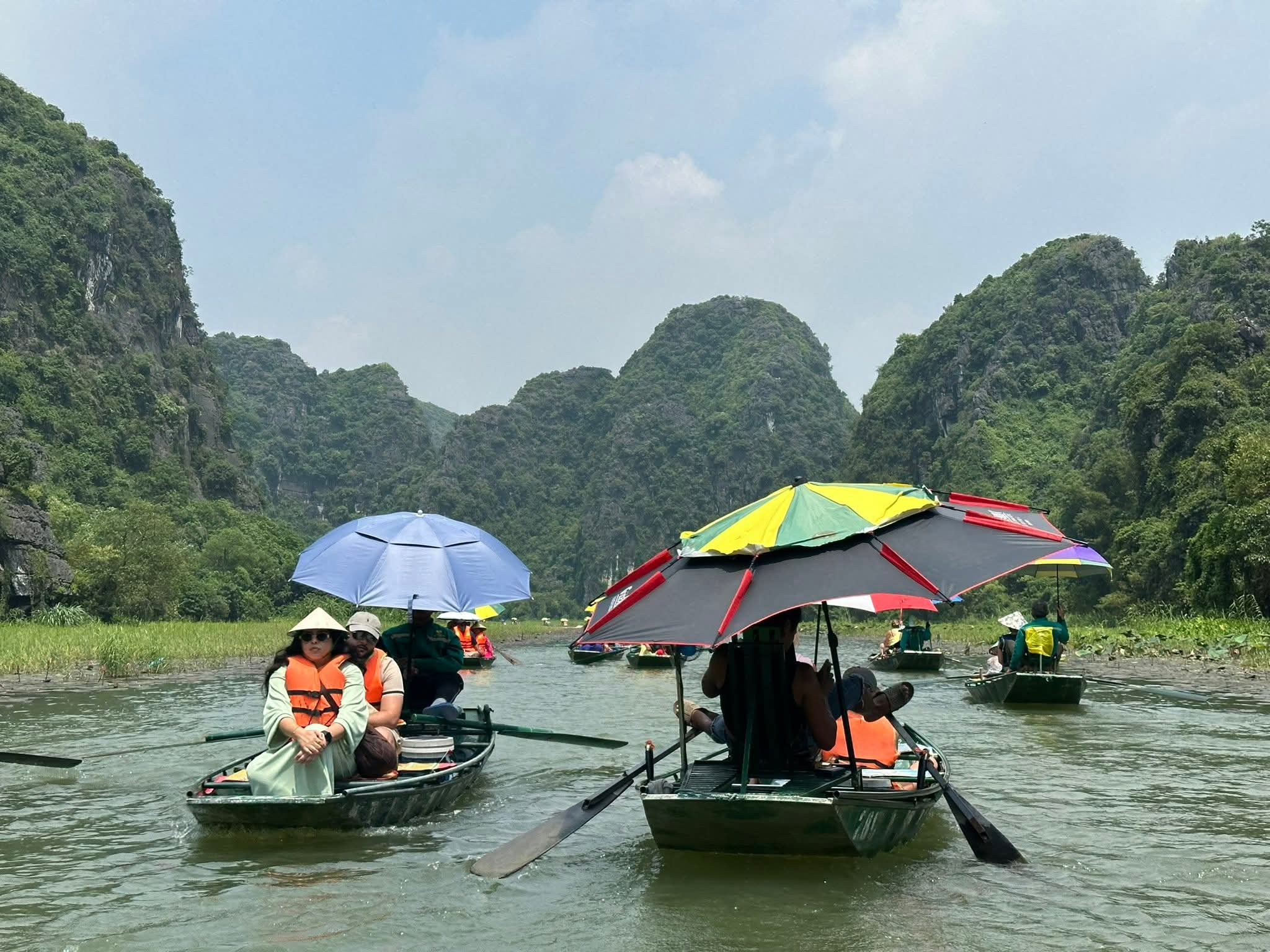
Visitors explore Ninh Binh by small boat, an outing that deserves space in a realistic itinerary.
Plan one substantial activity each day, then add nearby options according to energy and conditions. A guided heritage visit, a boat journey or a cooking experience can provide a focus without occupying every hour. Unscheduled time lets you notice everyday life and return to places that interest you instead of moving continuously between attractions.
Ask providers specific questions. How much walking is involved? Are there steps or uneven surfaces? What happens if weather interrupts an outing? Does a village visit include meaningful interpretation, or mainly shopping stops? Travellers with mobility needs should describe their requirements and ask about the complete route, not simply whether a vehicle or building is described as accessible.
Choose activities that respect communities and local instructions. Ask before photographing people closely, dress appropriately at religious sites and follow guidance around wildlife and protected areas. For water activities, check the operator's safety arrangements and suitable equipment. Avoid turning an unfamiliar road journey into a motorbike experiment without confirming licence validity and insurance cover.
Before paying, review the sequence of nights, transport connections, cancellation conditions and what each quotation includes. Share the plan with your travelling companions and agree which experiences matter most. If you would like local help coordinating the details, send your dates, interests and preferred pace through our custom Vietnam tour request form. A practical route should support your curiosity while leaving enough time to enjoy being there.
Research checked on 12 October 2026. Confirm entry conditions, timetables and activity arrangements for your travel dates.