Tet in Vietnam 2027: Traditions, Important Dates and How to Experience the Lunar New Year
November 27, 202622 min read
In the days before Tet, Vietnam’s preparations unfold in ordinary places. A flower seller negotiates over a peach branch. Someone carries a box of gifts home from work. A family clears space for visitors, plans meals and checks when relatives will arrive. At a bus station, people begin journeys whose destination matters more than the distance: home.
Then the rhythm changes. Some familiar businesses close, greetings replace everyday conversation, and the first visits of the year take on special meaning.
Tet in Vietnam 2027 begins on Saturday, 6 February, but understanding the holiday requires looking beyond that date. Its traditions stretch from preparations in the final lunar month to gatherings and observances after New Year’s Day. For visitors, the most rewarding approach is to understand what these moments mean, choose public or properly arranged experiences, and leave space for Vietnamese families to celebrate on their own terms.
Updated: 27 November 2026. Holiday dates are distinguished from individual business schedules. Specific 2027 event programs require separate confirmation.
What Is Tet, and Why Does It Matter So Much?
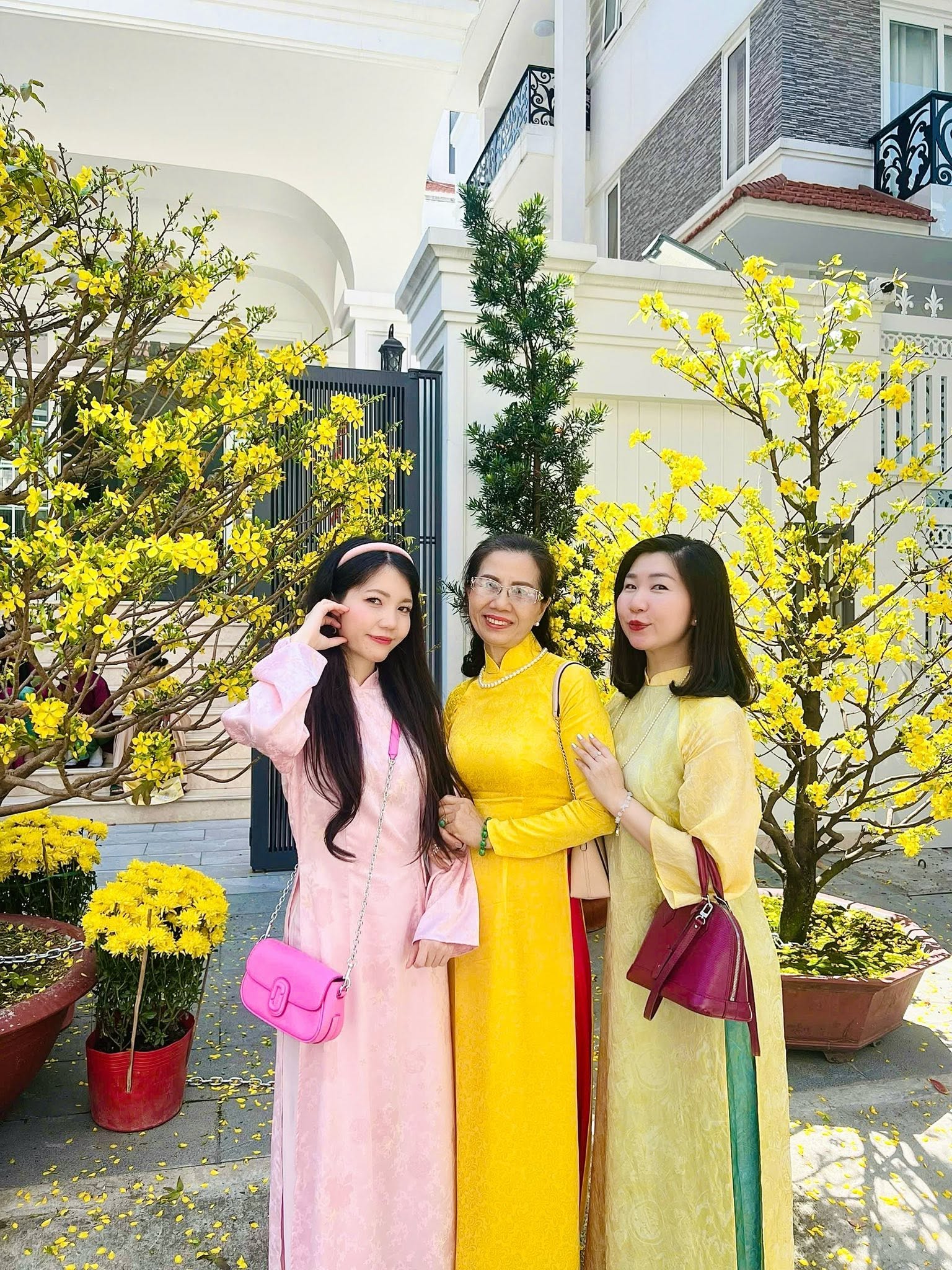
Yellow mai blossoms and festive dress are familiar parts of the southern Tet season. (Source: Collected)
Tet Nguyen Dan, usually shortened to Tet, is Vietnam’s Lunar New Year. More precisely, its dates follow a lunisolar calendar, combining lunar months with adjustments that keep the year connected to the seasons. That is why Tet changes date on the Gregorian calendar.
It is separate from the international New Year on 1 January. Fireworks and a countdown may accompany either occasion, but Tet reaches much further into family life.
For many households, the holiday brings together three responsibilities: remembering those who came before, caring for people around them and preparing for the year ahead. A visit to an ancestral grave, a meal with grandparents and a greeting offered to a child can belong to the same larger idea of continuity.
Tet also carries the hope of beginning well. Cleaning, gifts and positive wishes give that hope practical expression. Beliefs about luck are part of the story, but describing the entire holiday as superstition misses its emotional and social depth.
There is no single Vietnamese household, however. Some families observe elaborate rituals; others celebrate more simply. Religious practice, finances, work and personal preferences influence the occasion. Some people travel during the break, while others work to keep essential and visitor services running.
For a guest, this variety is useful to remember. A celebration can be meaningful without following every custom described in a travel guide.
When Is Tet in Vietnam in 2027?
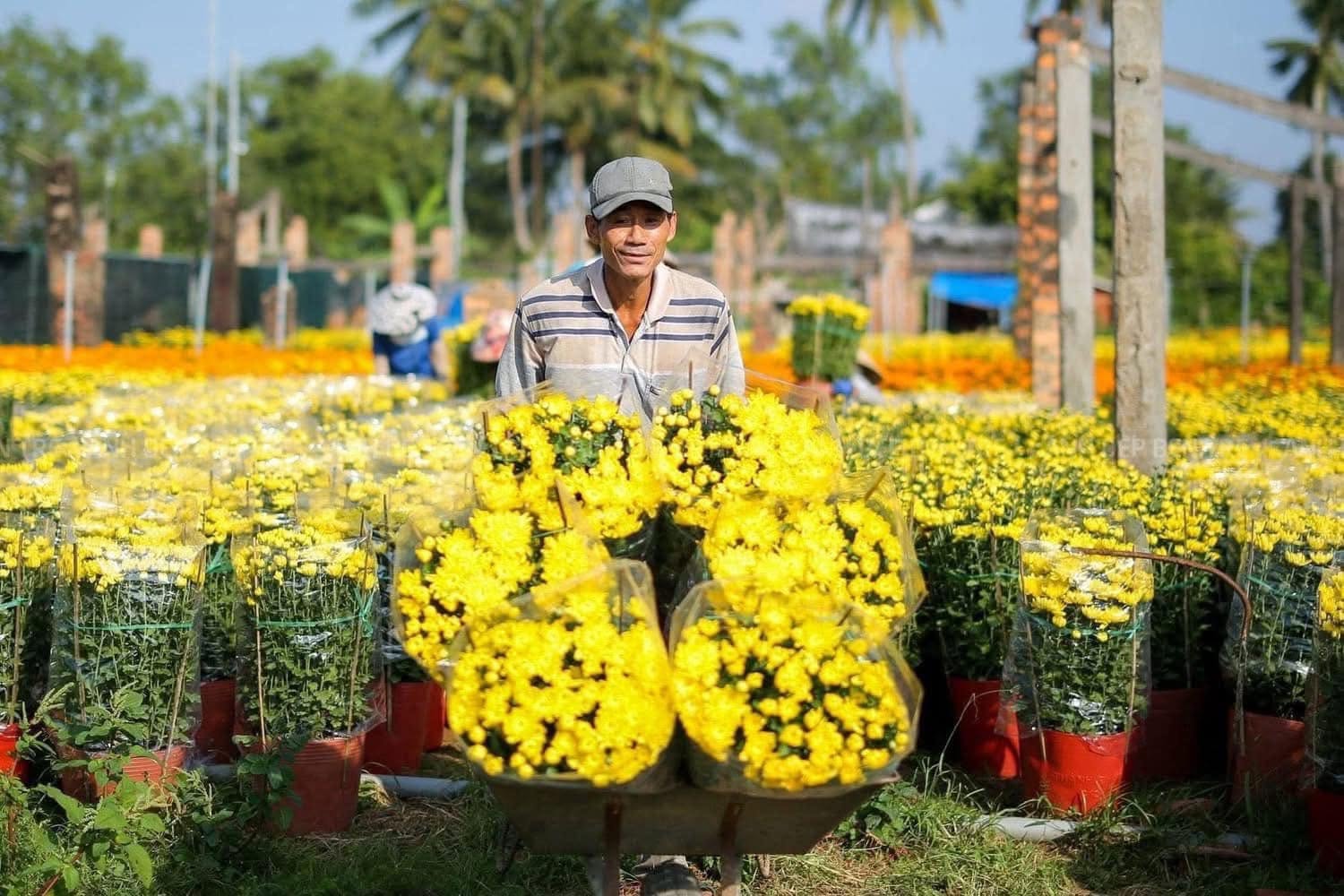
Flower-growing preparations in Ben Tre illustrate the work behind the festive season. (Source: Collected)
The first day of Tet 2027 is Saturday, 6 February, beginning the lunar year of Dinh Mui, commonly called the Year of the Goat.
The final lunar month has 29 days this year. Consequently, Friday, 5 February is the 29th day of the twelfth lunar month and the last day of the old year. There is no 30th lunar day before Tet 2027.
Occasion
Lunar date
Gregorian date in 2027
What it marks
Kitchen Gods Day
23rd day of the twelfth lunar month
Saturday, 30 January
An important preparation ritual in many households
Final preparations
Last days of the lunar year
Late January–5 February
Shopping, cleaning, cooking and journeys home
Final day and New Year’s Eve
29th day of the twelfth lunar month
Friday, 5 February
Year-end gatherings and the transition at midnight
First day, mung mot
First day of the first lunar month
Saturday, 6 February
New Year greetings and family celebrations
Second day, mung hai
Second lunar day
Sunday, 7 February
Visits and gatherings, according to family arrangements
Third day, mung ba
Third lunar day
Monday, 8 February
Further visits and household observances
Seventh day
Seventh lunar day
Friday, 12 February
A traditional Khai Ha milestone in some communities
First full moon, Ram thang Gieng
Fifteenth lunar day
Saturday, 20 February
A separate early-year observance
The official holiday and the cultural season are different
The announced public-sector holiday runs from 4 to 10 February 2027, including the specified Tet leave and compensatory days. Private employers may apply different arrangements under the applicable rules.
For travelers, that block is a planning reference rather than a national opening-hours timetable. A small restaurant may close earlier or reopen later, while a hotel may continue operating throughout.
Likewise, Tet’s cultural atmosphere does not begin on the first leave day or disappear when offices reopen. Preparations, family commitments and local festivities follow their own schedules.
Before Tet: How Vietnam Prepares for the New Year
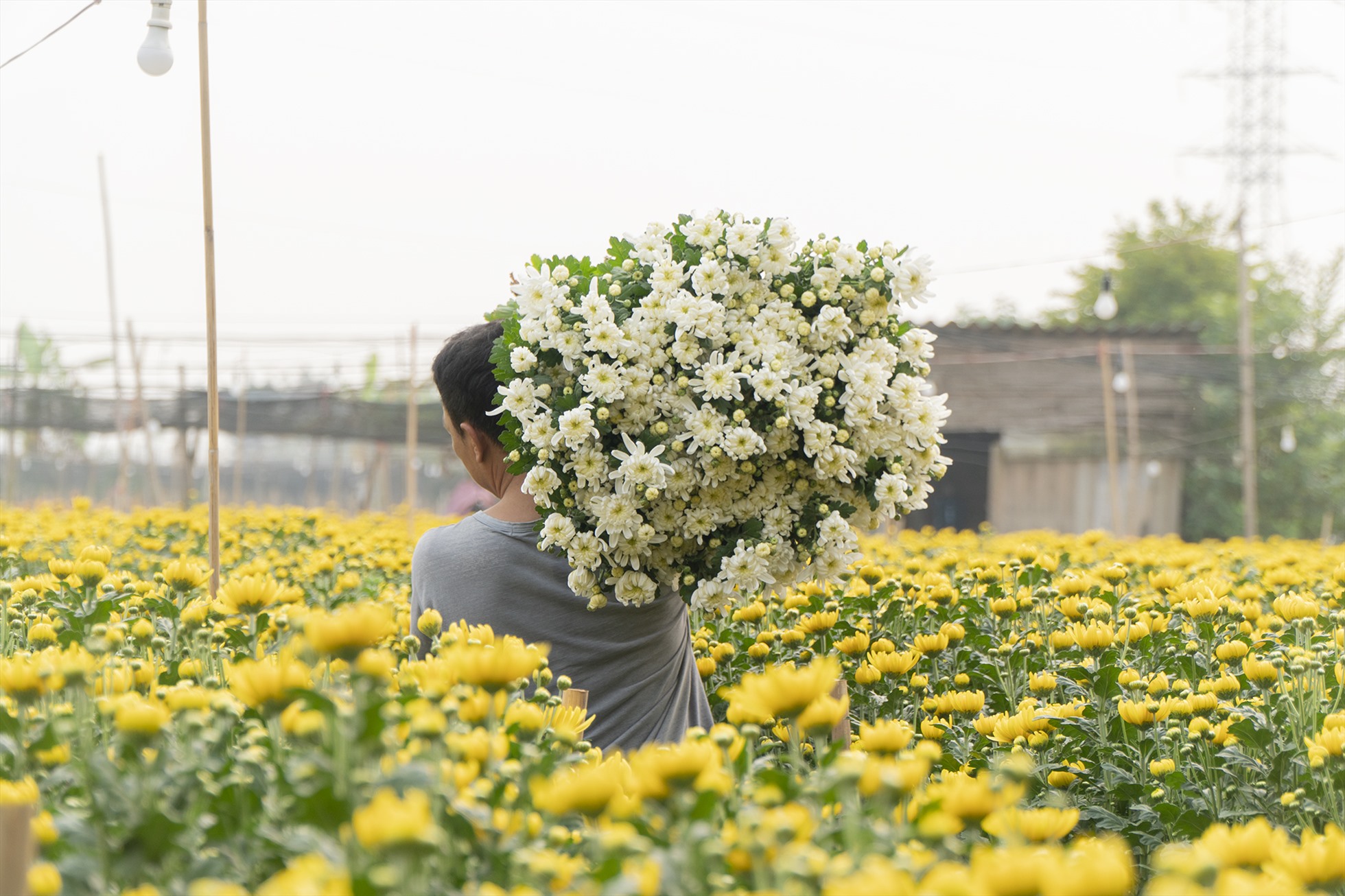
Flowers at Tay Tuu near Hanoi offer a setting for understanding preparations before Tet. (Source: Collected)
Kitchen Gods Day: a household looks back
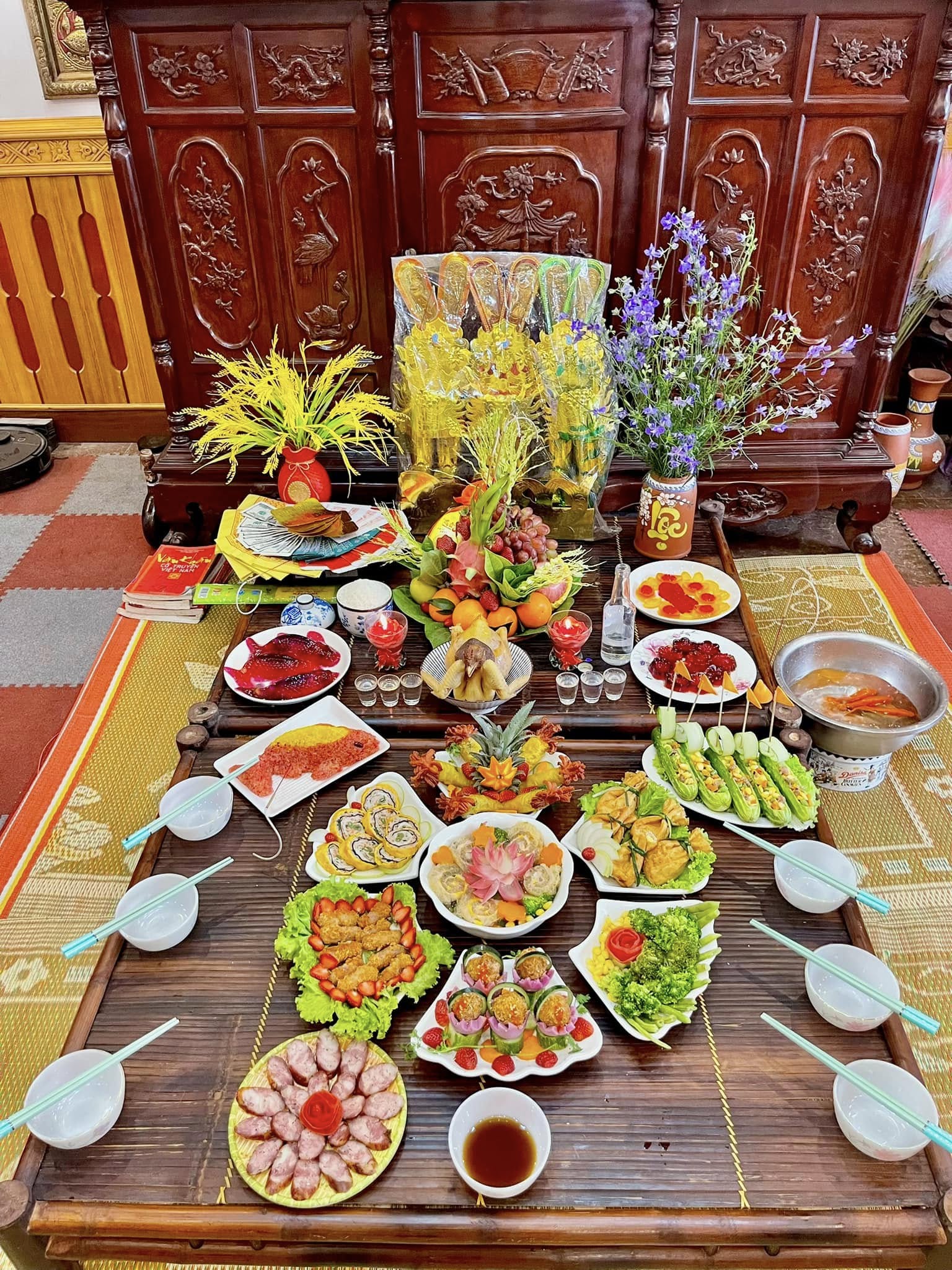
On the 23rd day of the final lunar month, many families observe Ong Cong, Ong Tao, associated with the Land Genie and Kitchen Gods. In popular belief, the Kitchen Gods return to heaven to report on the household’s year.
Offerings and symbolic preparations express respect and the wish to begin the next year well. Carp are associated with the gods’ journey in familiar versions of the tradition, although actual practice varies by region and household.
The important context is domestic life: the kitchen represents nourishment, shared meals and the affairs of the family. This is not simply an unusual ritual staged for spectators.
Visitors may see preparations or public activity, but participation should follow an invitation or a clearly organized program. There is no need to buy animals to recreate the ceremony. If observing near water, keep clear of worshippers and avoid adding packaging or other waste.
Cleaning, shopping and returning home
Preparations often involve much more than decoration. Rooms are cleaned, household items repaired, food ordered and gifts chosen. The work creates a setting in which relatives can gather and the household can welcome the year ahead.
Some families also visit and tend ancestral graves before the holiday. This connects the coming celebration with remembrance rather than separating the living family from earlier generations.
Journeys home are another part of the preparations. For someone living far from parents or grandparents, the trip itself may be the central event of the season. Transport demand reflects these commitments.
For visitors, a little patience matters. A driver, guide or shopkeeper may be balancing work with travel and family responsibilities. Confirm arrangements early rather than assuming that an ordinary working pattern continues unchanged.
The practical details vary. Not everyone makes cakes at home, buys new clothes or returns to a rural hometown. Purchased food, apartment living and family video calls can also belong to contemporary Tet.
Flowers, fruiting trees and calligraphy
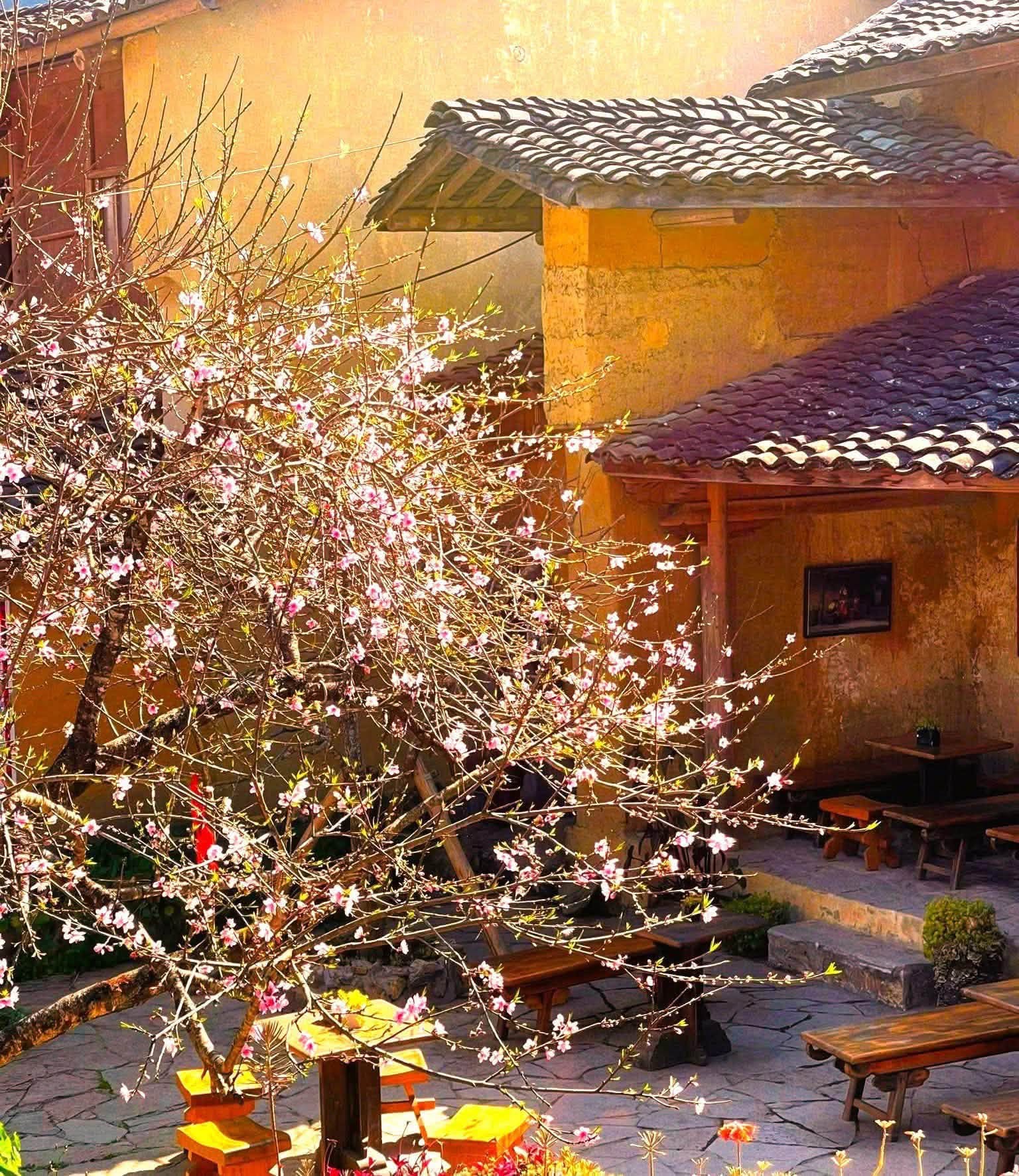
Flowers make the approach of Tet visible. Peach blossoms are especially associated with northern celebrations, while yellow mai blossoms are familiar in the south and parts of central Vietnam. Kumquat trees, chrysanthemums and other plants also appear.
These associations are not rigid borders. Families choose according to taste, climate and availability. A plant may evoke growth, abundance or a fresh beginning without carrying exactly the same meaning for every owner.
A flower market rewards an unhurried visit. Look at how plants are selected and transported, not only the most colorful display. Keep pathways clear and ask before making a seller or customer the focus of a photograph.
Calligraphy offers another way to express hopes for the coming year. Words or characters associated with peace, learning or happiness may be chosen for display. Ask what an inscription means instead of treating it only as an attractive souvenir.
For a broader introduction to the capital’s neighborhoods and cultural places, our Hanoi travel guide can help you build a visit around the time actually available.
New Year’s Eve and the First Days of Tet
A Kitchen Gods Day offering setting illustrates household observances; practices and timing vary between families. (Source: Collected)
The year-end meal and remembering ancestors
Tat nien refers to marking the close of the year. A family meal may take place on the final day or earlier, depending on work and travel. The gathering matters more than a universal menu or exact hour.
In households that practice ancestor veneration, offerings acknowledge deceased relatives as part of the family’s continuing life. An altar may hold flowers, fruit, incense and prepared food. The arrangement and ceremonies differ.
For a visitor, an altar is a meaningful household space, not an installation to rearrange for a photograph. If invited to a meal, let the host explain when to sit, eat or join any observance.
Giao thua: crossing into the new year
Giao thua is the transition between years. In 2027, that midnight connects 5 and 6 February. Some families make offerings, some gather quietly, and others combine home celebrations with public activities.
Fireworks, where officially approved, are a civic event alongside this household occasion. They are not the whole meaning of giao thua, nor are they guaranteed in every city.
An evening spent with a family and a public countdown require different arrangements. Do not assume that purchasing a tour provides access to a private ceremony or that a fireworks display occurs at a familiar location every year.
Greetings, lucky money and the first visitor
The early days bring visits and good wishes. Children may greet elders before receiving li xi: money given in envelopes as an expression of affection and hopes for the year ahead. Older people may also receive lucky money.
The amount is not the main cultural point. Visitors should ask a host or guide about appropriate participation rather than applying a fixed travel-guide tariff.
Xong dat or xong nha concerns the first person entering a home in the new year. Some families choose that visitor carefully in the hope of an auspicious beginning. Others pay little attention to the practice.
This is one reason an unannounced visit on the first day can be inappropriate even when your intentions are friendly. Wait for an invitation.
A familiar saying associates the first day with the paternal family, the second with the maternal family and the third with teachers. It expresses respect for relationships; it is not a compulsory itinerary followed by every household.
Tet Food: What the Festive Table Reveals
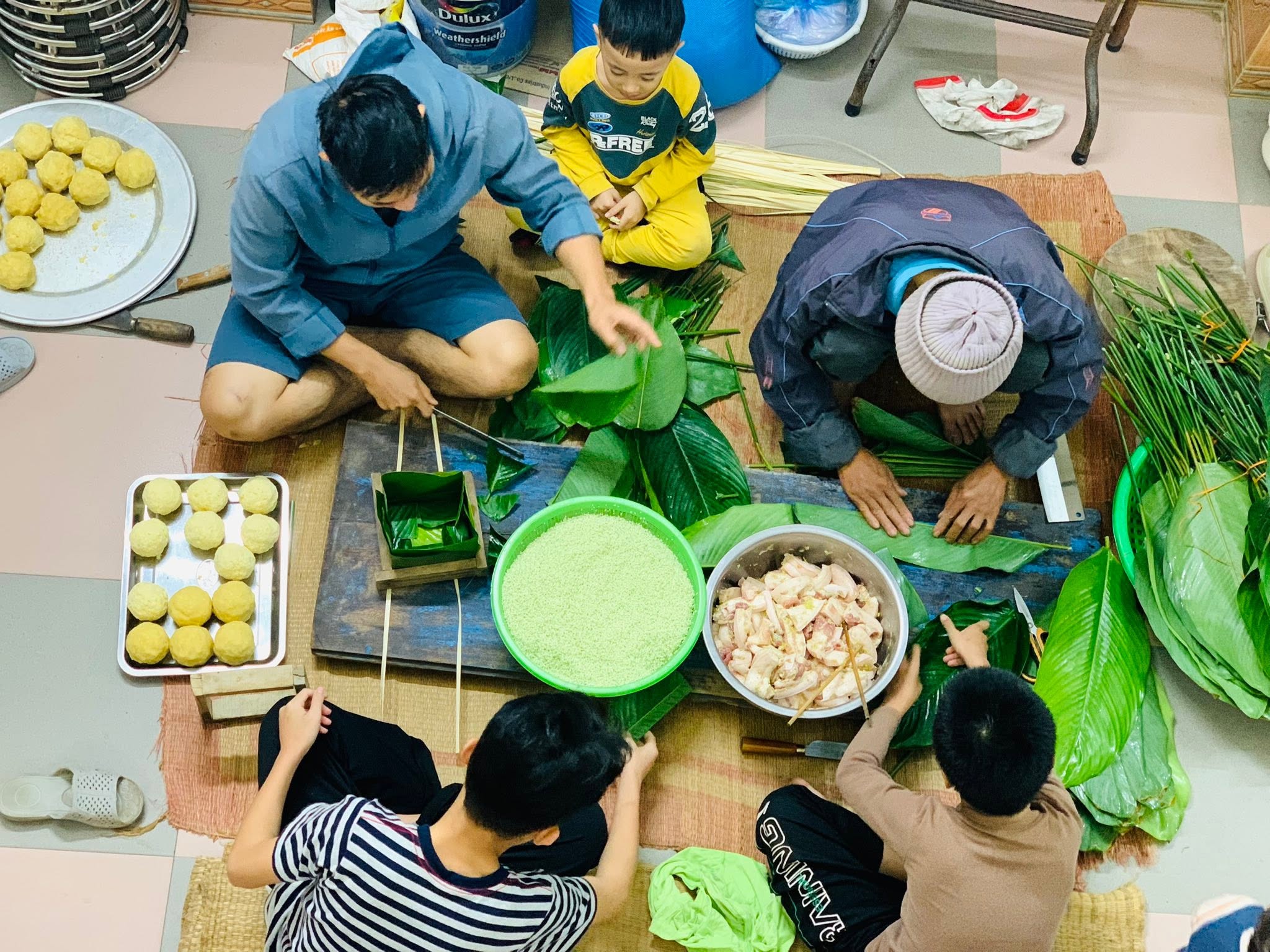
Preparing banh chung together brings ingredients, shared work and family conversation into the Tet season. (Source: Collected)
Food shows how preparation, memory and hospitality come together. The best question is often not “Which dish must everyone eat?” but “What does this family prepare, and why does it matter to them?”
Food or group
What you may encounter
Cultural context
Banh chung
Square leaf-wrapped sticky-rice cake, often with mung bean and pork
Especially associated with northern Tet tables, offerings and gifts
Banh tet
Cylindrical sticky-rice cake with regional fillings
Prominent in many central and southern celebrations
Savory dishes
Boiled chicken, gio cha, braised pork and other household favorites
A festive meal shaped by locality and family preference
Pickled accompaniments
Dua hanh, cu kieu or dua mon
Contrasting flavors alongside richer foods
Hospitality foods
Mut, seeds, nuts and tea
Something to offer while exchanging greetings
Making leaf-wrapped rice cakes can be collective work: preparing ingredients, wrapping, tying and cooking. Where families still make them together, the process provides time for conversation as well as food.
Buying cakes from a trusted maker is also an established part of modern preparation. A purchased cake is not evidence of a less meaningful celebration.
Meals vary considerably. Northern tables may include pickled onions and gio cha; central households have their own preparations, including dua mon; southern celebrations often feature dishes such as braised pork and eggs. These are examples, not mandatory regional menus.
An ancestor offering and a meal served to guests can be connected, but visitors should follow the household’s timing. Ask about ingredients if you have dietary requirements: a vegetable-looking dish may contain animal-based seasoning.
If you join a cake-making activity, check what it involves. A wrapping workshop may use cakes prepared earlier for tasting because the cooking takes much longer than the visitor session.
Our Vietnam food guide provides a wider introduction to dishes along your route. Tet adds a seasonal layer, but it should not be reduced to a checklist of foods to collect.
How Tet Differs Across Vietnam
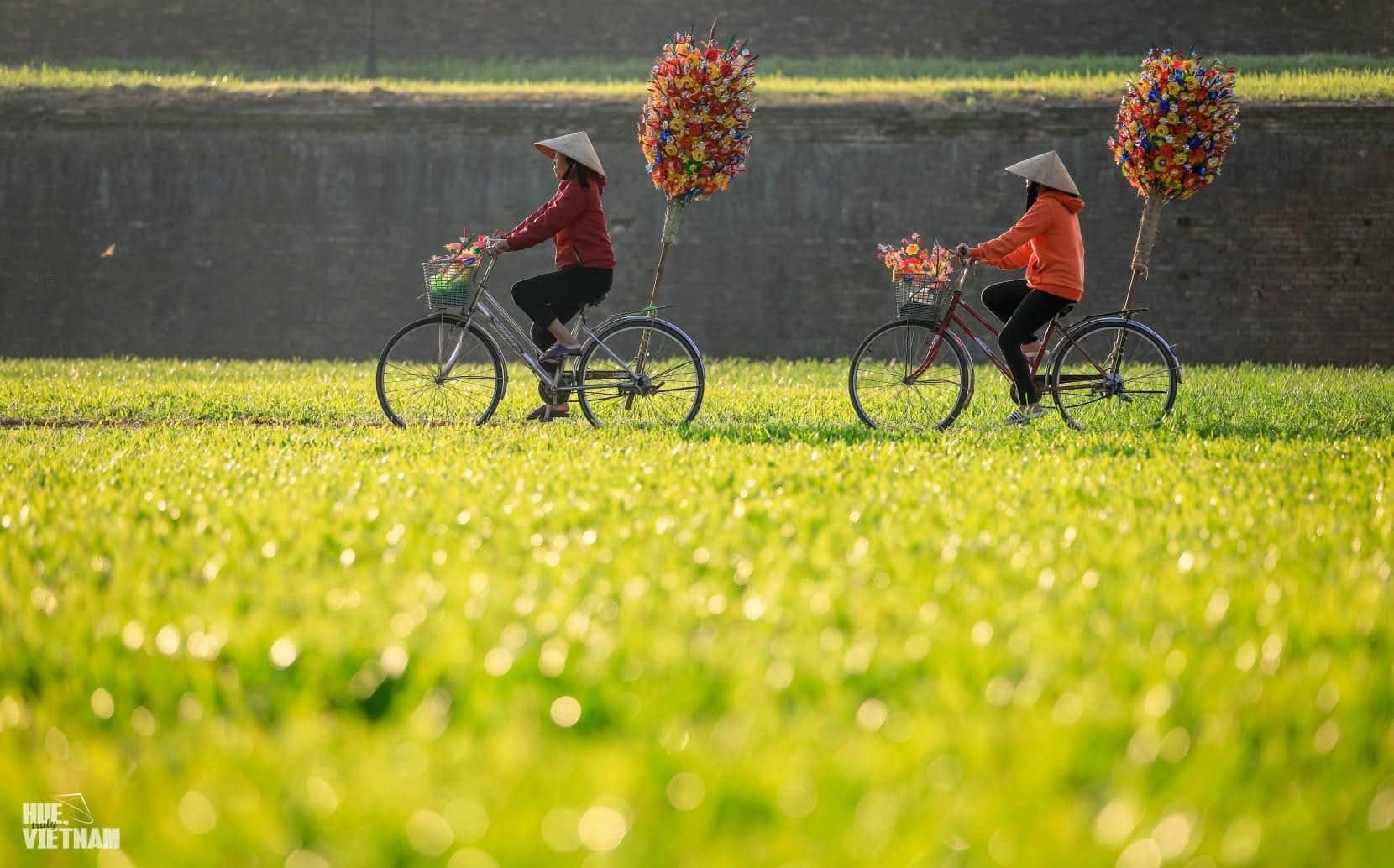
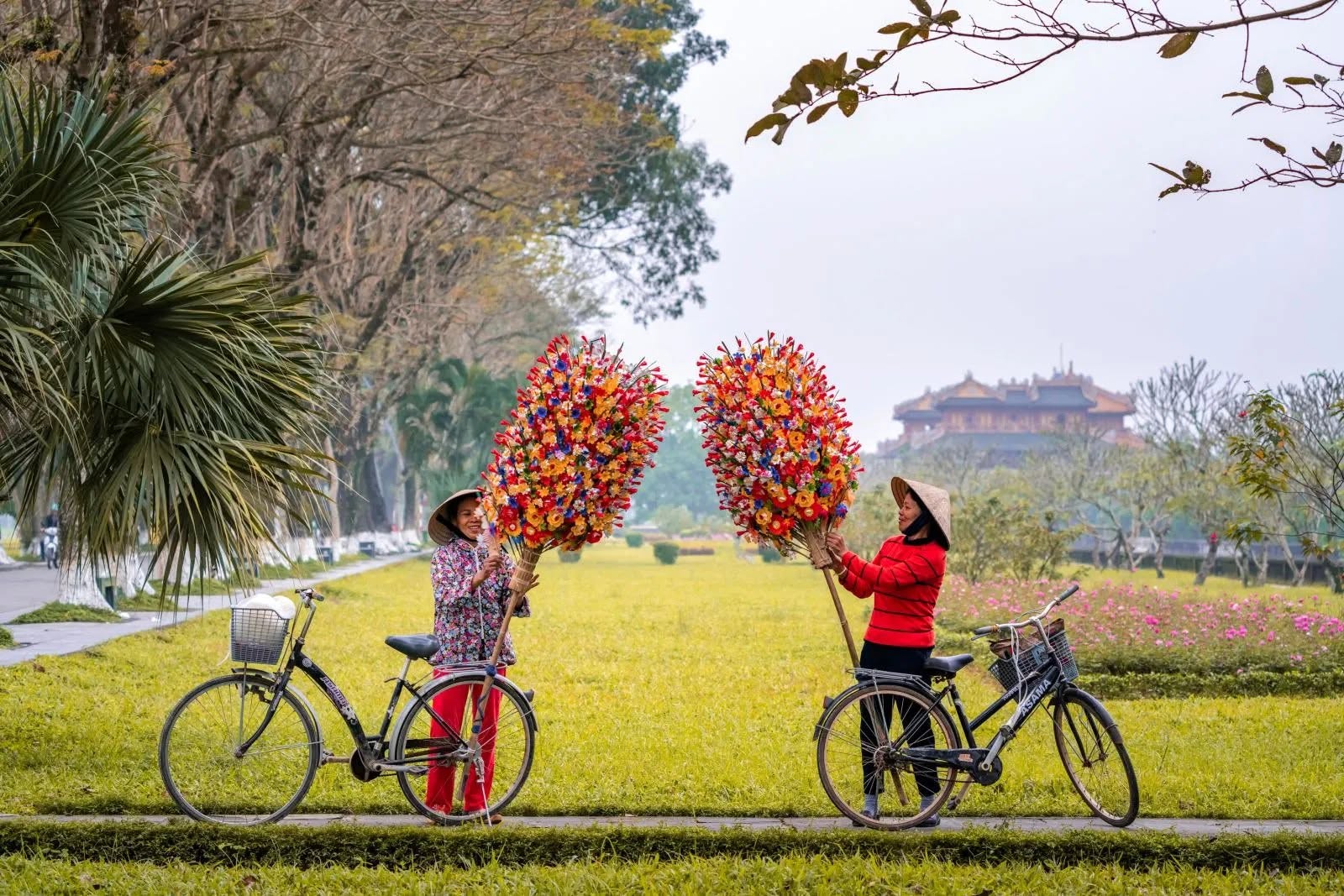
Paper flowers near Hue illustrate one regional craft associated with seasonal decoration. (Source: Collected)
Regional descriptions offer a starting point rather than a complete map of Vietnamese life.
In the north, winter weather can shape the celebration: warm clothing, peach branches and indoor gatherings may be part of the scene. In the south, yellow blossoms and warmer conditions give many public spaces a different appearance.
Central Vietnam contains many local traditions rather than one uniform version of Tet. Hue, for example, offers a setting in which family practice and heritage can be explored together, provided visits are arranged appropriately. Our Hue travel guide helps place those interests within a wider stay.
Urban and rural experiences also differ. A city neighborhood may become quieter as residents travel, while a hometown becomes busier with returning relatives. At the same time, city attractions and holiday destinations may draw large crowds.
Vietnam’s ethnic communities have diverse calendars and practices. This guide focuses on widely encountered Tet customs and does not represent every community’s new-year traditions.
The useful habit is to ask locally: “How does your family celebrate?” is a better opening than assuming your host follows every custom you have read about.
After the First Days: When Does Tet End?
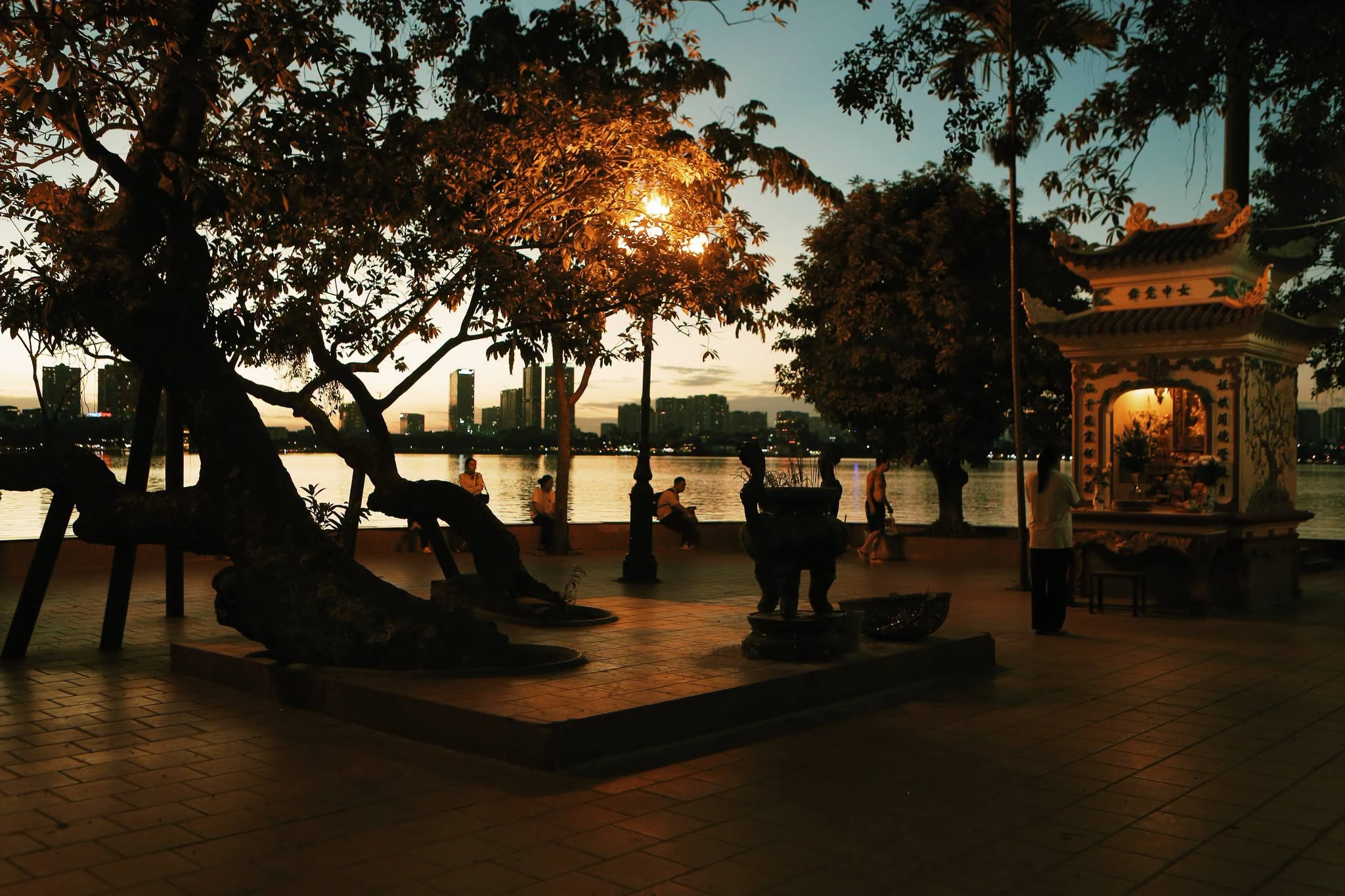
Phu Tay Ho is a religious setting in Hanoi; confirm access and follow local guidance for any early-year visit. (Source: Collected)
There is no single answer because family rituals, office schedules and the festival season end at different times.
Some households hold a farewell observance for ancestors after the initial celebrations, with the date chosen according to their practice. Khai Ha, associated in some traditions with taking down the cay neu ceremonial pole, provides another early-year milestone. It should not be assumed that every home erects such a pole.
The first full moon, Ram thang Gieng or Tet Nguyen Tieu, falls on 20 February 2027. It is a distinct occasion within the opening lunar month, marked through offerings, temple visits or community celebrations in different settings.
Chinese-Vietnamese communities have particularly visible Nguyen Tieu traditions in some places. Their public programs require local confirmation; a previous year’s parade is not proof of a 2027 event.
For travelers, this means returning after the core holiday may still allow seasonal cultural experiences. It does not mean Tet continues as one continuous national festival with the same activities every day.
How Visitors Can Experience Tet Respectfully
A paper-flower setting near Hue illustrates a regional cultural encounter; it does not confirm a 2027 visitor programme. (Source: Collected)
Choose experiences that are public, explicitly offered to visitors or arranged with willing hosts.
Experience
What it can help you understand
What to check
A pre-Tet flower market
Household preparation and seasonal trade
Operating dates, location and photography etiquette
A cake-making workshop
Ingredients, wrapping and shared preparation
Actual participation, duration and food arrangements
Calligraphy or cultural programs
New Year wishes and artistic practice
Confirmed 2027 schedule, admission and hours
A meal with invited hosts
Hospitality and personal family traditions
Consent, timing and dietary needs
A temple or pagoda visit
Early-year religious and community life
Access, clothing and rules for photography
A public flower display or performance
Shared festive space
Official dates and crowd-management arrangements
Let public activity lead the itinerary
In Hanoi, flower markets and organized cultural activities can provide useful context. In Ho Chi Minh City, seasonal public displays may offer another way to see the holiday, once their dates are announced.
Use our Ho Chi Minh City travel guide to plan the surrounding stay. In central Vietnam, the Hoi An travel guide helps you balance the town with other experiences rather than depending on a single holiday event.
As of this update, this article does not confirm specific 2027 schedules for Nguyen Hue Flower Street, the Van Mieu spring calligraphy program, fireworks or individual museum celebrations. Verify each before building a day around it.
Treat a home visit as an invitation
A family celebration is not automatically available because a guide knows a village or a tour passes a neighborhood. A genuine invitation includes agreement about the visit, its timing and what hosts are comfortable sharing.
Ask whether photography is welcome. Give people room to decline, especially during an offering or when children are involved. Do not expect hosts to repeat a ceremony for your camera.
A well-organized cultural activity can still be valuable without being a private family ritual. Understanding that distinction leads to more honest expectations and a more comfortable encounter.
Tet Etiquette: Greetings, Gifts and Visiting a Home
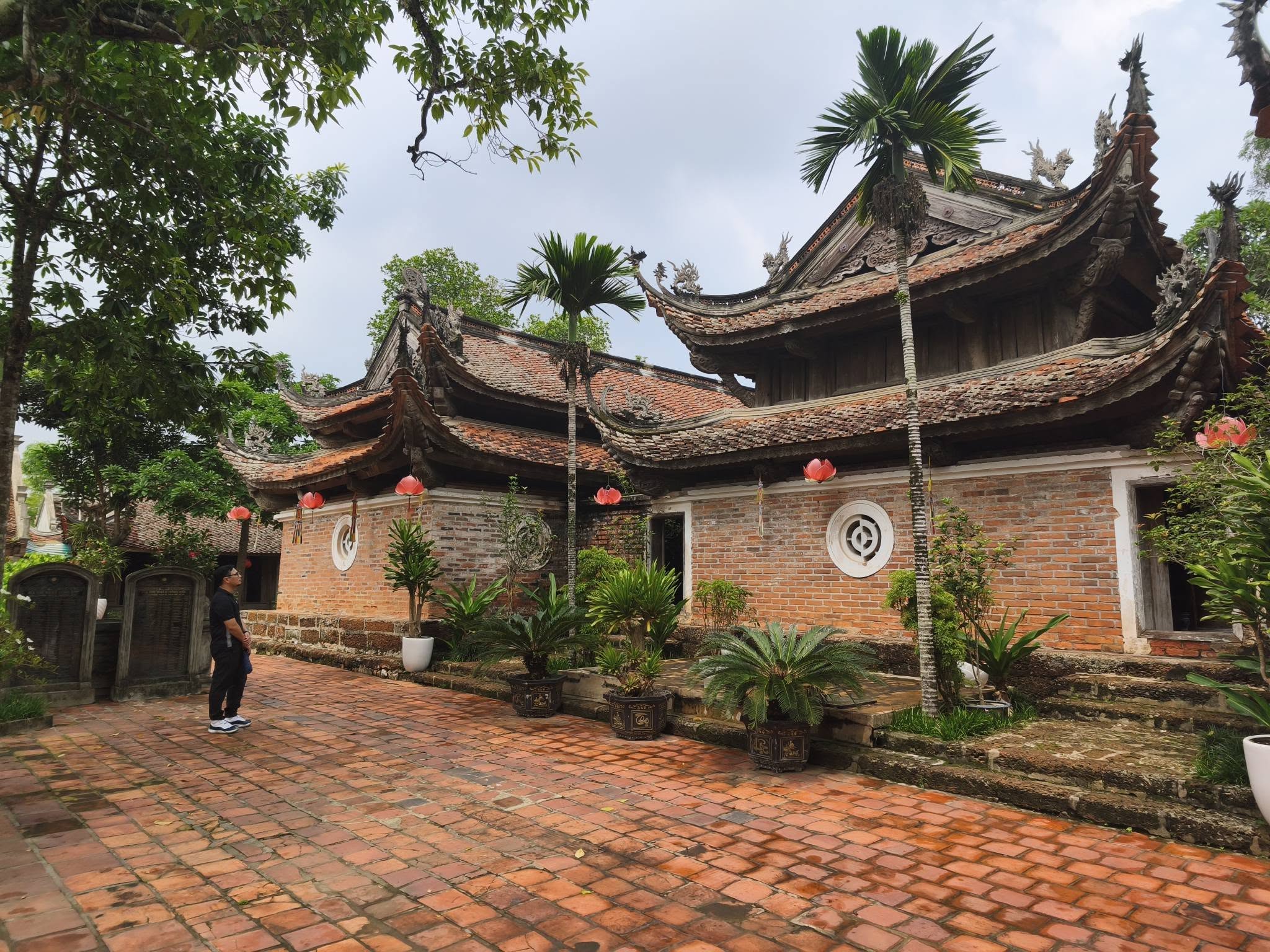
At Tay Phuong Pagoda and other religious sites, dress respectfully and follow the rules of the place. (Source: Collected)
A few thoughtful choices matter more than memorizing a long list of taboos.
Chuc mung nam moi means “Happy New Year.” Suc khoe, binh an expresses wishes for health and peace. Saying a short greeting warmly is enough; ask someone to help with pronunciation if you would like to use it.
When invited to a home, check the timing and ask whether a small gift would be appropriate. Follow the host’s lead about shoes, seating and greeting older relatives. Do not arrive unexpectedly on the first day, particularly when first-footing matters to the household.
If offering lucky money, discuss it discreetly with your host or guide. You do not need to hand money to every child you meet. An envelope presented with a good wish can carry more meaning than a conspicuous amount.
Ask before photographing an altar or joining a ritual. Visitors are not obliged to make offerings, burn incense or drink alcohol. A polite explanation is preferable to uncomfortable participation.
Some families avoid arguments, debt discussions or sweeping at particular times because these are associated with an unfavorable beginning. Others interpret such customs loosely. Describe them as beliefs and household preferences, not universal rules.
There is likewise no simple national list of forbidden clothing colors for every visitor. Dress suitably for the place, especially religious sites, and pay attention to your hosts.
Traveling During Tet: What Changes in Practice?
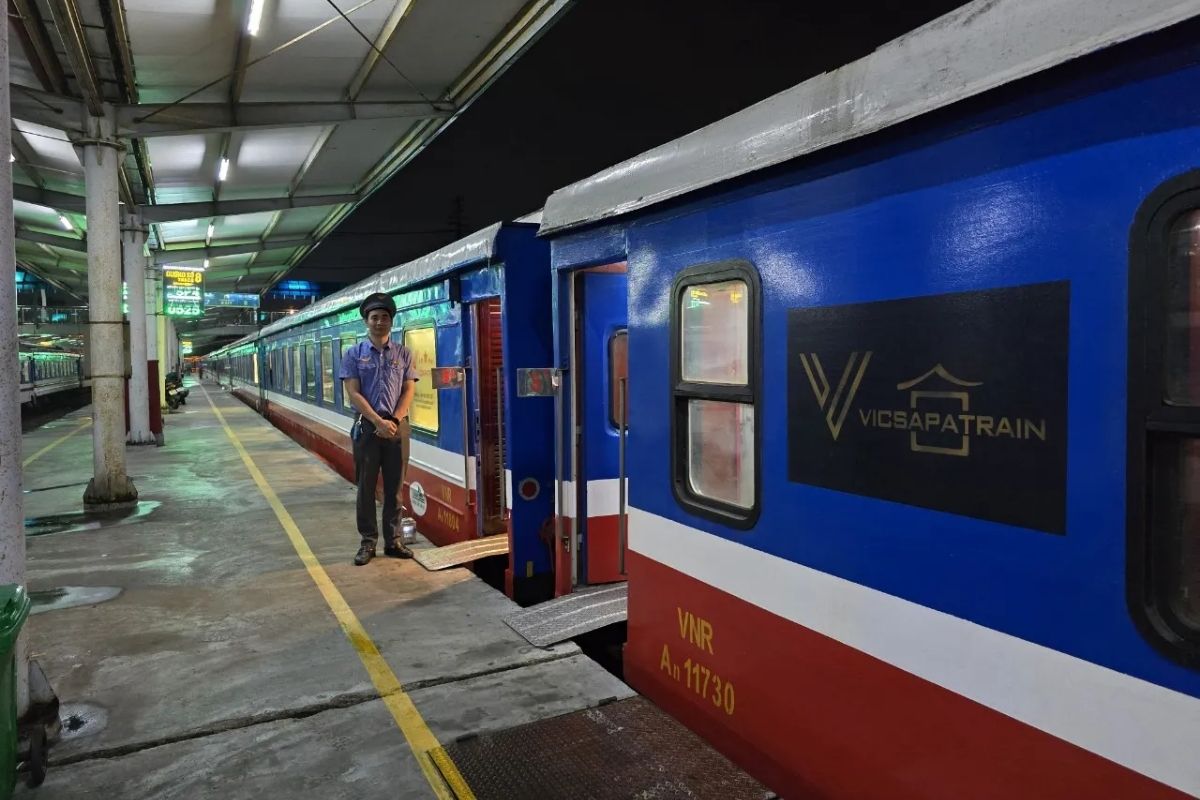
Important train journeys deserve advance planning; confirm your route, date and ticket conditions for Tet. (Source: Collected)
Tet can be a rewarding time to visit if your expectations and arrangements fit the occasion. The main mistake is assuming that ordinary opening hours, transport availability and staffing will apply.
Service
What can change
Useful preparation
Flights, trains and intercity buses
Availability and demand around family travel
Book important sectors and check amendment conditions
Hotels and resorts
Staffing, activities and festive dining arrangements
Confirm facilities, meals and supplements
Independent restaurants
Closing dates and reopening schedules
Identify confirmed dining options
Museums and monuments
Holiday hours or special access arrangements
Check each attraction for the exact date
Guides, drivers and private tours
Availability and holiday charges
Obtain a written service confirmation
Banks and payments
Branch hours and access to assistance
Carry suitable payment alternatives
Administrative services
Processing schedules
Complete time-sensitive arrangements in advance
Secure the essential journeys
Confirm major transport before filling your days with activities. Demand is not identical on every route or date, but a holiday centered on nationwide family travel deserves advance planning.
Allow time at stations and airports and avoid unnecessary tight connections. A transfer should specify the meeting point, vehicle and contact details, not just “pickup included.”
Know where you will eat
A neighborhood with many food shops on an ordinary day may have fewer choices during the first days of Tet. Ask your accommodation which options are confirmed, including opening hours.
Do not assume the presence of a hotel restaurant guarantees every meal or menu is available. Families and travelers with dietary needs benefit from discussing this before arrival.
Check the complete holiday price
Tour and accommodation quotations should state any supplements, compulsory dinners, minimum stays and cancellation terms. There is no universal Tet surcharge that applies to every supplier.
A headline room rate may exclude a festive meal. A private tour estimate may need separate confirmation for guide and driver availability.
Keep essential arrangements manageable
Prepare more than one suitable means of payment and avoid leaving important administrative tasks until holiday closures begin. Check official entry arrangements before travel rather than relying on the possibility of resolving an issue after arrival.
A quieter street does not make road conditions predictable everywhere. Public celebrations, temple visits and holiday traffic can create congestion elsewhere. Review the actual route and date.
Should You Visit Before, During or After Tet?
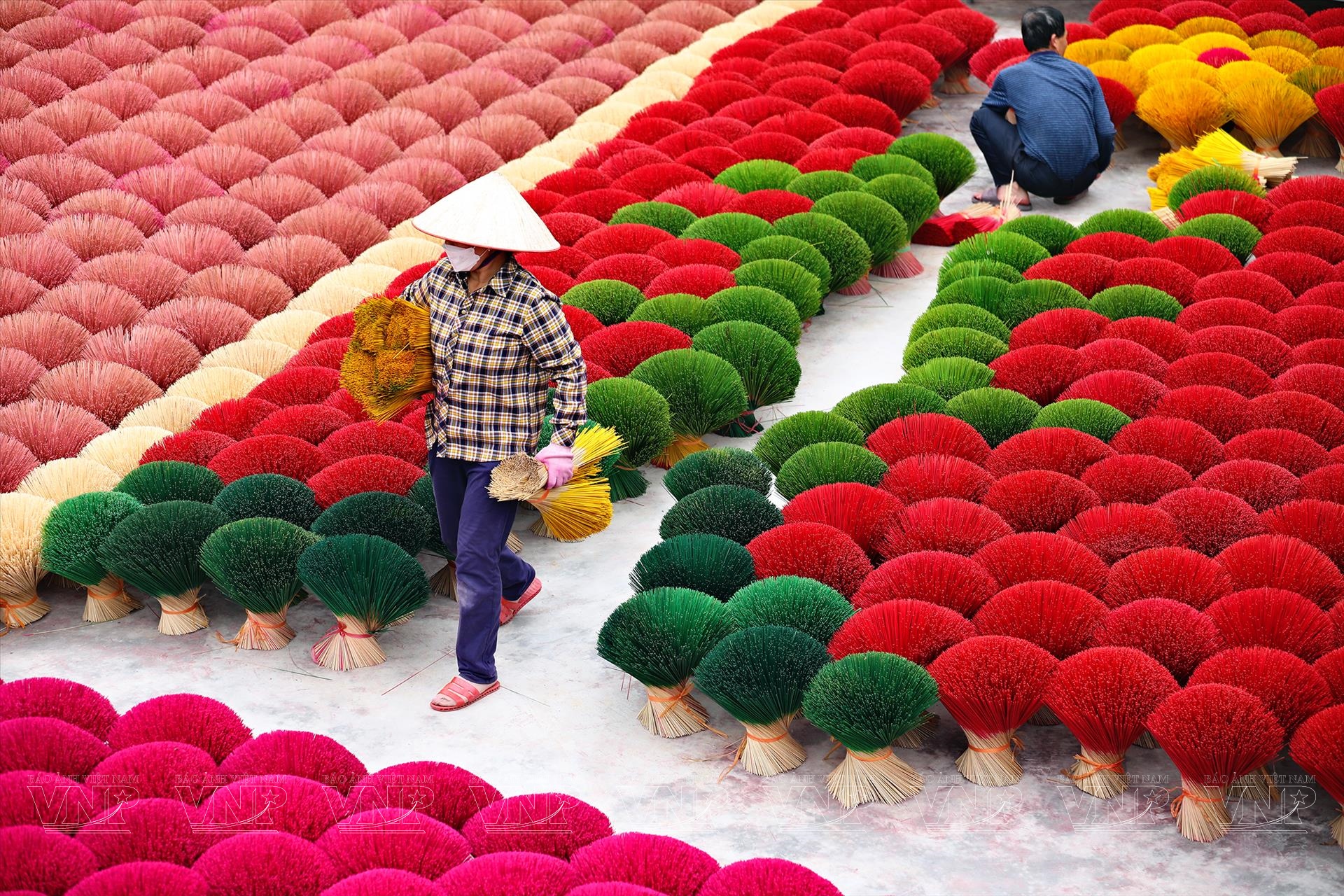
Incense preparation at Quang Phu Cau illustrates a craft connected with Vietnam’s ritual life; it is not a private family ceremony. (Source: Collected)
Timing
Good reasons to choose it
What you trade off
Before Tet
Markets, shopping, flowers and visible preparations
Busy travel periods and changing supplier schedules
New Year’s Eve and the first three days
A distinctive shift in daily rhythm and selected celebrations
More need to prearrange meals and activities
After the first days
A gradual return of services and some early-year observances
Reopening is uneven; individual festivals need verification
If observing preparation is your main interest, arrive before the holiday rather than expecting all the action to begin on New Year’s Day.
If you stay through the first days, choose a comfortable base and accept a lighter sightseeing program. A scheduled activity and a good meal can be enough for a rewarding day.
Traveling later may suit visitors who prefer more everyday services, but it does not guarantee that every business has reopened.
The best choice depends on what you value. Tet need not be avoided, and it need not be the right period for every trip.
Frequently Asked Questions
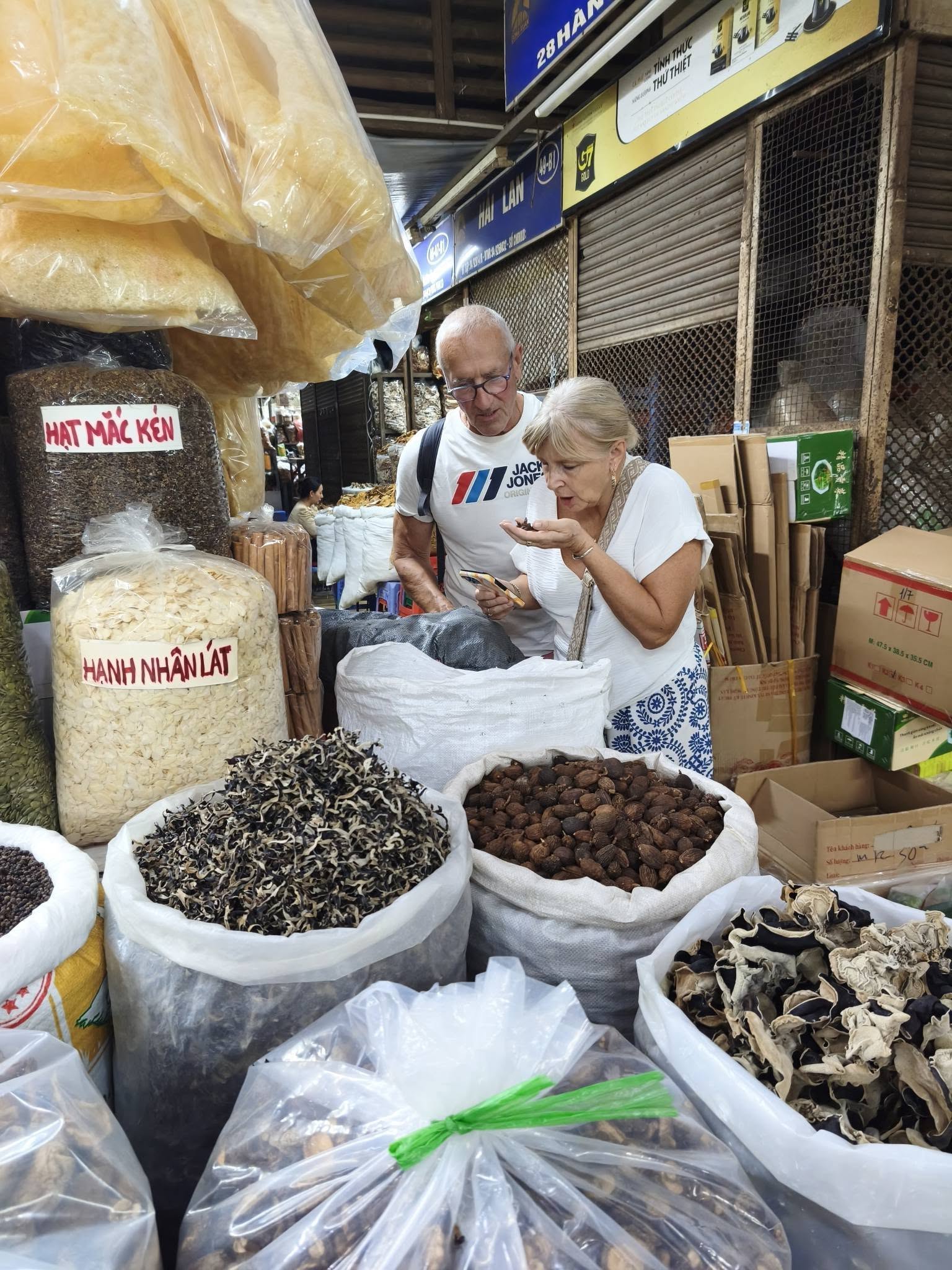
A market visit can provide everyday cultural context; confirm the operating hours for your holiday dates. (Source: Collected)
When is Vietnamese Lunar New Year in 2027?
New Year’s Day is Saturday, 6 February 2027. New Year’s Eve is Friday, 5 February, the final day of the old lunar year.
How long does Tet last?
The announced public-sector break is 4–10 February, but preparations begin earlier and some cultural observances continue afterward. Individual families and businesses follow different schedules.
Is everything closed during Tet?
No. Many visitor services operate, but particular restaurants, shops, attractions and offices may close or change hours. Confirm each important arrangement.
Can tourists join a Vietnamese family celebration?
Yes, when hosts genuinely invite them or consent to an arranged visit. Buying a tour does not automatically provide access to a private celebration.
What should I bring if invited to a home?
Ask your host or guide about a suitable small gift and any lucky-money customs. Avoid assuming there is one required gift or amount for all households.
Is Tet the same as Chinese New Year?
They belong to related lunisolar new-year traditions and can share dates, but Tet has Vietnamese names, foods and customs. Use the local name and recognize differences rather than treating all celebrations as interchangeable.
Plan a Vietnam Journey Around Tet
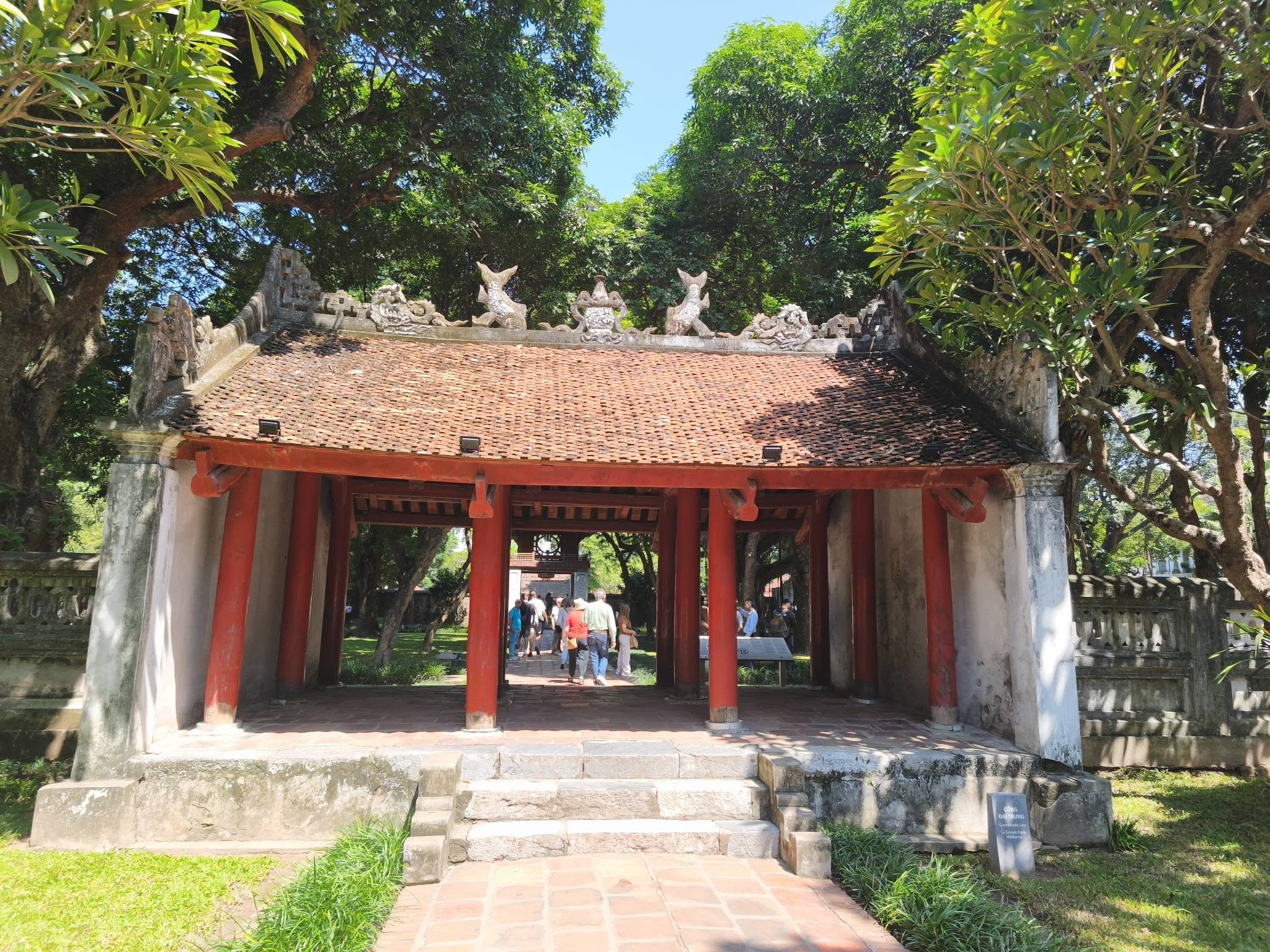
Hanoi’s Temple of Literature can form part of a cultural stay; any Tet programme needs separate confirmation. (Source: Collected)
Begin with the experience you want: pre-holiday markets, a quieter first morning, cultural programs or a comfortable stay with a few carefully chosen outings.
Then confirm the arrangements that make it possible. Thoughtful timing and respect for family life will add more to the trip than trying to witness every custom.
Contact us to plan your Vietnam journey around Tet. Share your dates, destinations and interests. We can help check holiday services and identify suitable cultural experiences, with availability confirmed for your stay.
Our Vietnam travel company can help you shape a Tet visit around your interests and confirmed holiday services.
Sources and References
Information reviewed on 27 November 2026. Historical cultural articles support explanations of traditions; their old event dates are not used as 2027 schedules.
VOV: Tet 2027 Gregorian dates — New Year’s Day, the 29-day final lunar month and core holiday dates. Other table dates are calendar offsets from these verified dates.