Banh mi may be the first food you hear about in Hoi An, but leave room for cao lầu, fragrant chicken rice and delicate white rose dumplings. A few days give you time to discover how different these meals can be, from chewy noodles to crisp pancakes wrapped with herbs. This Hoi An food guide helps you choose local dishes, understand what you are ordering and spread your meals comfortably across your visit.
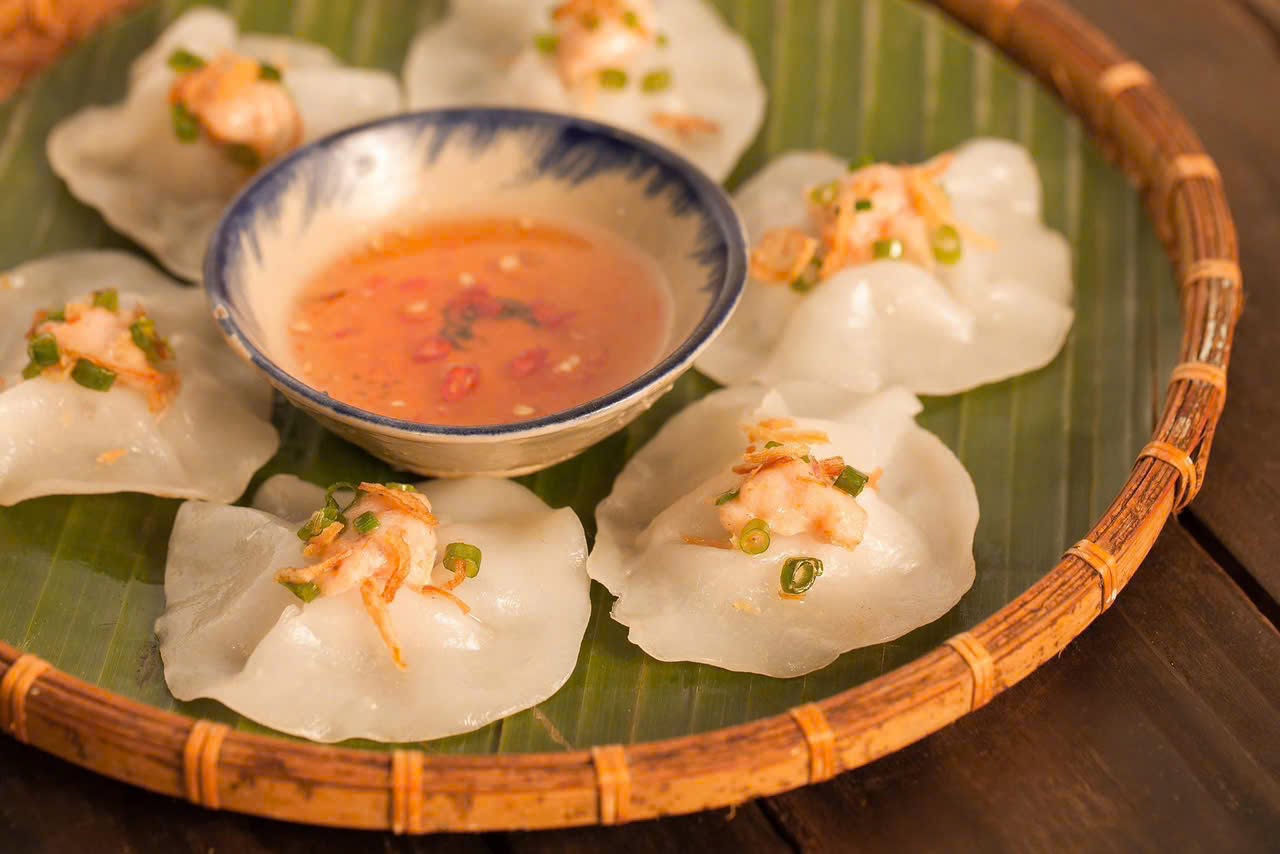
Featured image: Hoi An white rose dumplings are arranged on a leaf-lined tray around a bowl of dipping sauce. (Source: Collected)
Start with Hoi An’s Local Specialities
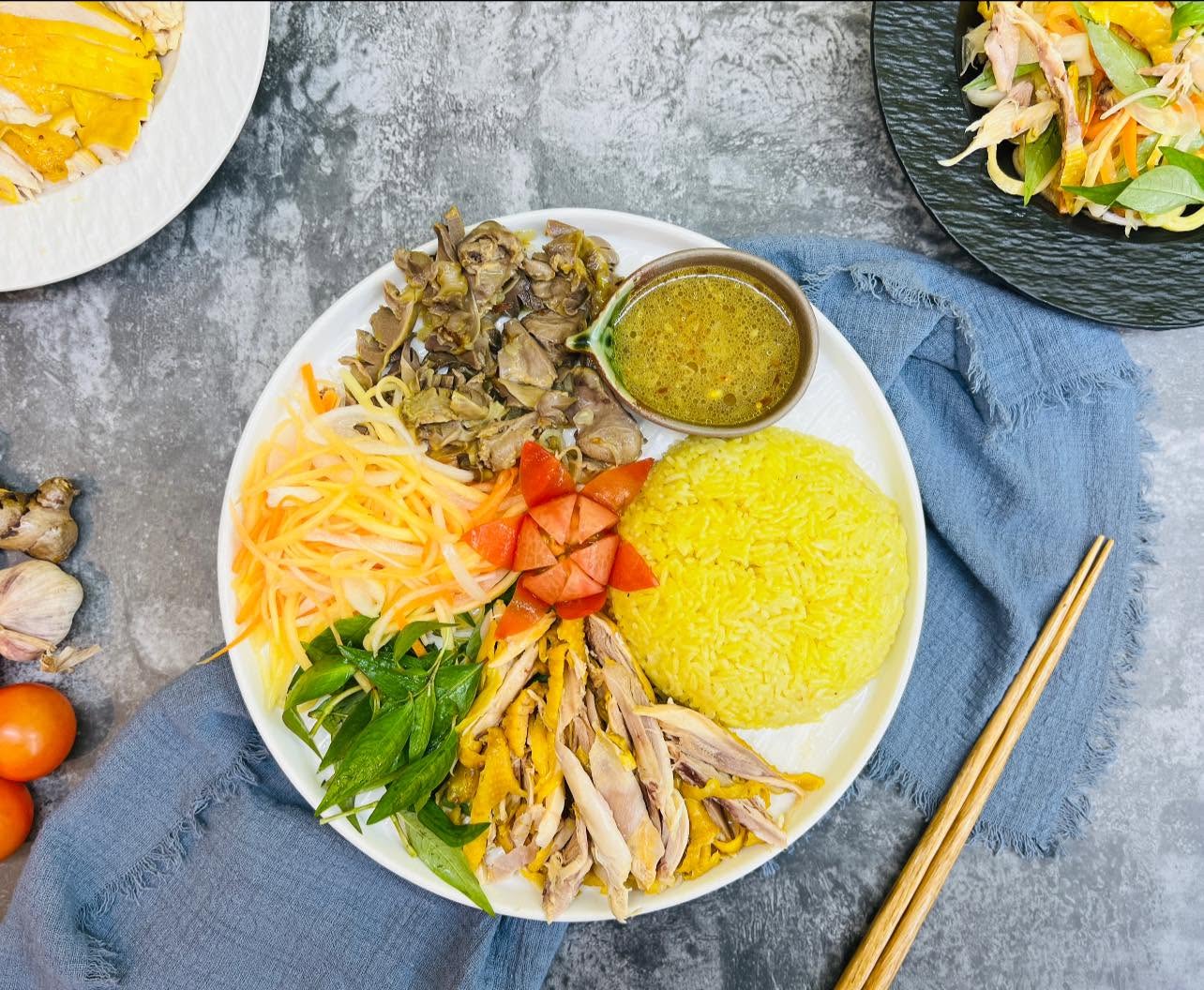
Hoi An chicken rice brings together golden rice, chicken, fresh herbs and broth served alongside. (Source: Collected)
Hoi An’s history as a trading port helps explain the variety on its menus. Chinese and other influences sit alongside cooking traditions from the surrounding region. Some dishes are closely associated with the town; others, such as mì Quảng, belong to a wider central Vietnamese food culture.
You do not need to understand every origin story to enjoy lunch. Start with three meals: cao lầu, cơm gà and a plate of bánh bao or bánh vạc. Add mì Quảng on another morning and something crisp or sweet between meals. That gives you a useful introduction without making every outing a food marathon.
Look beyond the main ingredient too. Notice whether noodles are firm or soft, how much liquid sits in the bowl and what happens when herbs or a crisp topping join the next mouthful. These small differences make comparing dishes rewarding.
What to Eat Beyond Banh Mi
Cao lầu: make time for the noodles
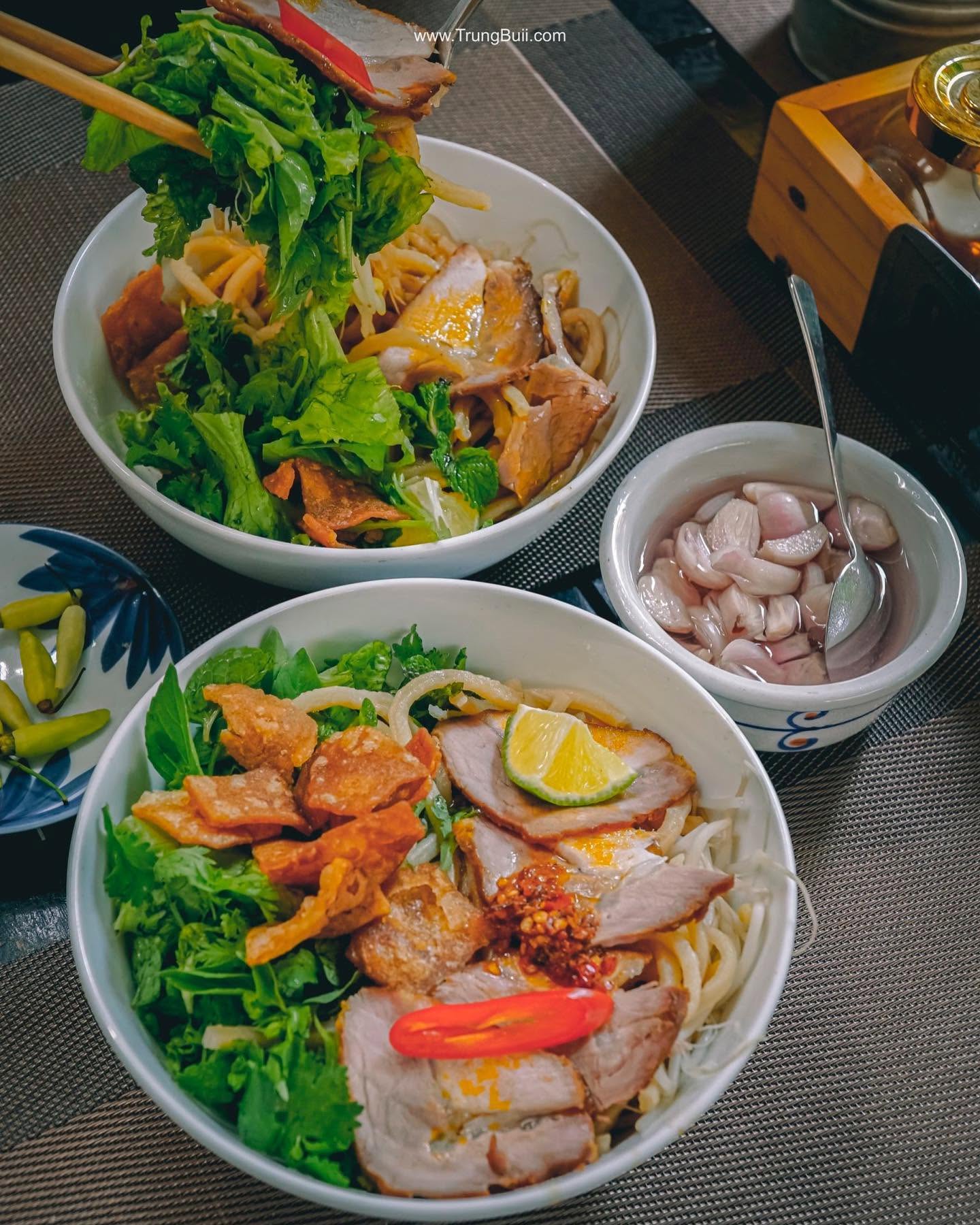
Cao lau combines substantial noodles with sliced pork, leafy greens and crisp toppings. (Source: Collected)
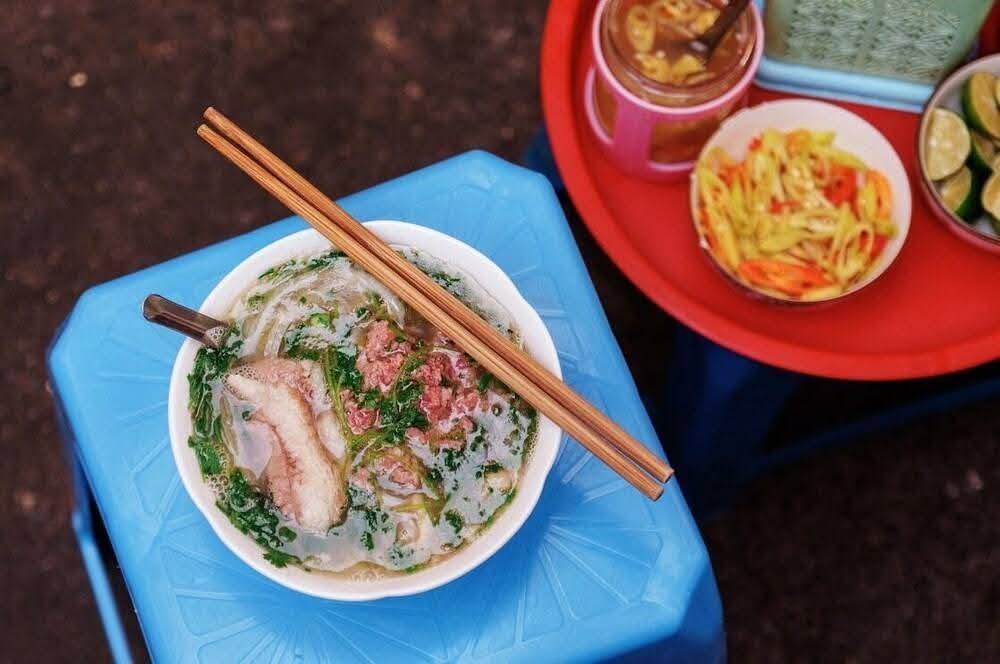
With its substantial noodles, pork, greens and crisp toppings, cao lầu is a good choice for your first lunch. There is usually only a little liquid at the bottom of the bowl. Mix gently so the noodles pick up the seasoning, then try a mouthful with the different accompaniments.
The noodles are the reason to pay attention. Stories connect their traditional preparation with local water and ash, but individual methods deserve more care than a single origin legend can provide. Enjoy the texture without expecting every kitchen to follow an identical recipe.
Cơm gà: chicken rice with its own character
Hoi An chicken rice combines seasoned rice with chicken and fresh accompaniments. Shredded chicken, herbs and a tangy salad are common, with broth served alongside in some versions. The rice matters as much as the meat: it takes flavour from the cooking liquid rather than simply providing a plain base.
Make this a separate meal from cao lầu. If you are travelling with someone, ordering different dishes and sharing where practical can help you compare flavours without committing to two large meals in succession. Ask about available portions first.
Bánh bao and bánh vạc: look closely at the dumplings
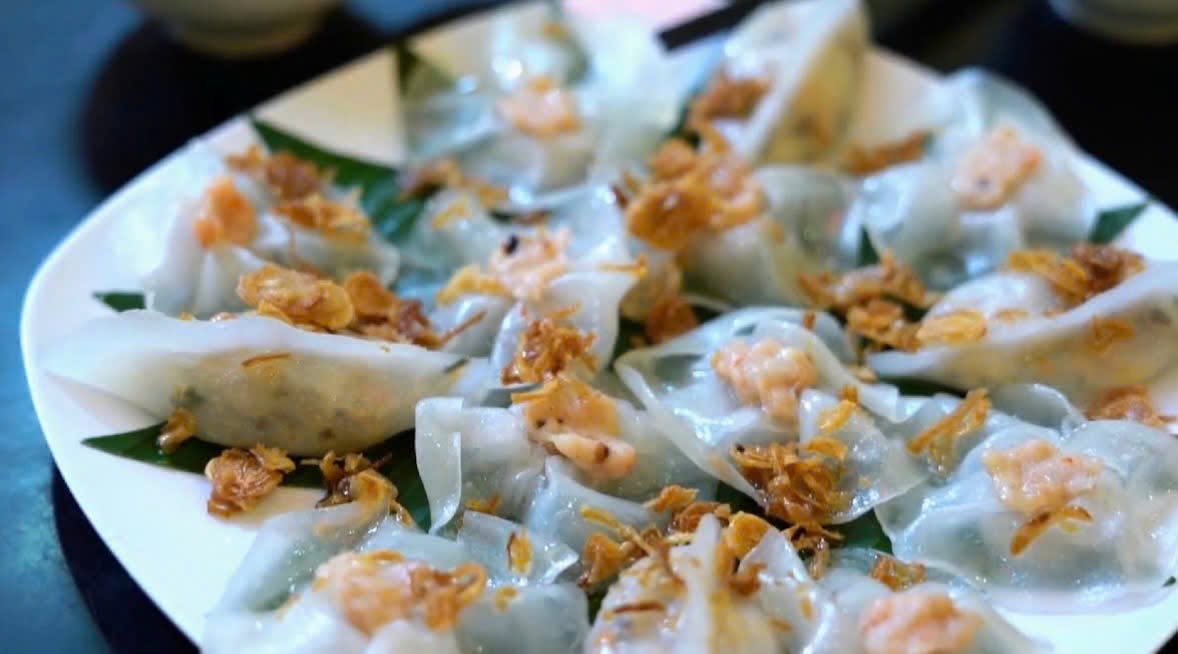
Delicate white rose dumplings are topped with crisp shallots and served together on a plate. (Source: Collected)
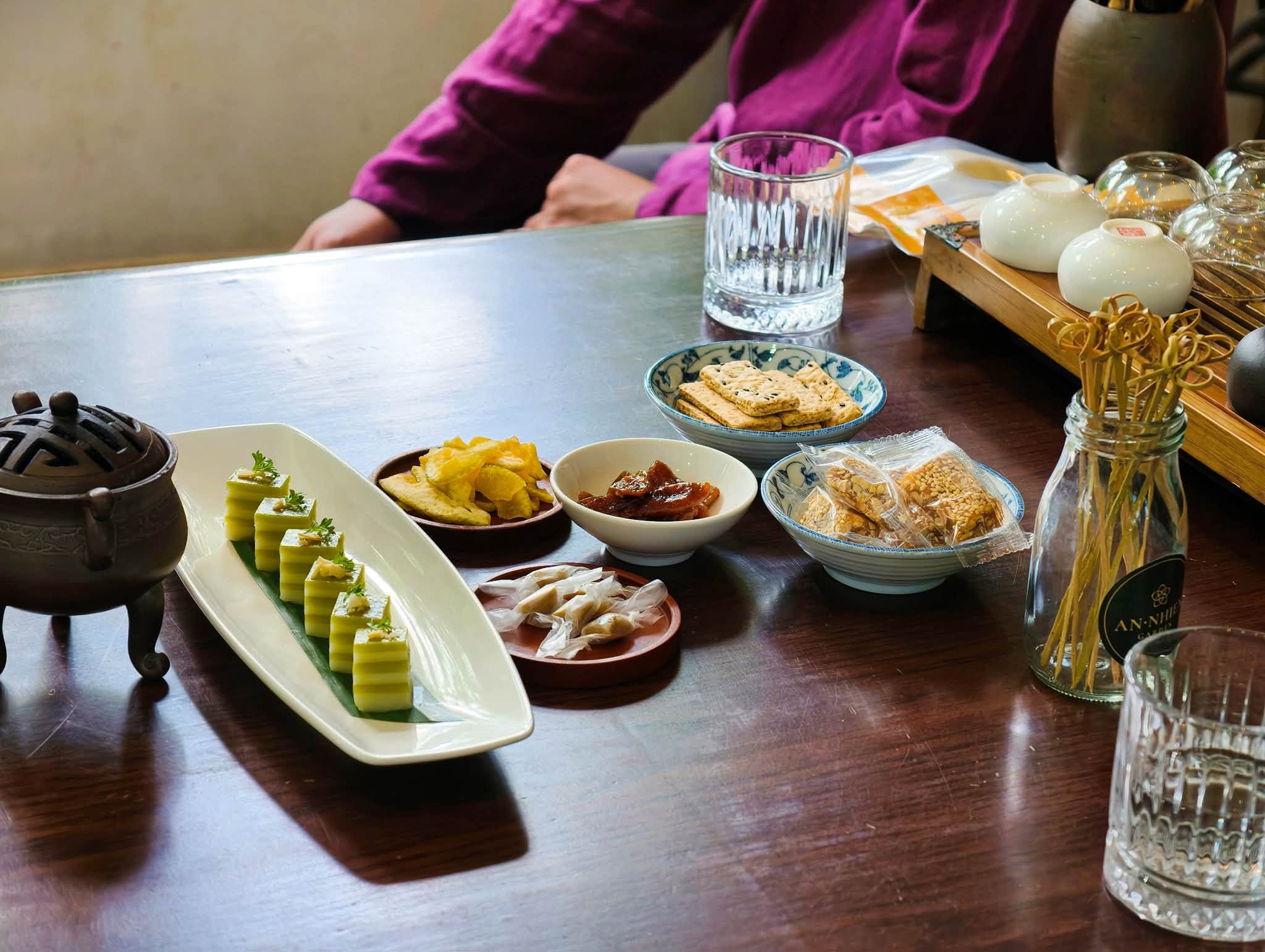
Often grouped under “white rose dumplings” on English menus, these small steamed specialities are very different from the large fluffy buns you may associate with bánh bao elsewhere. Expect delicate wrappers, savoury fillings and accompaniments such as crisp shallots and dipping sauce.
Check what the plate includes: the names may be combined even when the dumplings differ. Fillings can contain shrimp or pork, so their pale appearance says little about whether they suit a vegetarian meal. A shared plate can work well as a light stop between larger meals.
Mì Quảng: a different kind of noodle bowl
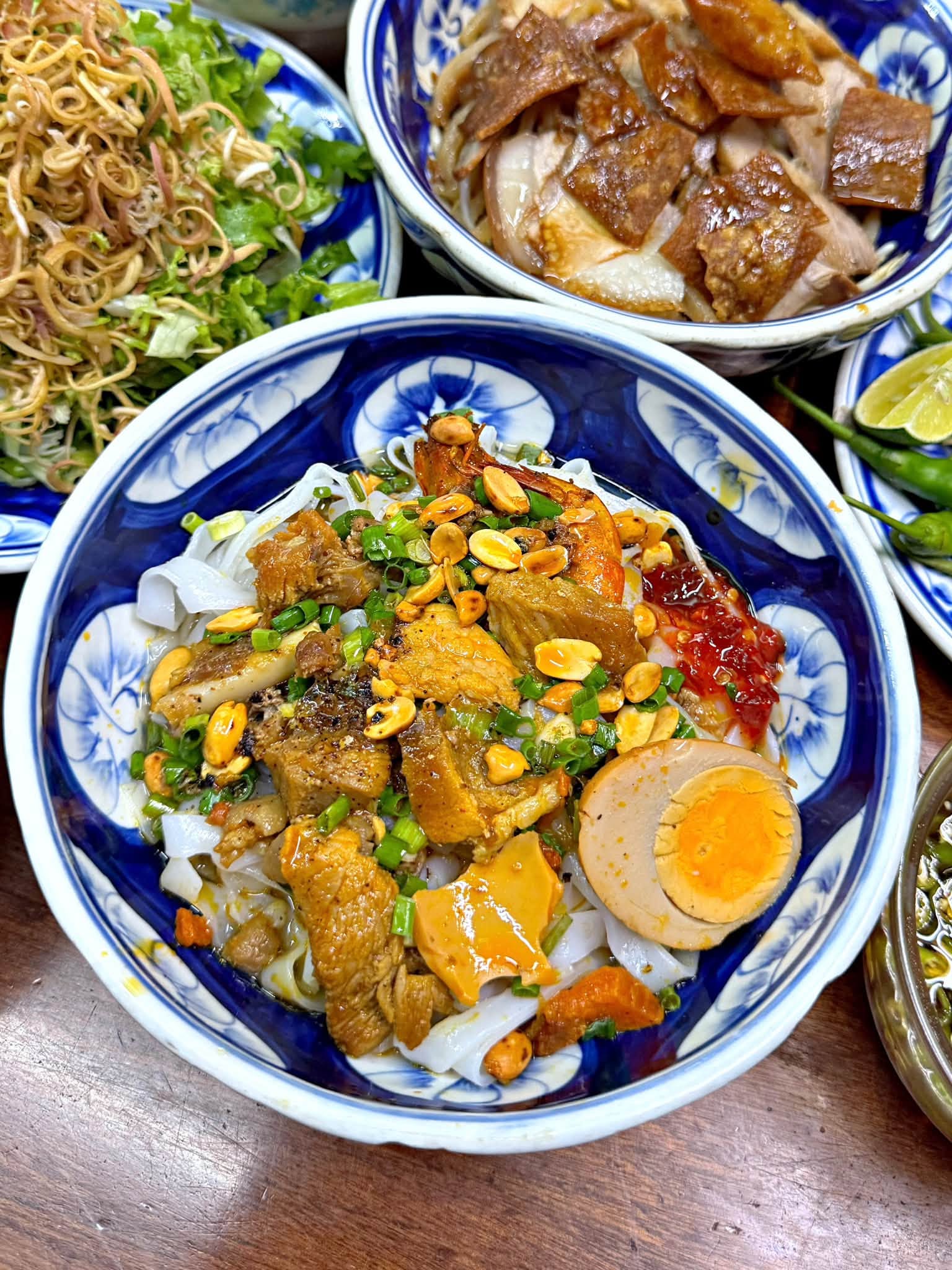
Mì Quảng combines flat noodles with a small amount of seasoned broth and a choice of toppings. Depending on the kitchen, these might include chicken, pork, shrimp or eggs. Herbs, peanuts and rice crackers often add contrast.
It is worth trying even if you have already eaten cao lầu. Choose it for a different breakfast or lunch, rather than treating the two names as interchangeable. Ask which version the shop serves before sitting down if you have a particular topping in mind.
Bánh xèo: part of the pleasure is assembling it
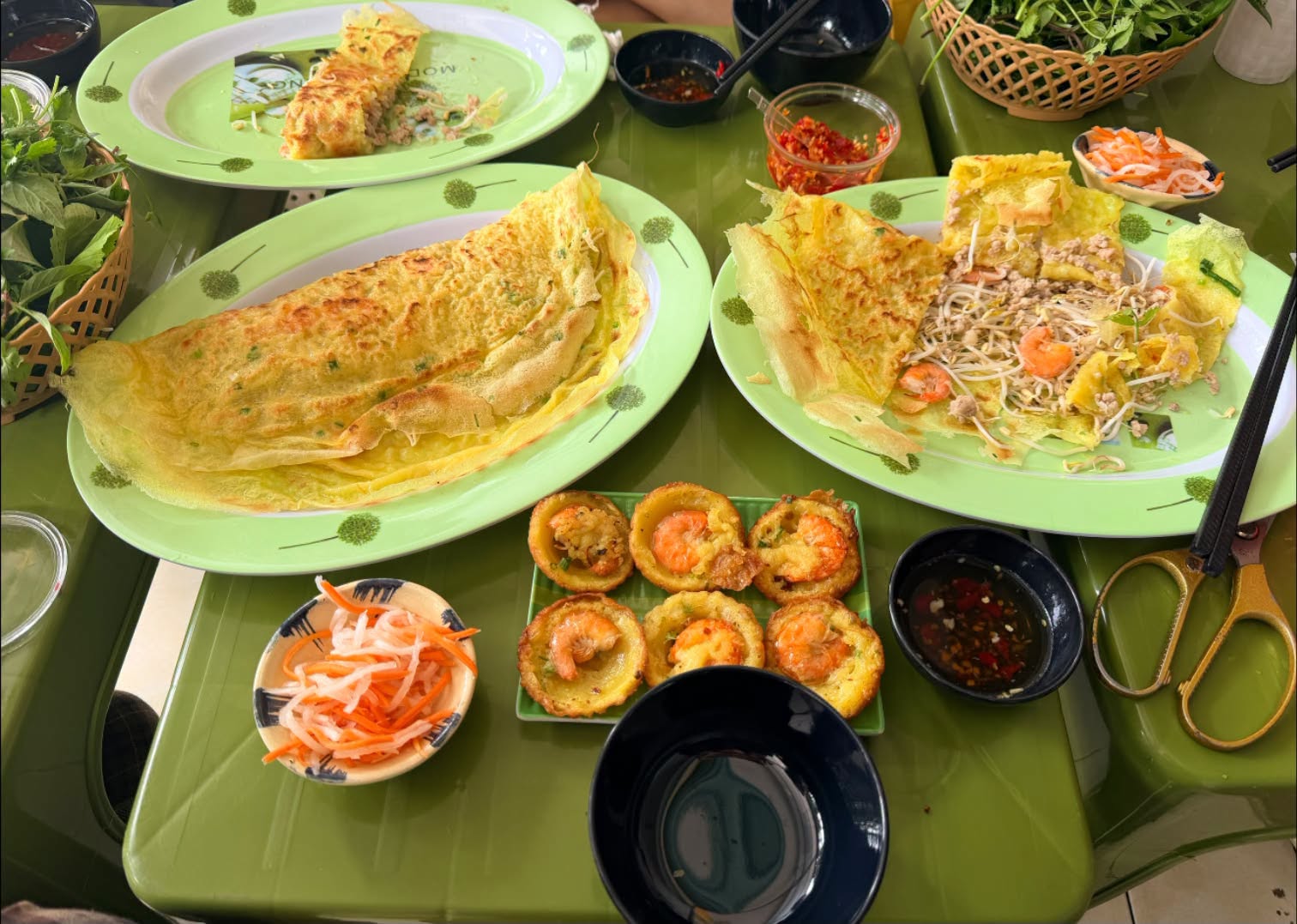
Banh xeo arrives with fresh greens, dipping sauces and other small savoury cakes for a shared tasting. (Source: Collected)
These savoury pancakes offer a crisp change from rice and noodles. Common fillings include pork, shrimp and beansprouts. They may arrive with herbs, greens, rice paper and sauce, giving you the pieces to assemble small rolls.
Follow the serving style at your table: break off a manageable piece and avoid overfilling the wrapper. If you are unsure what to do with the rice paper, ask the server to show you. Check the sauce as well as the pancake when discussing ingredients.
Bánh đập and something sweet
Bánh đập brings together soft rice sheets and crisp rice crackers, with dipping sauce. It offers another contrast in texture and can be part of a separate food outing around Cẩm Nam. Confirm the exact serving and accompaniments rather than assuming every shop prepares the same plate.
For dessert, look for chè bắp, a corn sweet soup, or xí mà, a black sesame sweet dish, when available. Order a small serving first. You may prefer a dessert stop later in the day instead of adding it automatically after lunch.
And do have a bánh mì if you want one. Give it a breakfast or snack slot of its own, especially when a substantial lunch is already planned.
If you feel like…
Consider…
How to fit it in
Firm noodles and a savoury meal
Cao lầu
A lunch of its own
Rice instead of noodles
Cơm gà
Lunch or dinner
A small shared tasting
Bánh bao or bánh vạc
Check the plate size before ordering
Noodles with a different balance of toppings
Mì Quảng
Another morning or lunchtime
A crisp dish with fresh accompaniments
Bánh xèo
Leave time to sit and assemble it
A light dessert stop
Chè bắp or xí mà
Between meals, according to appetite
Cao Lau or Mi Quang? Know What You’re Ordering
A shallow bowl of flat noodles with shrimp, egg, peanuts and accompaniments illustrates the regional mi Quang style. (Source: Collected)
Both dishes can arrive with noodles, meat, herbs and surprisingly little liquid. Their differences become clearer when you focus on the noodles and the balance of the bowl.
Detail
Cao lầu
Mì Quảng
Local association
Especially associated with Hoi An
Part of the wider Quảng food tradition
Noodles
Generally thick and firm, with a pronounced chew
Flat noodles, with texture varying by maker
Liquid
A small amount of seasoning liquid or broth
A shallow serving of seasoned broth
Common additions
Pork, greens and crisp toppings
Various proteins, herbs, often peanuts and rice crackers
Before ordering
Ask about meat, broth and toppings
Ask which version is available and what it contains
Do not add all the condiments immediately. Taste the dish, mix a little and decide what it needs. If you enjoy comparing food, have the two dishes on different days and notice which textures and combinations you prefer.
Neither dish is automatically vegetarian because it uses noodles and greens. Likewise, a rice-based noodle does not establish that the complete meal meets a particular dietary requirement. Broth, sauces and toppings need checking separately.
Where to Look for Local Food
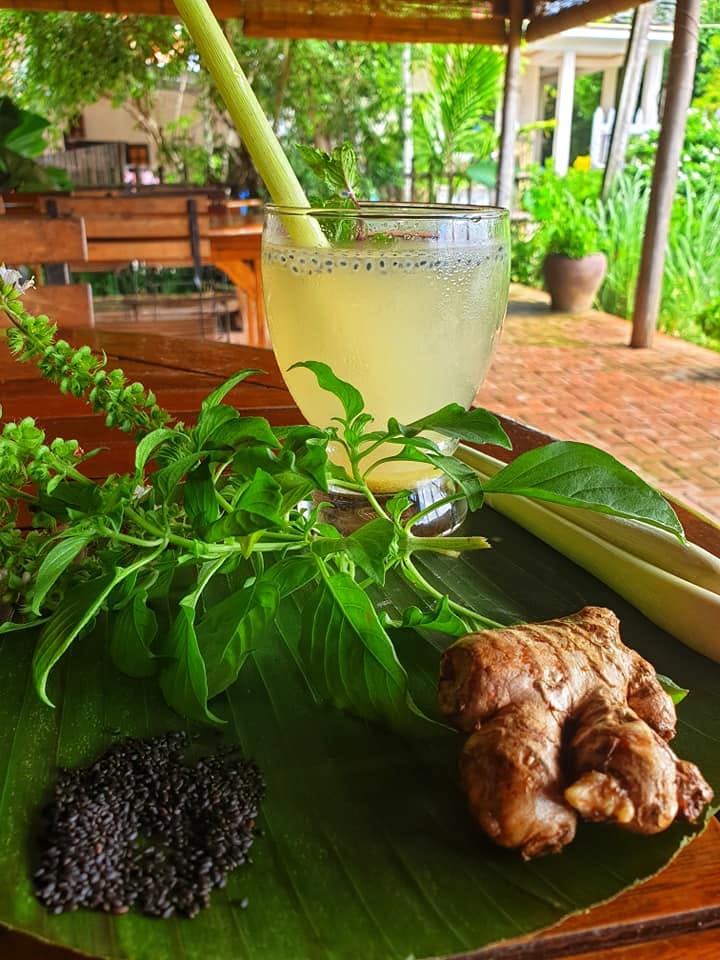
Fresh herbs, ginger and a cooling drink introduce the garden ingredients used in a Tra Que culinary experience. (Source: Collected)
Begin with the market and specialist shops
Hoi An’s Central Market is a useful place to see ingredients and prepared food together. You can browse independently or visit with someone who explains the produce and helps with ordering. Ask before photographing vendors and avoid blocking working aisles.
For an actual meal, a specialist shop gives you a clear starting point. A short menu makes it easier to understand what is being cooked and how to order. Ask which dishes are ready, how large a portion is and whether the displayed price covers all the accompaniments.
Use recent information to check opening hours. A breakfast vendor and a restaurant serving through the evening require different plans; a saved recommendation does not guarantee that a dish will still be available when you arrive.
Give nearby areas their own time
There is plenty to eat in and around the Ancient Town, so keep your first food walk compact. A relaxed meal loses some of its pleasure if the next stop requires rushing across town.
Cẩm Nam can be considered for a separate outing around bánh đập and other local food. Check the location and route before setting off. Trà Quế offers a different focus: vegetables, herbs and arranged garden or cooking experiences. Do not assume that private gardens or kitchens welcome unannounced visitors.
If you are travelling through the region, the Hue, Da Nang and Hoi An six-day tour provides one framework for combining heritage visits with local food and a Trà Quế experience. Confirm the specific activity and inclusions when planning.
Order with your preferences in mind
For vegetarian food, look for “chay” and explain what you avoid. Ask about stock, fish sauce and fillings instead of simply requesting that the meat be removed. Vegan requirements need a separate conversation about eggs and dairy too.
A dedicated vegetarian kitchen may make that discussion easier. If you have an allergy or another strict requirement, speak to the kitchen or organiser before ordering; descriptions and ingredient lists alone cannot confirm how food is prepared.
Carry Vietnamese đồng for smaller vendors. Confirm the current price and serving size rather than relying on an old online menu, and keep some flexibility if a shop is closed or sold out.
Plan Two Days of Eating in Hoi An
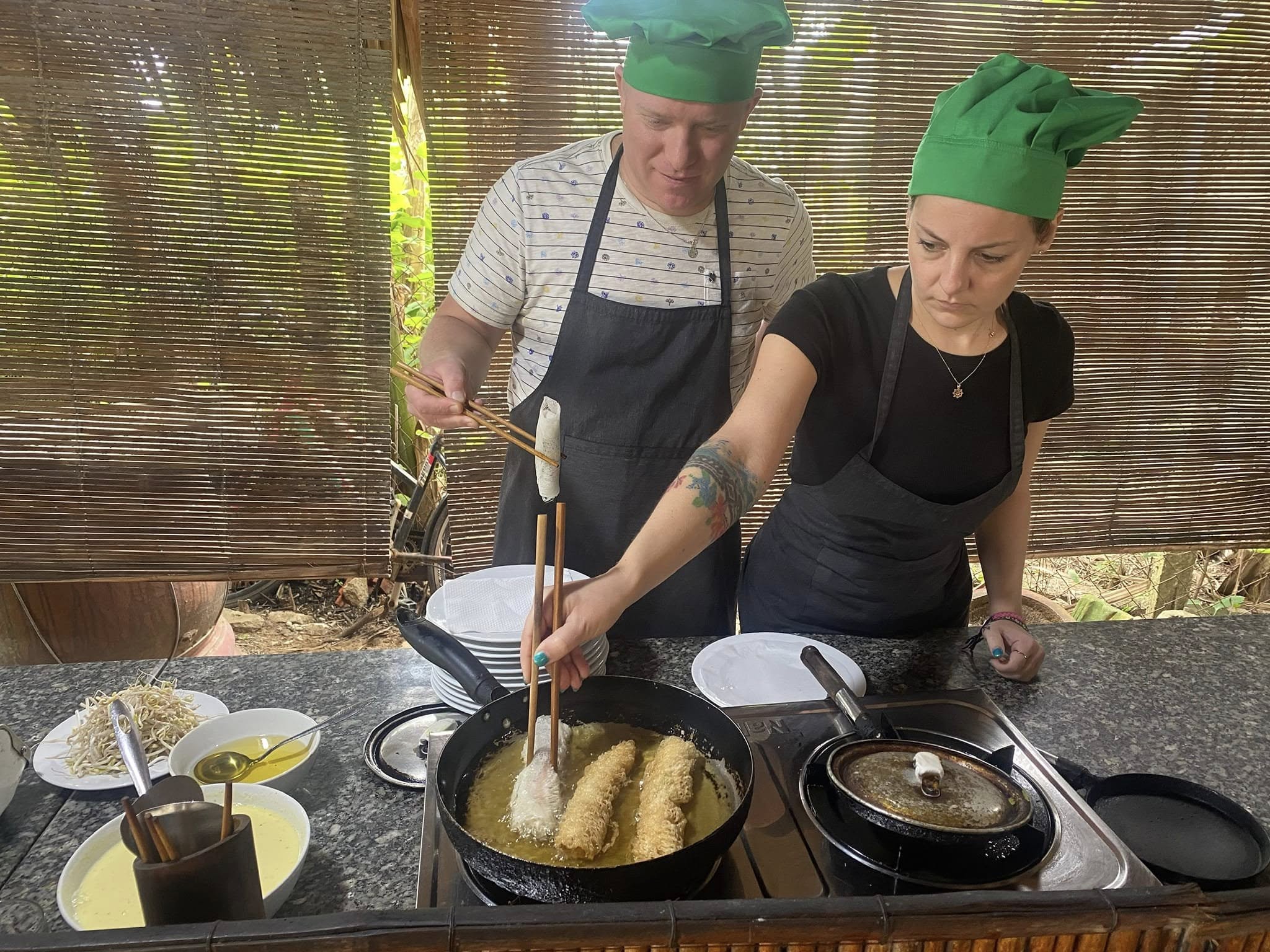
Visitors practise cooking at a Tra Que class, preparing food at their own stove. (Source: Collected)
The following plan spreads the main dishes across separate meals. Adjust it to arrival times, appetite and what is actually open. You do not need to complete every row.
Time
Day one
Day two
Morning
Mì Quảng, then sightseeing
A market visit and prebooked cooking class, or an independent breakfast
Lunch
Cao lầu
The meal prepared in class, or cơm gà if exploring independently
Afternoon
Rest, then a small dessert or coffee
Free time; avoid another large tasting after class
Evening
Cơm gà, if you are hungry
A shared dumpling plate or bánh xèo, according to appetite
If bánh mì is high on your list, substitute it for one breakfast. If you only have one day, select one noodle dish, one different main meal and a small tasting. That leaves more space to enjoy what you chose.
Food walk or cooking class?
Choose a food walk if your main interest is tasting and understanding several dishes. Ask about walking distance, seating, portions and whether the food replaces dinner. Tell the guide what you have already tried so the outing can offer something different where possible.
Choose a cooking class if you want to learn techniques and take recipes home. Confirm whether you will prepare each dish yourself or work as a group. A package with a market, boat ride or garden visit may spend less time cooking than its total duration suggests.
Independent exploring suits travellers who enjoy choosing at their own pace. Save a few alternatives near each other, then decide locally. You can combine approaches: one guided introduction followed by meals on your own.
The meals you remember may include a recommendation from your host or a second visit to a shop you liked. Leave room for those decisions. To plan a food-focused Vietnam journey, share your interests, available time and dietary preferences so meals and experiences fit comfortably around the rest of your stay.