Hanoi Food Guide: What to Eat, Local Specialties & Practical Tips
November 17, 202618 min read
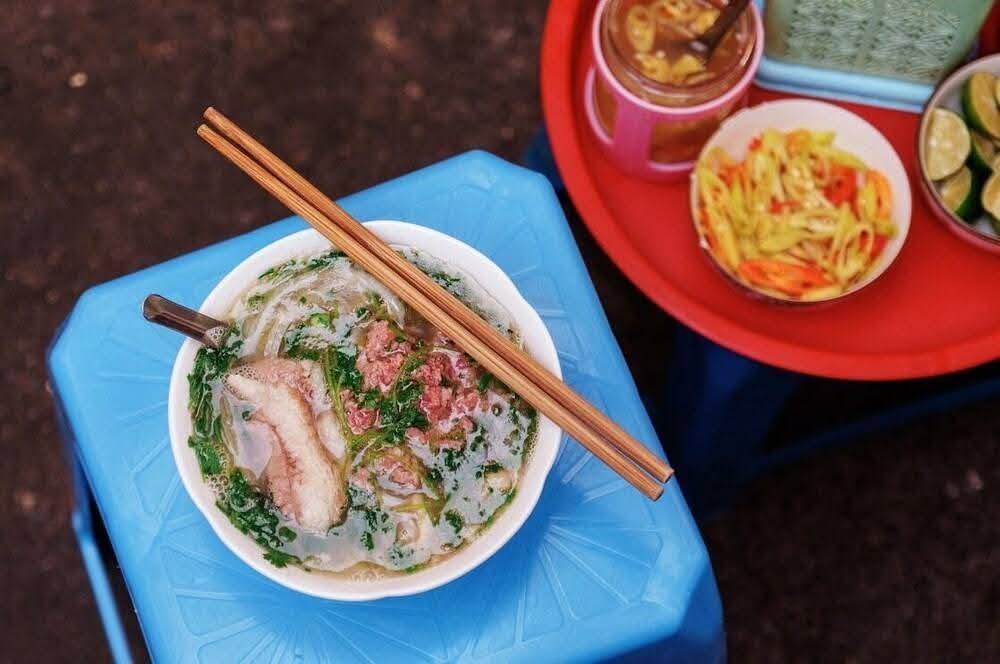
Featured image: A bowl of beef phở introduces the everyday flavours explored in this Hanoi food guide. (Source: Collected)
The first question at mealtimes in Hanoi is often where to begin. A pavement grill sends the smell of pork into the street, a noodle shop fills before you have finished breakfast, and unfamiliar names appear on signs above tiny kitchens. With only a few days in the city, choosing what to eat can feel harder than finding somewhere to sit.
This Hanoi food guide helps you make those choices. For the wider country, our Vietnam food guide introduces regional dishes and food experiences. Start with a handful of distinctive dishes, explore further according to your appetite, and leave enough time between meals to enjoy the city itself.
Food belongs naturally in a Hanoi itinerary: a bowl before sightseeing, lunch near the neighbourhood you are exploring, or a leisurely dinner followed by coffee. You do not need to cross the capital for every famous address.
If You Only Try Five Things in Hanoi
For a first visit, these five experiences offer a useful starting point. Adjust the selection for your dietary needs.
Food or drink
What to expect
A useful place in your day
Phở bò or phở gà
Rice noodle soup with beef or chicken
Breakfast or another main meal
Bún chả
Grilled pork, rice vermicelli, herbs and dipping sauce
Lunch
Bánh cuốn
Delicate steamed rice rolls, often with savoury fillings
Breakfast or a lighter meal
Chả cá
Turmeric-seasoned fish finished with dill and spring onions
A relaxed lunch or dinner
Vietnamese coffee
A phin-filtered coffee or Hanoi-style egg coffee
A seated break between activities
This is an introduction, rather than a checklist to complete in one day. If you have another morning, try bún thang or a different noodle soup instead of repeating the same breakfast.
What Makes Hanoi’s Food Distinctive?
Hanoi’s food becomes more interesting when you notice how a meal is assembled. Noodles provide the base, herbs bring freshness, and a dipping sauce or broth connects the ingredients. Condiments let you adjust the balance, although tasting first is usually the best way to understand the cook’s intention.
Texture matters as much as flavour. Soft rice rolls sit beside crisp shallots; grilled meat contrasts with cool noodles; tender fish meets crunchy peanuts. A dish that looks simple may depend on several carefully prepared components.
Avoid treating northern Vietnamese cooking as a single fixed flavour. Some dishes are delicate, others smoky, rich or sharply savoury. Fermented shrimp paste has a very different character from chicken broth.
The setting also changes the experience. A specialist noodle shop suits a quick meal, while chả cá invites you to sit longer. Make room for a shared Vietnamese meal too: rice, vegetables, soup and a selection of dishes offer another perspective on everyday eating.
What to Eat in Hanoi: Essential Dishes and Local Specialties
1. Phở bò and phở gà: Start with the Broth
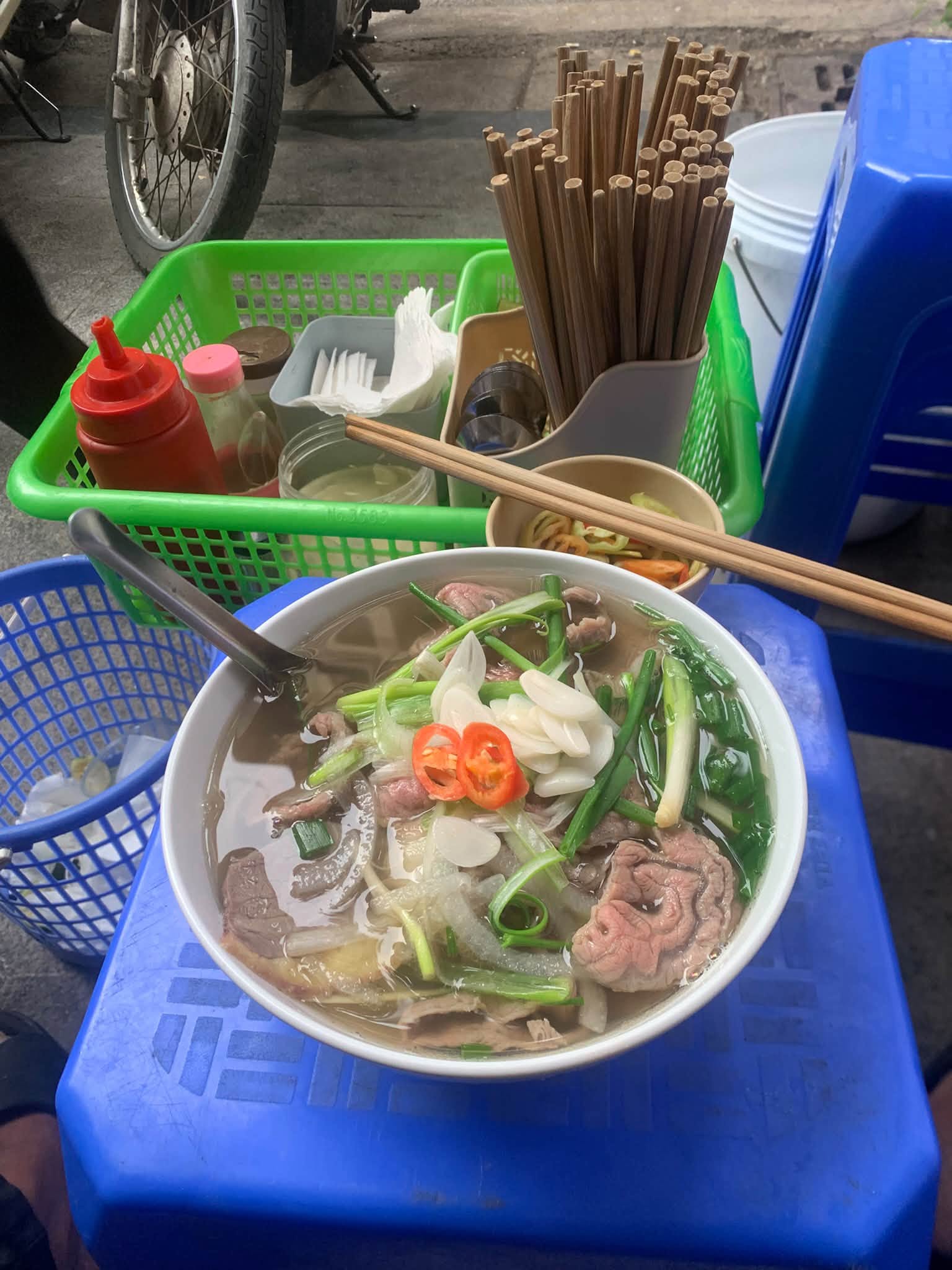
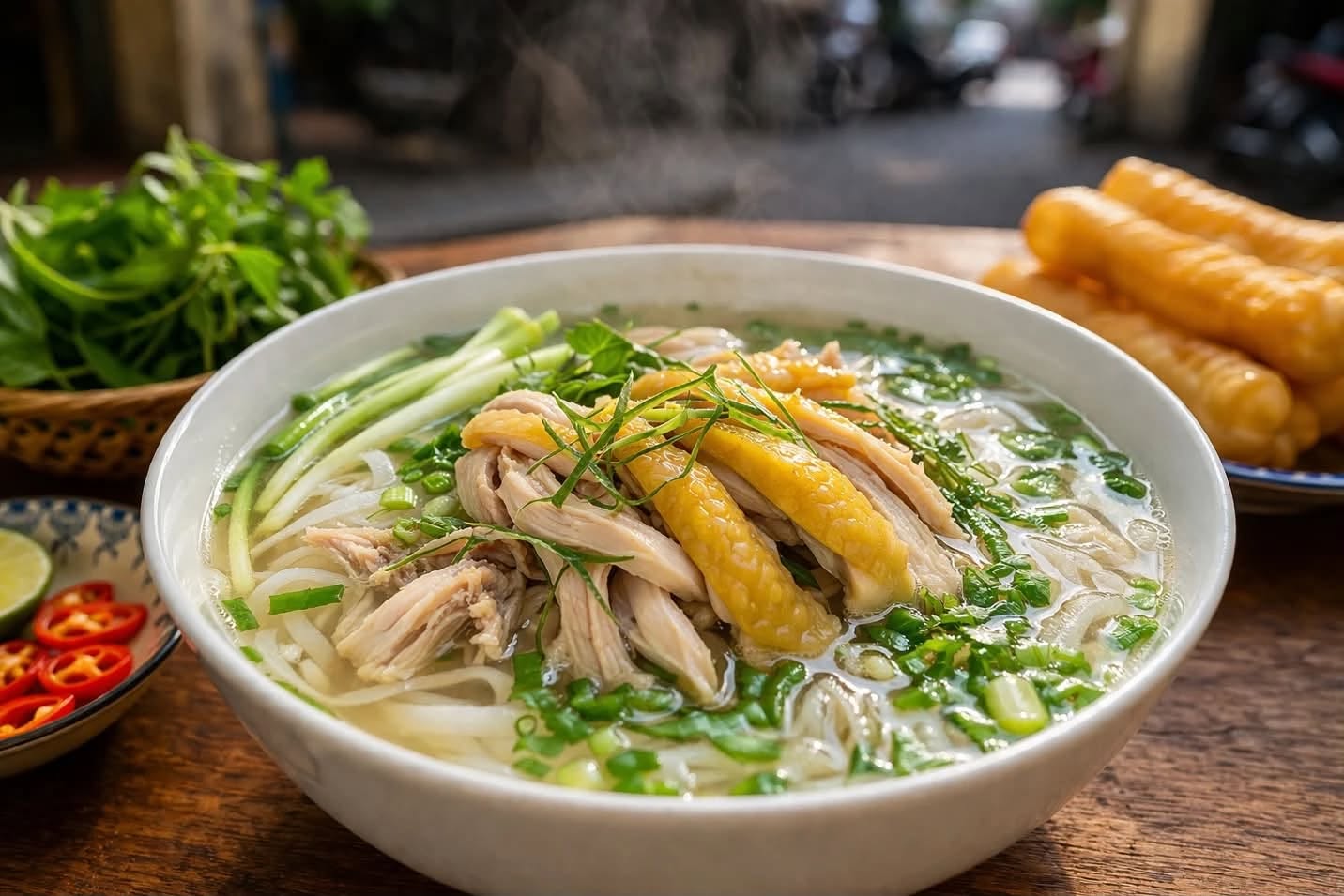
Phở bò combines rice noodles, beef, herbs and aromatic broth in a familiar Hanoi meal. (Source: Collected)Phở gà offers a chicken-based alternative with flat rice noodles and fresh herbs. (Source: Collected)
Phở combines flat rice noodles, broth, herbs and either beef or chicken. Both versions deserve attention; choosing chicken is a different experience, rather than a lesser alternative to beef.
Begin with a spoonful of broth before adding condiments. Then adjust gradually with whatever the shop provides. Lime, chilli and garlic vinegar can change the bowl considerably.
For beef phở, different cuts produce different textures. If you prefer meat fully cooked, say so when ordering. With chicken, ask about bones if that affects your choice.
Breakfast is a rewarding time to try phở, but some businesses serve it later. Check the specific shop rather than assuming all phở kitchens follow the same hours.
2. Bún chả: Grilled Pork and a Bowl You Assemble Yourself
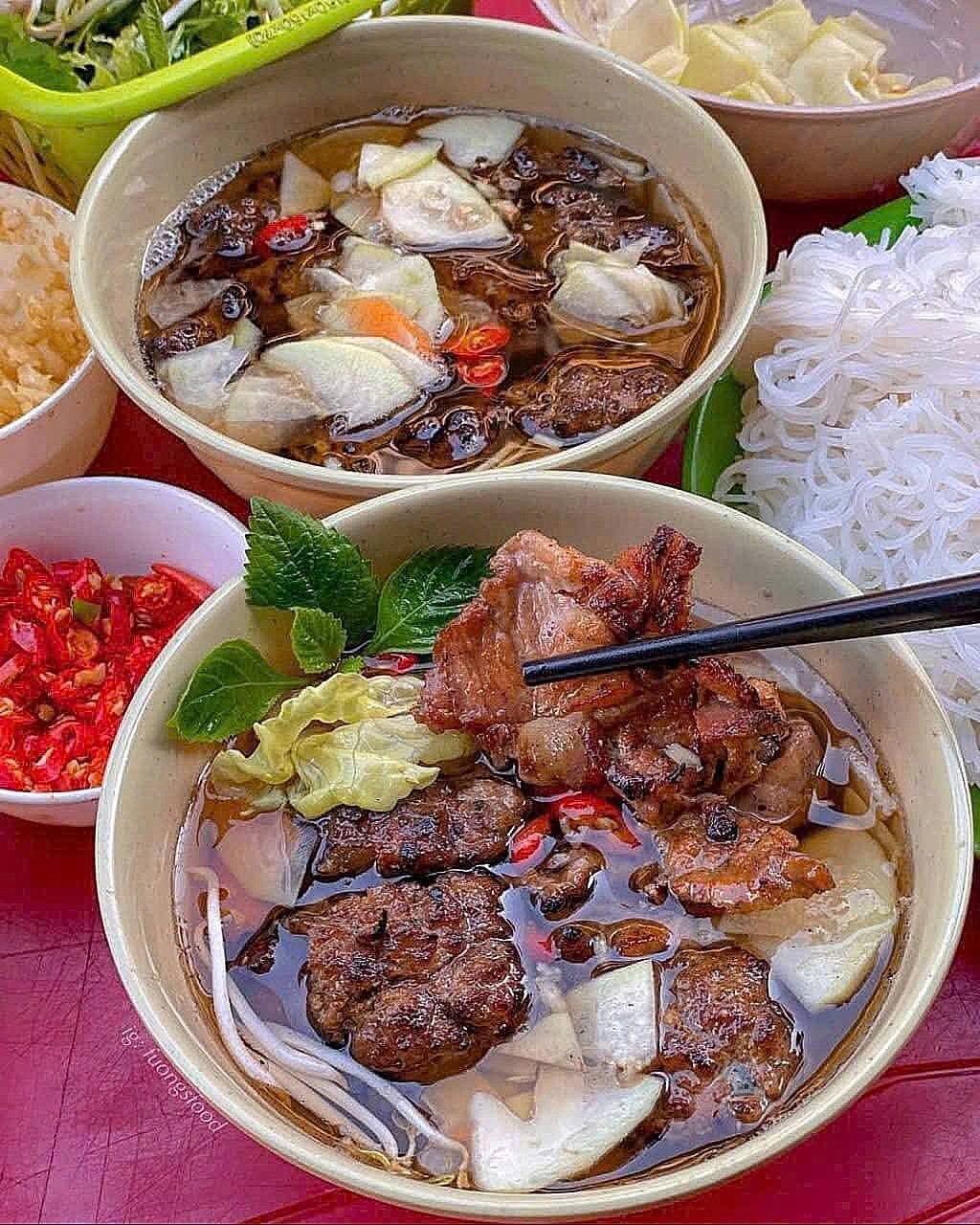
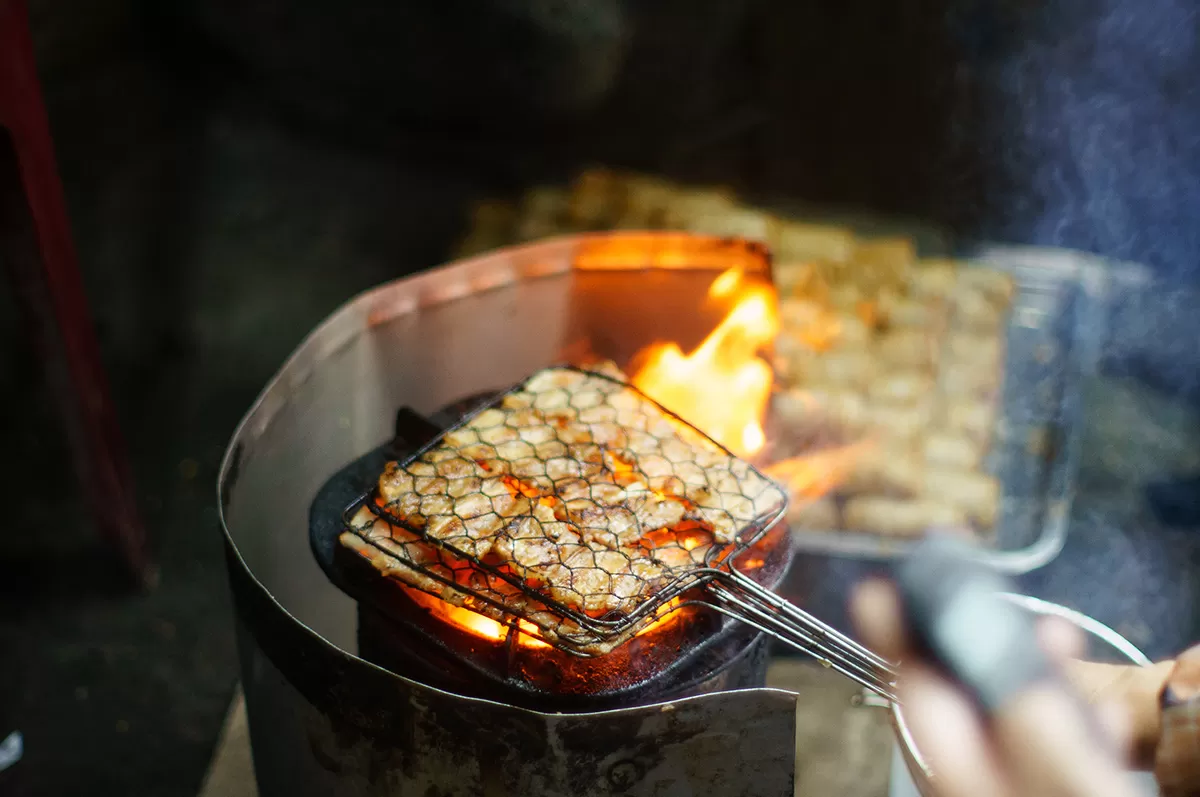
Bún chả brings grilled pork together with rice vermicelli, herbs and a dipping sauce. (Source: Collected)
Bún chả brings together grilled pork patties, slices of pork, rice vermicelli and fresh herbs. The meat is served with a fish-sauce-based mixture balancing savoury, sweet and sour flavours.
Add a small amount of noodles and herbs to the dipping bowl, then combine them with the pork. Work in mouthfuls rather than emptying everything into the bowl immediately.
This is a satisfying lunch, especially if you enjoy charcoal-grilled flavours. Fried spring rolls may be available as an extra, but check your appetite before ordering a full additional portion.
Bún chả is strongly associated with Hanoi’s lunch culture, although individual restaurants may also serve it at dinner.
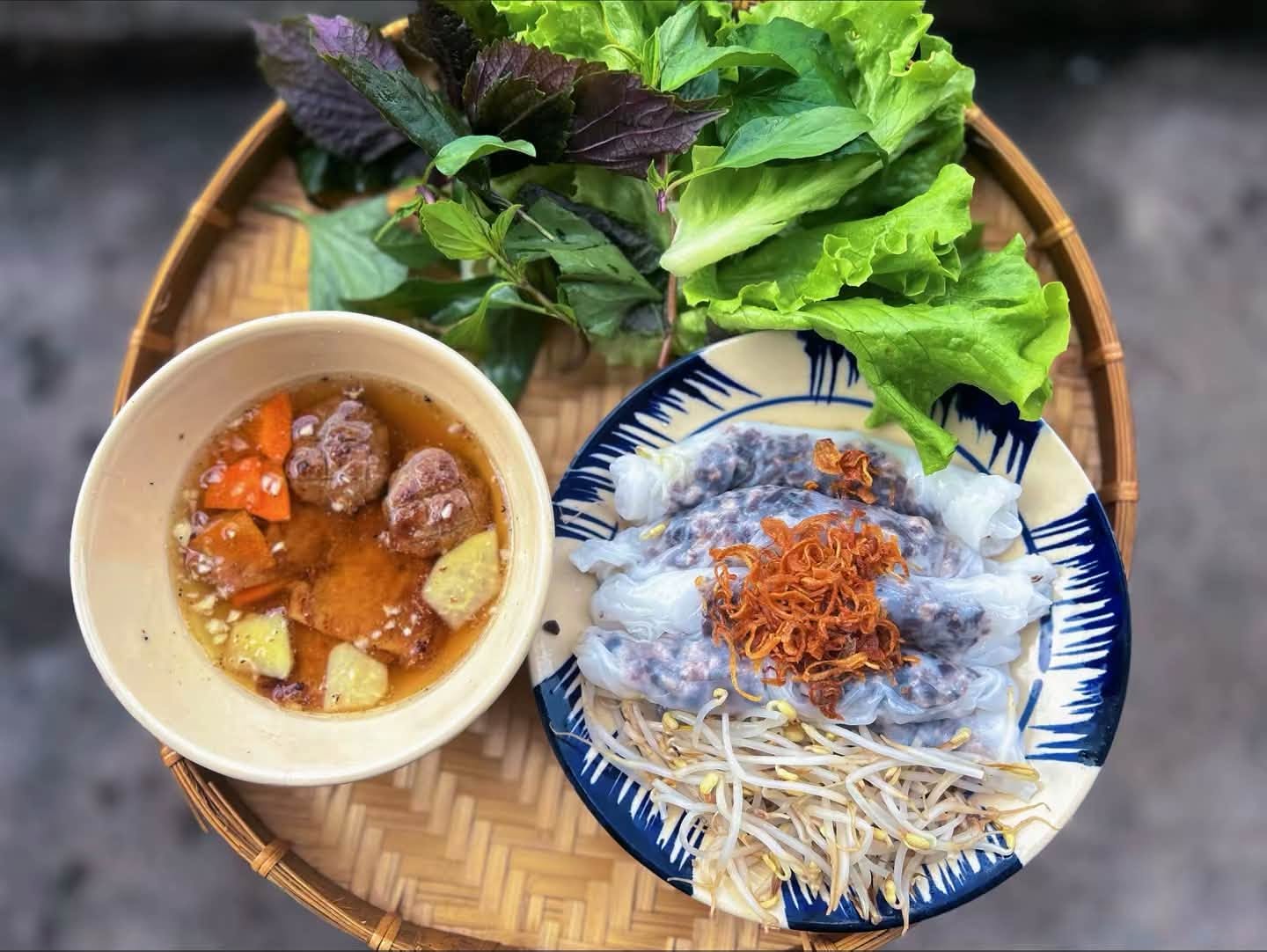
3. Bánh cuốn: A Breakfast Built Around Delicate Rice Rolls
Soft bánh cuốn rice rolls are served with accompaniments and dipping sauce. (Source: Collected)
Bánh cuốn is made by steaming a thin layer of rice batter, lifting the soft sheet and folding or rolling it. A common filling combines minced pork and wood-ear mushrooms, with fried shallots scattered over the top.
The accompanying dipping sauce is part of the dish, and pork sausage may be served alongside. Watching the rolls being prepared helps explain their delicate texture.
Choose bánh cuốn when you want a change from noodle soup. It can feel lighter, although portions and accompaniments vary.
Plain-looking rolls are not automatically vegetarian: ask about the filling, sauce and side dishes before ordering.
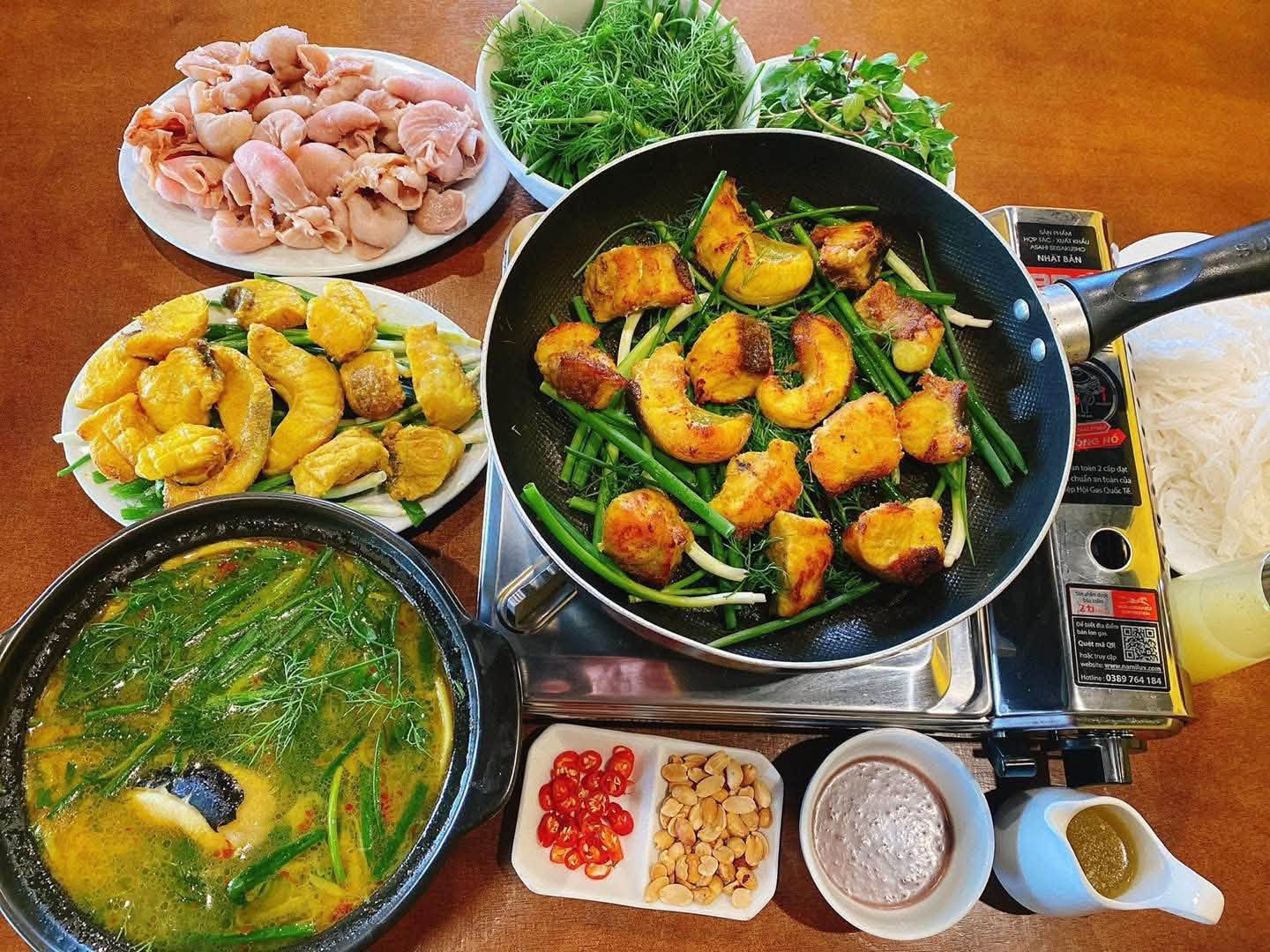
4. Chả cá: Make Time for a Meal at the Table
Turmeric-seasoned chả cá is finished with dill and spring onions and served with noodles and accompaniments. (Source: Collected)
Hanoi-style chả cá centres on turmeric-seasoned fish, finished with generous amounts of dill and spring onions. Rice vermicelli, herbs, peanuts and a dipping sauce accompany the fish.
The pleasure lies partly in assembling each mouthful. Take a little fish and greenery, add noodles, and adjust the sauce to your taste.
Mắm tôm, fermented shrimp paste, is a traditional accompaniment; ask whether another sauce is available if you prefer it. Mention shellfish allergies separately from your choice of fish.
Allow more time than you would for a quick noodle breakfast. Also check whether the menu price is per person, per serving or for a set meal before ordering.
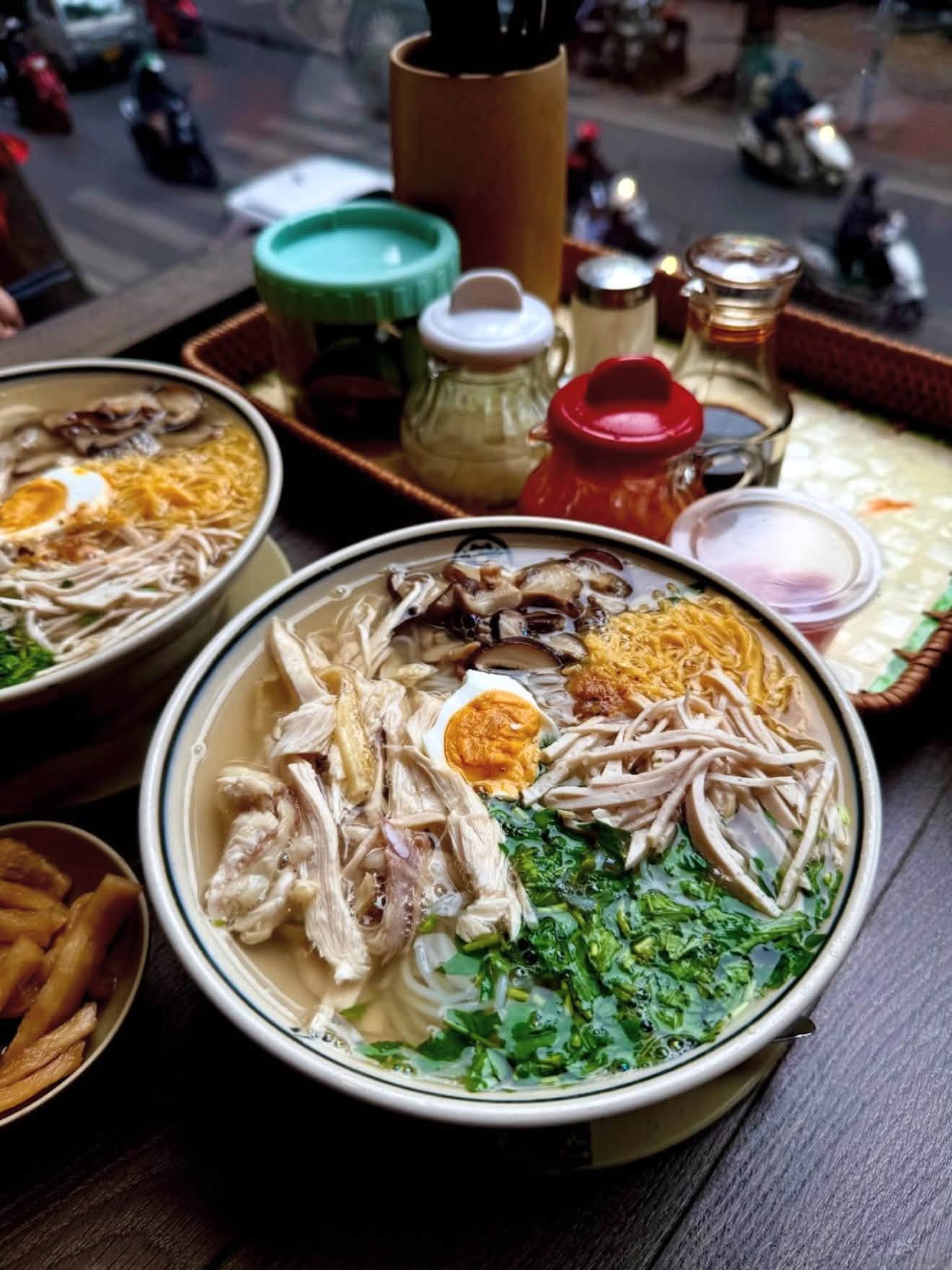
5. Bún thang: A Different Kind of Chicken Noodle Soup
Bún thang features fine rice vermicelli, clear broth and neatly prepared toppings. (Source: Collected)
Bún thang combines fine rice vermicelli with a clear broth and carefully arranged toppings. Shredded chicken, thin omelette strips and Vietnamese pork sausage are familiar components, while dried shrimp contributes another layer of flavour.
It is an appealing next step after phở gà because the ingredients create a different balance despite the shared presence of chicken and broth.
Notice the fine cutting and presentation rather than expecting a heavily seasoned bowl. Ask before adding stronger condiments.
This is also a useful reminder that a dish described as “chicken noodles” may contain pork, egg and seafood ingredients.
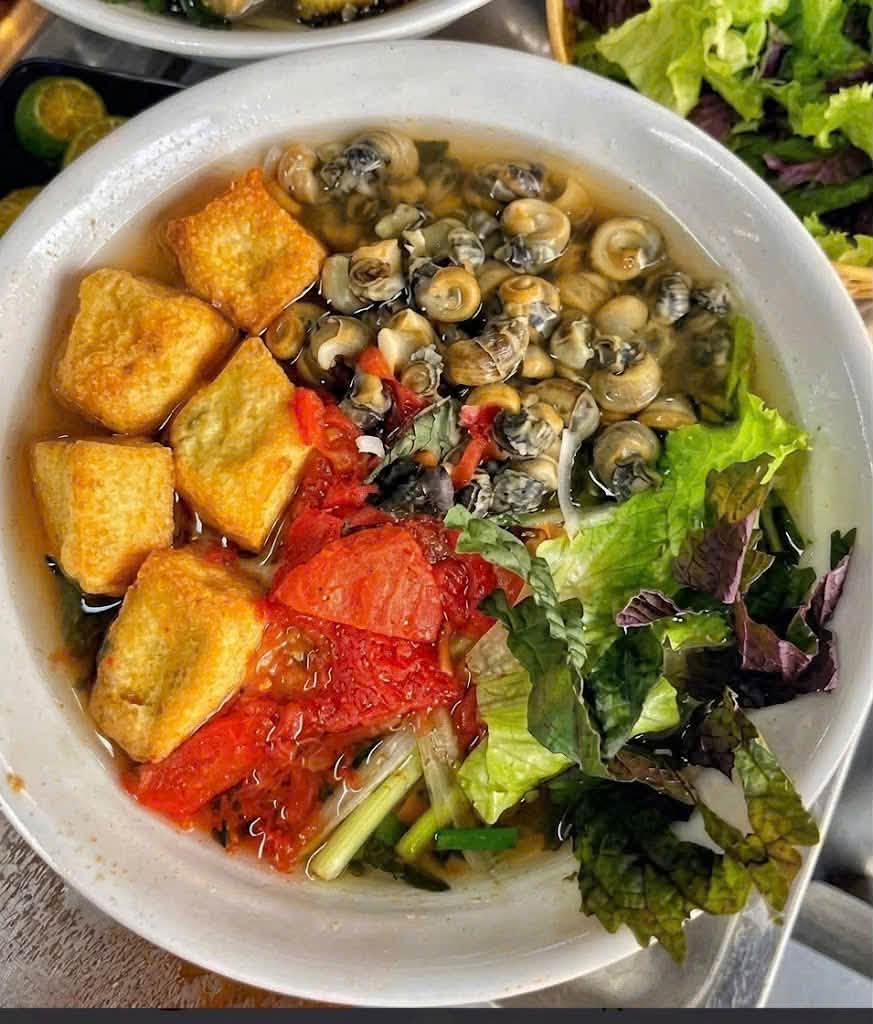
6. Bún riêu and bún ốc: Two Soups Worth Distinguishing
Bún ốc centers on snails, rice vermicelli and a tangy broth, with toppings varying by kitchen. (Source: Collected)
These names should not be treated as interchangeable.
Bún riêu commonly features a tomato-based broth and crab mixture, with other toppings varying between kitchens. Bún ốc centres on snails, usually in a tangy broth with rice vermicelli.
Both offer a change from the flavour profile of phở. Acidity, herbs and optional condiments can make them especially lively bowls.
For your first order, ask what is included. Modern mixed-topping versions can contain several meats or seafood ingredients, even when the dish name highlights only one. Choose a simple version if you want to understand the main ingredient clearly.
7. Miến lươn: Glass Noodles and Eel
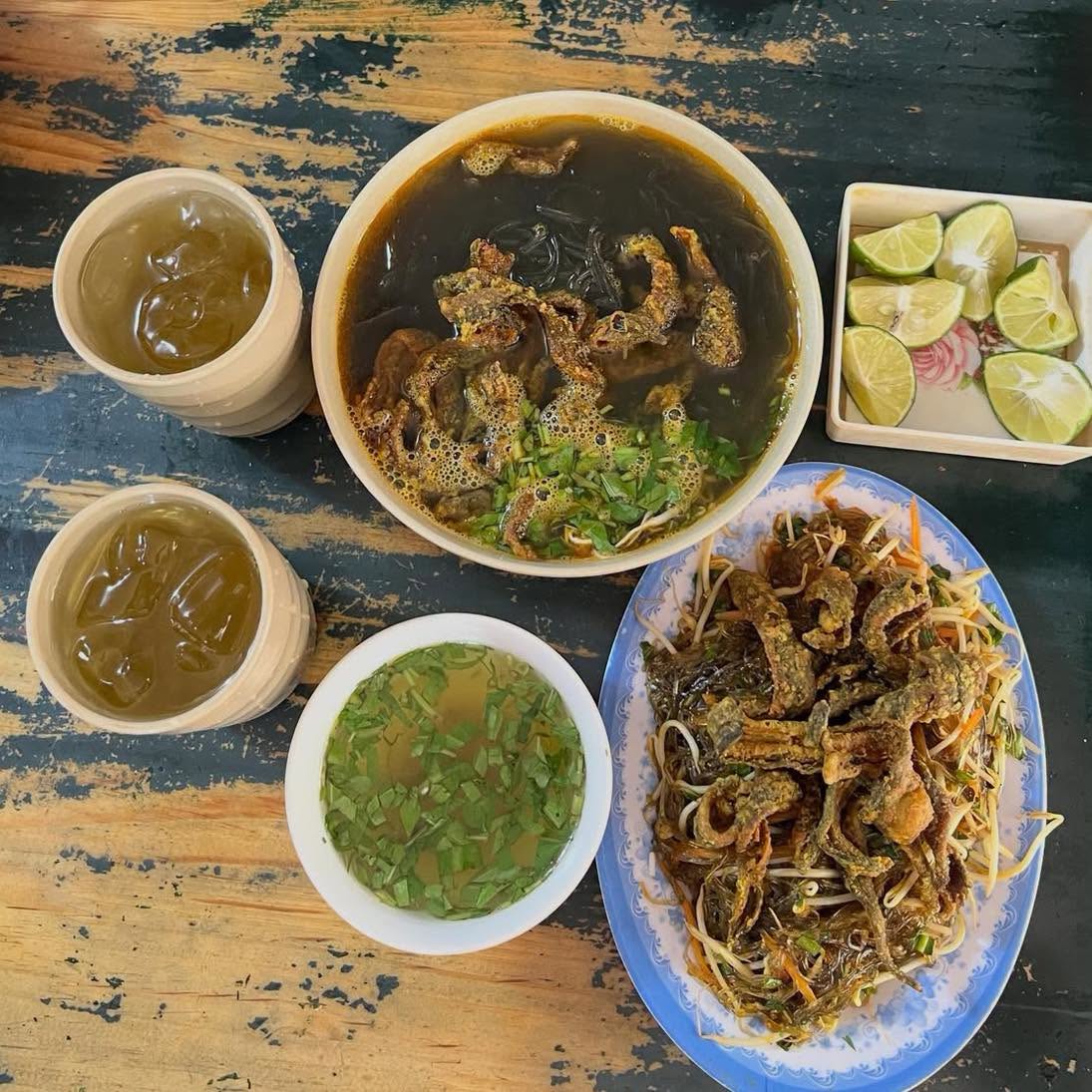
Miến lươn can be prepared with glass noodles and eel in soup or other styles. (Source: Collected)
Miến lươn pairs glass noodles with eel, sometimes crisp, sometimes softer depending on the preparation. Soup, mixed and stir-fried versions offer different experiences.
Choose a soup version if you want broth, or ask about a mixed bowl if you prefer the dressing and toppings to remain more pronounced. Do not assume the English word “noodles” explains which style you will receive.
Eel may be unfamiliar, but you can approach the dish through texture: springy noodles, aromatic toppings and contrasting pieces of eel. Check for peanuts or other additions if needed.
8. Bún đậu mắm tôm: Tofu, Noodles and a Distinctive Sauce
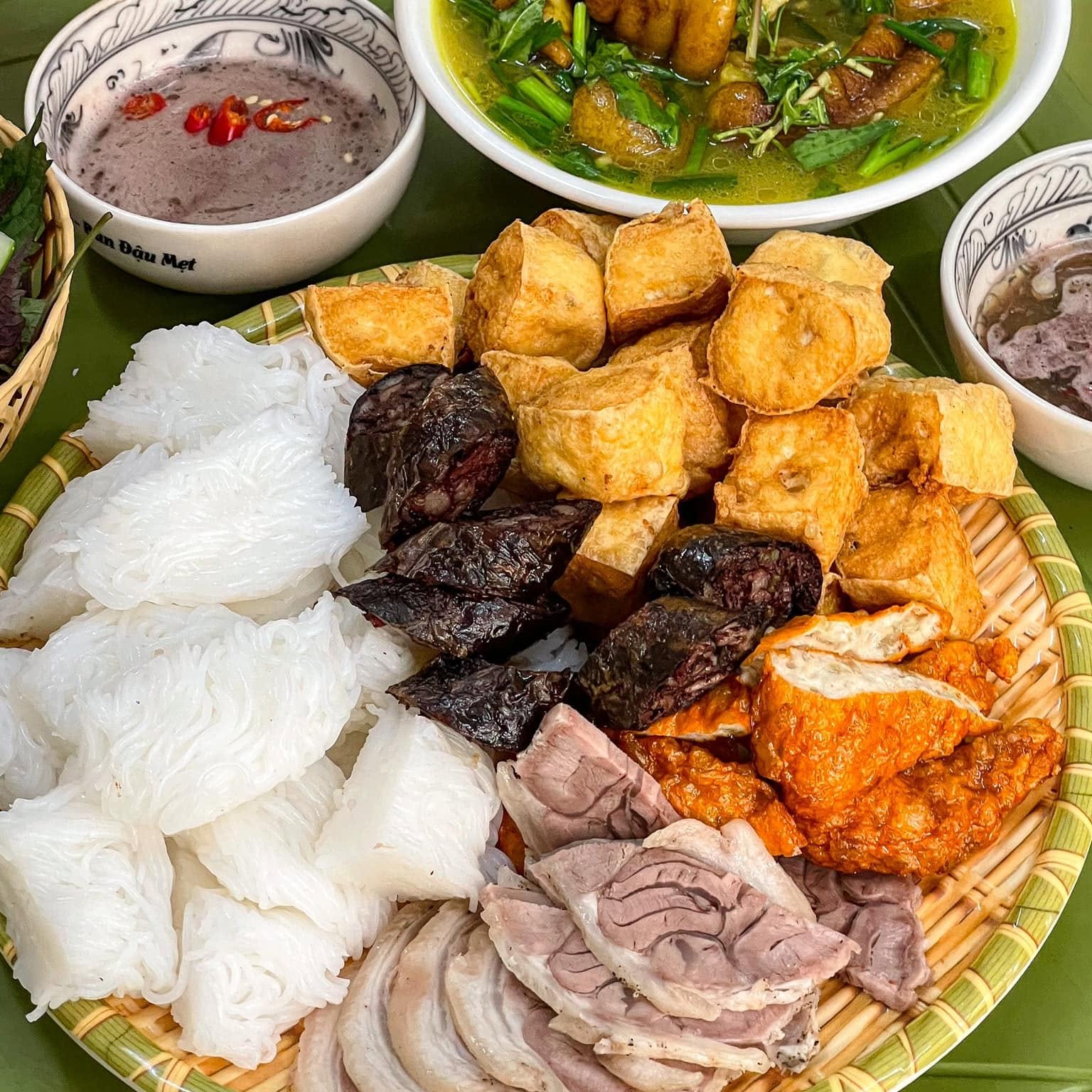
A bún đậu mắm tôm platter combines fried tofu, rice noodles, herbs and a fermented shrimp-paste dip. (Source: Collected)
A bún đậu platter typically combines fried tofu, rice noodles and herbs. Pork, sausage or other savoury additions may turn it into a substantial meal.
The defining accompaniment is mắm tôm, a pungent fermented shrimp paste. Try a small amount first if the flavour is new to you. Some places offer fish sauce instead.
For vegetarians, ordering tofu alone does not resolve every ingredient question. Both shrimp paste and fish sauce are animal-derived, and frying arrangements may also matter.
For groups, establish whether you are ordering individual portions or a shared platter before adding extras.
9. Bánh mì and xôi: Convenient Choices Between Activities
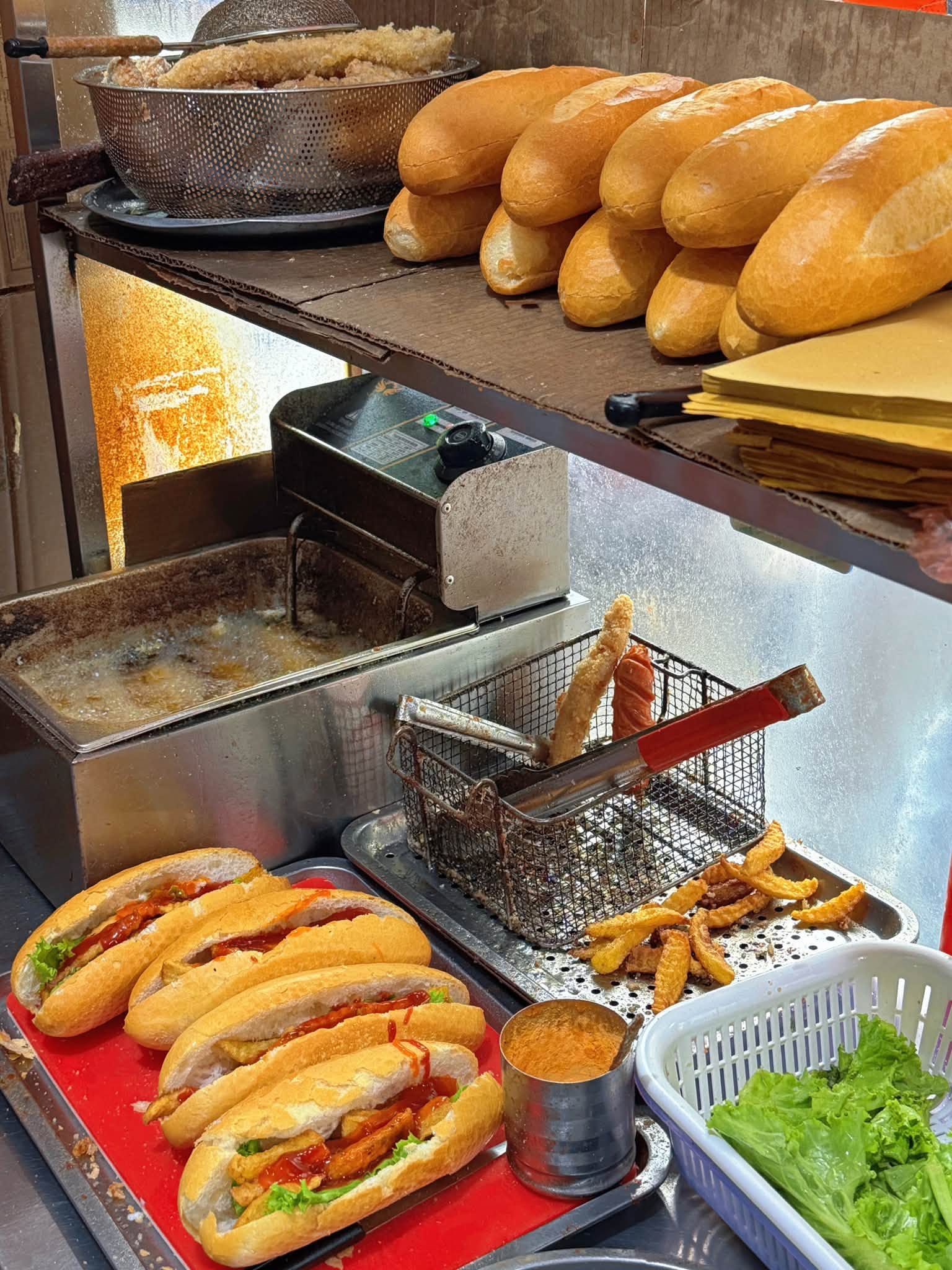
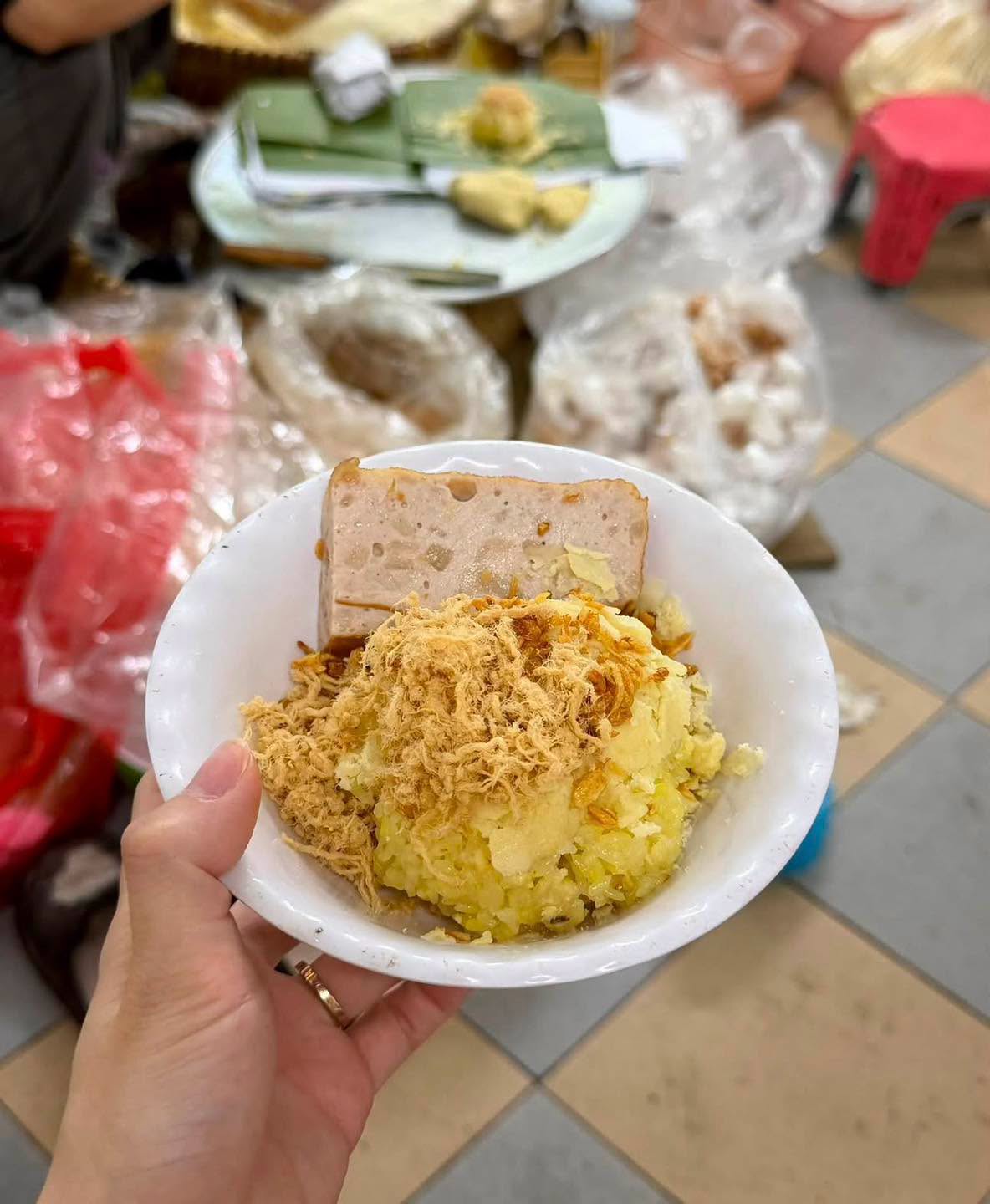
Baguettes and prepared fillings at a bánh mì stall show how the sandwich is assembled to order. (Source: Collected)Xôi topped with savoury accompaniments provides a filling sticky-rice meal. (Source: Collected)
Bánh mì is a practical option when your schedule calls for a simpler meal. Fillings vary, so look beyond the sandwich name: pâté, pork, egg, vegetables and sauces can appear in different combinations.
Xôi, sticky rice, offers another filling choice. Xôi xéo is associated with mung bean and fried shallot toppings; savoury versions may include meat, egg or sausage.
Neither bánh mì nor sticky rice belongs exclusively to Hanoi. They still deserve a place in your plans because everyday convenience is part of the city’s food culture.
Choose one as a meal rather than automatically adding it after another full lunch.
10. Bánh tôm, bánh gối and bánh đúc nóng: Choose Your Texture
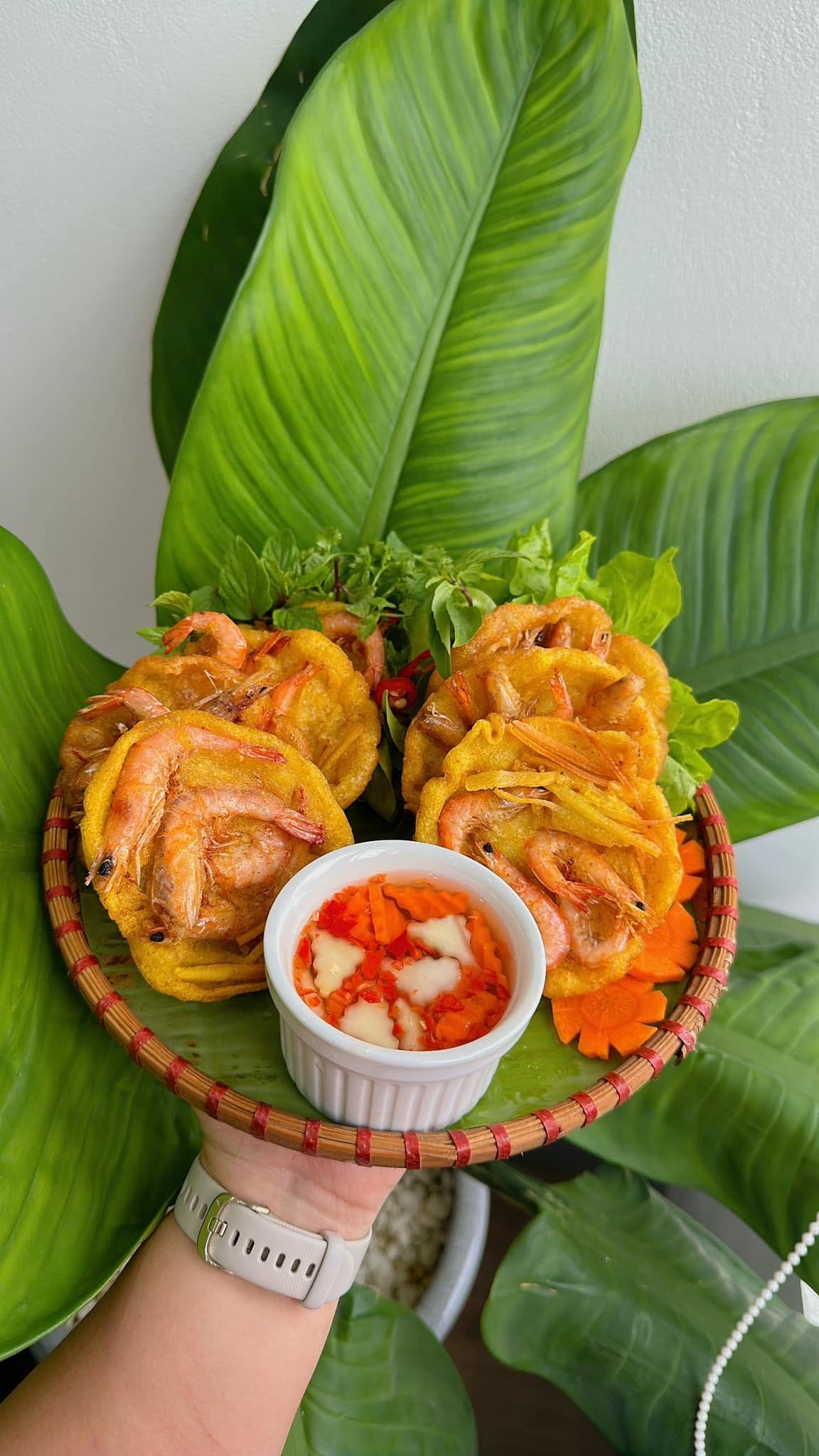
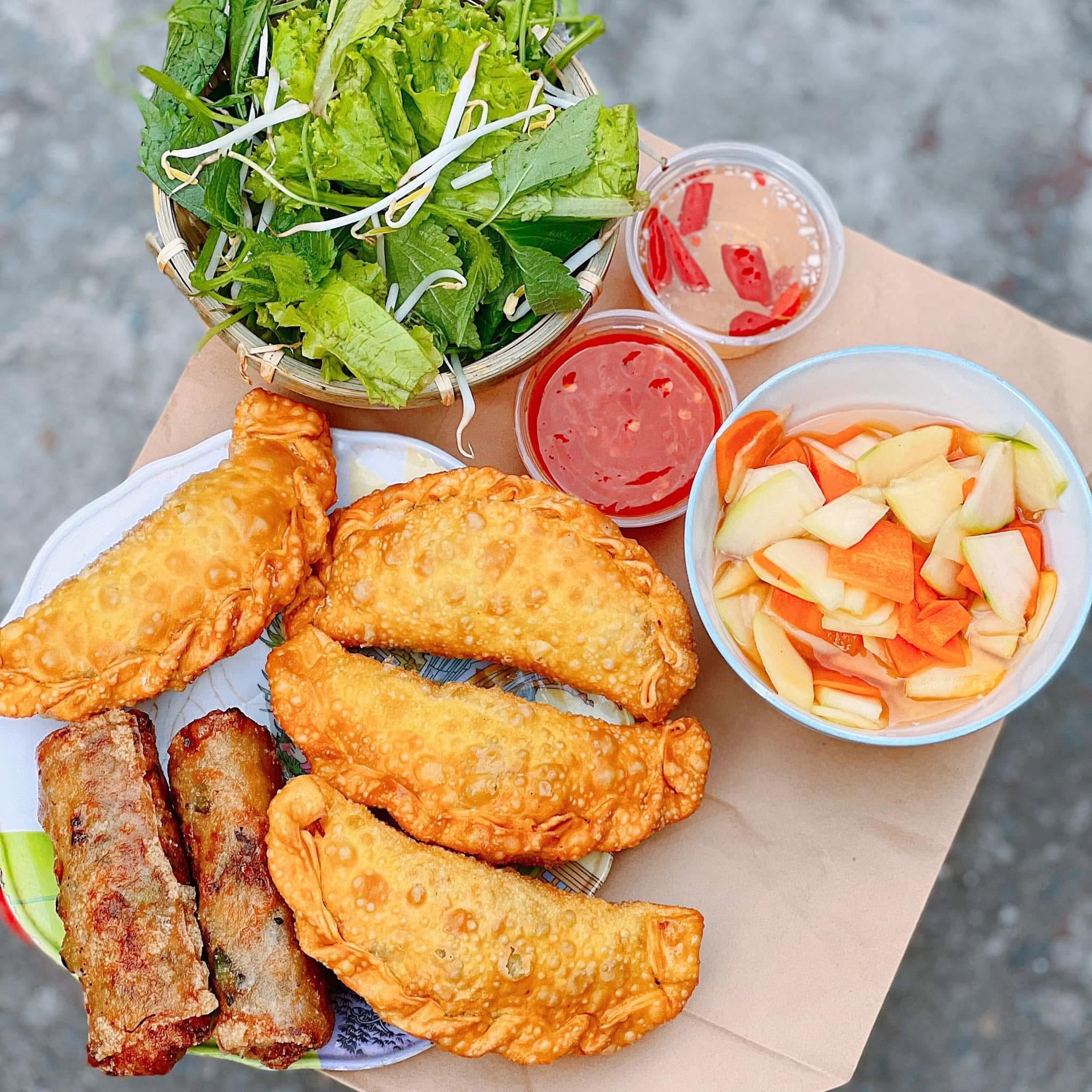
Crisp bánh tôm shrimp fritters are served with a dipping sauce. (Source: Collected)Bánh gối pastries offer a crisp shell, savoury filling and fresh accompaniments. (Source: Collected)
These snacks give you three contrasting directions.
Bánh tôm is a crisp shrimp fritter, suited to diners who enjoy fried seafood. Bánh gối is a savoury pastry with a crisp shell and filling that commonly includes pork. Bánh đúc nóng is a warm, soft rice-flour dish with savoury toppings and sauce.
Select according to your appetite rather than ordering all three together. A shared fried snack can fit between activities, while warm bánh đúc is an inviting option on a cool day.
Ask about fillings and toppings: their appearance rarely tells the complete ingredient story.
11. Chè, cốm and Small Sweet Treats
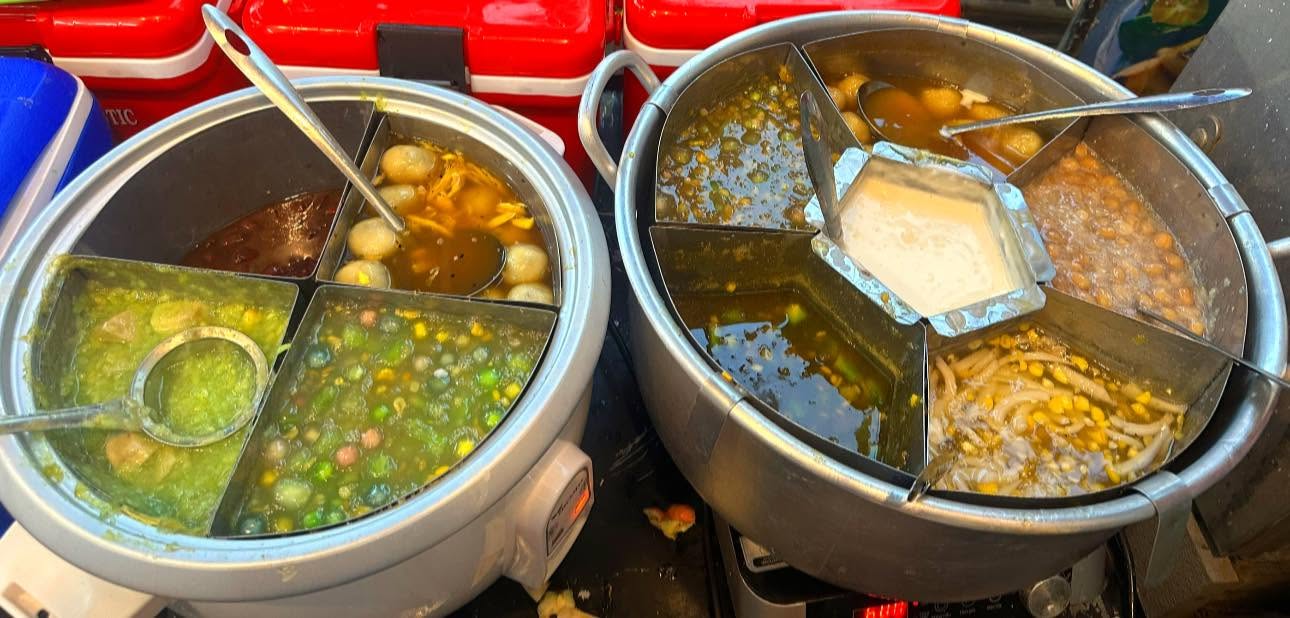
Chè comes in many varieties, with different combinations of beans, grains, fruit and other ingredients. (Source: Collected)Cốm, young green rice flakes, has a close association with Hanoi’s autumn food traditions. (Source: Collected)
Chè covers a broad family of sweet dishes, with ingredients such as beans, jelly, fruit, grains or coconut milk. Some are warm, others served with ice. Ask what is in the particular version rather than expecting a standard dessert.
Cốm, young green rice flakes, has a special association with Hanoi’s autumn. Fresh cốm and processed products such as bánh cốm are different purchases; seeing packaged cakes year-round does not mean fresh rice flakes are in season.
For gifts, ask about ingredients, shelf life and storage. For eating now, choose a small portion and let the flavour provide a gentle finish to the meal.
Hanoi Coffee and Drinks Worth Trying
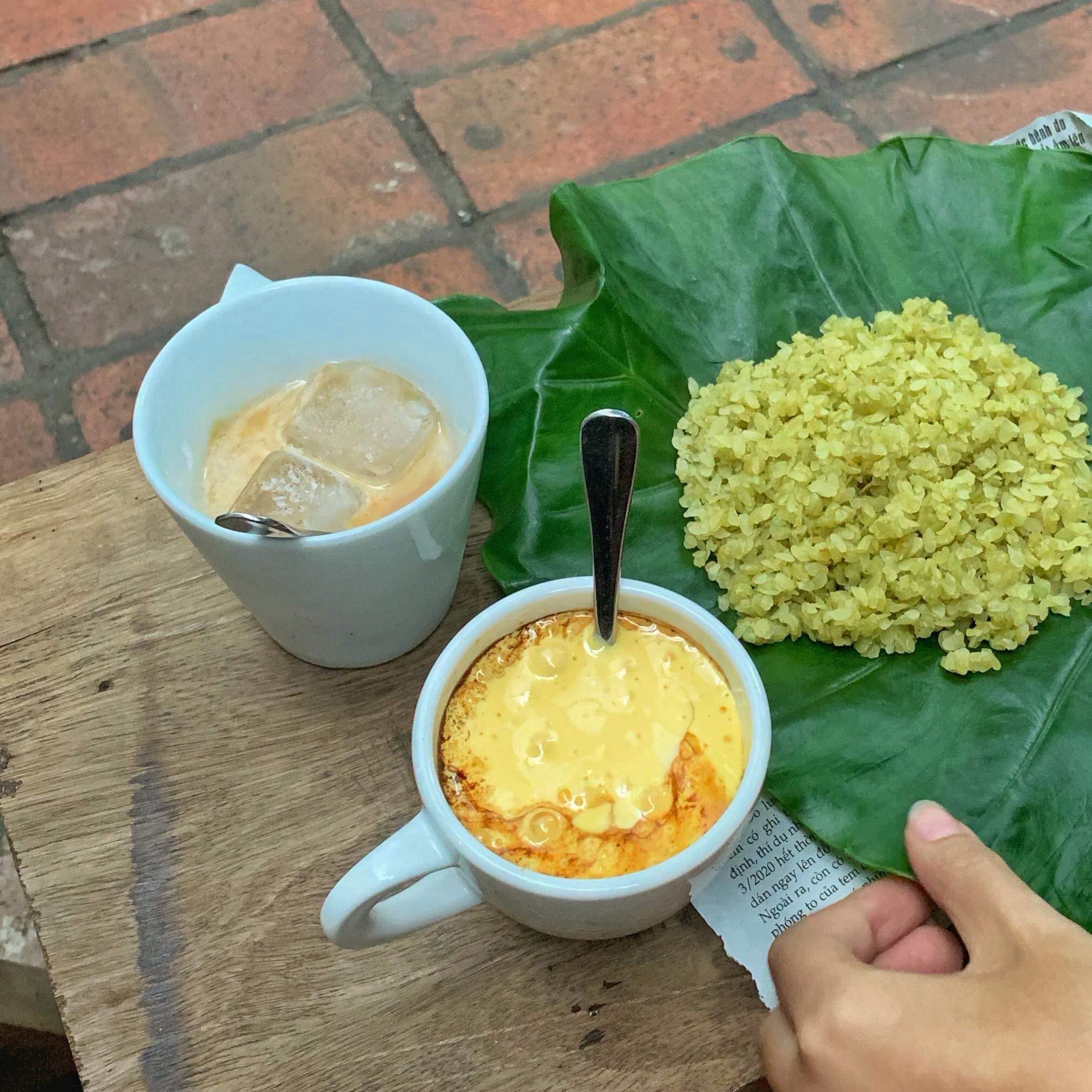
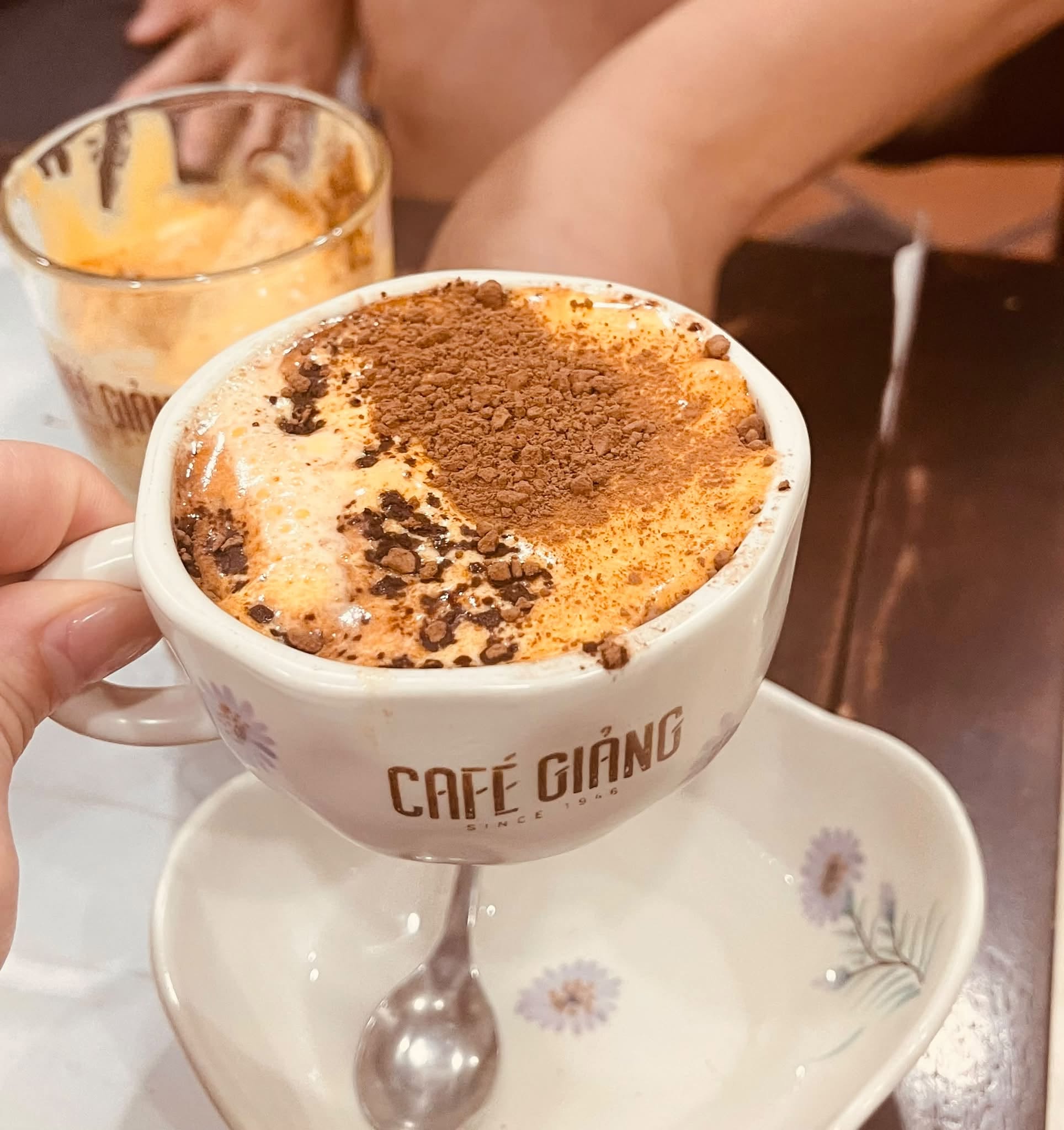
Hanoi-style egg coffee at Cà Phê Giảng combines coffee with a rich whipped topping. (Source: Collected)
Coffee provides a welcome pause between meals. A phin is the small metal filter used to brew Vietnamese coffee; choose black coffee or a version with condensed milk according to your preference.
Egg coffee, cà phê trứng, adds a whipped mixture containing egg and usually sweetened dairy to coffee. Its rich texture can make it feel closer to a dessert than a quick drink. If you dislike sweetness, ask what the café can adjust before ordering.
You do not need coffee to enjoy a café break. Tea or a clearly described non-coffee drink may suit you better. Ask about milk, egg, sugar and caffeine whenever those affect your choice.
Leave time to sit. A café can be the most comfortable place to review the day’s plans, especially after walking through busy streets.
Where to Explore Hanoi’s Food
The Old Quarter and Hoan Kiem Lake
This is a convenient starting area for many first-time visitors. Choose a few nearby places around your sightseeing route instead of turning every meal into a separate journey.
For example, breakfast near the cathedral can lead into a morning walk, while a later meal can follow your exploration of the northern Old Quarter. Use our guide to Hanoi tourist attractions to connect food stops with the places you already want to visit.
Truc Bach and Nearby Streets
Truc Bach offers another setting for a food outing. Phở cuốn, fresh rice-noodle sheets rolled around fillings, is worth considering here.
Plan a meal and a lakeside walk together. You can also explore the area’s background through our guide to hidden gems in Hanoi.
South of Hoan Kiem Lake
Le Van Huu and surrounding streets provide options beyond the Old Quarter. Treat this as a separate meal outing if your chosen restaurant is away from the day’s sightseeing.
Check walking distance and traffic conditions before assuming two central addresses are comfortably close.
West Lake
West Lake can suit a longer lunch, café visit or dinner near your accommodation. It is a large area: choose the specific shore and restaurant first.
Avoid arranging several distant meals around the lake on the same day. One well-placed stop is usually more enjoyable than repeatedly crossing the city.
Six Addresses to Help You Start
These are examples to investigate, not a ranked list. Street addresses were cross-checked against Michelin listings or the restaurant’s own information during the November 2026 editorial review.
Place
Street address
What to consider
Phở Bò Ấu Triệu
34 Ấu Triệu
Beef phở near the cathedral
Phở Gà Nguyệt
5B Phủ Doãn
A chicken phở alternative
Bún Chả Hương Liên
24 Lê Văn Hưu
A dedicated bún chả outing
Bánh Cuốn Bà Xuân
16 Hòe Nhai
Steamed rice rolls
Chả Cá Thăng Long
6B Đường Thành
A seated fish meal
Phở Cuốn Chinh Thắng
7 Mạc Đĩnh Chi
Rice-noodle rolls around Truc Bach
Confirm current serving hours and the exact branch before travelling. Opening hours are deliberately omitted here because listing information can change and some kitchens pause between services.
How to Plan Your Meals in Hanoi
Spread different dishes across your stay rather than trying to fit every speciality into a food crawl. The following two-day plan is an editorial suggestion; choose meals according to your appetite and dietary needs.
Time
Day one
Day two
Breakfast
Phở bò or phở gà
Bánh cuốn or bún thang
Lunch
Bún chả
Bún riêu, bún ốc or miến lươn
Afternoon, if hungry
A small sweet or shared snack
A café break; food optional
Dinner
A shared Vietnamese meal
Chả cá or another preferred speciality
If your hotel breakfast is included, use one morning to try a local breakfast instead of eating both. Keep lunch flexible after a substantial tasting walk.
For families or groups, agree on one main meal and let extra snacks remain optional. Restaurants do not always sell tasting portions, and sharing may not be practical for every dish.
On arrival day, eat near your hotel. You will enjoy a more ambitious food outing after you have rested and become familiar with the city.
Food Budgets, Ordering and Dietary Needs
How Much Should You Budget?
Use the following as broad planning allowances for Hanoi in November 2026. They are editorial estimates informed by published travel references, not confirmed menus or guaranteed prices at the six addresses above.
Item
Suggested allowance
A simple local breakfast or noodle meal
VND 40,000–90,000 per person
Bánh mì or a modest snack
VND 25,000–60,000
Coffee or a simple café drink
VND 30,000–70,000
A casual restaurant meal
VND 120,000–250,000 per person
A specialist chả cá meal
VND 180,000–300,000 per person
A sample day allowing VND 70,000 for breakfast, VND 80,000 for lunch, VND 200,000 for dinner and VND 50,000 for coffee totals VND 400,000 per person. Transport, tours, alcohol and additional snacks are extra.
Check whether restaurant prices include taxes and service charges. Premium settings and extra toppings can change the total substantially.
Ordering Without Overcomplicating It
Establish the dish, portion and price before confirming your order. Ask whether extras placed on the table are included.
“Không cay” means “not spicy,” but it does not describe allergies. Likewise, “một suất” means one portion; it does not guarantee a small tasting serving.
Carry smaller banknotes and ask about payment methods before eating.
Vegetarian, Vegan and Allergy Questions
Ask about the complete preparation, including broth, sauces, garnishes and shared equipment. Removing visible meat may leave animal ingredients in the dish.
For strict dietary requirements, a specialist restaurant that can discuss ingredients may be easier than adapting a busy single-dish stall. Show a clear written explanation in Vietnamese and confirm that staff understand it. Shared kitchens may be unable to prevent cross-contact.
Explore Independently or Join a Hanoi Food Experience?
Independent eating works well when you enjoy choosing dishes and can keep your plans flexible. Start with one familiar option, then use your next meal to explore something different.
A guided food walk can help with ordering, ingredients and the connections between dishes. Ask about walking distance, portion sizes, substitutions and seating before booking.
For the proposed Hanoi Street Food & Coffee Walk, the intended format is a compact 3–4-hour route with four or five food stops and a café finish. Confirm the final arrangements when enquiring.
A cooking class serves a different interest: learning preparation skills. Check how much you will cook yourself, the menu and the group size.
Phở, bún chả, bánh cuốn and chả cá are useful starting points. Add bún thang, miến lươn or bún ốc if you have more time. Egg coffee offers another distinctive experience.
What should I eat on my first day in Hanoi?
Choose a nearby breakfast or lunch spot, then plan one relaxed evening meal. Phở and bún chả are approachable choices for many meat-eaters. Adjust for your diet and avoid scheduling a large tasting tour immediately after another full meal.
Can vegetarians enjoy Hanoi’s local food?
Yes, but ingredient checks matter. Tofu, rice rolls and vegetable dishes may still come with fish sauce, meat broth or animal-based toppings. Specialist vegetarian or vegan kitchens can make communication easier.
Do I need to book a Hanoi food tour?
A tour is optional. It can be useful if you want help understanding ingredients and ordering, or prefer a planned introduction. Confirm dietary arrangements and the actual format before booking.
How much should I budget for food in Hanoi?
Around VND 300,000–500,000 per person per day is a useful planning range for a mixture of local meals, café drinks and a casual restaurant dinner. You can spend less or considerably more; specialist meals, premium venues, alcohol and guided experiences change the total.
Sources & References
Reviewed for this guide on 17 November 2026. Restaurant addresses were checked online; this article does not claim an on-site inspection. Budget figures are planning estimates.