Nom Village: Ancient Architecture, Nom Pagoda and a Cultural Day Trip from Hanoi
November 28, 202611 min read
A stone bridge connects village lanes with a market and a Buddhist pagoda. Around a central pond, gateways and family buildings reveal another side of life beyond Hanoi. Nom Village, or Làng Nôm, rewards visitors who want to understand how a northern Vietnamese village fits together: homes, communal spaces, religious buildings and routes used in everyday life.
The pagoda is a highlight, but a visit becomes richer when you leave time for the village itself. Allow around two to three hours on site, then plan the road journey and any additional stops separately. Come for architecture, cultural interpretation and an unhurried walk, with conversations or house visits arranged in advance when available.
Why Visit Nom Village?
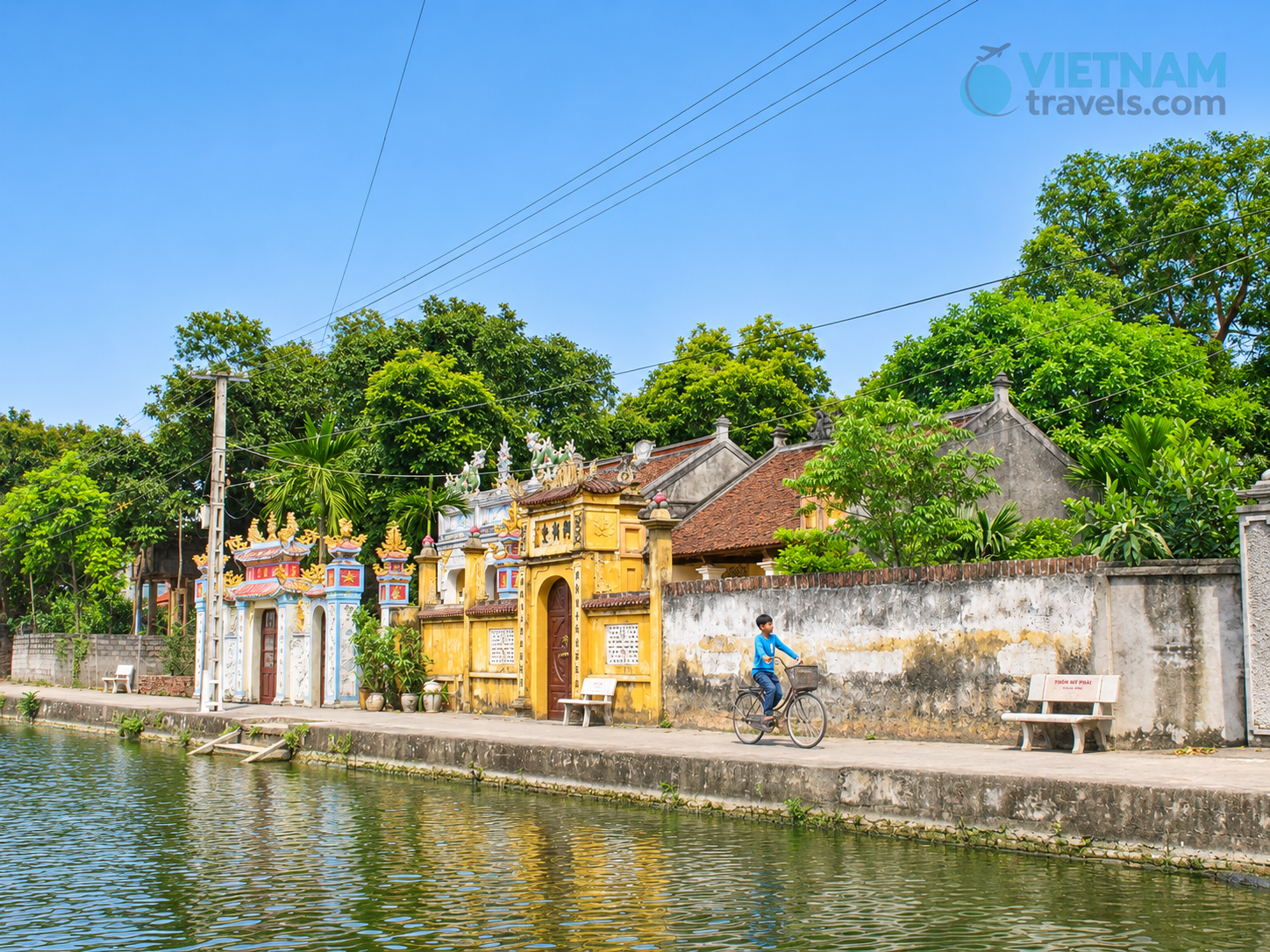
Traditional buildings and the central pond show how architecture and shared space fit together in Nom Village.
Nom suits travellers interested in the Red River Delta’s village heritage. Its appeal lies in the relationship between places: a lane leading towards the water, a family worship building near homes, and a bridge linking residential life with religious and trading spaces.
You do not need specialist architectural knowledge. Start by noticing materials, proportions and thresholds. How does a village gateway differ from a house entrance? Which spaces invite people to gather, and which belong to a family? These questions give ordinary-looking details meaning.
Nom ancient village is also a living settlement. Modern repairs, vehicles and household routines belong to the place you are visiting. Expect a mixture of old and new rather than an entirely preserved historical scene.
If you are choosing between cultural outings, distinguish a village walk from a craft activity. Our guide to traditional craft villages near Hanoi compares experiences built around pottery, textiles and other skills. Choose Nom primarily for its village setting, architecture and religious heritage; a hands-on workshop should not be assumed.
Understanding the Village Layout
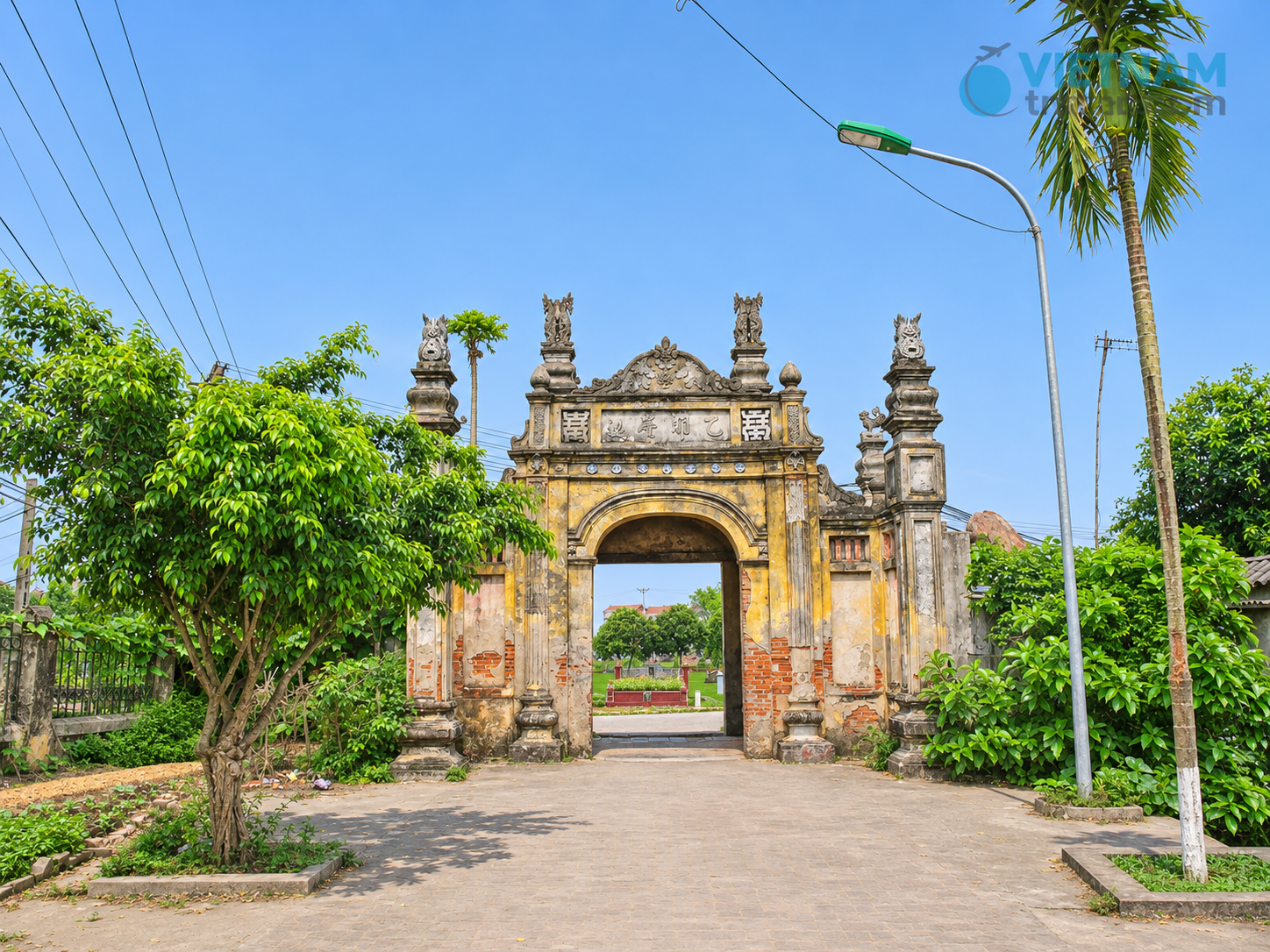
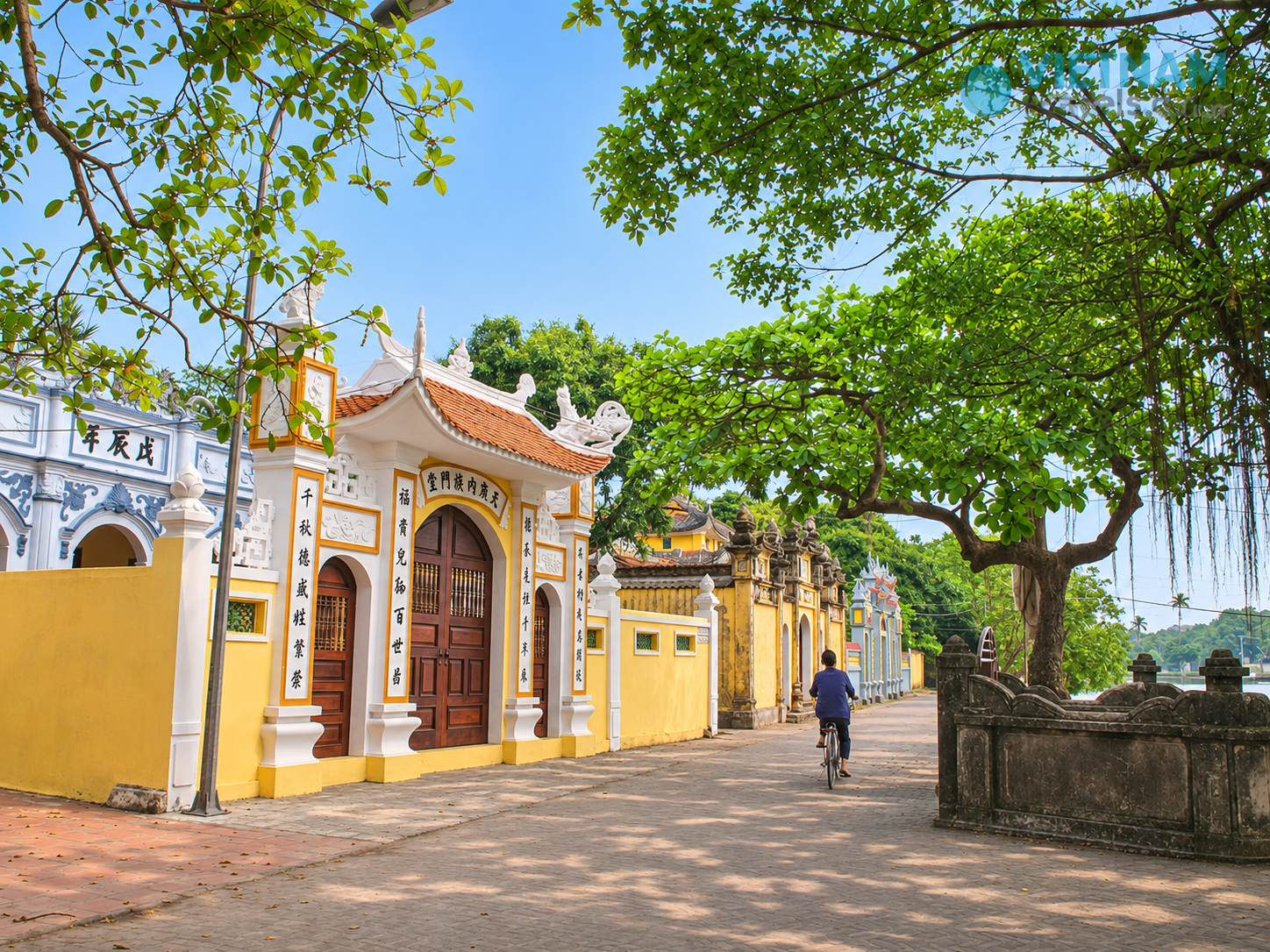
The village gateway marks the entrance to a settlement of lanes, homes and communal spaces.
Nom Village is in Hung Yen Province, east of Hanoi, in the Dai Dong area. Older descriptions often locate it within the former Van Lam district. Save the village and pagoda map pins before departure, and confirm the current address and vehicle meeting point with your driver.
The gateway, pond and lanes
Begin with the village entrance and central pond. The gateway marks a transition into a shared residential space, while the water and surrounding buildings help you understand the settlement’s layout.
Along the lanes, look for tiled roofs, brick surfaces, timber details and changes between open frontage and enclosed courtyards. Do not assume every old-looking feature is original: buildings can incorporate repairs and replacements from different periods.
The stone bridge
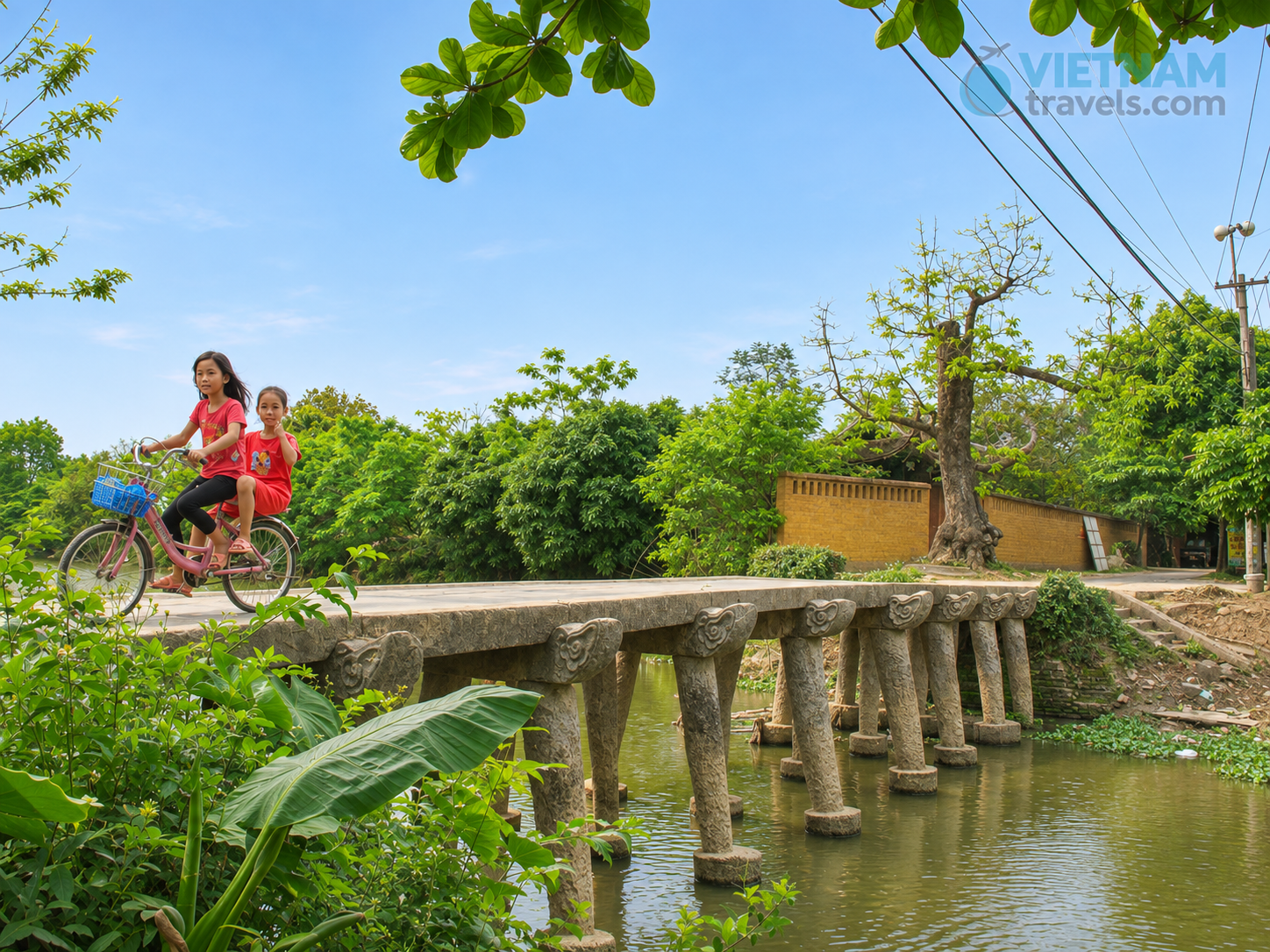
The stone bridge crosses the Nguyet Duc River and links the village with the market and pagoda. Its slabs, supports and carved details deserve a closer look. Step aside for other users and keep children close around water and uneven edges.
The bridge is more than a photograph. Following the connection it makes helps explain why the market and pagoda belong within a wider village visit. Rather than driving directly to the religious compound and leaving, consider approaching on foot where conditions allow.
Nom Pagoda and Local Religious Life
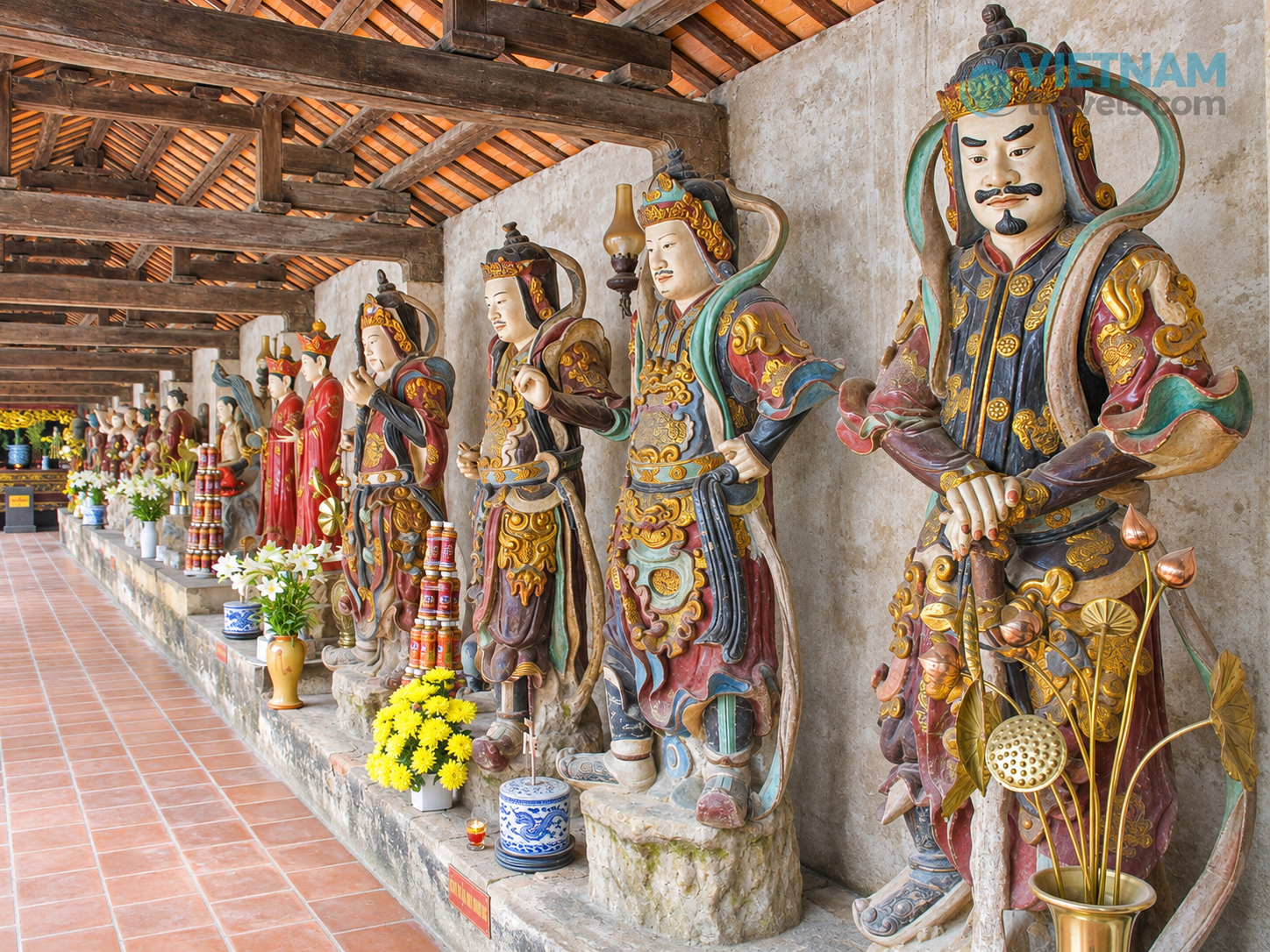
Figures in Nom Pagoda reward careful observation from permitted viewing areas; avoid touching the statues.
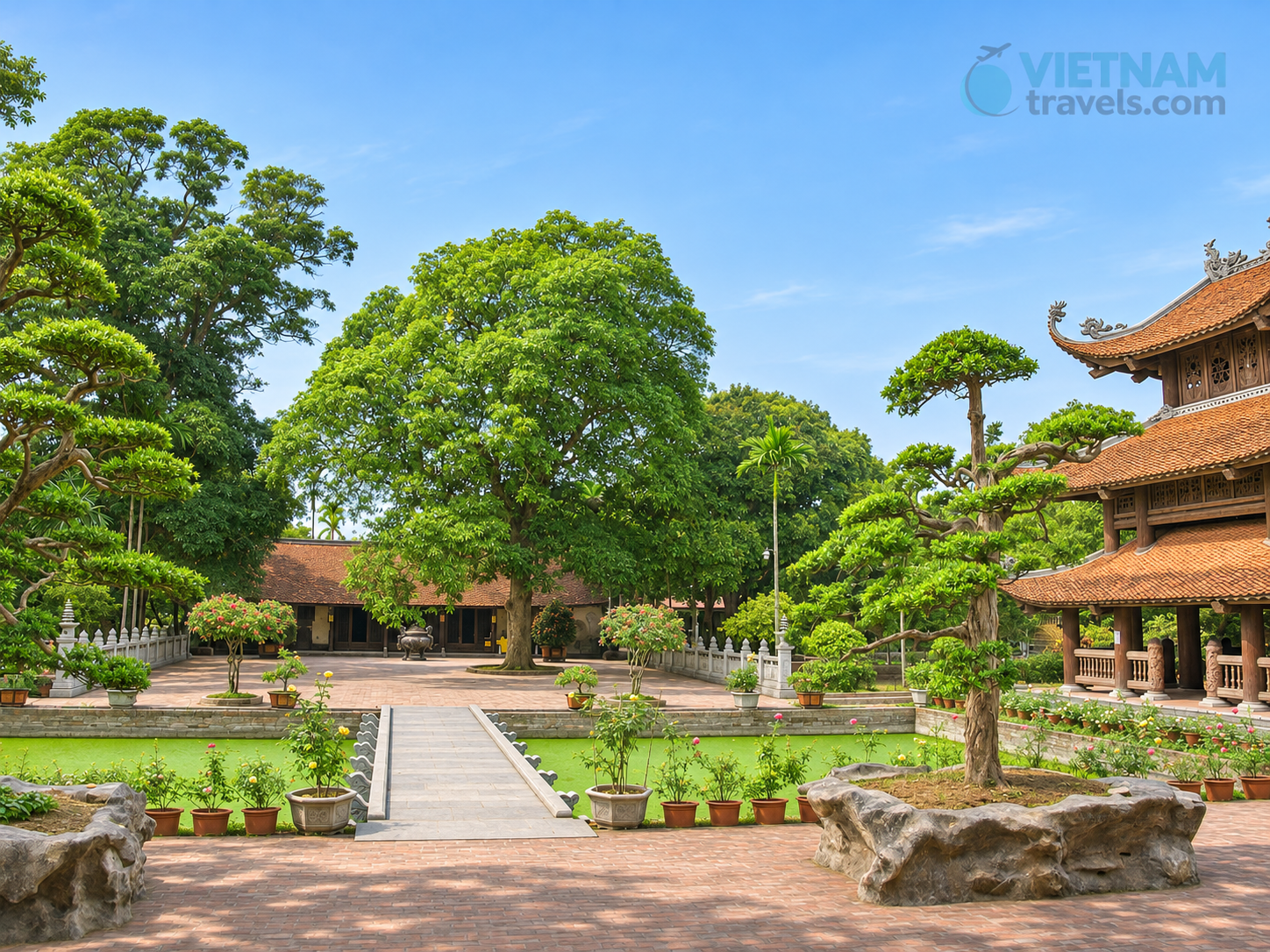
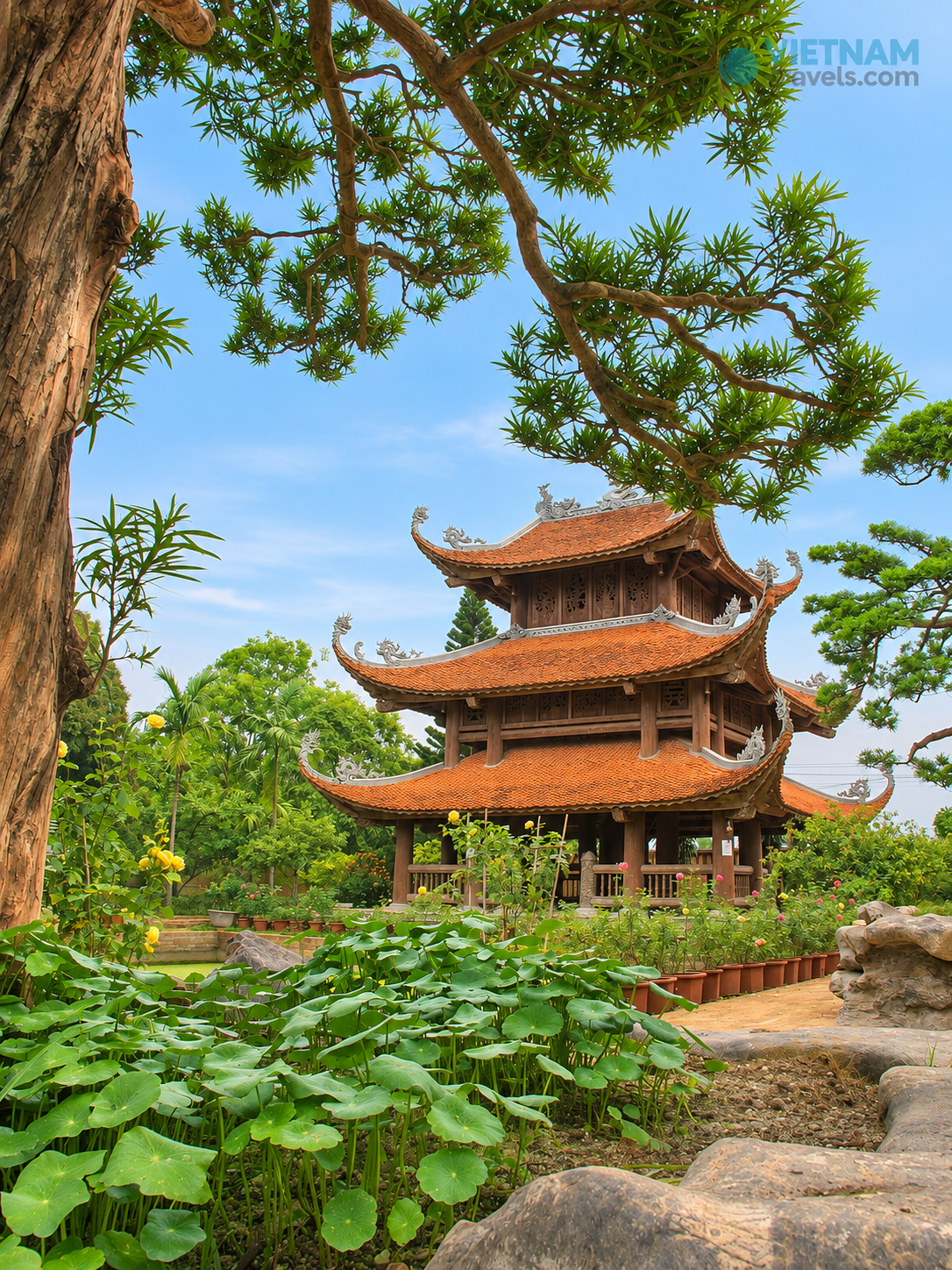
Nom Pagoda, also known as Linh Thong Co Tu, is a Buddhist place of worship. Give it time for observation rather than treating it as a quick backdrop. Its courtyards, halls and devotional spaces offer a different atmosphere from the residential lanes.
One of its significant features is a collection of old earthen statues. Look at expressions, clothing and arrangements from permitted viewing positions. A guide can help explain the figures and their religious context; avoid touching surfaces or moving objects to improve a photograph.
Historical religious compounds often contain buildings and decoration from several periods. An impressive pavilion may have a different history from the statues or hall beside it. Ask about particular features rather than assigning the whole complex one age.
A pagoda, a communal house and a family shrine
These are different institutions. The pagoda centres on Buddhist worship. The village communal house, or dinh, connects communal identity with local protective beliefs and ceremonies. Family worship buildings, or nha tho ho, relate to lineage and ancestors.
Nom’s Tam Giang communal house and family worship spaces therefore add another layer to the visit. You can learn from their setting and exterior even when interiors are closed.
Dress with shoulders and knees covered for religious visits, speak quietly and follow local instructions about footwear and photography. Let worshippers pass freely. A ceremony may change access; observe only where welcome and avoid interrupting proceedings.
Old Houses, Family Spaces and Everyday Life
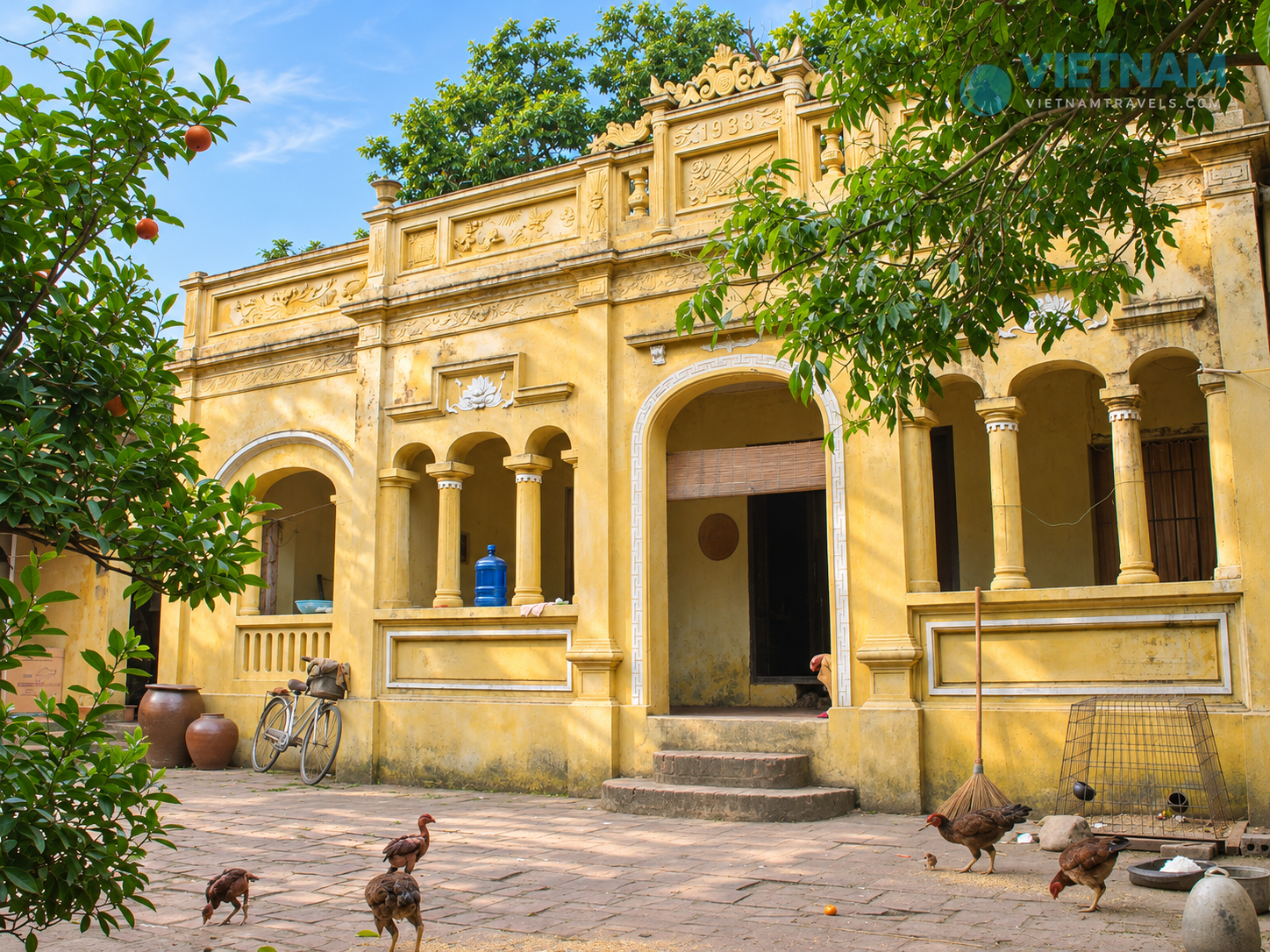
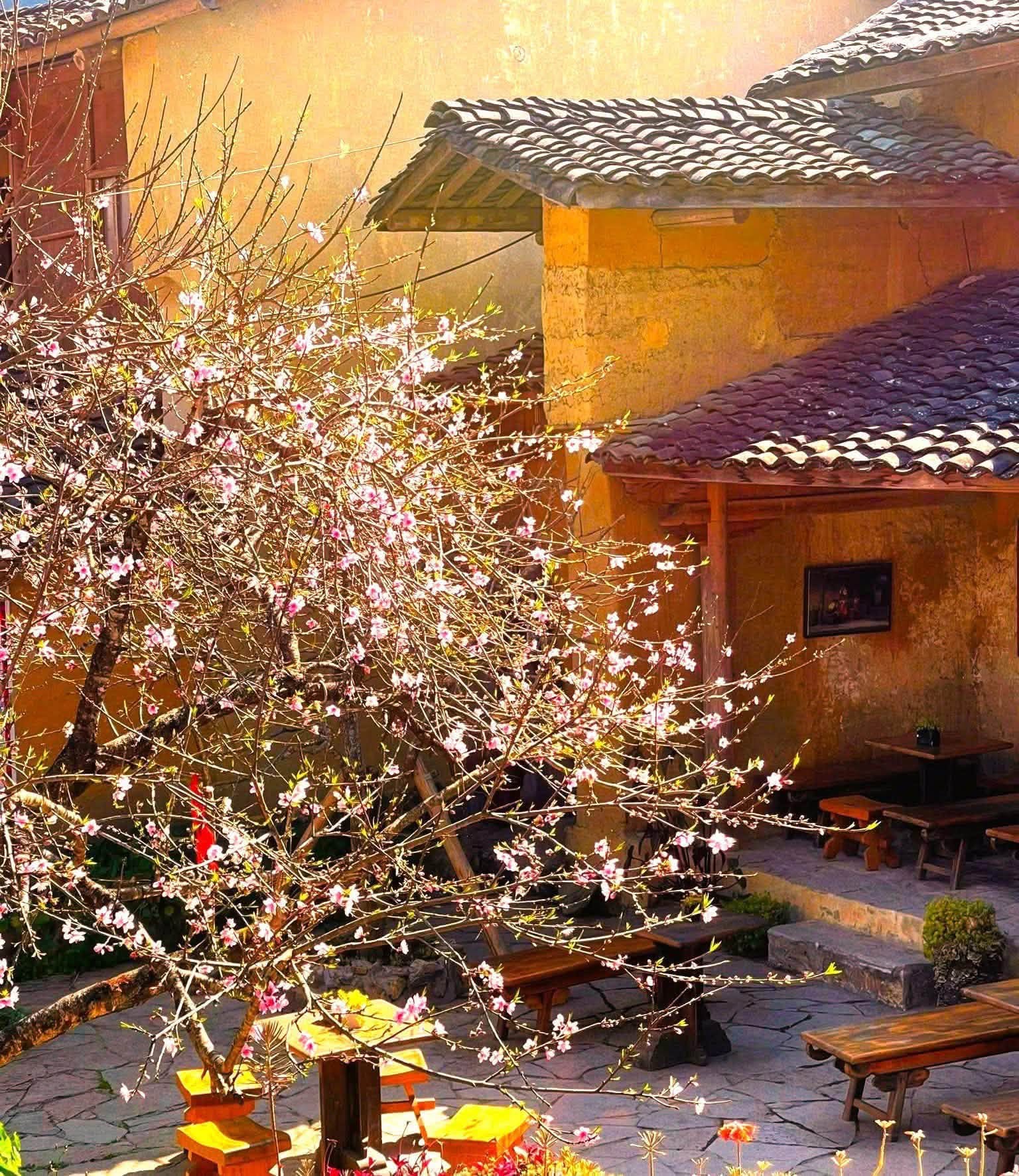
Columns, timber shutters and weathered yellow walls reveal details of the village’s older architecture.
Nom’s older houses and lineage buildings help explain how family identity takes physical form. Look at the relationship between roofs, entrances, courtyards and the lane. Timber supports and tiled roofs can reveal more when someone explains how the building is organised and used.
An open doorway is not an invitation to enter. Homes may contain private living areas and ancestral altars, and an owner may be occupied even when someone else is willing to receive visitors.
If a house visit matters to you, request it before the excursion. Confirm who will receive you, whether photography is welcome and whether a hosting payment applies. A prearranged conversation creates room for questions without placing residents under pressure.
Useful subjects include how a family uses the building today, which features have changed and what maintenance involves. These make heritage tangible without requiring residents to perform an imagined version of village life.
For photography, begin with public views and architectural details. Ask before portraits or close photographs of domestic activity. Keep entrances clear and accept a refusal comfortably.
What a Cultural Visit Can Include
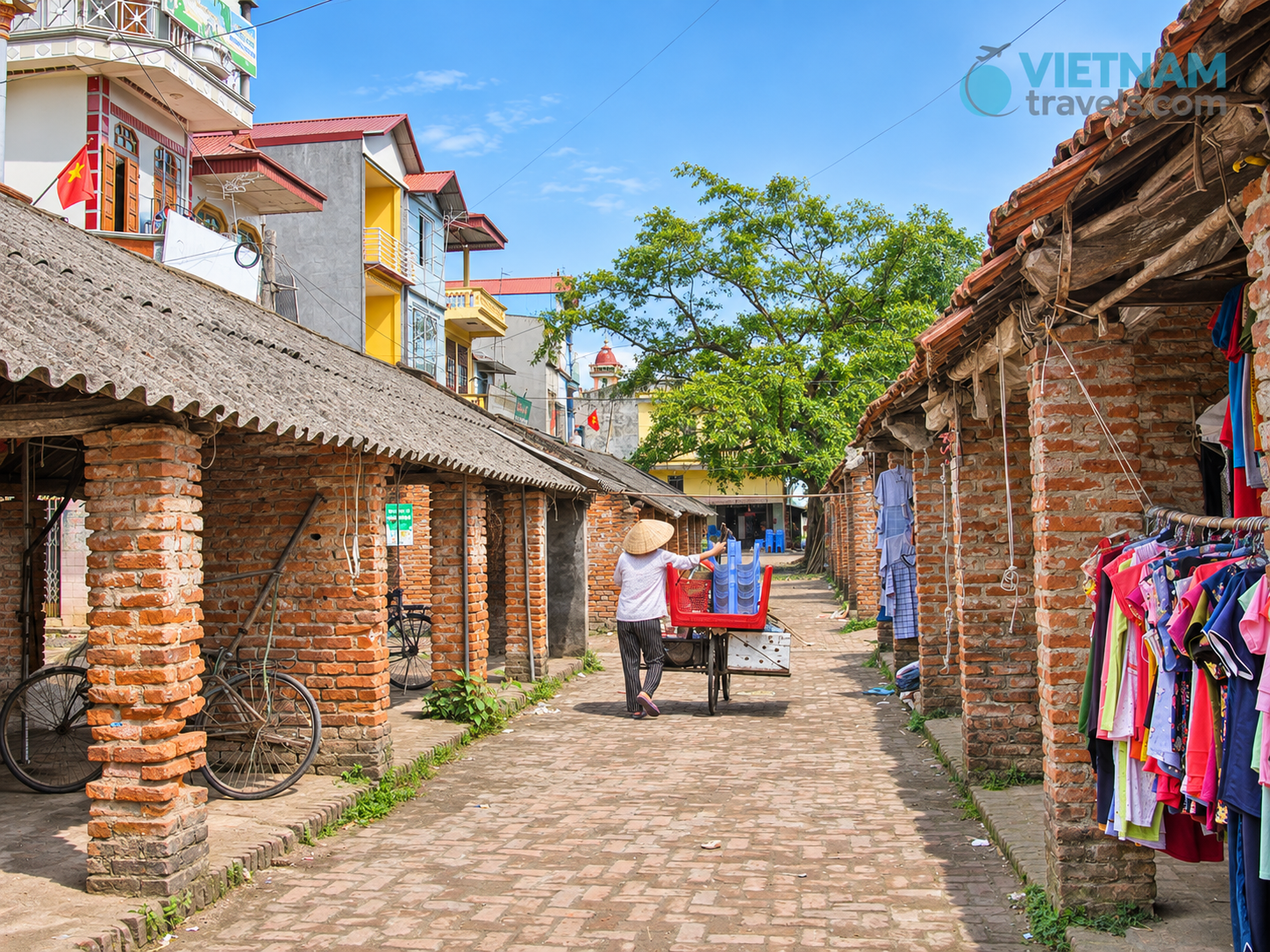
A walk between the brick market buildings connects architectural details with everyday village activity.
A satisfying visit needs a theme. Architecture enthusiasts might spend longer comparing entrances and roof forms; others may prefer religious interpretation or a slower walk with a few well-explained stops.
The table below offers planning allowances, not opening hours or guaranteed access.
Place or activity
What it helps you understand
Suggested time
Access consideration
Gateway and central pond
The village’s entrance and shared setting
15–20 minutes
Observe from accessible areas without blocking routes
Residential lanes
Materials, building patterns and daily use
25–40 minutes
Homes and courtyards remain private
Communal house and lineage-building exteriors
Community and family worship
15–25 minutes
Interior access requires permission
Stone bridge
Connections between village, market and pagoda
10–15 minutes
Share the crossing and watch footing
Nom Pagoda
Buddhist architecture, sculpture and worship
40–60 minutes
Follow current access and photography instructions
Arranged conversation or house visit
A resident’s perspective on village life
20–30 minutes
Confirm a willing host beforehand
Choose among these rather than treating the table as a compulsory checklist. With a host visit or detailed interpretation, allow longer.
The market can add context when trading is taking place, but its activity should be checked locally. Do not build your visit around an assumed market day or expect every photograph online to reflect ordinary conditions.
How to Plan a Visit from Hanoi
Allow time to explore the pagoda’s courtyards and buildings quietly, following local access instructions.
An arranged car offers control over departure, return and the meeting point. If using a taxi or ride-hailing service, establish the return arrangement before leaving Hanoi rather than relying on an immediate pickup later.
Allow approximately one to one and a half hours each way as an initial planning estimate, then confirm against your hotel, route and traffic. Journey time can change considerably; the estimate is not a transfer guarantee.
When to go
A morning visit can make an outdoor walk easier in warm weather. Spring and autumn are useful starting points for walking, although humidity, rain and cool spells remain possible. In summer, shorten exposed sections and leave room for breaks. In winter, bring a layer for damp or chilly conditions.
Rain changes how brick surfaces, steps and the bridge feel underfoot. Wear shoes with grip and adapt the route if needed. Do not assume a closed indoor space will be available as a substitute.
Around Lunar New Year and village celebrations, the atmosphere and access may differ from an ordinary day. Confirm the programme, transport arrangements and visitor expectations before planning around an event.
Comfort and accessibility
Bring water, sun or rain protection and some cash. Arrange lunch rather than assuming a suitable restaurant or household meal will be available on arrival.
Check toilets, places to sit, walking distances and steps in advance if these affect your comfort. An older village setting should not be described as universally accessible. For families, choose shorter sections and remain attentive near water.
Use our Hanoi Travel Guide to balance the excursion with enough time for the city itself.
Suggested Half-Day and Full-Day Approaches
A slower village walk leaves time to notice entrances, tiled roofs and the spaces used by local families.
A focused half-day
Leave Hanoi with a confirmed vehicle and meeting arrangement. Begin at the gateway and pond, continue through selected lanes, then cross towards the pagoda where access permits. Allow roughly two to three hours for walking, explanation and pauses.
Keep the return flexible enough to avoid rushing the final stop. A “half-day” description can be misleading if your hotel journey is longer, so confirm the total duration rather than only the time in the village.
This format suits visitors who want one meaningful excursion while retaining time in Hanoi.
A fuller cultural day
Use additional time for a confirmed house visit, a hosted conversation, lunch or deeper architectural interpretation. One village can support a longer outing when you have a willing host and a clear interest.
Alternatively, add one complementary heritage stop after checking the route and access. Ask how much time the extension adds and what it contributes. A second place is useful when it develops the theme, rather than simply increasing the destination count.
A hosted meal, demonstration or home visit is a separate arrangement. Include it in the programme only after the provider confirms the service.
Practical Questions Before You Go
The pagoda’s waterside pavilion offers another perspective on the village’s religious architecture.
Do you need a guide?
Independent visitors can appreciate the setting, but a knowledgeable guide can explain distinctions between communal, family and Buddhist spaces. Translation is particularly useful for an arranged conversation. Ask for someone who can interpret the village rather than only accompany transport.
Is Nom Village a craft workshop destination?
This guide recommends it for village heritage and religious architecture. If hands-on making is your priority, choose a confirmed workshop elsewhere or request a separately verified activity.
Is there an entrance fee?
Confirm current charges for the places and services in your itinerary. Vehicle parking, guiding, private hosting and any venue charges are separate questions. If making a religious donation, use the designated arrangement; do not assume it purchases access.
Can you enter the old houses?
Only with the owner’s permission. A planned exterior walk remains worthwhile when a house visit is unavailable.
What should you confirm when booking?
Provide your hotel, group size, walking preferences and main interests. Request a clear explanation of transport, guiding, meals, hosting, access limitations and the arrangements for rain or closures.
For a tailored Nom Village Hanoi day trip, contact Vietnam Travels. Tell us whether architecture, religious heritage, photography or conversations interest you most, so the visit can be planned around what you want to understand.
For help fitting a village excursion into your wider holiday, explore our Vietnam travel planning resources.
Sources and References
Background information reviewed on 28 November 2026. Historical descriptions do not establish current opening hours, market activity or private-house access; confirm these for your visit.