Vietnam Tourism: Heritage, Local Experiences and Responsible Travel
November 23, 20266 min read
Vietnam tourism brings together very different experiences: a morning inside a historic citadel, an afternoon learning to cook, or a quiet boat journey through farming country. The useful question is not simply which places are famous, but which encounters you want your holiday to make possible. This guide explains how to connect scenery, heritage and everyday life without treating the country as a checklist.
Think of your trip as a small collection of experiences with room between them. Choose one cultural interest, one landscape you want to spend time in, and a comfortable level of activity. That combination gives you a clearer starting point than a long list of destinations.
Understand the country through contrasting landscapes and histories
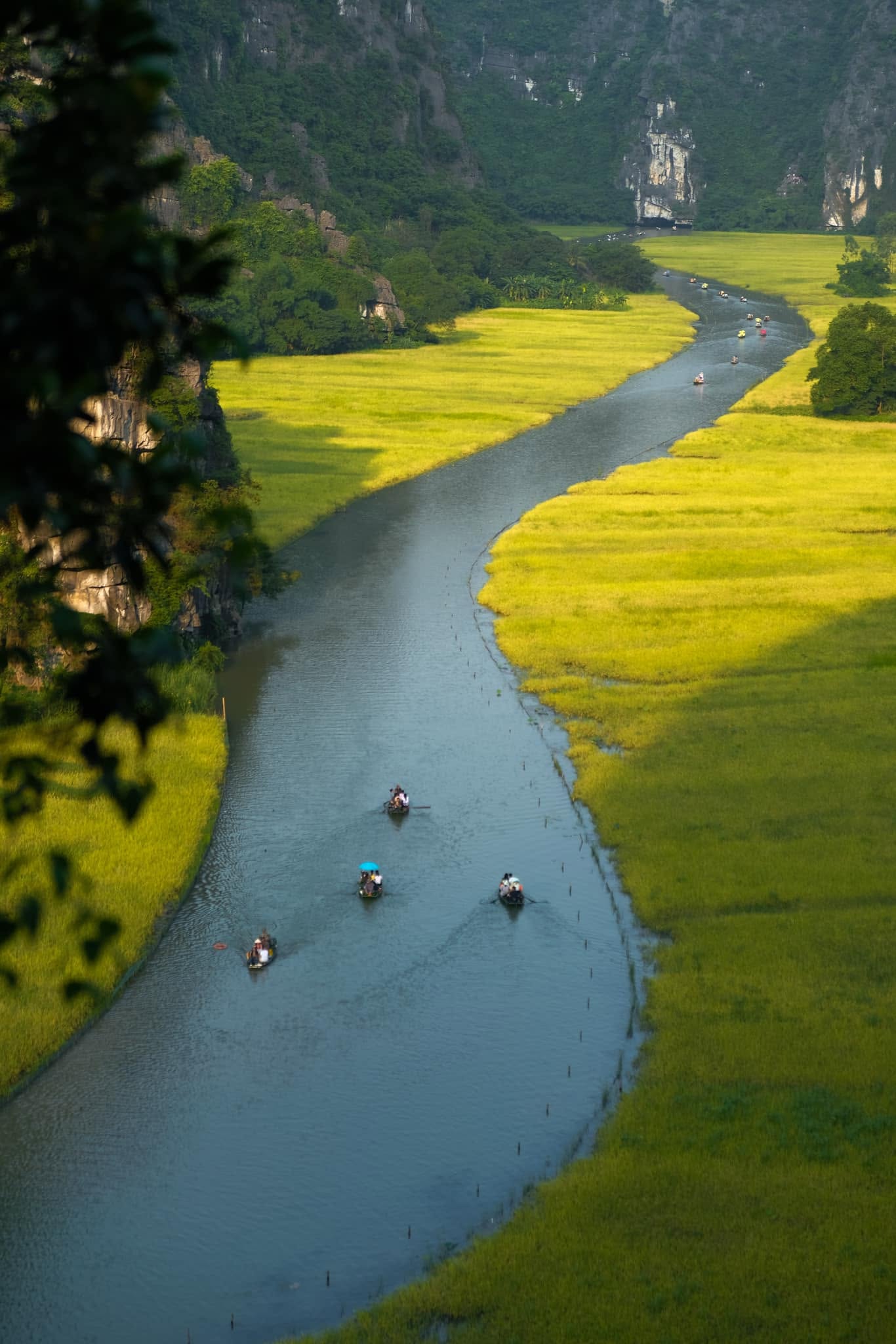
Tam Coc brings cultivated landscapes and river scenery together in Ninh Binh. (Source: Collected).
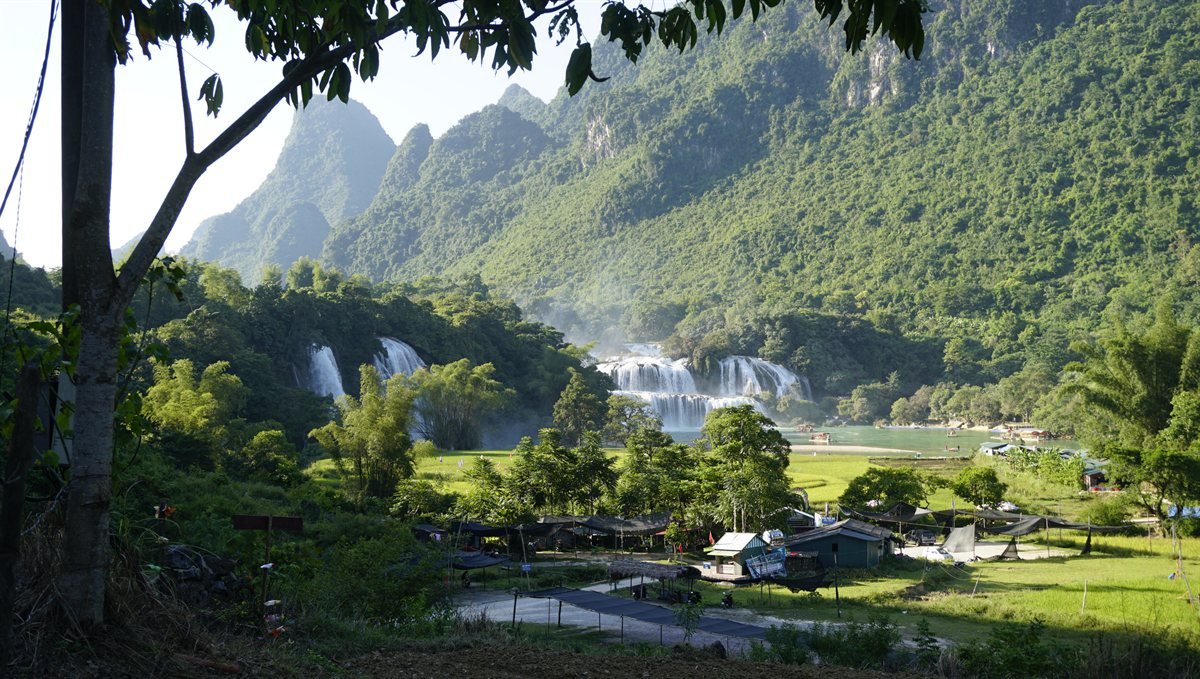
Northern Vietnam can bring city streets, river valleys and mountain communities into the same holiday, but these settings deserve different expectations. Hanoi rewards walking and attention to street life. Ninh Binh offers a landscape where limestone hills, waterways and cultivated fields sit together. Mountain journeys involve longer road travel and should be chosen because you want the journey itself, rather than an extra photograph.
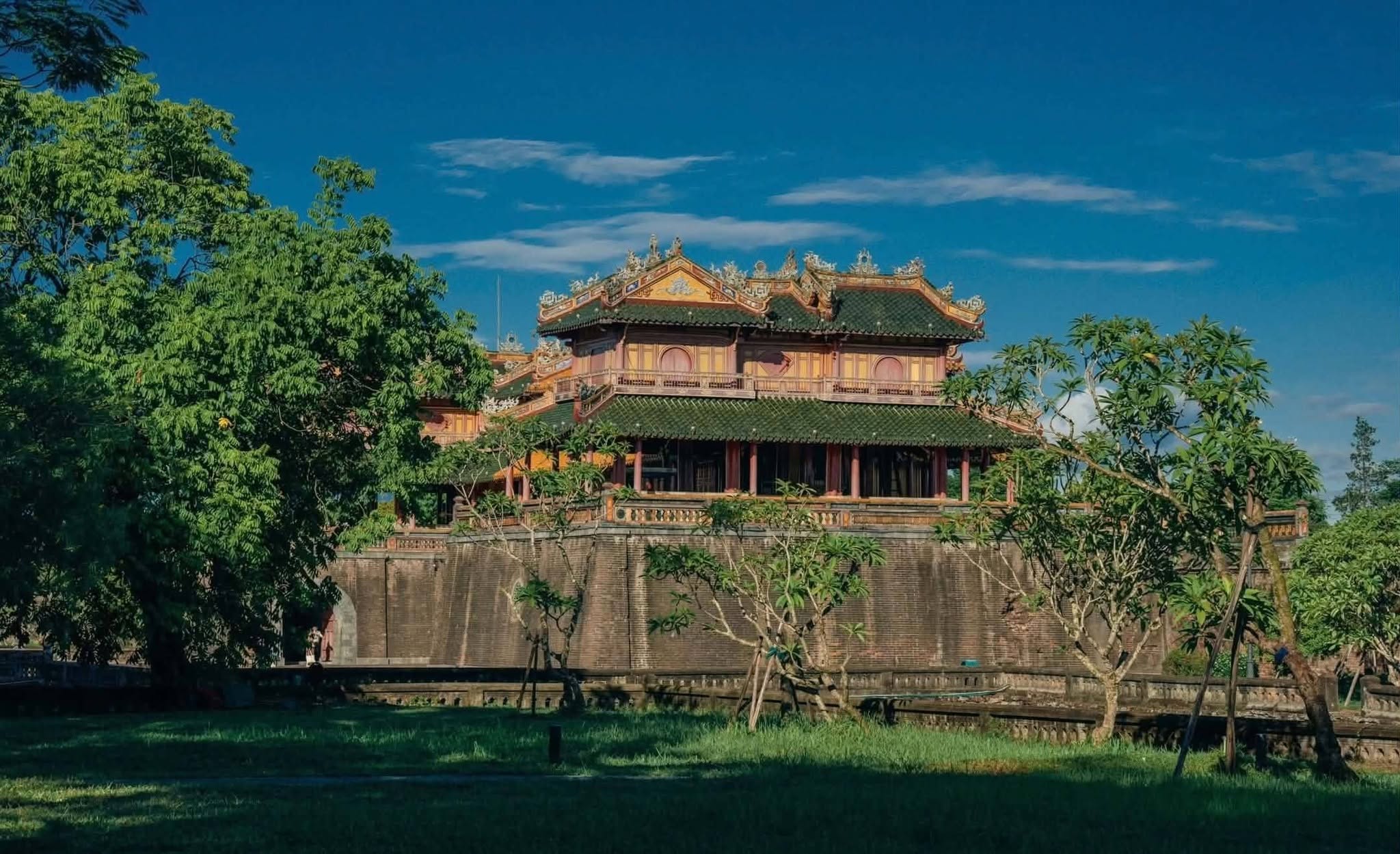
Central Vietnam offers a different conversation with the past. Hue's imperial monuments invite you to consider royal history, architecture and the organisation of ceremonial spaces. Hoi An's streets reflect its history as a trading port, with local and overseas influences visible in its buildings. Read our Hoi An travel guide if that combination of heritage and walkable neighbourhoods appeals to you.
In the south, Ho Chi Minh City and the Mekong Delta offer contrasting urban and river settings. Do not assume a short excursion represents the entire delta. A workshop visit, a village walk and a river stay each reveal a different part of the region. Decide whether your priority is movement, conversation or time in one place.
A useful pairing is a busy base followed by a quieter setting. This creates contrast without requiring every region in one trip. For broader destination comparisons, our guide to choosing Vietnam destinations can help narrow the map before you book.
Choose experiences by what you will actually do
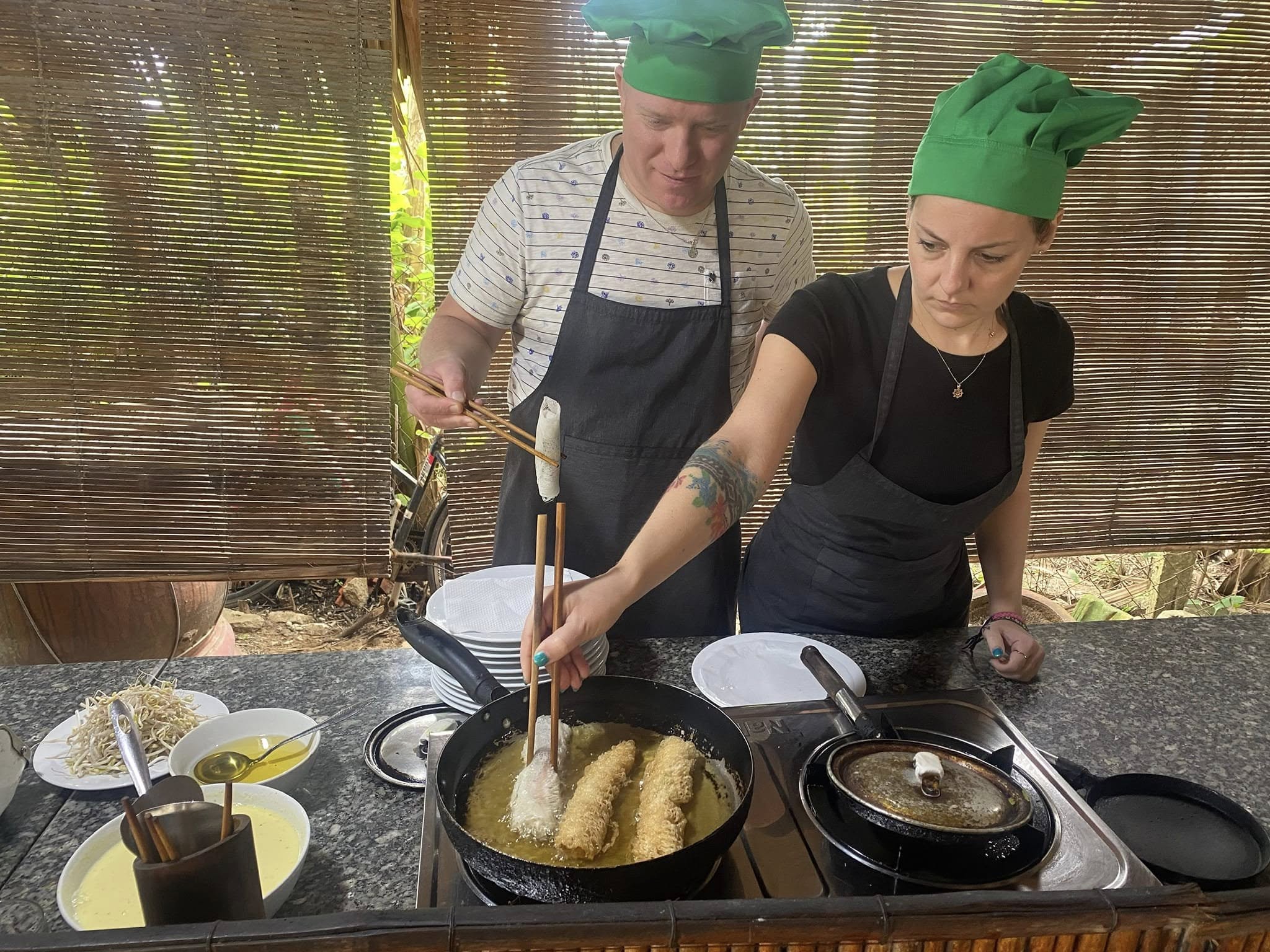
A cooking session offers a different kind of participation from a tasting walk. (Source: Collected).
Tour labels can sound similar while describing very different days. A culinary experience might mean tasting prepared dishes, shopping for ingredients, watching a demonstration or cooking a meal yourself. Before booking, ask how much time is hands-on, how many people share the space, and whether the meal is included. Dietary requests should be discussed in advance and confirmed for the specific programme.
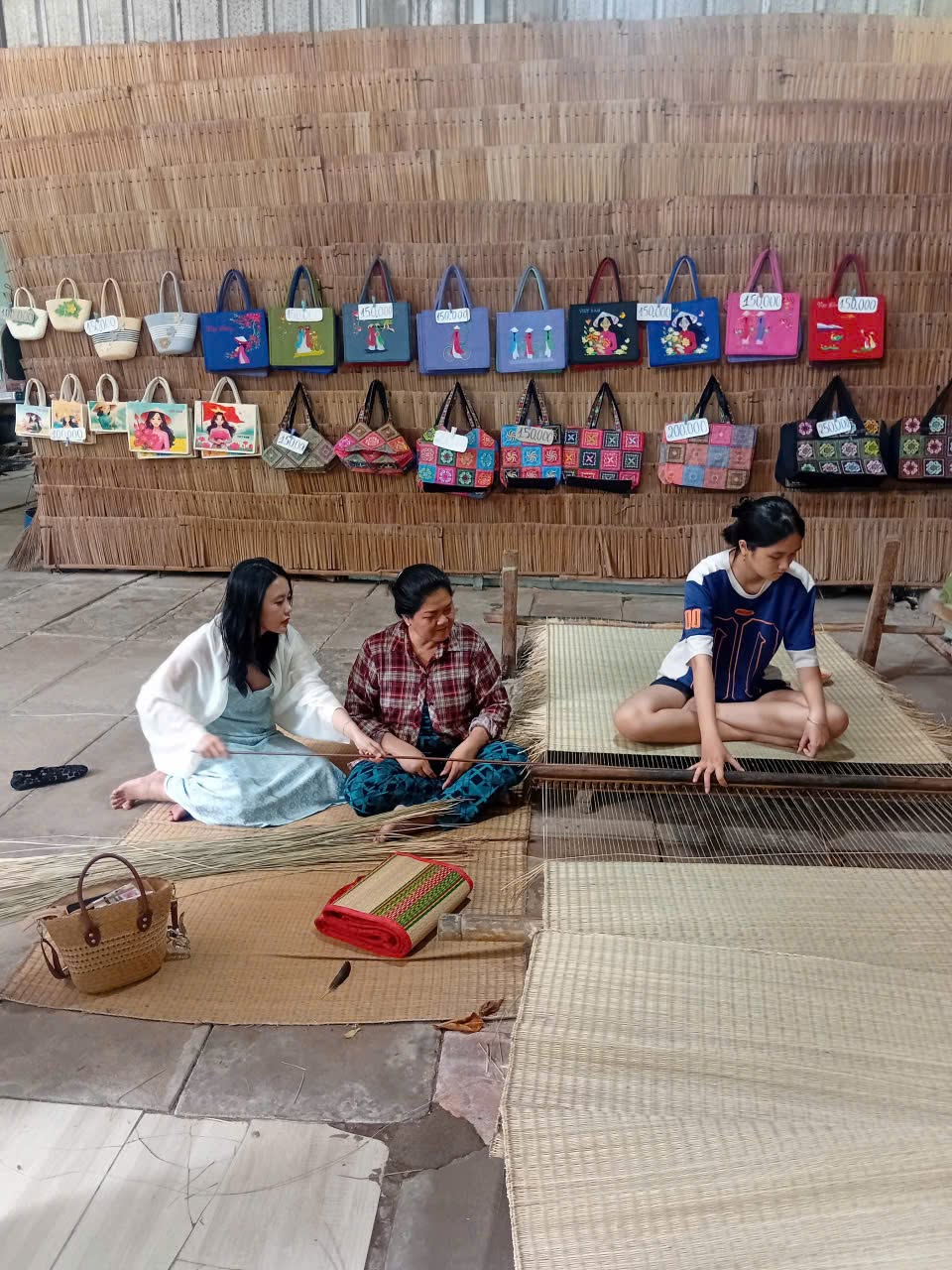
The same distinction matters for countryside visits. A cycling outing should explain the riding surface, support arrangements and alternatives for anyone who prefers not to ride. A village visit should say whether residents host the activity and what the visitor is invited to do. Watching a craftsperson work is different from joining a supervised workshop.
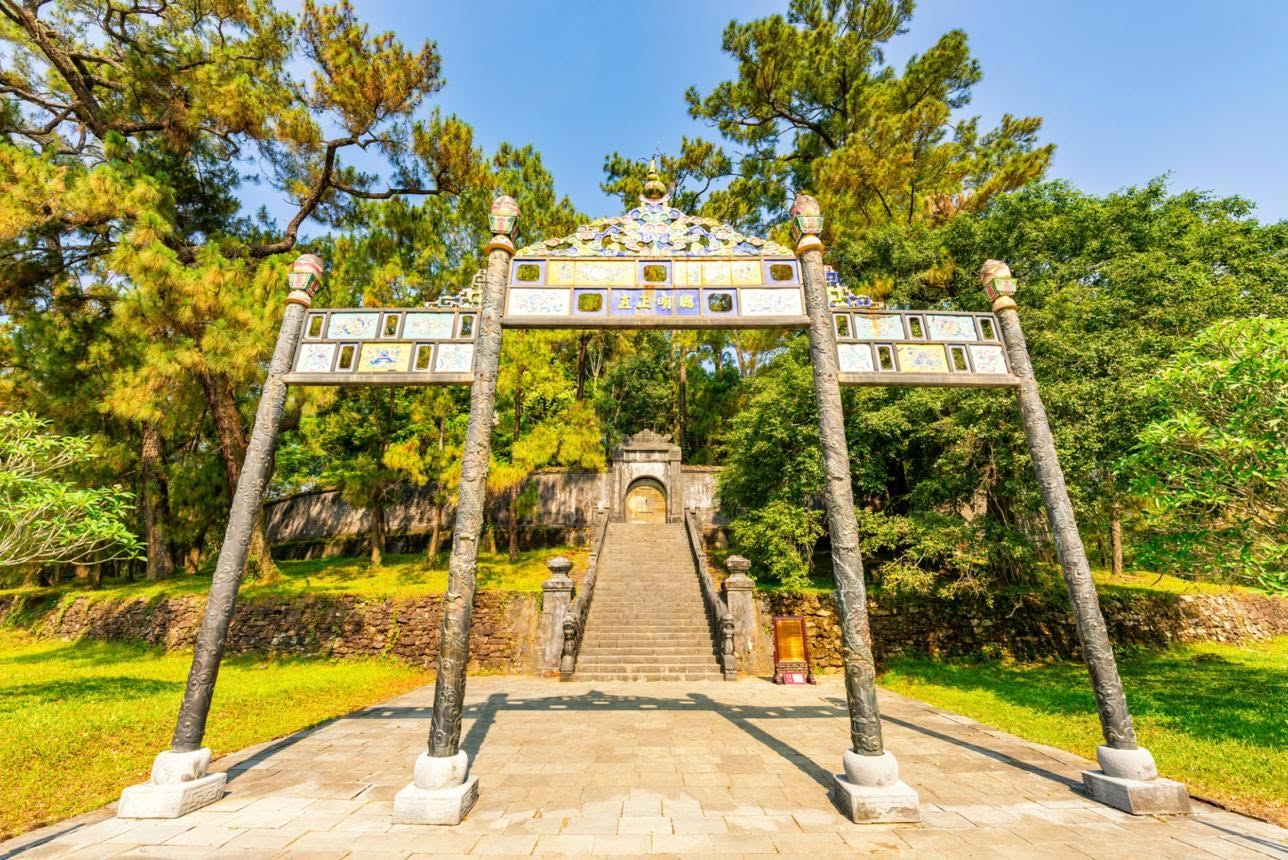
For heritage visits, consider whether you prefer independent exploration or interpretation from a guide. A good explanation can connect a courtyard, tomb or trading house with the people who used it. Leave some unstructured time afterwards: a guided morning and an independent afternoon often complement each other better than continuous commentary.
Food-focused travellers: compare tasting walks with cooking sessions rather than choosing by duration alone.
Landscape-focused travellers: check how much of the day is spent travelling versus exploring.
Families and mixed groups: agree on walking, rest stops and an easy alternative before committing.
Use the food and culinary tours collection to compare actual activities. Ask for a written description of inclusions and exclusions, especially when several experiences share a similar name.
Let weather and comfort shape the experience
Heritage visits can involve steps and outdoor walking; plan breaks around your comfort. (Source: Collected).
Vietnam does not have one reliable weather pattern for every destination. Northern winters can feel cool, particularly in highland areas, while the south remains warm. Rainy periods also differ between regions. Central coastal destinations can experience disruptive rain and storms during part of the year. Check the places you will visit individually, rather than applying a countrywide seasonal label.
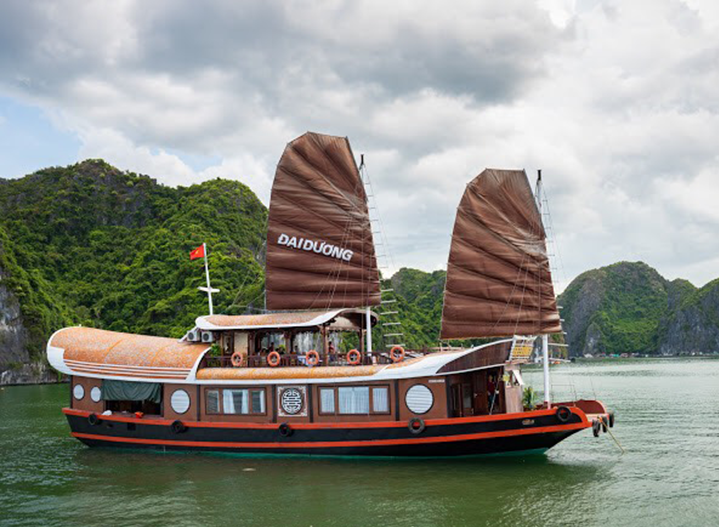
Weather changes the character of an activity. A sunny heritage visit may need shade breaks and an earlier start; a wet countryside day may require a different walking route. Sea conditions can affect boat trips even when the sky above your hotel looks clear. Seasonal guidance helps with initial choices, but local forecasts and operator decisions matter close to departure.
Build alternatives around the same interest. If an outdoor food walk becomes impractical, a suitable indoor cooking session may preserve the culinary focus, subject to availability. If a mountain outing is cancelled, accept that a city museum is an alternative experience rather than a substitute view. Never pressure an operator to continue an activity that has been suspended.
Comfort also includes ordinary details: steps at accommodation, bathroom breaks, luggage handling and time to eat. Tell your organiser what affects your day. A shorter programme that fits your needs usually delivers more than an ambitious plan that leaves everyone tired.
Make local encounters respectful and worthwhile
A craft workshop in Ben Tre offers a chance to learn about local skills and livelihoods. (Source: Collected).
Responsible travel begins with recognising that the places you visit are homes and workplaces. Ask before photographing people, accept a refusal without negotiation, and avoid interrupting a craftsperson or vendor for a staged image. At religious sites, follow the posted dress and photography rules. In a home, let your host explain where shoes belong and which spaces are private.
Think carefully about purchases and participation. Buying an item you genuinely want from its maker can be more meaningful than collecting inexpensive souvenirs without knowing their origin. Ask how something is made and what the price includes. Bargaining, where appropriate, should remain friendly; a small saving is not worth an uncomfortable encounter.
Environmental care should be practical. Carry a refillable bottle where safe refills are available, keep rubbish with you until you find a suitable bin, and follow marked routes. Avoid wildlife products and activities that depend on handling or disturbing animals. A quiet visit can be rewarding without turning every encounter into entertainment.
Before choosing a community-based experience, ask who hosts it and how residents take part. Specific answers are more useful than broad promises of authenticity. Choose fewer, better-understood activities, leave space for conversation, and allow your plans to adapt to the people and conditions you meet. That is a useful foundation for exploring Vietnam with curiosity and care.