Vietnam Vacation: Plan a Holiday with Fewer Hotel Changes
November 24, 20266 min read
A Vietnam vacation should leave you with more than a list of places reached. It should also give you time to enjoy breakfast, return to a neighbourhood you liked and spend an afternoon without watching the clock. Yet it is easy to fill a holiday with hotel changes and excursions until the free time disappears.
Start by deciding how you want your days to feel, then choose a route that supports that pace. The suggestions below are planning examples, not fixed tour programmes or transport schedules. They focus on protecting usable holiday time, whether you prefer heritage walks, countryside stays or a few days beside the sea.
Choose the feeling of the holiday before the destination list
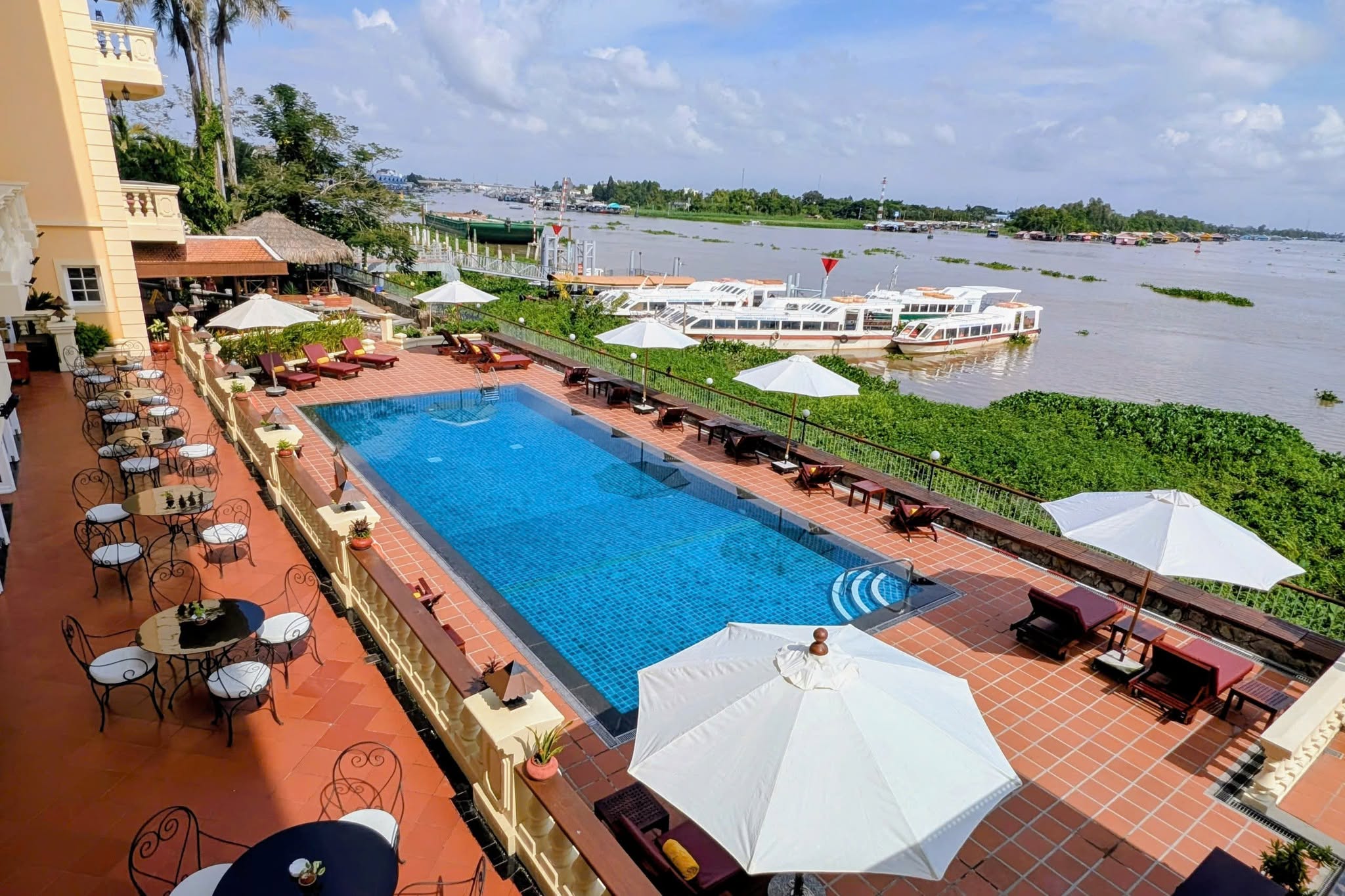
Choose a base whose surroundings suit the way you want to spend your free time. (Source: Collected).
Ask everyone travelling to name one experience they would regret missing and one thing they want less of. Your answers might be a guided heritage visit and fewer early starts, or a cooking session and less time in vehicles. These preferences are easier to work with than a vague request to see everything.
Then distinguish exploration from recovery. A city can offer restaurants, museums and walking opportunities, but you may still want a quieter place afterwards. A coastal resort can provide a comfortable pause, although its location and facilities should suit the way you spend your time. Neither setting automatically guarantees a restful stay.
Choose accommodation around the ordinary parts of the day. If you like stepping out for coffee, look carefully at the surrounding neighbourhood. If afternoons at the property matter, assess the actual room, shade, seating and dining options. A spectacular view is less useful if every meal requires an arrangement you find inconvenient.
For a river-focused stay, our Mekong Delta travel guide explains the region's different settings. Use destination guides to check fit rather than to collect extra stops. A good holiday brief might be as simple as two contrasting bases, one organised activity in each and several open afternoons.
Allocate nights so that moving does not consume the trip
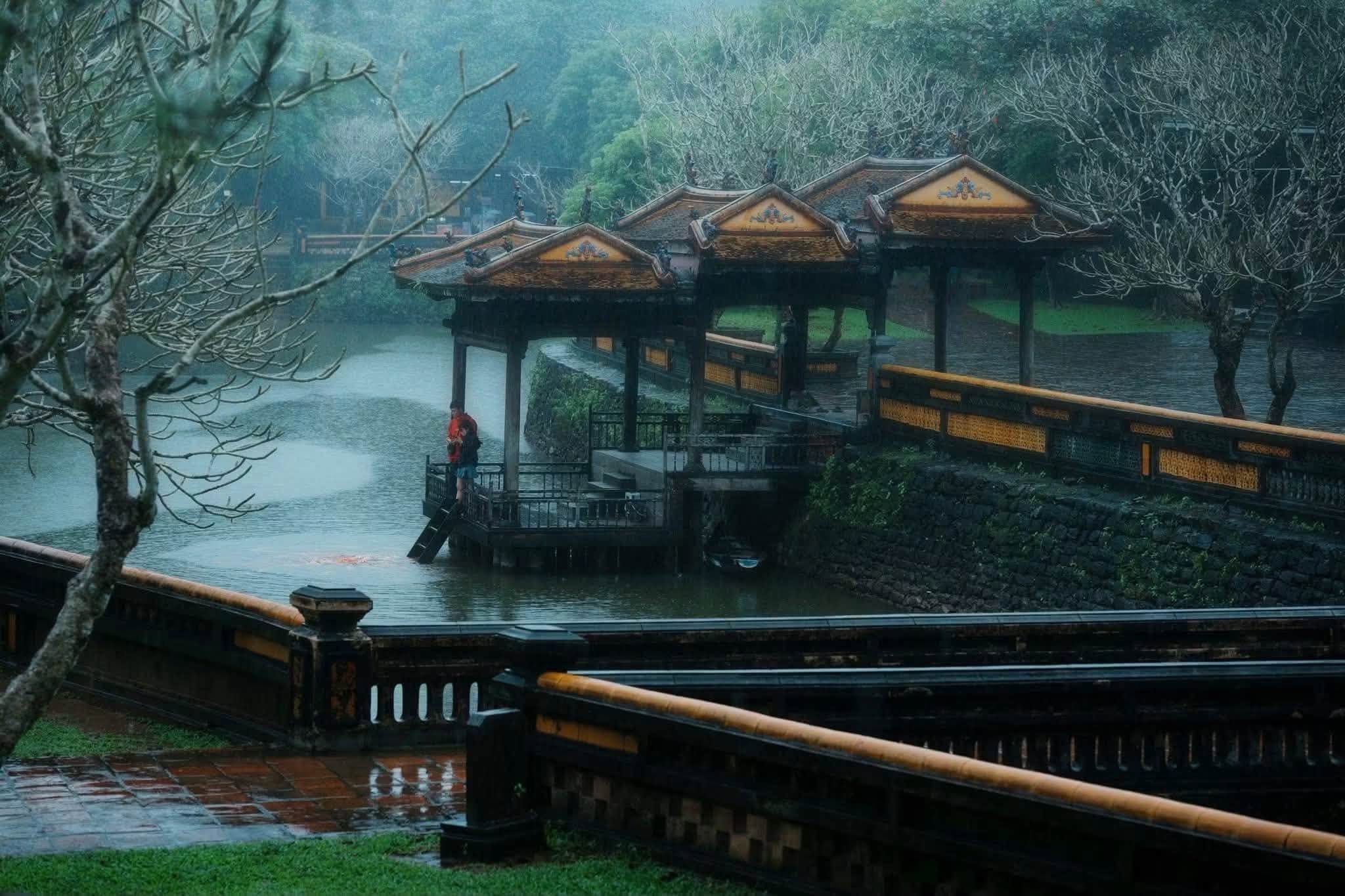
A longer heritage stay can leave space to explore without rushing between hotel changes. (Source: Collected).
Count nights before you count attractions. A two-night stay usually leaves one full day between arrival and departure; that may be enough for a focused visit but little room for changes. Longer stays can make it easier to explore at different times, return to a favourite place and absorb an interrupted activity without rebuilding the whole route.
For seven nights, consider two bases rather than trying to cross the country. A possible division is four nights in a city or heritage town and three in a quieter nearby setting, provided the connection suits your travel plans. These are night allocations, not promises that every pairing has an easy transfer.
For ten nights, three bases might work as three, three and four nights. The longer final stay gives you space to slow down once the main sightseeing is complete. Alternatively, keep only two bases if you dislike packing. An extra destination should earn its place through an experience you value, not because it lies along a line on the map.
With fourteen nights, you can consider more regional contrast, but still keep a limit on hotel changes. Consult our two-week Vietnam itinerary for route ideas and remove stops that do not match your priorities. Check arrival and departure times before treating the first and last dates as full holiday days.
Give each day an anchor and leave space around it
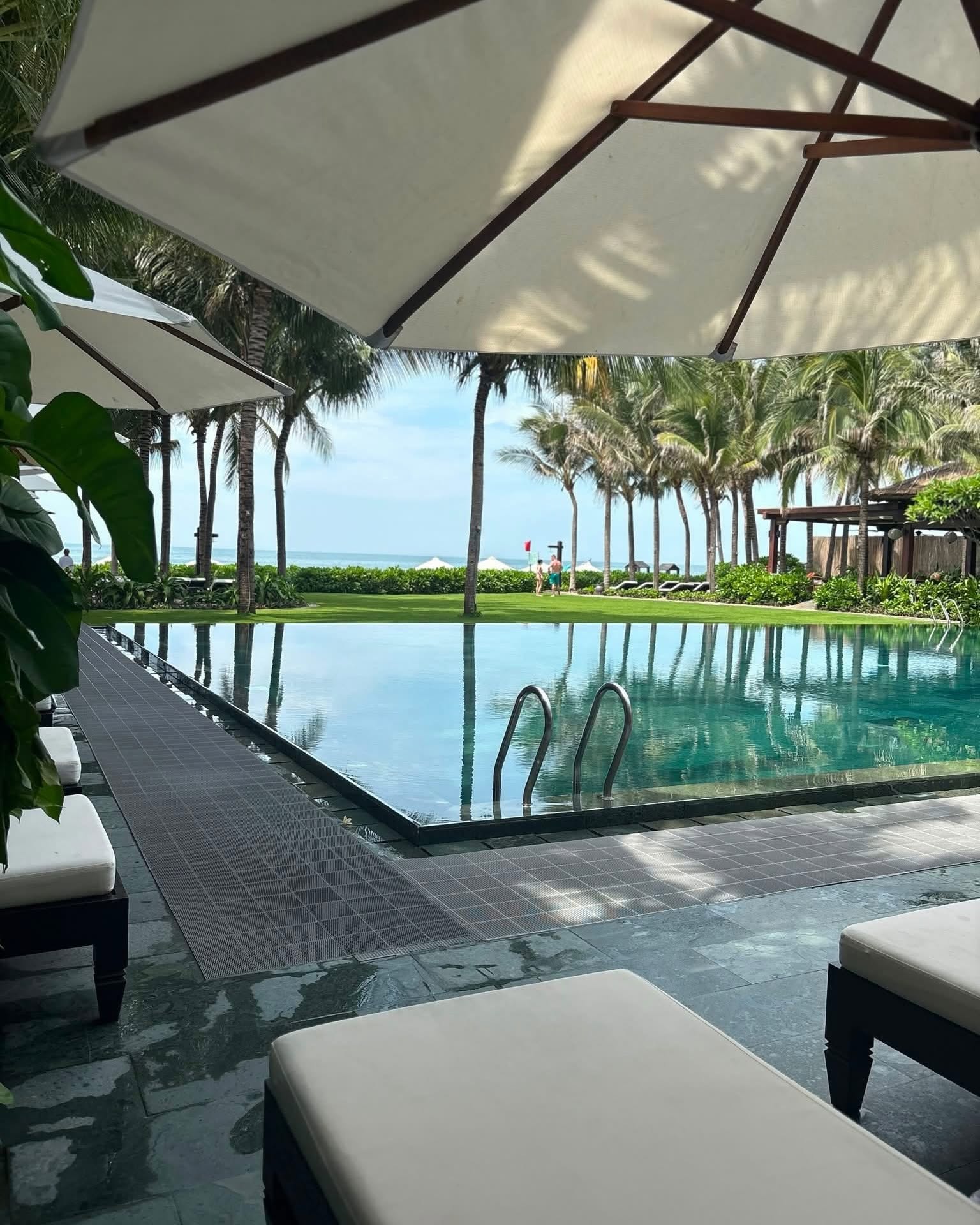
Keep some of the day free to enjoy the accommodation and setting you chose. (Source: Collected).
Plan one main commitment for a day, then decide what can remain flexible. In a heritage town, the anchor might be a guided morning walk. The afternoon could be lunch, browsing and a return to the hotel, with an optional evening outing if you still feel like it. This gives the day purpose without making every hour compulsory.
Alternate more demanding days with lighter ones. A long transfer followed immediately by an early excursion can leave little recovery time. If a particular activity requires an early start, consider an easier evening beforehand. For mixed groups, discuss what happens when someone wants to rest rather than assuming that everyone must follow the same programme throughout.
Protect your meal breaks too. A tasting walk and a full cooking session may both sound appealing, but placing them close together can become tiring rather than enjoyable. Our food and culinary experiences help you compare activities by what you actually do. Choose one that suits your appetite, interests and available time.
A beach afternoon deserves the same planning respect as a famous attraction. Leave enough time to reach the accommodation, settle in and use the setting you chose. Check local guidance before swimming, and accept that being beside the sea does not mean conditions are suitable for entering it. A shaded seat and an unhurried meal can still be worthwhile parts of the day.
Keep weather alternatives and departure time in reserve
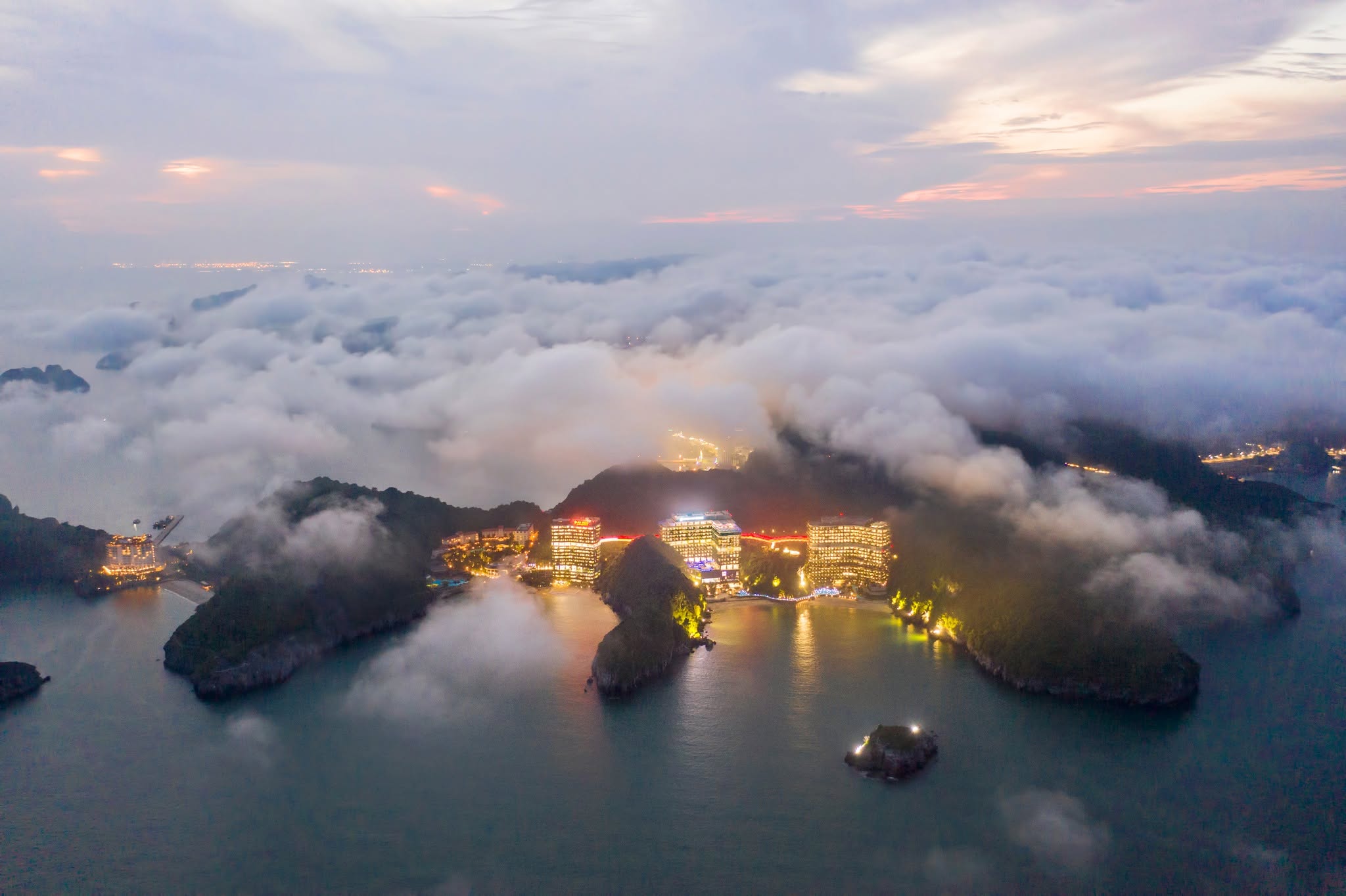
Coastal destinations have different conditions and connections; leave flexibility in the plan. (Source: Collected).
Vietnam has different regional weather patterns, so avoid choosing an entire route from a single countrywide seasonal label. Northern highlands can feel much cooler than southern destinations. Central coastal areas have their own rainy periods, and storms can affect outdoor activities and transport. Use seasonal information to narrow options, then check local forecasts closer to travel.
Give weather-dependent activities some flexibility where possible. If a boat outing is the reason for visiting a place, avoid making your only available departure the final opportunity before a separate onward journey. Ask the operator how changes are handled and what alternatives can realistically be offered. A free afternoon is useful flexibility, not wasted time.
For an island break, compare the experience with the access involved. Vietnam's islands offer different combinations of towns, resorts, beaches and outdoor activities; they are not interchangeable endings to every itinerary. Choose the island because you want to stay there and can accommodate its connections. Our Con Dao guide provides one example to consider alongside other coastal options.
Finally, work backwards from the journey home. Confirm checkout arrangements, luggage storage and the transfer you need. Avoid a demanding last-day activity that leaves you rushed. A comfortable Vietnam vacation is often built through these small decisions: fewer unnecessary moves, enough nights in the places you enjoy and time to change your mind without losing the shape of the holiday.