Ho Chi Minh City Food Guide: What to Eat and Where to Start
November 20, 202612 min read
A bowl of hủ tiếu in the morning, grilled pork over broken rice at lunchtime and a few shared dishes after dark make a good introduction to eating in Ho Chi Minh City. The harder part is deciding where to begin when appealing places are scattered across such a large city. This Ho Chi Minh City food guide helps you choose dishes, understand what to order and plan meals without spending the day travelling between them.
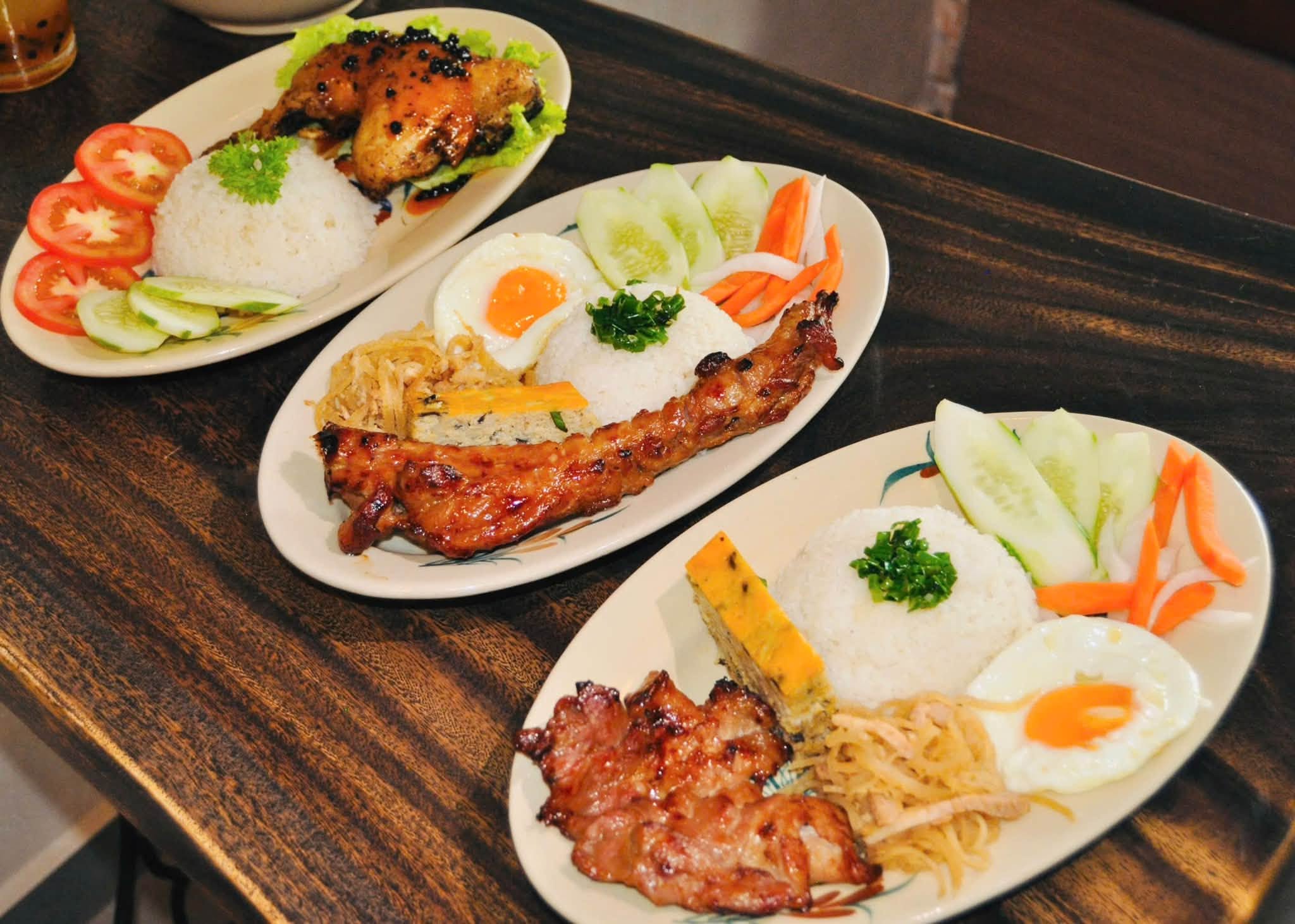
Featured image: Rice plates with grilled meat, eggs and fresh accompaniments introduce everyday Saigon meals. (Source: Collected)
Start with the Food That Defines Everyday Saigon
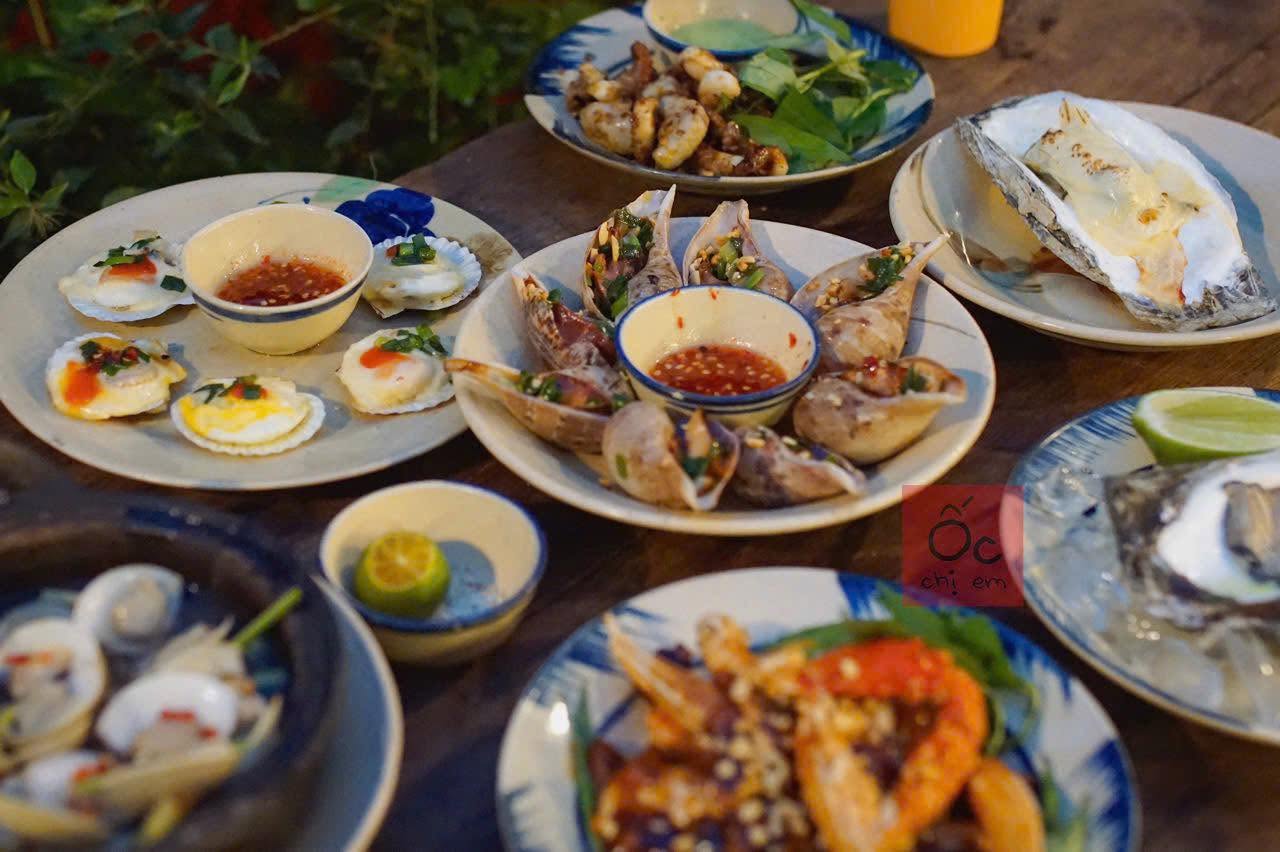
A selection of shellfish, seafood and dipping sauces shows the shared-table style of a Saigon seafood meal. (Source: Collected)
Ho Chi Minh City, often called Saigon, brings together cooking traditions from across Vietnam and beyond. Alongside southern staples, you will find northern noodle shops, central Vietnamese specialities and food shaped by the city's Chinese communities. A dish being popular here does not necessarily mean it originated here.
Begin with everyday meals: cơm tấm, hủ tiếu and something freshly grilled. These give you different flavours, textures and ways of eating. Then add a snack, café stop or shared evening meal according to your appetite.
Street stalls, small restaurants and more elaborate dining rooms offer different experiences. Choose according to the meal you want, rather than assuming that a tiny stool guarantees good food or that a comfortable restaurant cannot serve something local. Practical details matter too: shade, seating and a manageable journey can make lunch more enjoyable.
What to Eat in Ho Chi Minh City
Cơm tấm: broken rice and grilled pork
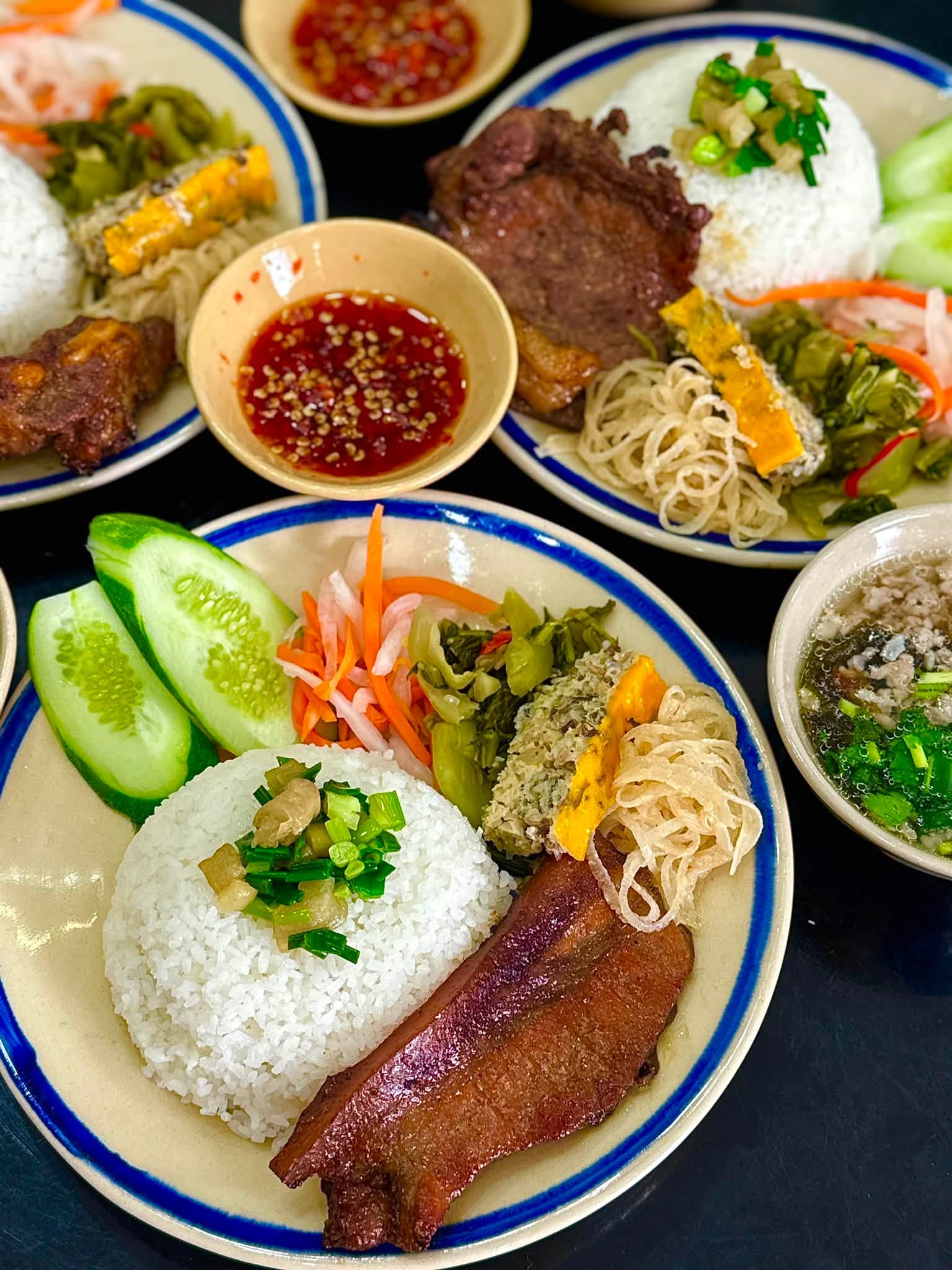
Com tam plates combine grilled pork, rice, pickles, shredded pork skin and pork-and-egg loaf, with sauce alongside. (Source: Collected)
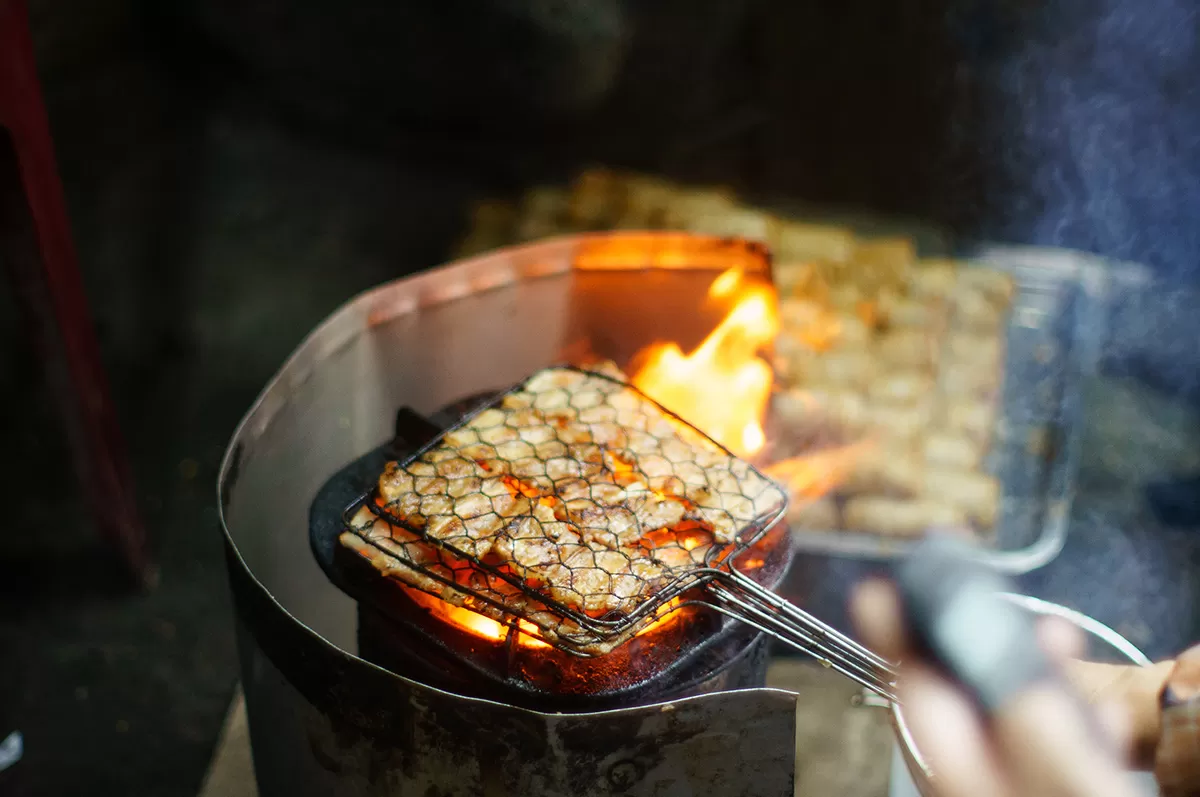
Cơm tấm is an excellent first choice if you want rice and something grilled. The small, broken grains commonly arrive with a pork chop, pickles and fish-sauce dressing. Other toppings may include egg, shredded pork skin or a steamed pork-and-egg preparation.
Ask what the basic serving contains before adding extras. A plate with every topping can be substantial, especially if you have another tasting planned. Try the rice, pork and accompaniments together, then add dressing to taste. This can be breakfast as well as lunch; check when your chosen shop serves it.
Hủ tiếu: look beyond a single noodle recipe
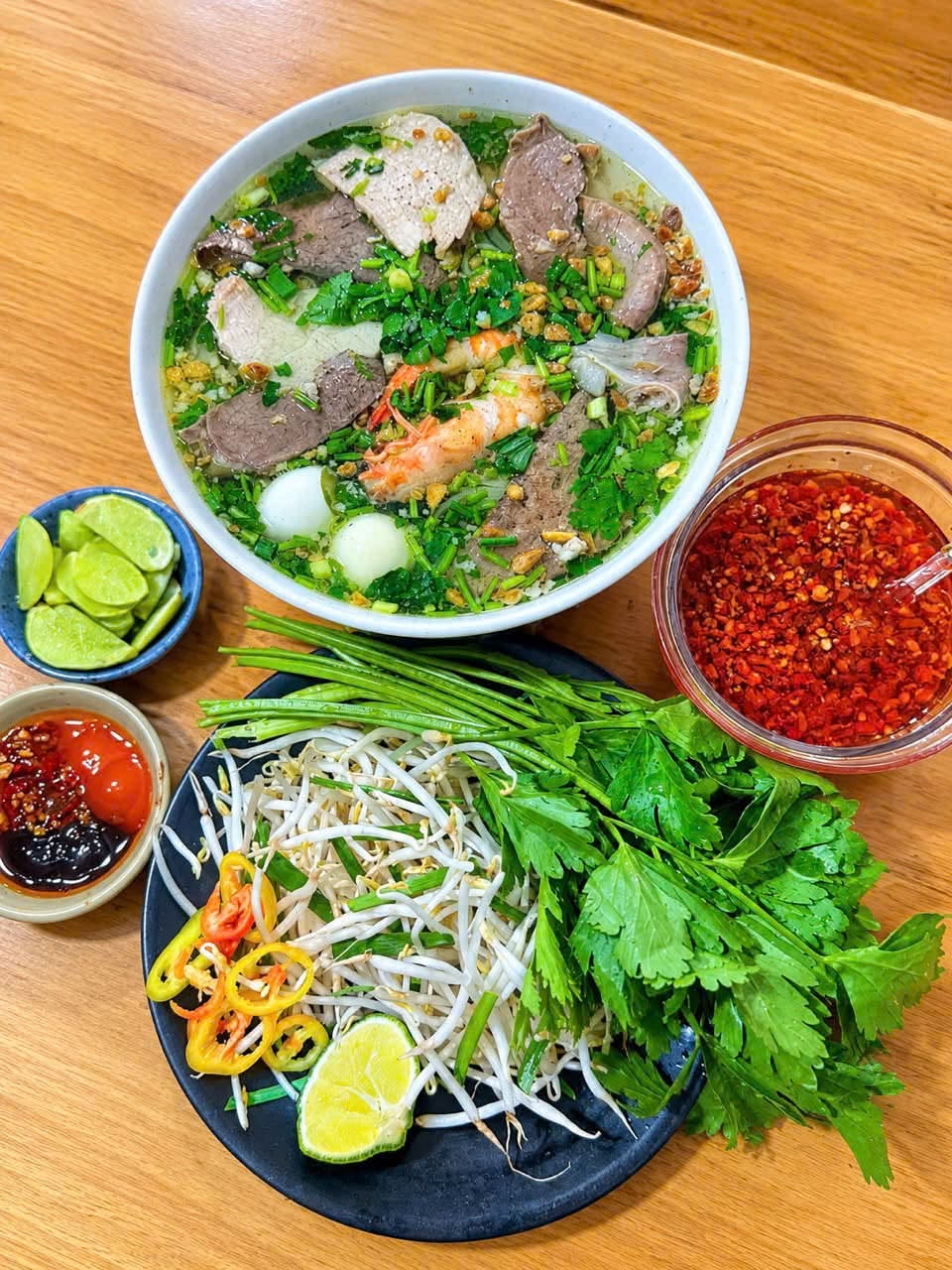
A hu tieu noodle bowl is topped with shrimp, quail eggs, meat and offal, with herbs and condiments served separately. (Source: Collected)
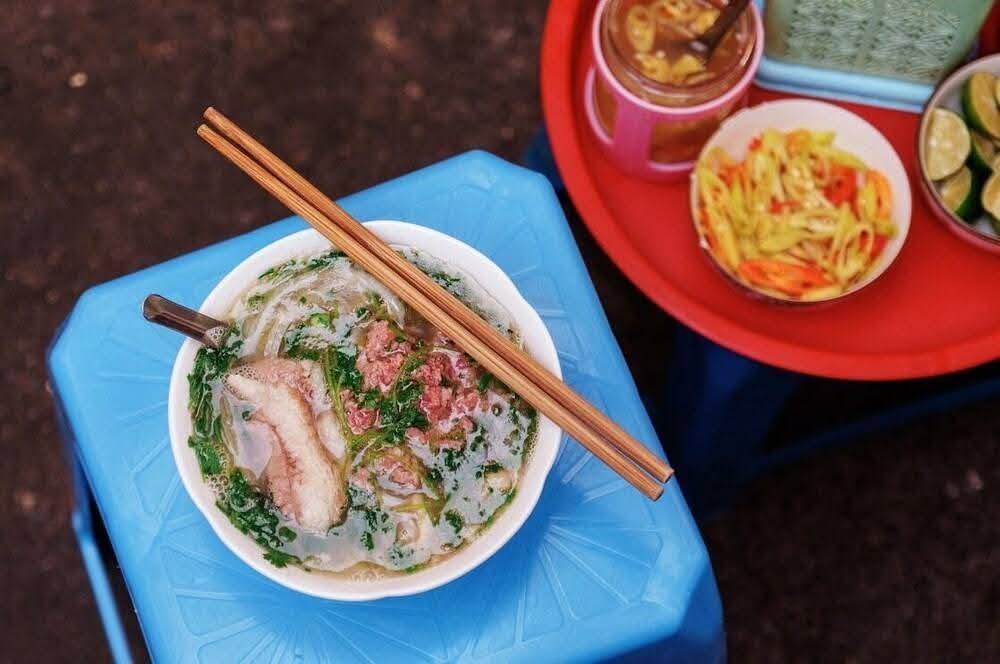
Hủ tiếu covers several preparations rather than one fixed bowl. Hủ tiếu Nam Vang is a useful introduction, with toppings that may include pork, shrimp, eggs or offal. Other shops specialise in different combinations, so read the menu or ask what is available.
Your main decision is often nước or khô: noodles served in soup, or noodles dressed separately with broth alongside. The latter is not automatically a stir-fried dish. If you prefer to avoid liver or other particular toppings, explain that before the bowl is assembled.
Bánh mì: a convenient meal with plenty of variation
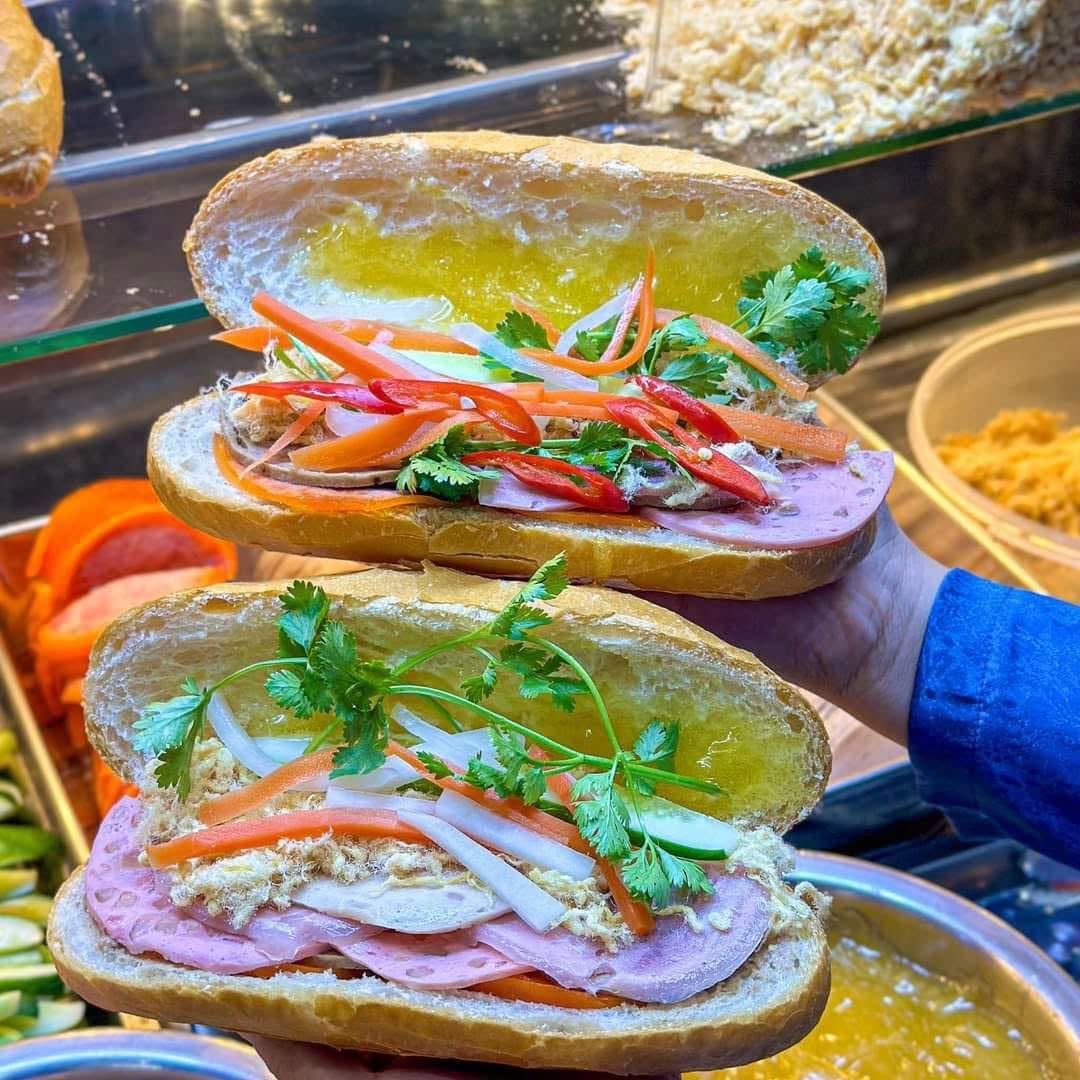
Open banh mi baguettes show sliced meat, pickled vegetables, chilli and fresh coriander. (Source: Collected)
A bánh mì works well when you want a quick breakfast or a meal to take away. Fillings may combine pork, pâté, vegetables, herbs and sauces, though different sellers offer different choices. Look at the menu rather than expecting one standard sandwich.
Ask for your preferences before preparation begins. Removing visible meat afterwards does not remove pâté or ingredients already mixed into a sauce. If lunch is approaching, consider sharing where practical or simply save the sandwich for another morning.
Bánh xèo: crisp pancakes with fresh accompaniments
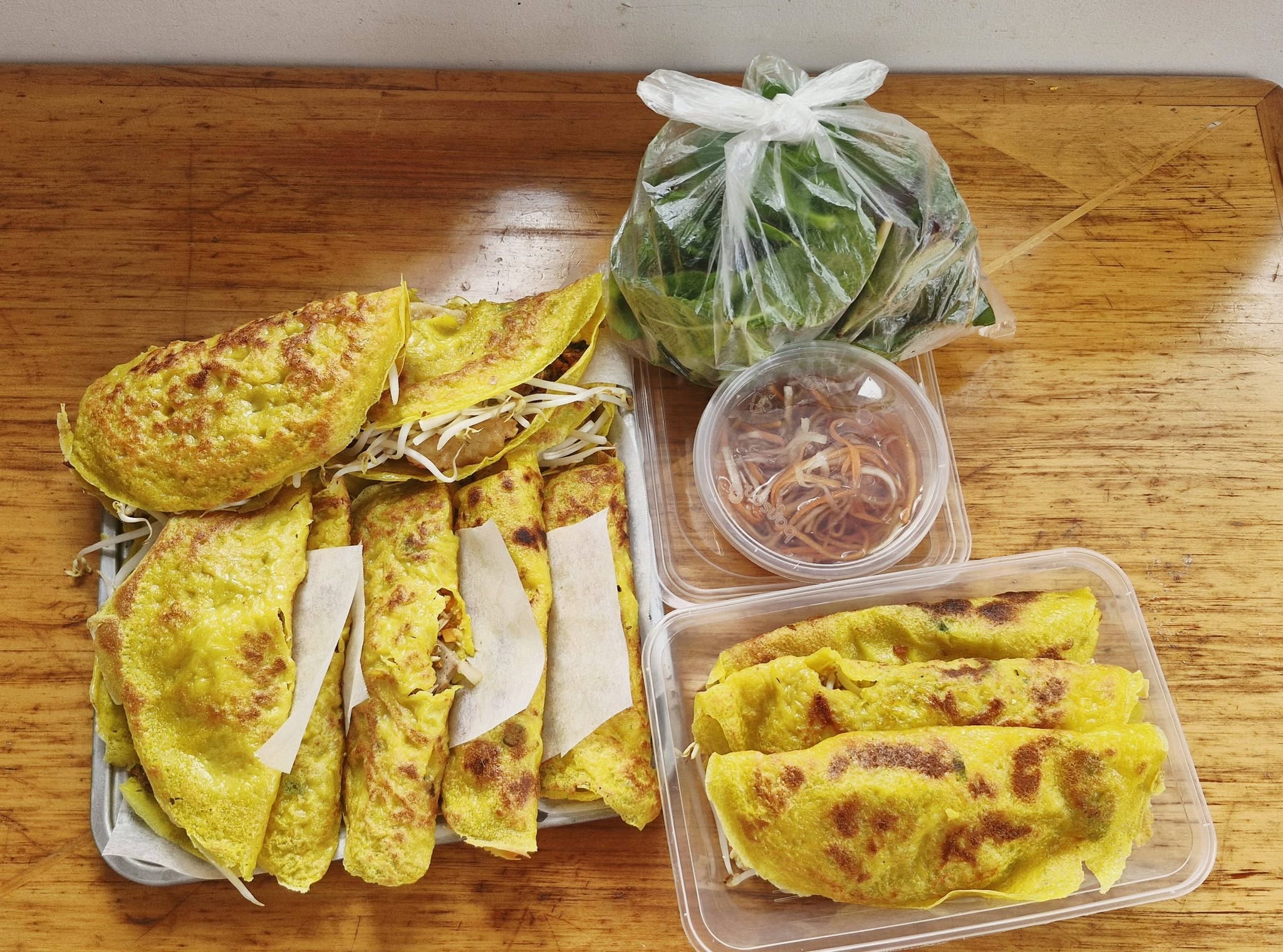
Golden banh xeo pancakes are served with beansprouts, greens and dipping sauce. (Source: Collected)
Bánh xèo offers a change from noodle bowls. The savoury pancake commonly contains pork, shrimp and beansprouts, with greens, herbs and dipping sauce alongside. Southern versions can be large enough to share, but confirm the size before ordering.
Break off a manageable piece and use the accompaniments provided to make a small mouthful or roll. Ask the server to show you if you are unsure. A leisurely sit-down meal suits this dish better than rushing through it between sightseeing stops.
Gỏi cuốn: fresh rolls and their dipping sauces
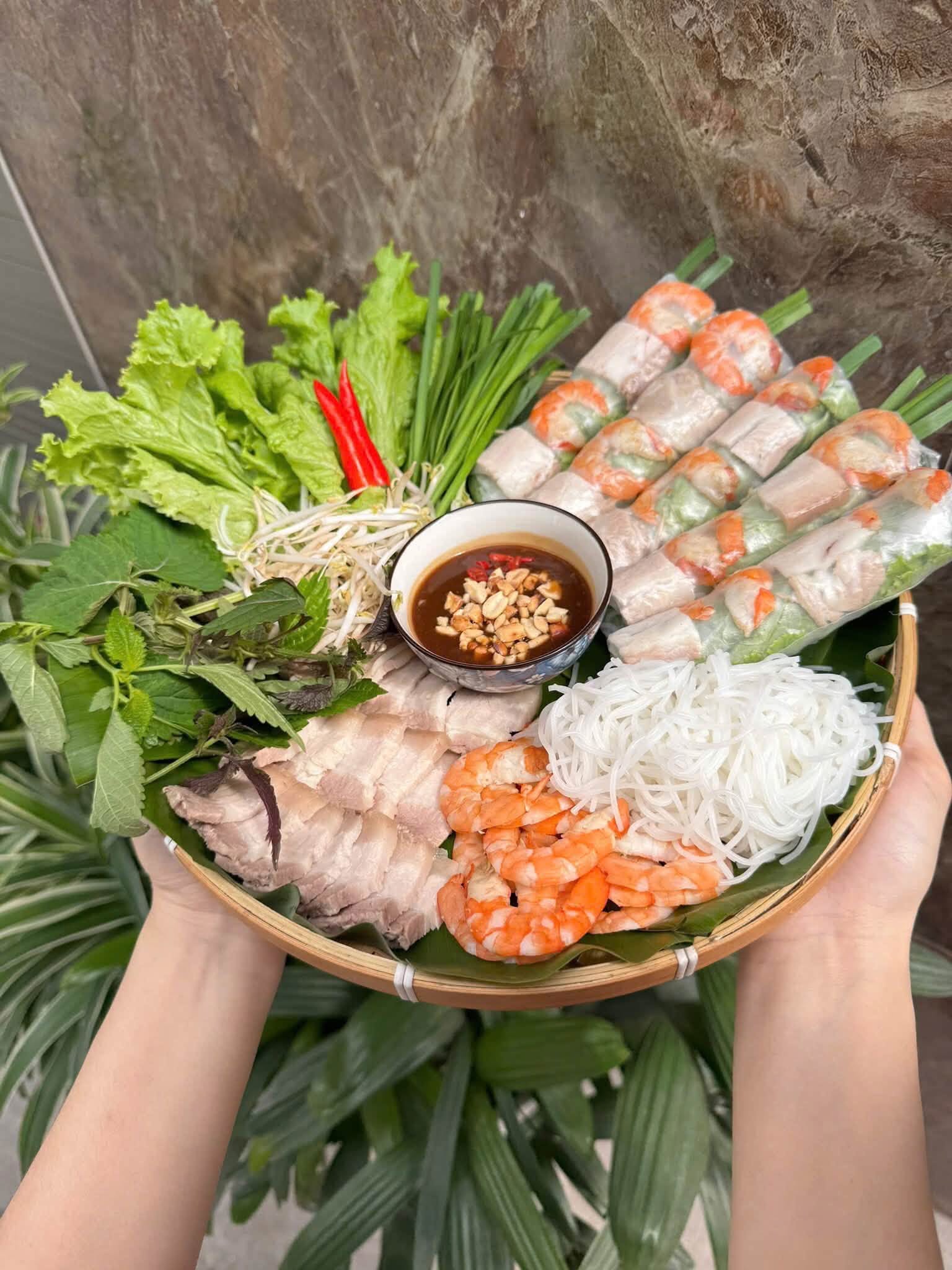
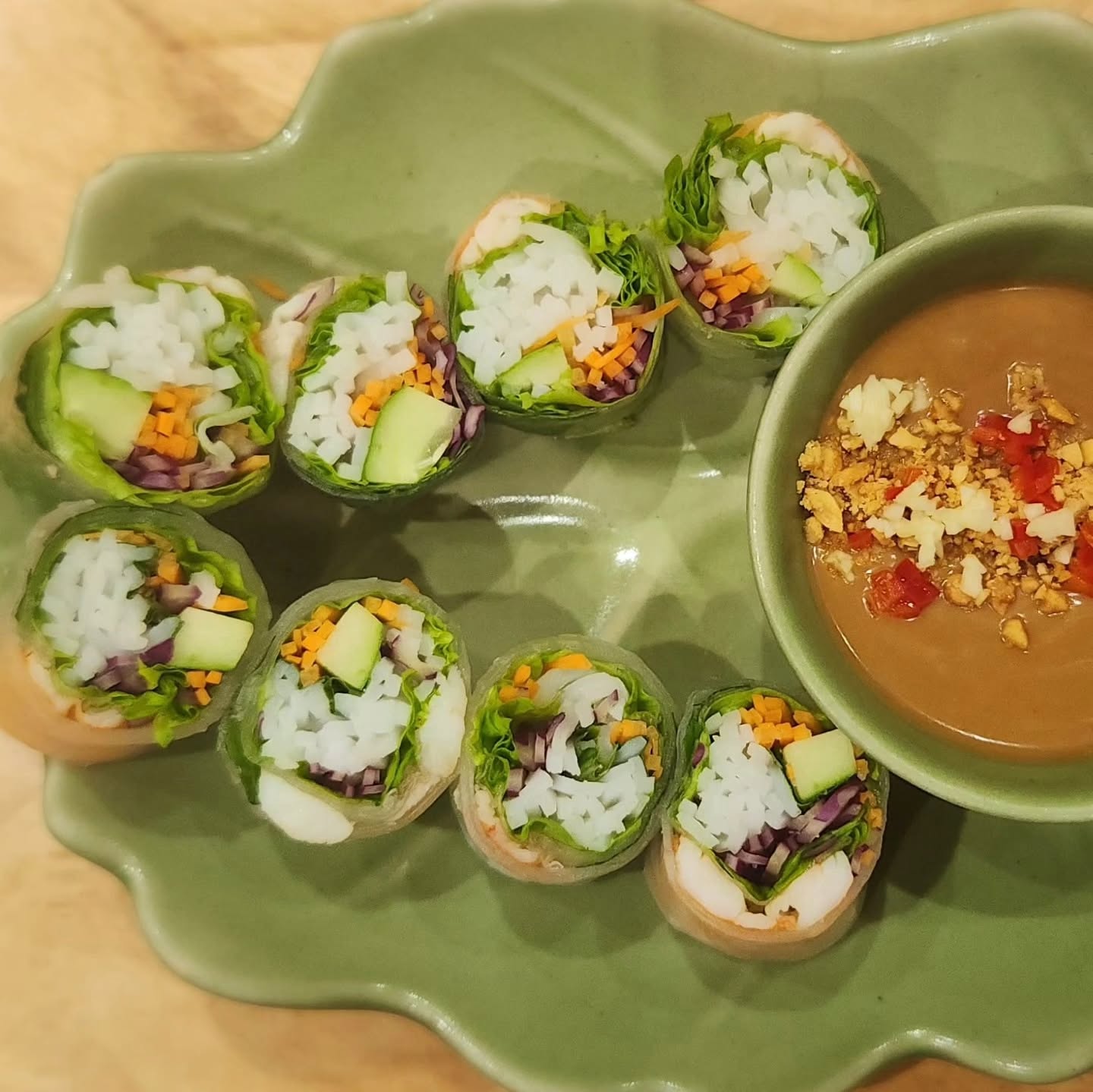
Fresh goi cuon rolls sit beside shrimp, pork, rice vermicelli, herbs and a dipping sauce. (Source: Collected)
These rice-paper rolls often contain vermicelli, herbs, shrimp and pork. They can make a smaller tasting stop, although the number of rolls and the filling determine how substantial the serving is.
Pay attention to the sauce: its ingredients may differ from the rolls themselves. Vegetarian versions exist, but ask specifically for them rather than assuming a roll with visible greens is meat-free.
Bò lá lốt: grilled beef wrapped in aromatic leaves
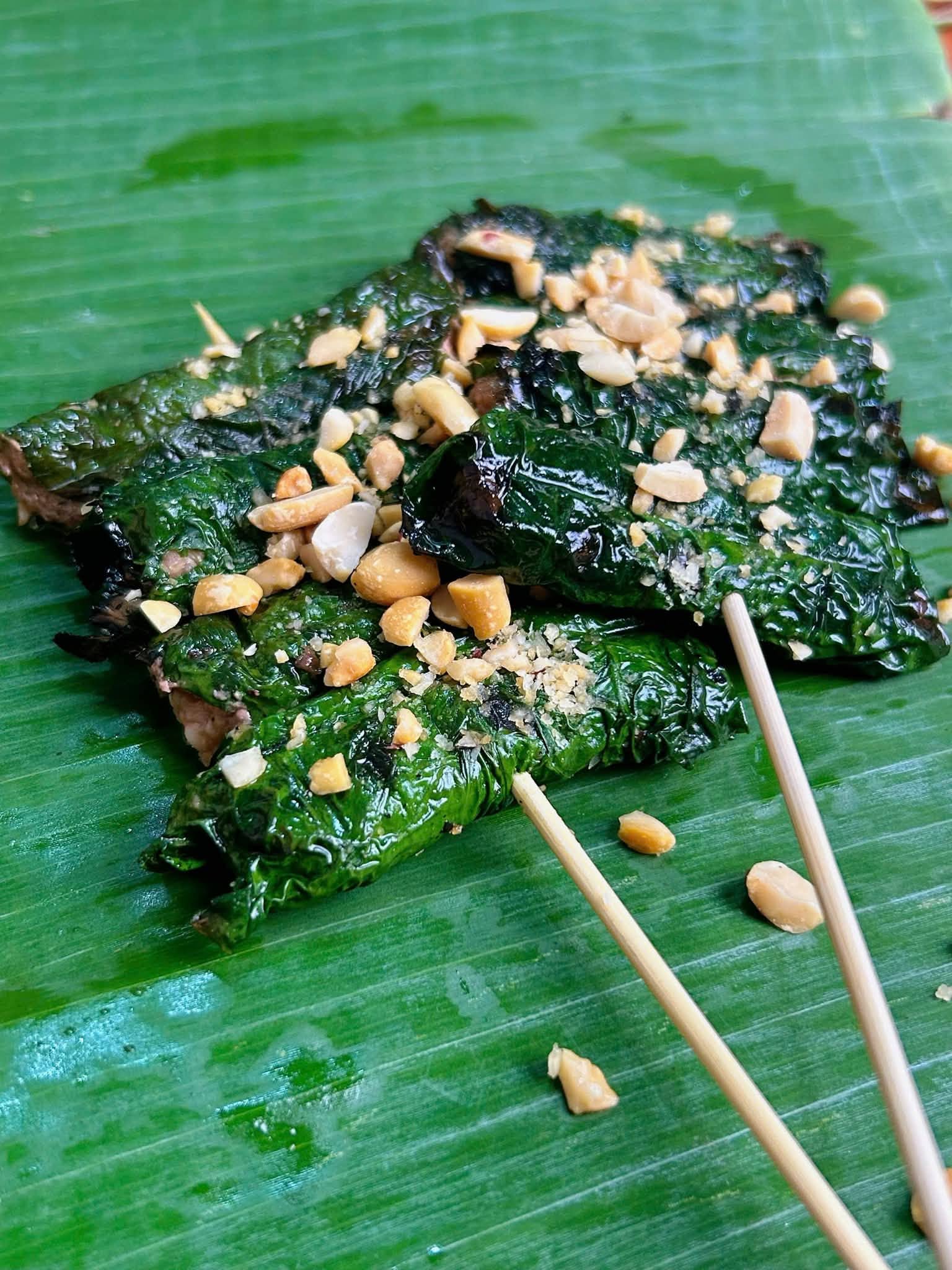
Grilled beef wrapped in la lot leaves is finished with chopped peanuts. (Source: Collected)
Minced beef wrapped in lá lốt leaves brings another grilled flavour to the table. The leaves darken as they cook, enclosing the meat. Depending on the serving, you may receive herbs, vegetables and noodles or bánh hỏi alongside.
Check whether the menu price covers a plate of rolls or a fuller set. If sharing with friends, begin with a modest order so you have room for the accompaniments and anything else you want to try.
Ốc and seafood: choose a few shared dishes
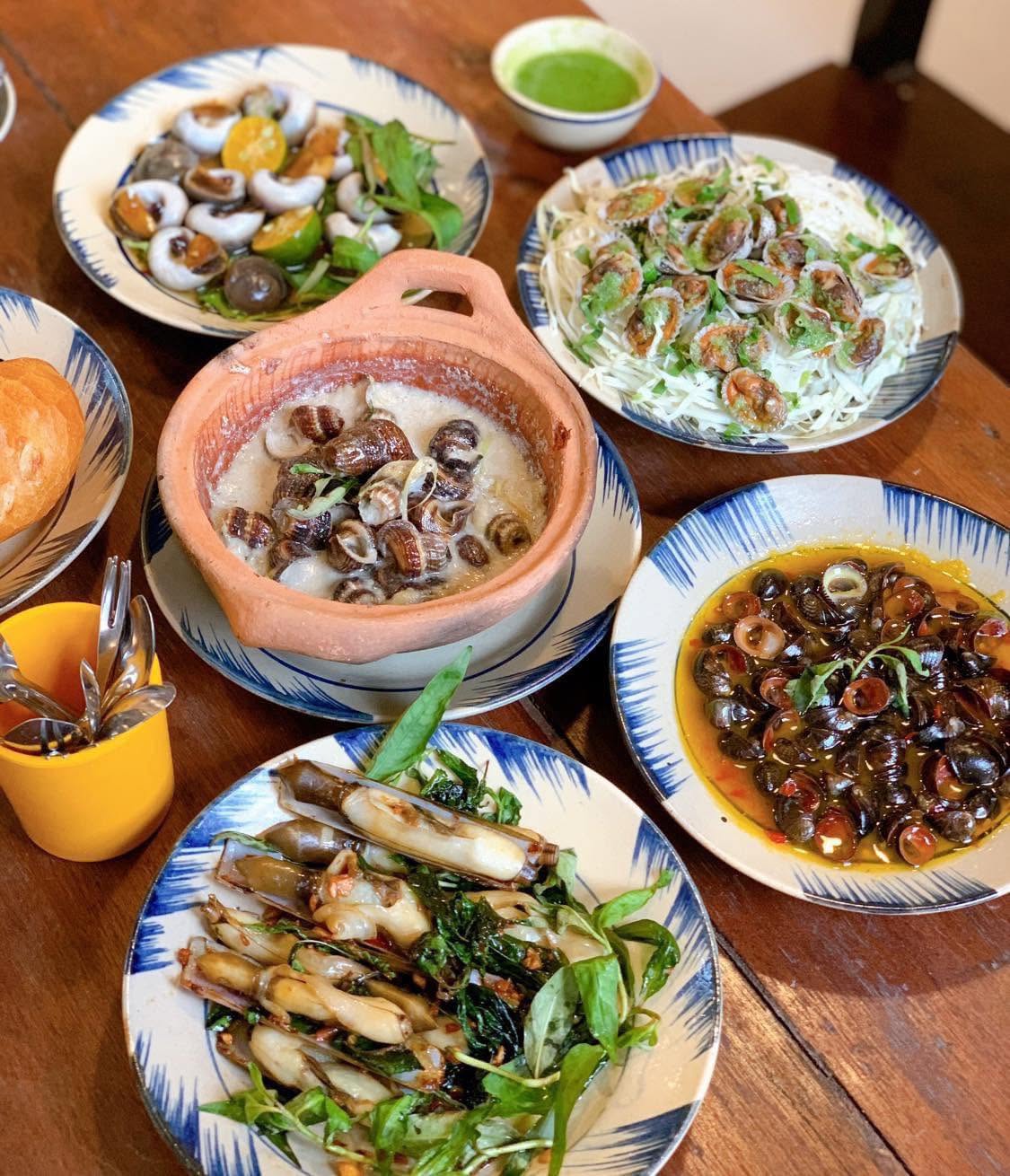
Several snail and shellfish preparations are arranged for a shared oc meal. (Source: Collected)
An evening at an ốc restaurant is about choosing and sharing. Menus may extend beyond snails to clams and other shellfish, prepared in several ways. Ask which item you are ordering and how the price is calculated: by plate, portion, weight or another unit.
Start with two or three dishes for the table, then reassess. A guide or helpful server can explain the options, but confirm the total order before cooking begins. You do not have to choose shellfish to enjoy an evening food outing; say if you would prefer other dishes.
Chè: leave room for a small sweet stop
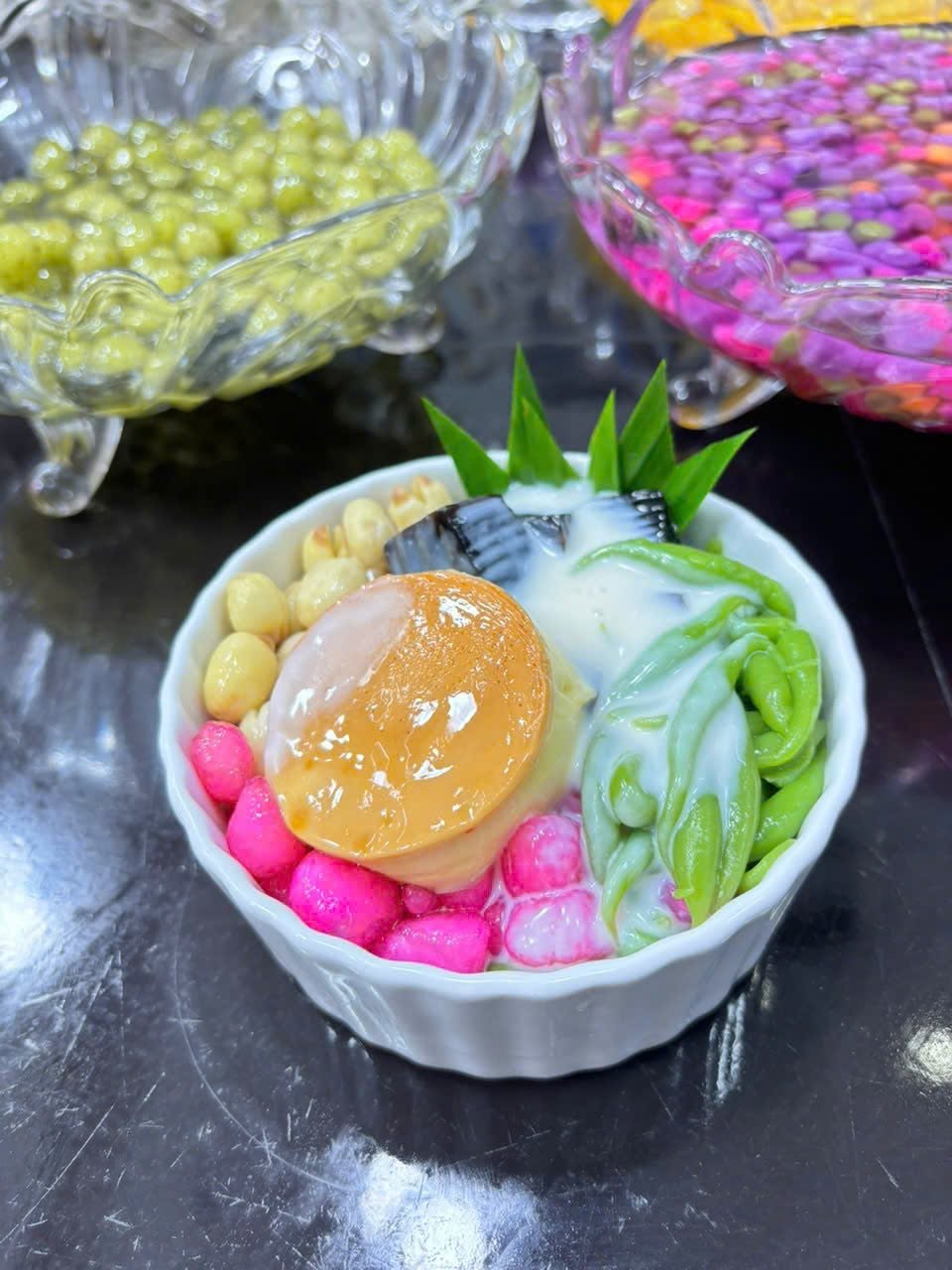
A colourful che bowl combines jellies, toppings and a creamy coconut-milk base. (Source: Collected)
Chè includes sweet dishes made with combinations such as beans, jellies, fruit or coconut milk. A mixed serving can introduce several textures, while a simpler version lets you try one ingredient at a time.
Ask what goes into the bowl and whether it is served hot or cold. A small dessert later in the afternoon may be more appealing than adding it immediately after a large lunch.
Com Tam, Hu Tieu and Pho: Choose Your First Meal
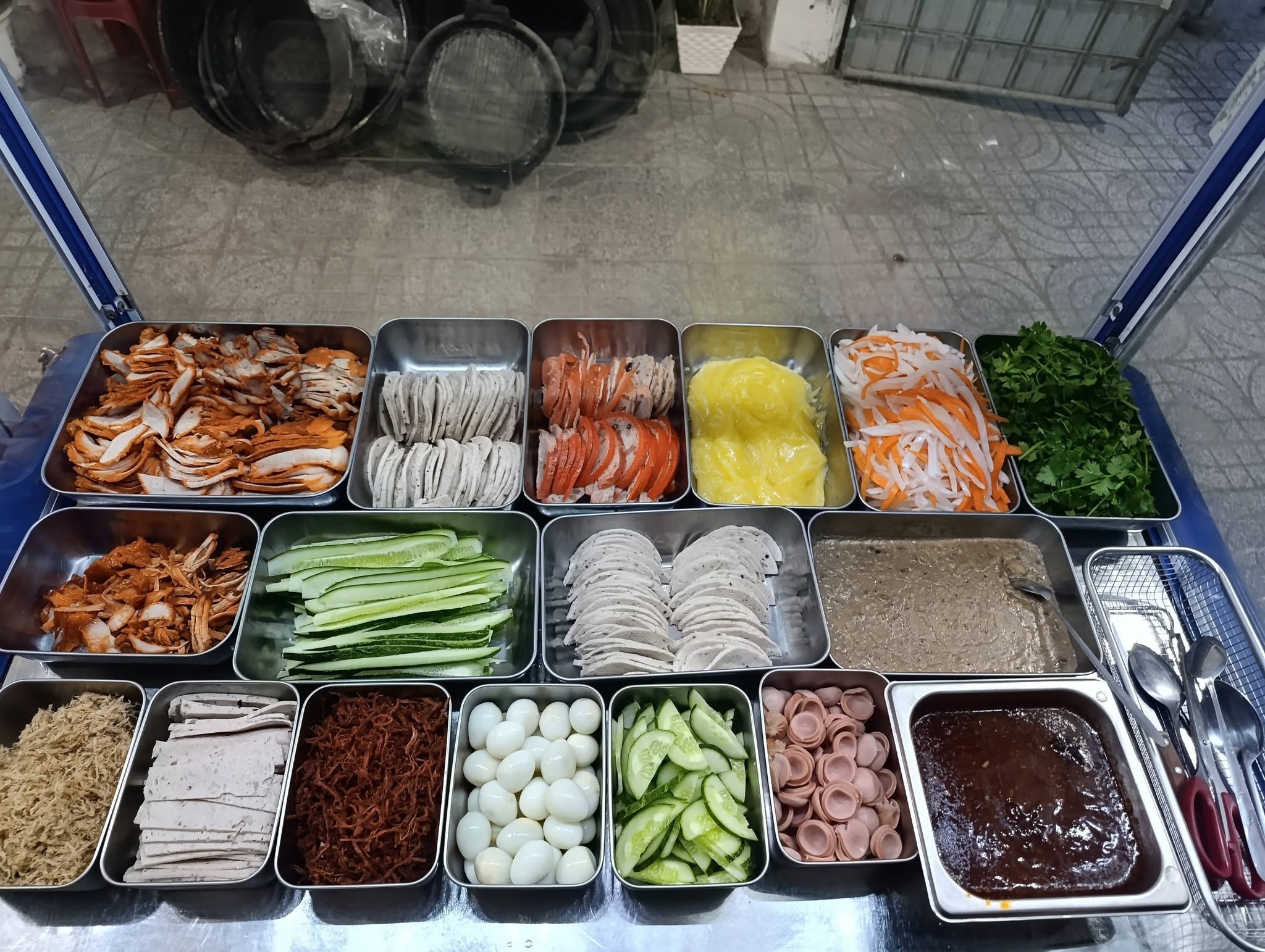
A banh mi counter displays sliced meats, pate, pickles, cucumber and herbs for different sandwich combinations. (Source: Collected)
There is no need to make your first meal complicated. Pick according to appetite, the weather and how much explanation you want before ordering.
What you want
A useful starting point
What to confirm
Rice and a grilled main
Cơm tấm
Included toppings and optional extras
A noodle bowl with several variations
Hủ tiếu
Nước or khô, noodle options and toppings
A familiar introduction
Phở
Beef or chicken, cuts and serving size
Something convenient to take away
Bánh mì
Filling, pâté and sauces
A meal to share slowly
Bánh xèo or grilled dishes
Portions and accompaniments
For soup noodles, taste the broth before adding condiments. With dry noodles, mix gently so the dressing reaches the lower layers. Keep the broth alongside unless you prefer to add some; you need not turn the whole bowl into soup.
Try cơm tấm and noodles at separate meals rather than treating both as obligatory stops in one tasting session. A meal you enjoy fully is worth more than another photograph of food you were too full to appreciate.
Where to Start Eating, Neighbourhood by Neighbourhood
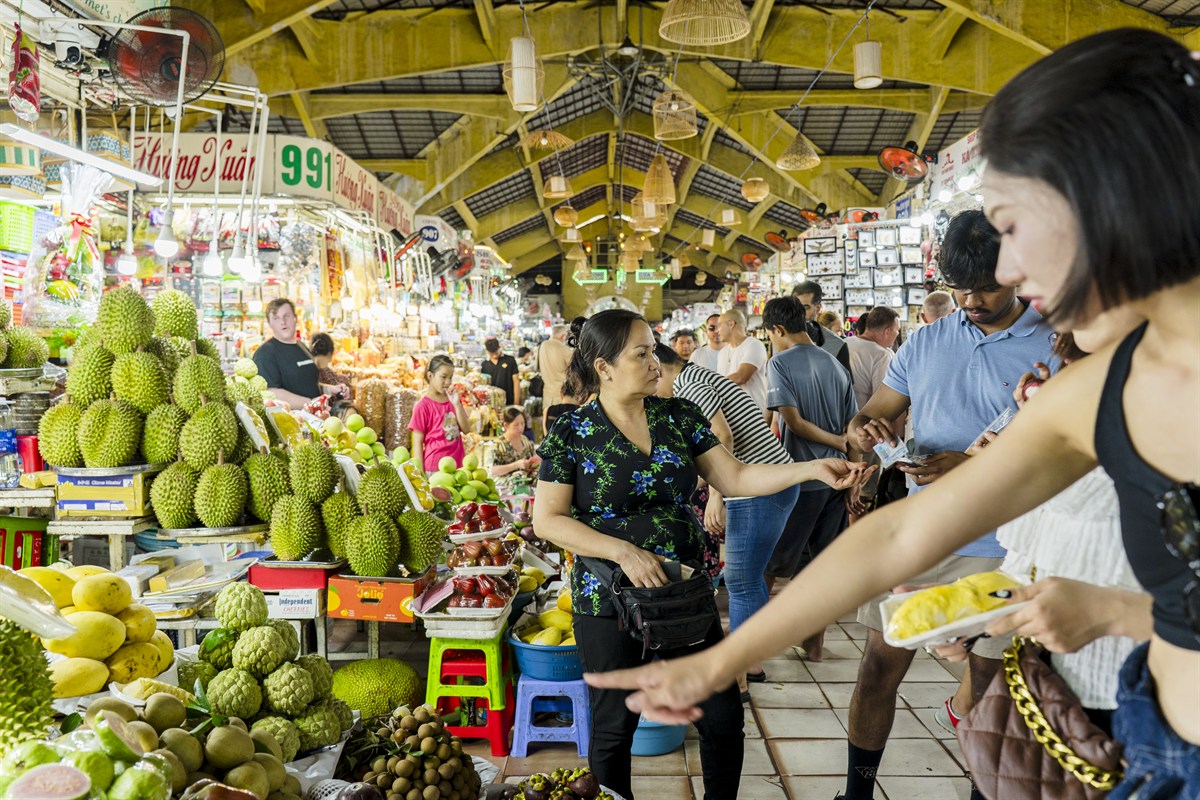
Fruit stalls and shoppers fill an aisle at Ben Thanh Market in Ho Chi Minh City. (Source: Collected)
Begin close to your accommodation
The central streets around Bến Thành and Đồng Khởi are convenient starting areas for many visitors. Choose a nearby meal on arrival day, then venture further once you know your schedule. Bến Thành can introduce market trading and prepared food without needing to represent every style of eating in the city.
Around Tân Định or other areas near your hotel, save a small group of possibilities rather than isolated recommendations across town. Check the actual street addresses: older guides still use former district names, and those labels alone are not precise enough for a pickup.
Three concrete places to investigate
The following addresses provide starting points for different meals. Confirm current service and opening hours before travelling; they are not a single tasting route.
Place
Street address
Reason to consider it
Cơm Tấm Ba Ghiền
84 Đặng Văn Ngữ
Broken rice with a charcoal-grilled pork chop
Hồng Phát, Bàn Cờ
389–391 Võ Văn Tần
A hủ tiếu meal with several topping options
Cô Liêng
321 Võ Văn Tần
Bò lá lốt and grilled dishes
Hồng Phát and Cô Liêng share a street, but that does not mean you need full meals at both. Choose one according to appetite, then keep the other for another day. Consider the journey to Ba Ghiền separately instead of adding it casually to a central walking itinerary.
Give Chợ Lớn its own outing
Chợ Lớn offers an opportunity to explore food associated with the city's Chinese communities. Choose a particular market area or cluster of shops rather than expecting to cover the whole neighbourhood in one walk. Allow for the journey from your accommodation.
A local guide can help explain dishes and ordering customs. If exploring independently, confirm which shops serve breakfast, lunch or evening meals and keep an alternative nearby. There is no benefit in crossing the city for a place that has already finished serving.
Plan Two Days of Food, Coffee and Local Experiences
Fresh rice-paper rolls and a peanut-topped dipping sauce offer a lighter tasting between larger meals. (Source: Collected)
Use this framework as a set of options, not a checklist. Adjust it to your arrival time, hotel location and how much food an organised experience includes.
Time
Day one
Day two
Morning
Hủ tiếu or phở near your accommodation
Bánh mì and coffee, or a prebooked cooking experience
Lunch
Cơm tấm, followed by a break
A Chợ Lớn meal, or lunch from your cooking class
Afternoon
Sightseeing; a small dessert if wanted
Free time or a café stop
Evening
A food outing or a bánh xèo meal
Grilled dishes or shared seafood, according to preference
Coffee can be a pause between activities. Try cà phê sữa đá if you enjoy coffee with sweetened condensed milk, or ask what is available without milk. A sweet coffee and a substantial dessert together may be more than you want, so choose according to appetite.
Choose how you want to explore
A walking food tour works best within a compact area. Ask about distance, seating and whether the tastings replace dinner. For wider routes, a car-supported outing can reduce walking and suit travellers who prefer not to ride a motorbike.
If riding as a passenger appeals, consider the Saigon After-Dark Food Tour by Vespa. Confirm the rider arrangements, equipment, weather alternative and participation requirements. Ask separately about any nightlife or alcohol: neither needs to be the focus of a food experience.
For learning rather than several restaurant stops, the Saigon Market & Southern Kitchen cooking experience offers a different approach. Check the market programme, practical cooking time and menu when booking. Leave the following meal flexible if lunch is included.
Explain dietary needs before ordering
Look for “chay” when seeking vegetarian food, and ask about broth, sauces and fillings. Explain vegan requirements separately, including eggs and dairy. A dish can look suitable while containing animal ingredients in its seasoning.
For allergies or strict requirements, discuss preparation with the kitchen or organiser before committing to a meal. Removing a topping is not the same as confirming the ingredients and preparation of the complete dish.
Carry Vietnamese đồng for smaller vendors and confirm prices and portions. Leave time to return to a place you liked rather than filling every available meal with a new recommendation. To plan a food-focused Vietnam journey, share your accommodation, available time and preferences so the route fits the way you want to travel.