Vietnam Country Tour: Connecting Culture, Landscapes and Local Life
October 25, 20266 min read
A Vietnam country tour can connect very different landscapes and ways of life, but a successful journey needs more than a long list of stops. The most useful question is what you want to understand: the capital’s neighbourhoods, imperial history, coastal trading communities, highland livelihoods or the waterways of the south. Build the route around those interests before choosing hotels or adding excursions.
For first-time visitors, a north-to-south journey offers a clear framework. The suggestions below explain how to give each region a purpose, where extra nights add value and what to clarify when requesting a tailored programme. They are a planning model rather than a fixed departure or guaranteed package.
Decide What Your Country Tour Should Reveal
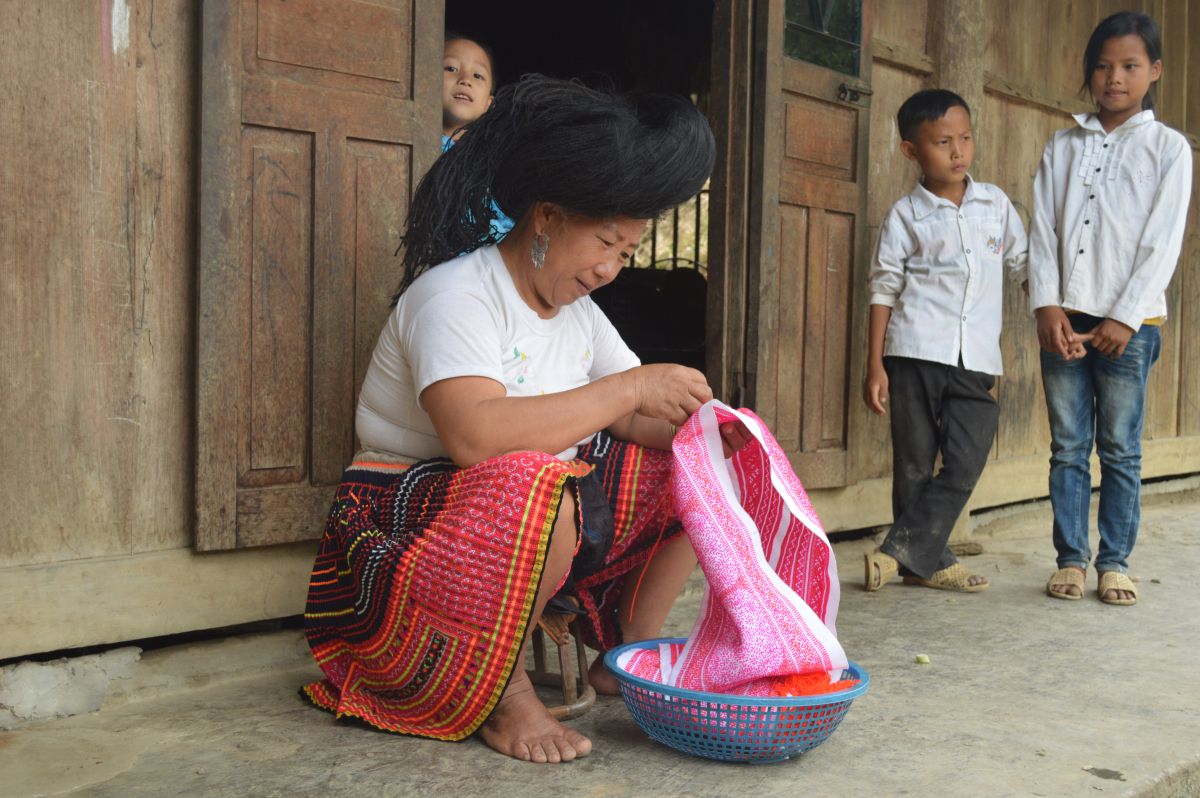
A Hmong artisan working on textiles illustrates the importance of learning about local skills.
Start by choosing three priorities, such as history, food and everyday life. A route built around these themes can feel more connected than one that includes every famous destination. Ask how each visit contributes to the journey: a museum can provide context before a village excursion, while a cooking experience can explain ingredients encountered at a market.
For around ten days, limit the number of bases. With approximately two weeks, there is more room to combine northern scenery, Central Vietnam’s heritage and a southern introduction. Three weeks can accommodate slower stays or an additional region, but more available days do not require more hotel changes. Compare our 2 week Vietnam itinerary with your usable days, including arrival and departure times.
Choose the direction around your flights and preferred experiences. Starting in Hanoi and finishing in Ho Chi Minh City can reduce the need to retrace the same route, but the reverse can work equally well. Compare the entire journey rather than assuming one direction is always better. Domestic connections, accommodation availability and regional weather should shape the final sequence.
Highland visits deserve particular thought. Add them when walking, community encounters or mountain scenery are central interests, and allow time for the journey. Ask about the actual walking conditions and who will interpret local traditions. A brief roadside stop cannot replace a carefully arranged visit that respects residents and explains their lives beyond a photograph.
Give Northern Vietnam Time for Both City and Landscape
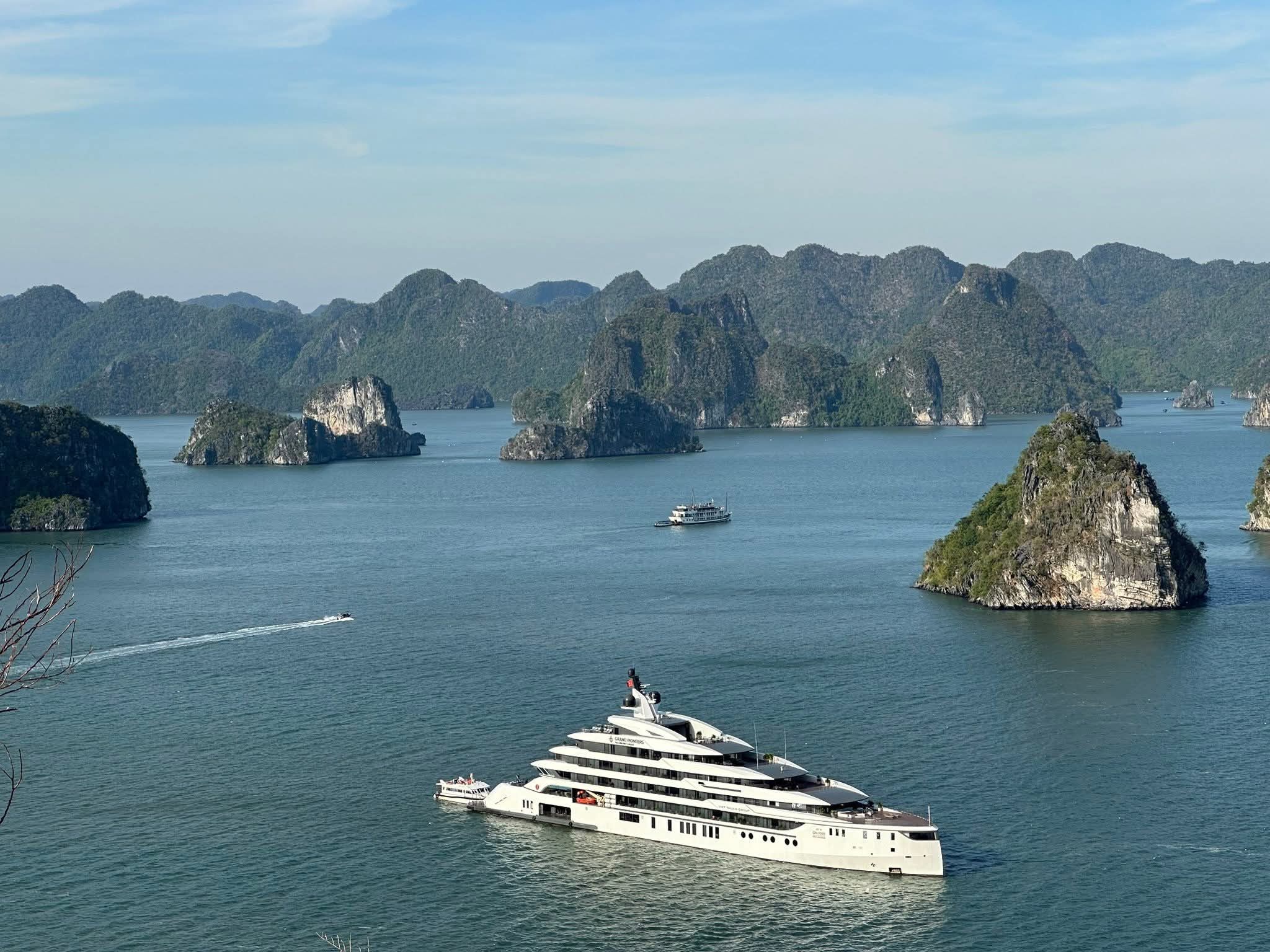
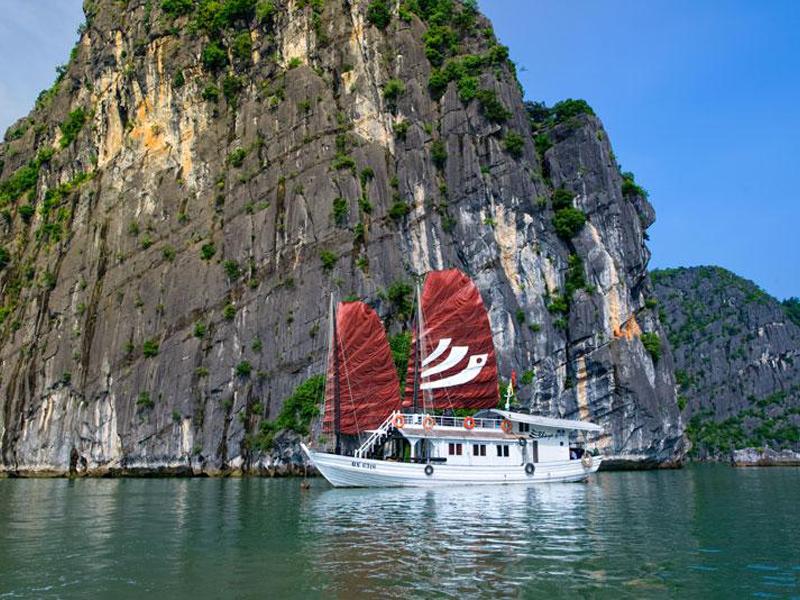
A cruise vessel among limestone islands illustrates a northern bay stay.
Hanoi makes a useful starting point for understanding the country’s historical layers. Combine a guided heritage visit with a neighbourhood walk, local food and time to observe everyday routines. The Hanoi tourist attractions guide can help identify places that suit your interests, but select a manageable group rather than treating the list as a daily schedule.
Beyond the city, choose an excursion for its particular character. Ninh Binh combines limestone scenery with inland waterways and rural surroundings. A northern bay cruise offers an overnight experience on the water, with its own boarding arrangements and operating conditions. Including both can provide variety, but check whether the transfer days leave enough time to enjoy either destination.
For a shorter country tour, Hanoi plus one substantial landscape stay may be enough. For a longer trip, add another night where it changes the experience: an unhurried morning in the countryside, a second city walk or a longer cruise programme. Ask what additional time actually includes rather than assuming an extra night automatically brings a more extensive route.
Keep the departure from the north realistic. Avoid building a tight flight connection immediately after a weather-sensitive cruise. Confirm the correct airport, transfer arrangements and baggage allowance for the next stage. A quiet evening before moving on can be more valuable than squeezing in another attraction and arriving exhausted in Central Vietnam.
Connect Hue and Hoi An Through Heritage and Local Life
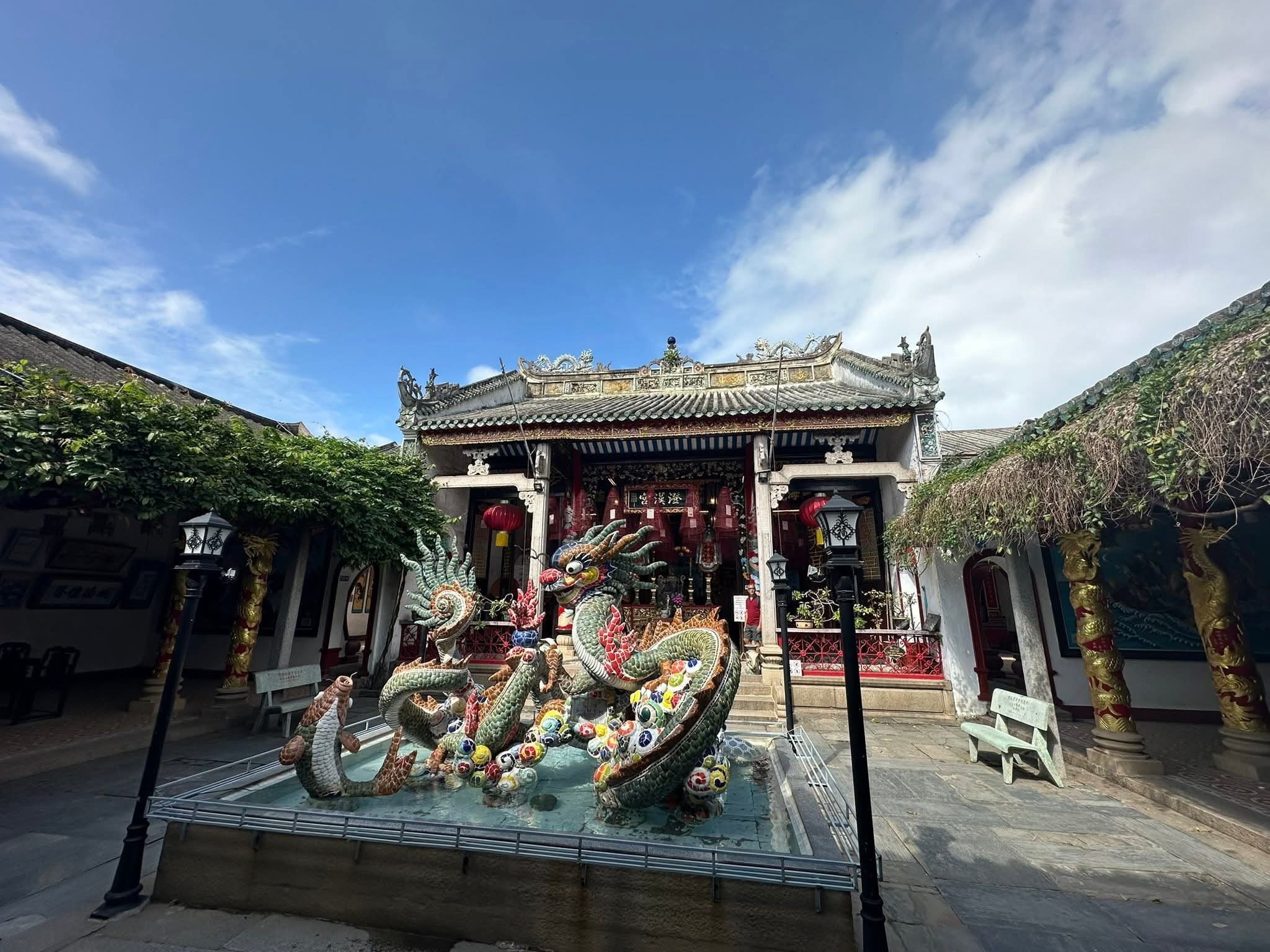
Decorative architecture at a Hoi An assembly hall reflects historical cultural connections.
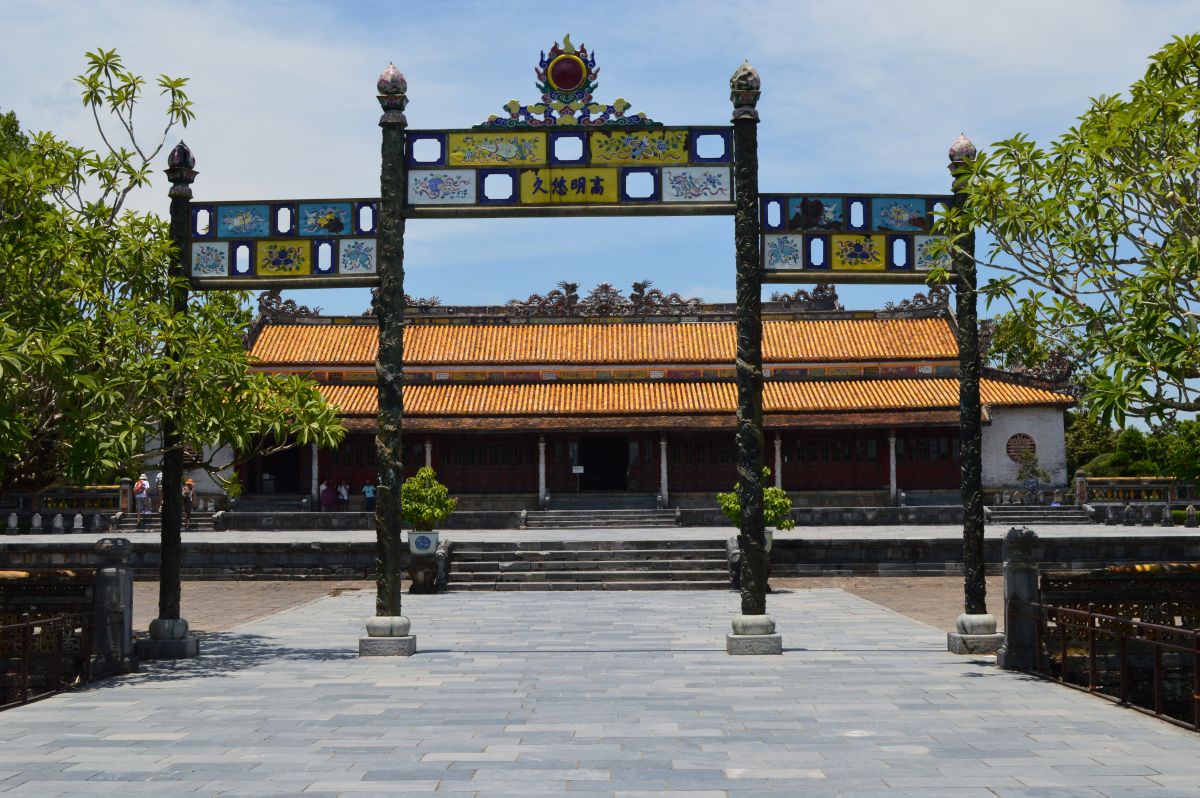
Central Vietnam provides a strong cultural middle chapter. Hue introduces the Nguyen imperial period through palaces, religious places and royal monuments. Hoi An offers a contrasting story shaped by trade and the interaction of different communities. UNESCO’s recognition of both places supports their historical significance, but a meaningful visit depends on the quality of explanation and the time allowed on foot.
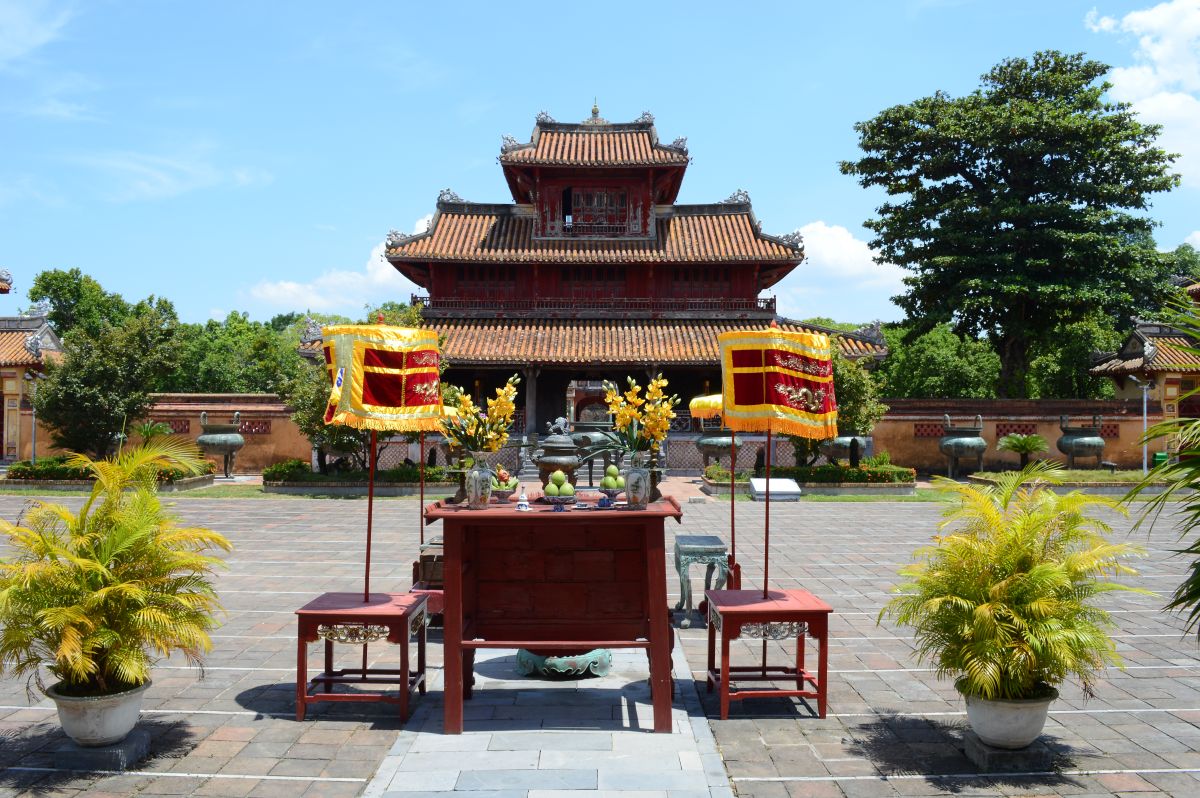
In Hue, choose a focused programme rather than attempting every monument. Combine the Imperial City with selected visits that explain a particular theme, such as royal ritual, architecture or the relationship between the city and its river. Leave time for regional cooking and ordinary streets so that the former capital does not become simply a sequence of ticketed sites.
When continuing towards Hoi An, clarify whether the transfer is direct or includes scenic stops. These are different travel days. A route with viewpoints and cultural visits needs room in the schedule; it should not be priced or timed as a simple hotel transfer. Discuss the plan in advance if anyone has limited mobility or prefers shorter periods in a vehicle.
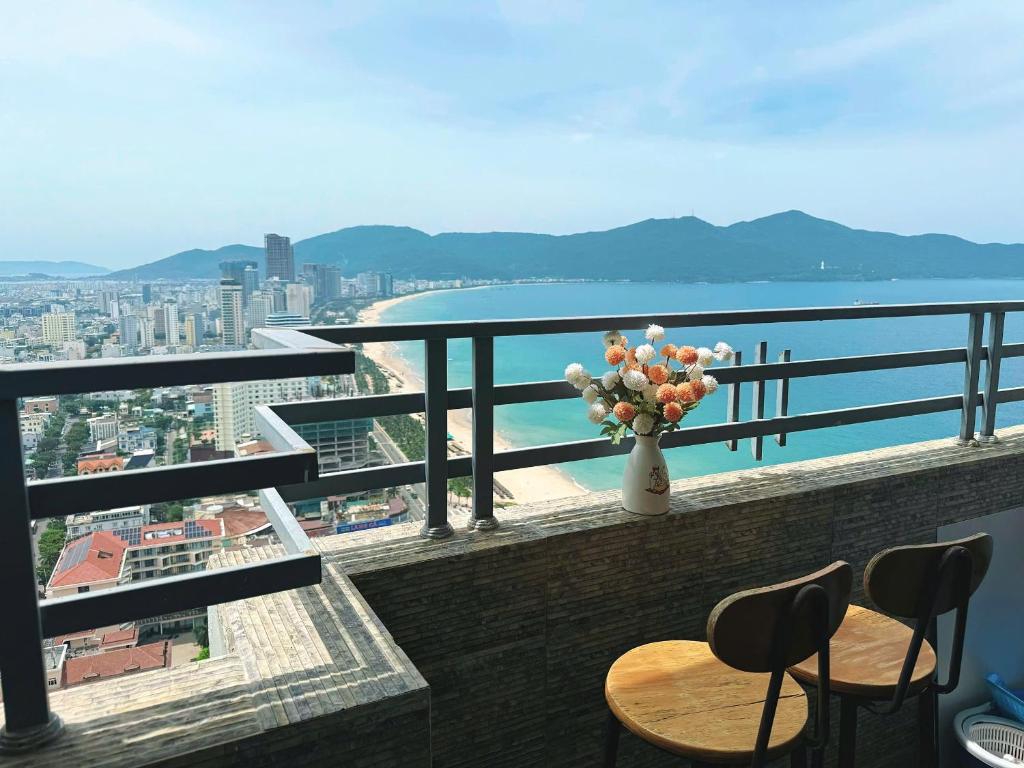
Give Hoi An at least one unscheduled period to explore at your own pace. Our Hoi An stay guide helps distinguish old-town convenience from a beach-focused base. Cooking, craft demonstrations and countryside activities can add depth when arranged with suitable hosts, but avoid filling every morning and evening with compulsory appointments.
Finish in the South and Check the Complete Proposal
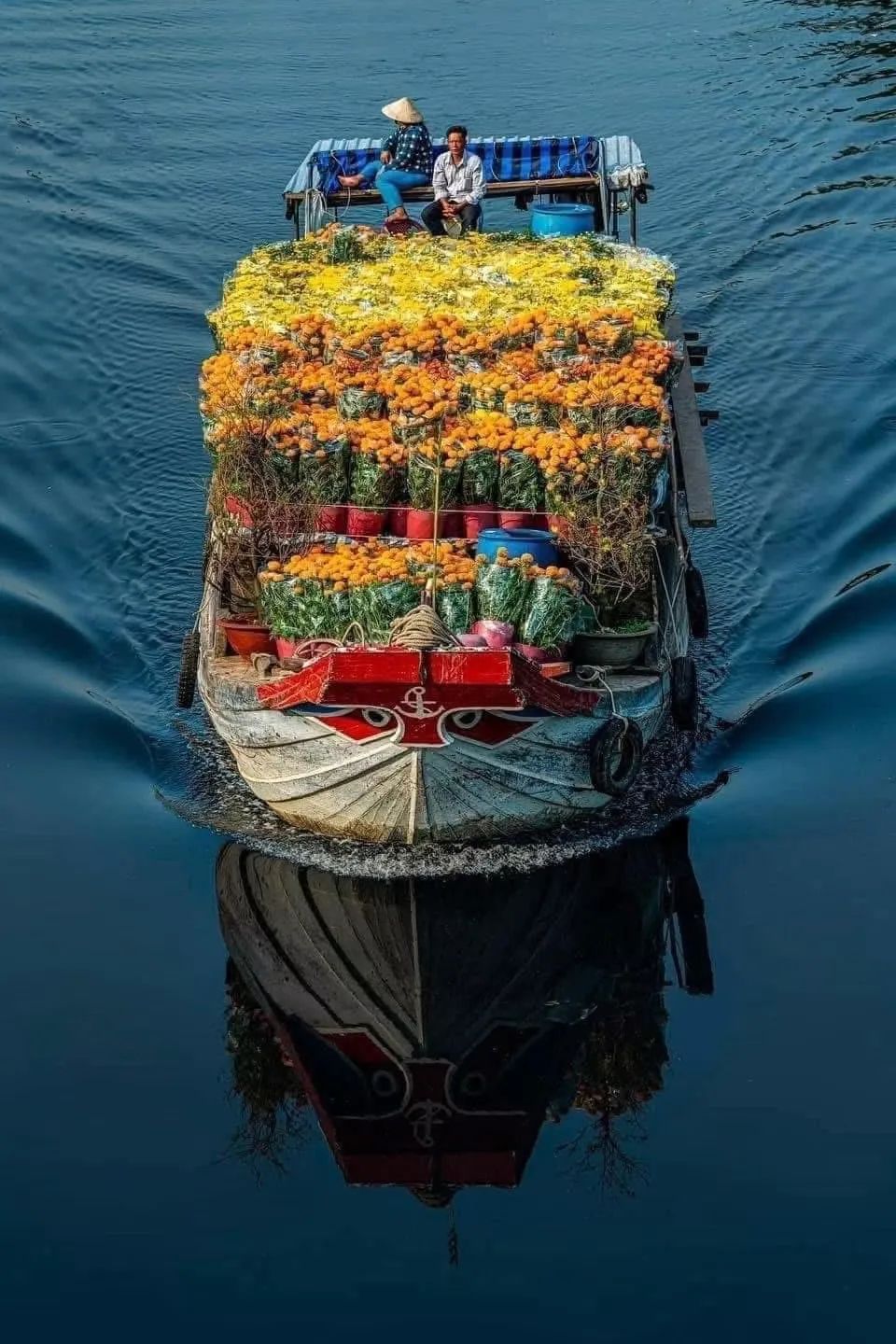
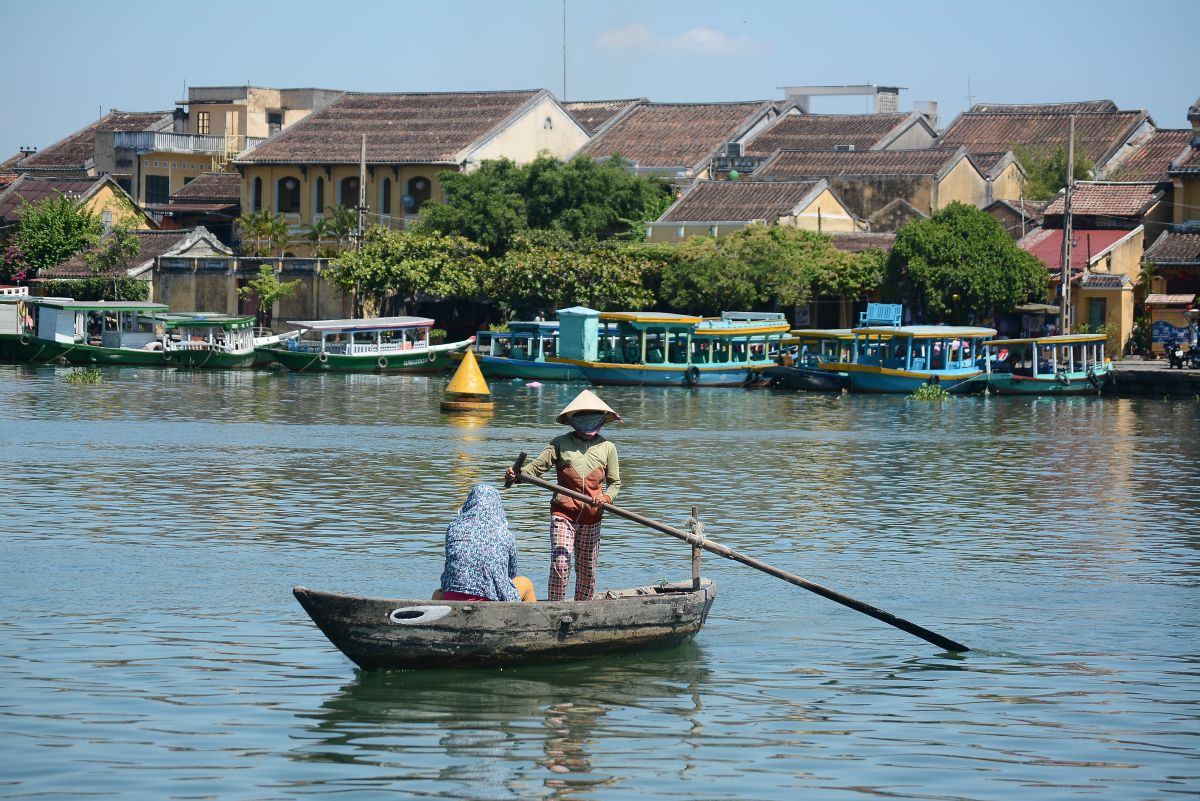
A flower-laden boat illustrates river-based livelihoods in the Mekong Delta; sightings vary by place and season.
Ho Chi Minh City can introduce another side of urban Vietnam through history, markets, architecture and neighbourhood food. Add a Mekong Delta excursion when waterways, agriculture and regional livelihoods interest you. Be specific about the destination: a day near My Tho or Ben Tre is different from an overnight journey farther into the delta.
Ask what the delta experience involves beyond transport. A small-boat section, a village walk, a workshop visit and a shared meal offer different opportunities to learn. Water levels, weather, hosts and local operating arrangements can affect the programme. Photographs of busy markets or flower boats should be treated as illustrations of regional life, not promises of what every departure will encounter.
Before confirming, request a written breakdown covering hotel categories and room types, private or shared transport, guiding arrangements, meals, entrance fees and activities. Check domestic flights, luggage, child policies, supplements and cancellation terms separately. A daily average price is less informative than knowing exactly which services your quotation includes and where you will make additional purchases.
Finally, review the route with everyone travelling. Check walking expectations, dietary needs, accessible routes and opportunities to rest. Share your dates, preferred pace and main interests through our custom Vietnam tour request form. The aim is a connected journey that helps you understand the country while leaving enough time to enjoy each place.