Vietnam Travel Trends 2027: What International Travelers Should Expect
November 10, 202617 min read
Updated: November 2026 | Vietnam Travel Trends & Tourism Outlook
This is a planning outlook for 2027, not a guarantee of future openings or service availability. Confirm operational details before booking.
Vietnam is entering an exciting new chapter in international tourism. With expanding transportation infrastructure, emerging destinations, changing travel preferences, and growing interest in authentic cultural experiences, the country is offering travelers more ways to explore than ever before.
For international visitors planning a journey in 2027, understanding these developments can make a significant difference.
The latest Vietnam travel trends 2027 are not simply about discovering new hotels or popular attractions. They reflect broader changes in how people travel, which destinations they choose, and what they expect from their holidays.
Travelers are increasingly considering personalized itineraries, meaningful cultural encounters, nature-based adventures, wellness retreats, and journeys that combine famous landmarks with lesser-known regions.
Meanwhile, Vietnam continues investing in transportation, tourism facilities, and digital services, creating new opportunities while also introducing changes that visitors should understand before departure.
According to Vietnam's National Statistics Office, the country welcomed approximately 19.5 million international visitors during the first ten months of 2026, representing a 13.8% increase compared with the same period in 2025.
This growth highlights Vietnam's continuing appeal as an international destination.
However, the most important question for travelers is not simply how many people are visiting Vietnam.
It is how Vietnam is changing and what those changes mean for planning a better journey in 2027.
Here are eight important trends worth watching.
1. Vietnam's Tourism Industry Is Moving Toward Quality and Diverse Experiences
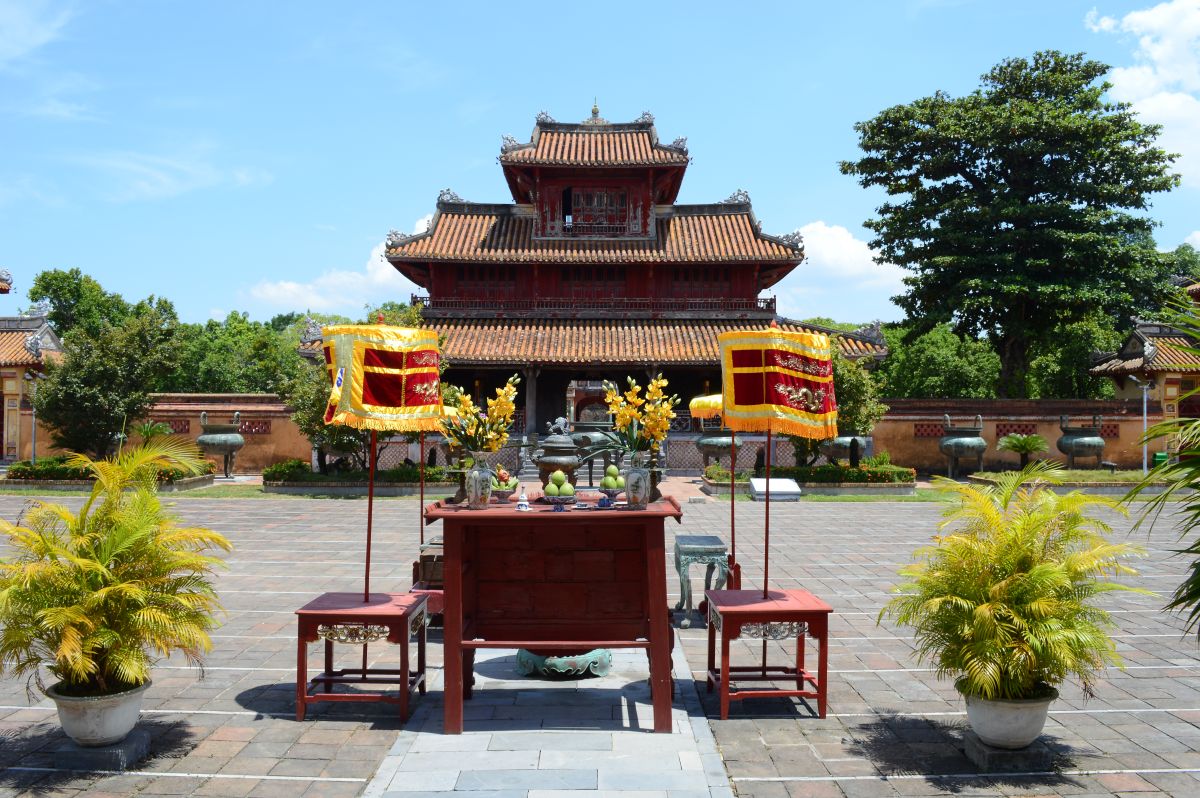
Hue’s Imperial Citadel connects a classic sightseeing route with Vietnam’s cultural heritage.
Vietnam's tourism development is entering a period in which visitor numbers are only one measure of success.
The country is also placing greater emphasis on service quality, destination development, cultural identity, environmental responsibility, and higher-value tourism experiences.
For international visitors, this creates opportunities to discover Vietnam in more varied ways.
However, visitors can increasingly choose experiences built around specific interests.
These may include culinary discovery, traditional crafts, nature exploration, wellness activities, photography, cycling, or cultural encounters.
A two-week holiday no longer needs to follow exactly the same route as every other visitor.
Travelers can combine famous attractions with countryside experiences, smaller destinations, and additional time for relaxation.
What This Means for Travelers
In 2027, consider planning your itinerary around the experiences you value most rather than simply the number of destinations you can visit.
For example, a first-time traveler might combine Hanoi, Ninh Binh, Lan Ha Bay, Hoi An, and the Mekong Delta.
A returning visitor might prefer Ha Giang, Cao Bang, Pu Luong, Quy Nhon, or Con Dao.
The most rewarding itinerary is not necessarily the longest. It is the one that balances discovery, comfort, and meaningful experiences.
2. Transportation Infrastructure Is Changing How Visitors Explore Vietnam
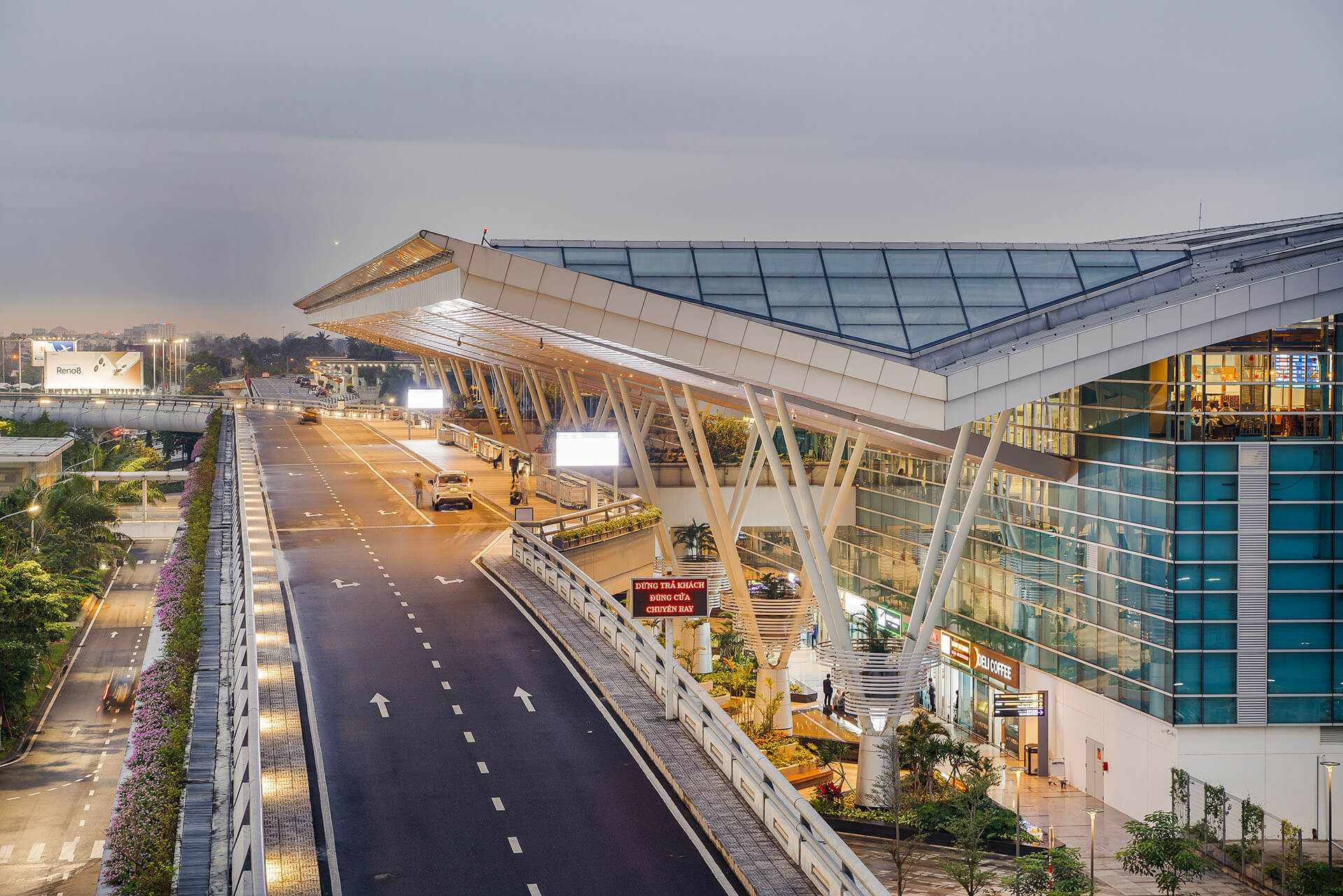
Da Nang Airport is one of the gateways travelers can consider when planning regional connections.
Transportation development is among the most important factors shaping Vietnam's tourism future.
New and improved expressways, airport investments, urban rail projects, and transportation connections are gradually changing how destinations can be reached.
These improvements have the potential to reduce travel times, improve comfort, and make some regions more accessible.
However, international travelers should distinguish between infrastructure already operating and projects that remain under construction or development.
Airports and International Flights
Vietnam's main international gateways include Hanoi, Ho Chi Minh City, and Da Nang.
Other international airports also serve important regional and leisure destinations.
Airline networks and flight schedules continue evolving, creating opportunities for visitors to enter or leave Vietnam through different cities.
For travelers planning a north-to-south journey, arriving in Hanoi and departing from Ho Chi Minh City can reduce unnecessary backtracking.
Similarly, visitors focusing on Central Vietnam may find Da Nang a convenient gateway.
New international routes can also make particular destinations more attractive to travelers from specific countries.
However, route announcements do not always guarantee year-round operations.
Airline schedules, frequencies, transit arrangements, and ticket availability should be checked before confirming an itinerary.
Expressways and Road Connections
Vietnam's expanding expressway network is improving travel possibilities between major cities and regional destinations.
Road journeys remain essential for reaching many cultural attractions, rural villages, and mountain regions.
Nevertheless, road conditions vary significantly.
Mountain destinations such as Ha Giang, Cao Bang, and parts of the northern highlands still require careful route planning.
Travelers should allow realistic driving times rather than relying exclusively on distances shown on maps.
Urban Rail and Public Transportation
Hanoi's metro network is developing gradually, while Ho Chi Minh City is also expanding its modern urban transportation infrastructure.
For visitors, urban rail can offer alternatives to road traffic on selected routes.
However, not every proposed line or construction project will be available to travelers in 2027.
Travel Planning Tip: Verify which transportation services are actually operating before designing a route around them.
3. Emerging Destinations Are Creating New Alternatives to Traditional Tourist Routes
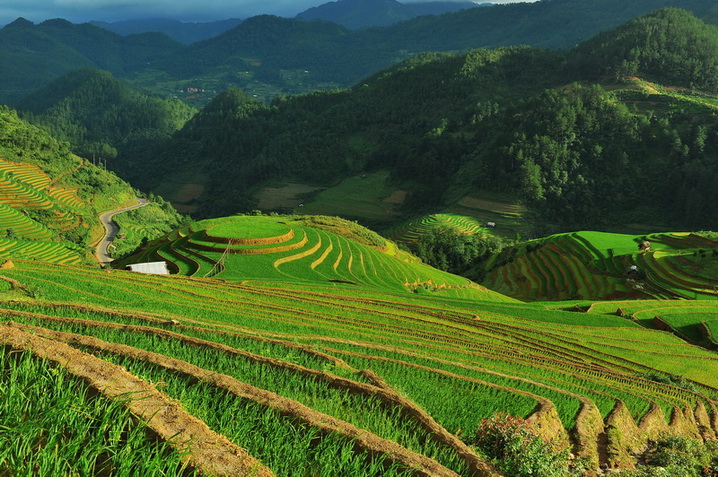
Northern Vietnam’s terraced landscapes offer alternatives to a city-focused itinerary.
One of the most interesting Vietnam travel trends for 2027 is the growing opportunity to explore destinations beyond the country's most famous tourist centers.
Hanoi, Halong Bay, Hoi An, and Ho Chi Minh City remain essential destinations for many first-time visitors.
However, travelers seeking different experiences can discover a wider range of landscapes and communities.
Quy Nhon – Coastal Scenery and a Relaxed Atmosphere
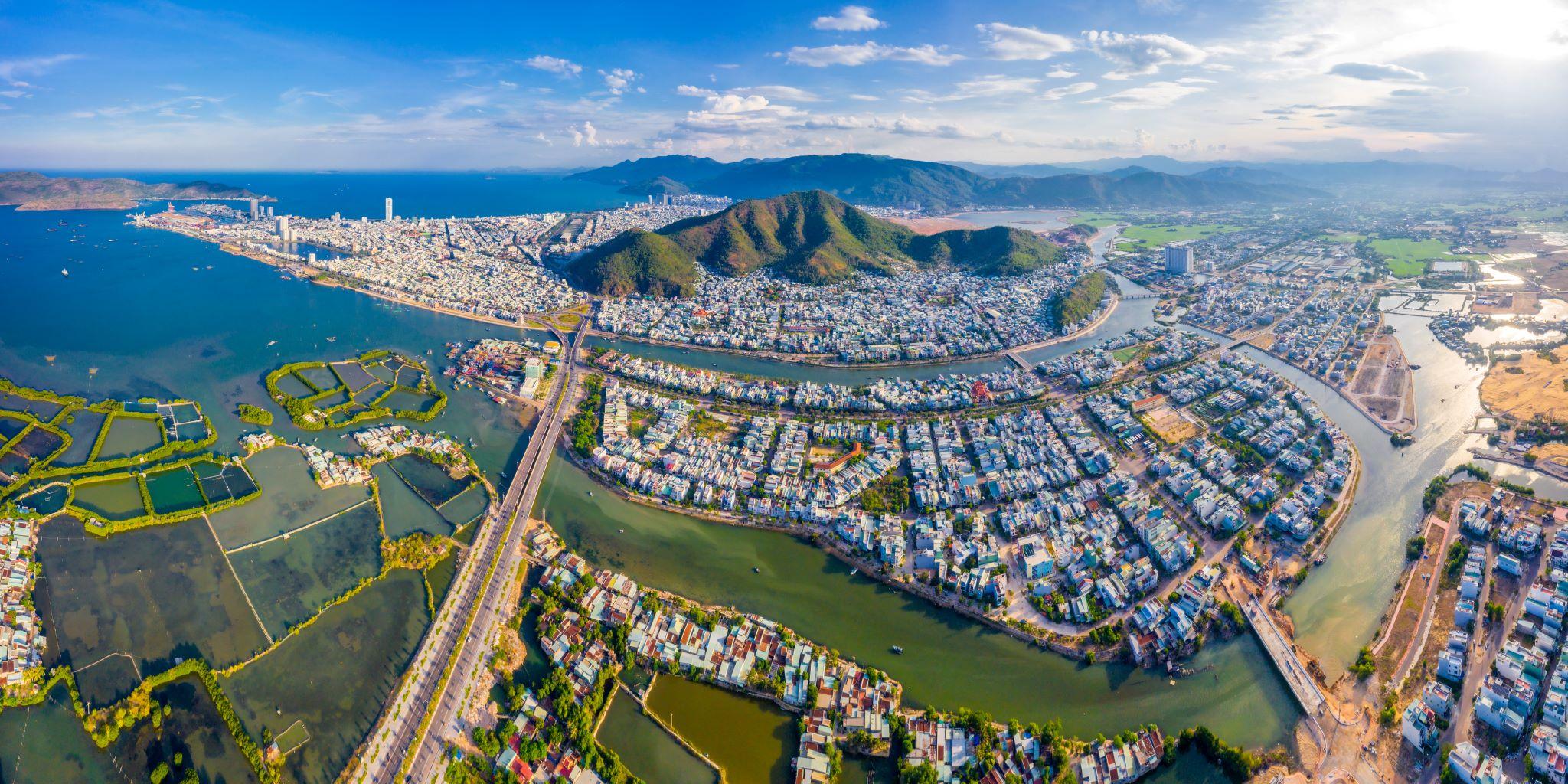
Quy Nhon offers attractive beaches, coastal landscapes, local seafood, and opportunities to explore regional history.
It can appeal to travelers who want a beach destination with a different atmosphere from Vietnam's larger resort centers.
Visitors can combine seaside relaxation with cultural attractions and excursions into the surrounding countryside.
Cao Bang – Mountains, Waterfalls, and Rural Discovery
Cao Bang is particularly attractive to travelers interested in dramatic landscapes and authentic countryside experiences.
Ban Gioc Waterfall, limestone mountains, caves, and rural communities provide opportunities for nature-focused journeys.
The region is best explored with sufficient time, as mountain roads and travel distances require careful planning.
Pu Luong – Slow Travel in the Countryside
Pu Luong is an appealing destination for travelers who enjoy rice terraces, traditional villages, walking, and peaceful rural landscapes.
Rather than rushing between attractions, visitors can spend several days exploring the countryside and learning about local communities.
Con Dao – History, Nature, and Island Relaxation
Con Dao offers a distinctive combination of historical heritage, beaches, forests, and marine environments.
Its history provides opportunities for educational travel, while its natural surroundings appeal to visitors seeking a quieter island experience.
What This Means for Travelers
Emerging destinations can make a Vietnam itinerary more distinctive, but they are not automatically uncrowded or easy to reach.
Consider seasonal weather, accommodation availability, transportation, and the amount of time required.
For most travelers, combining one lesser-known destination with established highlights is more practical than attempting to explore several remote regions in a single journey.
4. Luxury Travel Is Becoming More Personalized
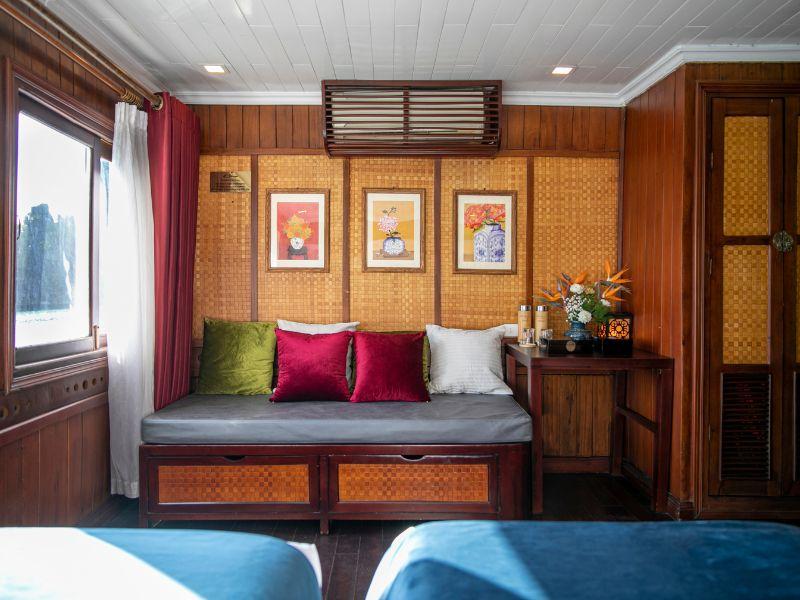
A cabin aboard a Bhaya Legend private cruise illustrates accommodation options in Halong Bay.
Luxury tourism in Vietnam is developing beyond conventional five-star hotels and premium transportation.
For many travelers, luxury increasingly means privacy, flexibility, personal attention, and the freedom to enjoy a destination at a comfortable pace.
This creates opportunities for private journeys, boutique accommodation, exclusive experiences, and carefully selected luxury cruises.
Private Tours and Personalized Itineraries
Private travel allows visitors to choose their preferred pace, accommodation standards, and activities.
A family with children may prefer shorter sightseeing days and more leisure time.
A couple celebrating a honeymoon may prioritize romantic accommodation, scenic landscapes, and intimate dining.
Experienced travelers may prefer cultural encounters and destinations outside conventional routes.
Personalized planning can accommodate these differences.
Visitors can explore traditional craft neighborhoods, historic temples, local markets, and lesser-known sites connected to Vietnam's history.
A visit to Huu Tiep Lake can introduce stories of Hanoi during the Vietnam War.
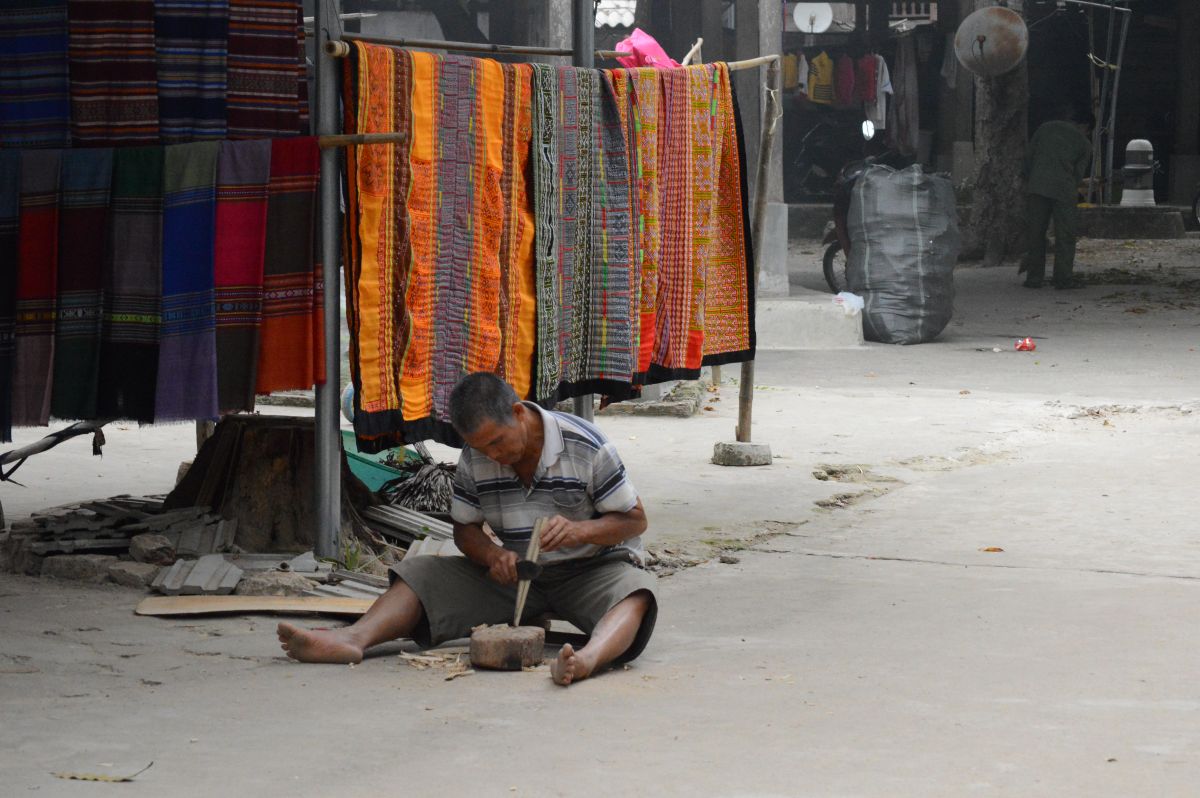
A journey to traditional craft villages can reveal how local artisans preserve techniques passed down through generations.
These experiences add educational value to a city tour.
Rural Experiences in Northern Vietnam
Destinations such as Mai Chau, Pu Luong, and parts of Ninh Binh offer opportunities to explore rural landscapes and traditional lifestyles.
Walking, cycling, village visits, and local meals can help travelers connect with the region.
Learning Through Travel
Cultural experiences become more meaningful when visitors understand the stories behind them.
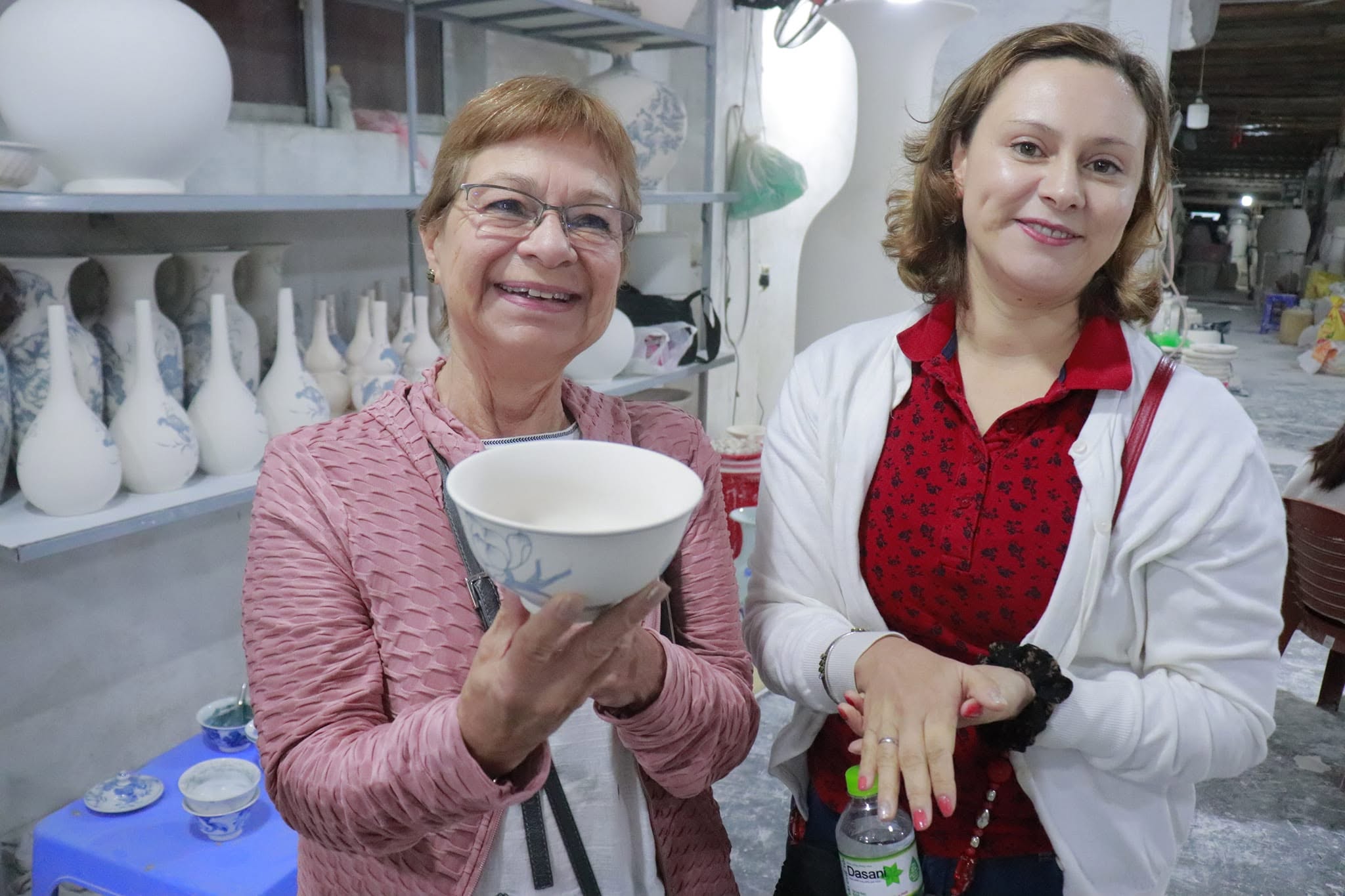
A pottery workshop is not simply an opportunity to make a souvenir. It can introduce the history of ceramic production and the livelihoods of local artisans.
A cooking class can explain the relationship between regional ingredients, family traditions, and Vietnamese cuisine.
A guided heritage walk can reveal how historical events shaped the places visitors see today.
For 2027, consider including at least one hands-on cultural experience in your itinerary.
6. Sustainable and Responsible Tourism Is Becoming More Relevant
Mai Chau’s village landscapes invite visitors to explore with care for local communities.
Vietnam's natural landscapes and cultural heritage are essential to its tourism appeal.
Protecting these resources is increasingly important as visitor numbers grow.
Responsible tourism involves more than choosing environmentally friendly accommodation.
It also means respecting local communities, supporting traditional livelihoods, reducing unnecessary waste, and considering the environmental impact of travel activities.
Community-Based Experiences
Community-based tourism can provide opportunities for visitors to learn about local traditions while supporting rural livelihoods.
Examples include guided village walks, traditional craft workshops, locally prepared meals, and carefully organized homestay experiences.
However, responsible tourism requires sensitivity.
Not every village is a tourist attraction, and local communities should have control over how visitors participate in their daily lives.
Nature and Wildlife Protection
Vietnam's national parks, marine environments, and mountain landscapes require careful conservation.
Visitors should follow park regulations, avoid disturbing wildlife, and choose activities that respect natural habitats.
In coastal destinations, travelers can reduce plastic waste and select operators that follow appropriate environmental practices.
Choosing a Responsible Itinerary
Travelers can make practical decisions by allowing sufficient time in each destination, using local services where appropriate, and choosing activities that respect cultural traditions.
A well-designed itinerary can reduce unnecessary transfers while creating more opportunities for meaningful exploration.
Responsible travel does not mean sacrificing comfort.
It means making thoughtful choices about how and where to travel.
7. Digital Technology Is Transforming Vietnam Travel Planning
Planning a family journey involves matching travel ideas with practical local advice.
Technology is changing how international travelers research destinations, compare accommodation, organize transportation, and communicate with travel providers.
Online booking platforms, digital maps, translation tools, and travel applications have become important parts of modern travel.
Artificial intelligence is also influencing the way travelers discover destinations and develop itineraries.
These tools can help visitors compare routes, generate travel ideas, and organize information more efficiently.
However, digital convenience does not guarantee accuracy.
Travelers should remain cautious when using automatically generated itineraries or outdated online information.
Why Local Expertise Still Matters
An itinerary may look attractive on a map but be difficult to complete in practice.
Travel times can be affected by road conditions, weather, traffic, and transportation schedules.
A cruise itinerary may depend on approved navigation routes and local regulations.
A cultural workshop may require advance arrangements.
Local expertise helps travelers understand these practical limitations.
The most effective travel planning combines digital tools with reliable destination information and professional advice.
Vietnamtravels.com and the Future of Travel Information
Vietnamtravels.com is developing its content around this approach.
Our goal is to help international visitors understand Vietnam's changing destinations, transportation infrastructure, cultural experiences, and tourism developments.
Rather than simply listing attractions, we aim to explain how new information affects real travel decisions.
For travelers planning a journey in 2027, regularly updated information can be as valuable as inspiration.
8. Vietnam's Tourism Development Is Creating New Opportunities for 2027
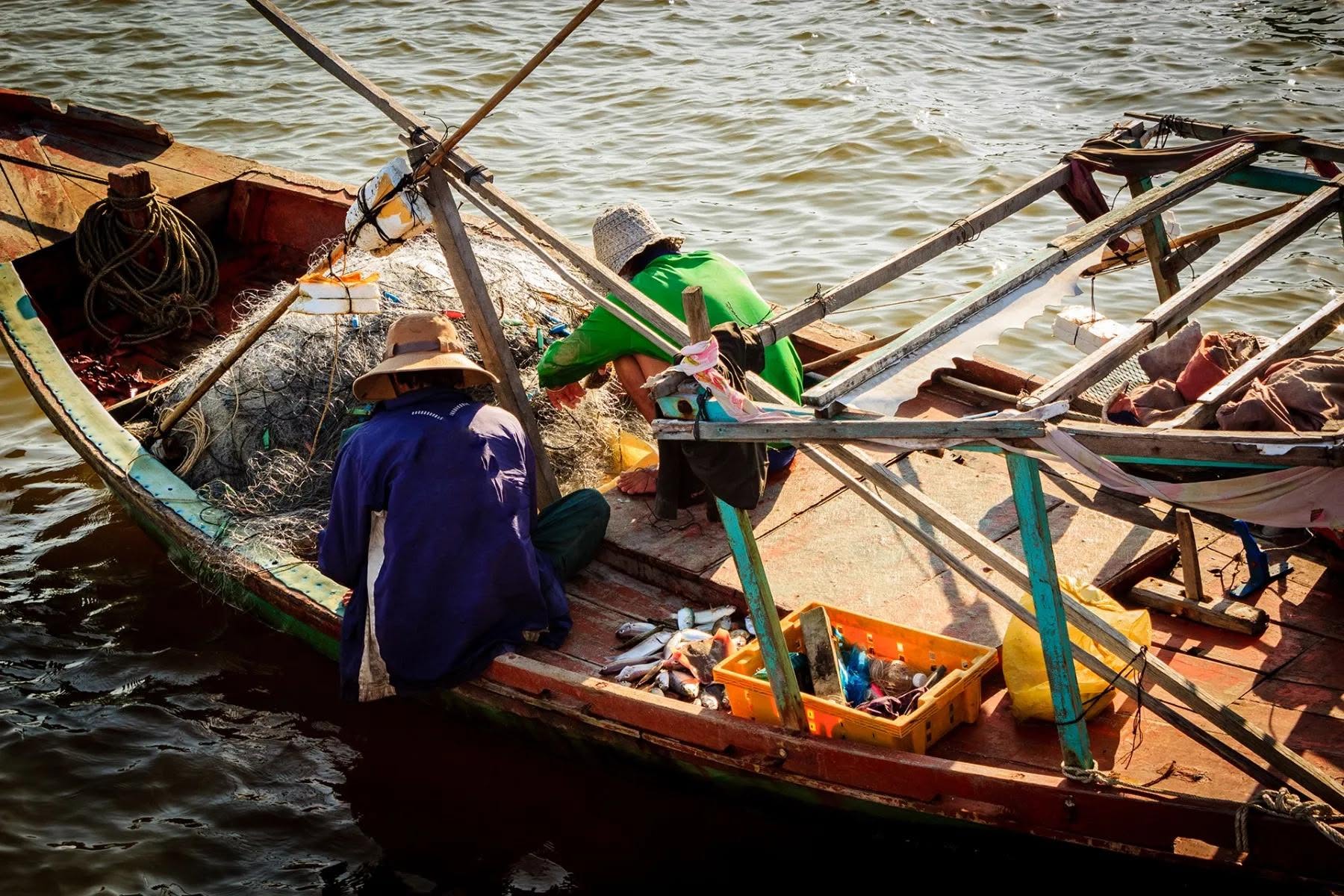
Fishing boats and coastal livelihoods form part of Phu Quoc’s island character.
Vietnam's tourism industry is closely connected to broader economic and infrastructure development.
Investment in transportation, accommodation, destination facilities, and international connectivity is influencing the country's tourism landscape.
The international event is expected to encourage attention toward the island's infrastructure, hospitality services, and destination development.
However, travelers should distinguish between announced projects, construction progress, and facilities that have officially opened.
Phu Quoc and International Tourism
Phu Quoc is already an important island destination, offering beaches, resorts, entertainment, and opportunities for nature exploration.
Developments connected to international events may influence the visitor experience in the coming years.
Travelers planning to visit during major events should monitor accommodation availability, transportation arrangements, and any temporary access restrictions.
New Tourism Products
Across Vietnam, tourism operators are developing experiences that combine traditional sightseeing with new interests.
Examples include wellness retreats, private cruises, culinary discovery, countryside cycling, cultural workshops, and personalized family travel.
These experiences allow visitors to choose journeys based on their individual interests rather than following a single standard itinerary.
What to Watch
For 2027, international travelers should pay attention to confirmed airline schedules, transportation openings, new accommodation options, destination regulations, and the availability of specialized experiences.
These developments may create exciting opportunities, but they should be verified before booking.
How to Plan a Vietnam Trip in 2027
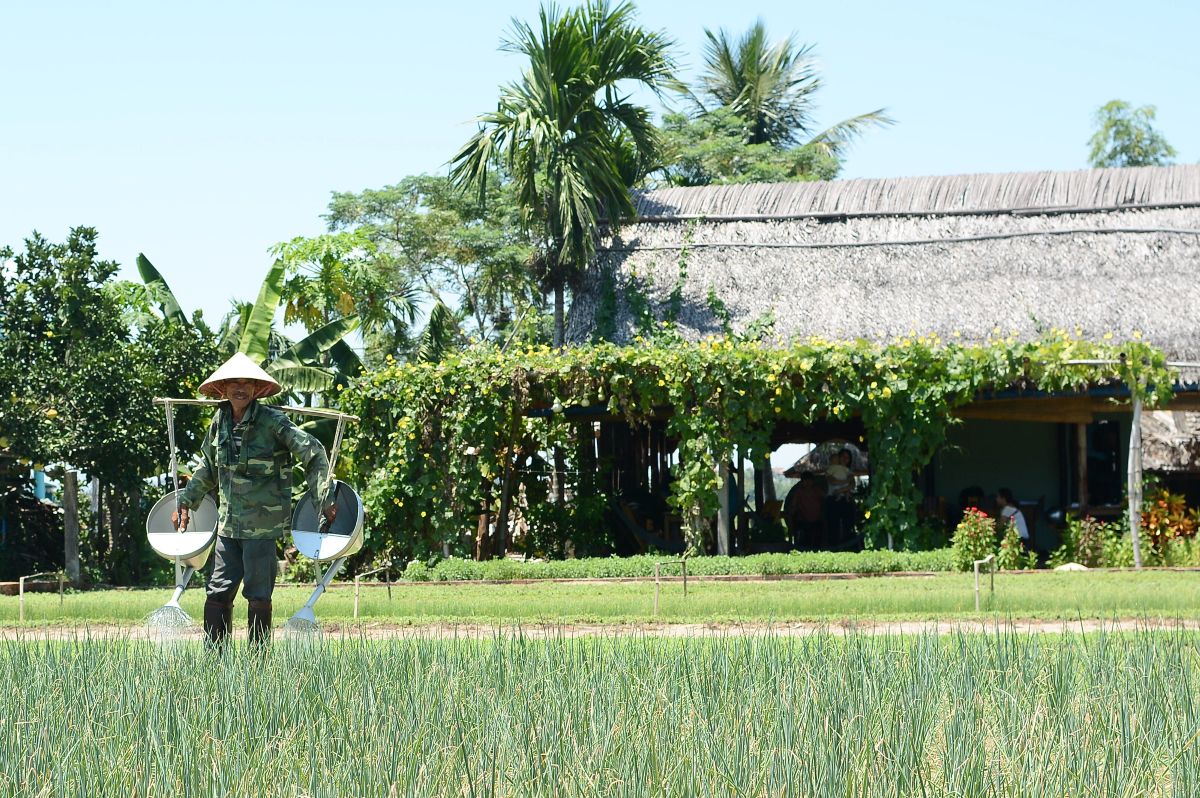
Tra Que village near Hoi An adds a countryside experience to a Central Vietnam itinerary.
Understanding travel trends is useful only when it helps create a better itinerary.
The following recommendations can help international visitors plan realistically.
Choose the Right Travel Season
Vietnam stretches across different climatic regions.
Northern Vietnam generally experiences cooler winter conditions and hot, humid summers.
Central Vietnam has its own seasonal rainfall patterns, while Southern Vietnam typically experiences distinct wetter and drier periods.
Weather conditions vary within each region.
Mountain destinations, beaches, and coastal cruises may be affected differently by seasonal conditions.
For a multi-region journey, consider the overall route rather than selecting dates based on the weather in one city.
Three weeks allows a more relaxed journey with additional cultural experiences or beach time.
Shorter journeys are best focused on one region.
Combine Famous Attractions with Lesser-Known Places
A balanced itinerary might include Hanoi, Ninh Binh, Lan Ha Bay, and Pu Luong in Northern Vietnam.
Another journey could combine Hue, Hoi An, and a coastal destination.
In Southern Vietnam, Ho Chi Minh City and the Mekong Delta can be paired with an island escape.
Verify Travel Requirements
Vietnam offers electronic visas with validity of up to 90 days and single- or multiple-entry options, subject to applicable regulations.
Visa exemptions and entry conditions depend on nationality and other requirements.
Travelers should consult the official Vietnam Immigration Department website before applying.
Book Specialized Experiences Early
Private cruises, boutique accommodation, popular cultural workshops, and tailor-made journeys may require advance reservations.
This is particularly important during major holidays and peak travel periods.
Suggested Vietnam Itineraries for 2027
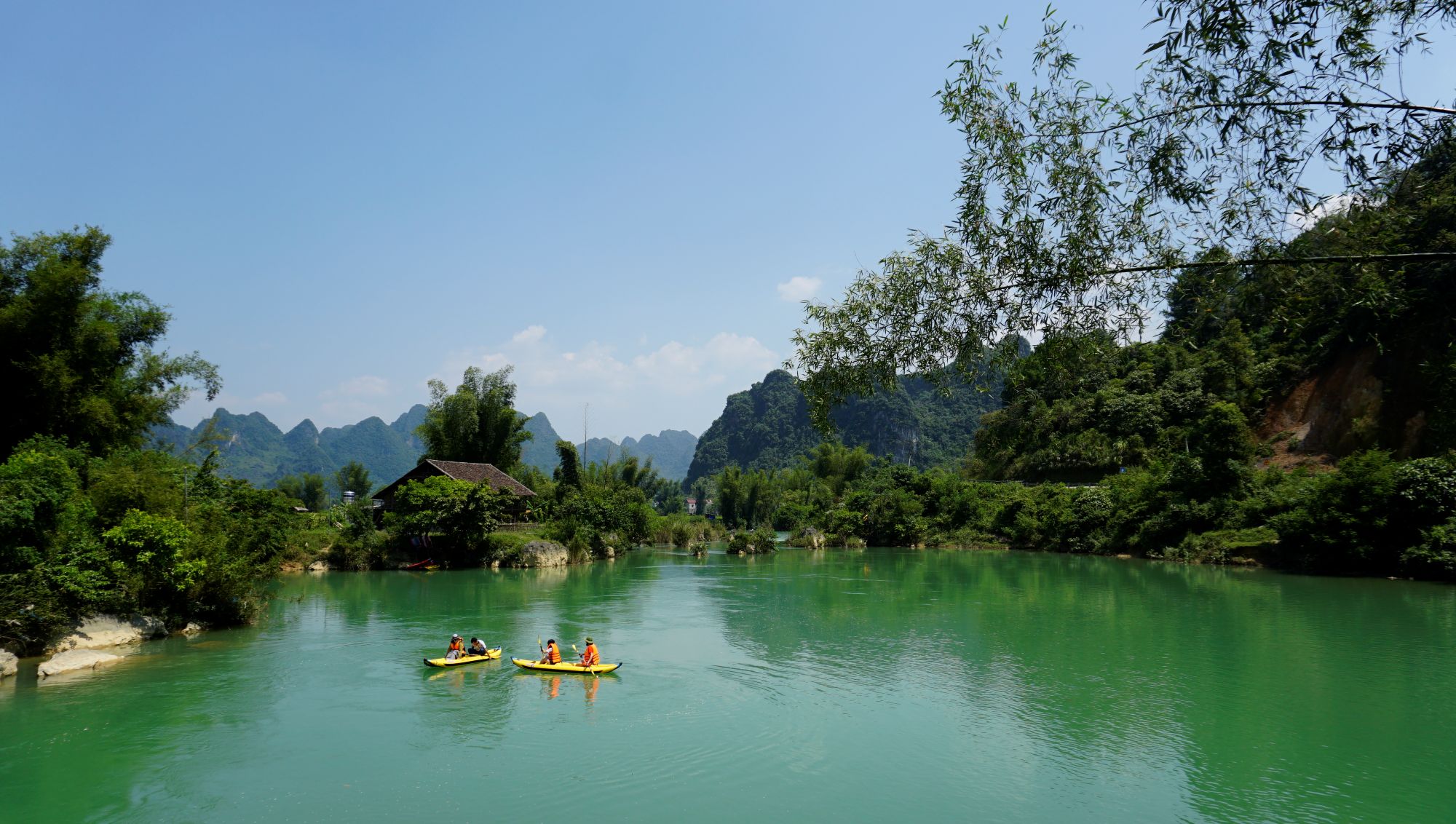
Kayaking in Lan Ha Bay is one activity travelers can consider when choosing a northern route.
The following sample routes illustrate how travelers can incorporate emerging travel trends into realistic journeys.
Travel Style
Suggested Duration
Recommended Route
First-Time Vietnam Discovery
14 days
Hanoi – Ninh Binh – Lan Ha Bay – Hue – Hoi An – Ho Chi Minh City
Northern Vietnam Nature and Culture
10 days
Hanoi – Mai Chau – Pu Luong – Ninh Binh – Lan Ha Bay
Luxury and Wellness Escape
8 days
Hanoi – Lan Ha Bay Luxury Cruise – Hoi An – Beach Resort
Highland Adventure
9 days
Hanoi – Ha Giang – Cao Bang – Ban Gioc – Ba Be
Southern Vietnam and Island Relaxation
10 days
Ho Chi Minh City – Mekong Delta – Con Dao or Phu Quoc
These are suggested itinerary frameworks rather than fixed packages.
Actual routes should be adjusted according to transportation schedules, travel dates, activity preferences, and accommodation availability.
Frequently Asked Questions About Vietnam Travel in 2027
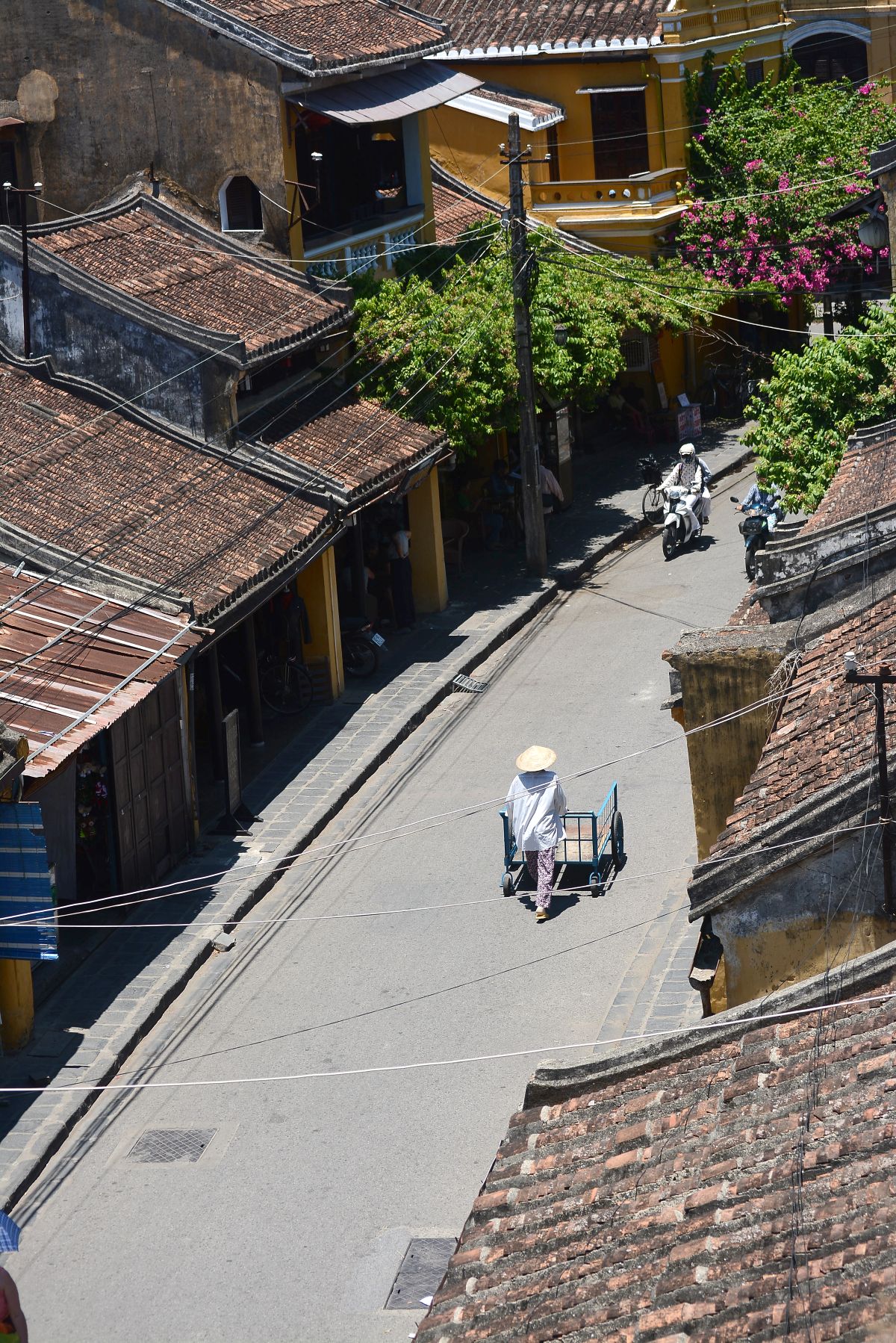
Hoi An’s streets illustrate the cultural experiences travelers often ask about before visiting.
Is Vietnam a good destination to visit in 2027?
Vietnam offers a diverse combination of cultural heritage, natural landscapes, regional cuisine, beaches, and travel experiences. Continued tourism development may create additional options in 2027, although travelers should verify current conditions before departure.
What are the biggest Vietnam travel trends for 2027?
Important trends to watch include improved transportation connections, emerging destinations, personalized luxury travel, wellness experiences, slow travel, responsible tourism, and digital travel planning.
Which destinations should repeat visitors explore?
Travelers who have already visited Vietnam's famous attractions may consider Ha Giang, Cao Bang, Pu Luong, Quy Nhon, Con Dao, or lesser-known cultural destinations around Hanoi and Central Vietnam.
Is Vietnam suitable for luxury and wellness holidays?
Yes. Vietnam offers luxury resorts, boutique accommodation, premium cruises, and wellness-oriented experiences. Facilities and included services vary, so travelers should review the details of each package.
How many days are recommended for a Vietnam holiday?
A 10–14-day journey can introduce several important destinations. Travelers seeking a slower pace or more extensive regional exploration may prefer 18–21 days.
Should I book a fixed tour or a tailor-made itinerary?
Fixed tours can be convenient for travelers with standard sightseeing interests. Tailor-made journeys offer greater flexibility for families, couples, luxury travelers, and visitors seeking specialized experiences.
Final Thoughts: Discover a Changing Vietnam in 2027
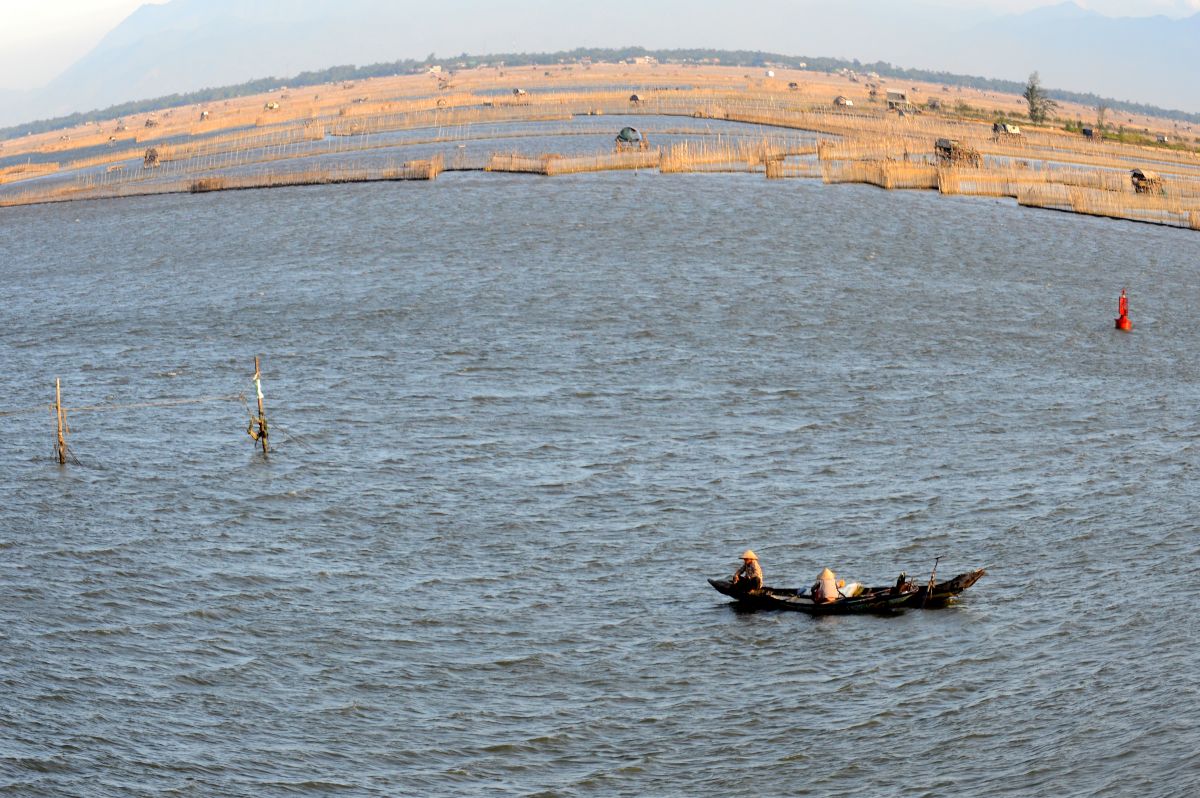
Tam Giang Lagoon near Hue offers a quieter perspective on Vietnam’s regional landscapes.
Vietnam is entering a new period of tourism development.
Improving infrastructure, growing international connectivity, emerging destinations, and changing travel preferences are creating opportunities for visitors to experience the country in new ways.
Yet Vietnam's greatest attractions remain its people, culture, history, natural landscapes, and distinctive regional identities.
The most important Vietnam travel trends 2027 are therefore not simply about what is new.
They are about how travelers can combine modern convenience with deeper cultural discovery, comfortable journeys, responsible choices, and meaningful experiences.
For first-time visitors, Vietnam continues to offer an extraordinary introduction to Southeast Asia.
For returning travelers, the country provides opportunities to discover new destinations and explore familiar places from different perspectives.
At Vietnamtravels.com, we believe that understanding what is changing helps travelers make better decisions.
Our mission is to provide useful travel information, practical destination advice, and thoughtfully developed itinerary ideas for international visitors.
Discover Vietnam. Know What's New.
Explore our travel guides, discover new destinations, and plan your Vietnam journey for 2027 with knowledge, confidence, and local expertise.