You sit down to rice bowls, several plates of food and a small collection of dipping sauces. Does everyone share everything? Should you wait, serve yourself or accept the piece your host offers? Understanding Vietnamese eating habits makes these moments easier and helps you appreciate what is happening beyond the menu.
There is no single script for eating in Vietnam. Family routines, regional cooking, generations and restaurant styles all influence a meal. Start by noticing how food is served, ask when something is unclear and let your appetite guide you. Curiosity matters much more than performing an unfamiliar ritual perfectly.
1. Understand the Different Ways Vietnamese Meals Are Served
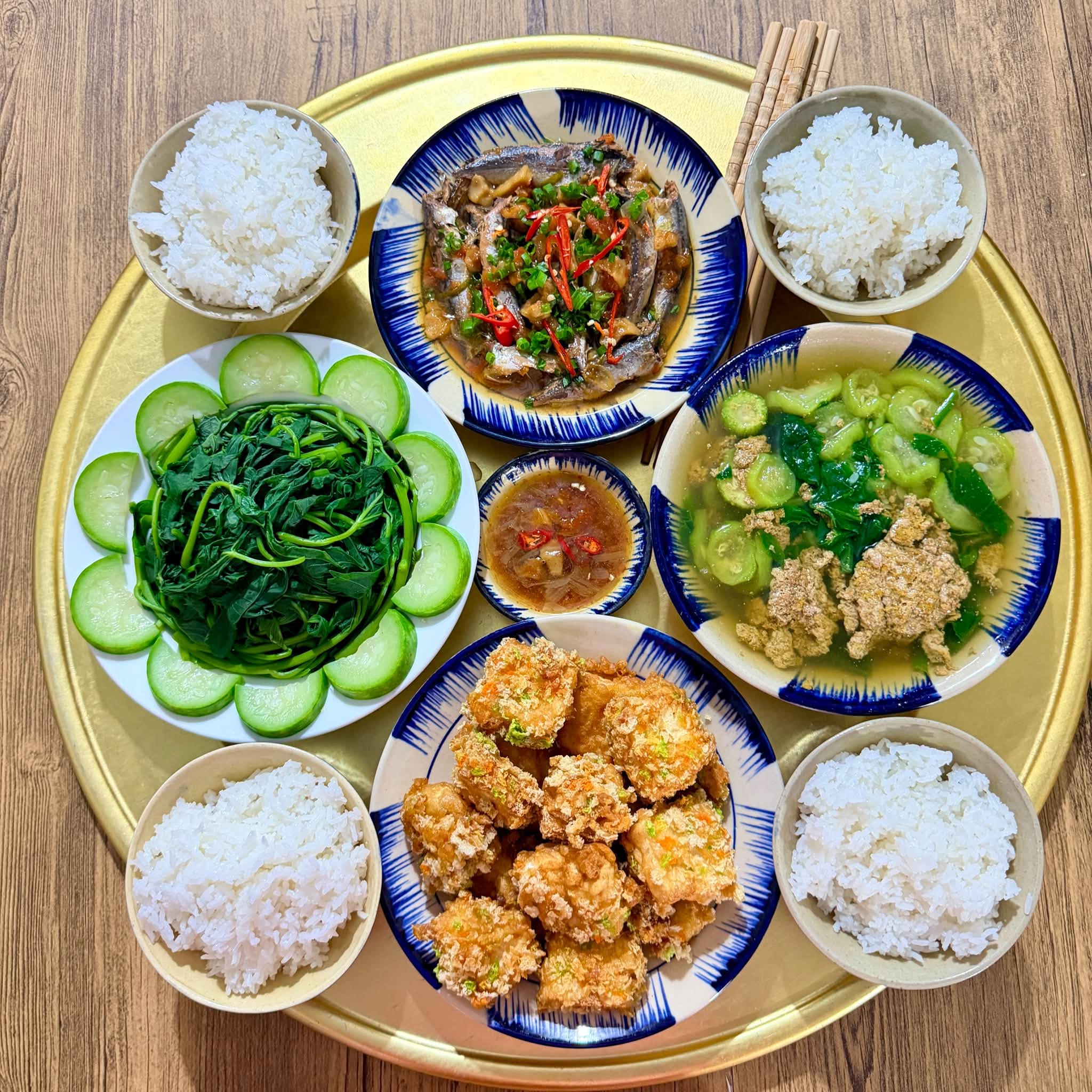
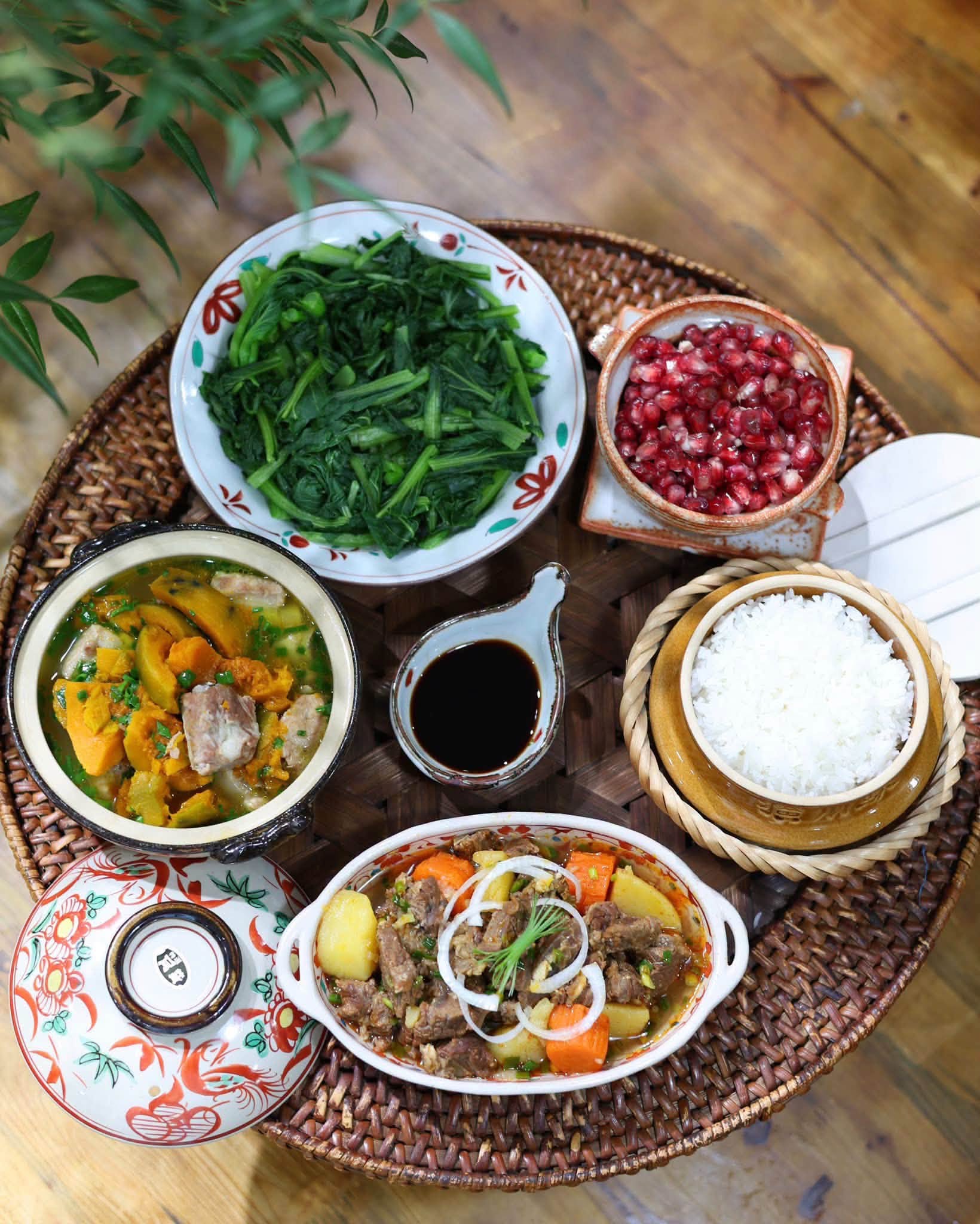
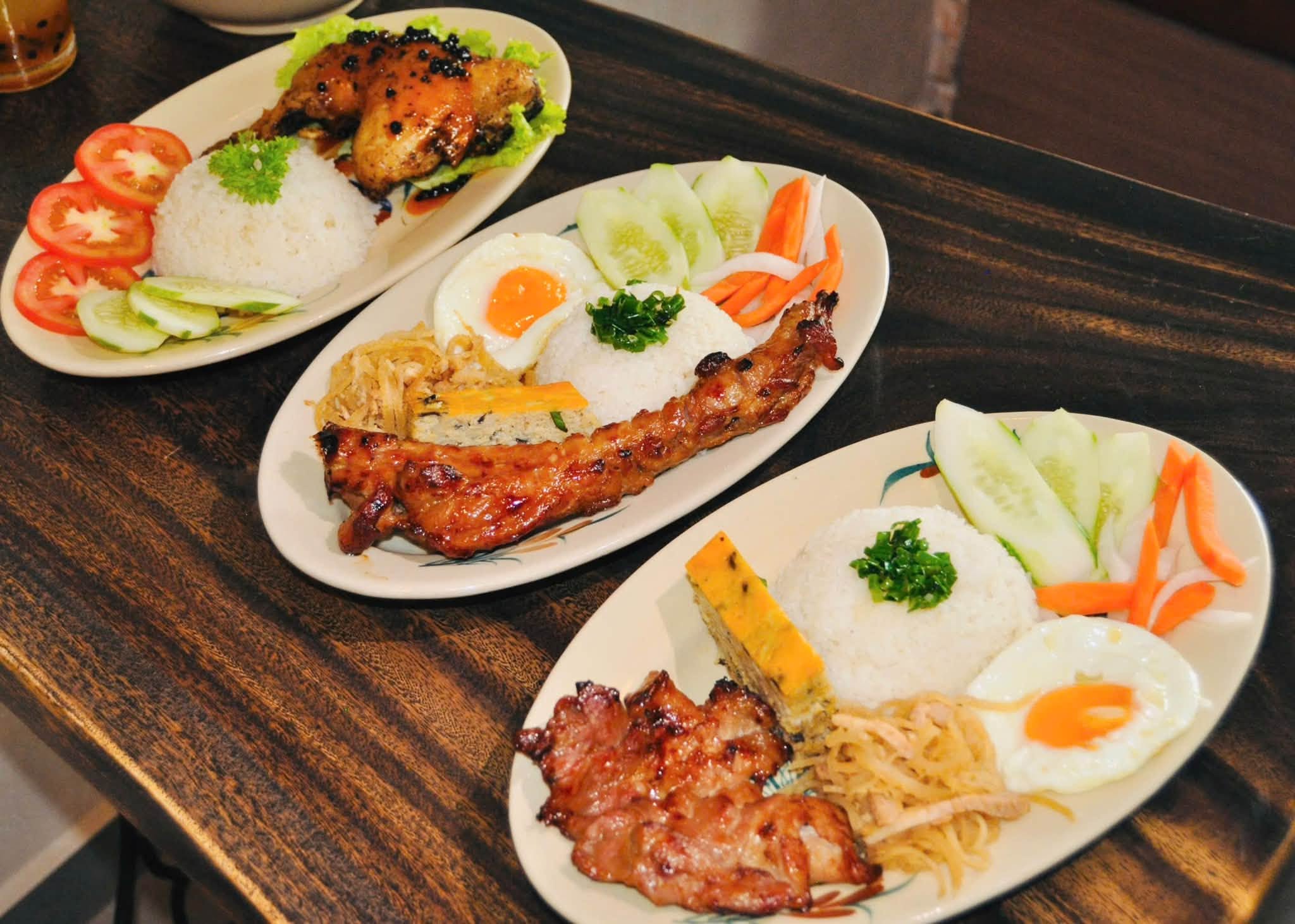
Rice and accompanying dishes can be served in different formats. Ask how many diners each order is intended to serve. Source: Collected.
Individual portions and shared tables
A bowl of phở, a bánh mì or a plate of cơm tấm often provides a meal for one person. A family-style rice meal works differently: several dishes sit within reach, and diners take portions to accompany their own rice. Neither format represents every Vietnamese meal.
At a specialist noodle shop, begin by checking which version and portion you want. At a restaurant serving shared dishes, discuss the number of diners and ask how many people each plate is intended to serve. A menu photograph rarely establishes portion size.
Our Vietnam Food Guide introduces dishes to try along your route. Knowing whether you are ordering an individual serving or assembling a shared meal is the next practical step.
Different settings create different routines
A street-food stop might be brief and focused on one specialty. A restaurant dinner can allow more time for conversation and several dishes. During a homestay meal, your host may explain what has been prepared and how to combine it.
For hotpot or dishes you assemble at the table, ask for a demonstration. Confirm which ingredients need cooking and use the utensils intended for raw ingredients separately from those used for eating. Watching one preparation is more useful than guessing.
A food walk introduces another rhythm: several small tastings across different venues. Tell the guide how hungry you are and pace yourself. You do not need a full portion at every stop to understand the food.
2. How Shared Meals Work: Rice, Dishes and Dipping Sauces
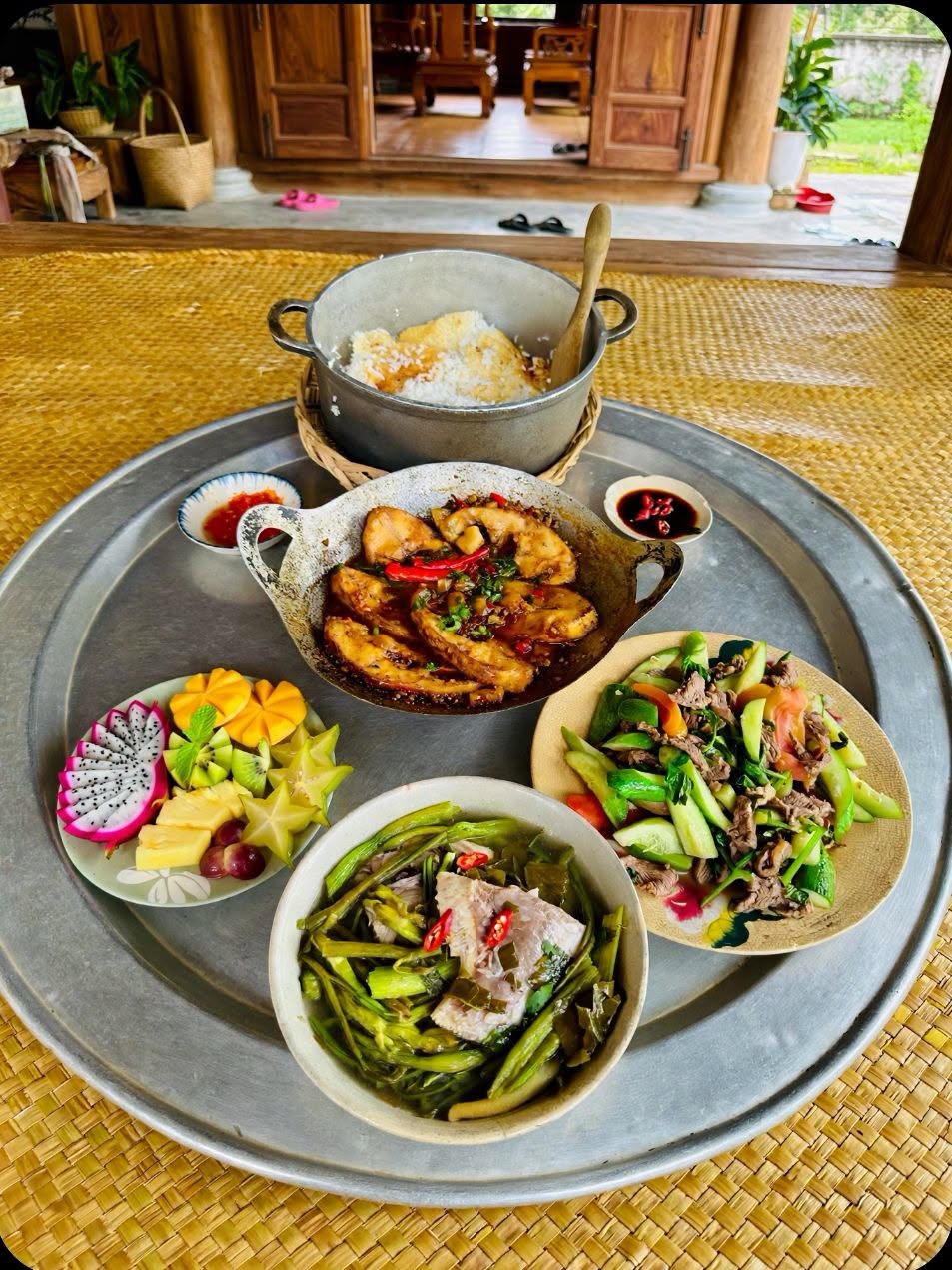
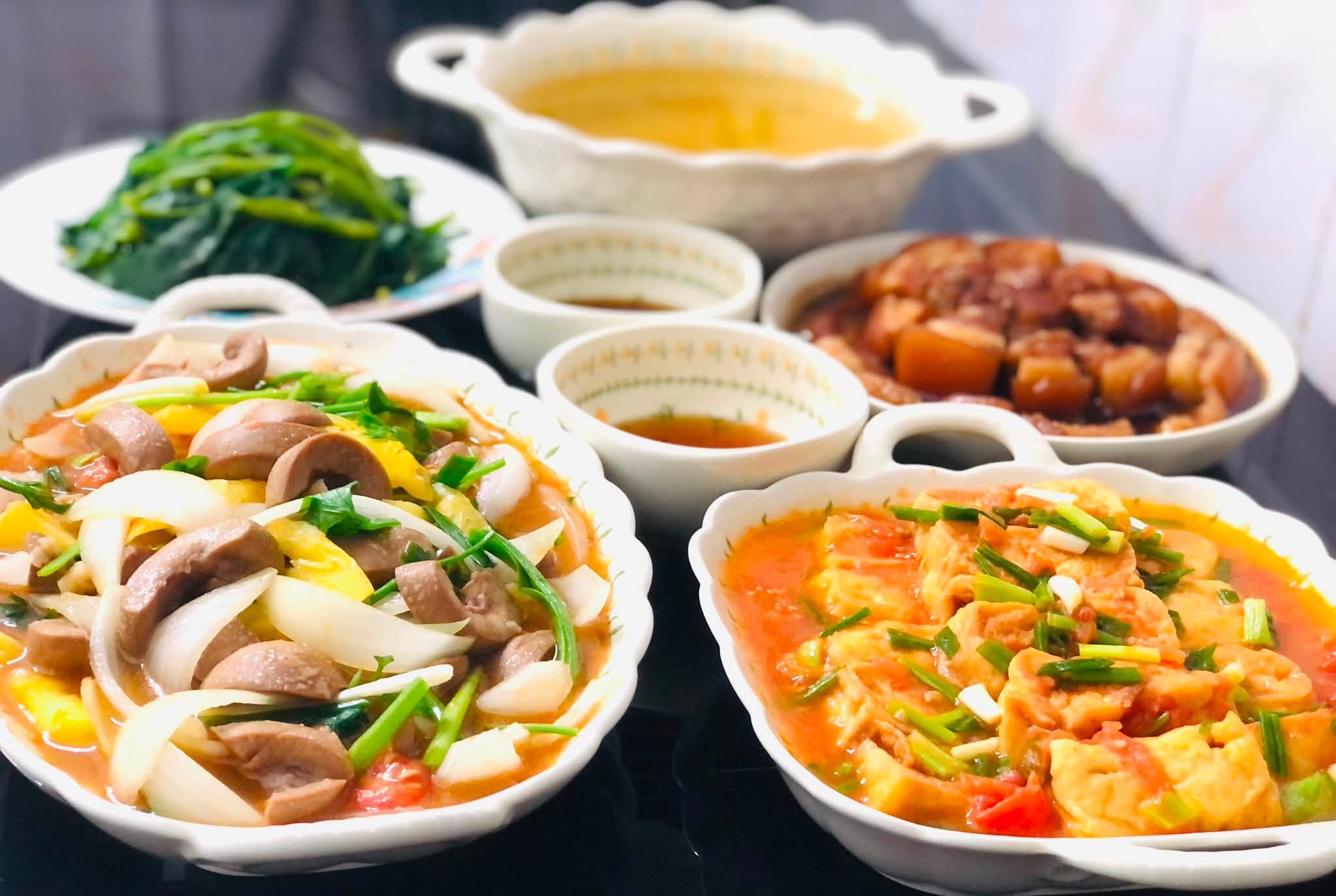
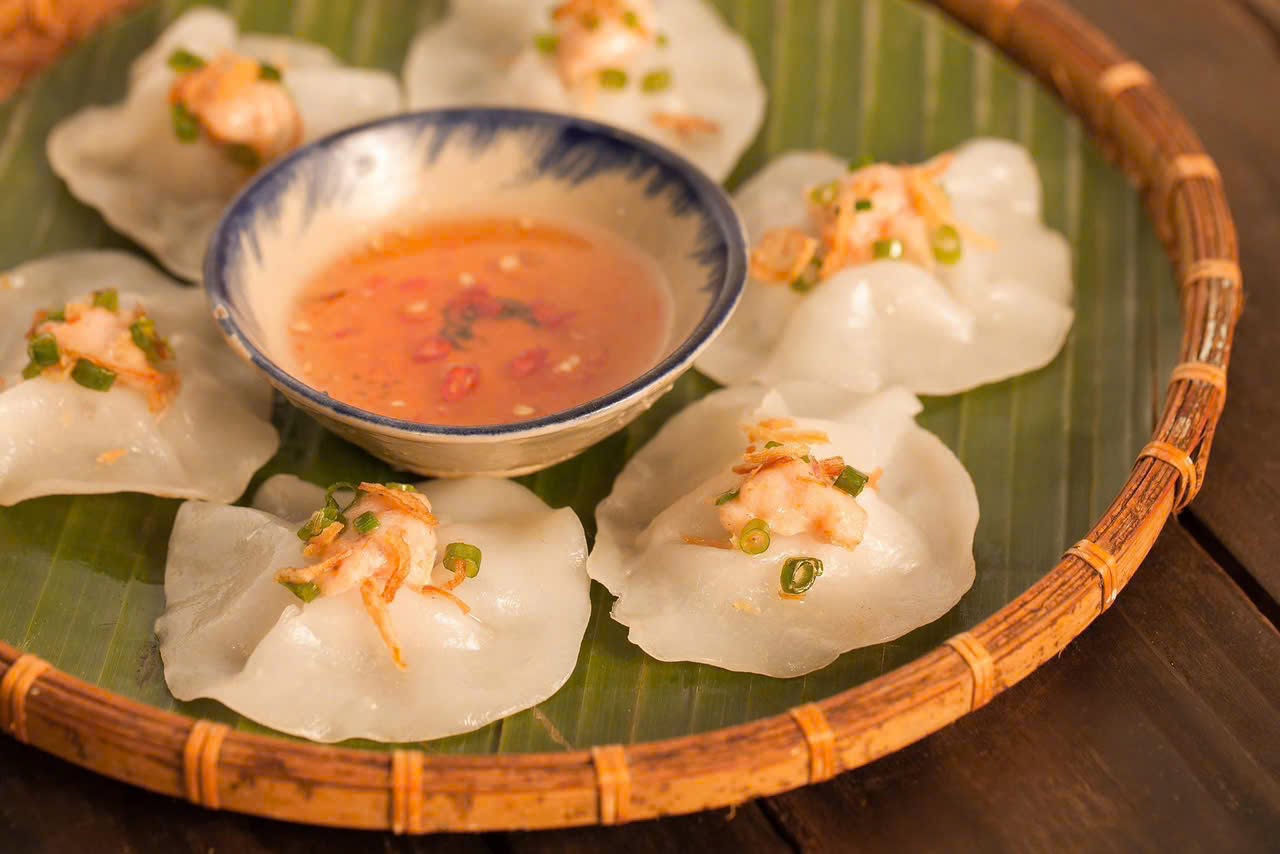
Ask which dishes and sauces are shared, and use serving utensils when available. Source: Collected.
Build a meal around variety
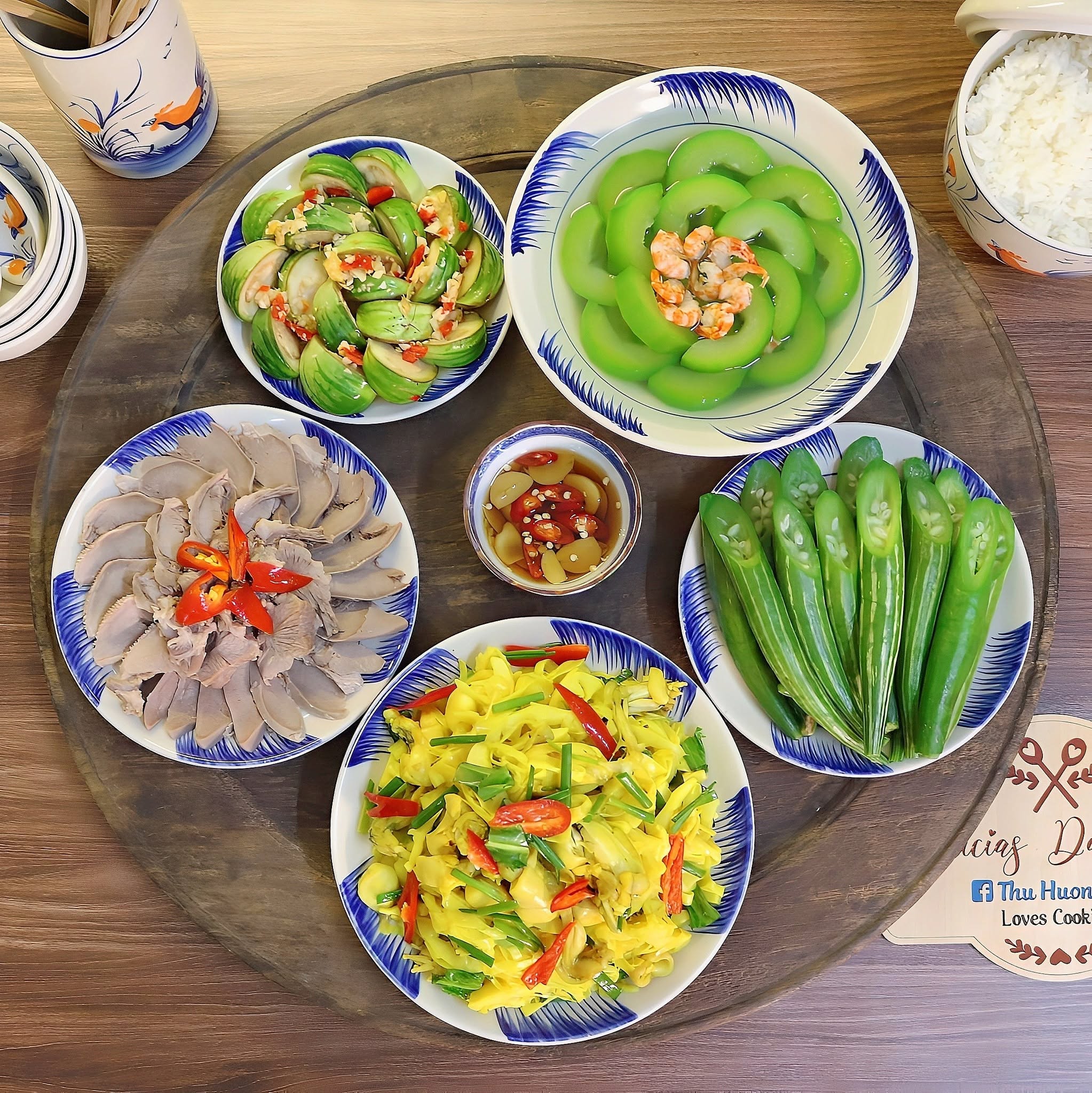
For two people, one possible starting point is a modest fish, meat or tofu dish, a vegetable dish, soup and rice. Ask the restaurant whether that combination is appropriately sized. It is an ordering suggestion, not a rule about how a Vietnamese meal must look.
Balance can come from different textures and preparations: something braised, something fresh or stir-fried, and a lighter soup. You do not need several large protein dishes simply because each sounds appealing. Ordering less initially can leave room to add something later.
Regional specialties also change the structure. A shared seafood meal and a set of individual noodle bowls need different questions. The Ho Chi Minh City Food Guide offers examples of both everyday portions and shared-table choices.
Move food to your own bowl
Use serving spoons, tongs or serving chopsticks when provided. If none are available, ask for them. This is an uncomplicated request and avoids having to improvise with your own utensils.
Take a manageable portion and leave the platter accessible to others. Ask someone to pass a dish rather than leaning across their meal. If soup is served communally, use the ladle or ask how the household prefers to serve it.
You may see people lift a small rice bowl while eating. Follow what feels manageable without worrying about copying every movement. Ask for a spoon or fork if needed; comfort is more helpful than struggling through the meal.
Understand the sauce before dipping
A small bowl might contain your own dressing, a shared dipping sauce or a strongly flavored condiment. Ask if you are uncertain. Use a separate portion where possible, especially if you want to adjust chili or other ingredients.
For a shared sauce, avoid returning a bitten piece of food to the bowl. Do not assume every sauce belongs in the main dish: some are intended for dipping a particular item. Try a little before adding more.
With herbs, rice paper or lettuce, a quick demonstration can reveal how the elements fit together. You can still choose the components you enjoy. Eating everything offered is not a test of cultural respect.
3. Vietnamese Table Manners Without the Anxiety
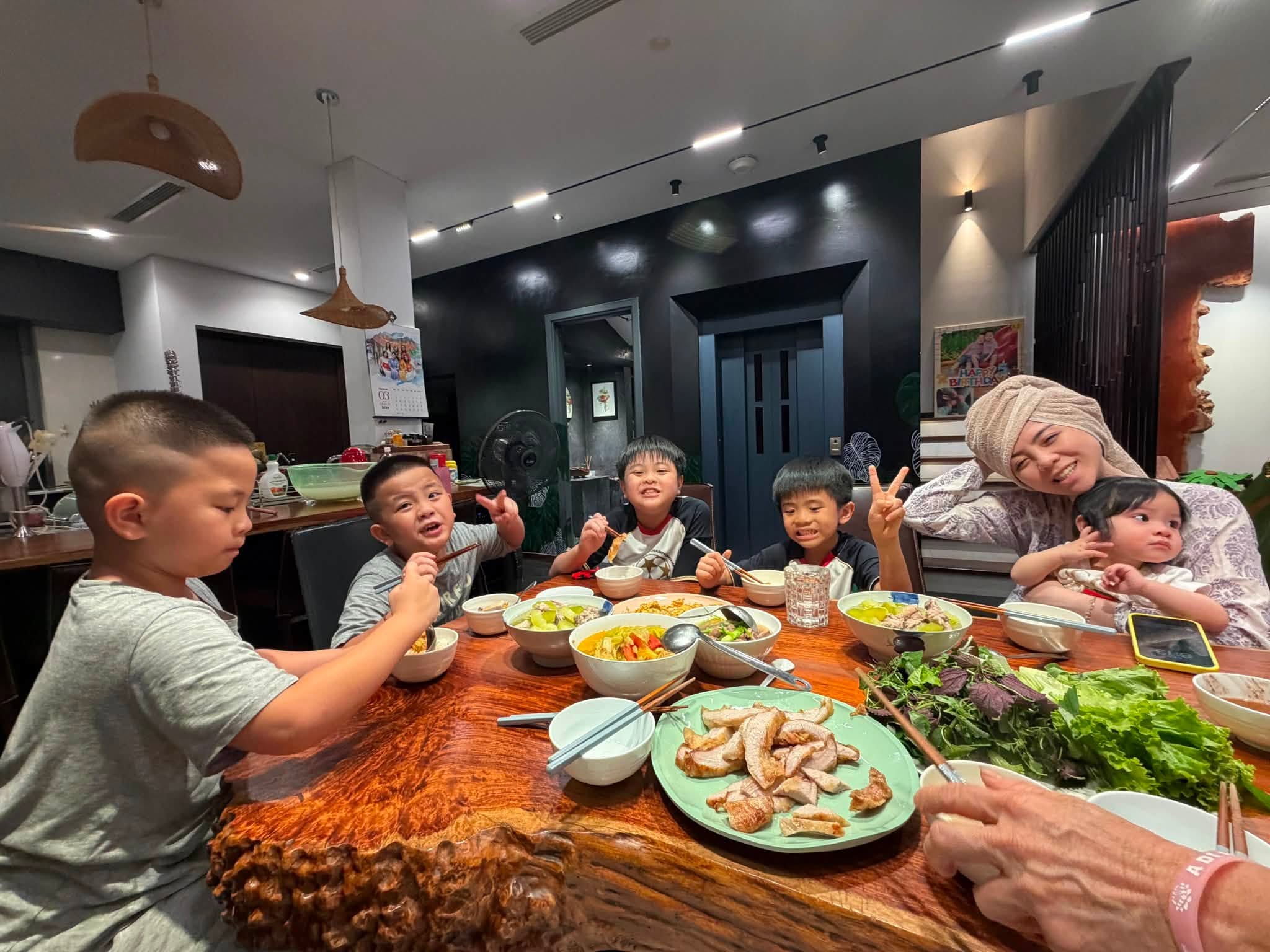
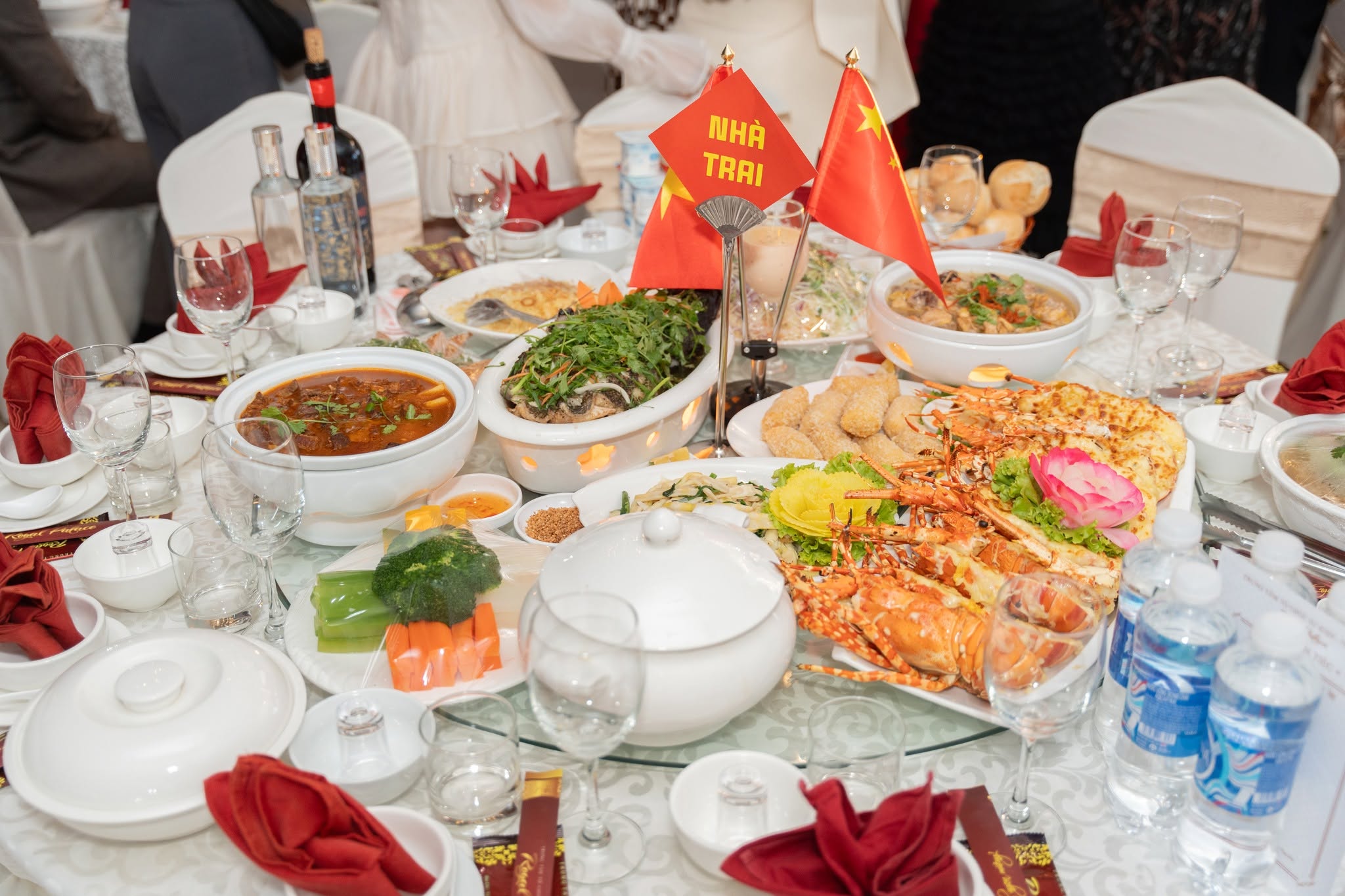
At a shared table, take your cue from the host and ask when you are unsure how to begin. Source: Collected.
Let the host help you begin
At a hosted meal, greet the people around you and take your cue from the host or senior diners before starting. A short invitation to eat may mark the beginning. In an informal restaurant group, the process may be much less noticeable.
You can say “Mời mọi người ăn cơm,” an invitation for everyone to eat. Visitors do not need a complicated set of age-specific forms to participate warmly. A smile, thanks and attention to the people at the table communicate a great deal.
Keep chopsticks simple
Rest chopsticks neatly beside your bowl or on a rest. Avoid standing them upright in rice, an arrangement associated with incense offerings. Do not point at people or wave them around while talking.
You do not need an exhaustive list of taboos. Keep utensils out of other people's space, use serving tools and ask when you need help. An accidental slip is a reason to adjust, not to become anxious for the rest of dinner.
Accept hospitality without giving up your choices
A host may offer another helping, refill a glass or select a piece for you. These gestures can express welcome. Thank the person, then explain if you are full or cannot eat the item.
You can decline alcohol and still join the conversation. A non-alcoholic drink lets you participate in a toast without accepting something you do not want. State your choice pleasantly and consistently rather than feeling obliged to justify it at length.
If dietary requirements matter, discuss them before the meal. Once dishes arrive, it is harder for a host to change a shared menu. Clear advance communication is considerate to both guest and cook.
Situation
A comfortable response
You cannot tell whether a dish is shared
Ask before dividing it
There are no serving utensils
Request an extra spoon or serving chopsticks
Someone offers food you cannot eat
Thank them and briefly explain
You are offered alcohol
Decline politely or choose another drink
More food arrives when you are full
Say you have eaten enough and express appreciation
You are unsure how to assemble a dish
Ask for a demonstration
These are useful approaches across many settings, rather than a fixed code observed identically in every home.
4. Everyday Dining: Ordering, Condiments and Paying
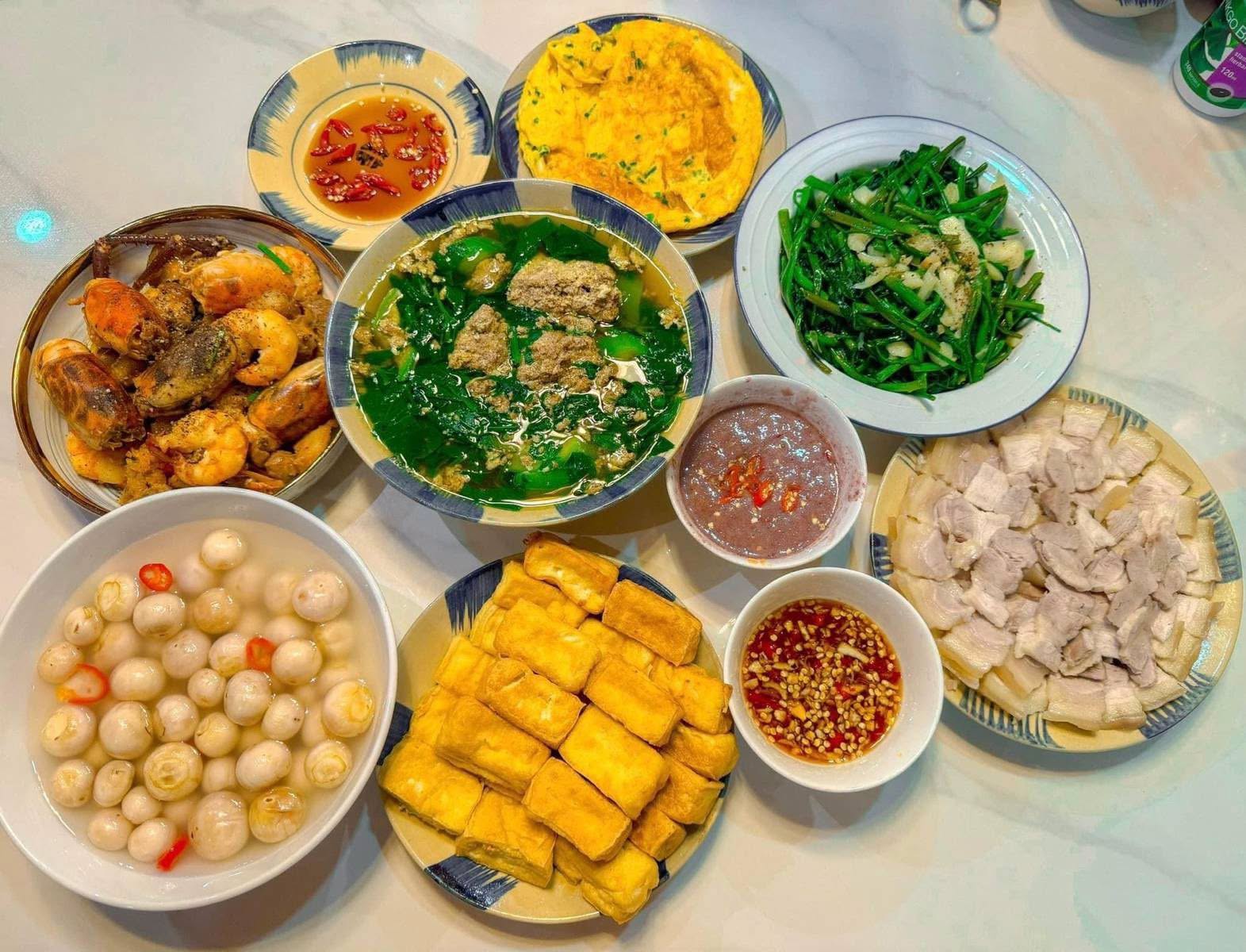
Confirm portions and accompaniments before ordering a meal to share. Source: Collected.
Establish the order before the meal
Ask whether the price is per portion, per piece or by weight. This is particularly useful for seafood and items without a clearly marked fixed price. Confirm quantity, preparation and total cost before the kitchen begins.
Do not assume that everything placed on the table is included. Ask about extra rice, drinks, wet towels or snacks if you are unsure. The aim is a clear order, not a suspicious conversation about every small item.
Some small businesses prefer cash, while larger venues may offer other payment methods. Check what is accepted and keep manageable denominations. Confirm any additional charge before agreeing to it.
Season your food to taste
Condiments let diners adjust flavor, but the selection differs by dish and venue. Taste first, then add a little at a time if you wish. You are free to enjoy a broth without adding everything available on the table.
Spicy sauces, fresh chili and fermented condiments can be separate from the main dish or already incorporated. Asking for less chili is different from removing a garnish after cooking. Explain your preference before ordering.
Consider the meal's pace too. Dishes in a shared order may arrive as they are ready. If you need a particular sequence, ask rather than assuming the kitchen follows a starter-and-main structure.
Handle the bill clearly
At a restaurant, ask for the bill and check the items. With friends or a host, discuss payment tactfully; do not assume an invitation always leads to the same arrangement. If your group wants separate bills, ask before ordering. Settling one bill and dividing it among yourselves may be easier.
Tipping is not a universal requirement in Vietnamese restaurants. You may leave something for service you appreciated, while checking whether a service charge already appears. A service charge and an optional tip are different entries, not interchangeable labels.
At a hosted home meal, follow the arrangement agreed with the organizer. A paid homestay dinner, a cooking experience and a private social invitation have different payment contexts.
5. Dietary Requests, Allergies and Food Comfort
Ask about ingredients and preparation when dietary requirements matter; appearance alone does not establish suitability. Source: Collected.
Explain the ingredients you avoid
Look for “chay” when seeking vegetarian food, then clarify your requirements. Ask about broth, fish sauce, shrimp paste and toppings rather than judging a dish from visible vegetables alone. Vegan diners should also specify eggs, dairy and other excluded ingredients.
A request can be easy for one dish and impractical for another. A broth prepared earlier cannot necessarily be changed for a single bowl. Choose an alternative when the kitchen cannot adapt a preparation reliably.
Food preferences and allergies require different conversations. Say clearly when an ingredient is an allergen and discuss preparation, not just removing it from the finished plate.
Make allergy communication specific
Shared utensils, grills, fryers and preparation surfaces can transfer allergens between foods. Ask the person responsible for the kitchen whether they can manage your needs. A translated chef card supports that discussion but cannot guarantee understanding or safe preparation.
For a serious allergy, plan dining and your response arrangements with your clinician before travel, and carry prescribed medication as directed. If a venue cannot explain its ingredients or preparation clearly enough, choose another option.
Tell food-tour organizers about allergies before booking. A route using several small kitchens needs advance assessment, and substitutions should not be promised without confirmation.
Choose portions and venues that suit your comfort. Families may prefer accessible seating, shade and familiar options alongside new tastes. Neither a low stool nor an expensive dining room proves food safety; avoid making the setting a substitute for practical questions.
6. Join a Vietnamese Meal with Curiosity
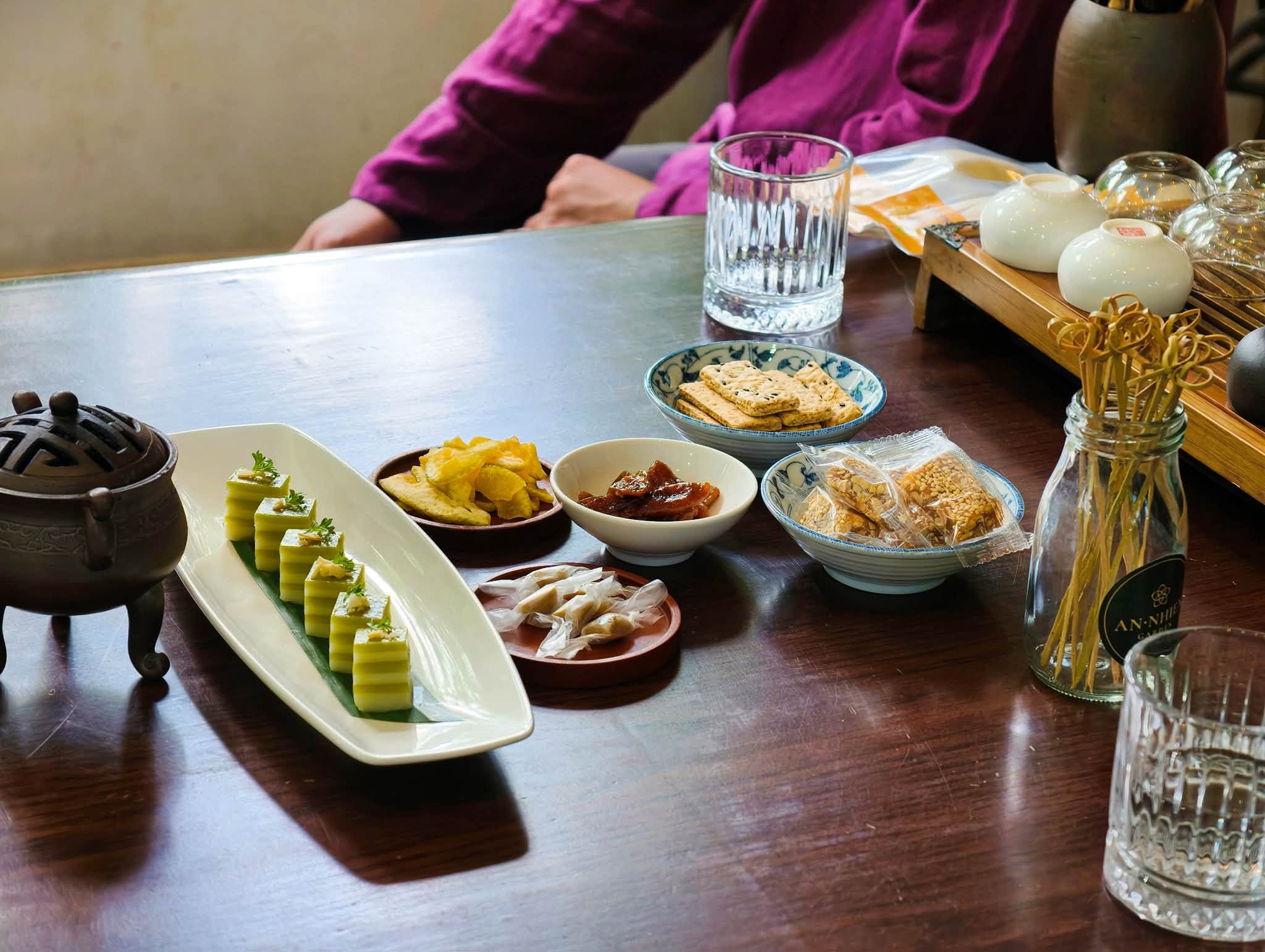
A shared meal offers opportunities to ask about ingredients, sauces and ways of combining the dishes. Source: Collected.
A few Vietnamese phrases can make requests warmer and clearer. The examples below are general dining phrases, not a substitute for a detailed allergy translation.
Vietnamese phrase
Meaning
Cho tôi xin một chiếc thìa để gắp thức ăn chung.
May I have a spoon for serving the shared food?
Tôi không ăn cay.
I do not eat spicy food.
Nước dùng này có thịt hoặc xương không?
Does this broth contain meat or bones?
Cho tôi xin tính tiền.
May I have the bill?
Cảm ơn, tôi không uống rượu bia.
Thank you, I do not drink alcohol.
Cảm ơn, tôi no rồi.
Thank you, I am full.
The broth question alone does not establish that a dish is vegetarian or vegan. Follow it with questions about sauces, seafood-based ingredients and any other requirements relevant to you.
At your first shared meal, focus on three things: understand the portions, ask about the accompaniments and communicate what you can eat. The conversation around a dish can be as memorable as the flavor.
The Hanoi Street Food and Coffee Walk offers one introduction to ingredients, condiments and everyday eating customs through tasting stops. It is different from a family dinner or a cooking class, so choose the format that interests you.
Explore the wider Food and Culinary Tours collection for food walks, markets and cooking experiences. Share your appetite, interests and dietary needs before booking so the experience can be assessed and arranged appropriately.