Traditional Vietnamese Wedding Food: The Meanings Behind the Celebration
November 22, 202611 min read
Before guests sit down to a wedding feast, another kind of food may already have played an important part in the celebration. Covered trays of cakes, fruit, tea and other gifts can help mark the relationship between two families. Understanding traditional Vietnamese wedding food means looking at these exchanges as well as the dishes served at the reception.
Some foods have well-established associations with marriage. Others express hospitality or reflect a family's preferences. There is no single menu, gift list or interpretation for every Vietnamese wedding. The most revealing questions are what an item is, when it appears and what the people involved understand it to mean.
1. Wedding Gifts and Wedding Food Are Not the Same Thing
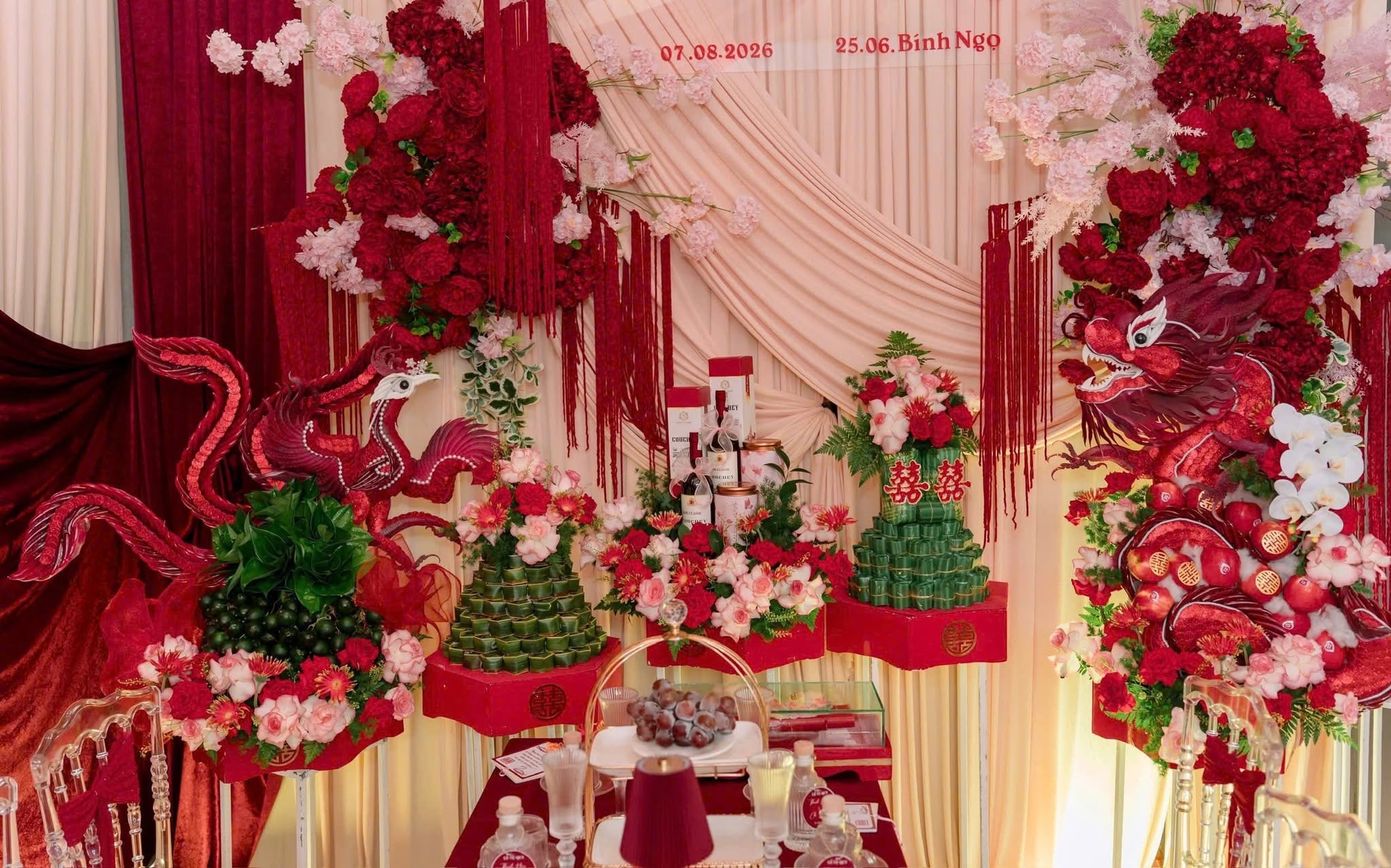
The presentation and use of wedding gifts follow the arrangements of the families involved. Source: Collected.
Three roles within a celebration
Food can function as a ceremonial gift, an offering within a family ritual or a meal for guests. The same ingredient may appear in more than one role, but the contexts are different.
At an engagement or betrothal ceremony, often called lễ ăn hỏi, gifts are formally presented between families. Selected items may also be used in observances at the family altar. The wedding reception, or tiệc cưới, brings people together for a celebratory meal.
Events may happen on separate dates or be brought closer together. An international guest invited to a restaurant reception may not see the family ceremonies. That does not make the meal incomplete; it simply means the invitation covers a particular part of the occasion.
Context
Main purpose
What you may encounter
What a guest should remember
Engagement gift exchange
Formal recognition and family connection
Betel and areca, cakes, fruit, tea or wine
Contents and presentation vary
Family or ancestor observance
Respect, remembrance and acknowledgment of the marriage
Selected gifts and food placed for the ritual
Wait for guidance before touching or taking anything
Wedding banquet
Welcoming guests and celebrating together
A meal chosen by the hosts
The menu need not reproduce the gift trays
Gifts shared afterward
Extending the occasion to relatives or friends
Portions of cakes or other suitable items
Distribution follows the family's arrangements
The scope of this guide
These examples concern practices associated mainly with Kinh Vietnamese weddings. Vietnam's different ethnic communities and religious traditions have their own celebrations. Families also adapt customs according to circumstances, beliefs and personal choices.
Think of food as part of a relationship between people, rather than a checklist every couple must complete. The meaning of a gift can come from its presentation and reception as much as from the object itself.
2. Betel, Areca and Cakes: Symbols of Marriage and Connection
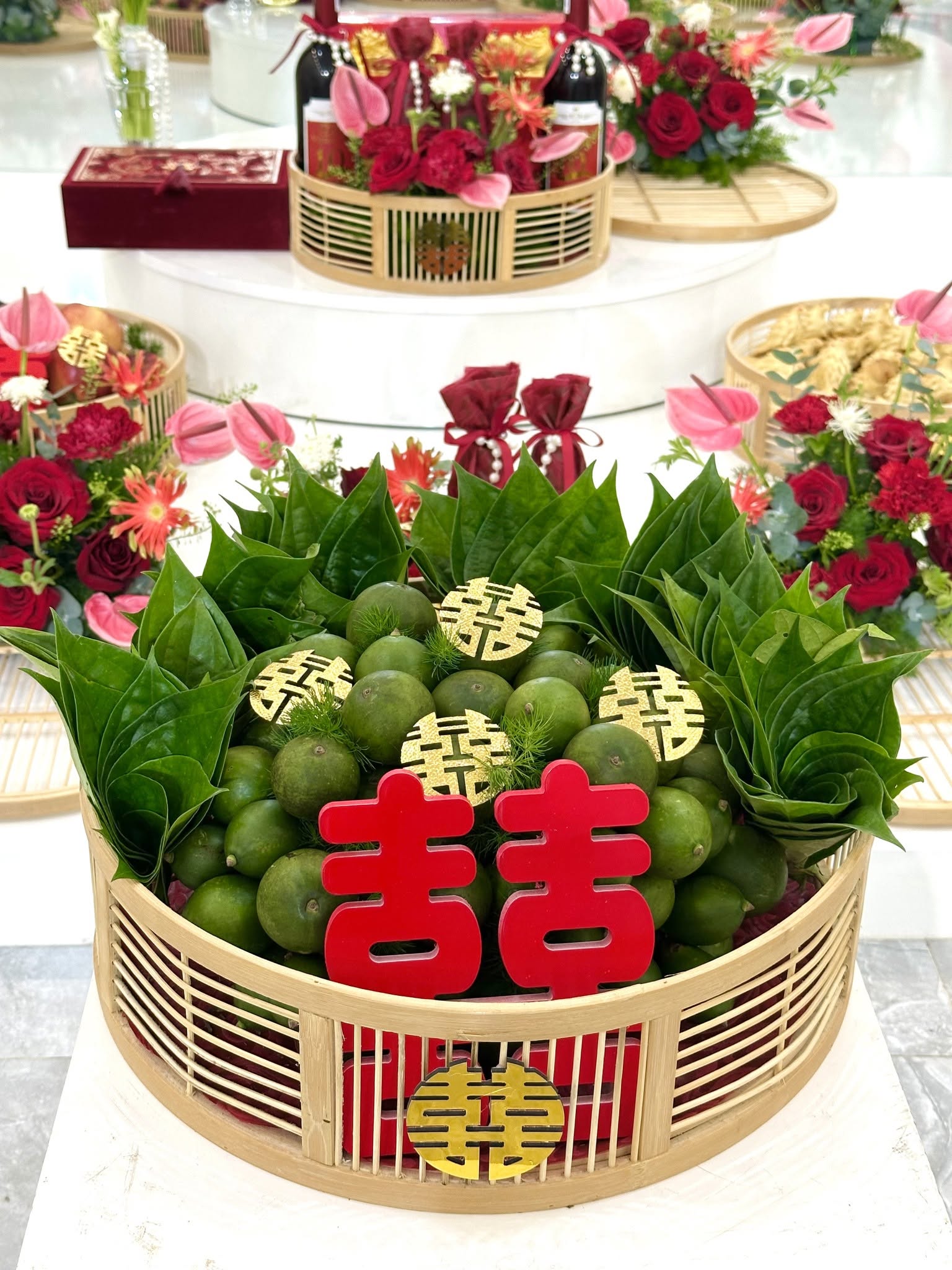
Trầu cau carries familiar associations with marriage and the opening of a family exchange. Source: Collected.
Trầu cau: a recognizable marriage symbol
Betel leaves and areca nuts, known together as trầu cau, are among the most recognizable gifts associated with Vietnamese marriage. Their importance extends beyond food: they belong to a wider history of offering hospitality and beginning a conversation.
The familiar saying “Miếng trầu là đầu câu chuyện” expresses this connection between an offered piece of betel and the start of an exchange. At a marriage celebration, the gesture acquires particular weight as families acknowledge a new bond.
The Legend of Betel and Areca connects the plants with marital faithfulness and sibling affection. It is folklore, not documentary evidence of how every wedding custom began. Its value lies in the story people use to explain enduring relationships.
For a visitor, trầu cau is best understood as a ceremonial and cultural presence. Seeing it on a tray does not mean guests are expected to try chewing it. Ask about its role and appreciate how it has been arranged.
Bánh phu thê: a cake named for husband and wife
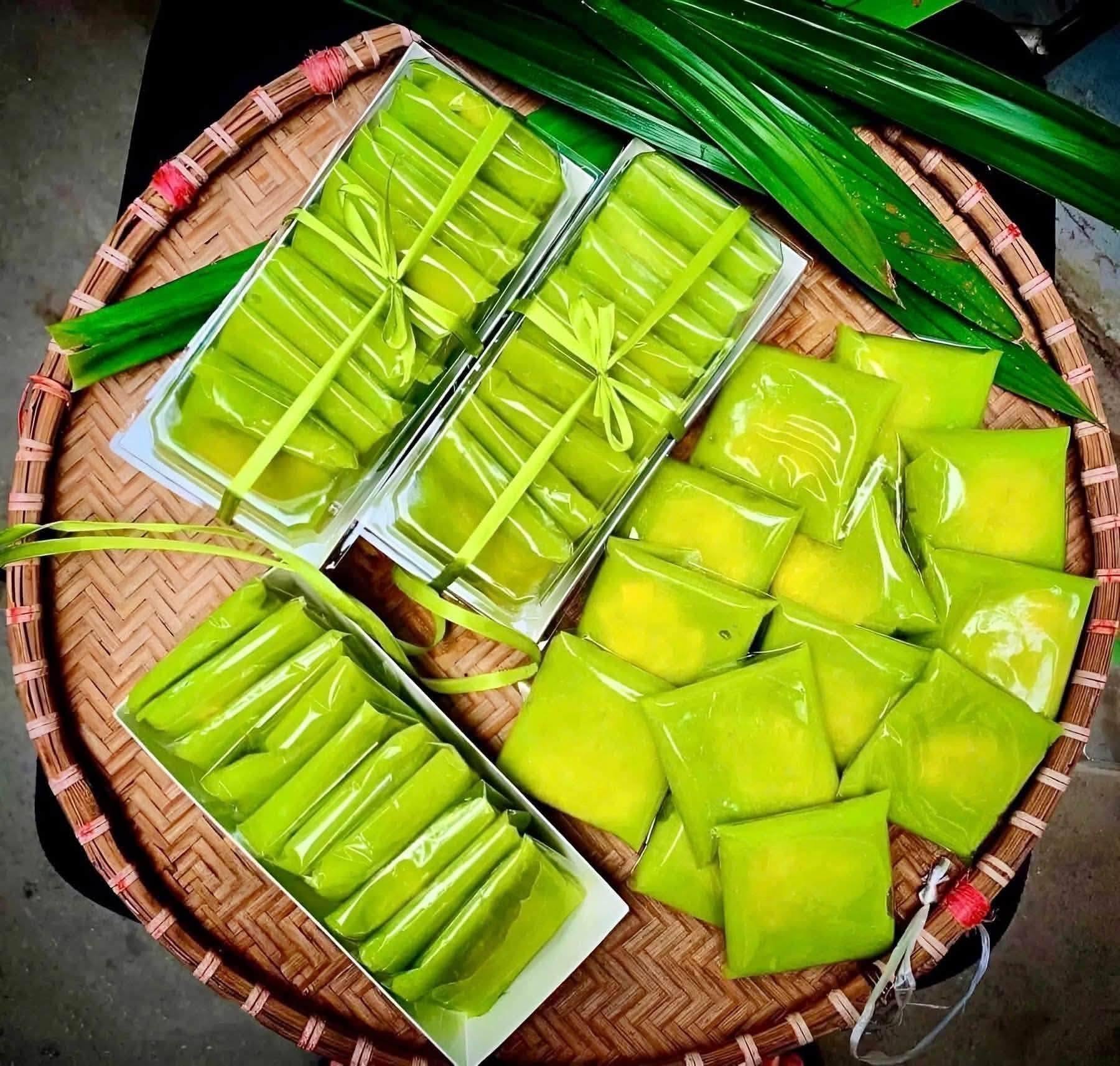
Bánh phu thê is associated with marital connection; preparation and presentation vary among makers. Source: Collected.
The name bánh phu thê directly evokes a married couple. Also encountered under names such as xu xê or su sê, the cake is closely associated with wishes for fidelity and lasting affection.
Descriptions linked with Bac Ninh emphasize small, carefully wrapped cakes and paired presentation. Sweetness and the idea of a couple belong to the cake's familiar marriage associations. Its significance makes it more than a decorative dessert, although it can also be enjoyed outside wedding occasions.
Recipes, colors, wrappers and textures differ among makers and local traditions. You may encounter a translucent outer layer and a filling featuring mung bean and coconut, but should not assume every similarly named cake uses an identical formula.
If you receive one, ask how it is unwrapped and when it should be eaten. The maker's storage instructions matter more than a general assumption that a wrapped sweet will keep throughout a long journey.
Bánh cốm: Hanoi's gift-giving connection
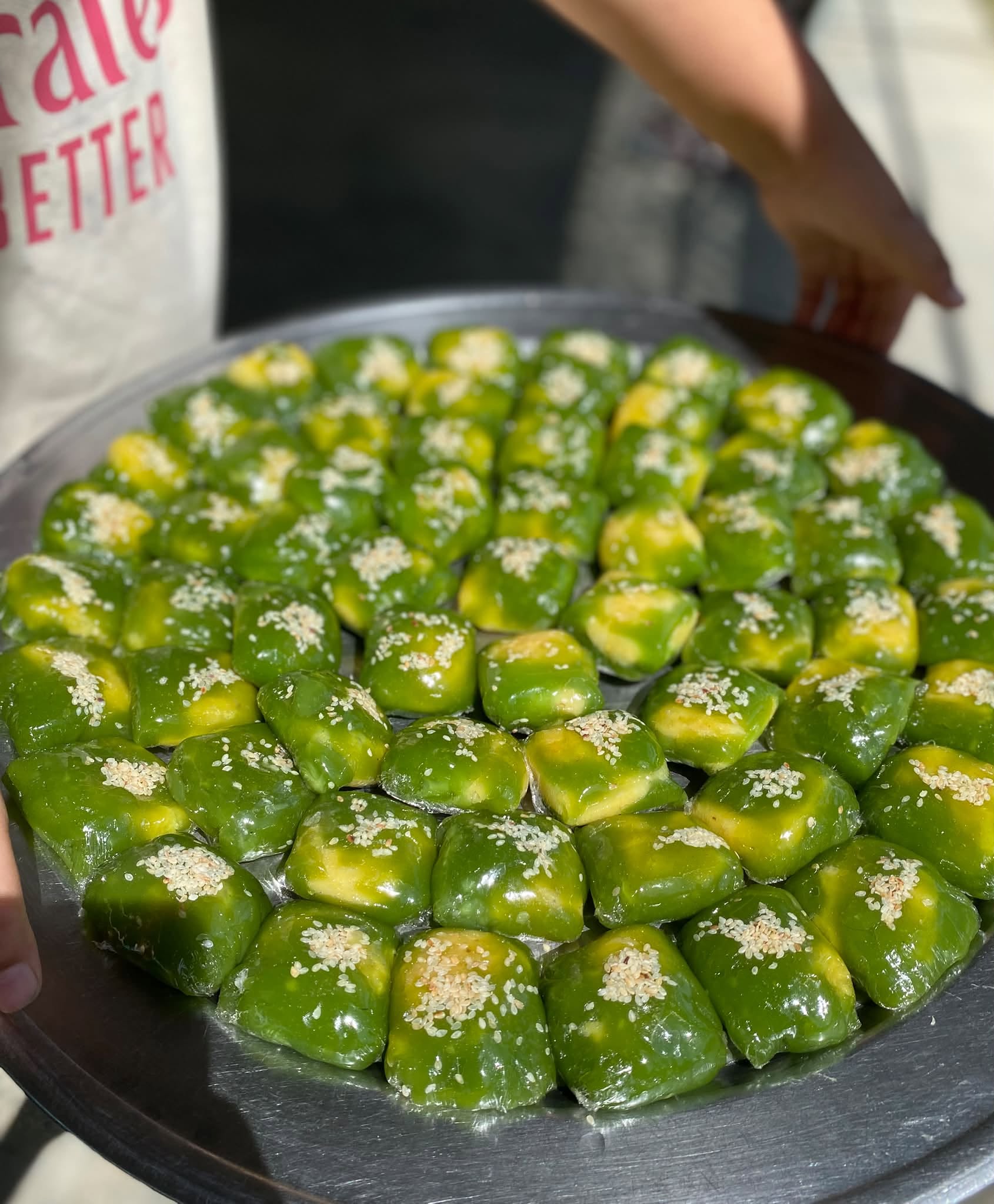
Bánh cốm belongs to Hanoi’s gift-giving traditions and is also enjoyed beyond wedding occasions. Source: Collected.
Bánh cốm is associated with Hanoi's sweet-making traditions, particularly Hang Than Street. Its green-rice exterior and sweet mung-bean filling make it recognizable, and it has an established place in gifts for engagements and other occasions.
Its cultural value includes the craft of making and presenting a thoughtful gift. There is no need to assign each ingredient a separate message about married life to make the cake meaningful.
This is also a reminder that wedding-associated foods exist within ordinary food culture. You can learn about them in shops and markets without attending a ceremony. Our Hanoi Food Guide offers a starting point for exploring the city's wider culinary life.
3. Other Offerings: Sticky Rice, Fruit, Tea and Wine
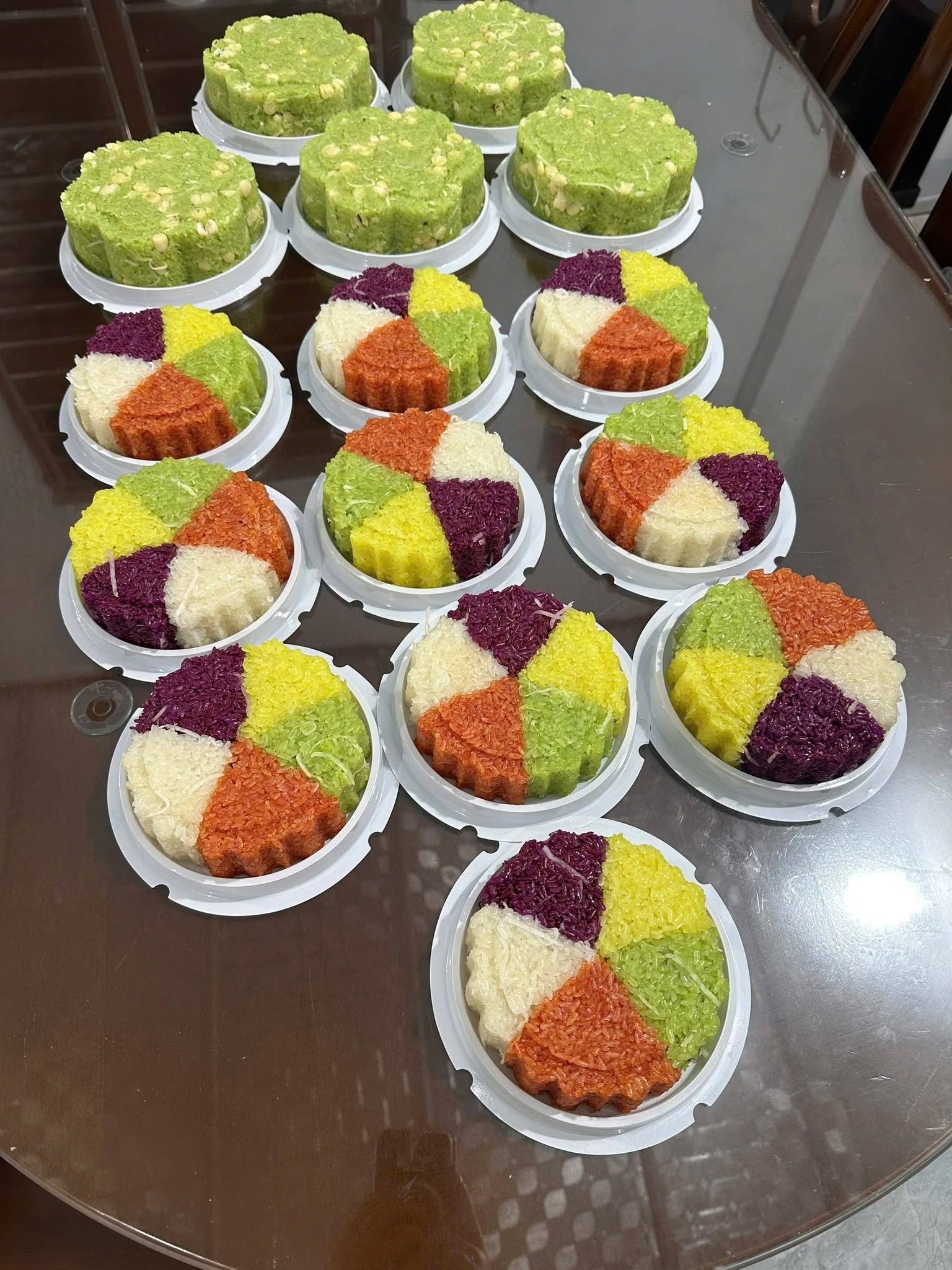
Sticky rice can take different forms at a festive meal. This photograph shows a multicoloured preparation. Source: Collected.
Xôi and the color of celebration
Sticky rice can appear in ceremonial arrangements or as part of a festive meal. Xôi gấc, colored by gấc fruit, offers a particularly vivid example. Its red-orange appearance connects with a broader association between red and good fortune.
That helps explain its appeal for happy occasions. It does not mean every wedding serves it, or that its absence changes the legitimacy of the celebration. Other preparations may be chosen according to local habits and the family's plans.
Fruit, tea and wine in context
Fruit adds another dimension to gift trays through selection, arrangement and presentation. Specific varieties may be chosen for local availability, appearance or meanings familiar to the family. Avoid applying one region's fruit wordplay to the whole country.
Tea and wine can serve as gifts and as part of welcoming or honoring participants. Their significance depends on what is happening: presenting a packaged item and serving a drink to an elder are distinct actions.
You may also see roast pork or other substantial foods among the gifts in some celebrations. Ask about that family's explanation rather than assuming a fixed meaning applies everywhere.
Item
What it is
Meaning or role to understand
What varies
Trầu cau
Betel leaves and areca nuts
Marriage associations and the opening of a family exchange
Arrangement and use
Bánh phu thê
A wedding-associated sweet
Wishes for fidelity and marital connection
Recipe, wrapping and presentation
Bánh cốm
Green-rice cake with a sweet filling
Gift-giving and Hanoi food heritage
Maker and occasion
Xôi gấc
Gấc-colored sticky rice
Festive food with auspicious color associations
Presence and preparation
Fruit
Selected fresh produce
A formal gift or offering
Varieties and local interpretations
Tea and wine
Drinks presented or served
Hospitality and participation in family observances
Serving sequence and customs
The useful distinction is between a widely recognized association and a personal interpretation. Both can matter, but they should not be described as the same kind of evidence.
4. What the Wedding Banquet Represents
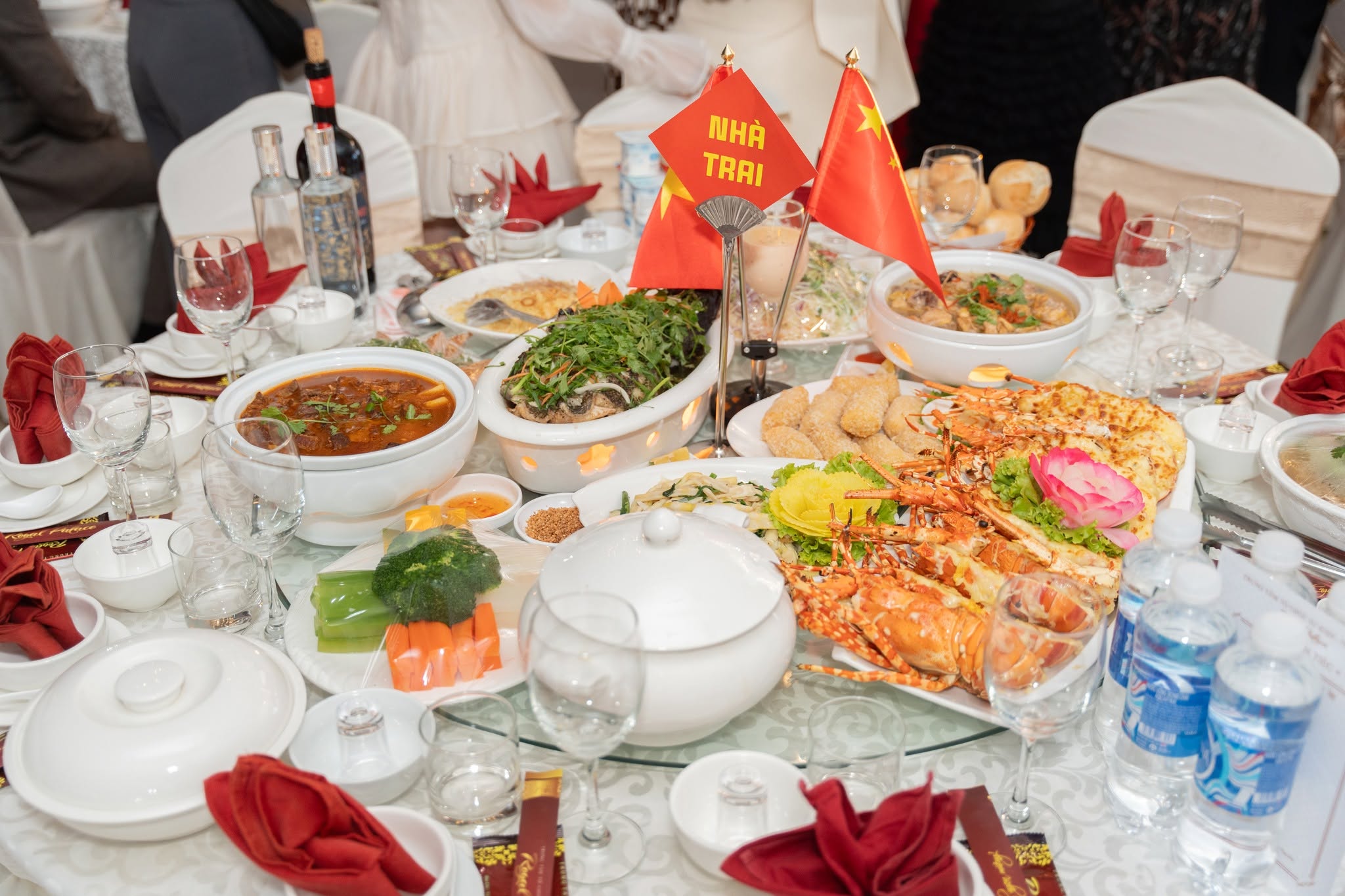
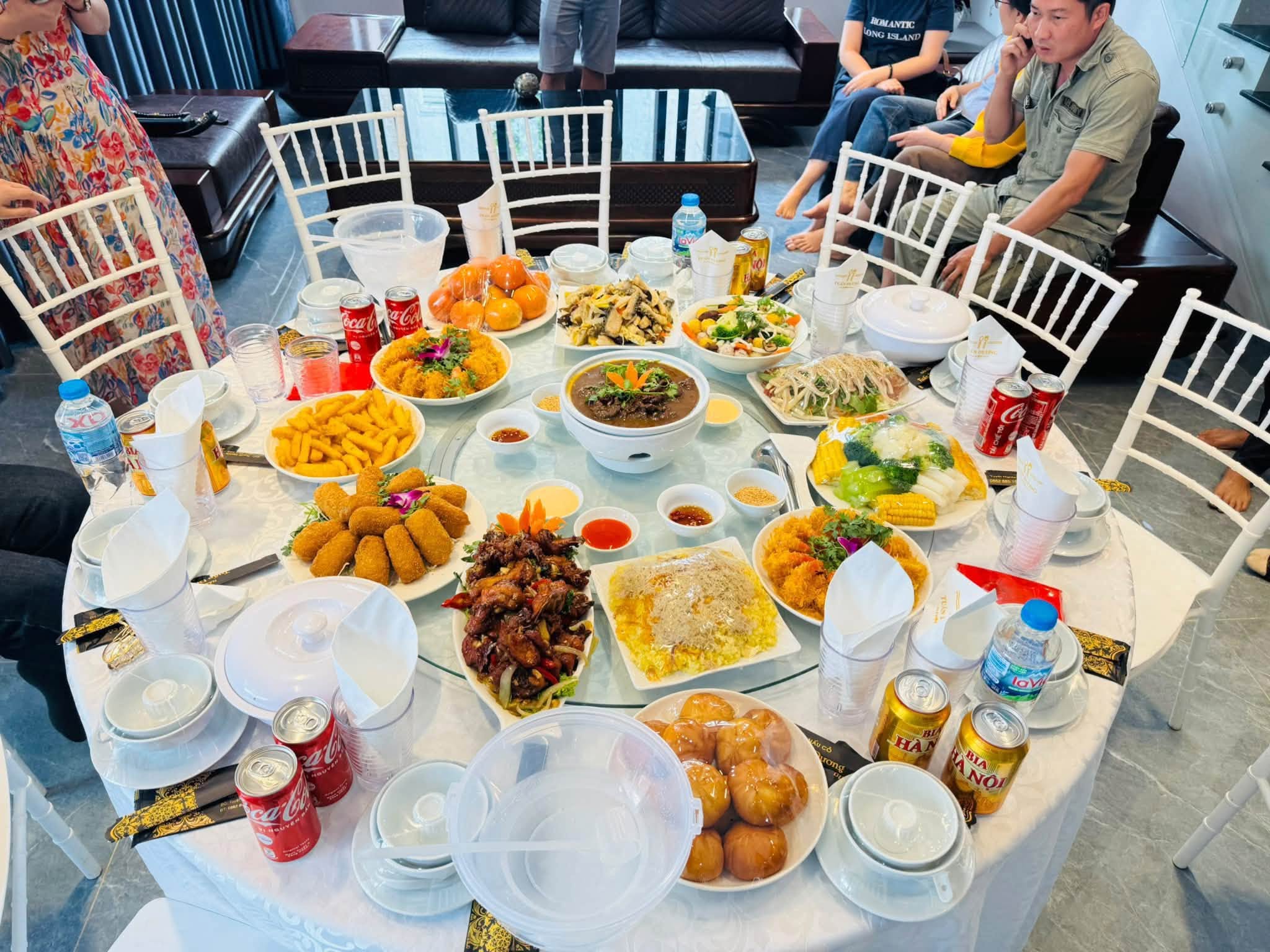
A wedding banquet welcomes guests through a meal selected by the hosts. Source: Collected.
Hospitality becomes a shared meal
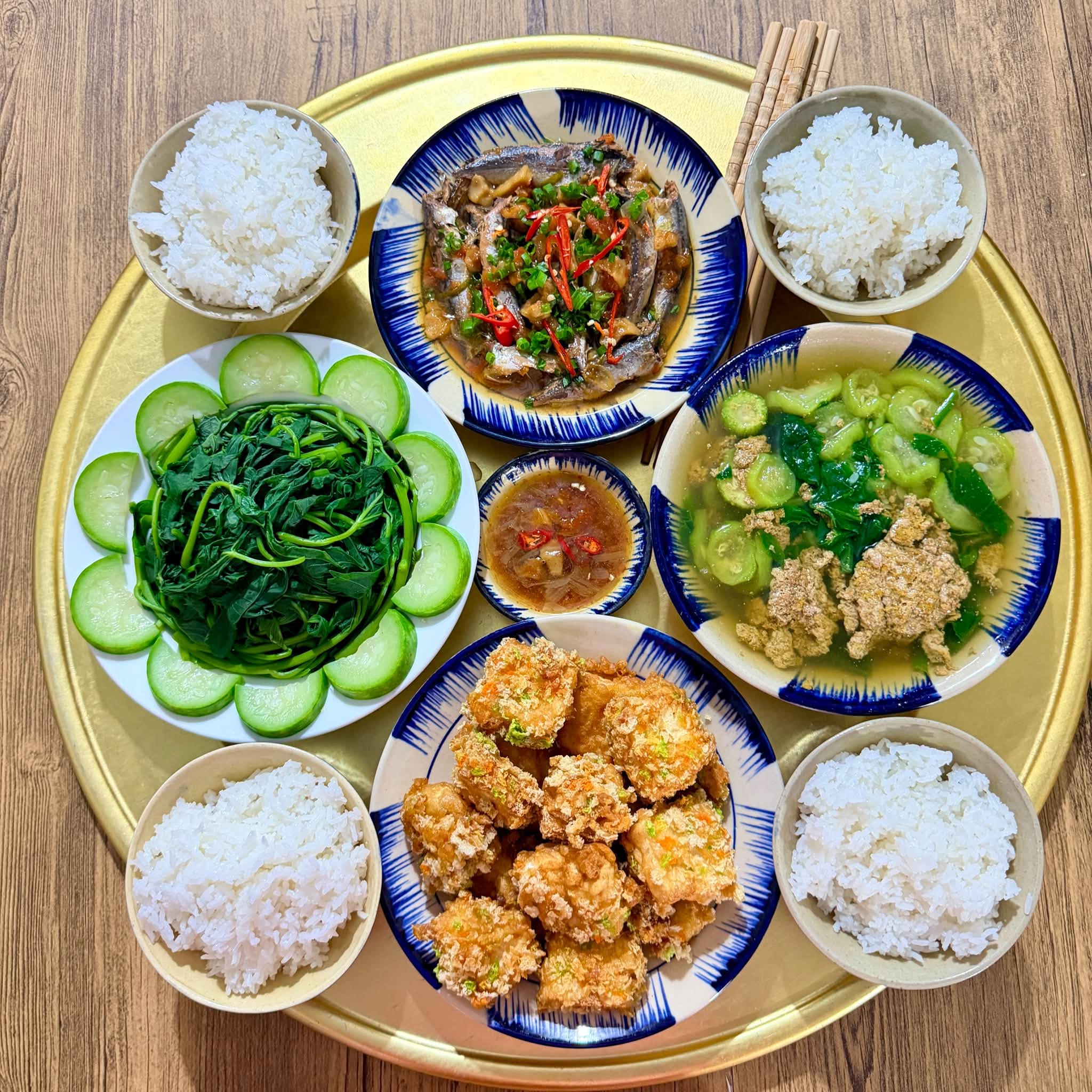
The reception gives the hosts a way to welcome relatives, friends and others important to the couple. Food creates time for greeting, conversation and celebration. Its collective role can matter more than a symbolic explanation for every dish.
A home celebration and a hotel banquet may look different. One can involve extensive help from relatives and neighbors; another may rely on a professional venue's service. Neither setting alone determines how meaningful the occasion is.
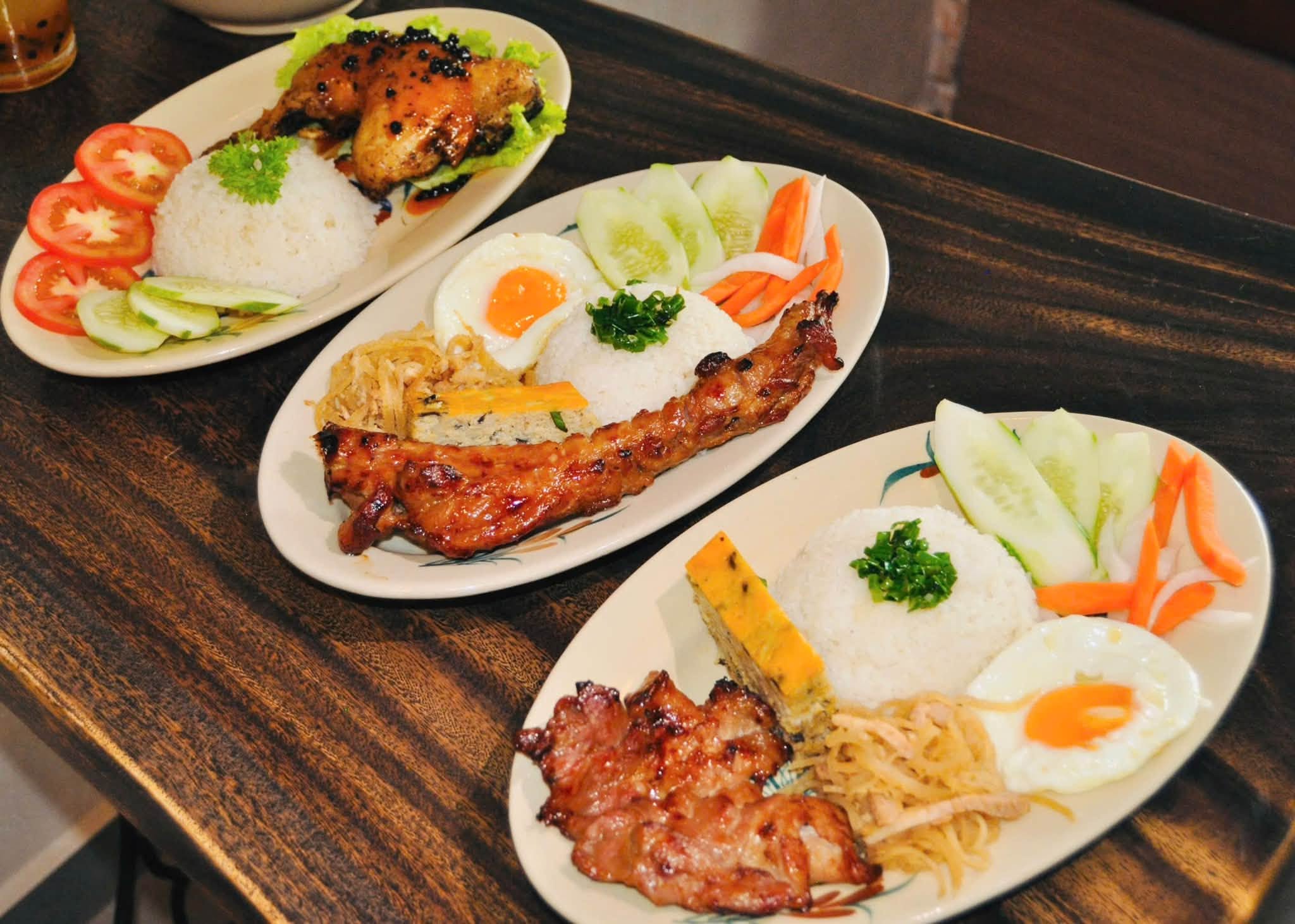
The meal might include opening dishes, soup, meat or seafood, a rice, noodle or hotpot course and a sweet finish. This is an illustration of possibilities, not a national sequence. Menus depend on the venue, guest list, budget and preferences.
Not every dish has a hidden meaning
A fish or chicken dish may be chosen because the family likes it, because the kitchen prepares it well or because it serves a large group conveniently. Those practical reasons are part of food culture too.
An auspicious menu name can be a celebratory flourish rather than evidence of an ancient custom. Distinguish that wording from the stronger marriage associations surrounding trầu cau and bánh phu thê.
Modern cake cutting, individually plated courses or an international dish can sit alongside family rituals. A changing menu does not automatically mean the couple has abandoned tradition.
For everyday dishes beyond the wedding setting, our Vietnam Food Guide helps put the feast within a broader landscape of regional cooking.
5. Regional Differences and Modern Choices
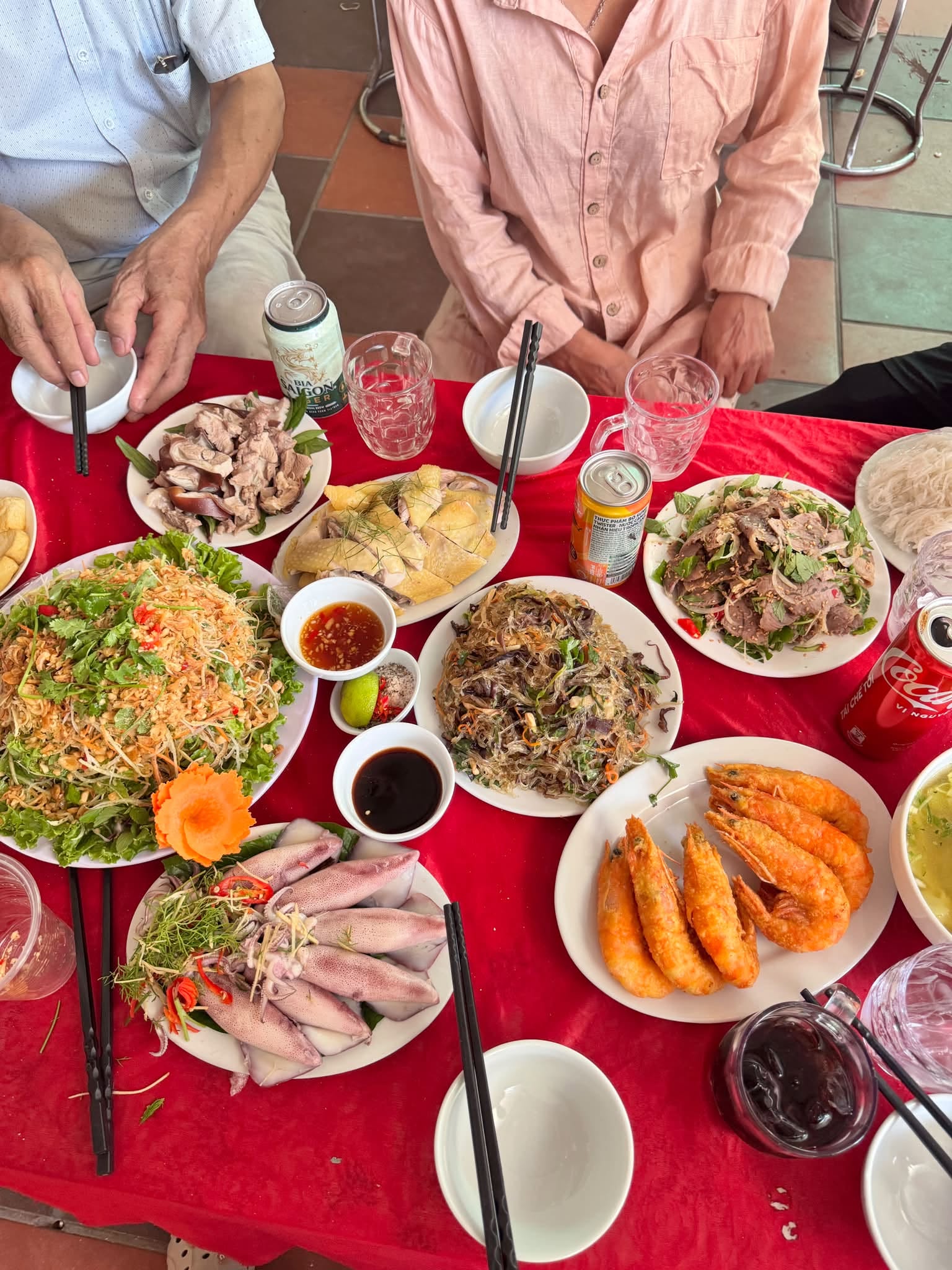
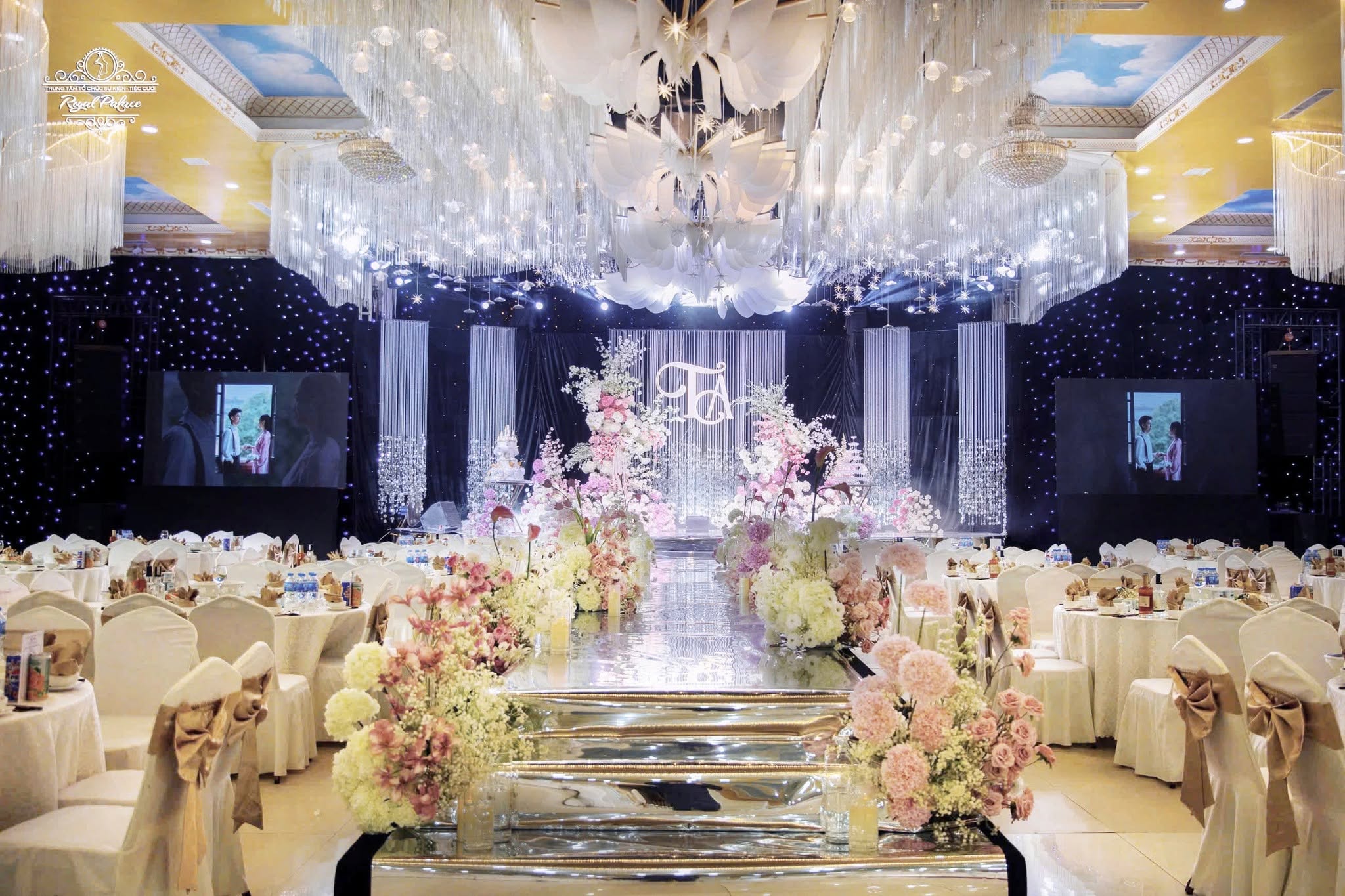
Wedding menus and table settings vary with the venue and the hosts’ choices. Source: Collected.
Use local examples without creating rigid maps
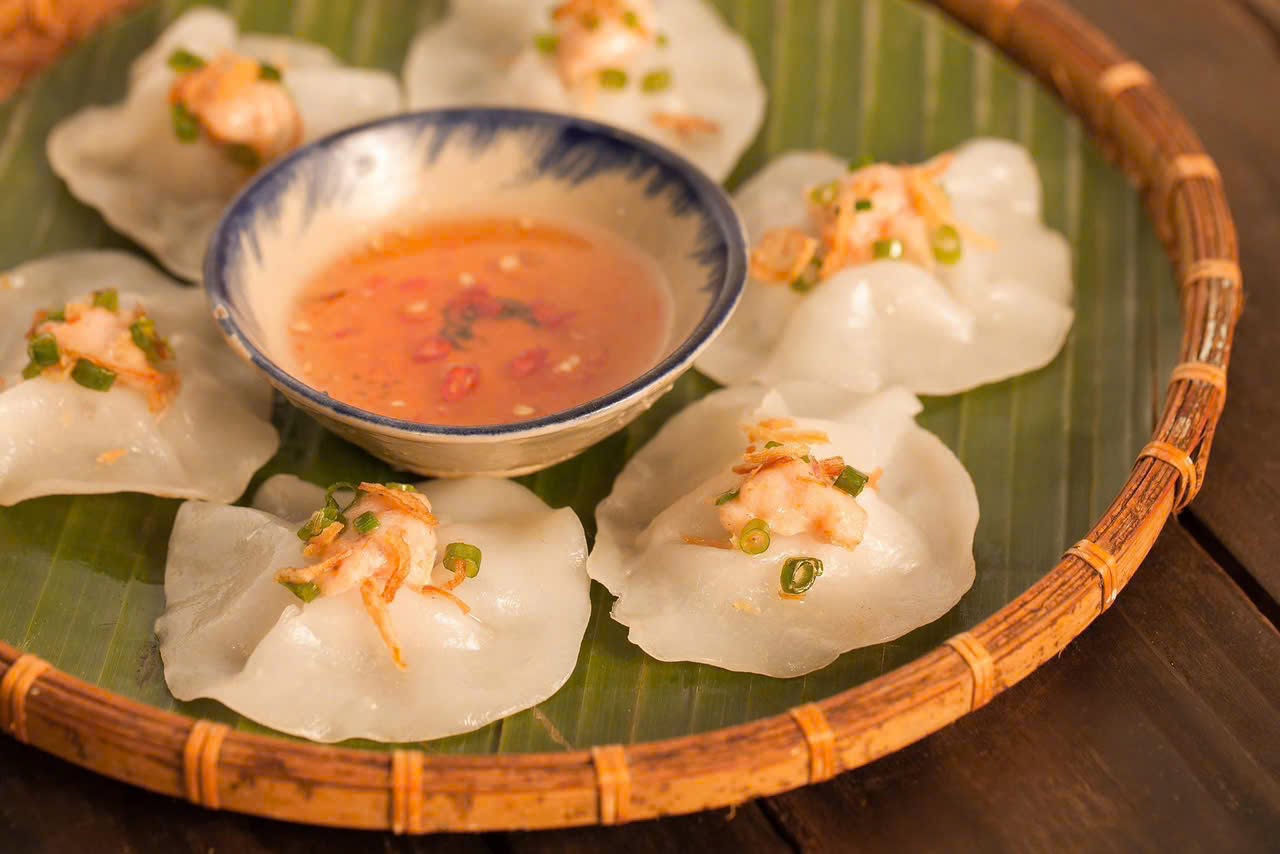
A cake familiar in one place may be made differently elsewhere. Hanoi's bánh cốm offers one local connection; interpretations of su sê cakes in Hoi An provide another. A documented Hoi An explanation links cake colors and presentation with ideas of harmony.
That is a useful local reading, rather than a formula that every Vietnamese couple uses. The meaning attached to a particular wrapper or color should be explained within its setting.
The same care applies to numbers. Tray counts, quantities within trays and the way gifts are divided are different questions. Online summaries can flatten these distinctions into apparently universal rules. If you are involved in organizing a ceremony, ask the families what they intend.
Families make choices in the present
Couples may simplify an exchange, combine events or adjust food for vegetarian relatives and guests with other requirements. Mixed-cultural families may bring together customs or explain unfamiliar elements during the celebration.
These decisions make the occasion specific to its participants. Tradition is also carried through people explaining why something matters to them, not only through repeating an exact arrangement.
For visitors, a respectful question is often “What does this item mean in your family?” It invites a story without expecting the host to speak for an entire country.
6. What International Guests Should Know
A prepared reception hall shows one contemporary setting for a wedding celebration. Source: Collected.
Understand which part you are attending
Ask whether your invitation includes a family ceremony, a reception or both. Do not assume a banquet invitation gives access to private observances. Weddings are personal occasions, not attractions that visitors can ordinarily book into.
At a ceremony, wait before opening gifts or taking food from a display. An edible item can still have a role to complete. Your host can explain when it may be shared.
At the table, ask which dishes are communal and how accompaniments are used. You can decline food or alcohol politely. There is no need to accept every serving to demonstrate appreciation.
Communicate before the celebration
Tell the hosts or organizer about dietary needs early. A prearranged banquet can be difficult to change at the table. Do not judge a cake's ingredients solely by its name, color or wrapper; ask the maker when necessary.
Request permission before photographing family rituals, an altar or close portraits. If someone gives you cakes to take away, check storage and freshness. International travelers should also check relevant entry rules before carrying food across a border.
The most rewarding understanding comes from noticing both the objects and the relationships around them. A carefully presented cake, a cup offered to an elder and a shared meal play different roles in the same celebration.
Continue exploring these connections through our Food and Culinary Tours. A market visit, food walk or cooking experience can connect dishes with their makers and traditions, without treating a private wedding as a visitor activity.